
Gypsum Technology Newark 1 What is Gypsum Formed
- Slides: 18
Gypsum Technology - Newark 1
What is Gypsum? Formed over many millions of years, by evaporation of sea water Evaporation phase lasted thousands of years Gypsum seams were buried and preserved Deposits brought nearer to earth’s surface during last Ice Age by erosion from galciers and melt waters
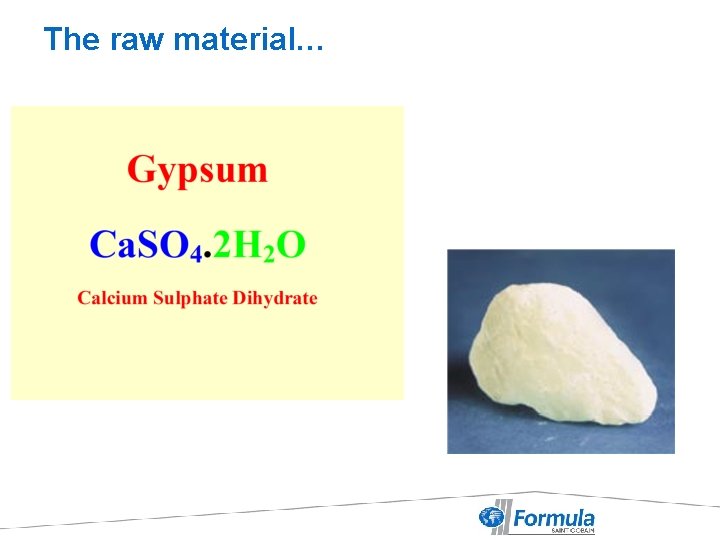
The raw material…
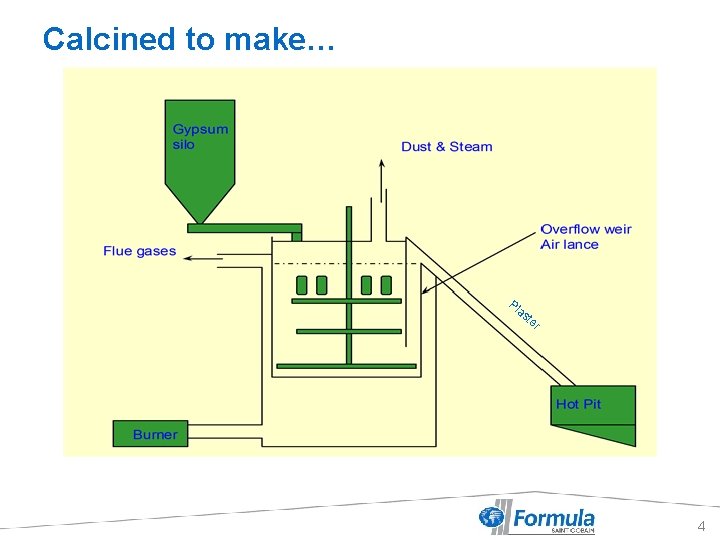
Calcined to make… Pl as te r 4
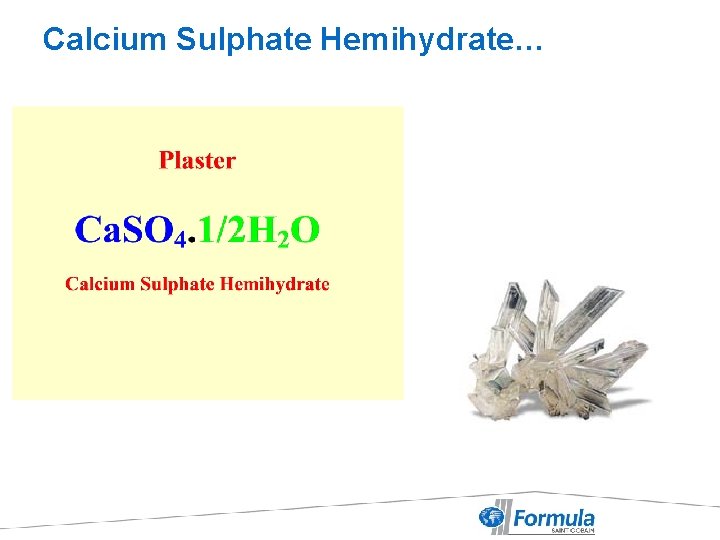
Calcium Sulphate Hemihydrate…
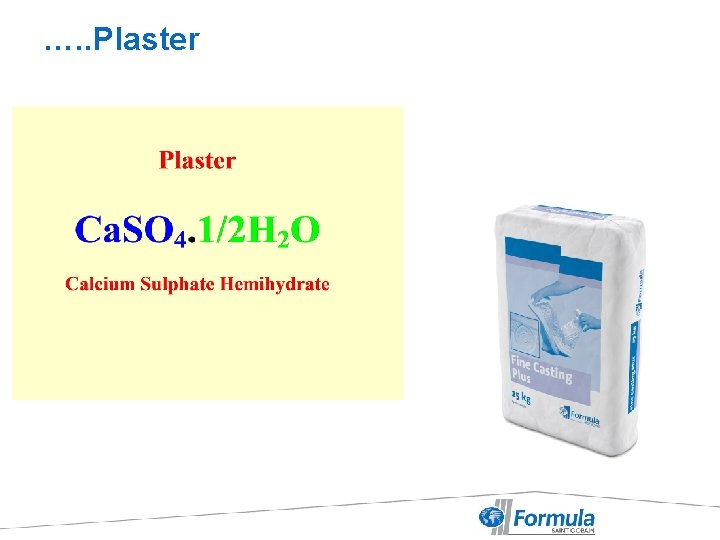
…. . Plaster
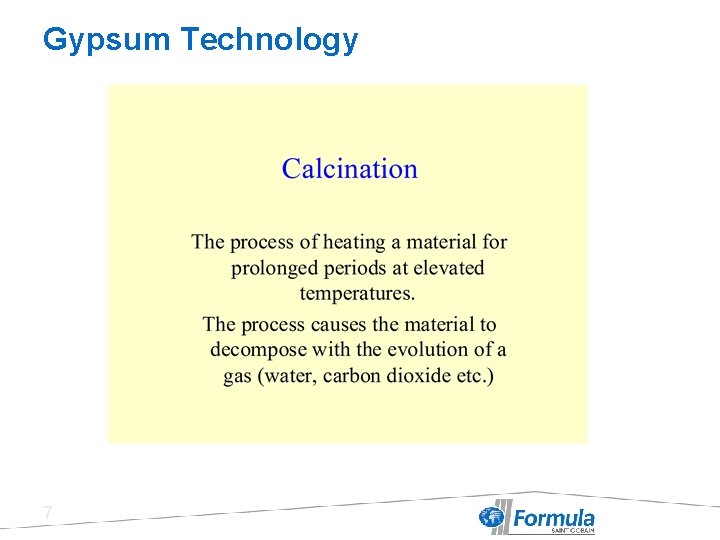
Gypsum Technology 7
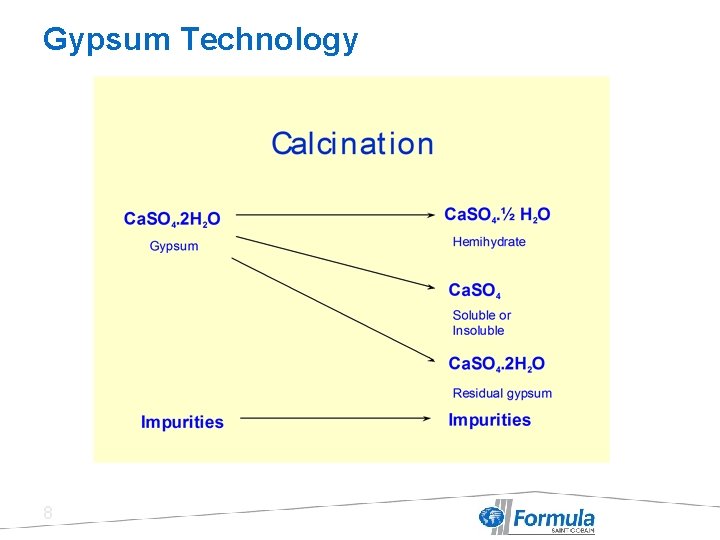
Gypsum Technology 8
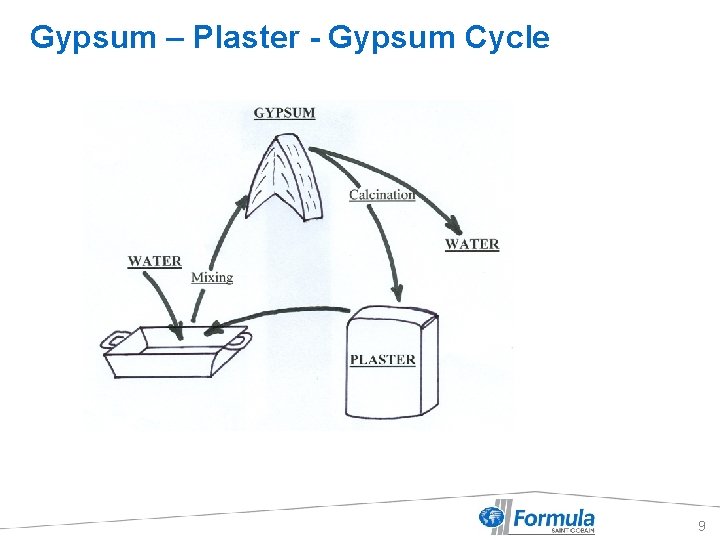
Gypsum – Plaster - Gypsum Cycle 9
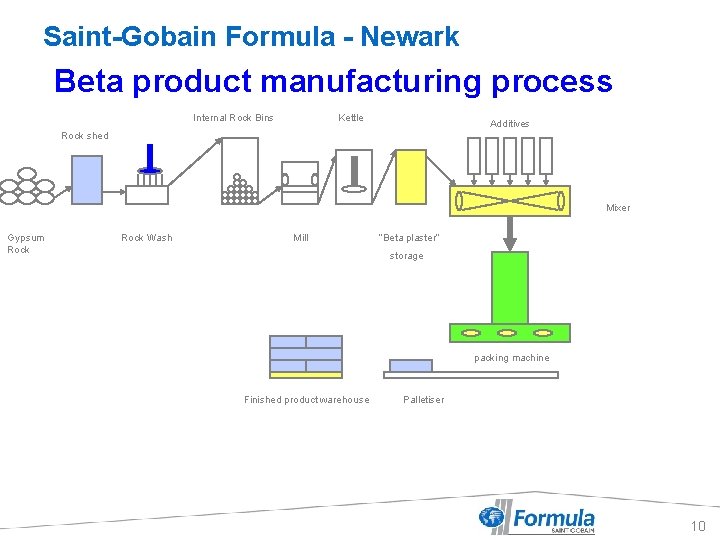
Saint-Gobain Formula - Newark Beta product manufacturing process Internal Rock Bins Kettle Additives Rock shed Mixer Gypsum Rock Wash Mill “Beta plaster” storage packing machine Finished product warehouse Palletiser 10
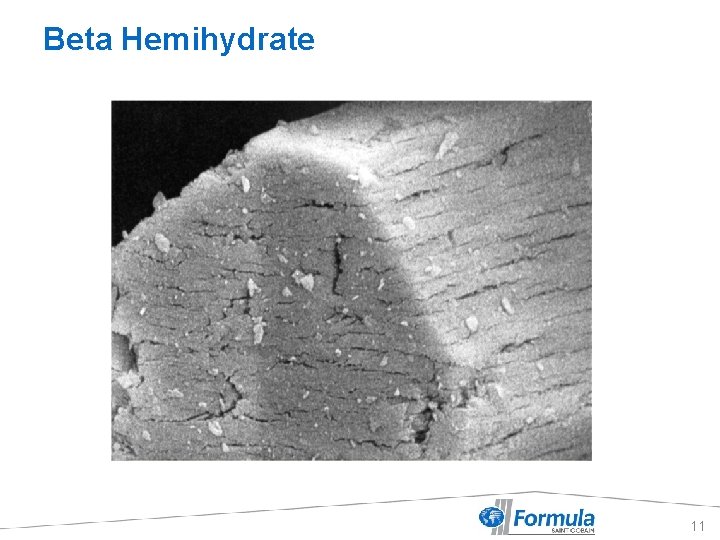
Beta Hemihydrate 11
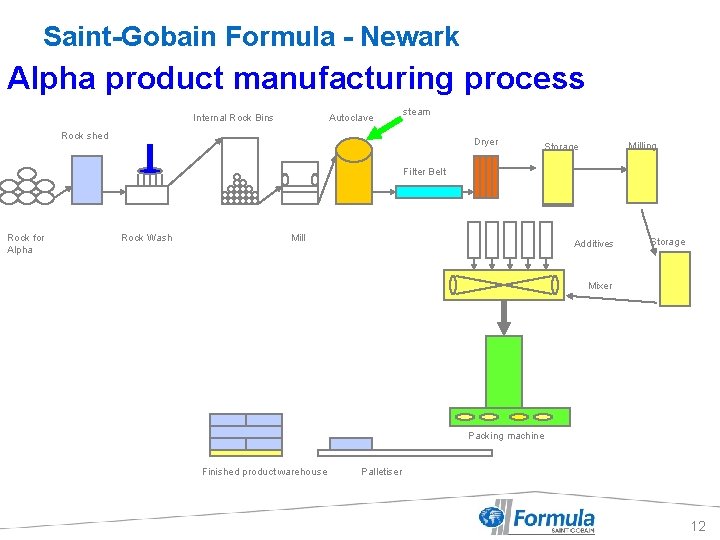
Saint-Gobain Formula - Newark Alpha product manufacturing process Internal Rock Bins Autoclave steam Rock shed Dryer Milling Storage Filter Belt Rock for Alpha Rock Wash Mill Additives Storage Mixer Packing machine Finished product warehouse Palletiser 12
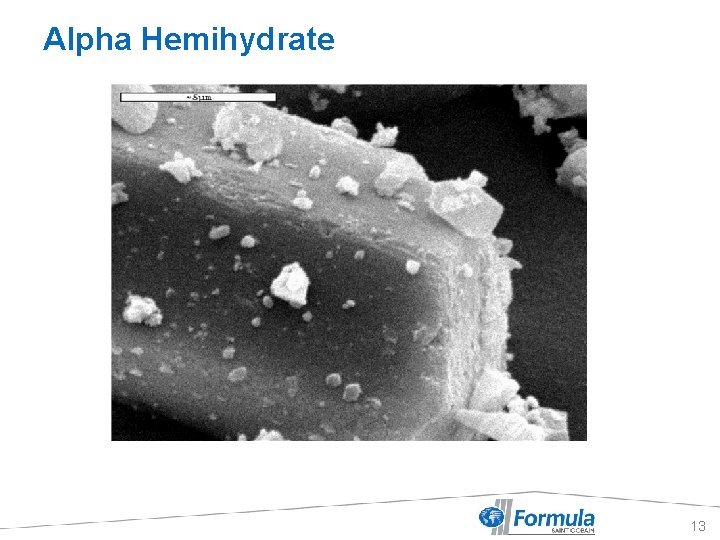
Alpha Hemihydrate 13
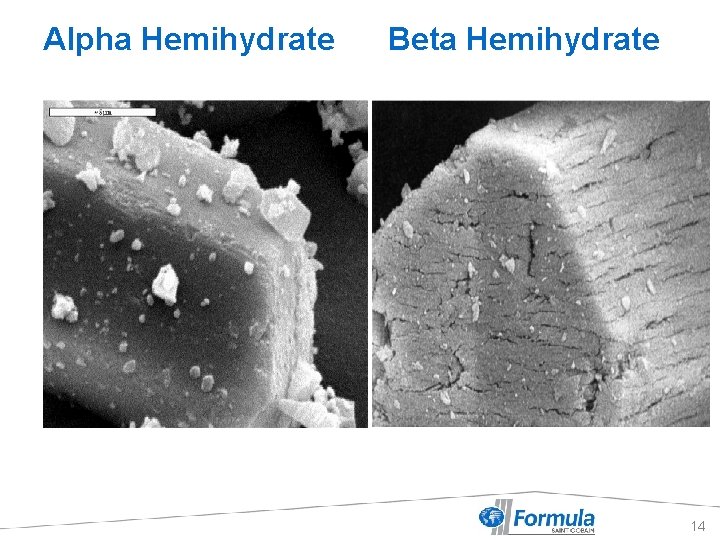
Alpha Hemihydrate Beta Hemihydrate 14
Formula Gypsum and Plaster Industrial Gypsum is mined at Newark due to high purity (>98%) of the seams Unique process allows us to formulate to achieve the desired product properties Reproduction of detail Working / setting time Strength Expansion Or supply as uncalcined gypsum mineral where high purity, good colour calcium sulphate is needed 15
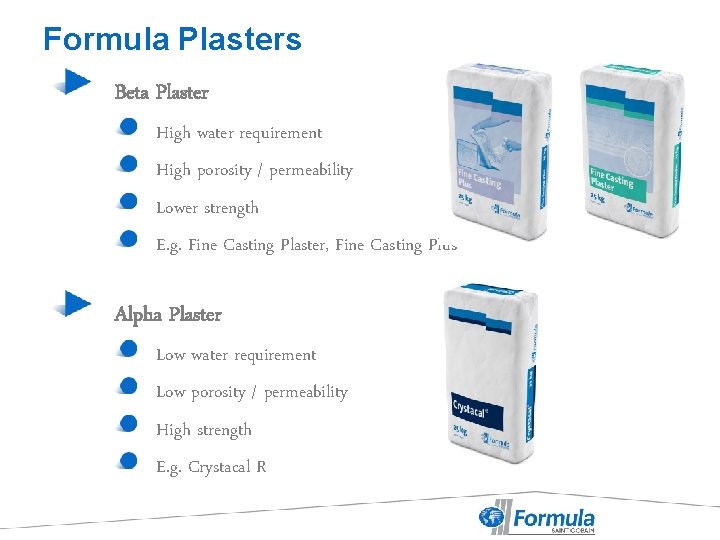
Formula Plasters Beta Plaster High water requirement High porosity / permeability Lower strength E. g. Fine Casting Plaster, Fine Casting Plus Alpha Plaster Low water requirement Low porosity / permeability High strength E. g. Crystacal R
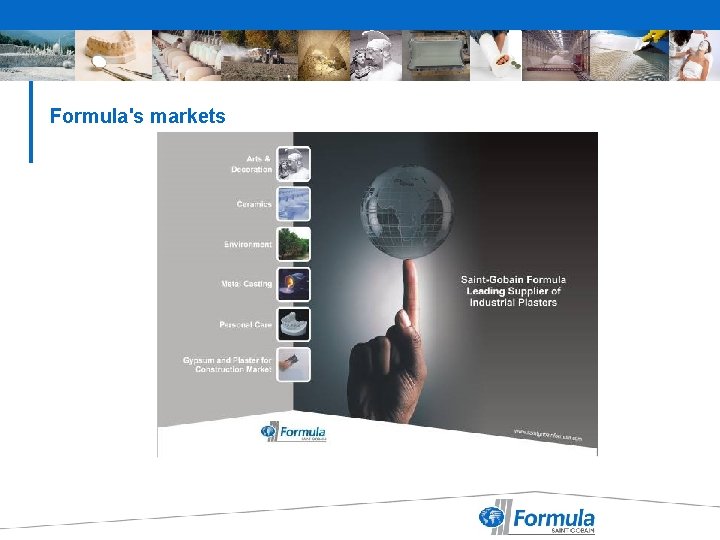
Formula's markets