
Gynecological infections By Alaa Khreisat Vaginal discharge acts
Gynecological infections By. . . Alaa Khreisat
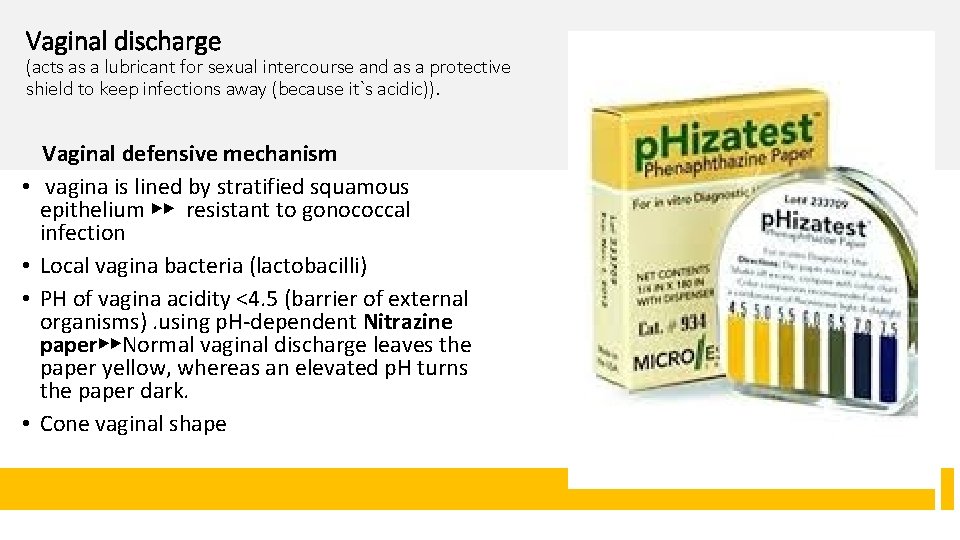
Vaginal discharge (acts as a lubricant for sexual intercourse and as a protective shield to keep infections away (because it`s acidic)). • • Vaginal defensive mechanism vagina is lined by stratified squamous epithelium ▶▶ resistant to gonococcal infection Local vagina bacteria (lactobacilli) PH of vagina acidity <4. 5 (barrier of external organisms). using p. H-dependent Nitrazine paper▶▶Normal vaginal discharge leaves the paper yellow, whereas an elevated p. H turns the paper dark. Cone vaginal shape
Physiologic Discharge • clear, white, flocculent, odourless discharge; p. H 3. 84. 2 • smear contains epithelial cells, Lactobacilli • increases with increased estrogen states: pregnancy, OCP, mid-cycle, PCOS, or premenarchal • if increased in perimenopausal/postmenopausal woman, consider investigation for other effects of excess estrogen (e. g. endometrial cancer).
Medical approach 1) History taking : Discharge( amount /consistency/colour/duration/ odour) first time and Associated symptoms(pain, itching, fever, bleeding , burnning , externl dysuria, pain during intercourse) Obtain history of the following: • Prior similar episodes • Sexually transmitted infection • Sexual activities • Douching practice • Antibiotic use • General medical history • Systemic symptoms such as lower abdominal pain, fever, chills, nausea, and vomiting.
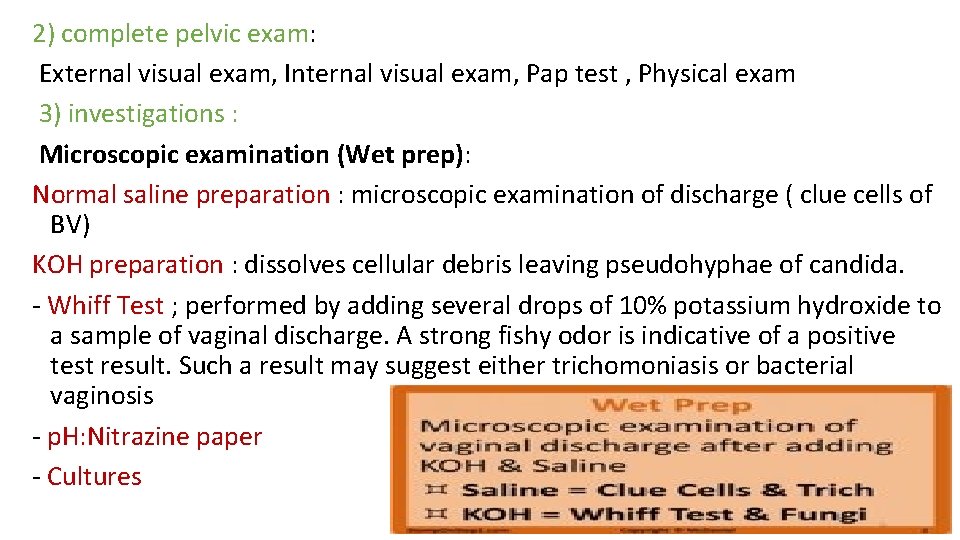
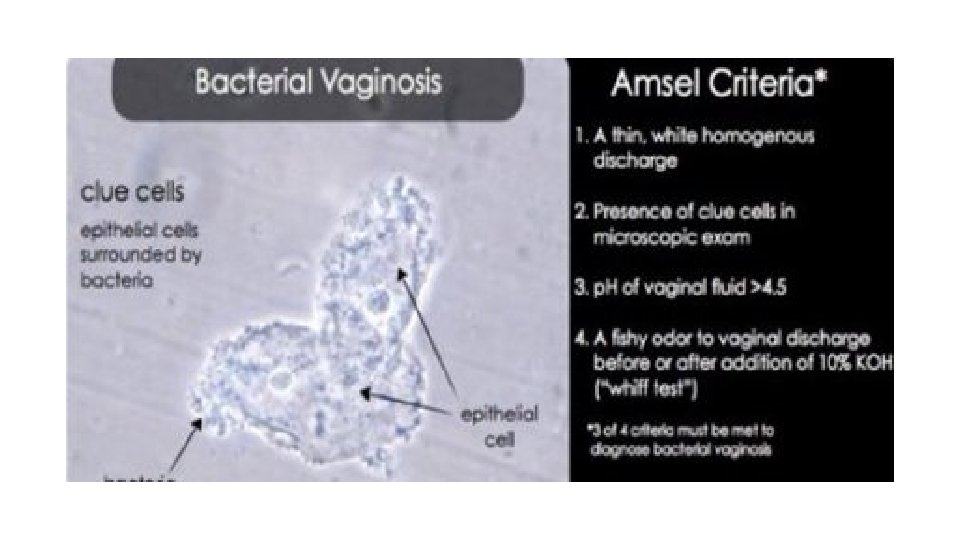
2) complete pelvic exam: External visual exam, Internal visual exam, Pap test , Physical exam 3) investigations : Microscopic examination (Wet prep): Normal saline preparation : microscopic examination of discharge ( clue cells of BV) KOH preparation : dissolves cellular debris leaving pseudohyphae of candida. - Whiff Test ; performed by adding several drops of 10% potassium hydroxide to a sample of vaginal discharge. A strong fishy odor is indicative of a positive test result. Such a result may suggest either trichomoniasis or bacterial vaginosis - p. H: Nitrazine paper - Cultures

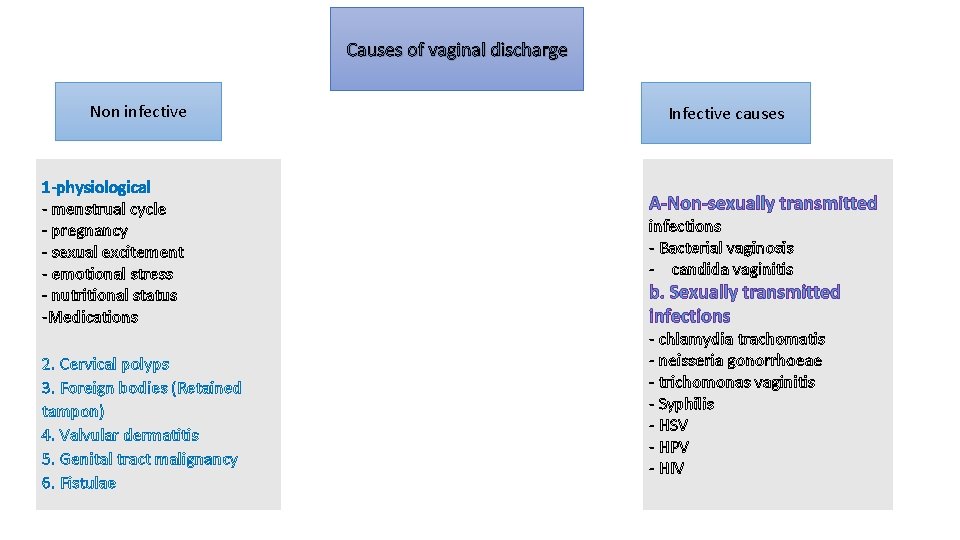
Causes of vaginal discharge Non infective 1 -physiological - menstrual cycle - pregnancy - sexual excitement - emotional stress - nutritional status -Medications 2. Cervical polyps 3. Foreign bodies (Retained tampon) 4. Valvular dermatitis 5. Genital tract malignancy 6. Fistulae Infective causes A-Non-sexually transmitted infections - Bacterial vaginosis - candida vaginitis b. Sexually transmitted infections - chlamydia trachomatis - neisseria gonorrhoeae - trichomonas vaginitis - Syphilis - HSV - HPV - HIV
PREPUBERTAL VULVOVAGINITIS • Etiology �infectious �poor hygiene, proximity of vagina to anus �recent infection (respiratory, enteric, systemic) �STI: investigate sexual abuse �non-specific �lack of protective hair and labial fat pads �lack of estrogenization �susceptible to chemicals, soaps (bubble baths), medications, and clothing �enuresis
Most common gynecological problem in prepubertal girls is non-specific vulvovaginitis, not yeast • Clinical features �irritation, pruritus �discharge �vulvar erythema �vaginal bleeding (specifically due to Group A Streptococci and Shigella) Prepubertal and Adolescent Gynecological Infections: Legal Aspects of Confidentiality
• Treatment �enhanced hygiene and local measures (handwashing, white cotton underwear, no nylon tights, no tight fitting clothes, no sleeper pajamas, sitz baths, avoid bubble baths, use milddetergent, eliminate fabric softener, avoid prolonged exposure to wet bathing suits, urination with legs spread apart) dermatological ointment (vitamin A/D) to protect vulvar skin �infectious: treat with antibiotics for organism identified
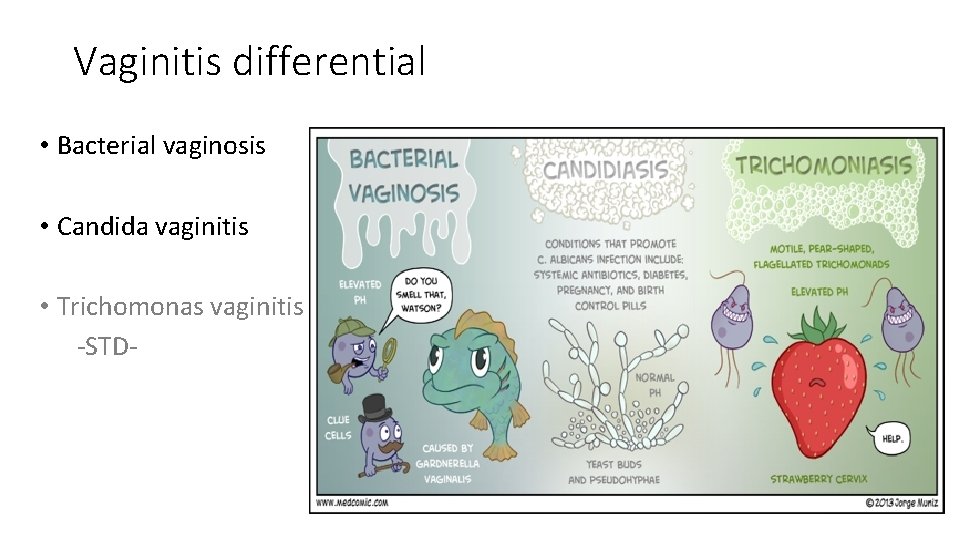
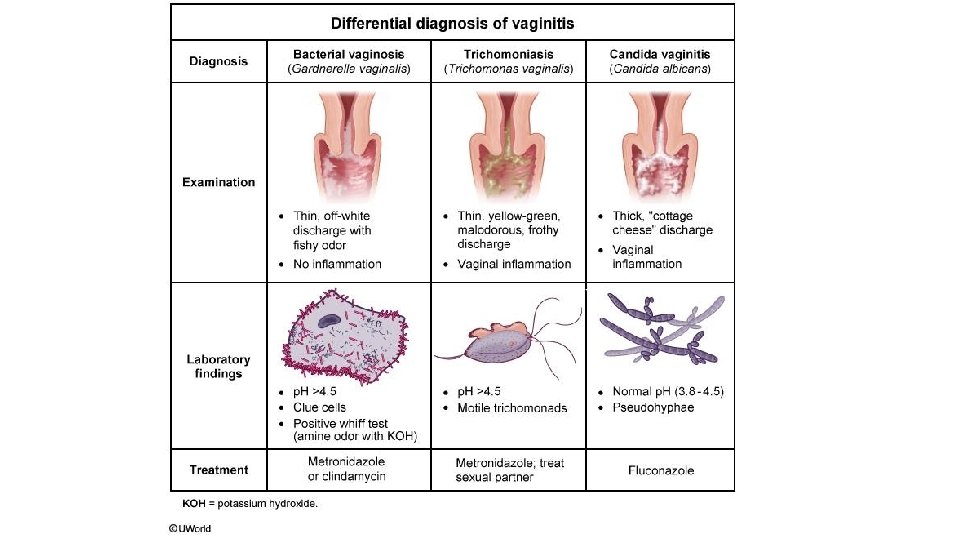
Vaginitis differential • Bacterial vaginosis • Candida vaginitis • Trichomonas vaginitis -STD-
• The commonest cause of abnormal vaginal discharge • While a definitive cause is not determined, ((Not a true infection, but alteration in concentration of normal vaginal bacteria (anaerobic species >lactobacilli))). Seen commonly in postmenopausal females due to decreased estrogen • The existence of Gardnerella vaginalis and other species has been more recently described

Risk factors • Douching • Black race • Smoking • Having a new sexual partner • Receiving oral sex.
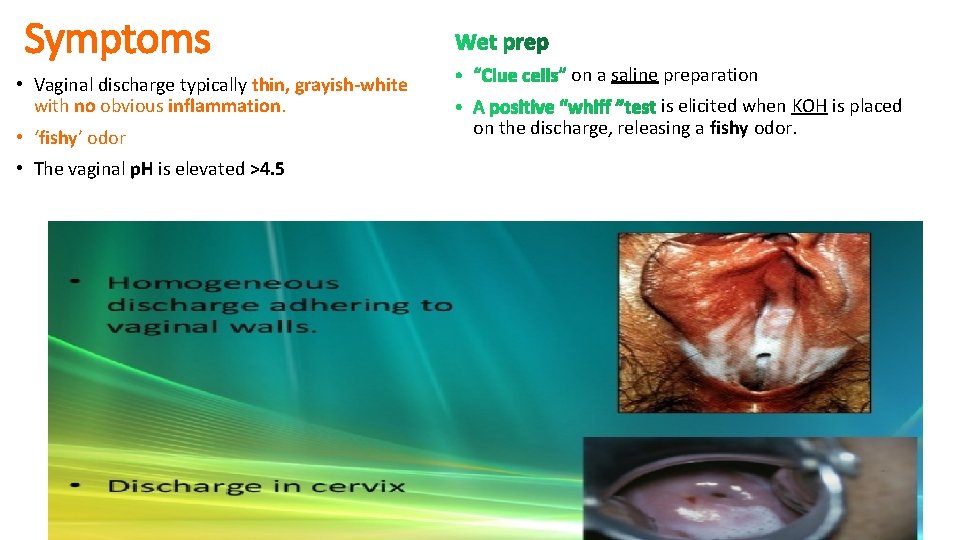
Symptoms • Vaginal discharge typically thin, grayish-white with no obvious inflammation. • ‘fishy’ odor • The vaginal p. H is elevated >4. 5 on a saline preparation is elicited when KOH is placed on the discharge, releasing a fishy odor.
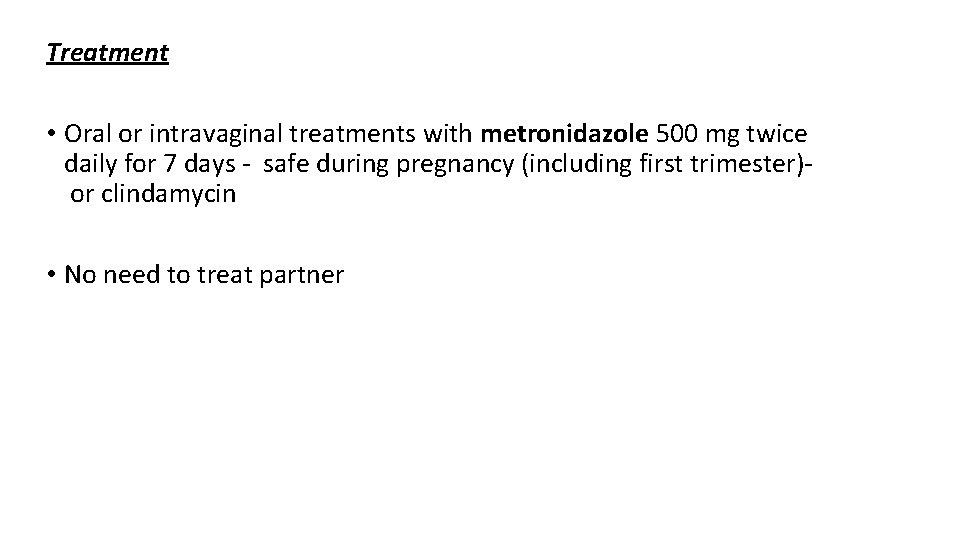
Treatment • Oral or intravaginal treatments with metronidazole 500 mg twice daily for 7 days - safe during pregnancy (including first trimester)or clindamycin • No need to treat partner
second most common cause of vaginitis • This condition occurs when yeast of the Candida species, most frequently , cause vulval and vaginal inflammation. include: Clinical features • Itching and burning, and pain with intercourse. • On speculum: Vaginal discharge is typically curdy and white ”cottage cheese”The vaginal epithelium is frequently edematous and inflamed. • Wet mount: pseudohyphae on a KOH prep. • Vaginal p. H is normal <4. 5.
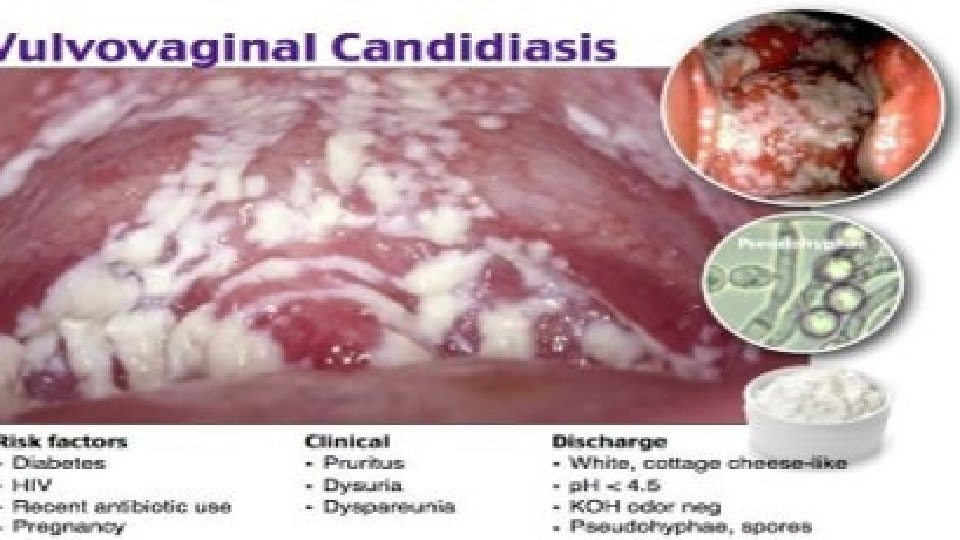
Up to 30 -40% of asymptomatic women do not need treatment , even if they are pregnant. A Recurrent infection (4/1 y): treat the acute episode (3 days of fluconazole) followed by a maintenance regimen (fluconazole 150 mg weekly for 6 months) to treat further recurrences.
Pelvic Inflammatory Disease • It’s an inflammation of the female upper genital tract (uterus, tubes, ovaries, ligaments) • caused mostly by ascending infection from the vagina and cervix. • The most common initial organisms are chlamydia and gonorrhea. With persistent infection, secondary bacterial invaders include anaerobes and gramnegative organisms.
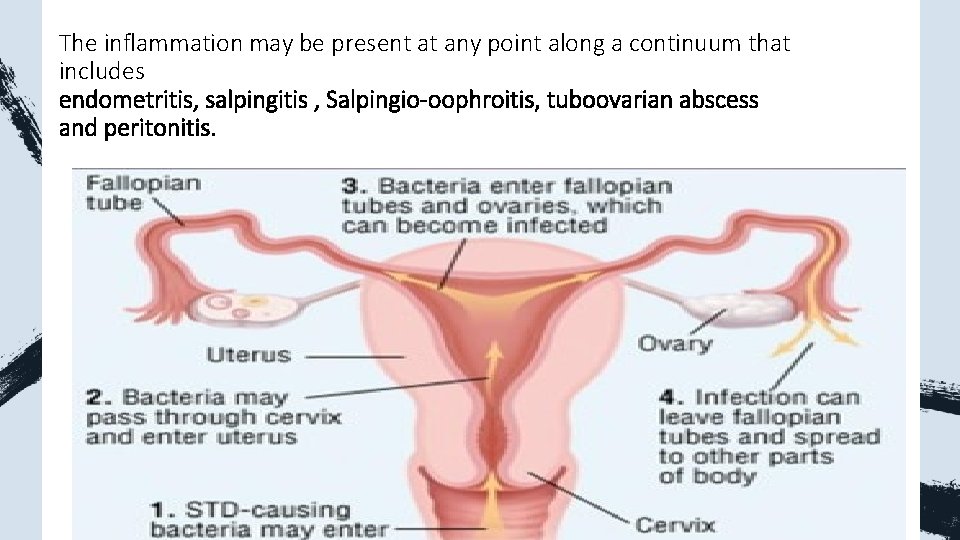
The inflammation may be present at any point along a continuum that includes endometritis, salpingitis , Salpingio-oophroitis, tuboovarian abscess and peritonitis.
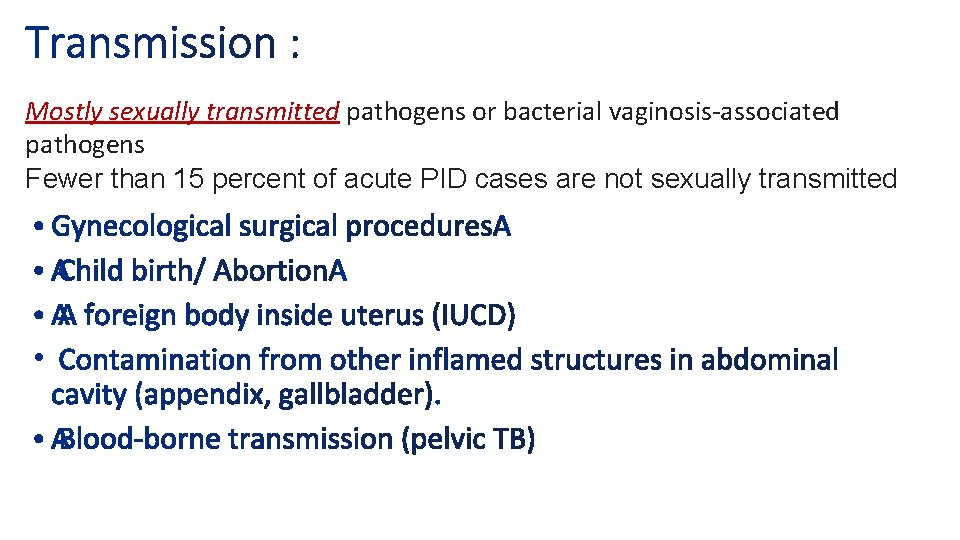
Mostly sexually transmitted pathogens or bacterial vaginosis-associated pathogens Fewer than 15 percent of acute PID cases are not sexually transmitted •
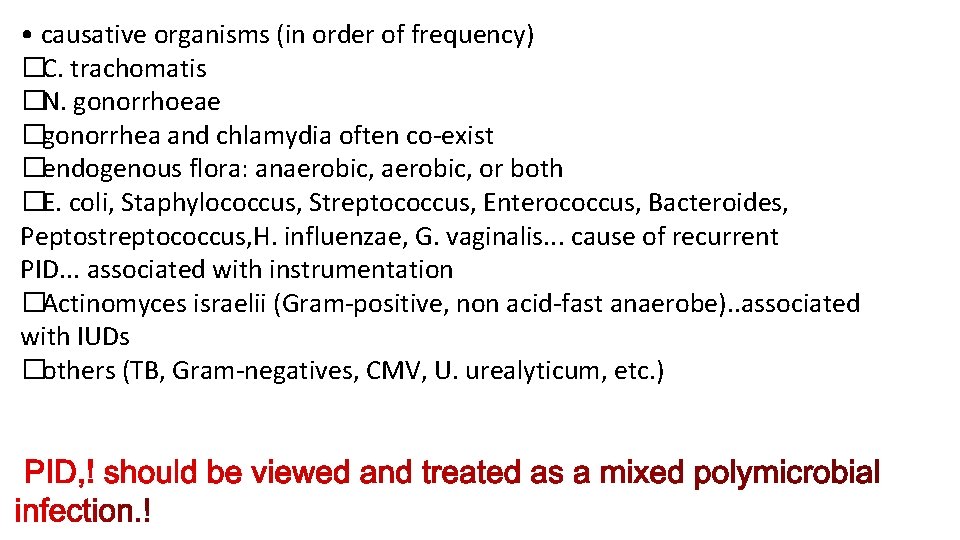
• causative organisms (in order of frequency) �C. trachomatis �N. gonorrhoeae �gonorrhea and chlamydia often co-exist �endogenous flora: anaerobic, or both �E. coli, Staphylococcus, Streptococcus, Enterococcus, Bacteroides, Peptostreptococcus, H. influenzae, G. vaginalis. . . cause of recurrent PID. . . associated with instrumentation �Actinomyces israelii (Gram-positive, non acid-fast anaerobe). . associated with IUDs �others (TB, Gram-negatives, CMV, U. urealyticum, etc. )
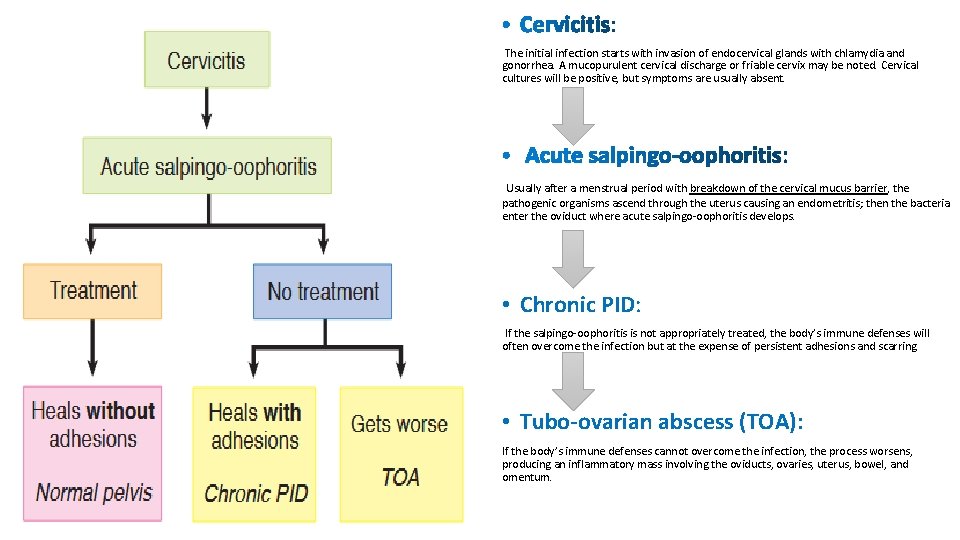
The initial infection starts with invasion of endocervical glands with chlamydia and gonorrhea. A mucopurulent cervical discharge or friable cervix may be noted. Cervical cultures will be positive, but symptoms are usually absent. Usually after a menstrual period with breakdown of the cervical mucus barrier, the pathogenic organisms ascend through the uterus causing an endometritis; then the bacteria enter the oviduct where acute salpingo-oophoritis develops. • Chronic PID: If the salpingo-oophoritis is not appropriately treated, the body’s immune defenses will often overcome the infection but at the expense of persistent adhesions and scarring. • Tubo-ovarian abscess (TOA): If the body’s immune defenses cannot overcome the infection, the process worsens, producing an inflammatory mass involving the oviducts, ovaries, uterus, bowel, and omentum.
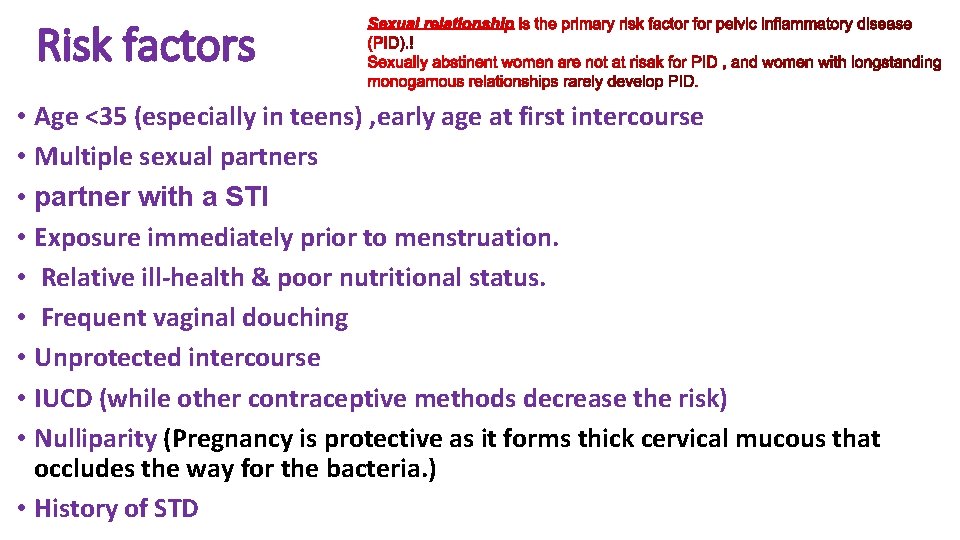
Risk factors • Age <35 (especially in teens) , early age at first intercourse • Multiple sexual partners • partner with a STI • Exposure immediately prior to menstruation. • Relative ill-health & poor nutritional status. • Frequent vaginal douching • Unprotected intercourse • IUCD (while other contraceptive methods decrease the risk) • Nulliparity (Pregnancy is protective as it forms thick cervical mucous that occludes the way for the bacteria. ) • History of STD
ACUTE PID PRESENTATION: INCIDENCE • • up to 2/3 asymptomatic: many subtle or mild symptoms • • common, , , �fever >38. 3ºC �lower abdominal pain and tenderness � abnormal discharge: cervical or vaginal • • uncommon �N/V �dysuria �AUB -urinary frequency and abnormal vaginal discharge. - Malaise, vomiting
Physical examination abdominal tenderness on palpation, greatest in the lower quadrants, which may or may not be symmetrical. Rebound tenderness, fever, and decreased bowel sounds are usually limited to women with more severe PID. Acute cervical motion, uterine, and adnexal tenderness on bimanual pelvic examination are the defining characteristic of acute symptomatic PID. Purulent endocervical discharge and/or vaginal discharge is also common.
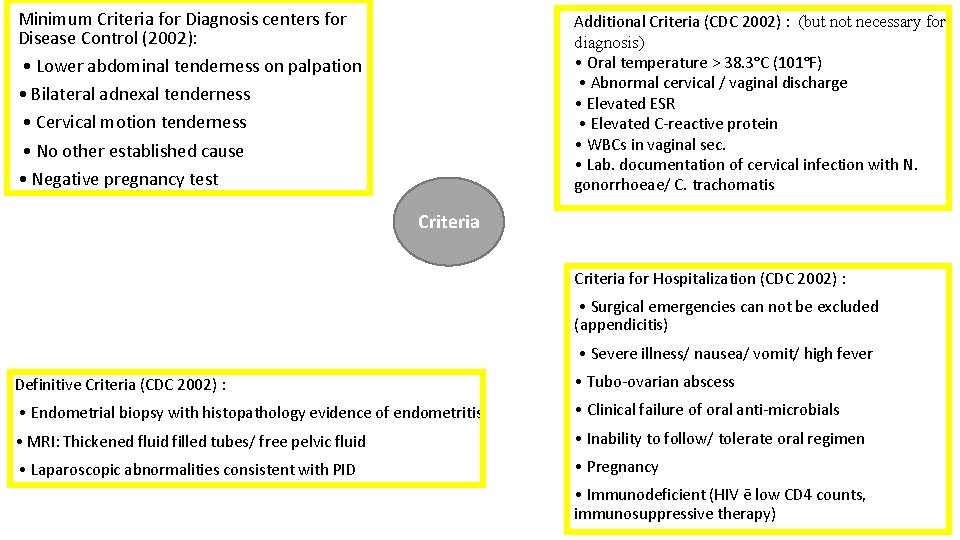
Minimum Criteria for Diagnosis centers for Disease Control (2002): • Lower abdominal tenderness on palpation • Bilateral adnexal tenderness • Cervical motion tenderness • No other established cause • Negative pregnancy test Additional Criteria (CDC 2002) : (but not necessary for diagnosis) • Oral temperature > 38. 3°C (101°F) • Abnormal cervical / vaginal discharge • Elevated ESR • Elevated C-reactive protein • WBCs in vaginal sec. • Lab. documentation of cervical infection with N. gonorrhoeae/ C. trachomatis Criteria for Hospitalization (CDC 2002) : • Surgical emergencies can not be excluded (appendicitis) • Severe illness/ nausea/ vomit/ high fever Definitive Criteria (CDC 2002) : • Tubo-ovarian abscess • Endometrial biopsy with histopathology evidence of endometritis • Clinical failure of oral anti-microbials • MRI: Thickened fluid filled tubes/ free pelvic fluid • Inability to follow/ tolerate oral regimen • Laparoscopic abnormalities consistent with PID • Pregnancy • Immunodeficient (HIV ē low CD 4 counts, immunosuppressive therapy)
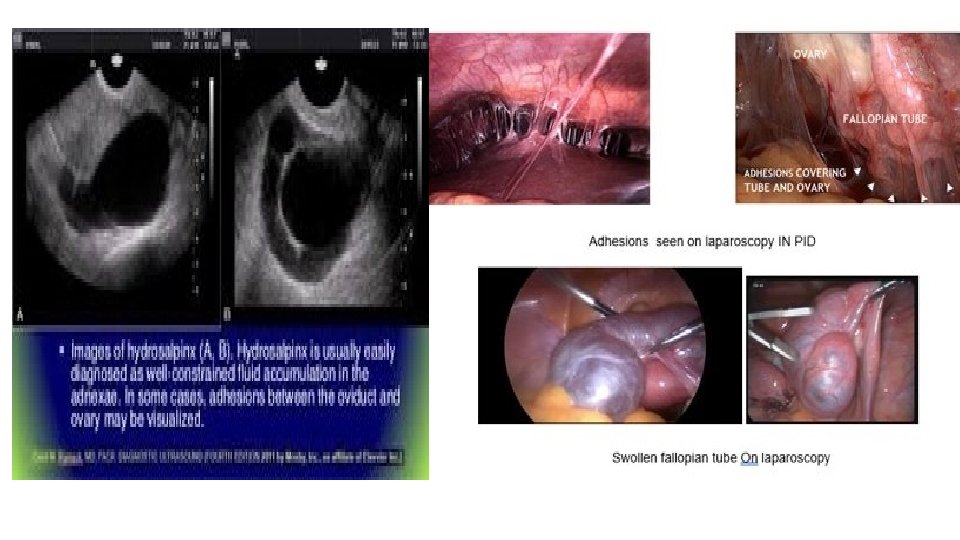
• Pregnancy test • CBC, ESR, CRP • Urinalysis • Gonorrhea, Chlamydia detection (Gram stain/ Cultures / ELISA/ DNA ) • Tests for TB, syphilis, HIV • Pelvic Ultrasound. • Laparoscopy in women with PID may reveal scarring and adhesion formation between the structures of the pelvis and the development of hydrosalpinges of the tubes
• We routinely order imaging studies for women with a diagnosis of PID who have one or more of the following characteristics: • Acutely ill. • Significant abdominopelvic tenderness precluding a complete pelvic examination. • Adnexal mass noted on examination, particularly a tender mass. • Lack of, or poor response to, antibiotic therapy – For women who had earlier negative imaging studies for TOA (at least 48 to 72 hours previously) and continue to worsen on broad-spectrum antibiotic therapy, imaging may be repeated to evaluate again for a TOA.
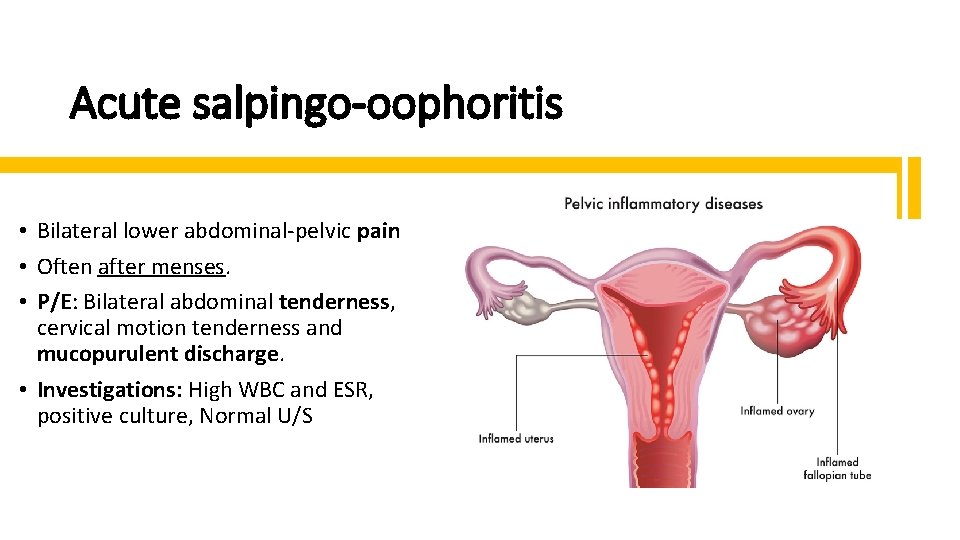
Acute salpingo-oophoritis • Bilateral lower abdominal-pelvic pain • Often after menses. • P/E: Bilateral abdominal tenderness, cervical motion tenderness and mucopurulent discharge. • Investigations: High WBC and ESR, positive culture, Normal U/S
Empirical antibiotic treatment based on a clinical assessment is still recommended because. . Screening and treatment of male partners is important to prevent re-infection, which is associated with an increased risk of long-term
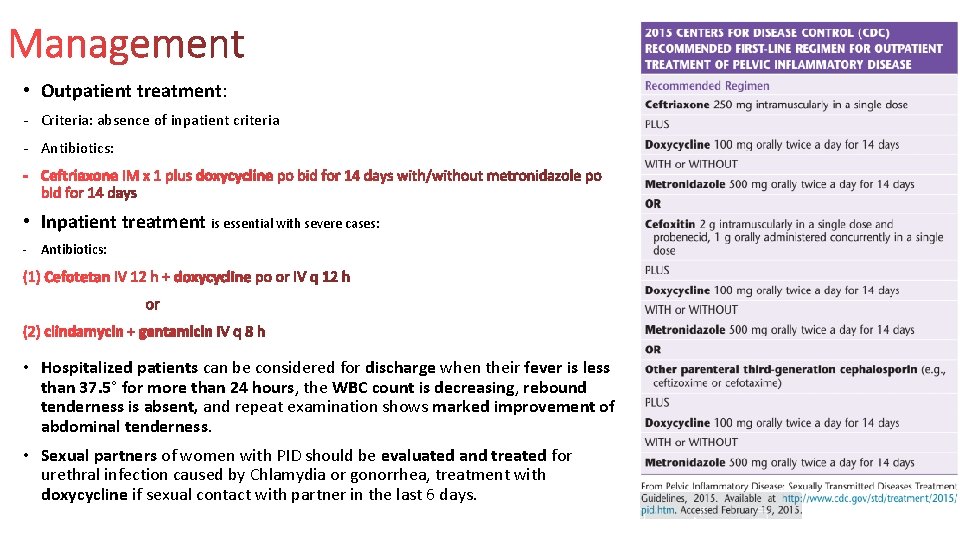
• Outpatient treatment: - Criteria: absence of inpatient criteria - Antibiotics: • Inpatient treatment is essential with severe cases: - Antibiotics: • Hospitalized patients can be considered for discharge when their fever is less than 37. 5° for more than 24 hours, the WBC count is decreasing, rebound tenderness is absent, and repeat examination shows marked improvement of abdominal tenderness. • Sexual partners of women with PID should be evaluated and treated for urethral infection caused by Chlamydia or gonorrhea, treatment with doxycycline if sexual contact with partner in the last 6 days.
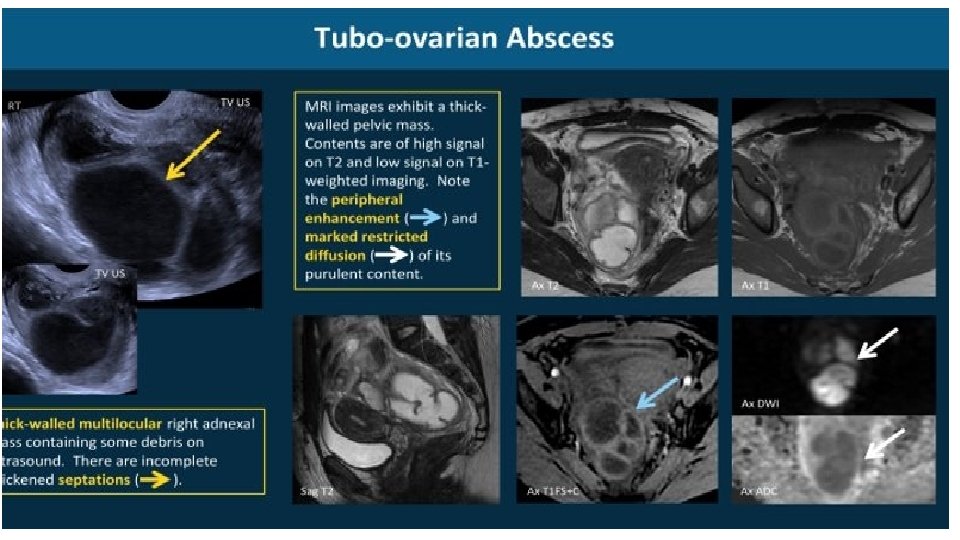
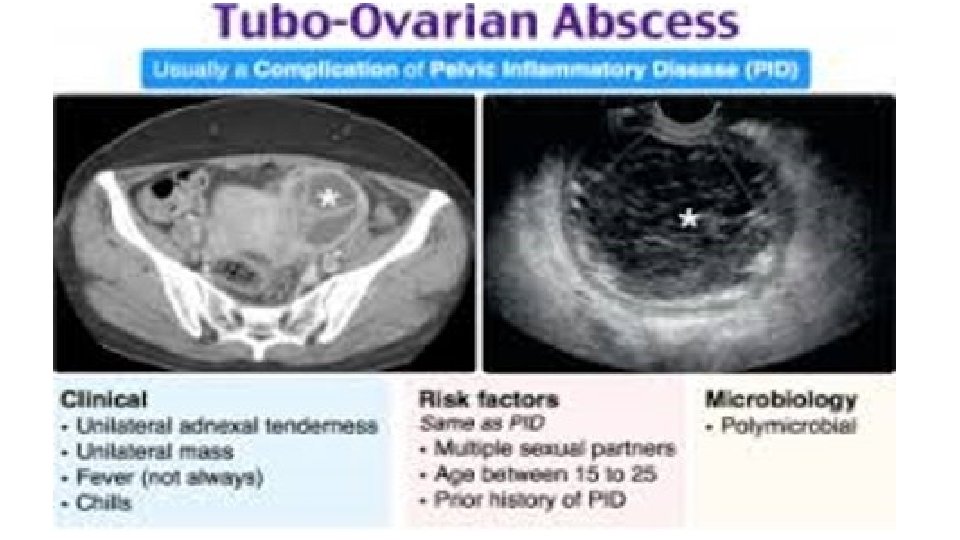
Tubo-ovarian abscess • End stage process of acute PID • Accumulation of pus in the adnexae forming an inflammatory mass involving the oviducts, ovaries, uterus, or omentum • Classic presentation is the same as for PID, including acute lower abdominal pain, fever, chills, and vaginal discharge , nausea, vomiting. Most women will not be overtly septicappearing if their TOA is intact. • P/E: septic patients, high fever, elevated heart rate, decreased blood pressure, peritoneal signs, grunting, rigidity, bilateral adnexal masses. • Investigations: elevated WBCs and ESR, +ve cervical and blood culture
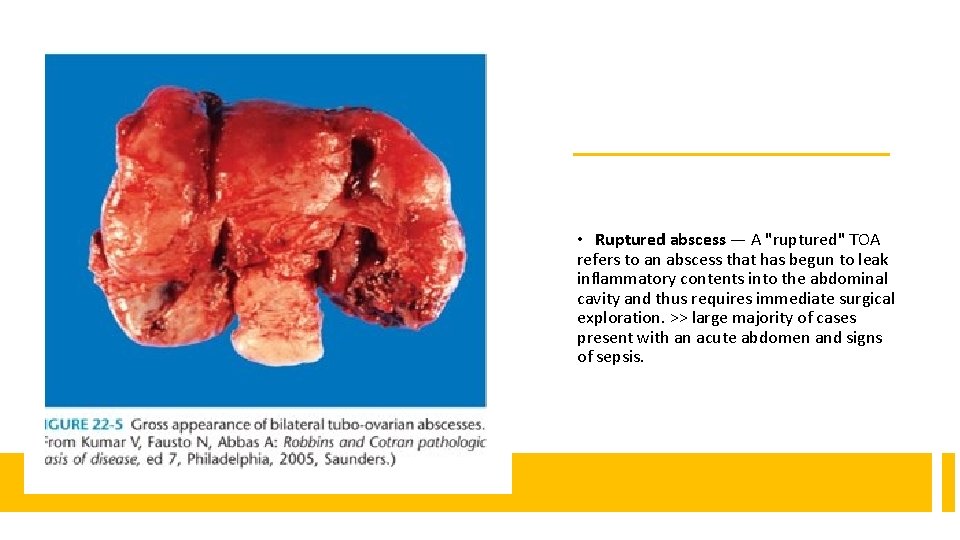
• Ruptured abscess — A "ruptured" TOA refers to an abscess that has begun to leak inflammatory contents into the abdominal cavity and thus requires immediate surgical exploration. >> large majority of cases present with an acute abdomen and signs of sepsis.
Further evaluation for TOA — TOA is a potentially life-threatening condition (bilateral complex pelvic masses) whom pathology associated with the gastrointestinal tract must be excluded.
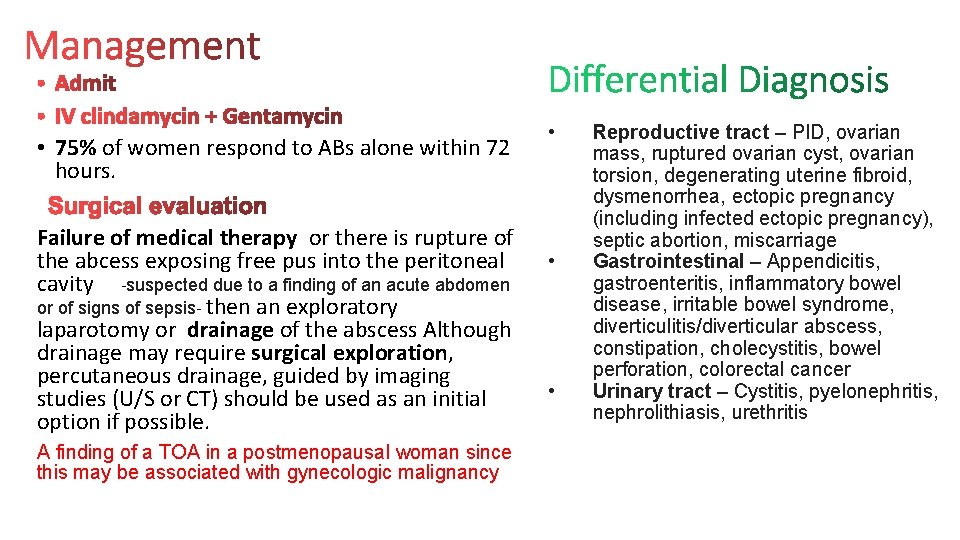
• 75% of women respond to ABs alone within 72 hours. Failure of medical therapy or there is rupture of the abcess exposing free pus into the peritoneal cavity -suspected due to a finding of an acute abdomen or of signs of sepsis- then an exploratory laparotomy or drainage of the abscess Although drainage may require surgical exploration, percutaneous drainage, guided by imaging studies (U/S or CT) should be used as an initial option if possible. A finding of a TOA in a postmenopausal woman since this may be associated with gynecologic malignancy • • • Reproductive tract – PID, ovarian mass, ruptured ovarian cyst, ovarian torsion, degenerating uterine fibroid, dysmenorrhea, ectopic pregnancy (including infected ectopic pregnancy), septic abortion, miscarriage Gastrointestinal – Appendicitis, gastroenteritis, inflammatory bowel disease, irritable bowel syndrome, diverticulitis/diverticular abscess, constipation, cholecystitis, bowel perforation, colorectal cancer Urinary tract – Cystitis, pyelonephritis, nephrolithiasis, urethritis
Chronic PID Chronic bilateral pain, infertility, dyspareunia, ectopic pregnancy, abnormal bleeding, NO nausea or vomiting. Presentation: • Chronic lower abdominal pain, Backache • General malaise & fatigue • Deep dyspareunia, Dysmenorrhea • Intermittent offensive vaginal discharge • Irregular menstrual periods • Lower abdominal/ pelvic tenderness • Infertility • Bulky, tender uterus
• P/E: cervical motion tenderness and bilateral adnexal tenderness, no discharge, no fever or tachycardia. • • Investigations: normal WBCs and ESR, -ve culture, - on US: hydrosalpinx. Diagnosis is by laparoscopy by visualization of pelvic adhesions with pus collection inculde sac.
Management. . . It’s difficult but involves: which might be helpful in fertility. -If severe and unresponsive pain: (estrogen replacement therapy)
PID Complications mnemonic (I FACE PID) • -Infertility (Tubal): 20% ~ 2 episodes 40% ~ 3 episodes -¼ of pt have acute salpingitis. . . infertility rate increase direct with number of episodes of acute pelvic infection -Fitz-Hugh-Curtis syndrome -Abscesses >>Tubo-ovarian abscess which occur in persistent un treated PID -Chronic pelvic pain -Ectopic pregnancy -increase 6 -10 fold - 50% occur in fallopian tubes (previous salpingitis) mechanism ; interfere ovum transport entrapment of ovum -Peritonitis -Intestinal obstruction -Disseminated infection (sepsis, endocarditis, arthritis, meningitis)
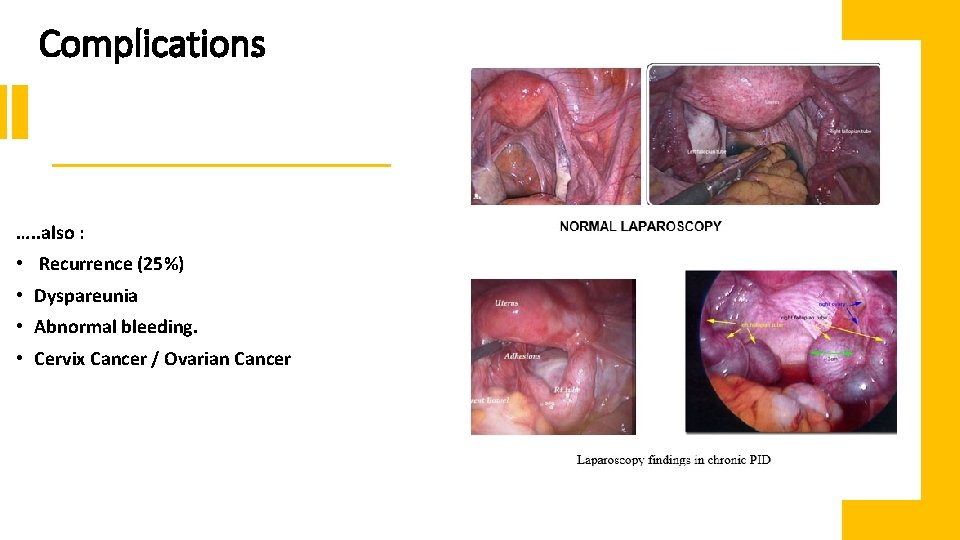
Complications …. . also : • Recurrence (25%) • Dyspareunia • Abnormal bleeding. • Cervix Cancer / Ovarian Cancer
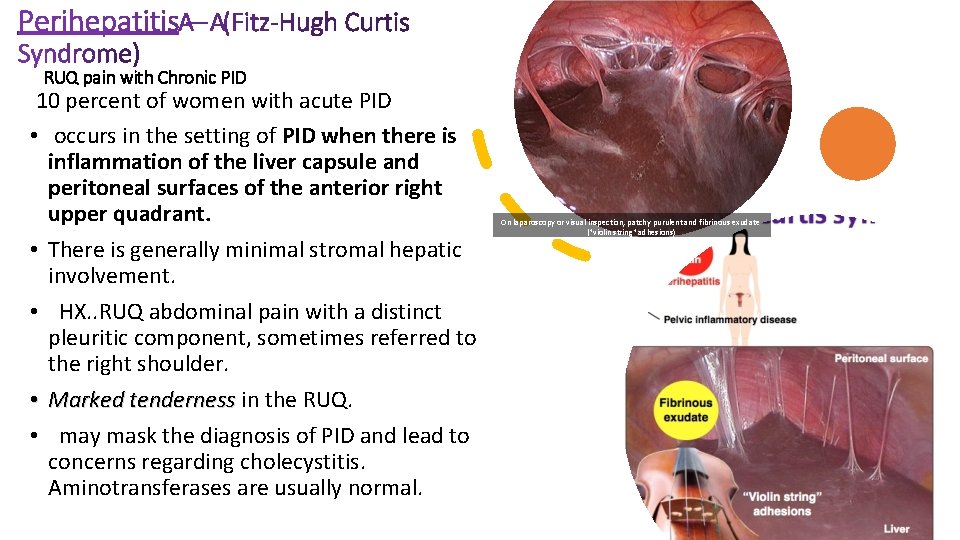
RUQ pain with Chronic PID 10 percent of women with acute PID • occurs in the setting of PID when there is inflammation of the liver capsule and peritoneal surfaces of the anterior right upper quadrant. • There is generally minimal stromal hepatic involvement. • HX. . RUQ abdominal pain with a distinct pleuritic component, sometimes referred to the right shoulder. • Marked tenderness in the RUQ. • may mask the diagnosis of PID and lead to concerns regarding cholecystitis. Aminotransferases are usually normal. On laparoscopy or visual inspection, patchy purulent and fibrinous exudate ("violin string" adhesions)
Surgical treatment : Laparotomy for : -surgical emergencies -definite Rx of failure medical treatment Laparoscopy : consider in all pt with ddx of PID & without contraindication - R/O surgical emergency -Evidence of current / previous abscess -Acute exacerbation of PID with bilateral
PID during Pregnancy: • Usually during pregnancy there is no PID unless this pregnancy becomes complicated; in patients who do criminal abortion (septic miscarriage) • there will be increase incidence of PID due to the infection of retained product of conception after this abortion. • another example of pregnancy complication is chorioamnionitis and puerperal sepsis: fever after delivery

Protection against PID: • - Barrier method • -Combined contraceptive pills : which will lead to thick cervical mucus and prevents microbes from entering the genital tract, also it is used to decrease the bleeding which will lead to thin endometrium and decrease • the risk of infection (thin endometrium is not a good media for infection)
• Screening and prevention of STIs — All patients diagnosed with acute PID should be screened for other important STIs, including HIV and syphilis. • they should also be evaluated for indications for vaccinations to prevent other STIs, including: • ●Hepatitis B vaccination for those who have no evidence of immunity to hepatitis B virus (eg, through vaccination history or serologic testing). • ●Human papillomavirus vaccination for those within the appropriate age range if they have not previously been vaccinated.
• Management of sex partners — Male sex partners of women with PID should be examined and treated if they had sexual contact with the patient during the 60 days prior to the patient's onset of symptoms, regardless of the woman's STI test results. Evaluation and treatment of the sex partner is essential to decrease the risk of reinfection. • Regimens should include antibiotics with activity against N. gonorrhoeae and C. trachomatis, such as ceftriaxone (250 mg) intramuscularly plus either azithromycin (1 gram) orally as a single dose or doxycycline (100 mg) orally twice daily for seven days Counsel to refrain from sexual activity until completion of therapy, Their symptoms have resolved
- Slides: 54