
Gunboat Diplomacy and US Intervention in the Caribbean
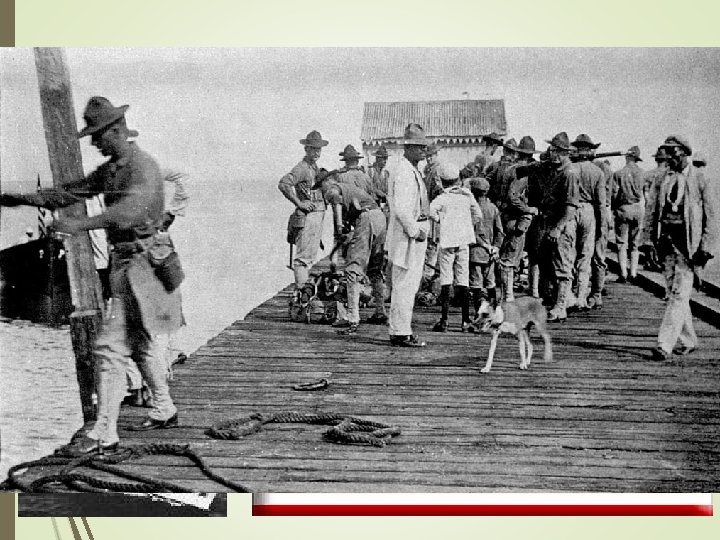
Gunboat Diplomacy and US Intervention in the Caribbean Through Historical Documents Spreading Freedom and Democracy in Latin America
Today’s Class U. S. Interventions in Central American and Caribbean Nations, 1898 -1934 Number off by 6, sit with people with your number Small Group Reports Throughout Class Take 5 minutes to organize your presentation See Course Syllabus for list of 6 presentations Monroe Doctrine, Olney Memorandum, Calvo Clause, Teller Amendment, Rodo “Ariel”, Ruben Dario “To Roosevelt”
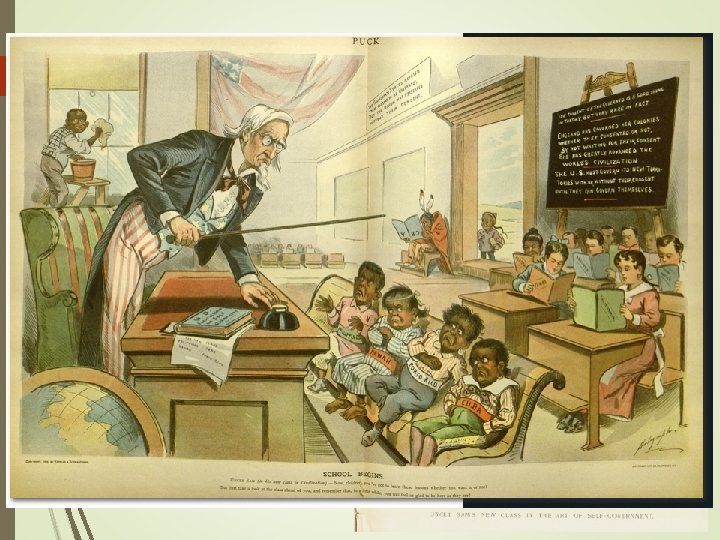
Review: Neocolonial Period TP: Why did the US wish to intervene in Latin America? Chasteen: Ch. 7 200 -201 What was the “Great Export Boom”? Why was the United States interested?
A. US Intervention and Political and Cultural Interests in the Caribbean 1898 -1934 The heyday of US interventions Significant US economic investments and interests US businesses had 336 million invested in Caribbean, 98 million in Central America by 1914
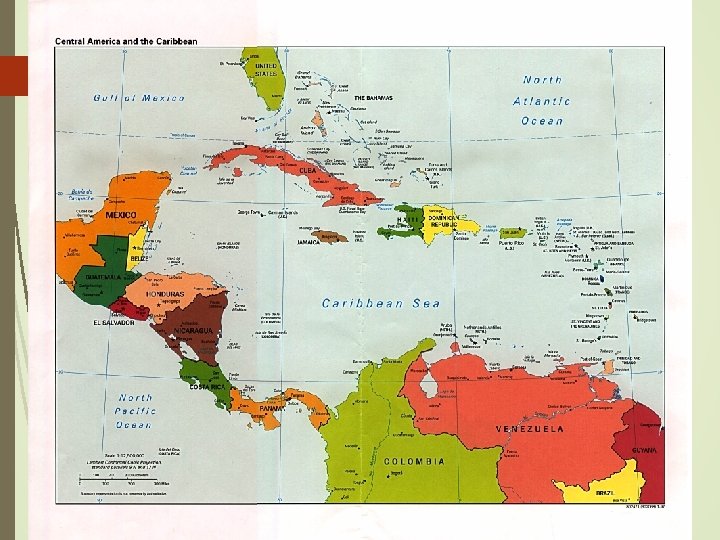
US Interventions Between 1898 -1934, US launched more than 30 military Interventions in Latin America Focused on Caribbean Basin, Mexico and Central America Major occupations in Cuba, Dominican Republic (military rule 1916 -1924), Haiti (1915 -1934), Honduras, Mexico, Nicaragua (1909 -1934), Panama Goal: Latin Americans wondered what? Convert Caribbean into American Lake?
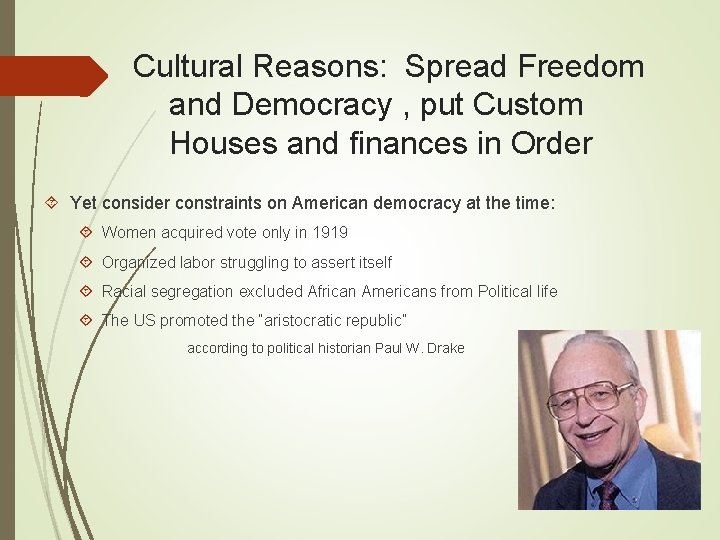
Cultural Reasons: Spread Freedom and Democracy , put Custom Houses and finances in Order Yet consider constraints on American democracy at the time: Women acquired vote only in 1919 Organized labor struggling to assert itself Racial segregation excluded African Americans from Political life The US promoted the “aristocratic republic” according to political historian Paul W. Drake
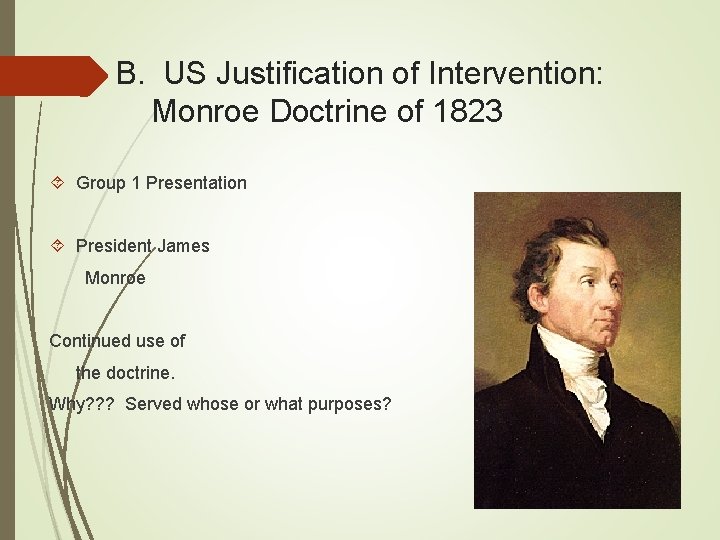
B. US Justification of Intervention: Monroe Doctrine of 1823 Group 1 Presentation President James Monroe Continued use of the doctrine. Why? ? ? Served whose or what purposes?
Doctrine excerpts If a nation shows that it knows how to act with reasonable efficiency and decency in social and political matters, if it keeps order and pays its obligations, it need fear no interference from the United States. Chronic wrongdoing, or an impotence which results in a general loosening of the ties of civilized society [however],
Consolidation and disunion have thereby been rendered equally impracticable. Each Government, confiding in its own strength, has less to apprehend from the other, and in consequence each, enjoying a greater freedom of action, is rendered more efficient for all the purposes for which it was instituted. It is unnecessary to treat here of the vast improvement made in the system itself by the adoption of this Constitution and of its happy effect in elevating the character and in protecting the rights of the nation as well as of individuals. To what, then, do we owe these blessings? It is known to all that we derive them from the excellence of our institutions. Ought we not, then, to adopt every measure which may be necessary to perpetuate them? James Monroe.
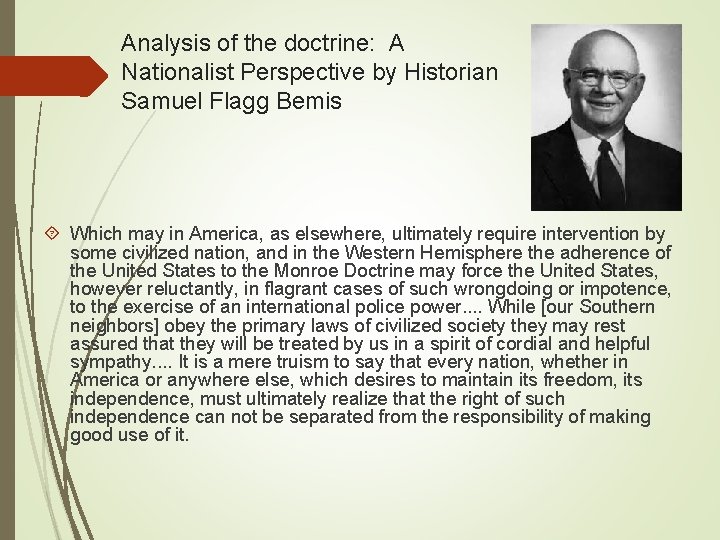
Analysis of the doctrine: A Nationalist Perspective by Historian Samuel Flagg Bemis Which may in America, as elsewhere, ultimately require intervention by some civilized nation, and in the Western Hemisphere the adherence of the United States to the Monroe Doctrine may force the United States, however reluctantly, in flagrant cases of such wrongdoing or impotence, to the exercise of an international police power. . While [our Southern neighbors] obey the primary laws of civilized society they may rest assured that they will be treated by us in a spirit of cordial and helpful sympathy. . It is a mere truism to say that every nation, whether in America or anywhere else, which desires to maintain its freedom, its independence, must ultimately realize that the right of such independence can not be separated from the responsibility of making good use of it.
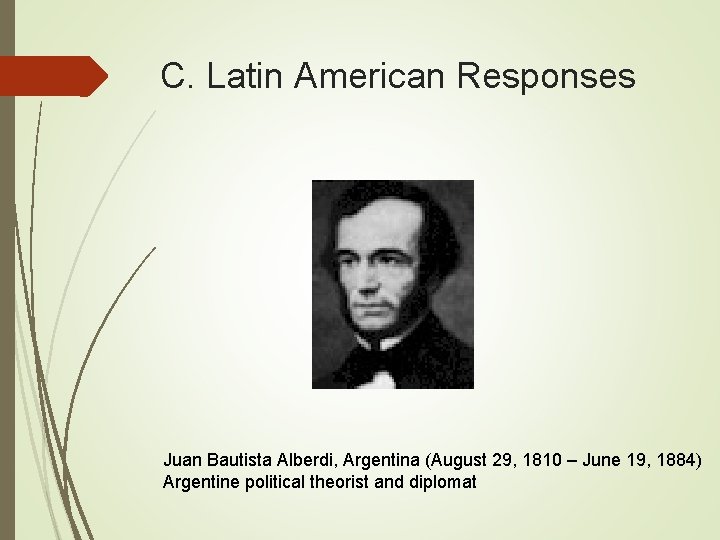
C. Latin American Responses Juan Bautista Alberdi, Argentina (August 29, 1810 – June 19, 1884) Argentine political theorist and diplomat
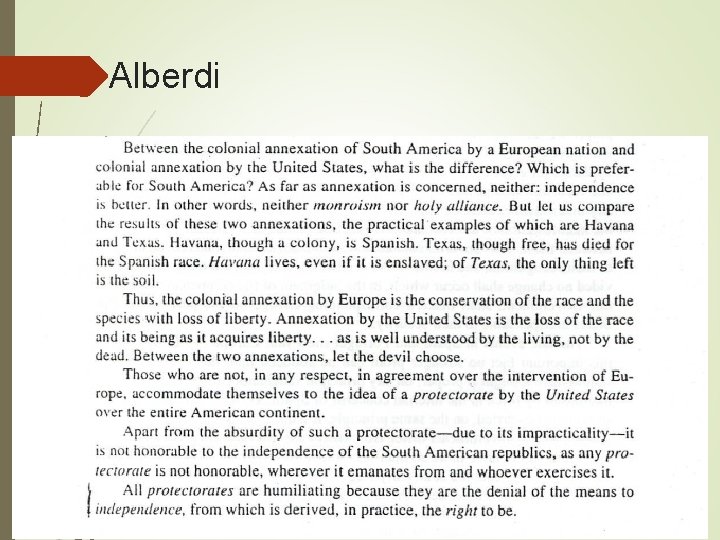
Alberdi
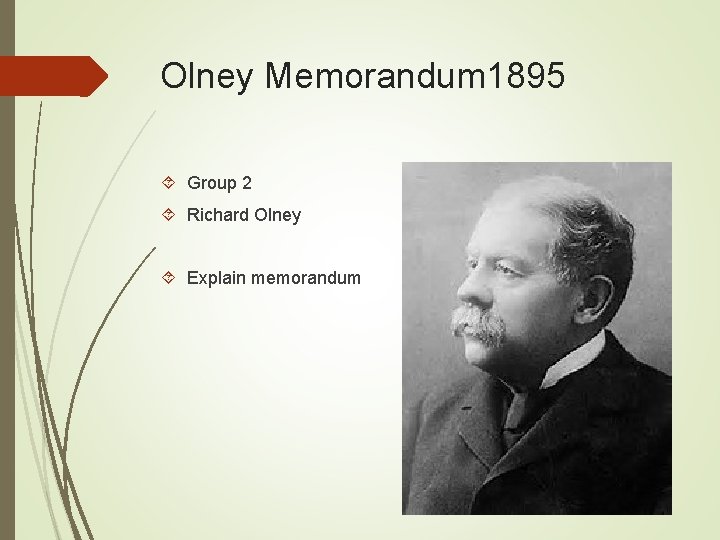
Olney Memorandum 1895 Group 2 Richard Olney Explain memorandum
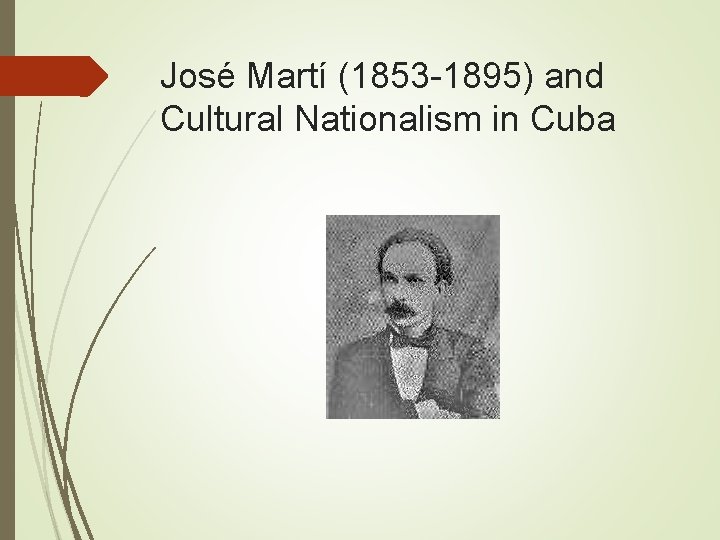
José Martí (1853 -1895) and Cultural Nationalism in Cuba
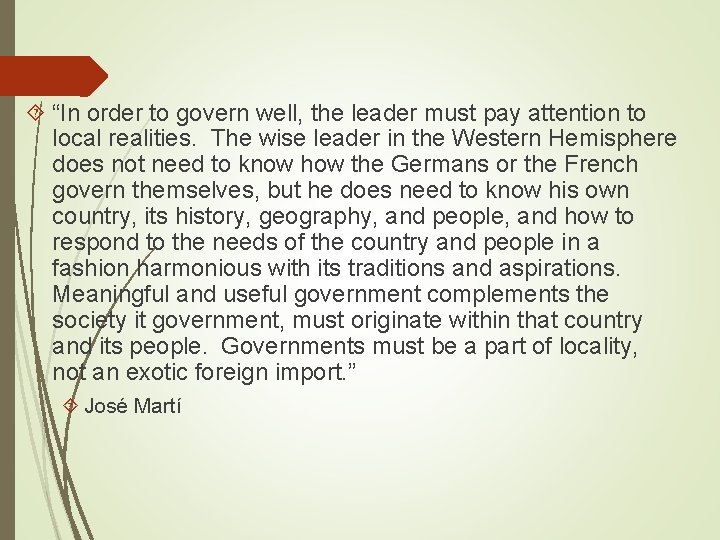
“In order to govern well, the leader must pay attention to local realities. The wise leader in the Western Hemisphere does not need to know how the Germans or the French govern themselves, but he does need to know his own country, its history, geography, and people, and how to respond to the needs of the country and people in a fashion harmonious with its traditions and aspirations. Meaningful and useful government complements the society it government, must originate within that country and its people. Governments must be a part of locality, not an exotic foreign import. ” José Martí
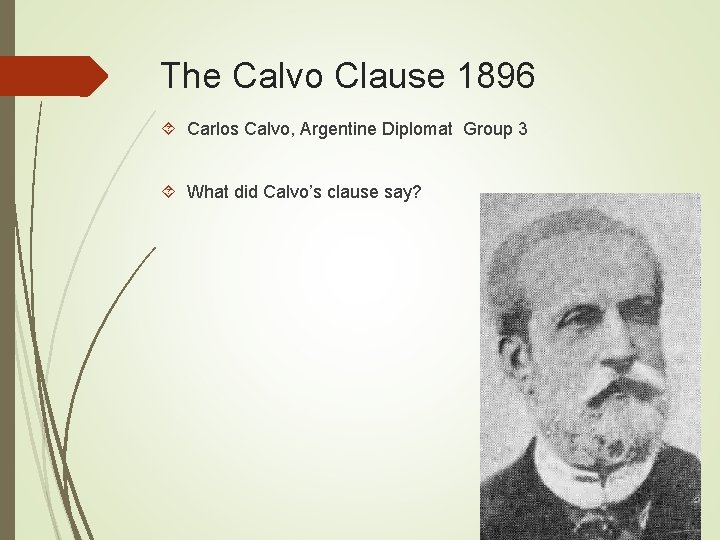
The Calvo Clause 1896 Carlos Calvo, Argentine Diplomat Group 3 What did Calvo’s clause say?
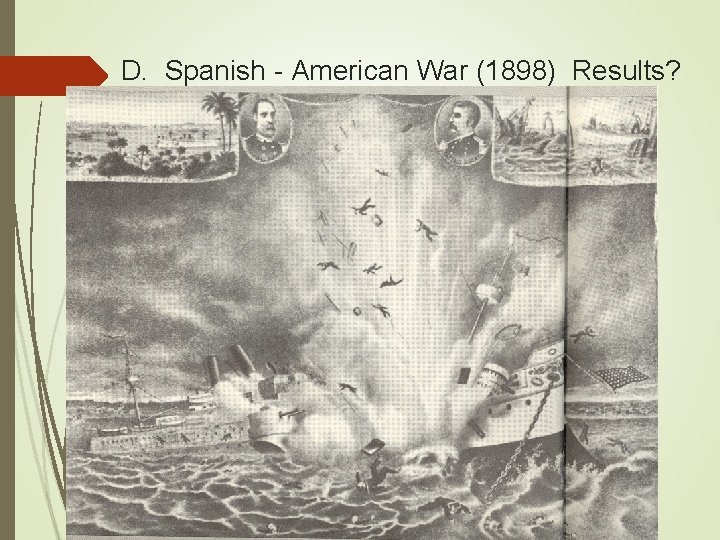
D. Spanish - American War (1898) Results?
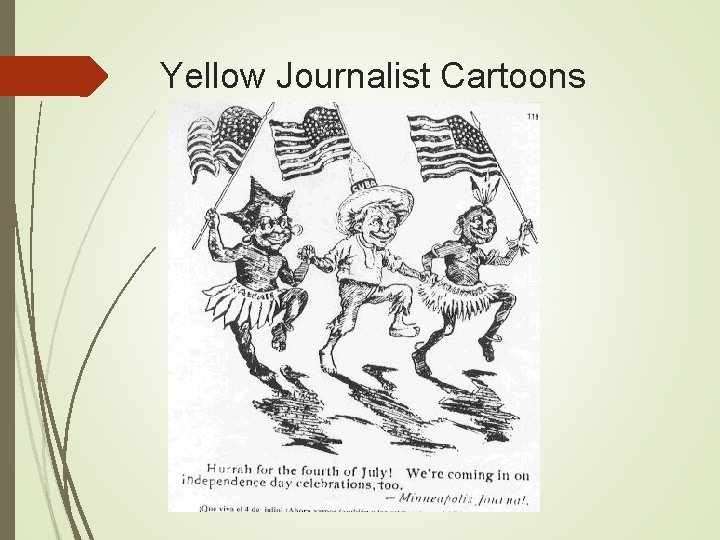
Yellow Journalist Cartoons
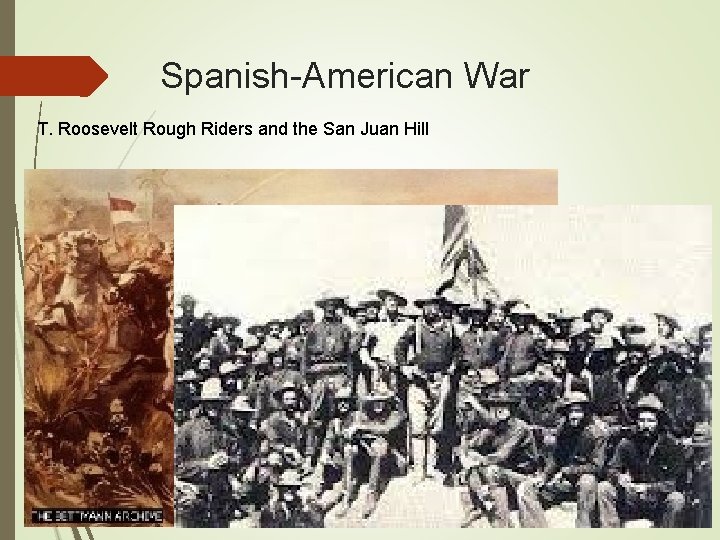
Spanish-American War T. Roosevelt Rough Riders and the San Juan Hill
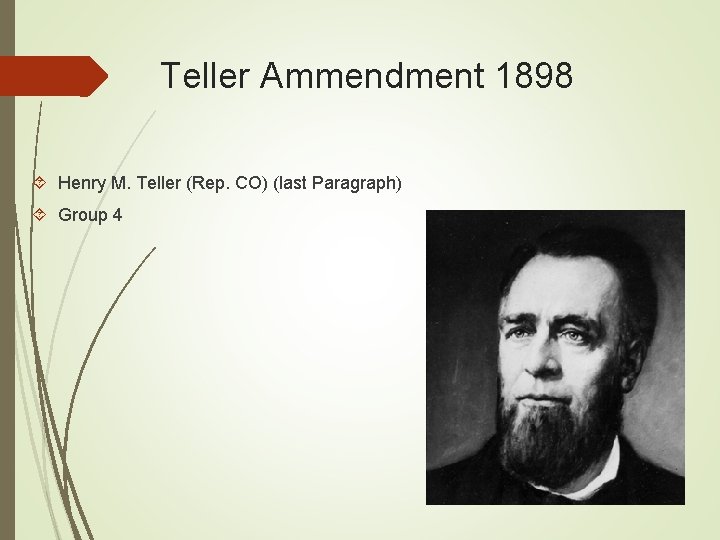
Teller Ammendment 1898 Henry M. Teller (Rep. CO) (last Paragraph) Group 4
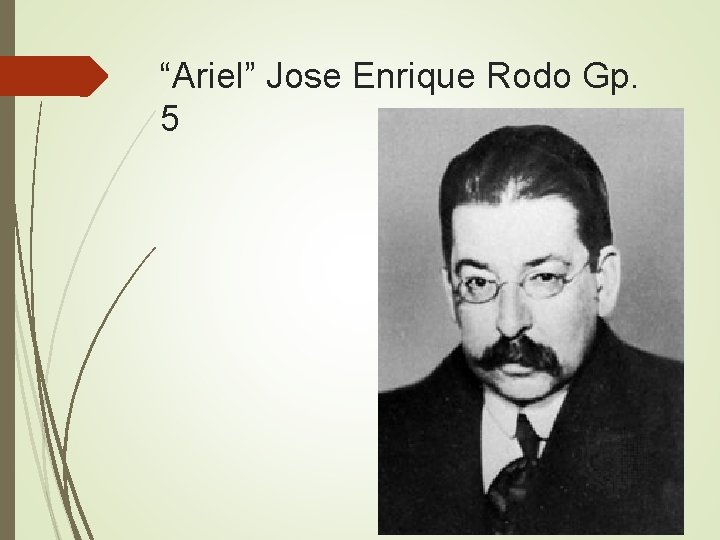
“Ariel” Jose Enrique Rodo Gp. 5
Platt Amendment of 1901 Permits US to intervene in Cuban affairs “for the preservation of Cuban independence, and the maintenance of a government adequate fort the protection of life, property, and individual liberty. ” Later provision ratified as treaty in 1903. Cuba became a protectorate of the US, even while sovereign nation in name.
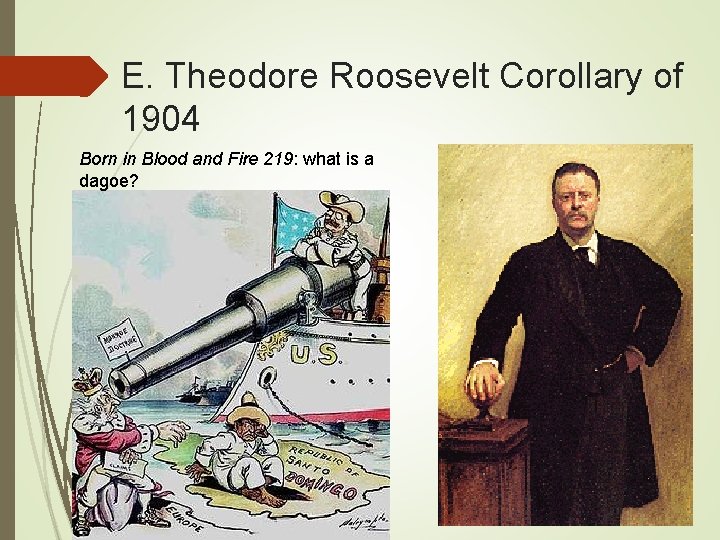
E. Theodore Roosevelt Corollary of 1904 Born in Blood and Fire 219: what is a dagoe?
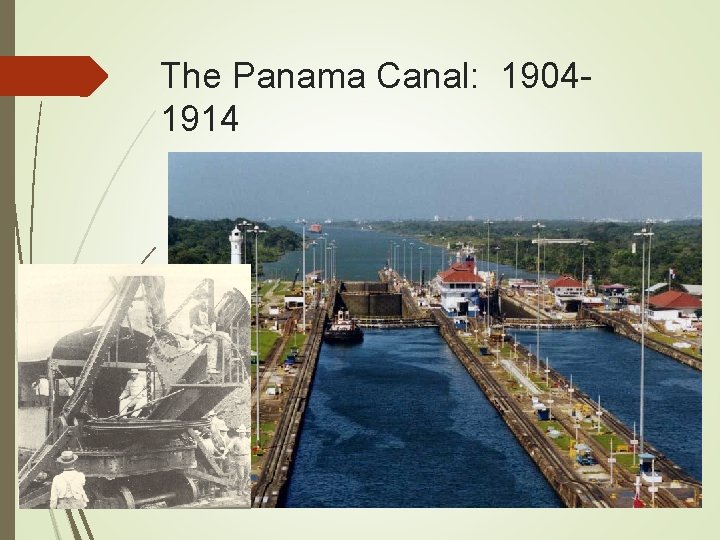
The Panama Canal: 19041914
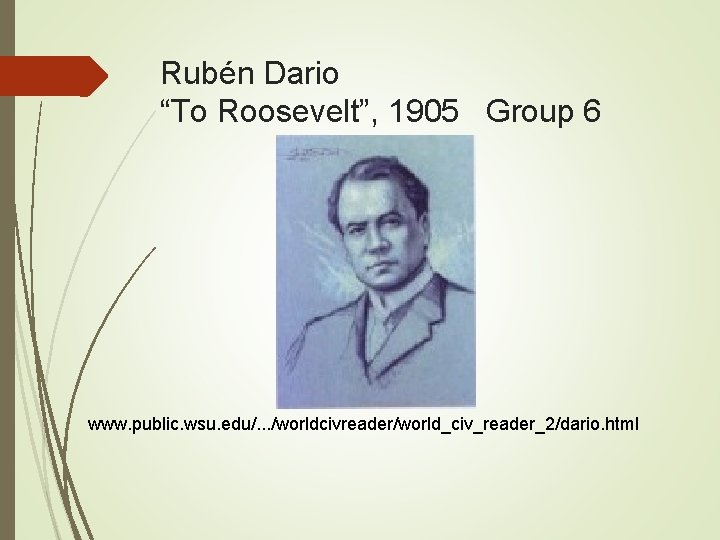
Rubén Dario “To Roosevelt”, 1905 Group 6 www. public. wsu. edu/. . . /worldcivreader/world_civ_reader_2/dario. html
E. What were Stated US Goals for Interventions? Extending Civilization Teaching Latin American leaders to run their nations and business “responsibly” Increasing Education Spreading Democracy
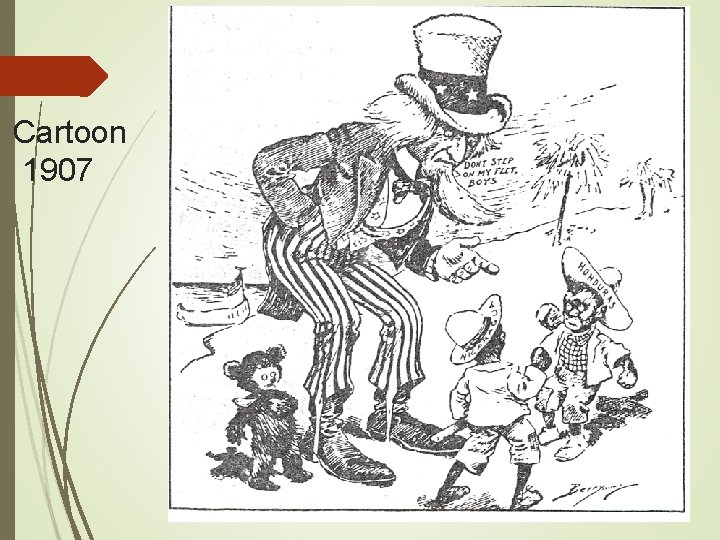
Cartoon 1907
Patterns of Intervention Hans Schmidt, The U. S. Occupation of Haiti, 19151934, written 1971 The Example of Haiti Military intervention Provisional Government and National Guard Democratic Elections Contradictory Results
Conclusions and Assessment U. S. Gunboat Diplomacy in Latin America Discussion and Questions What to prepare for Tuesday Mr. 17? Debates: Gp. 1 Paraguayan War Allies (Arg, Urug. Brazil Gp. 2 Paraguayan War Paraguay Gp. 3 War of Pacific Chile Gp. 4 War of Pacific Peru and Bolivia Gp. 5 Chaco War Bolivia Gp. 6 Chaco War Paraguay
- Slides: 30