
Guilty until proven innocent Changing the narrative in
- Slides: 31
Guilty until proven innocent Changing the narrative in post-conviction innocence cases MACDL Post-conviction Seminar March 16, 2018 Lisa M. Kavanaugh & Ira Gant CPCS Innocence Program 21 Mc. Grath Highway, Somerville MA 02143
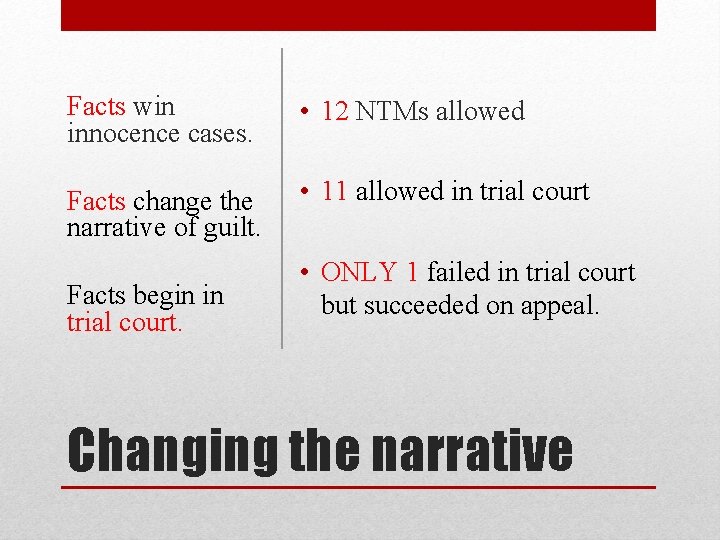
Facts win innocence cases. • 12 NTMs allowed Facts change the narrative of guilt. • 11 allowed in trial court Facts begin in trial court. • ONLY 1 failed in trial court but succeeded on appeal. Changing the narrative
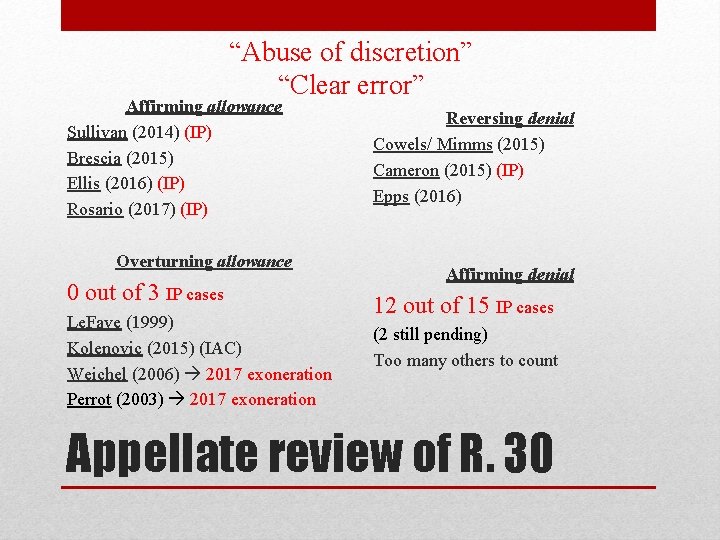
“Abuse of discretion” “Clear error” Affirming allowance Sullivan (2014) (IP) Brescia (2015) Ellis (2016) (IP) Rosario (2017) (IP) Overturning allowance 0 out of 3 IP cases Le. Fave (1999) Kolenovic (2015) (IAC) Weichel (2006) 2017 exoneration Perrot (2003) 2017 exoneration Reversing denial Cowels/ Mimms (2015) Cameron (2015) (IP) Epps (2016) Affirming denial 12 out of 15 IP cases (2 still pending) Too many others to count Appellate review of R. 30
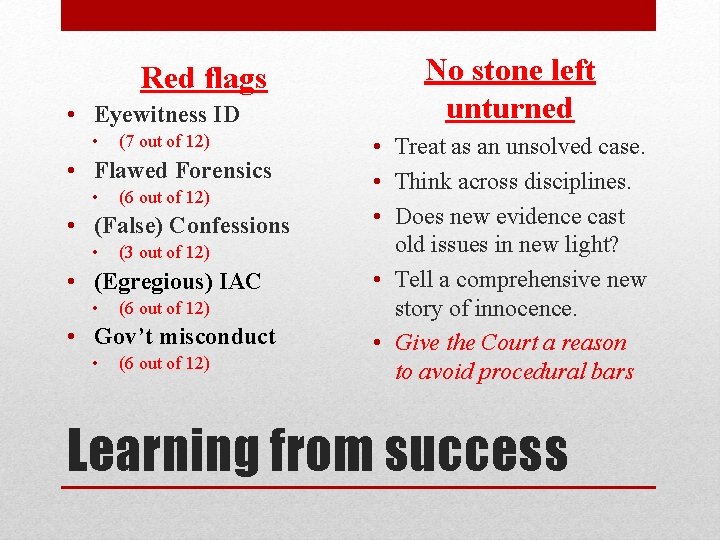
Red flags • Eyewitness ID • (7 out of 12) • Flawed Forensics • (6 out of 12) • (False) Confessions • (3 out of 12) • (Egregious) IAC • (6 out of 12) • Gov’t misconduct • (6 out of 12) No stone left unturned • Treat as an unsolved case. • Think across disciplines. • Does new evidence cast old issues in new light? • Tell a comprehensive new story of innocence. • Give the Court a reason to avoid procedural bars Learning from success
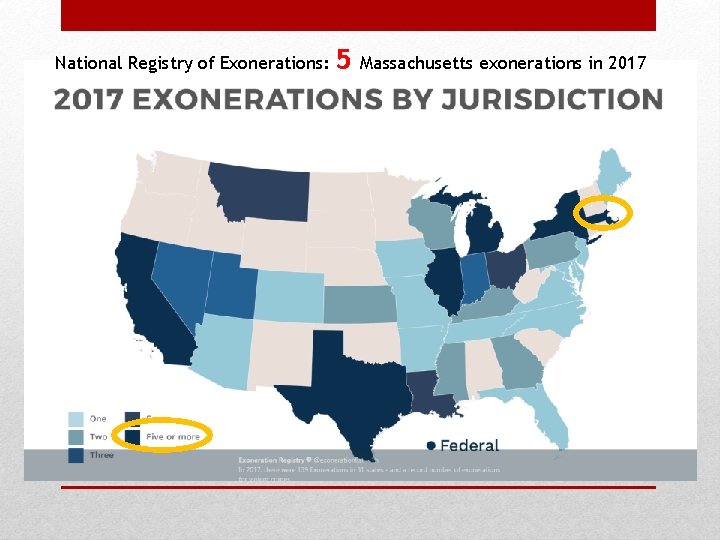
National Registry of Exonerations: 5 Massachusetts exonerations in 2017
• Confession: Voluntary • Verdict: Guilty • Appeal: Denied • 3 NTMs: Denied Case study: Victor Rosario
• Bad science • Bad confession • Bad actors Changing the narrative
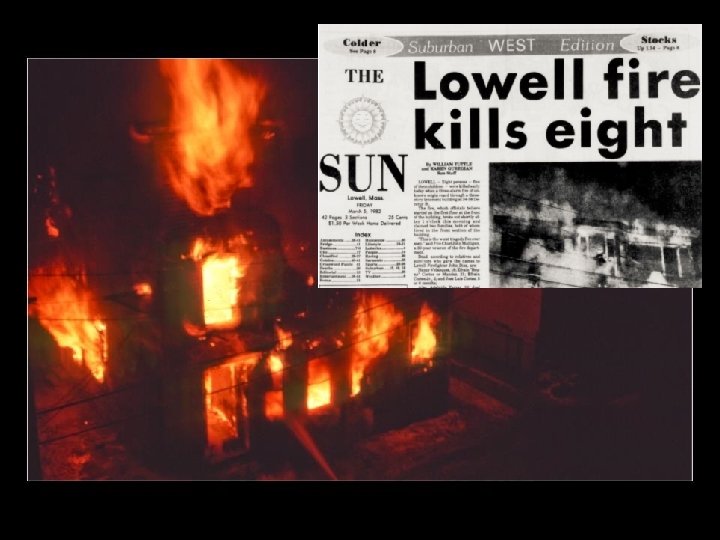
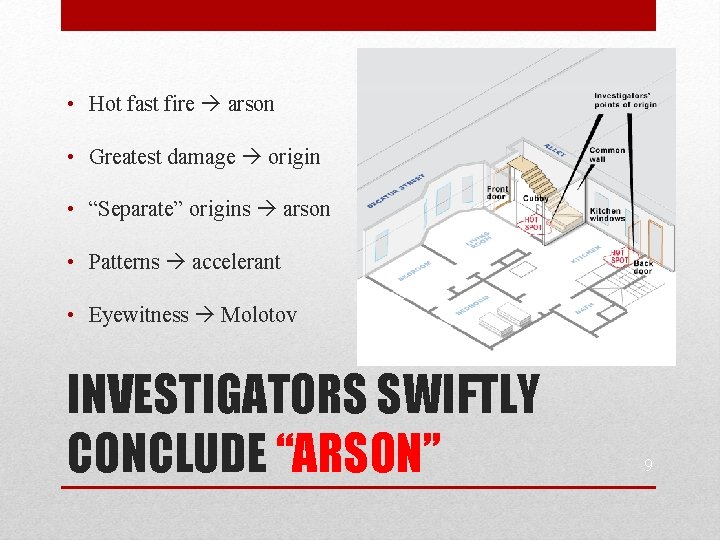
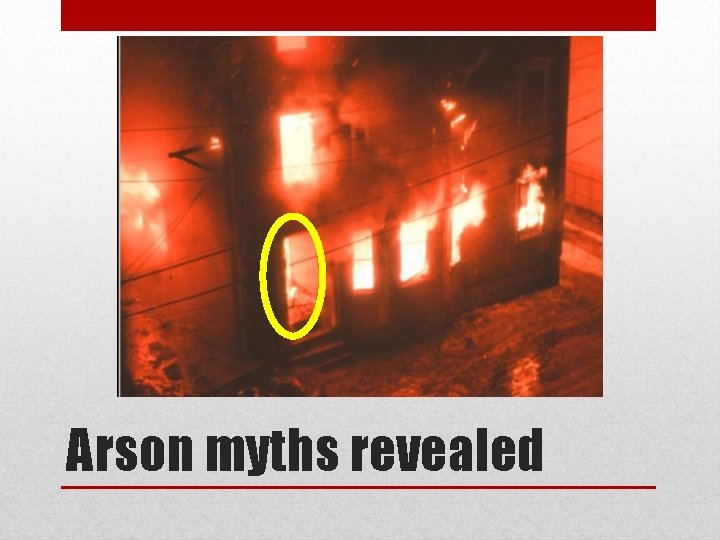
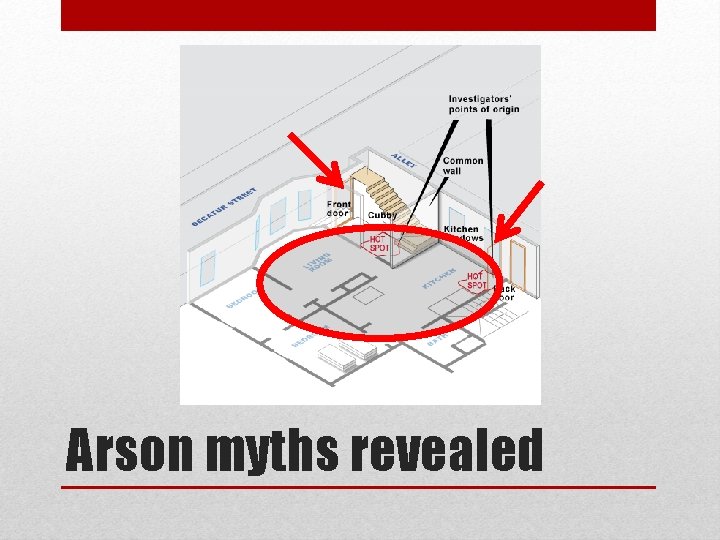
• Hot fast fire arson • Greatest damage origin • “Separate” origins arson • Patterns accelerant • Eyewitness Molotov INVESTIGATORS SWIFTLY CONCLUDE “ARSON” 9
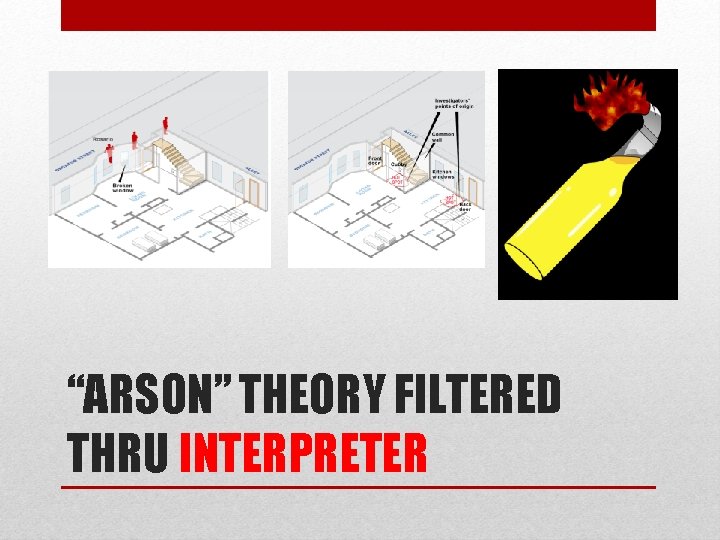
“ARSON” THEORY FILTERED THRU INTERPRETER
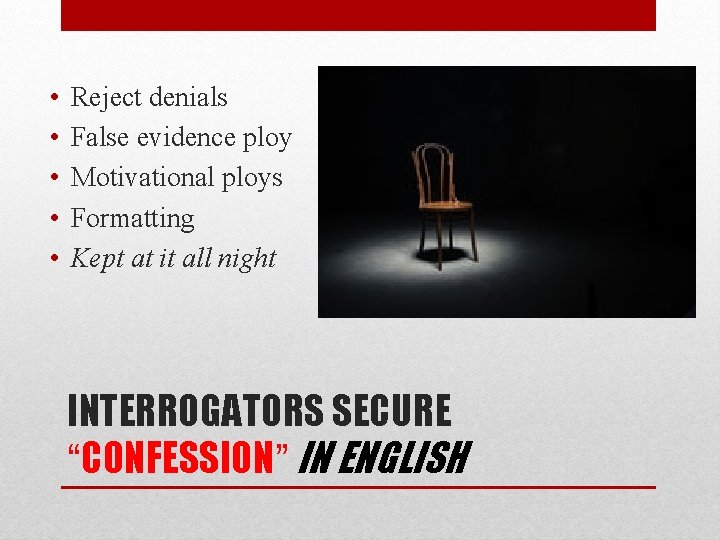
• • • Reject denials False evidence ploy Motivational ploys Formatting Kept at it all night INTERROGATORS SECURE “CONFESSION” IN ENGLISH
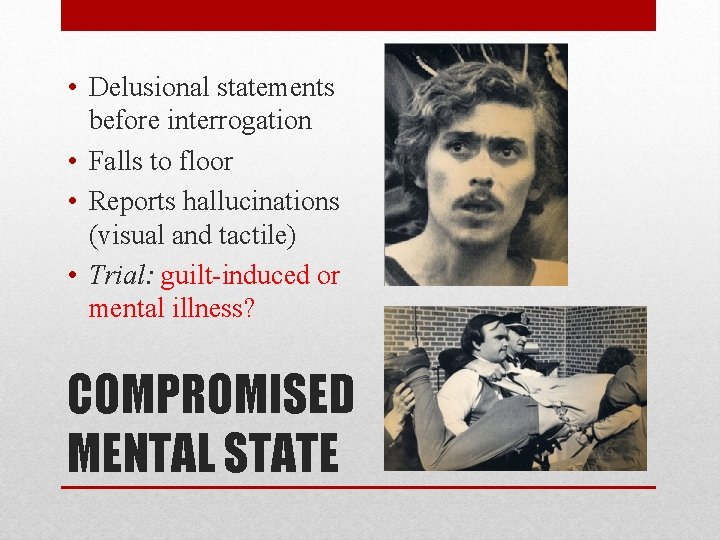
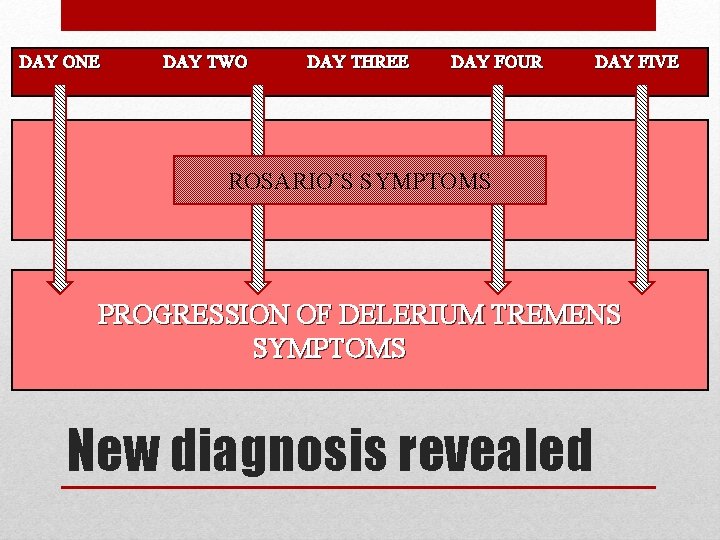
• Delusional statements before interrogation • Falls to floor • Reports hallucinations (visual and tactile) • Trial: guilt-induced or mental illness? COMPROMISED MENTAL STATE
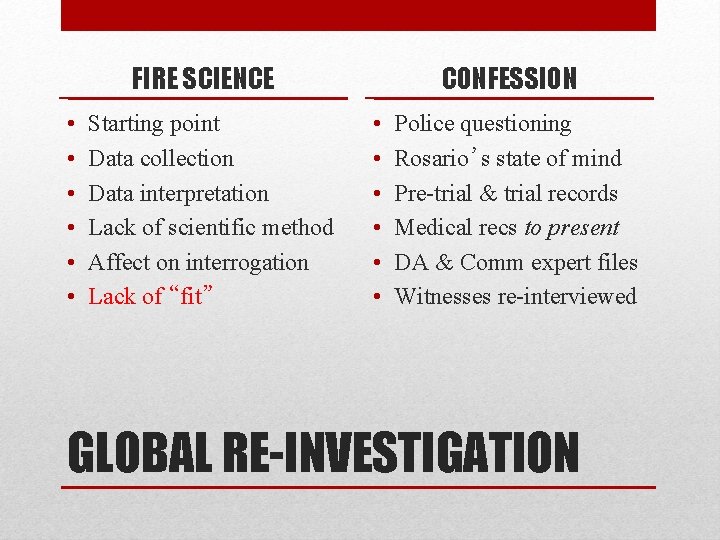
FIRE SCIENCE • • • Starting point Data collection Data interpretation Lack of scientific method Affect on interrogation Lack of “fit” CONFESSION • • • Police questioning Rosario’s state of mind Pre-trial & trial records Medical recs to present DA & Comm expert files Witnesses re-interviewed GLOBAL RE-INVESTIGATION
Arson myths revealed
Arson myths revealed
DAY ONE DAY TWO DAY THREE DAY FOUR DAY FIVE ROSARIO’S SYMPTOMS PROGRESSION OF DELERIUM TREMENS SYMPTOMS New diagnosis revealed
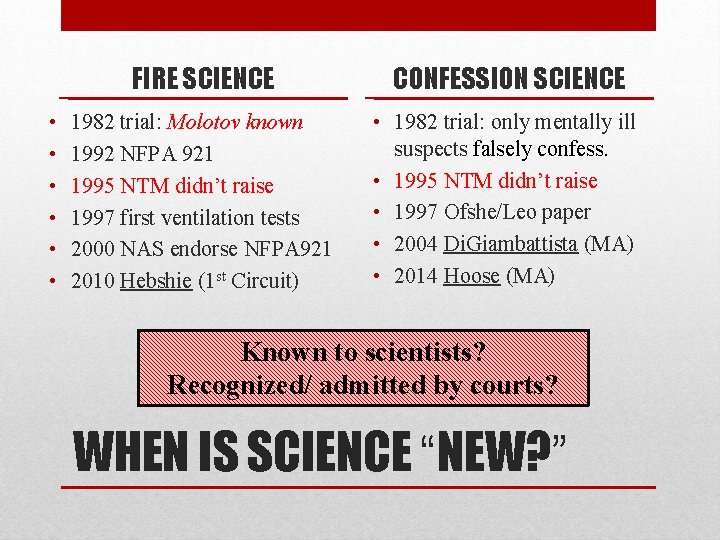
• • • FIRE SCIENCE CONFESSION SCIENCE 1982 trial: Molotov known 1992 NFPA 921 1995 NTM didn’t raise 1997 first ventilation tests 2000 NAS endorse NFPA 921 2010 Hebshie (1 st Circuit) • 1982 trial: only mentally ill suspects falsely confess. • 1995 NTM didn’t raise • 1997 Ofshe/Leo paper • 2004 Di. Giambattista (MA) • 2014 Hoose (MA) Known to scientists? Recognized/ admitted by courts? WHEN IS SCIENCE “NEW? ”
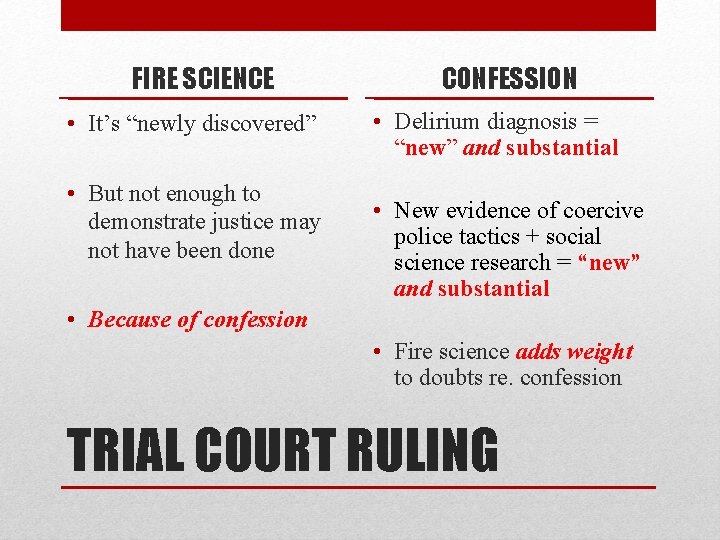
FIRE SCIENCE • It’s “newly discovered” • But not enough to demonstrate justice may not have been done CONFESSION • Delirium diagnosis = “new” and substantial • New evidence of coercive police tactics + social science research = “new” and substantial • Because of confession • Fire science adds weight to doubts re. confession TRIAL COURT RULING
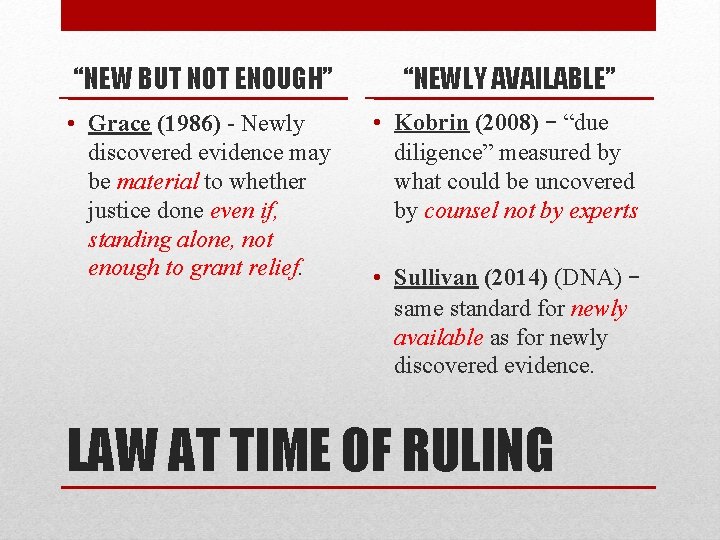
“NEW BUT NOT ENOUGH” “NEWLY AVAILABLE” • Grace (1986) - Newly discovered evidence may be material to whether justice done even if, standing alone, not enough to grant relief. • Kobrin (2008) – “due diligence” measured by what could be uncovered by counsel not by experts • Sullivan (2014) (DNA) – same standard for newly available as for newly discovered evidence. LAW AT TIME OF RULING
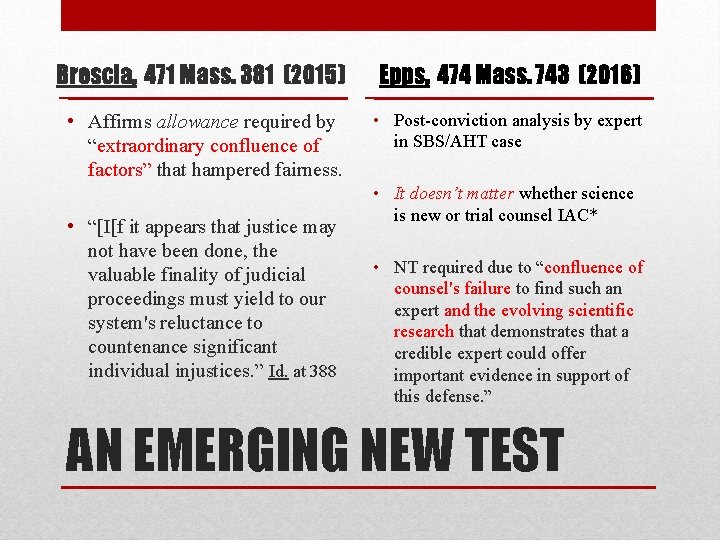
Brescia, 471 Mass. 381 (2015) Epps, 474 Mass. 743 (2016) • Affirms allowance required by “extraordinary confluence of factors” that hampered fairness. • Post-conviction analysis by expert in SBS/AHT case • “[I[f it appears that justice may not have been done, the valuable finality of judicial proceedings must yield to our system's reluctance to countenance significant individual injustices. ” Id. at 388 • It doesn’t matter whether science is new or trial counsel IAC* • NT required due to “confluence of counsel's failure to find such an expert and the evolving scientific research that demonstrates that a credible expert could offer important evidence in support of this defense. ” AN EMERGING NEW TEST
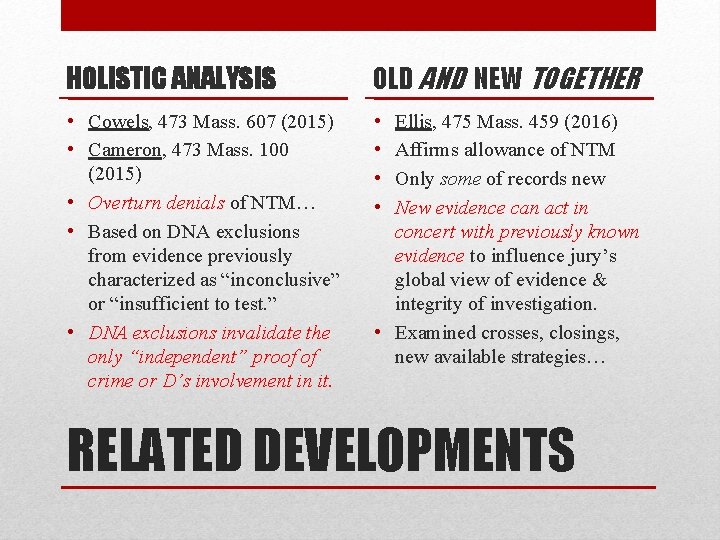
HOLISTIC ANALYSIS OLD AND NEW TOGETHER • Cowels, 473 Mass. 607 (2015) • Cameron, 473 Mass. 100 (2015) • Overturn denials of NTM… • Based on DNA exclusions from evidence previously characterized as “inconclusive” or “insufficient to test. ” • DNA exclusions invalidate the only “independent” proof of crime or D’s involvement in it. • • Ellis, 475 Mass. 459 (2016) Affirms allowance of NTM Only some of records new New evidence can act in concert with previously known evidence to influence jury’s global view of evidence & integrity of investigation. • Examined crosses, closings, new available strategies… RELATED DEVELOPMENTS
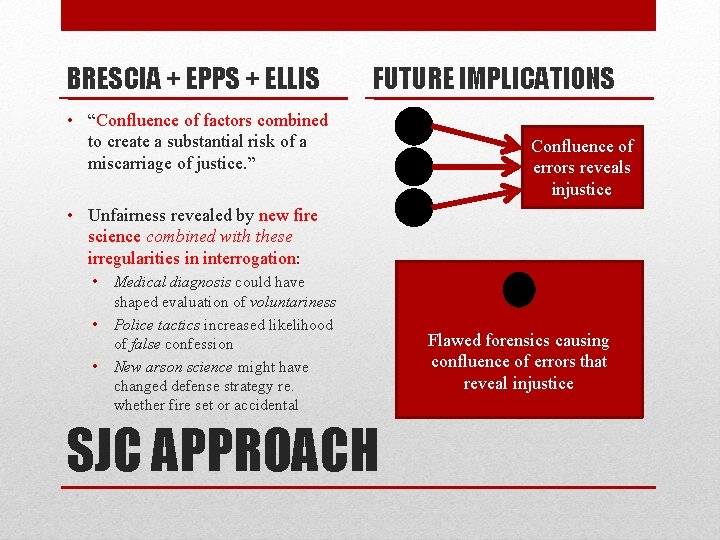
BRESCIA + EPPS + ELLIS FUTURE IMPLICATIONS • “Confluence of factors combined to create a substantial risk of a miscarriage of justice. ” Confluence of errors reveals injustice • Unfairness revealed by new fire science combined with these irregularities in interrogation: • Medical diagnosis could have shaped evaluation of voluntariness • Police tactics increased likelihood of false confession • New arson science might have changed defense strategy re. whether fire set or accidental SJC APPROACH Flawed forensics causing confluence of errors that reveal injustice
Updates in Chapter 278 A Litigation
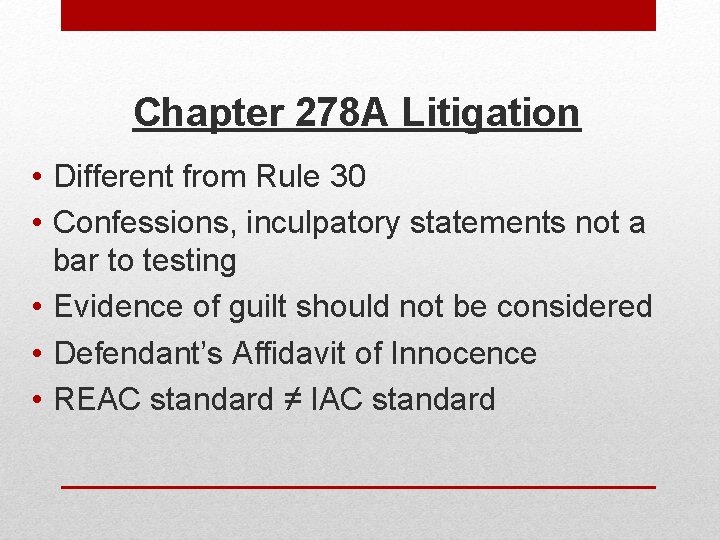
Chapter 278 A Litigation • Different from Rule 30 • Confessions, inculpatory statements not a bar to testing • Evidence of guilt should not be considered • Defendant’s Affidavit of Innocence • REAC standard ≠ IAC standard
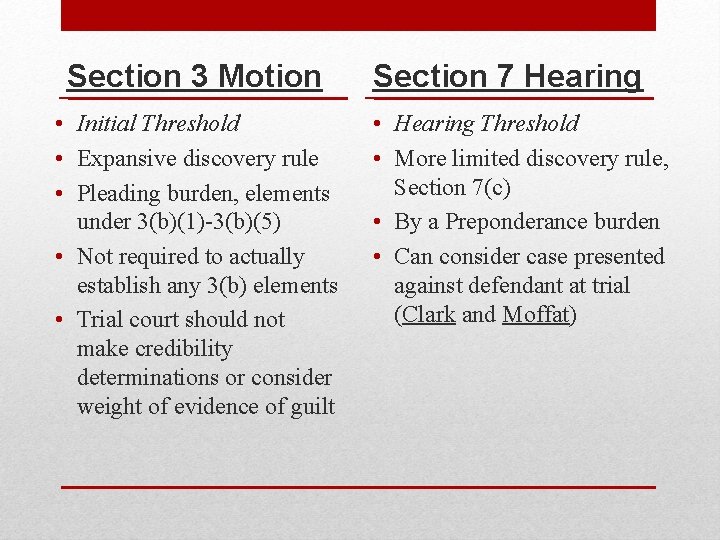
Section 3 Motion • Initial Threshold • Expansive discovery rule • Pleading burden, elements under 3(b)(1)-3(b)(5) • Not required to actually establish any 3(b) elements • Trial court should not make credibility determinations or consider weight of evidence of guilt Section 7 Hearing • Hearing Threshold • More limited discovery rule, Section 7(c) • By a Preponderance burden • Can consider case presented against defendant at trial (Clark and Moffat)
Cases Interpreting Chapter 278 A
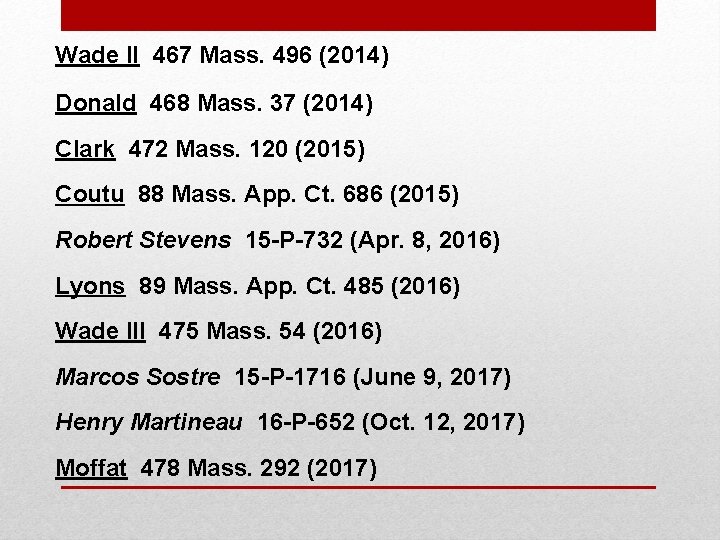
Wade II 467 Mass. 496 (2014) Donald 468 Mass. 37 (2014) Clark 472 Mass. 120 (2015) Coutu 88 Mass. App. Ct. 686 (2015) Robert Stevens 15 -P-732 (Apr. 8, 2016) Lyons 89 Mass. App. Ct. 485 (2016) Wade III 475 Mass. 54 (2016) Marcos Sostre 15 -P-1716 (June 9, 2017) Henry Martineau 16 -P-652 (Oct. 12, 2017) Moffat 478 Mass. 292 (2017)
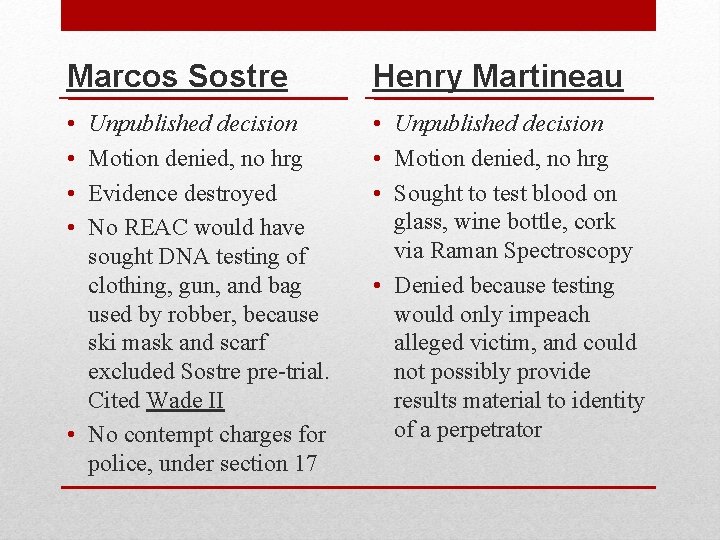
Marcos Sostre Henry Martineau • • • Unpublished decision • Motion denied, no hrg • Sought to test blood on glass, wine bottle, cork via Raman Spectroscopy • Denied because testing would only impeach alleged victim, and could not possibly provide results material to identity of a perpetrator Unpublished decision Motion denied, no hrg Evidence destroyed No REAC would have sought DNA testing of clothing, gun, and bag used by robber, because ski mask and scarf excluded Sostre pre-trial. Cited Wade II • No contempt charges for police, under section 17
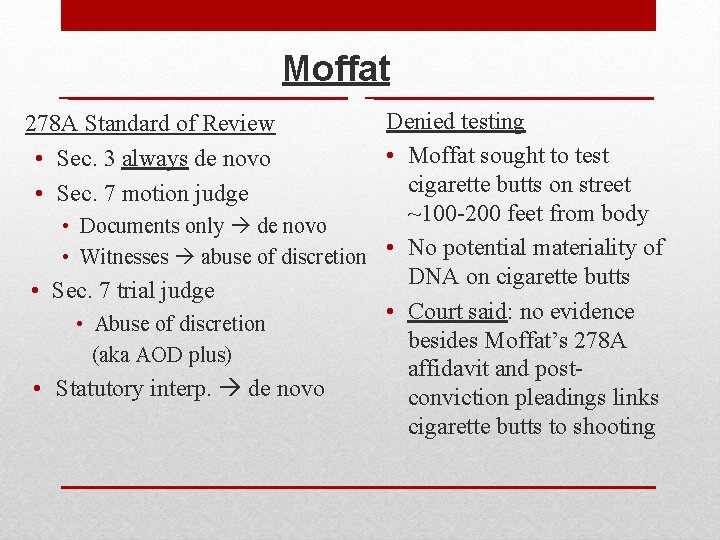
Moffat Denied testing • Moffat sought to test cigarette butts on street ~100 -200 feet from body • Documents only de novo • Witnesses abuse of discretion • No potential materiality of DNA on cigarette butts • Sec. 7 trial judge • Court said: no evidence • Abuse of discretion besides Moffat’s 278 A (aka AOD plus) affidavit and post • Statutory interp. de novo conviction pleadings links cigarette butts to shooting 278 A Standard of Review • Sec. 3 always de novo • Sec. 7 motion judge
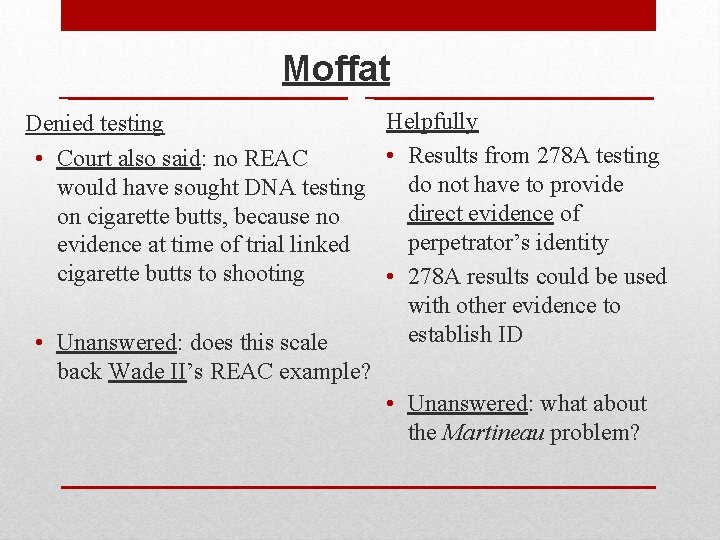
Moffat Helpfully Denied testing • Results from 278 A testing • Court also said: no REAC do not have to provide would have sought DNA testing direct evidence of on cigarette butts, because no perpetrator’s identity evidence at time of trial linked cigarette butts to shooting • 278 A results could be used with other evidence to establish ID • Unanswered: does this scale back Wade II’s REAC example? • Unanswered: what about the Martineau problem?
Lisa Kavanaugh, Director lkavanaugh@publiccounsel. net Ira Gant, Staff Attorney igant@publiccounsel. net Kristen Gondim, Support Specialist kgondim@publiccounsel. net Innocence Program Committee for Public Counsel Services 21 Mc. Grath Highway, 2 d Floor Somerville, MA 02143 617 -209 -5666