
Guidelines for sedation and anesthesia in GI endoscopy


- Slides: 26
Guidelines for sedation and anesthesia in GI endoscopy 2018
■Dr gavidel journal club govaresh
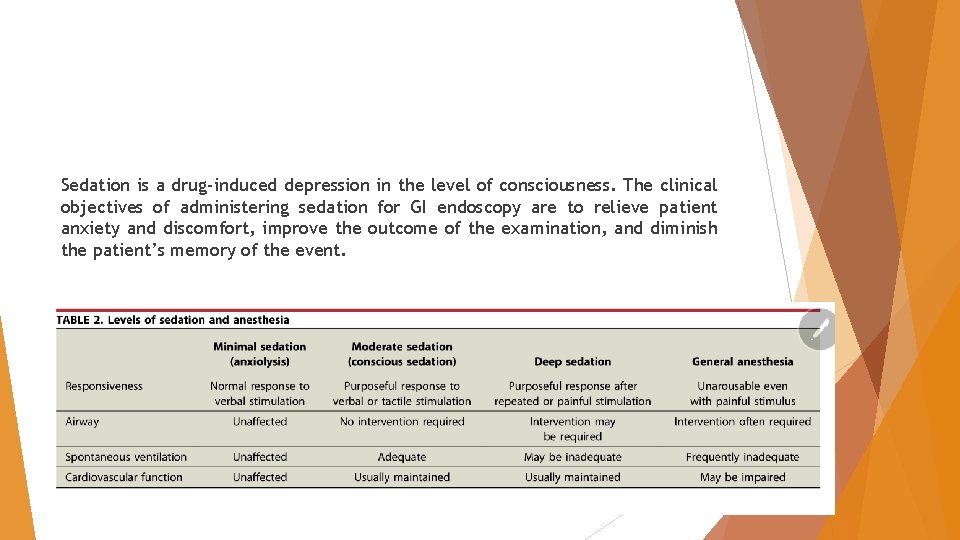
Sedation is a drug-induced depression in the level of consciousness. The clinical objectives of administering sedation for GI endoscopy are to relieve patient anxiety and discomfort, improve the outcome of the examination, and diminish the patient’s memory of the event.
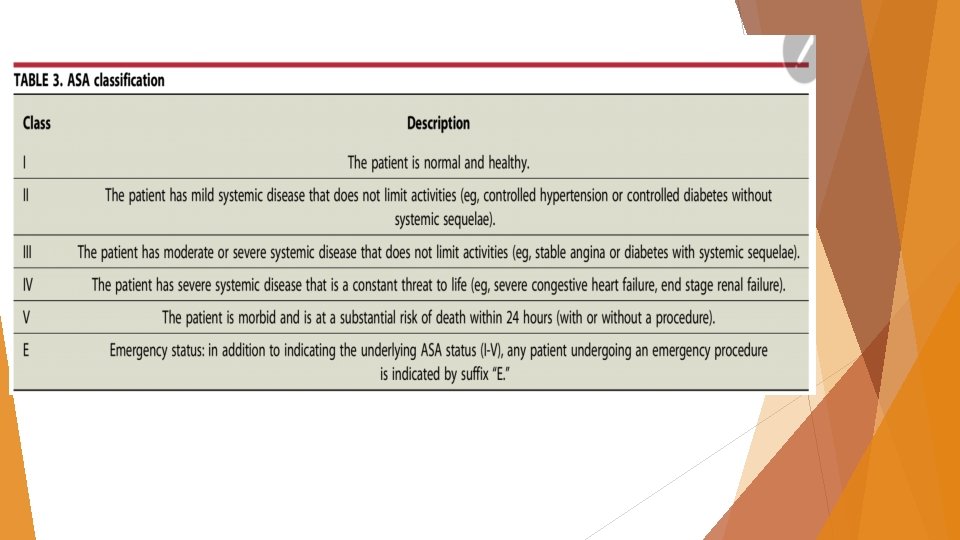
PRE-PROCEDURAL PREPARATION AND ASSESSMENT These guidelines state that patients should fast a minimum of 2 hours after ingestion of clear liquids and 6 hours after ingestion of light meals before sedation is administered. In situations where gastric emptying is impaired or in emergent situations, the potential for pulmonary aspiration of gastric contents must be considered in determining : (1) the target level of sedation, (2) whether the procedure should be delayed, or (3) whether the airway should be protected by endotracheal intubation.
History and Physical Examination (1) a history of snoring, stridor, or sleep apnea; (2) a history of drug allergies, use of current medications, and potential for drug interactions; (3) a history of an adverse reaction to sedation or anesthesia; (4) time and contents of the last oral intake; (5) a history of tobacco, alcohol, or substance use A focused physical examination includes vital sign measurements, auscultation of the heart and lungs, and assessment of the patient’s baseline level of consciousness and airway anatomy. In addition, pregnancy testing should be obtained from all women of childbearing age.
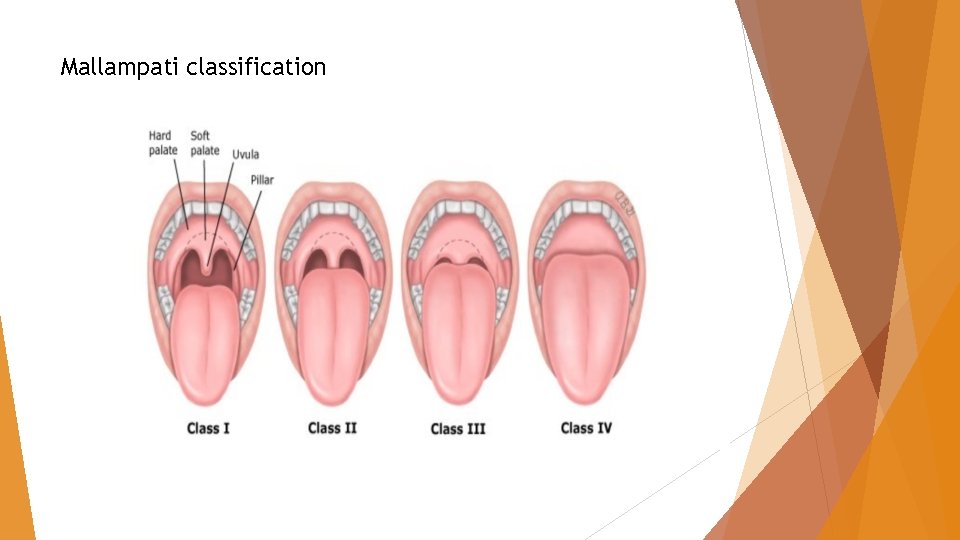
Mallampati classification
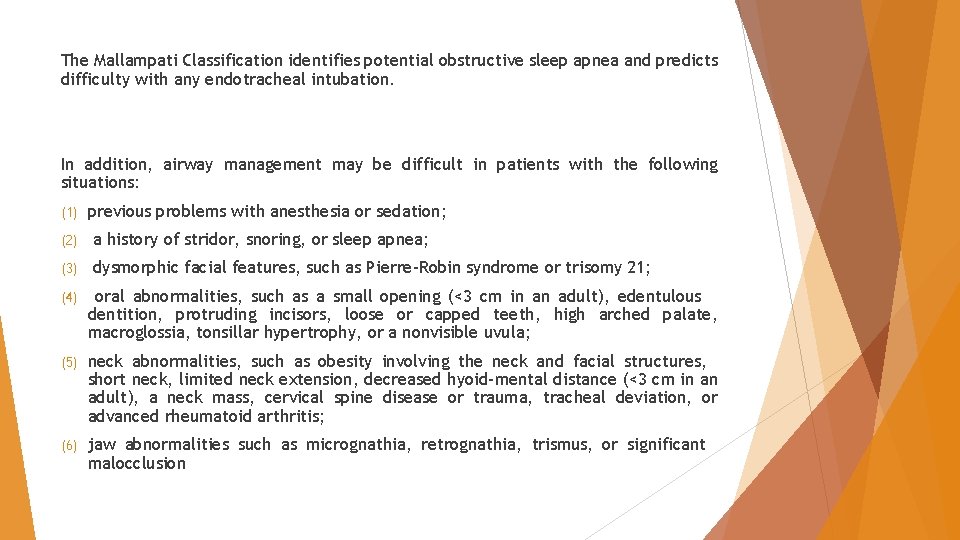
The Mallampati Classification identifies potential obstructive sleep apnea and predicts difficulty with any endotracheal intubation. In addition, airway management may be difficult in patients with the following situations: (1) previous problems with anesthesia or sedation; (2) a history of stridor, snoring, or sleep apnea; (3) dysmorphic facial features, such as Pierre-Robin syndrome or trisomy 21; (4) oral abnormalities, such as a small opening (<3 cm in an adult), edentulous dentition, protruding incisors, loose or capped teeth, high arched palate, macroglossia, tonsillar hypertrophy, or a nonvisible uvula; (5) neck abnormalities, such as obesity involving the neck and facial structures, short neck, limited neck extension, decreased hyoid-mental distance (<3 cm in an adult), a neck mass, cervical spine disease or trauma, tracheal deviation, or advanced rheumatoid arthritis; (6) jaw abnormalities such as micrognathia, retrognathia, trismus, or significant malocclusion
INTRA-PROCEDURAL PATIENT MONITORING Patient monitoring during sedated GI endoscopy may detect changes in pulse, blood pressure, ventilatory status, cardiac electrical activity, and level of sedation before clinically significant events occur. 1) Before the procedure is begun 2) After administration of sedative-analgesic agents 3) At least every 5 minutes during the procedure 4) During initial recovery 5) Just before discharge
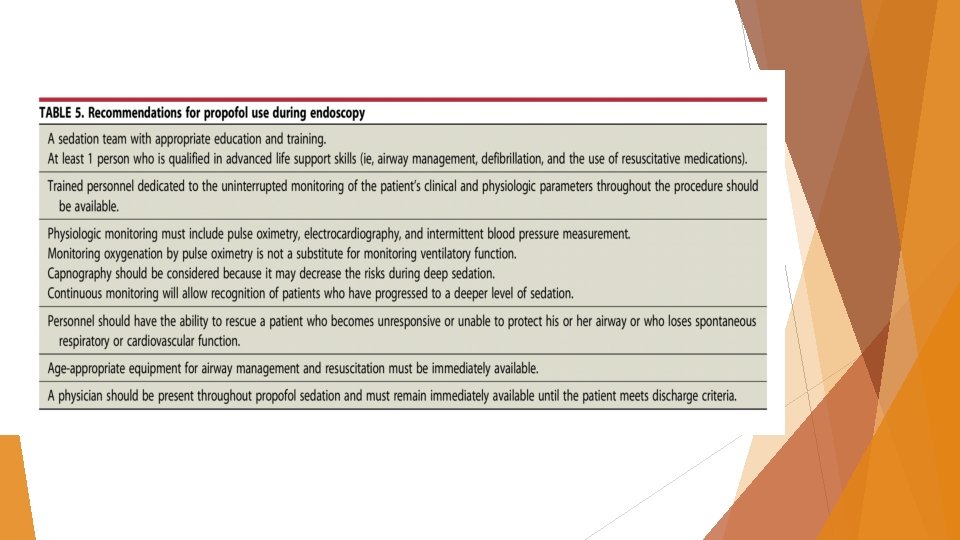
Minimal patient monitoring requirements for sedated GI procedures include electronic assessment of blood pressure, heart rate, and pulse oximetry and the visual assessment of ventilatory activity, level of consciousness, and discomfort. ASA guidelines recommend continuous electrocardiogram (ECG) monitoring of patients with significant cardiovascular disease or dysrhythmia during moderate sedation. Other patients who may benefit from ECG monitoring include those with a history of significant pulmonary disease, the elderly, and those in whom prolonged procedures are anticipated. All patients receiving intravenous sedation should be monitored with noninvasive blood pressure devices.
Risk factors for hypoxemia include a baseline oxygen saturation of less than 95%, emergent indication for the endoscopic procedure, a procedure of long duration, difficulty with esophageal intubation, and the presence of comorbid illness The ASA and the ASGE recommend that supplemental oxygen be considered for moderate sedation, and it is required for all procedures with intended deep sedation. Capnography is a noninvasive technology
UNSEDATED ENDOSCOPY provider education may increase patient willingness to consider this option. Small -diameter endoscopes (<6 mm) can improve the tolerability of upper endoscopy Older patients, men, patients who are not anxious, and patients without a history of abdominal pain may be more willing to undergo upper endoscopy or colonoscopy with little or no sedation In addition, the use of water-assisted or carbon dioxide insufflation may reduce pain during and after the procedure in both unsedated and sedated colonoscopy. The use of topical anesthesia may decrease patient discomfort in those receiving unsedated procedures or non-propofol mediated sedation.
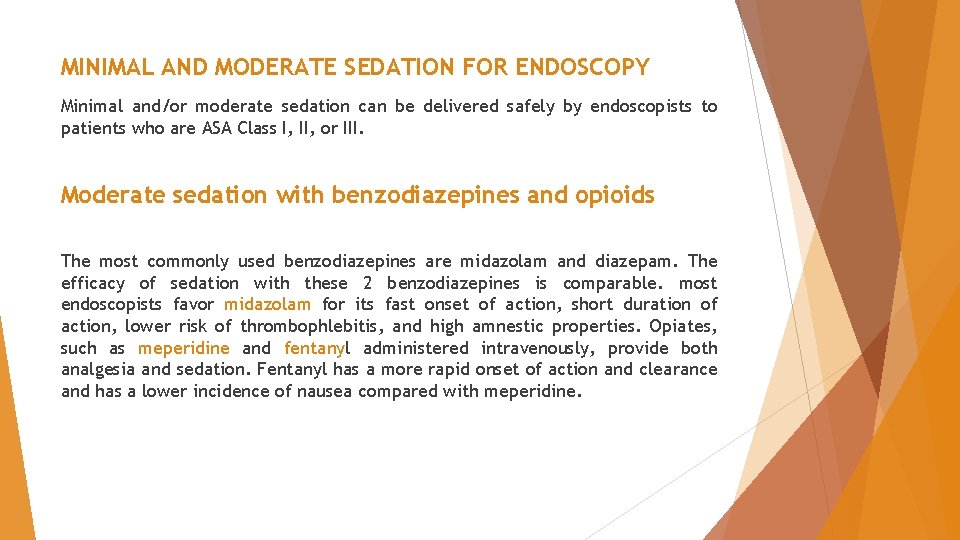
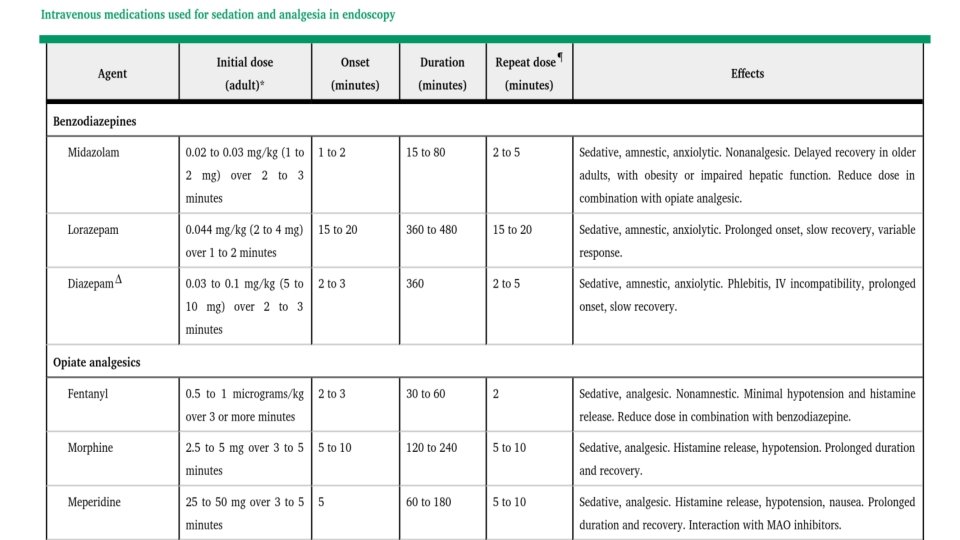
MINIMAL AND MODERATE SEDATION FOR ENDOSCOPY Minimal and/or moderate sedation can be delivered safely by endoscopists to patients who are ASA Class I, II, or III. Moderate sedation with benzodiazepines and opioids The most commonly used benzodiazepines are midazolam and diazepam. The efficacy of sedation with these 2 benzodiazepines is comparable. most endoscopists favor midazolam for its fast onset of action, short duration of action, lower risk of thrombophlebitis, and high amnestic properties. Opiates, such as meperidine and fentanyl administered intravenously, provide both analgesia and sedation. Fentanyl has a more rapid onset of action and clearance and has a lower incidence of nausea compared with meperidine.
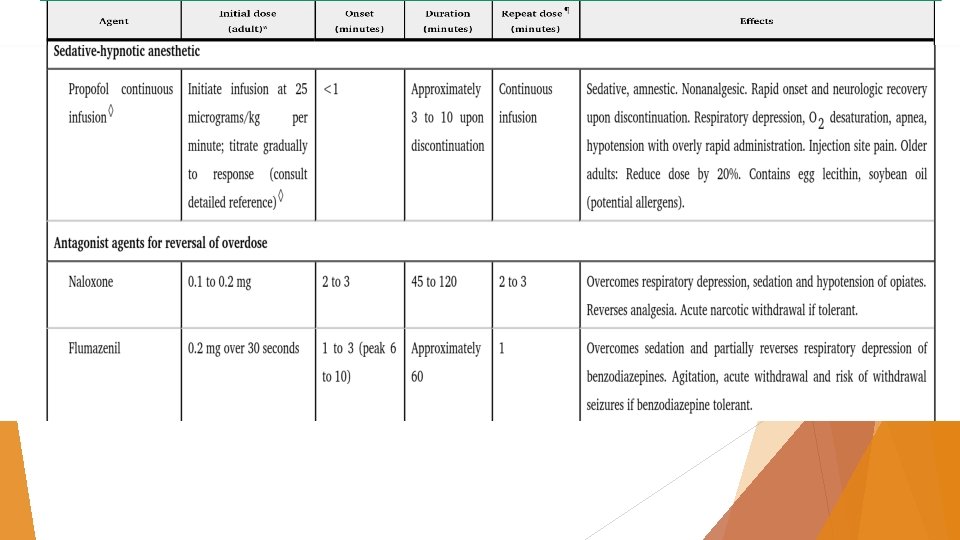
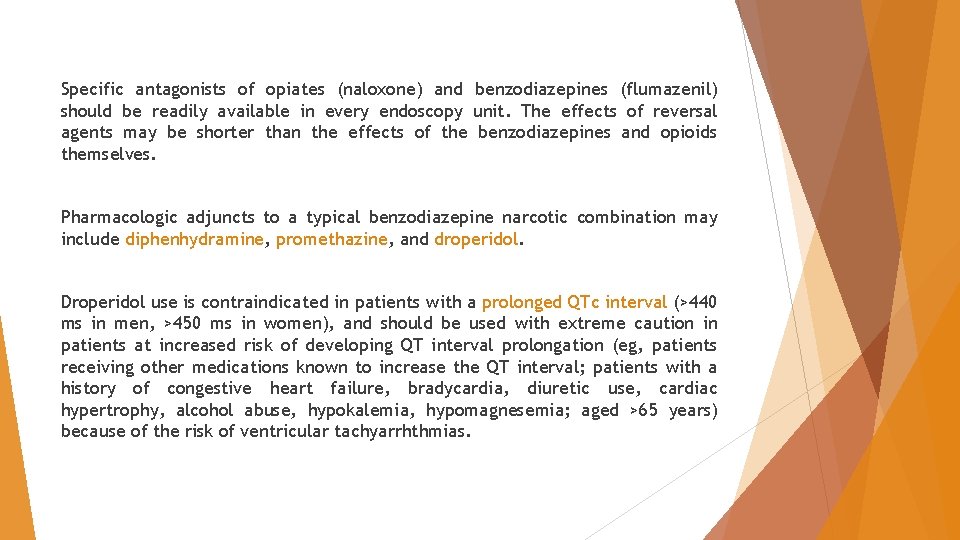
Specific antagonists of opiates (naloxone) and benzodiazepines (flumazenil) should be readily available in every endoscopy unit. The effects of reversal agents may be shorter than the effects of the benzodiazepines and opioids themselves. Pharmacologic adjuncts to a typical benzodiazepine narcotic combination may include diphenhydramine, promethazine, and droperidol. Droperidol use is contraindicated in patients with a prolonged QTc interval (>440 ms in men, >450 ms in women), and should be used with extreme caution in patients at increased risk of developing QT interval prolongation (eg, patients receiving other medications known to increase the QT interval; patients with a history of congestive heart failure, bradycardia, diuretic use, cardiac hypertrophy, alcohol abuse, hypokalemia, hypomagnesemia; aged >65 years) because of the risk of ventricular tachyarrhthmias.
Non-anesthesiologist–administered propofol sedation (NAAP). NAAP can be divided further into nurse administered propofol sedation (NAPS), in which propofol is administered as a single agent to target deep sedation under the direction of the endoscopist, and BPS, which involves the administration of a single dose of an opioid and benzodiazepine followed by intermittent bolus administration with propofol to target moderate sedation. NAAP has been associated universally with shorter sedation times and shorter recovery times, when compared with the combination of an opioid and benzodiazepine All studies found that NAPS exhibited significantly shorter recovery times. There were no significant differences across sedation regimens in the incidence of bradycardia, hypotension, hypoxemia, physician satisfaction, or in the number of patients reporting pain or discomfort. Patient satisfaction across all controlled trials was lower with midazolam plus narcotic, when compared with monopropofol sedation.
BPS is effective at achieving moderate sedation for endoscopic procedures. BPS provides the benefits of propofol-mediated sedation, such as shorter recovery times and enhanced patient satisfaction, while reducing the risk of over-sedation When propofol is used alone for endoscopy, its lack of analgesic properties may require larger doses and therefore result in deep sedation, 55 for which there is nospecific reversal agent Furthermore, more precise dose titration is possible with smaller bolus doses of propofol (5 -15 mg), and the potential for partial pharmacologic reversibility is retained by using naloxone or flumazenil
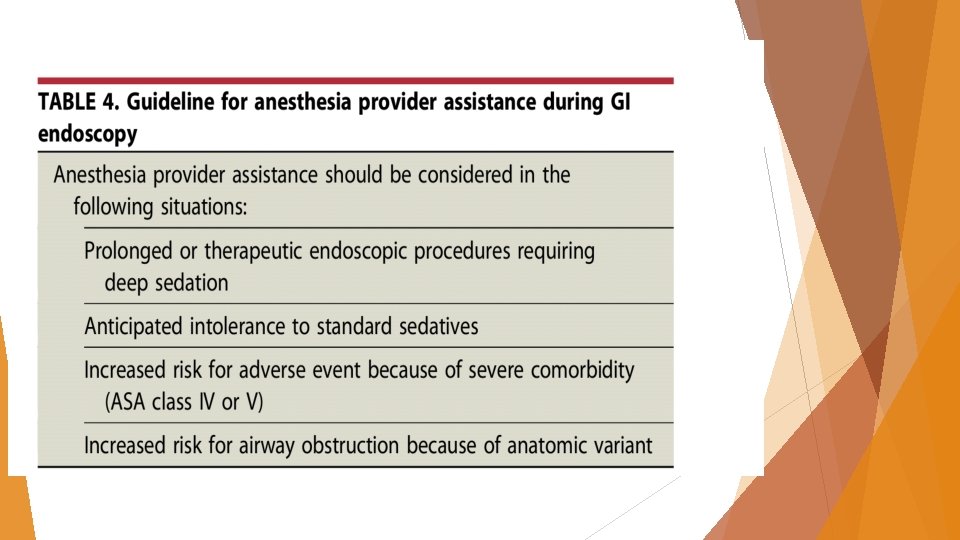
Anesthesia provider–administered sedation Potential advantages to the use of anesthesia provider–administered sedation for routine colonoscopy and upper endoscopy may include improved patient satisfaction, decreased distractions for the endoscopist, and increased throughput through the endoscopy unit because of shorter sedation and recovery times Patient risk factors include significant medical conditions such as extremes of age; severe pulmonary, cardiac, renal, or hepatic disease; pregnancy; the abuse of drugs or alcohol; uncooperative patients; a potentially difficult airway for positive-pressure ventilation; and individuals with anatomy that is associated with more difficult intubation. Additionally, an anesthesia provider may be used to provide propofol-based sedation for settings in which regulations or policies do not allow endoscopist-administered propofol, but the treating physicians judge the benefits of a propofol regimen to outweigh the risks and costs.
Studies have demonstrated that anesthesia provider– administered sedation for EUS-guided FNA of pancreatic masses and overtube-assisted enteroscopy is associated with improved outcomes However, for lower-risk patients (ASA I-III) undergoing non-advanced endoscopic procedures such as elective colonoscopy and EGD, recent large population–based studies found a higher risk of aspiration and other unplanned cardiopulmonary events in patients receiving deep sedation with propofol as administered by anesthesiologists, A recent study using claims data found a higher perforation rate in colonoscopies with anesthesia services
PATIENT-CONTROLLED SEDATION patient-controlled sedation with propofol and/or alfentanil exhibited a high degree of patient satisfaction and more complete recovery at 45 minutes when compared with conventional sedation and analgesia.
RECOMMENDATIONS 1. We recommend that all patients undergoing endoscopic procedures be evaluated to assess their risk of sedation related to pre-existing medical conditions. 2. We recommend that the combination of an opioid and benzodiazepine is a safe and effective regimen for achieving minimal to moderate sedation for upper endoscopy and colonoscopy in patients without risk factors for sedation -related adverse events. 3. We suggest using an appropriate adjunctive agent (eg, diphenhydramine, promethazine, or droperidol) in combination with conventional sedative drugs in select clinical circumstances. 4. We recommend that providers undergo specific training in the administration of endoscopic sedation and possess the skills necessary for the diagnosis and management of sedation-related adverse events, including rescue from a level of sedation deeper than that intended.
RECOMMENDATIONS 5. We recommend the routine monitoring of blood pressure, oxygen saturation, and heart rate in addition to clinical observation for changes in cardiopulmonary status during all endoscopic procedures using sedation. Supplemental oxygen administration should be considered for moderate sedation and should be administered during deep sedation. Supplemental oxygen should be administered if hypoxemia is anticipated or develops. 6. We suggest that capnography monitoring be considered for patients undergoing endoscopy targeting deep sedation. 7. We recommend anesthesia provider–administered sedation be considered for complex endoscopic procedures or patients with multiple medical comorbidities or at risk for airway compromise. 8. We suggest that endoscopists use propofol-based sedation (endoscopistdirected or anesthesia-provider administered) when it is expected to improve patient safety, comfort, procedural efficiency, and/or successful procedure completion.
Thank you