
Growth Physiology Second Year BotanyChemistry Students Prof Dr
Growth Physiology Second Year Botany/Chemistry Students Prof. Dr. Nemat M. Hassan 22 -3 -2020
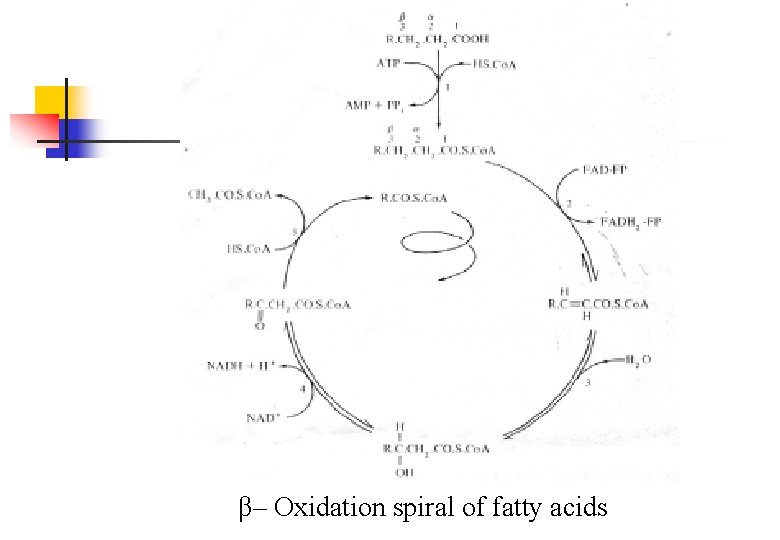
β– Oxidation spiral of fatty acids
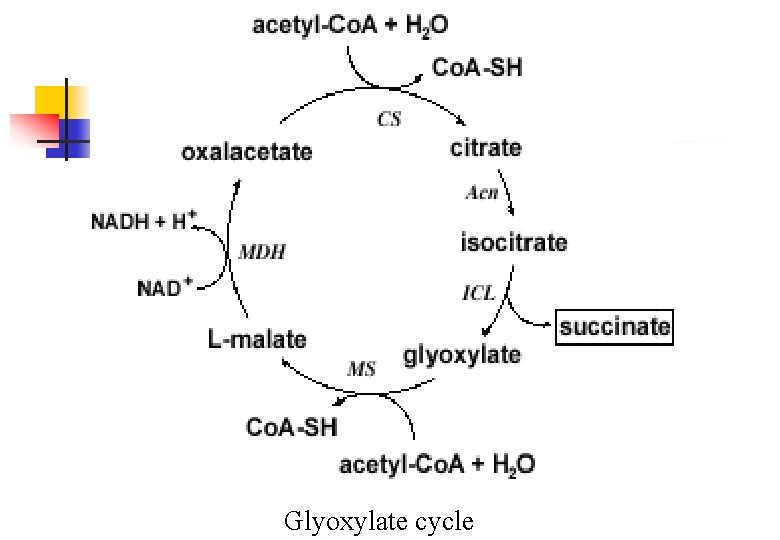
Glyoxylate cycle
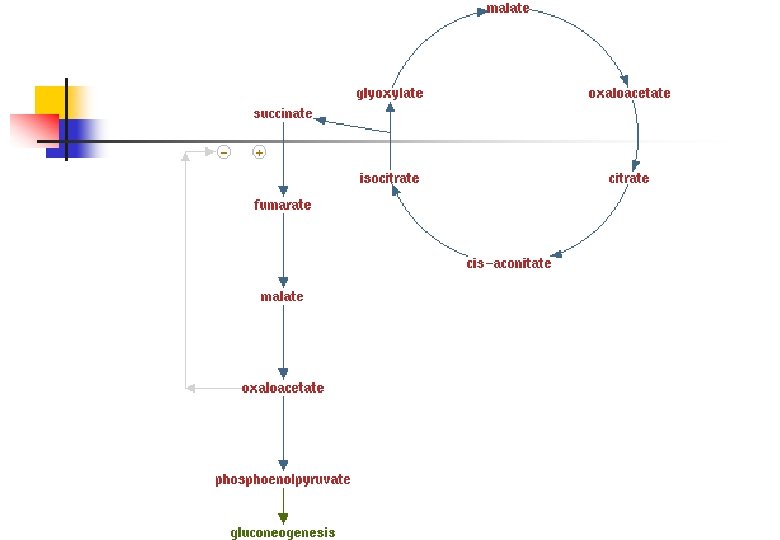
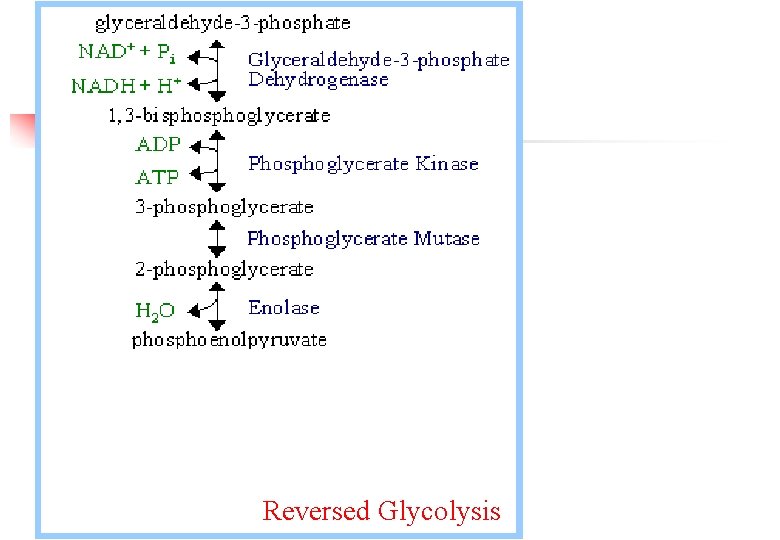
Reversed Glycolysis
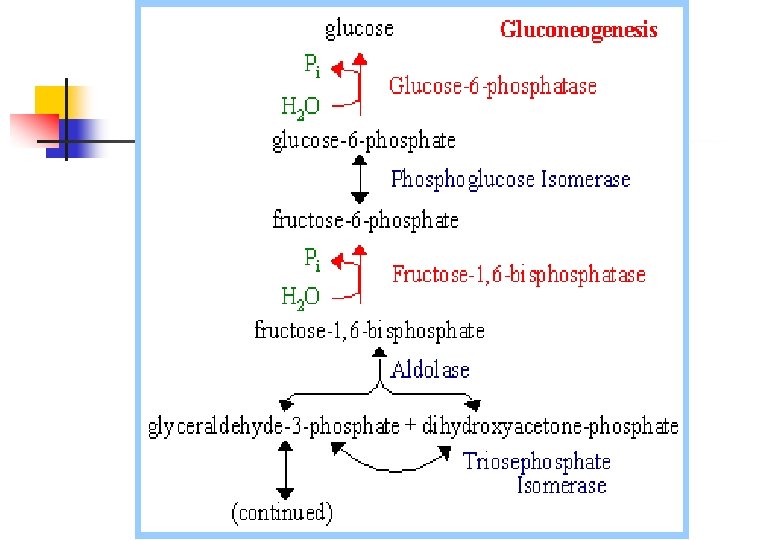
Nitrogen and phosphorus Mobilization of nitrogen ØPorteins comprise the most abundant nitrogenous reserves in seeds with endosperm ØThe contribution of other compounds such as RNA and soluble amino acids. ØIn cereal grains the aleurone layer is richer in protein than the bulk of the endosperm.
ØProteins of the aleurone cells are localized in protein bodies (aleurone grains or vacuoles). ØThese protein bodies are characterized by the presence of globoid ØIt appears that the most abundant protein fraction is utilized most rapidly.
Role of peptide hydrolase during and after germination ØThere are distinct stages of proteolysis in germinating seeds. ØIn the first stage, hydrolysis provides amino acids for the synthesis of those hydrolytic enzymes
ØThe second stage accounts for the hydrolysis of the main reserve proteins and results in the provision of amino acids to the growing seedling. Ø The third and final stage includes the senescence of the reserve- depleted storage tissue.
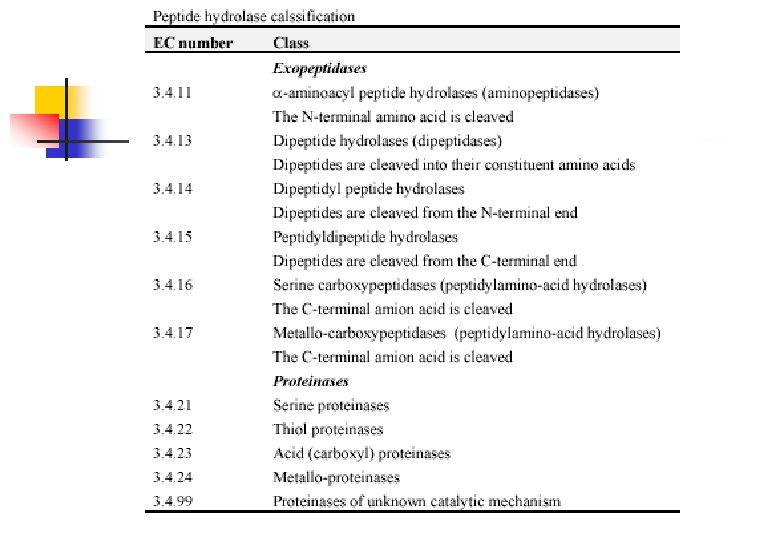
Nomenclature and classification of peptide hydrolases ØThe peptide hydrolases have been classified into two major sub-groups, based on the position of the peptide bond hydrolysed. ØThe proteinases, or endopeptidases cleave bonds distant from the ends of the polypeptide Ø exopeptidases cleave bonds only near the end of the polypeptide.
Role of the scutellum or cotyledons in the transfer of nitrogen from endosperm to embryo Scutellum ØThe concerted action of the endopeptidases and carboxypeptidases is most likely to result in a mixture of amino acids and peptides. ØComplete hydrolysis is unlikely because of the inability of carboxypeptidases to act on dipeptides and tripeptides
ØThe scutellum, an absorptive organ responsible for the transfer of nutrients between the endosperm and seedling, shows high levels of exopeptidase activity, especially aminopeptidases and alkaline dipeptidases ØThis suggests that the scutellum may have a dual function: absorption of amino acids and peptides and hydrolysis of the absorbed peptides.
ØThe cotyledons of castor bean and Scots pine function in an analogous manner to the scutellum of the cereals. ØThey are the site of absorption of sucrose and nitrogenous compounds from the endosperm and facilitate transfer of these compounds throughout the developing axis.
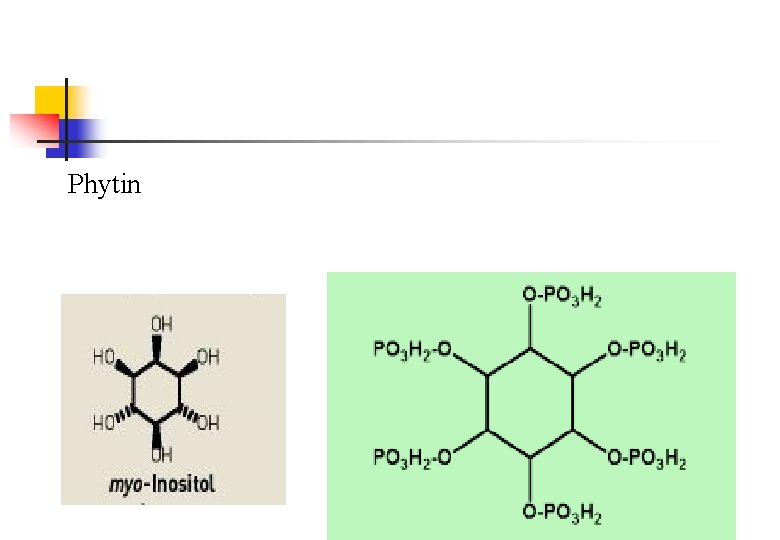
Mobilization of phosphorus ØThe phosphorus-containing constituents of seed can be described in terms of four groups of compounds: phytic acid, nucleic acid, lipid and protein ØPhytic acid (myo-inositol hexakis dihydrogen phosphoric acid) is always the most abundant phosphorus - containing compound
Phytin ØPhytin is the insoluble complex of phytic acid with a range of cations. ØThe proportions of the associated cations vary with tissue and with species.
Phytin
ØIn the phytin of rice, potassium and magnesium predominate ØIn general, phytates account for about 1% by weight of cereal grains,
Phytase ØPhytase, myo-inositol hexakis (dihydrogen phosphate) phosphohydrolase is a phosphomonoesterase which can hydrolyse phytin to yield inorganic orthophosphate and a series of lower phosphate esters of myoinositol. ØMyo-inositol is the ultimate product derived from continued hydrolysis of these lower phosphate esters.
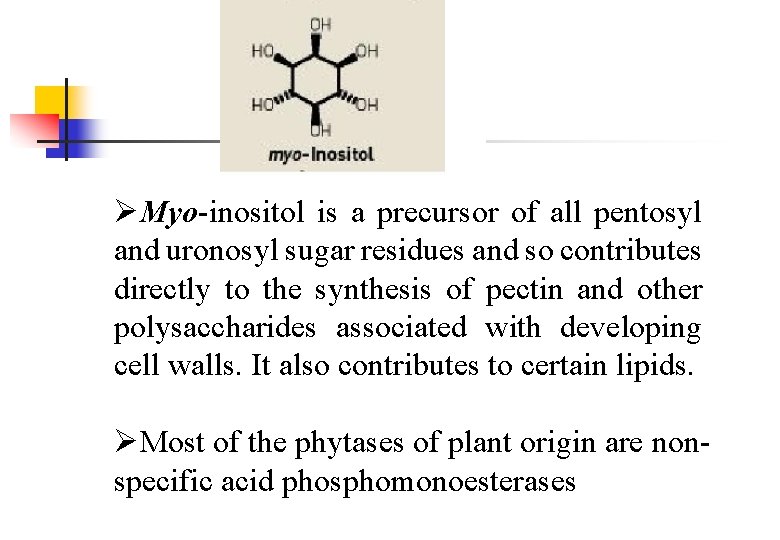
ØMyo-inositol is a precursor of all pentosyl and uronosyl sugar residues and so contributes directly to the synthesis of pectin and other polysaccharides associated with developing cell walls. It also contributes to certain lipids. ØMost of the phytases of plant origin are nonspecific acid phosphomonoesterases
Regulation of phytin degradation ØIn germinating maize seeds, increased phytase activity is readily detected within 24 h of imbibition. ØThe increase in activity of acid phosphatase is apparently due to do novo synthesis, but gibberellic acid also affects secretion of this enzyme(s) across the plasmalemma- a phenomenon which is well characterized for amylase.
Nucleic acids ØAbout 12% of the phosphorus in oat seed is present in the form of nucleic acid. Ø During germination the nucleic acid phosphorus of the endosperm declines with a concomitant increase in amount of phosphorus of the developing axis
ØPhosphate release from RNA requires the concrete action of RNase and a 3'nucleotidase. ØThe effect of gibberellic acid was inhibited by inhibitors of protein and RNA synthesis.
Phospholipids ØAbout 80% of the phospholipid of whole wheat grains is associated with the starch granules. ØStarch-bound phospholipid is in the form of lysophosphatidylcholine (LPC).
- Slides: 25