
GROWTH AND CULTURING OF BACTERIA CHAPTER 6 1
GROWTH AND CULTURING OF BACTERIA CHAPTER 6 1
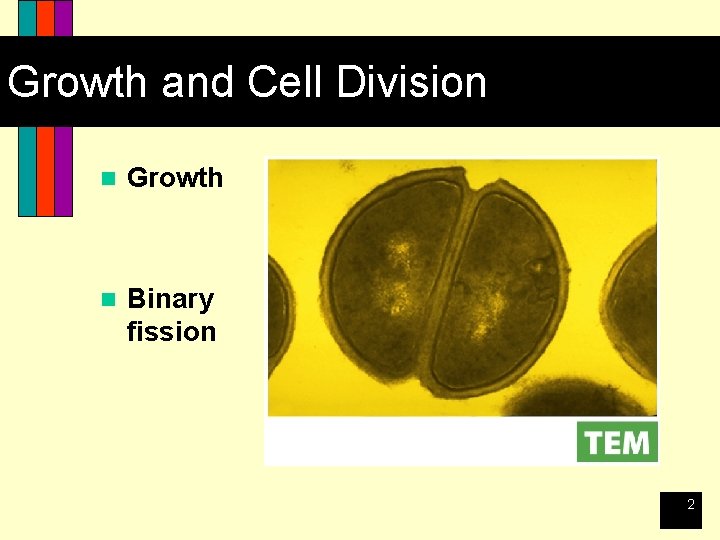
Growth and Cell Division n Growth n Binary fission 2

3
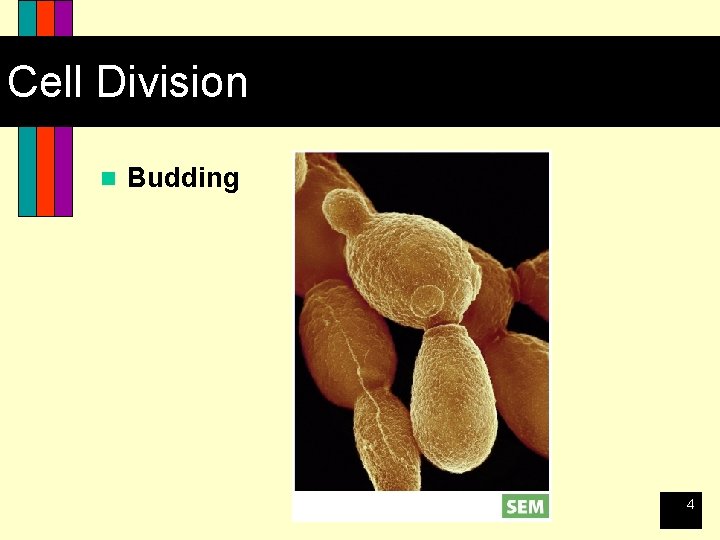
Cell Division n Budding 4

Bacterial Growth Curve n Lag phase n Log phase n Stationary phase n Death phase 5
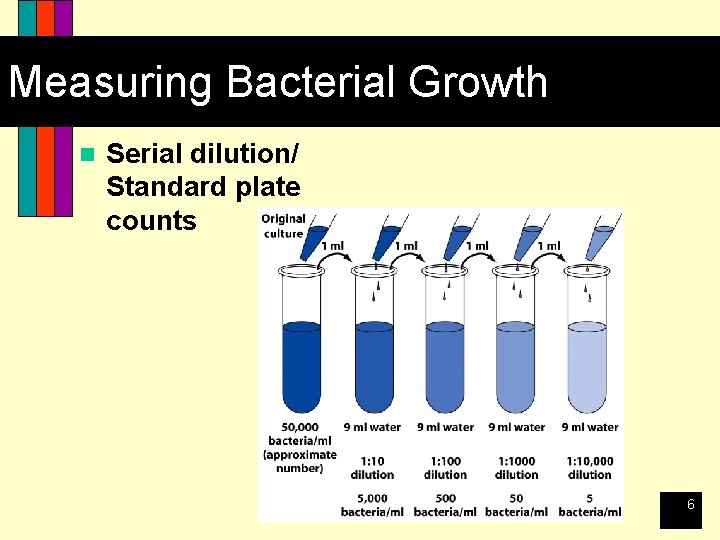
Measuring Bacterial Growth n Serial dilution/ Standard plate counts 6
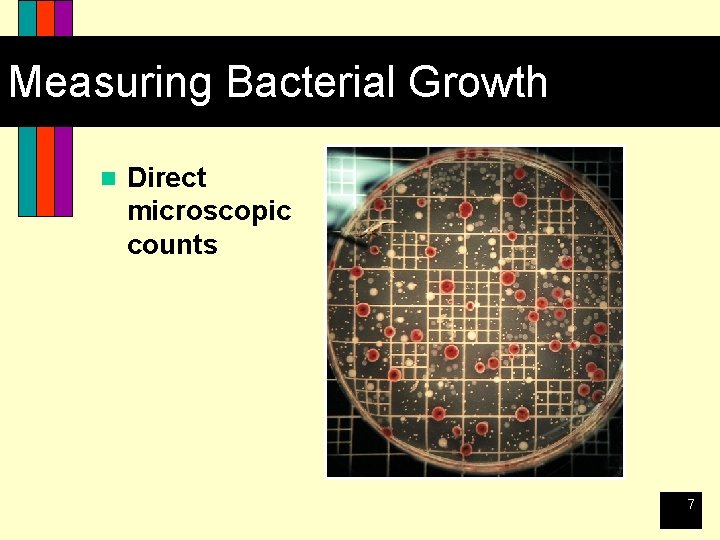
Measuring Bacterial Growth n Direct microscopic counts 7
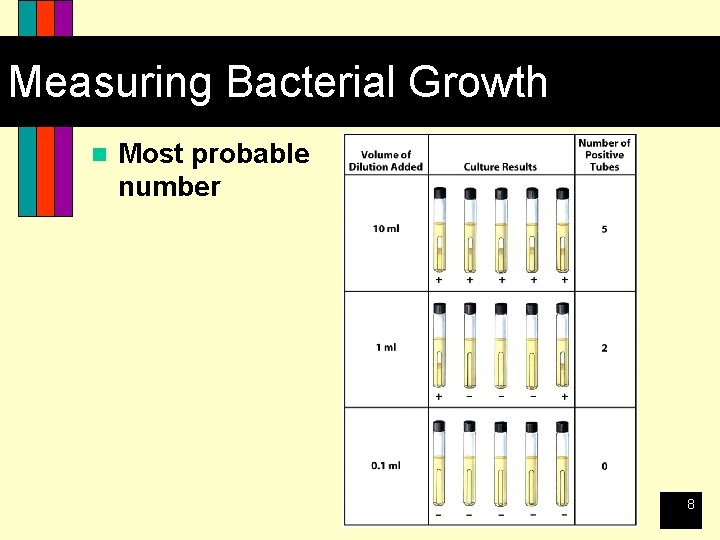
Measuring Bacterial Growth n Most probable number 8
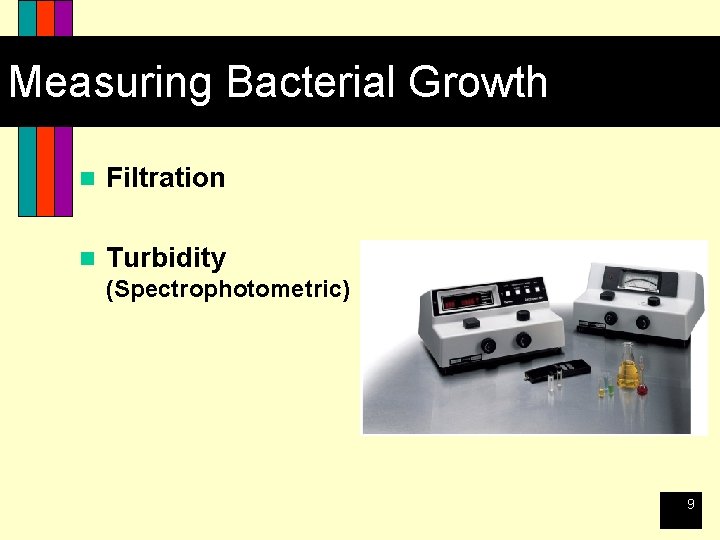
Measuring Bacterial Growth n Filtration n Turbidity (Spectrophotometric) 9
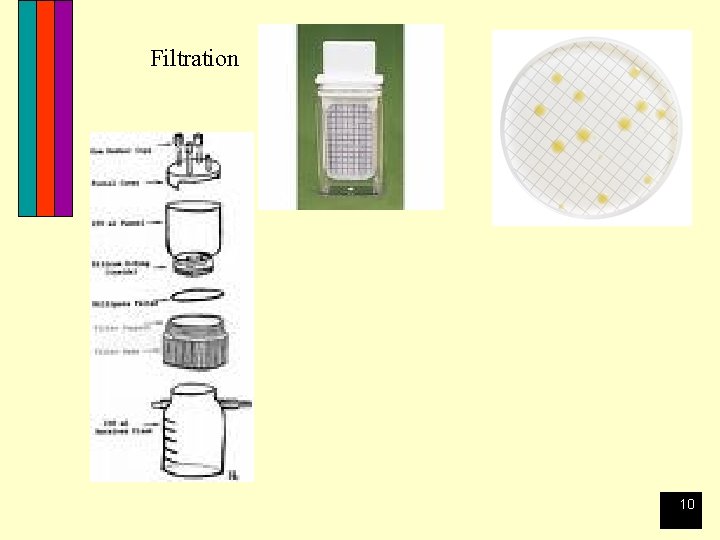
Filtration 10

Turbidity 11
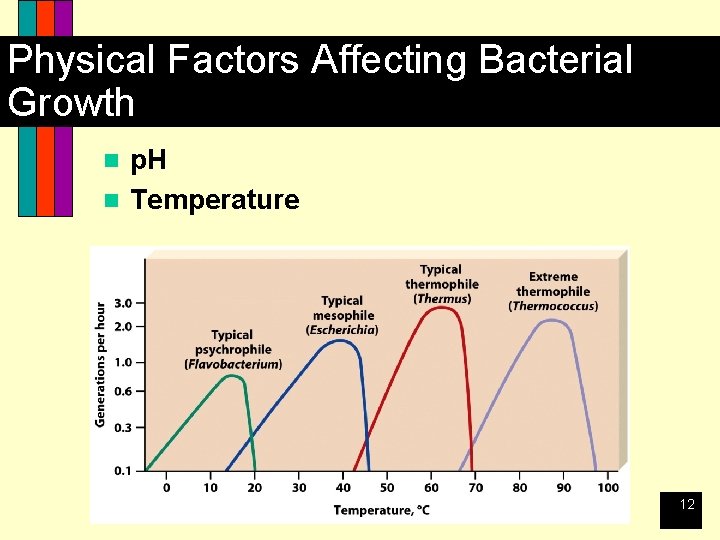
Physical Factors Affecting Bacterial Growth p. H n Temperature n 12
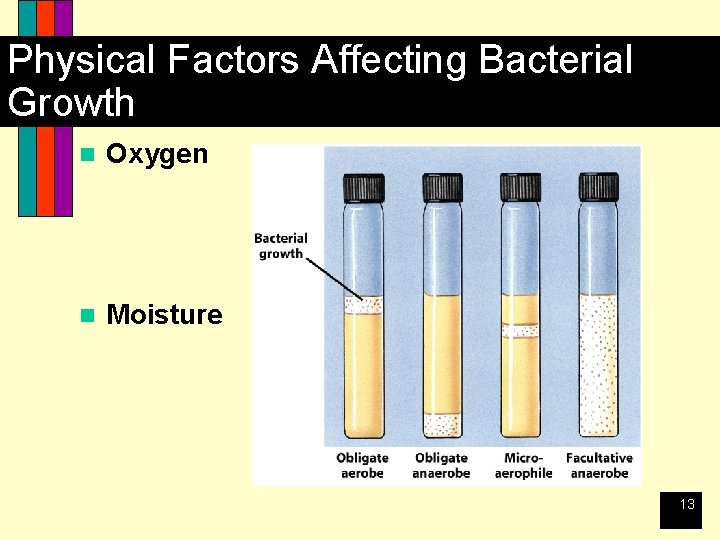
Physical Factors Affecting Bacterial Growth n Oxygen n Moisture 13
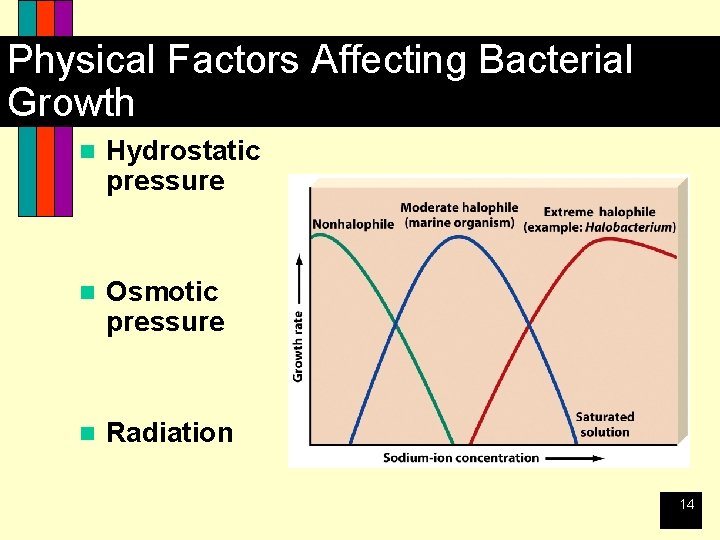
Physical Factors Affecting Bacterial Growth n Hydrostatic pressure n Osmotic pressure n Radiation 14
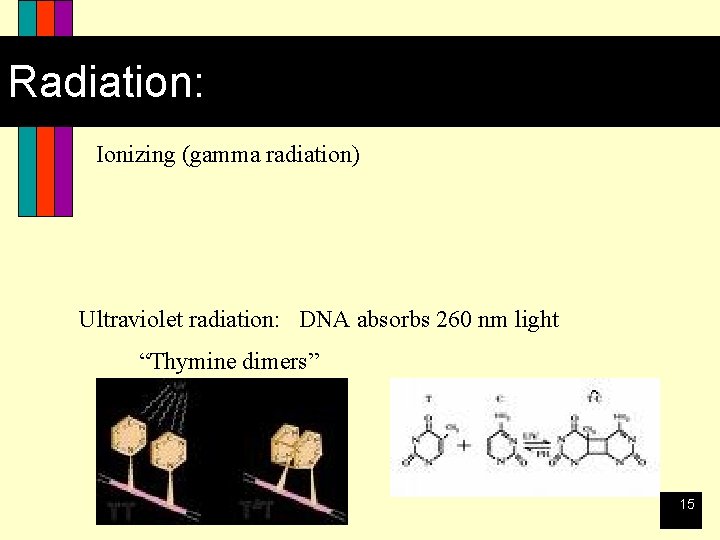
Radiation: Ionizing (gamma radiation) Ultraviolet radiation: DNA absorbs 260 nm light “Thymine dimers” 15
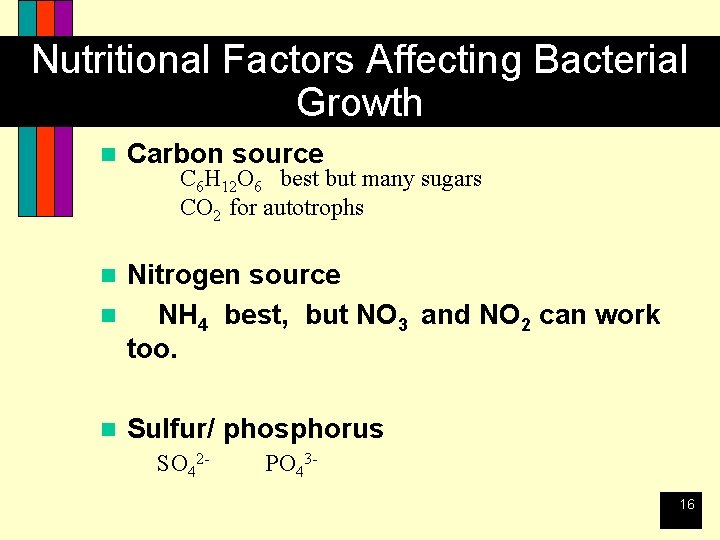
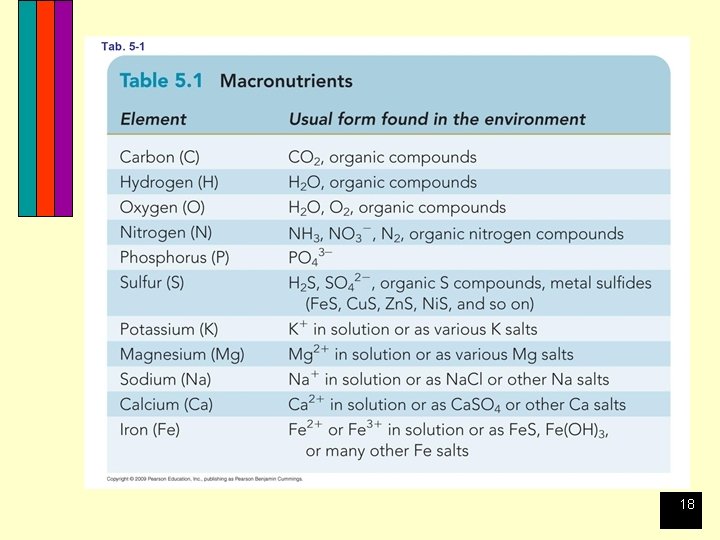
Nutritional Factors Affecting Bacterial Growth n Carbon source C 6 H 12 O 6 best but many sugars CO 2 for autotrophs Nitrogen source n NH 4 best, but NO 3 and NO 2 can work too. n n Sulfur/ phosphorus SO 42 - PO 4316
Nutritional Factors Affecting Bacterial Growth n Trace elements n Vitamins n Nutritional complexity 17
18
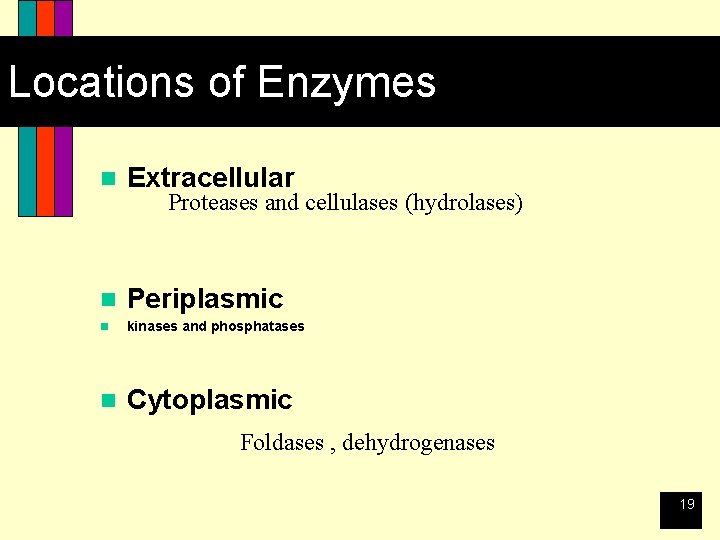
Locations of Enzymes n Extracellular n Periplasmic n kinases and phosphatases n Cytoplasmic Proteases and cellulases (hydrolases) Foldases , dehydrogenases 19
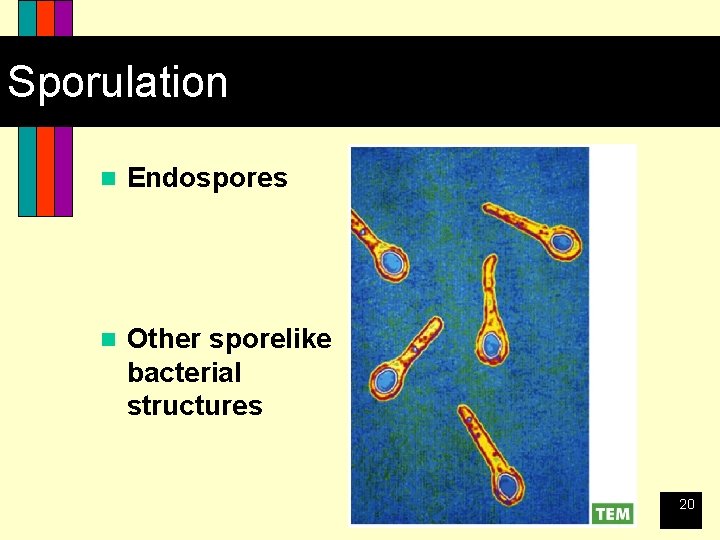
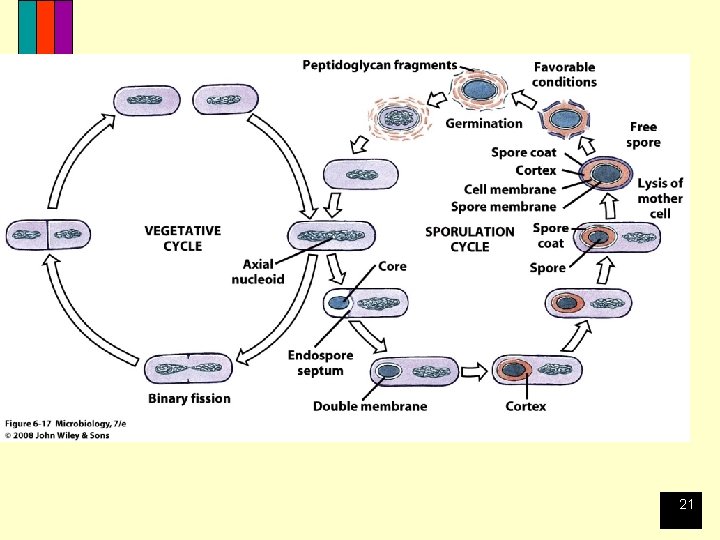
Sporulation n Endospores n Other sporelike bacterial structures 20
21
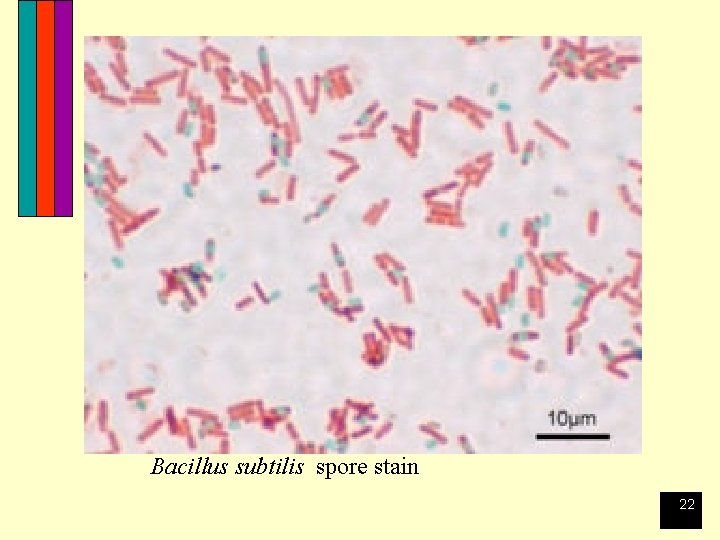
Bacillus subtilis spore stain 22
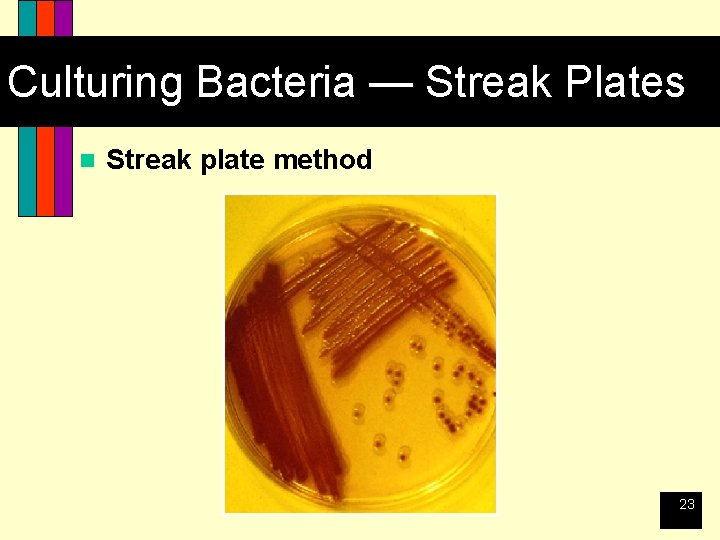
Culturing Bacteria — Streak Plates n Streak plate method 23
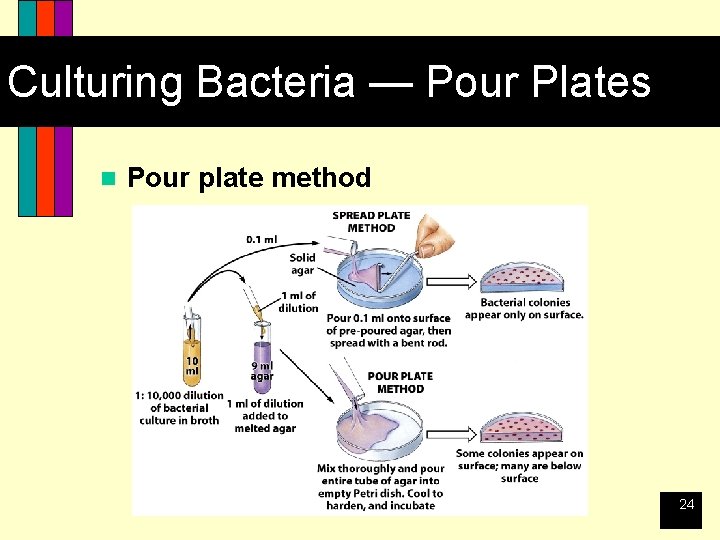
Culturing Bacteria — Pour Plates n Pour plate method 24
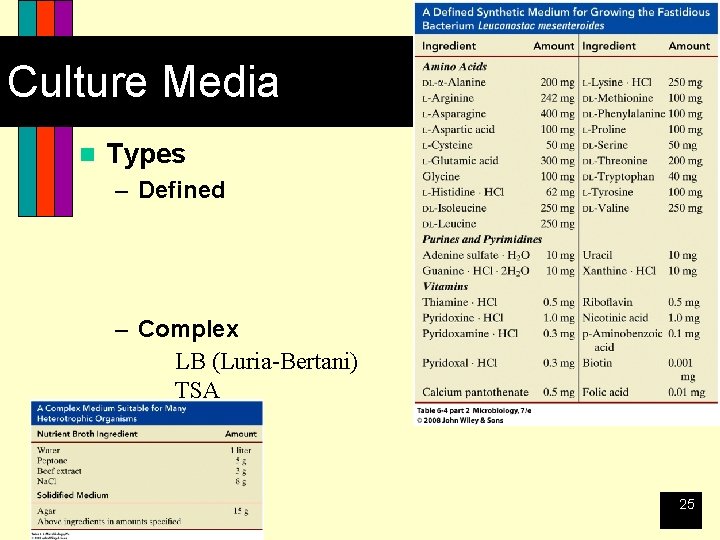
Culture Media n Types – Defined – Complex LB (Luria-Bertani) TSA 25
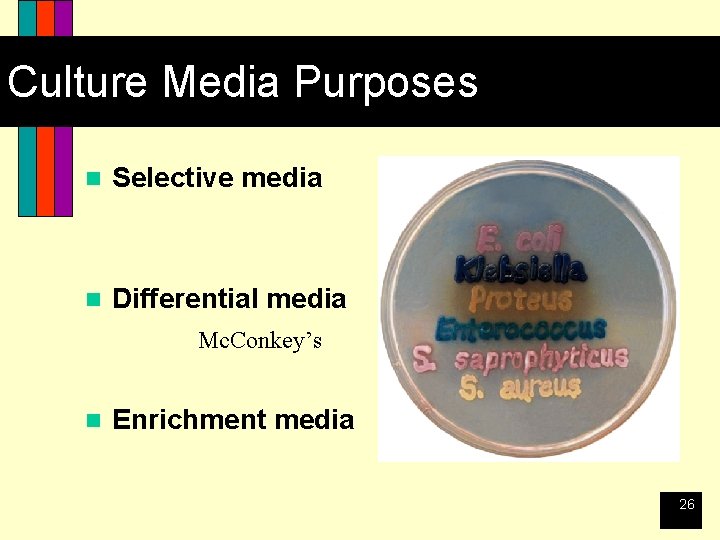
Culture Media Purposes n Selective media n Differential media Mc. Conkey’s n Enrichment media 26
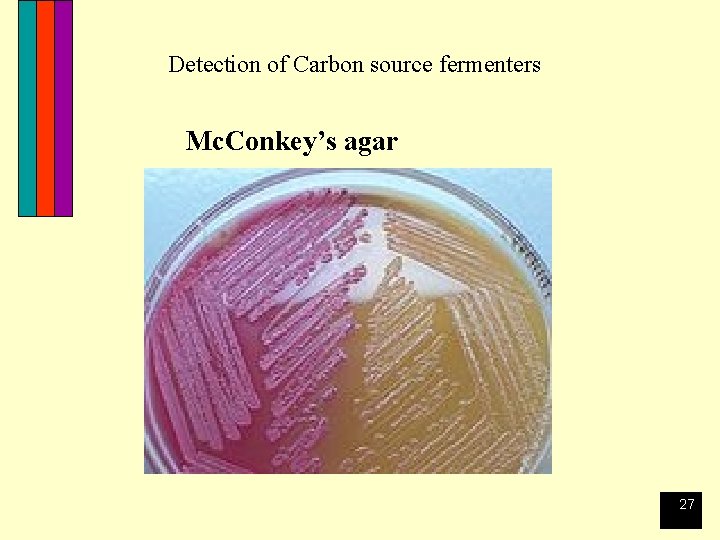
Detection of Carbon source fermenters Mc. Conkey’s agar 27
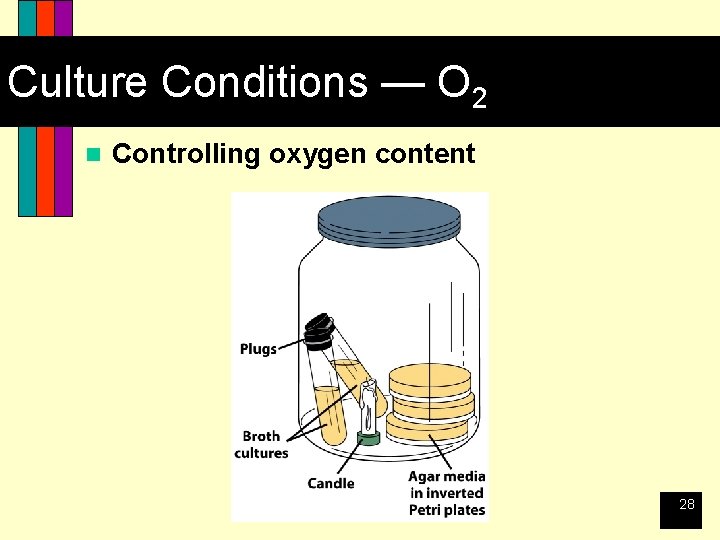
Culture Conditions — O 2 n Controlling oxygen content 28
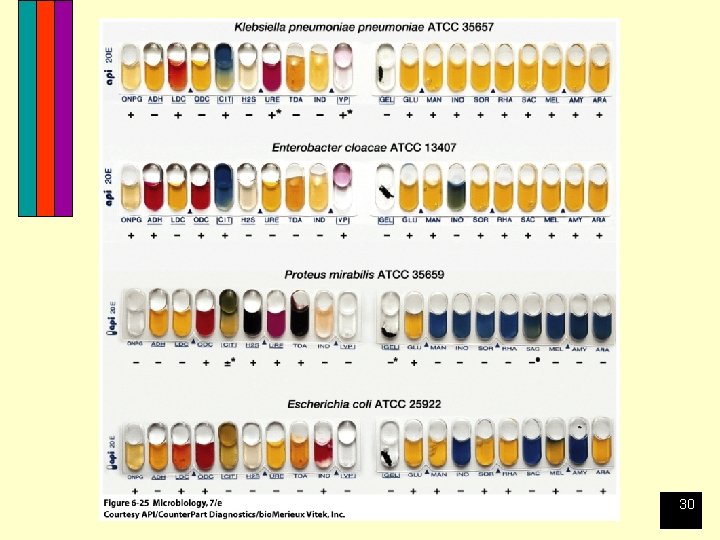
Culture conditions n Maintaining cultures n Preserved cultures n Diagnostic tests n Limitations 29
30
- Slides: 30