
Growing Capacities for Sustainable distance elearning provision Professor
Growing Capacities for Sustainable distance elearning provision Professor Asha Kanwar President & CEO, Commonwealth of Learning
What is sustainable distance and elearning?
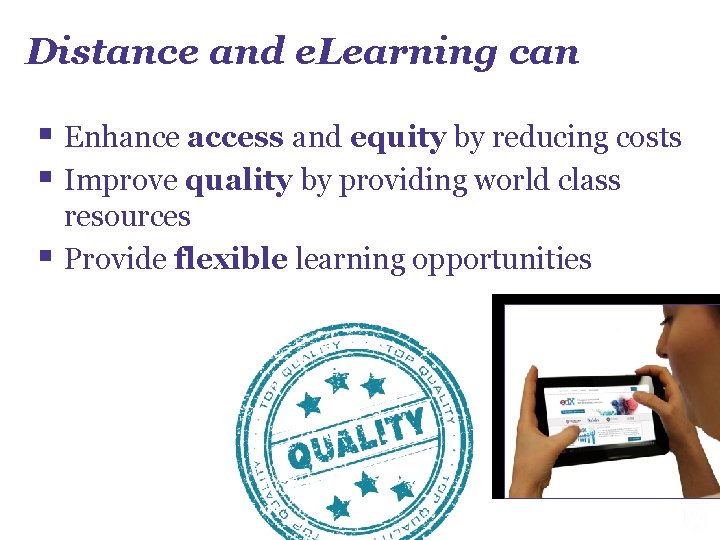
Distance and e. Learning can § Enhance access and equity by reducing costs § Improve quality by providing world class § resources Provide flexible learning opportunities
Growing Capacities
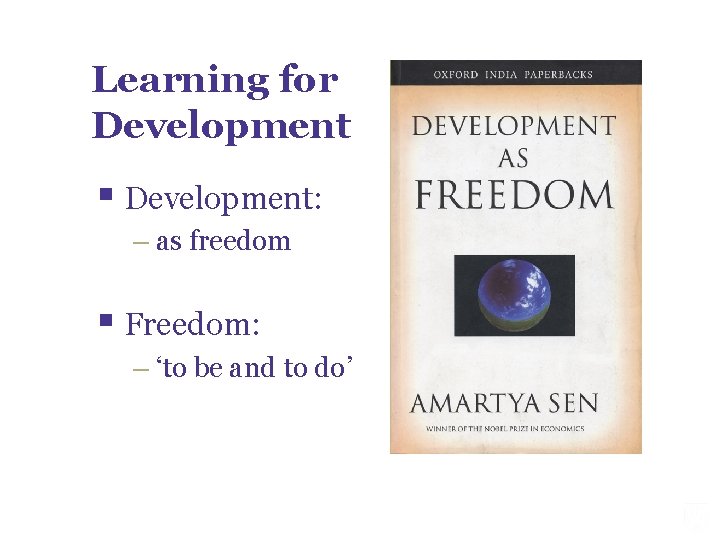
Learning for Development § Development: – as freedom § Freedom: – ‘to be and to do’

Capability approach: A. Sen §From outputs to outcomes §From capacity to capability §From skills or ‘functionings’ to the ability of exercise freedom
Learning develops Capability for § Personal autonomy/independence of thought § Paid Work § Social relations/identity Walker, 2006; qtd in A Tait, 2011
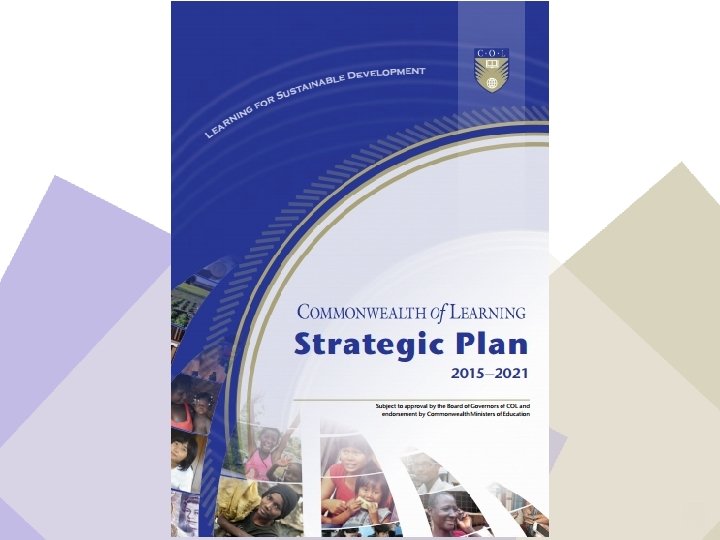
‘Learning for Sustainable Development’ • Economic growth • Social inclusion • Environmental conservation
Sustainable Development Goals
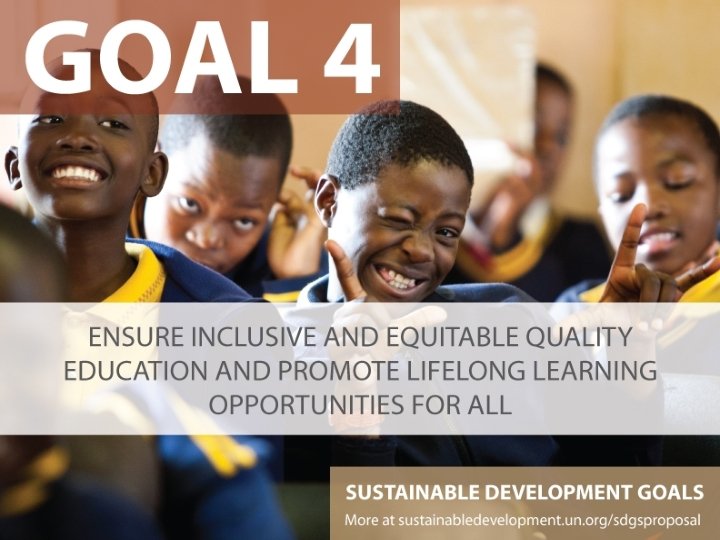
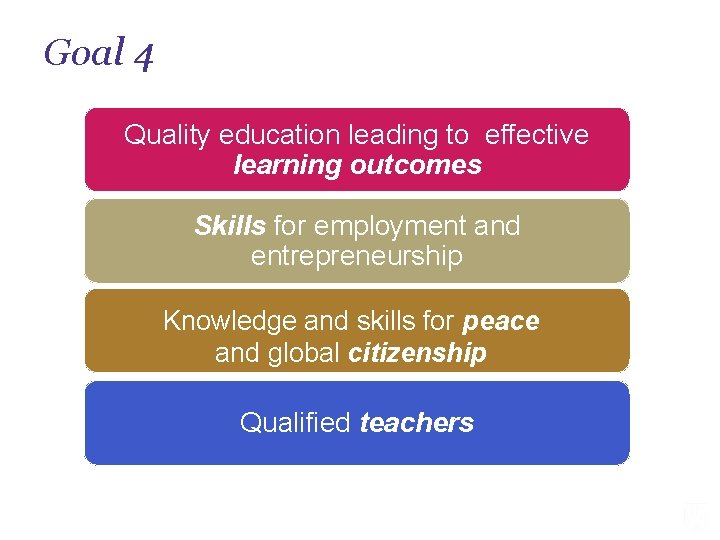
Goal 4 Quality education leading to effective learning outcomes Skills for employment and entrepreneurship Knowledge and skills for peace and global citizenship Qualified teachers
‘Learning for Sustainable Development’ • Economic growth • Social inclusion • Environmental conservation
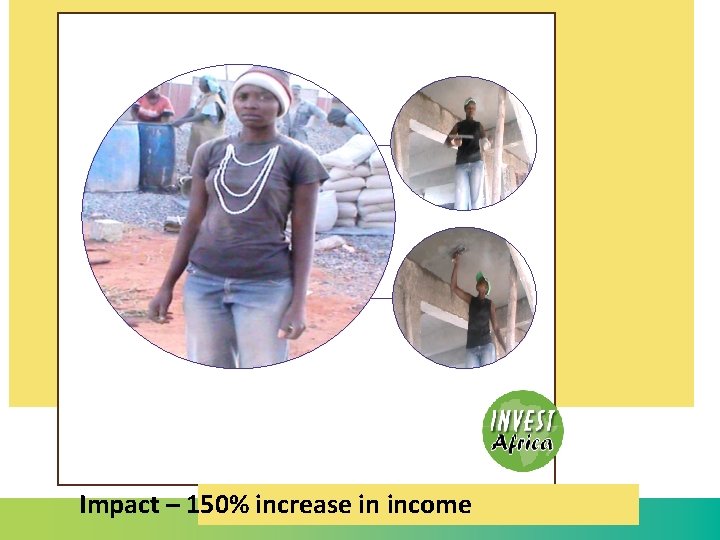
Impact – 150% increase in income
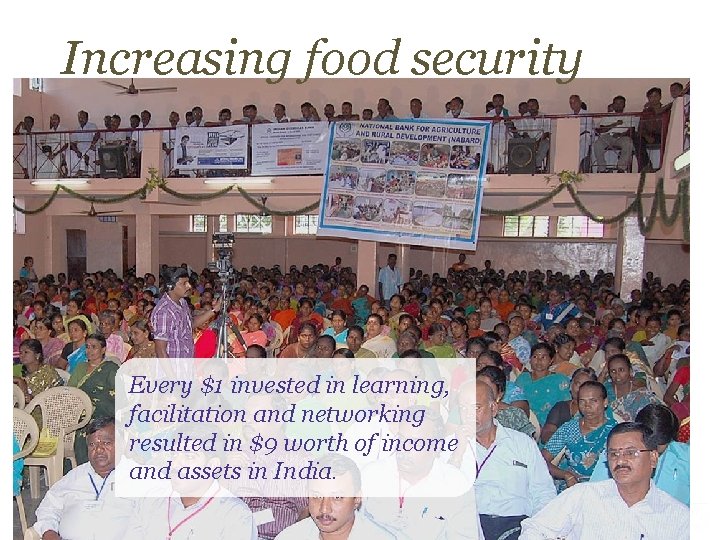
Increasing food security Every $1 invested in learning, facilitation and networking resulted in $9 worth of income and assets in India.
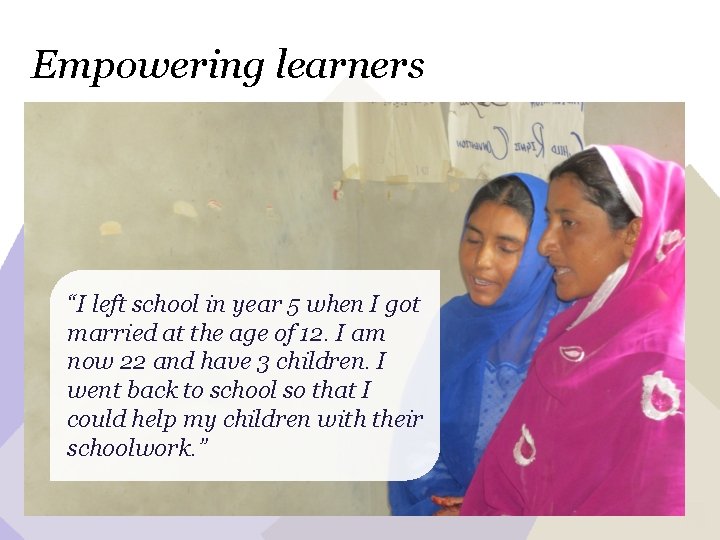
Empowering learners “I left school in year 5 when I got married at the age of 12. I am now 22 and have 3 children. I went back to school so that I could help my children with their schoolwork. ”
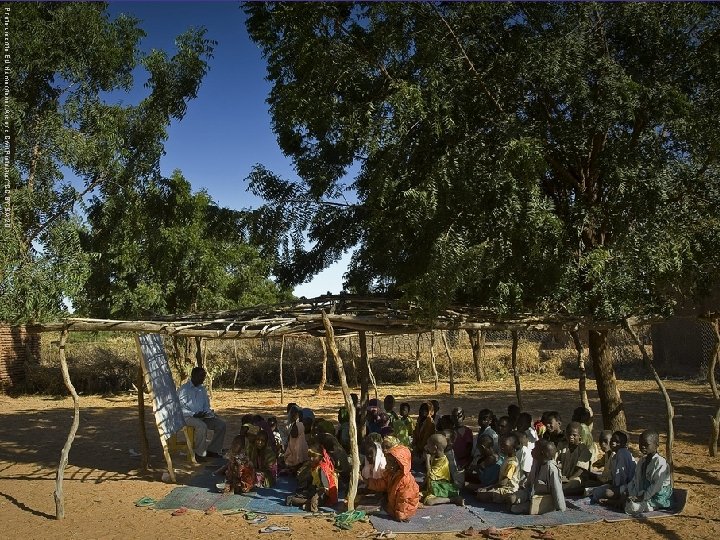
Photo credit to EU Humanitarian Aid and Civil Protection CC BY-SA 2. 0
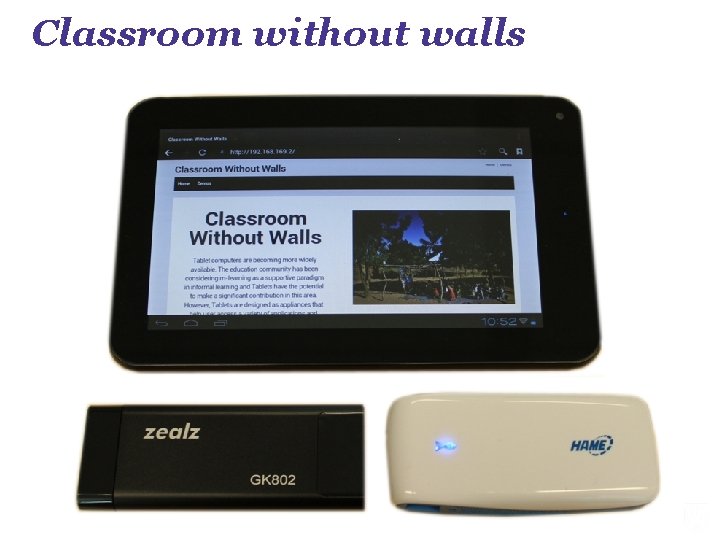
Classroom without walls
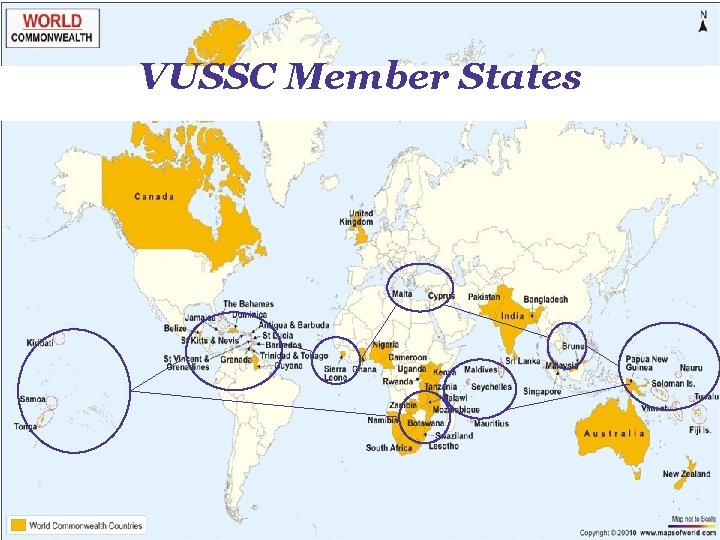
VUSSC Member States
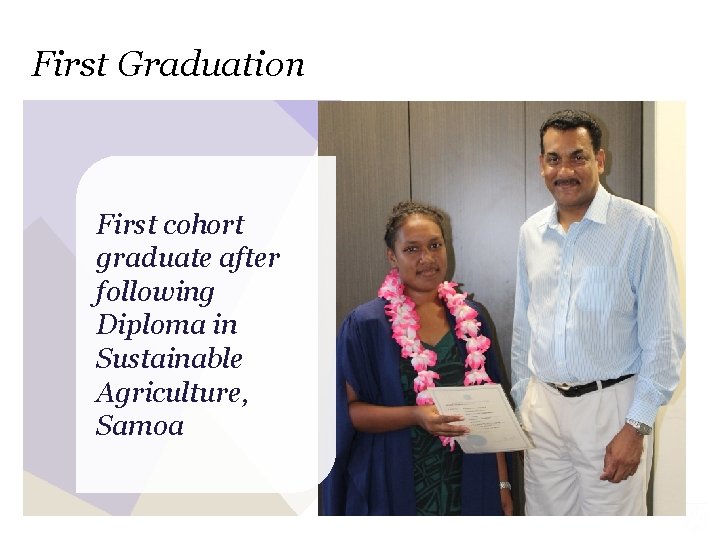
First Graduation First cohort graduate after following Diploma in Sustainable Agriculture, Samoa
WHAT CAN DISTANCE AND ELEARNING INSTITUTIONS DO?
Should Sustainable Distance and elearning § Accelerate progress towards achieving Sustainable Development Goals? § What can we learn from OER and MOOCs to become more sustainable?
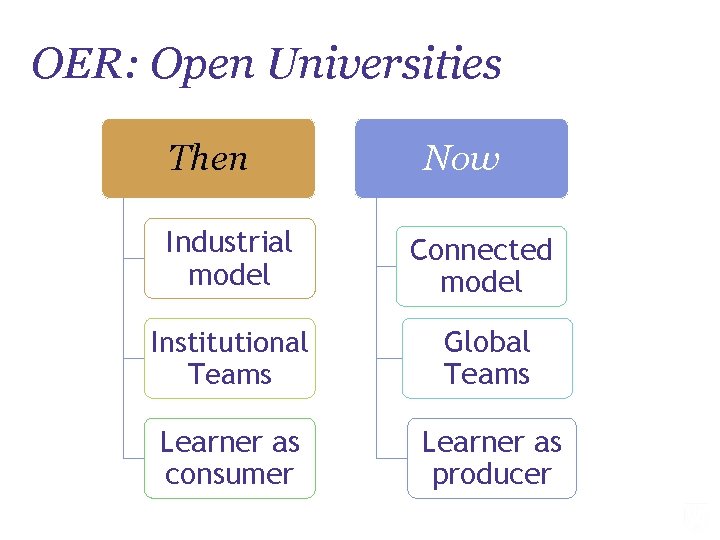
OER: Open Universities Then Industrial model Now Connected model Institutional Teams Global Teams Learner as consumer Learner as producer
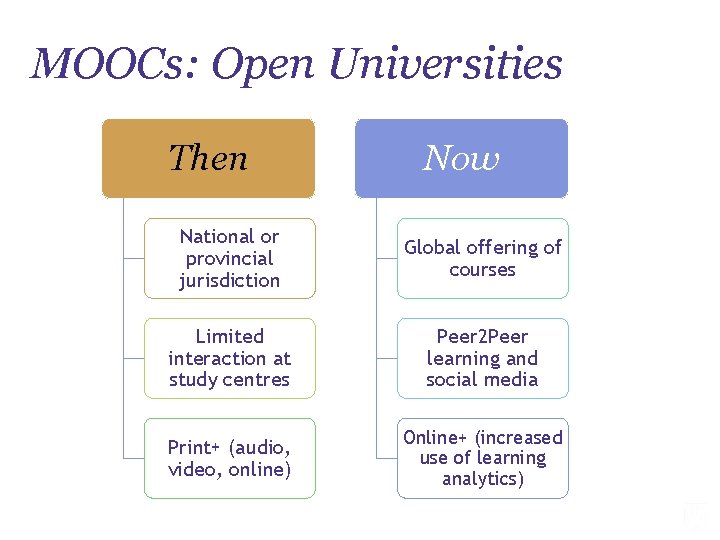
MOOCs: Open Universities Then Now National or provincial jurisdiction Global offering of courses Limited interaction at study centres Peer 2 Peer learning and social media Print+ (audio, video, online) Online+ (increased use of learning analytics)
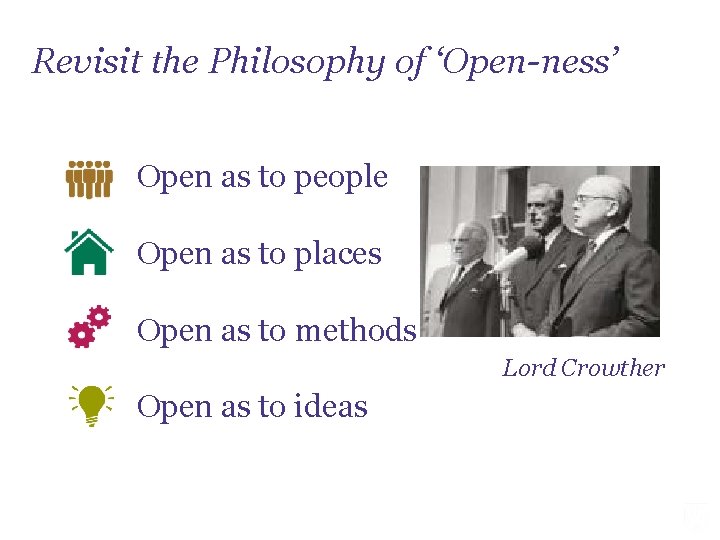
Revisit the Philosophy of ‘Open-ness’ Open as to people Open as to places Open as to methods Lord Crowther Open as to ideas
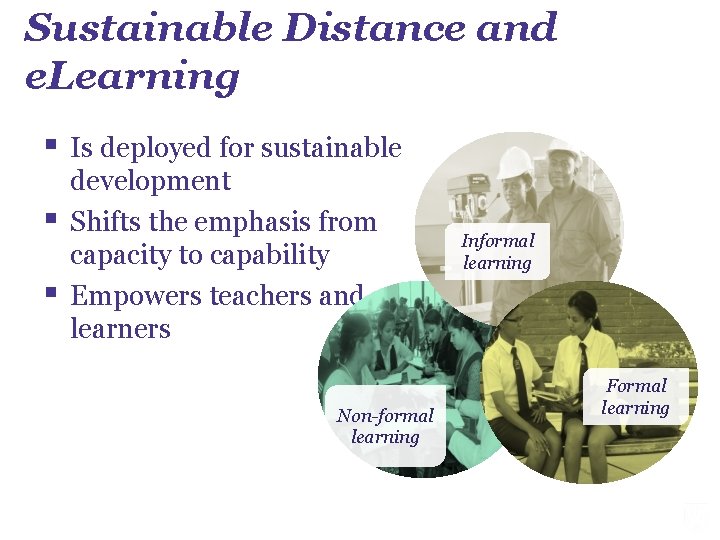
Sustainable Distance and e. Learning § § § Is deployed for sustainable development Shifts the emphasis from capacity to capability Empowers teachers and learners Non-formal learning Informal learning Formal learning
Thank you www. col. org
- Slides: 27