
GROUP WORK STRATEGIES IN KOREAN LANGUAGE CLASSROOM Why



- Slides: 49
GROUP WORK STRATEGIES IN KOREAN LANGUAGE CLASSROOM
Why group work? • The goals of language learning and Quality teaching • Student-centred approach to teaching and learning • “Two heads are better than one” • Productive, creative, motivated, tackle more complex problems
When to use? • Beginning of unit of work: assessing students’ prior knowledge • Developing / expanding learning: research work • Summative group tasks: projects
Benefits of group work: Students • Encouraged to become active learners by developing collaborative and co- operative skills § Enhance interaction and social skills § Have the opportunity to learn from each other § Encourage quiet or less confident students to speak /participate in activities It makes learning more challenging and interesting § Motivate students and engages in learning § Promote student learning and achievement § Improve learning outcomes • Develop communication, decision making, problem solving, values clarification, critical thinking, negotiation, and teamwork skills
Benefits of group work: Teachers • Increase teaching and assessment options • Increase teaching effectiveness and efficiency • Large numbers of students can work on task simultaneously • Students get the chance to work on large projects which can save time • Alternative ideas and points of view can be generated
Before implementing group work To work successfully in groups, students need to learn how to work with others. • Explain their ideas to others • Listen to alternative ideas • Reach consensus • Delegate responsibilities • Coordinate efforts • Resolve conflicts • Integrate the contributions of team members
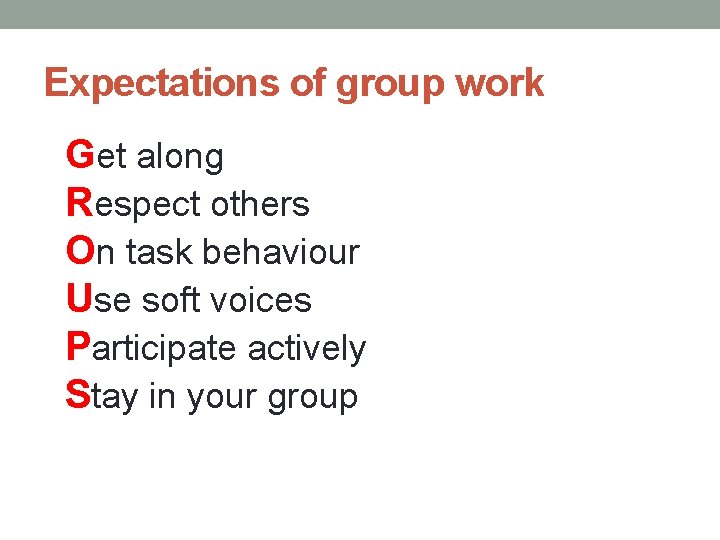
Expectations of group work Get along Respect others On task behaviour Use soft voices Participate actively Stay in your group
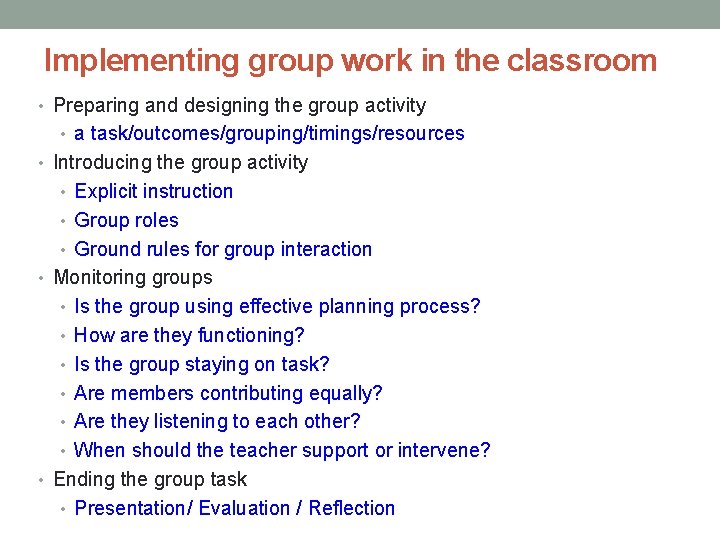
Implementing group work in the classroom • Preparing and designing the group activity • a task/outcomes/grouping/timings/resources • Introducing the group activity • Explicit instruction • Group roles • Ground rules for group interaction • Monitoring groups • Is the group using effective planning process? • How are they functioning? • Is the group staying on task? • Are members contributing equally? • Are they listening to each other? • When should the teacher support or intervene? • Ending the group task • Presentation/ Evaluation / Reflection
EXAMPLES OF GROUP WORK ACTIVITIES
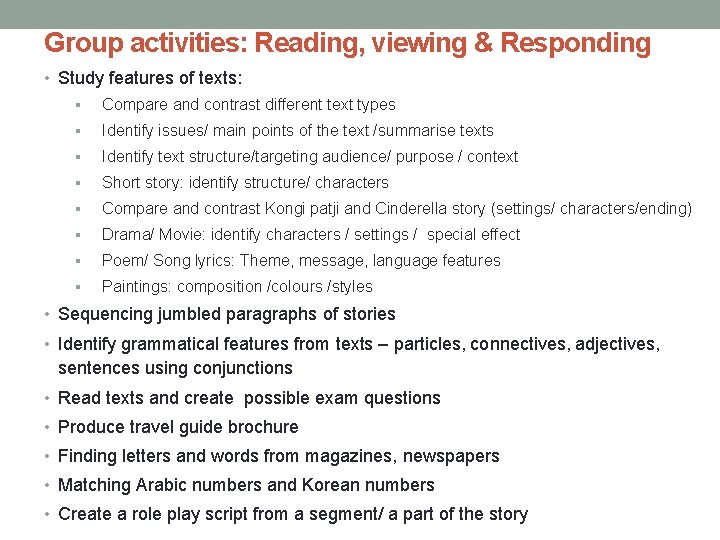
Group activities: Reading, viewing & Responding • Study features of texts: § Compare and contrast different text types § Identify issues/ main points of the text /summarise texts § Identify text structure/targeting audience/ purpose / context § Short story: identify structure/ characters § Compare and contrast Kongi patji and Cinderella story (settings/ characters/ending) § Drama/ Movie: identify characters / settings / special effect § Poem/ Song lyrics: Theme, message, language features § Paintings: composition /colours /styles • Sequencing jumbled paragraphs of stories • Identify grammatical features from texts – particles, connectives, adjectives, sentences using conjunctions • Read texts and create possible exam questions • Produce travel guide brochure • Finding letters and words from magazines, newspapers • Matching Arabic numbers and Korean numbers • Create a role play script from a segment/ a part of the story
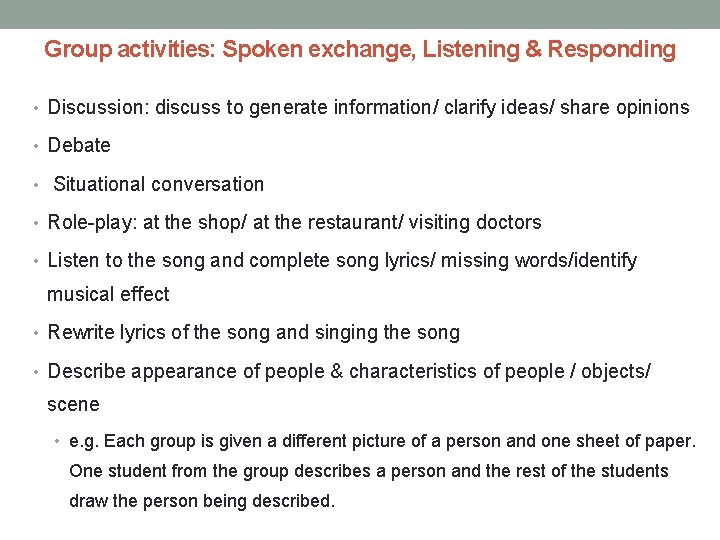
Group activities: Spoken exchange, Listening & Responding • Discussion: discuss to generate information/ clarify ideas/ share opinions • Debate • Situational conversation • Role-play: at the shop/ at the restaurant/ visiting doctors • Listen to the song and complete song lyrics/ missing words/identify musical effect • Rewrite lyrics of the song and singing the song • Describe appearance of people & characteristics of people / objects/ scene • e. g. Each group is given a different picture of a person and one sheet of paper. One student from the group describes a person and the rest of the students draw the person being described.
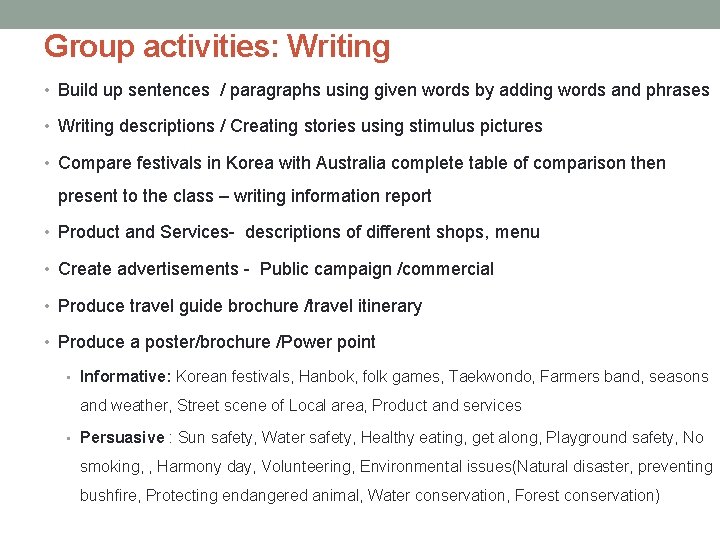
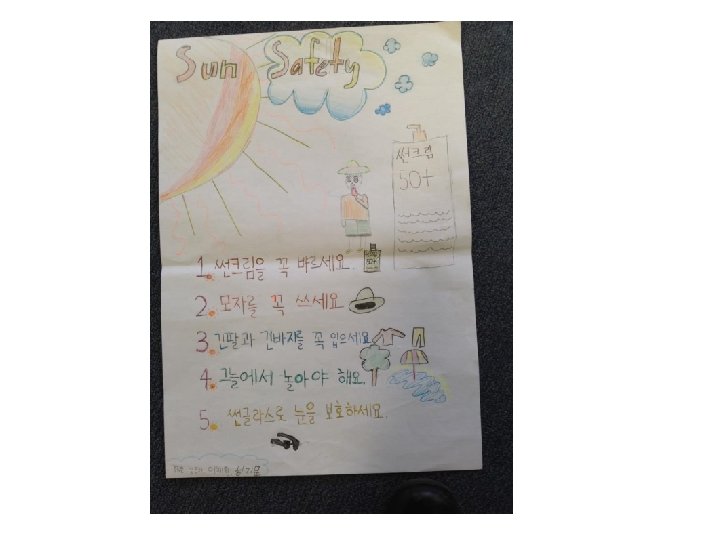
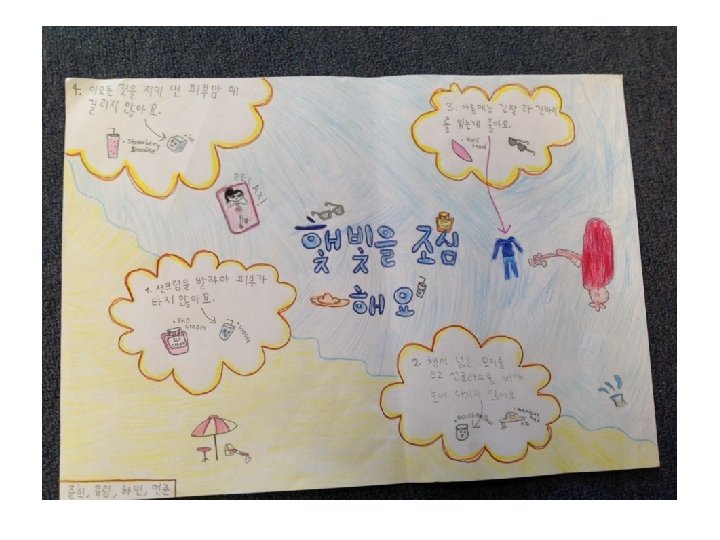
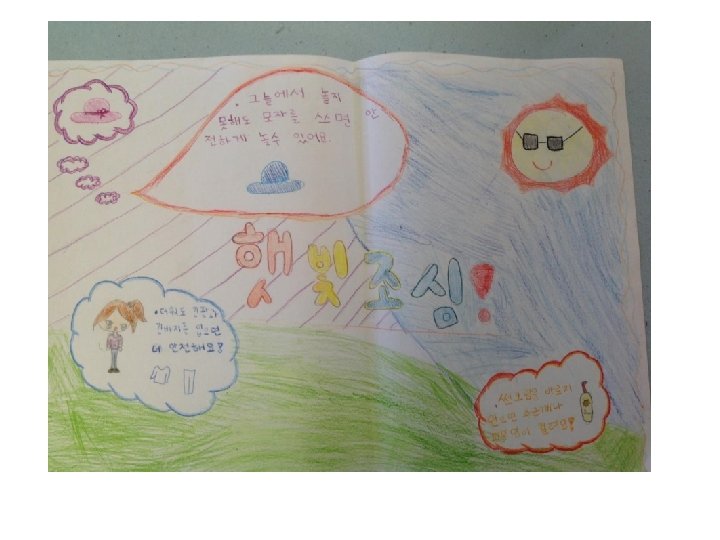
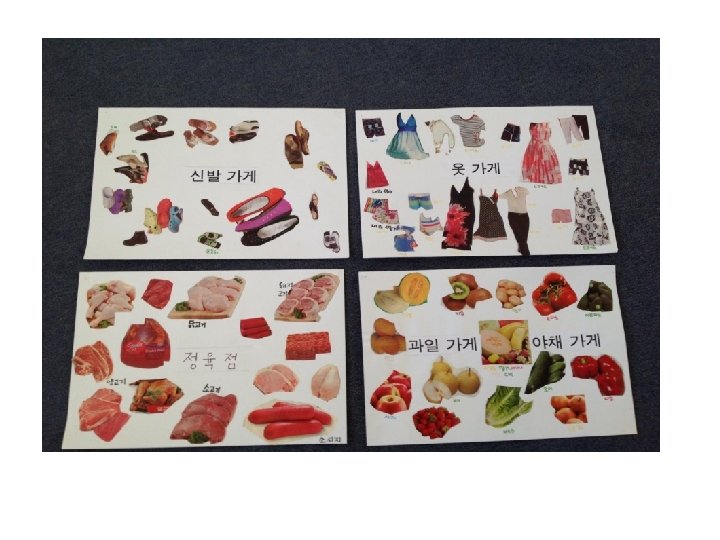
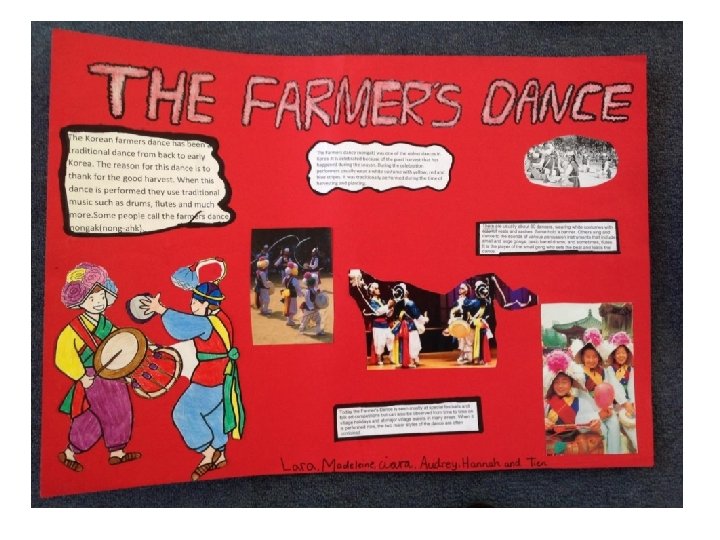
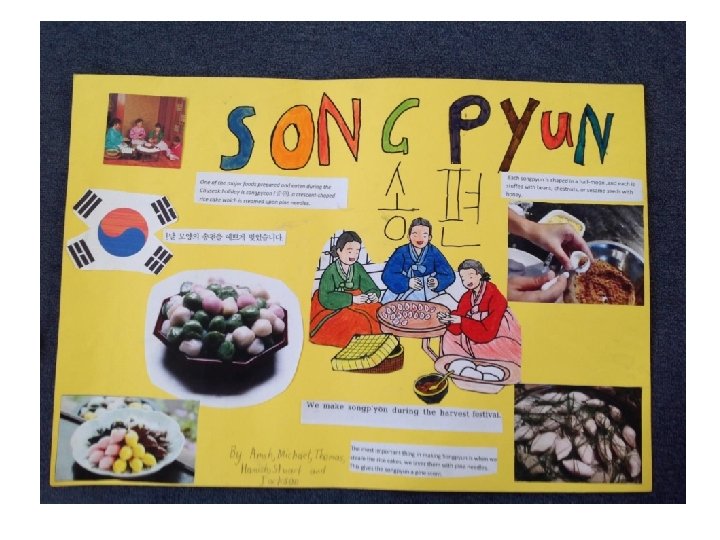
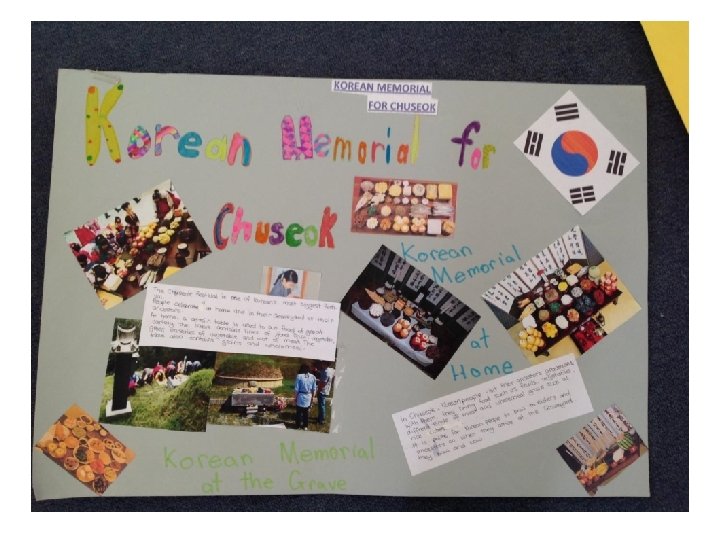
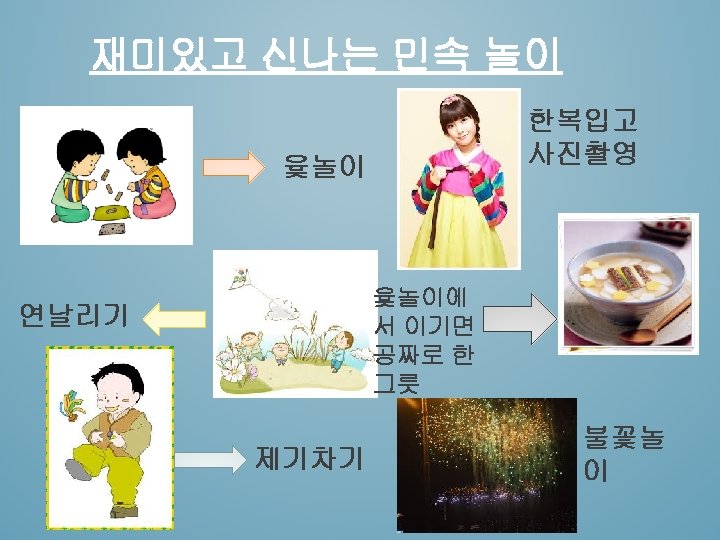
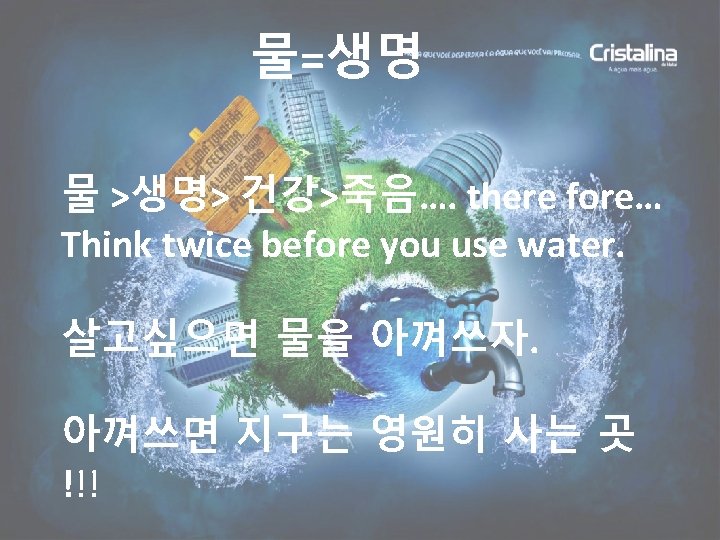
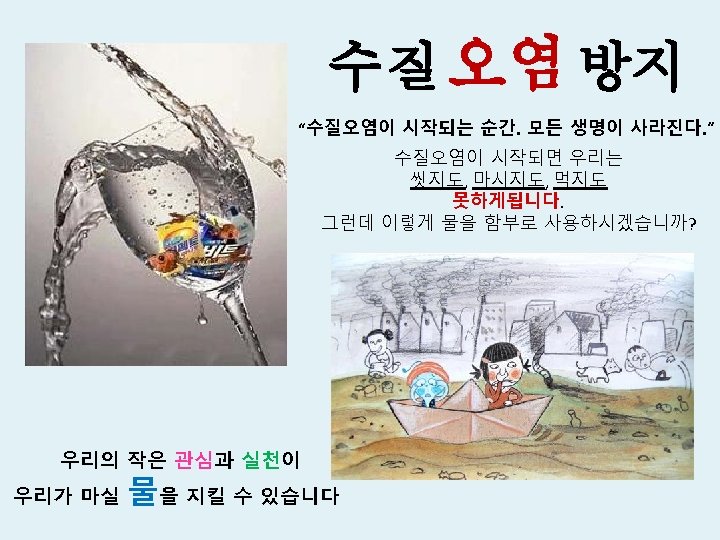
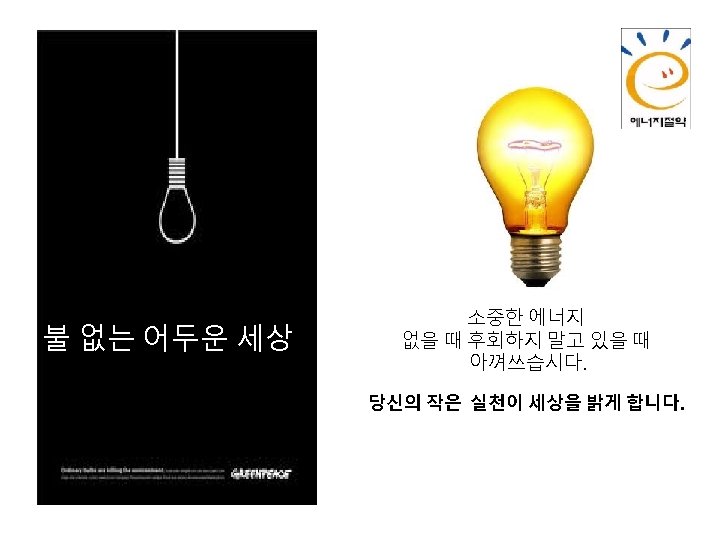
Group activities: Writing • Build up sentences / paragraphs using given words by adding words and phrases • Writing descriptions / Creating stories using stimulus pictures • Compare festivals in Korea with Australia complete table of comparison then present to the class – writing information report • Product and Services- descriptions of different shops, menu • Create advertisements - Public campaign /commercial • Produce travel guide brochure /travel itinerary • Produce a poster/brochure /Power point • Informative: Korean festivals, Hanbok, folk games, Taekwondo, Farmers band, seasons and weather, Street scene of Local area, Product and services • Persuasive : Sun safety, Water safety, Healthy eating, get along, Playground safety, No smoking, , Harmony day, Volunteering, Environmental issues(Natural disaster, preventing bushfire, Protecting endangered animal, Water conservation, Forest conservation)
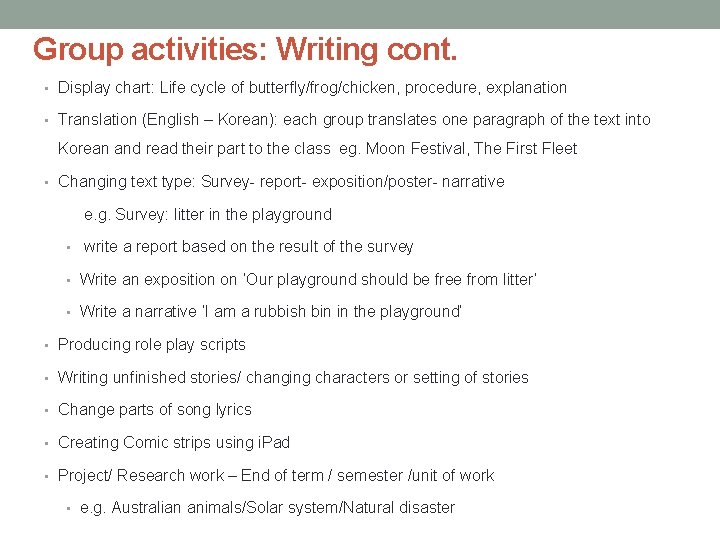
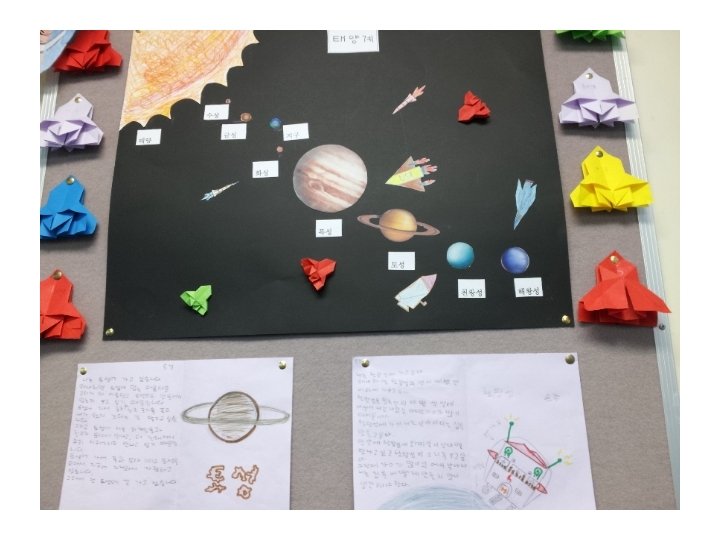
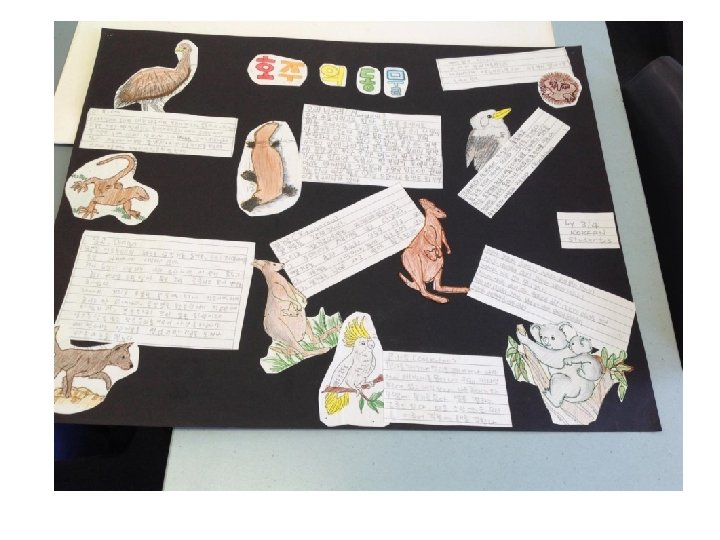
Group activities: Writing cont. • Display chart: Life cycle of butterfly/frog/chicken, procedure, explanation • Translation (English – Korean): each group translates one paragraph of the text into Korean and read their part to the class eg. Moon Festival, The First Fleet • Changing text type: Survey- report- exposition/poster- narrative e. g. Survey: litter in the playground • write a report based on the result of the survey • Write an exposition on ‘Our playground should be free from litter’ • Write a narrative ‘I am a rubbish bin in the playground’ • Producing role play scripts • Writing unfinished stories/ changing characters or setting of stories • Change parts of song lyrics • Creating Comic strips using i. Pad • Project/ Research work – End of term / semester /unit of work • e. g. Australian animals/Solar system/Natural disaster
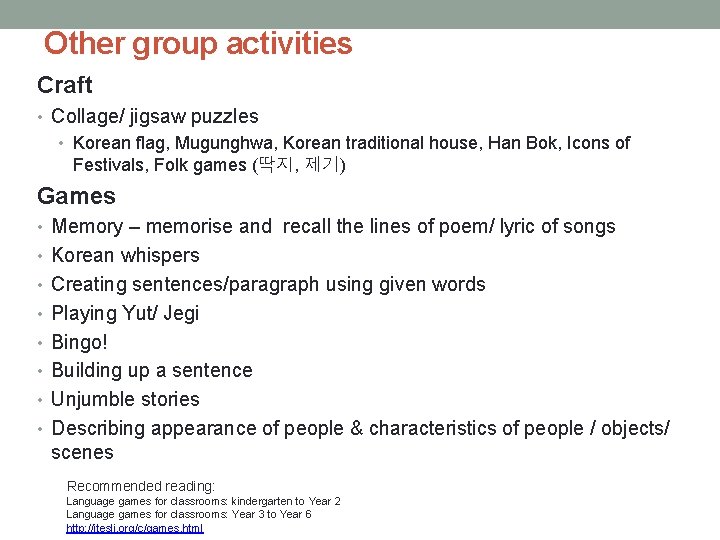
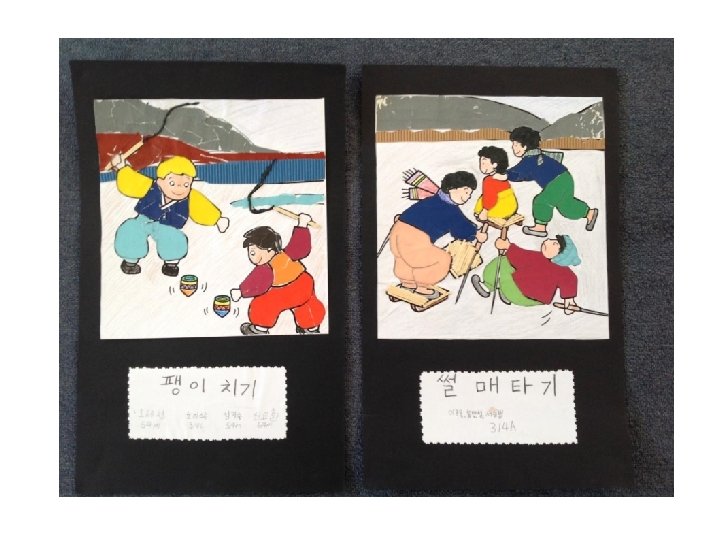
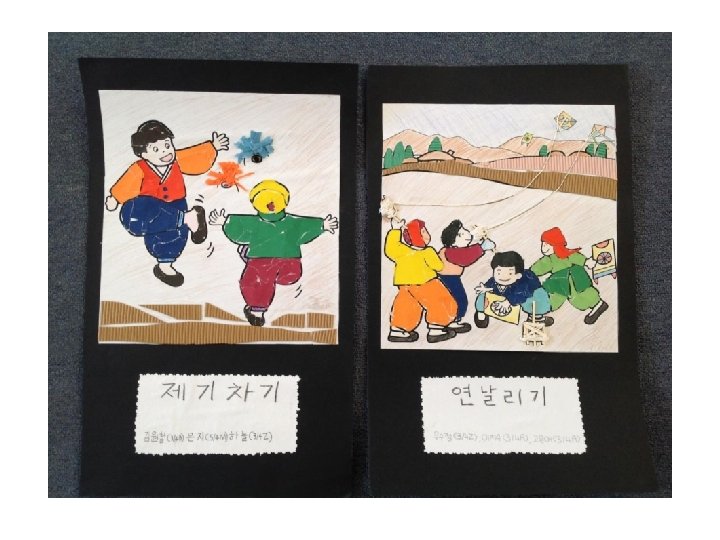
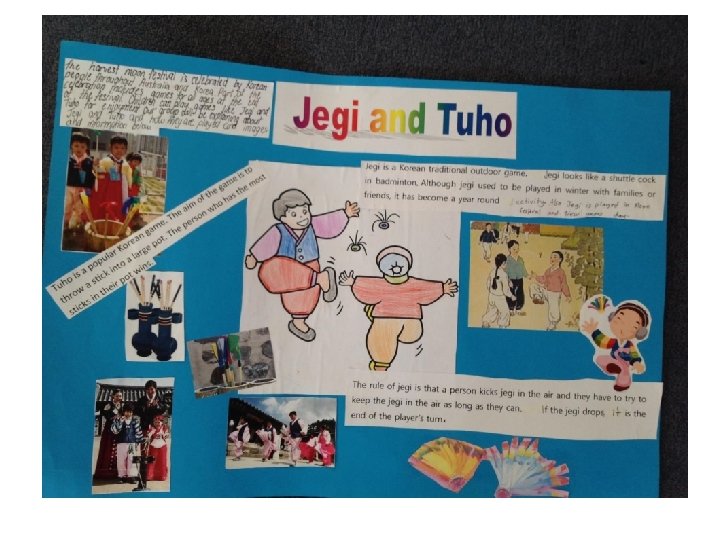
Other group activities Craft • Collage/ jigsaw puzzles • Korean flag, Mugunghwa, Korean traditional house, Han Bok, Icons of Festivals, Folk games (딱지, 제기) Games • Memory – memorise and recall the lines of poem/ lyric of songs • Korean whispers • Creating sentences/paragraph using given words • Playing Yut/ Jegi • Bingo! • Building up a sentence • Unjumble stories • Describing appearance of people & characteristics of people / objects/ scenes Recommended reading: Language games for classrooms: kindergarten to Year 2 Language games for classrooms: Year 3 to Year 6 http: //iteslj. org/c/games. html
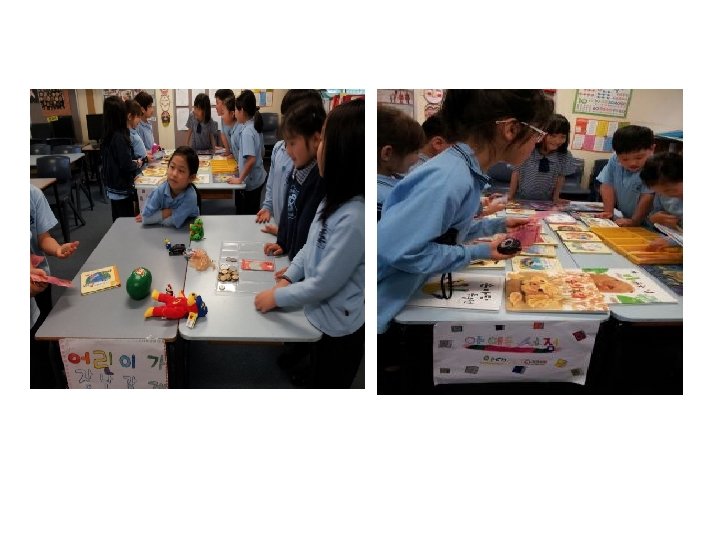
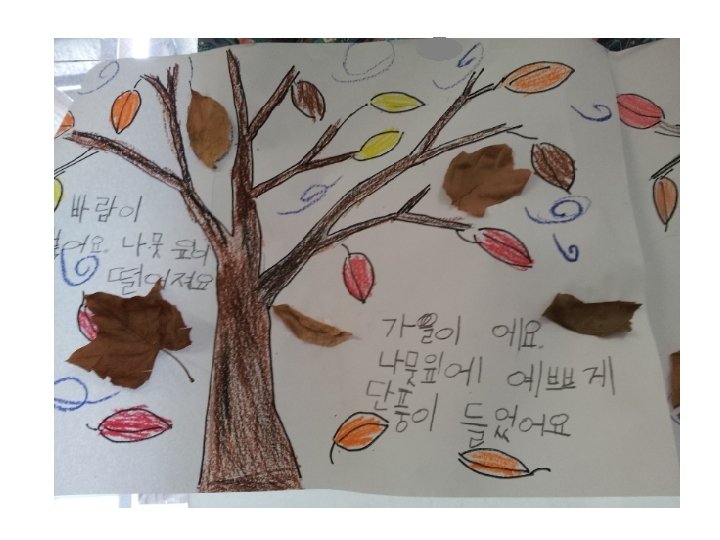
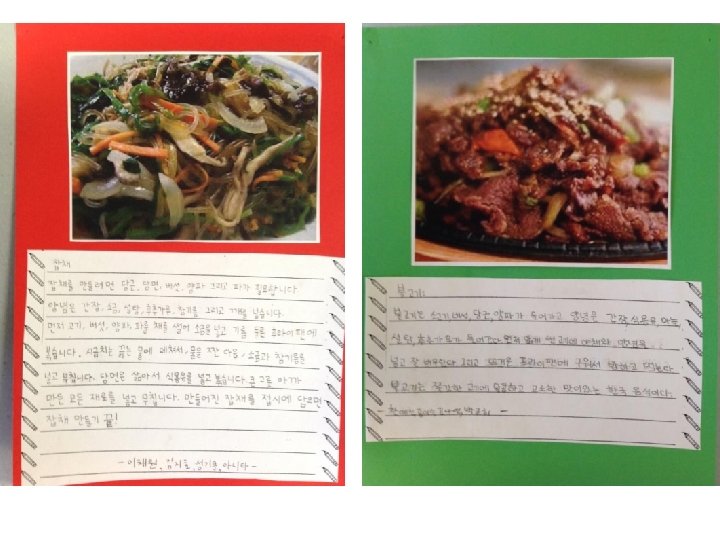
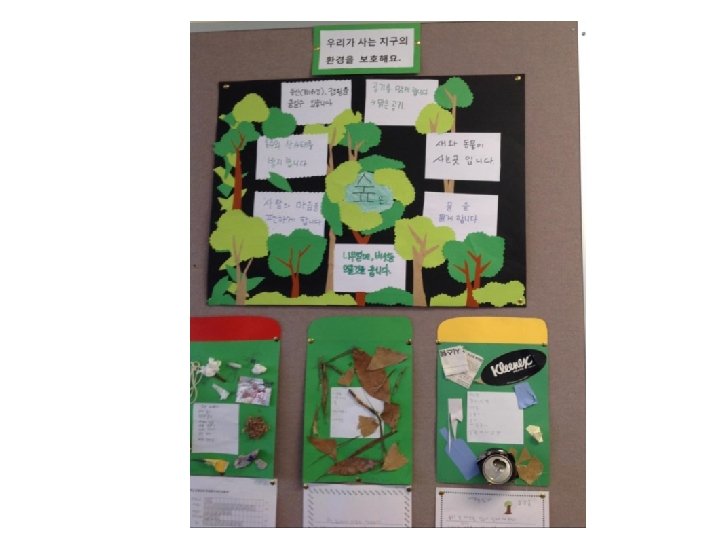
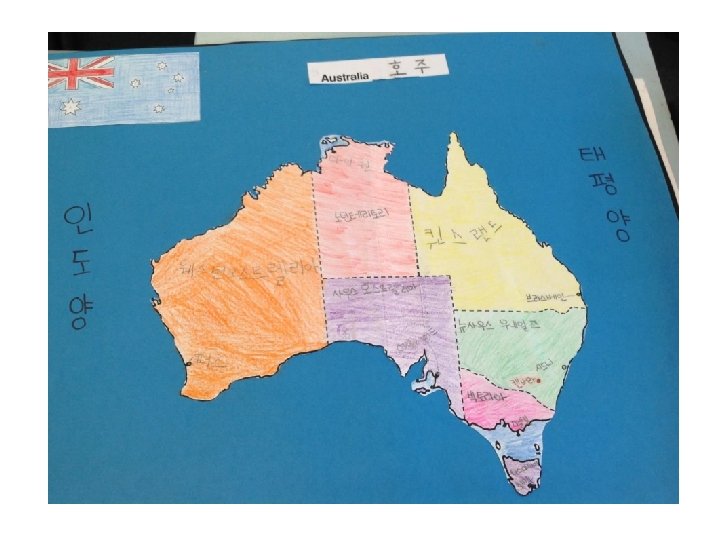
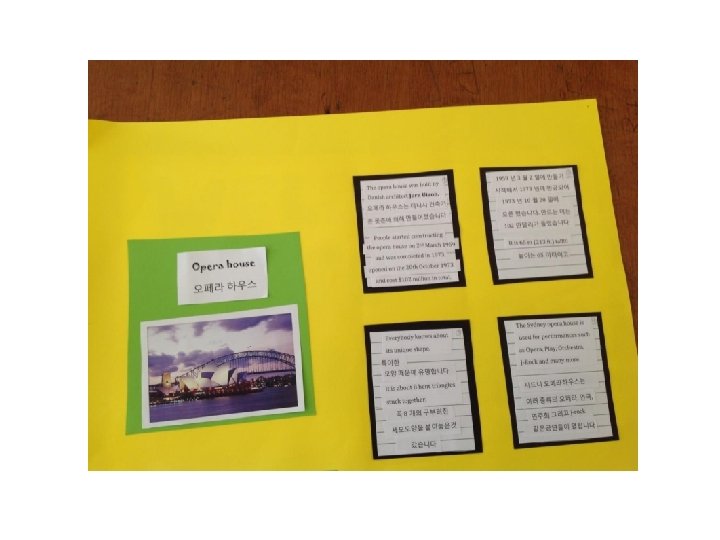
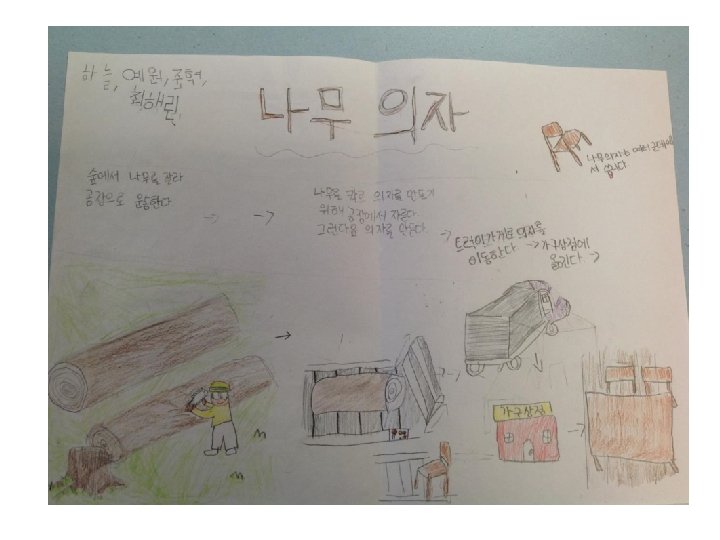
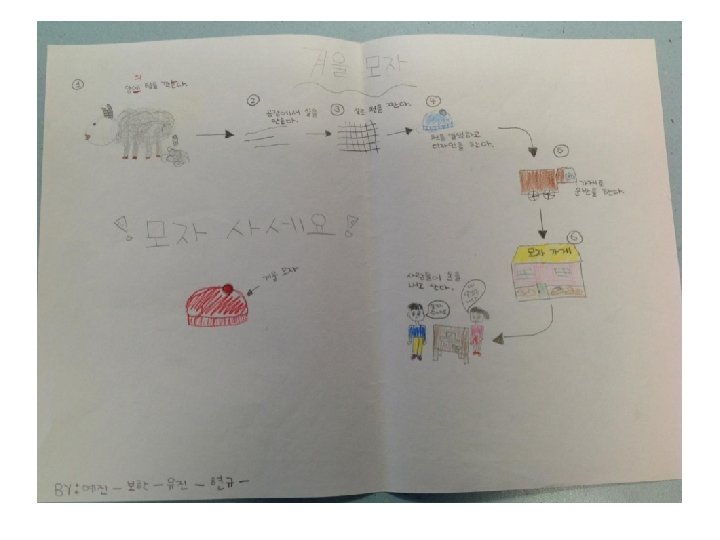
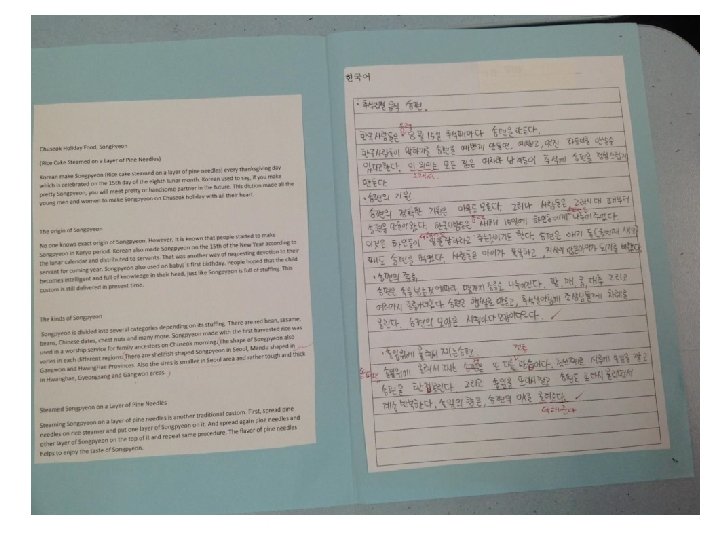
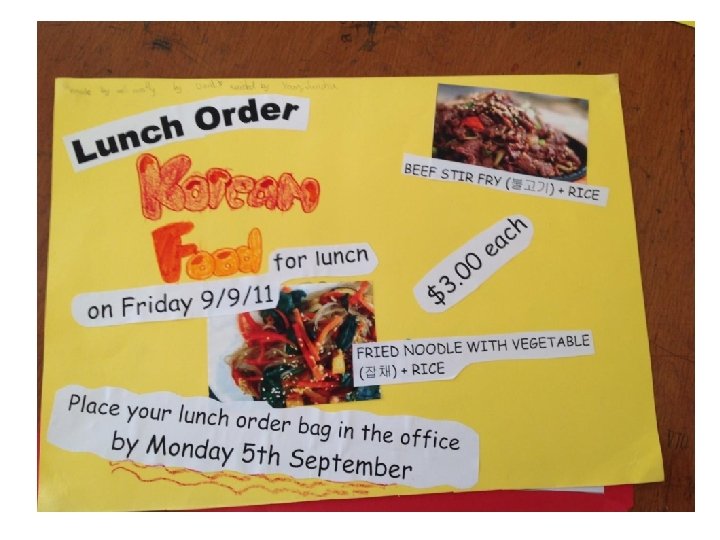
EXAMPLES OF STUDENT GROUP WORK
References • Hellmut R. Lang, Arthur Mc. Beath, Jo Hebert (1999). Strategies and Methods for Student. Centered Instruction. Haecourt Brace • David Vale, Angelina Scarino, Penny Mc. Kay (1991). Pocket All. Curriculum Coroperation Calton Vic • Jo-Anne Reid with Bill Green and Robin English (2002). Managing small-group Learning. Primary English Teaching Association NSW • Mary Harris Clarke (1997) Language games for classrooms: kindergarten to Year 2 / Language games for classrooms: Year 3 to Year 6. New Communication Concepts Pty. Ltd