
Group level intervention strategies Chapter 18 1 more
- Slides: 21
Group level intervention strategies Chapter 18. (1 more to go!)
What is a group? • Zander (1982) • For a collection of individuals to be a classified as a group – – –
GROUP LEVEL INTERVENTION STRATEGIES • “Coming together is a beginning, staying together is progress, and working together is success” (Henry Ford) • Coming together: – • Staying together: – • Working together: –
THE DYERSVILLE EXPERIENCE • The Beginning. – – • Ford’s beginning had been realized—
THE DYERSVILLE EXPERIENCE • The Progress – Strategies to • • • – – • Ford’s “Progress” also had been realized—
THE DYERSVILLE EXPERIENCE • The Success. – – – How successful was the Dyersville campaign? –
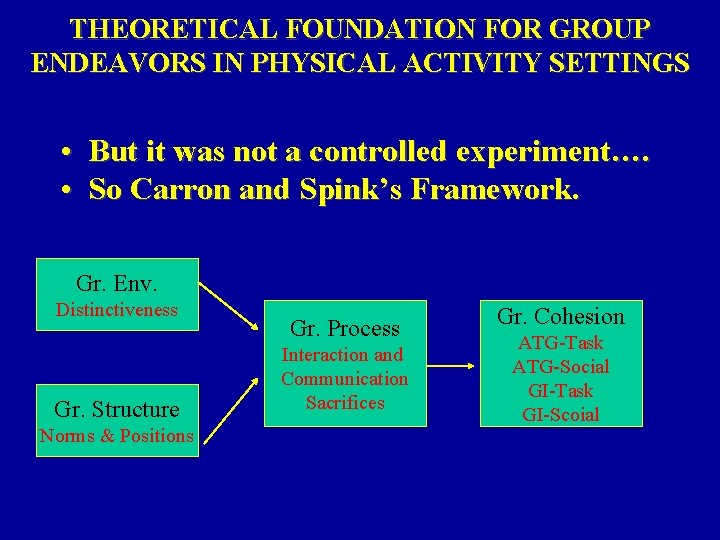
THEORETICAL FOUNDATION FOR GROUP ENDEAVORS IN PHYSICAL ACTIVITY SETTINGS • But it was not a controlled experiment…. • So Carron and Spink’s Framework. Gr. Env. Distinctiveness Gr. Structure Norms & Positions Gr. Process Interaction and Communication Sacrifices Gr. Cohesion ATG-Task ATG-Social GI-Task GI-Scoial
THEORETICAL FOUNDATION FOR GROUP ENDEAVORS IN PHYSICAL ACTIVITY SETTINGS • In Dyersville – – –
TEAM BUILDING INTERVENTIONS IN PHYSICAL ACTIVITY SETTINGS • • Carron and Spink (1993) female participants in -------The classes met Randomly assigned to • A four-stage process consisting of an – – 1. 2. 3. 4.
TEAM BUILDING INTERVENTIONS IN PHYSICAL ACTIVITY SETTINGS • Was it a success? • • •
• How do these findings generalize? – • As cohesion is a predictor of exercise participation in older exercisers, …
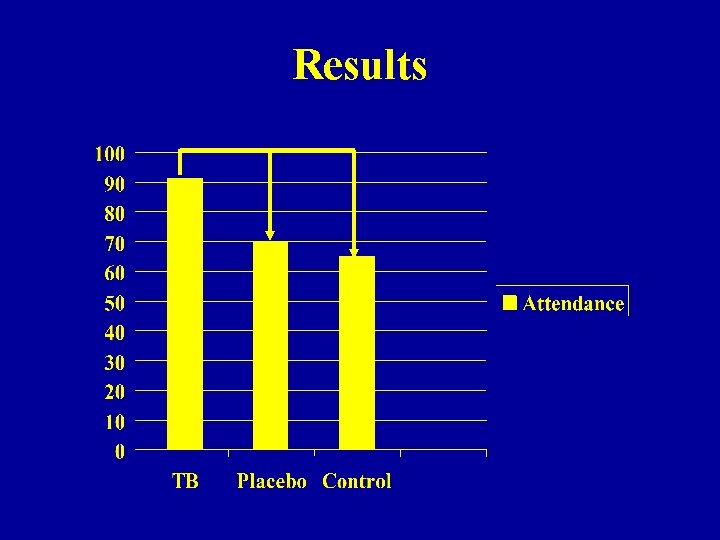
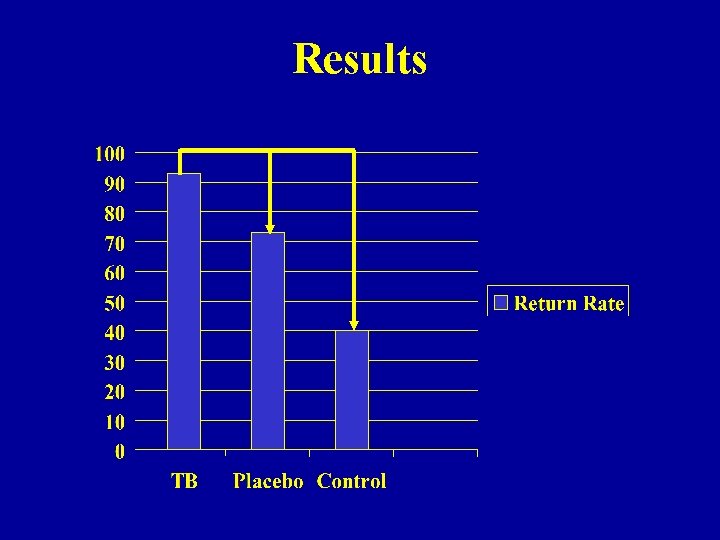
Estabrooks and Carron • Aim: • • Participants: 3 groups: • Procedure: • Measurement:
Results
Results
TEAM BUILDING INTERVENTIONS IN PHYSICAL ACTIVITY SETTINGS • James Annesi (1999) – • Subsequent study: – • Participants: • Procedure:
TEAM BUILDING INTERVENTIONS IN PHYSICAL ACTIVITY SETTINGS • Results: – • Conclusions –
CONCERNS ABOUT GROUP-BASED INTERVENTIONS • Are Group-based intervention effective in the short-term but counter productive for long-term participation? (Abby King) – 1. – 2. – 3.
CONCERNS ABOUT GROUP-BASED INTERVENTIONS • No studies examined physical activity participation once the program terminated. • The question that remains is—
CONCERNS ABOUT GROUP-BASED INTERVENTIONS • Brawley and colleagues’ (2000) – Participants: – Three conditions: • • •
CONCERNS ABOUT GROUP-BASED INTERVENTIONS • Time: • 1 st 3 -month period, • group-motivated cognitive-behavioral condition and the standard physical activity condition:
CONCERNS ABOUT GROUP-BASED INTERVENTIONS • In the final 3 -month period, • Results: – • • •