
Group Discussion Desired Parameters in Candidates Original ideas

- Slides: 21
Group Discussion
Desired Parameters in Candidates • Original ideas • Clarity in articulation • Good listening skills • Positive body language
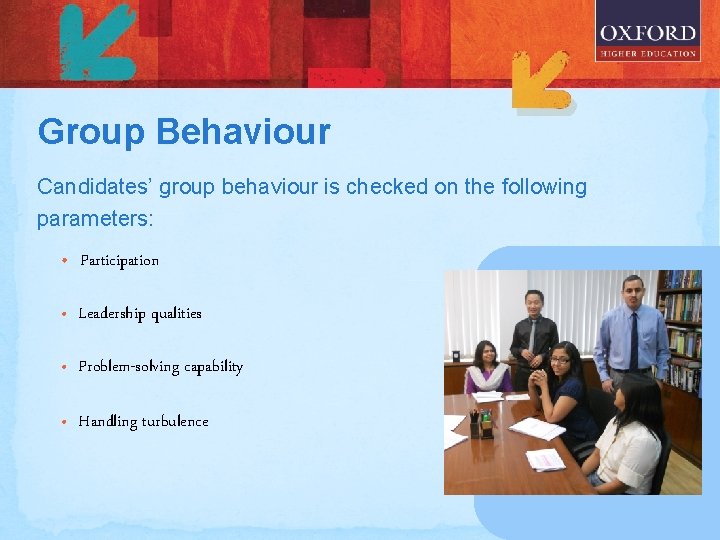
Group Behaviour Candidates’ group behaviour is checked on the following parameters: • Participation • Leadership qualities • Problem-solving capability • Handling turbulence
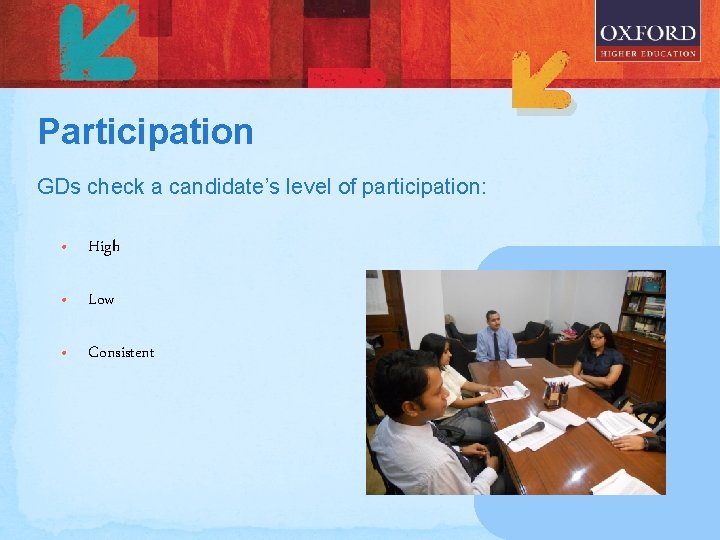
Participation GDs check a candidate’s level of participation: • High • Low • Consistent
Leadership is determined by • Initiative • Team spirit • Problem-solving skills • Decision-making skills
Leadership Qualities Suggested leadership qualities: • Participate constructively • Provide rational arguments • Convince others • Build support • Logically weaken opponent’s point of view
Leadership Styles Various leadership styles are evident during a GD: • Driver (imposes, evaluates, blocks) • Amiable leader (eagerly supports, avoid conflicts) • Democrat (includes everyone, tries to control)
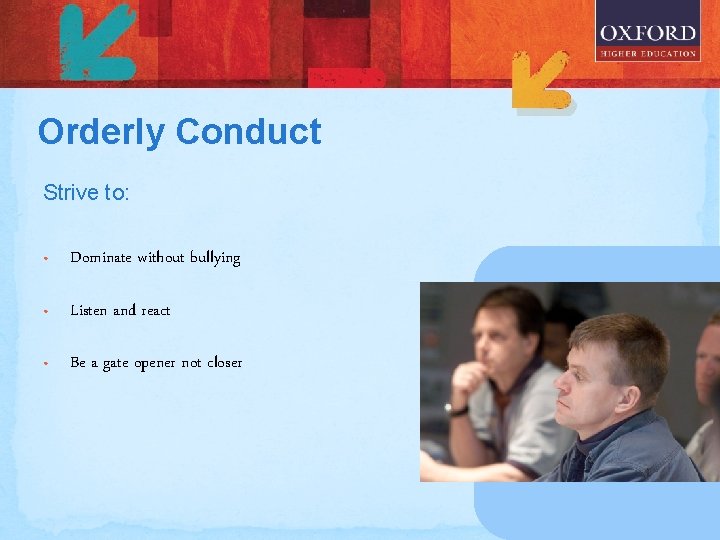
Orderly Conduct Strive to: • Dominate without bullying • Listen and react • Be a gate opener not closer
Avoiding Turbulence Strive to: • Restore order • Activate inert participants
Evaluation A GD evaluates a candidate’s • Personality • Knowledge • Communication skills • Leadership skills
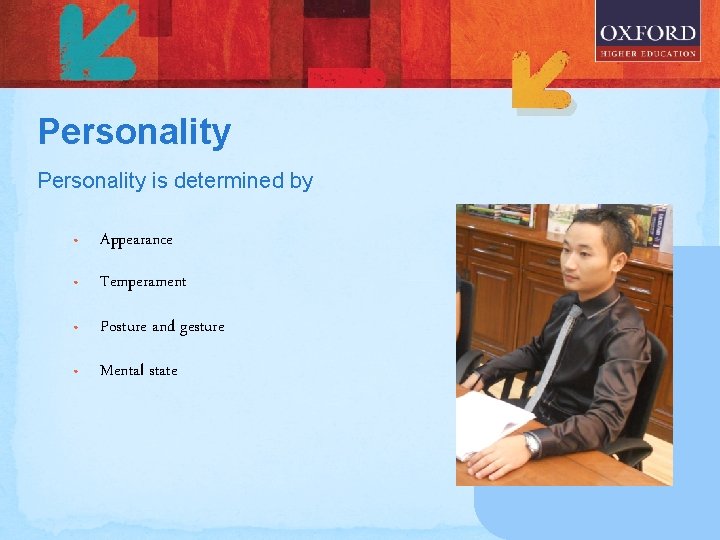
Personality is determined by • Appearance • Temperament • Posture and gesture • Mental state
Knowledge is determined by • Depth • Range • Analytical ability • Organization of ideas
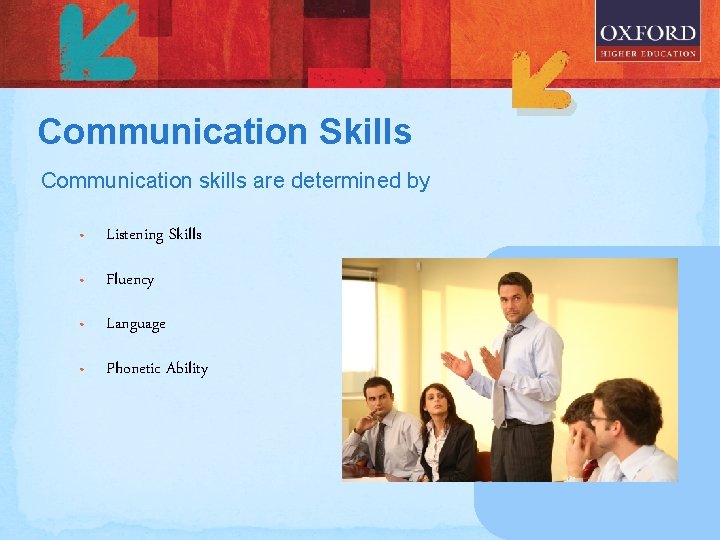
Communication Skills Communication skills are determined by • Listening Skills • Fluency • Language • Phonetic Ability
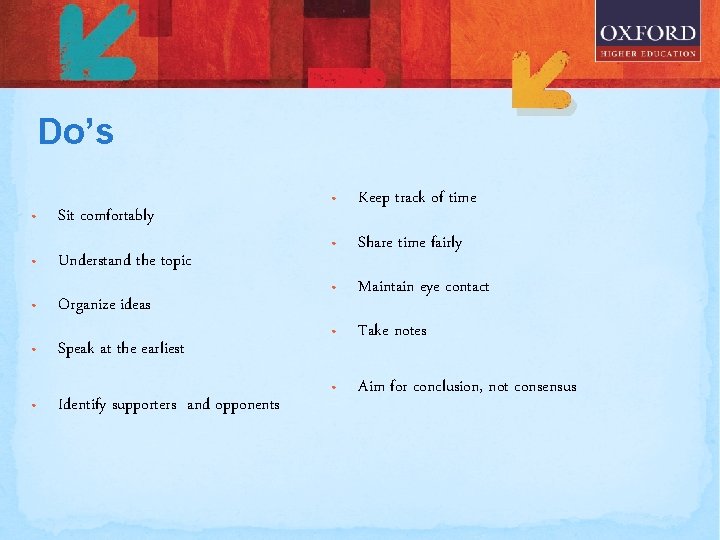
Do’s • • • Sit comfortably Understand the topic Organize ideas Speak at the earliest Identify supporters and opponents • Keep track of time • Share time fairly • Maintain eye contact • Take notes • Aim for conclusion, not consensus
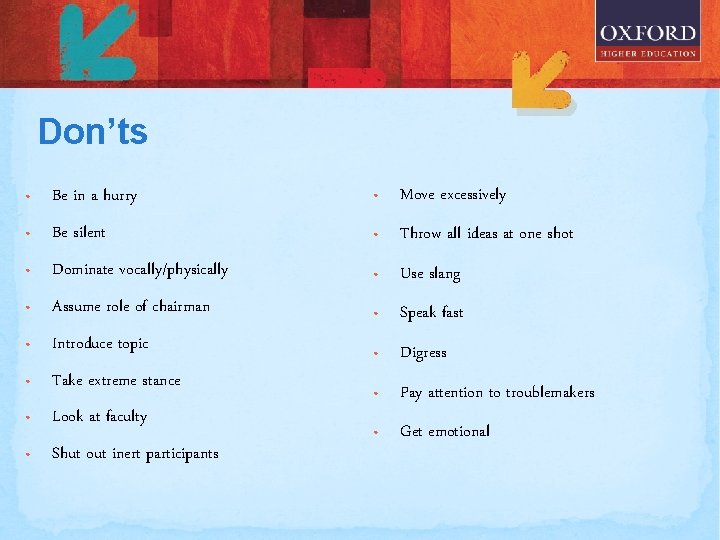
Don’ts • Be in a hurry • Move excessively • Be silent • Throw all ideas at one shot • Dominate vocally/physically • Use slang • Assume role of chairman • Speak fast • Introduce topic • • Take extreme stance Digress • Look at faculty • Pay attention to troublemakers • Shut out inert participants • Get emotional
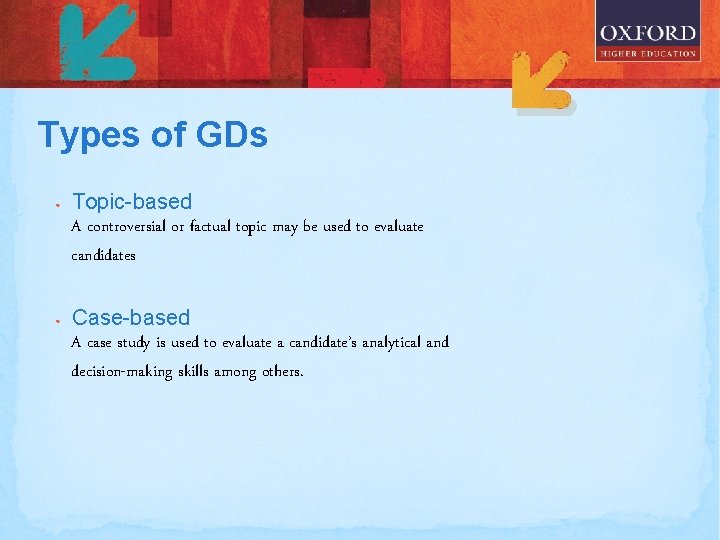
Types of GDs • • Topic-based A controversial or factual topic may be used to evaluate candidates Case-based A case study is used to evaluate a candidate’s analytical and decision-making skills among others.
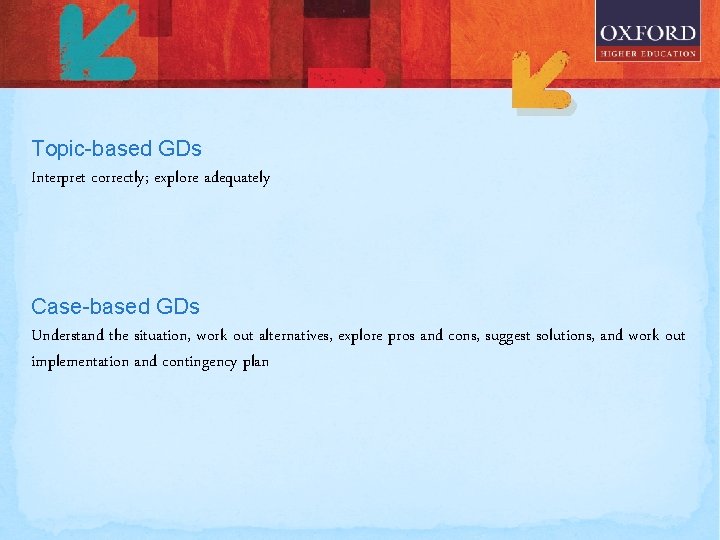
Topic-based GDs Interpret correctly; explore adequately Case-based GDs Understand the situation, work out alternatives, explore pros and cons, suggest solutions, and work out implementation and contingency plan
Case Study A case is a statement of conditions, attitudes, and practices and it: • Describes a challenging situation that the company is facing or has faced earlier. • Illustrates a specific set of management issues • Provides facts and figures • It is written in a manner that needs rearrangement and interpretation of facts as well as evaluation of opinions, behavior, and interaction • It includes data on alternative courses of action
Steps for Case Analysis • Put the case information together • Evaluate the actions and plans of the company and identify, and describe business opportunities and problems • Recommend a coordinated plan of action to correct business problems or to take advantage of opportunities • Justify the recommended action • Try to get a quick sense of the whole case – title, heading, outline, introduction, and conclusion
Steps for Case Analysis (…contd) • Does this require a decision? Who is the decision maker? What decision does she have to make? What are her objectives? Are there other actors there? What are their objectives? • At this point reread the case carefully; underline key facts • Note the key problems on paper; go through the case again for relevant information. What are the resources/constraints? • What are the possible courses of action? Rank alternatives; likely short- and long-term consequences.
Tips • • • Be prepared to present ideas with conviction. Listen Keep an open mind Grab the earliest opportunity to get involved If you have a totally new idea-wait Be alert for constructive solutions Try to give space to others Don’t hesitate to admit confusion or ask for clarification Keep the group focused Accept a critical atmosphere and be willing to submit your conclusions to rebuttal Overcome the fear of making and admitting a mistake REPLAY