
Groundwater water stored in in open spaces Groundwater







- Slides: 32
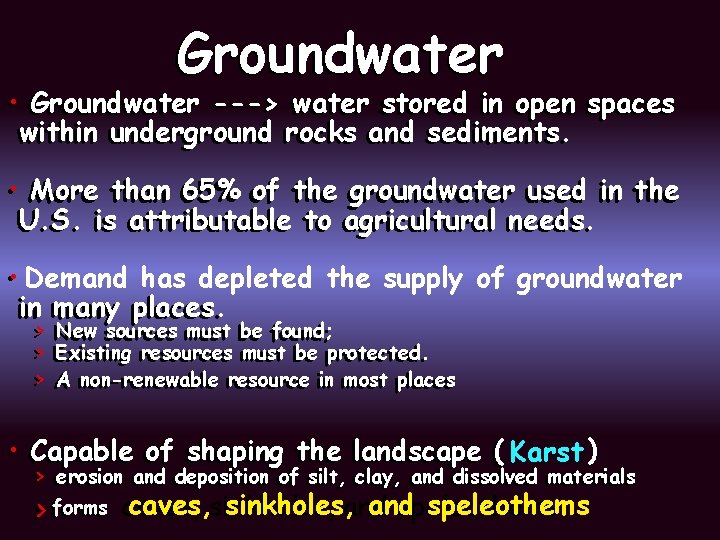
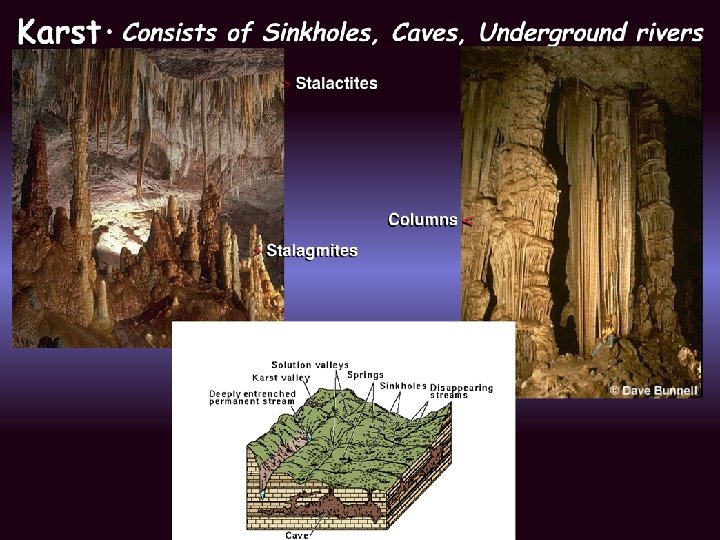
Groundwater ---> water stored in in open spaces • • Groundwater within underground rocks and sediments. within More than 65% of of the groundwater used in in the • • More U. S. is is attributable to to agricultural needs. U. S. • • Demand has depleted the supply of groundwater in many places. in >> >> >> New sources must be be found; New Existing resources must be be protected. Existing A non-renewable resource in in most places A Capable of of shaping the landscape (( Karst ) • • Capable erosion and deposition of of silt, clay, and dissolved materials >> erosion caves, sinkholes, and speleothems forms caves, speleothems >> forms
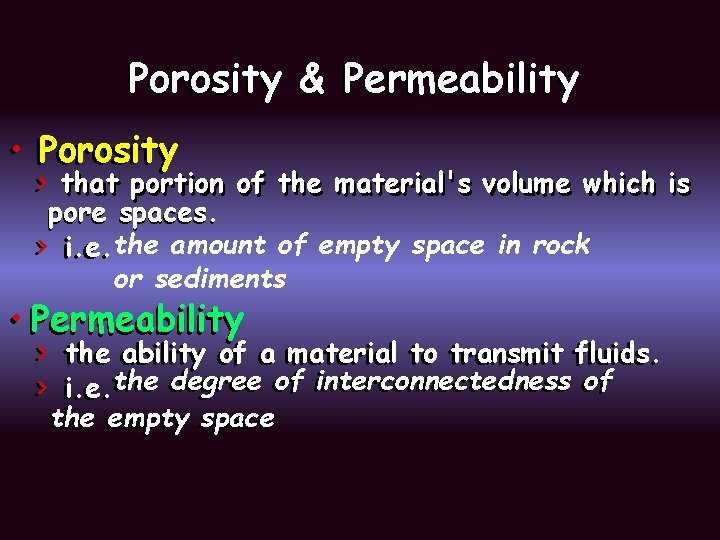
Porosity & Permeability • Porosity >> that portion of the material's volume which is pore spaces. i. e. the amount of empty space in rock >> i. e. or sediments • Permeability the ability of of aa material to to transmit fluids. >> the degree of of interconnectedness of of i. e. the >> i. e. the empty space the
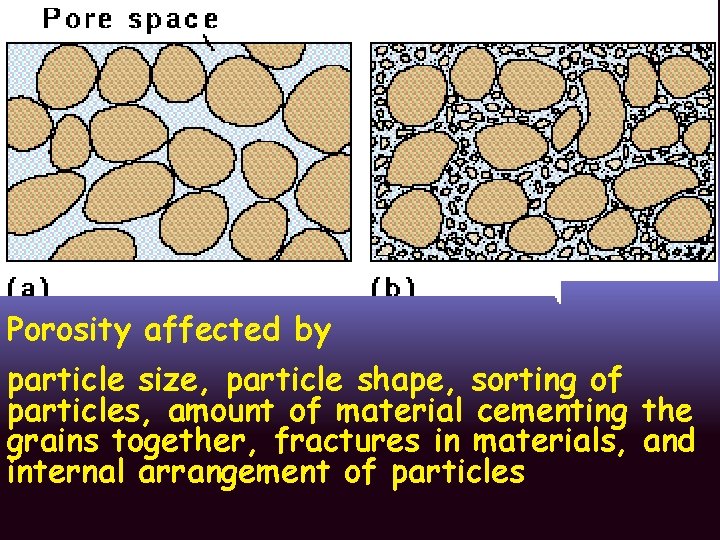
Porosity affected by particle size, particle shape, sorting of particles, amount of material cementing the grains together, fractures in materials, and internal arrangement of particles
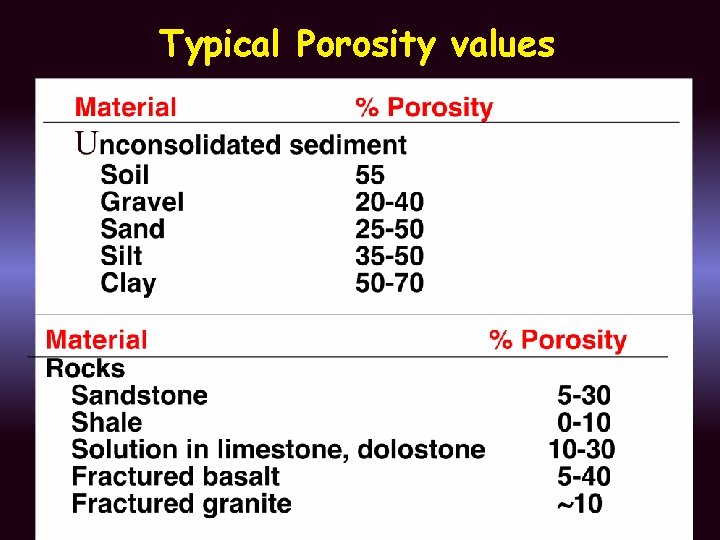
Typical Porosity values
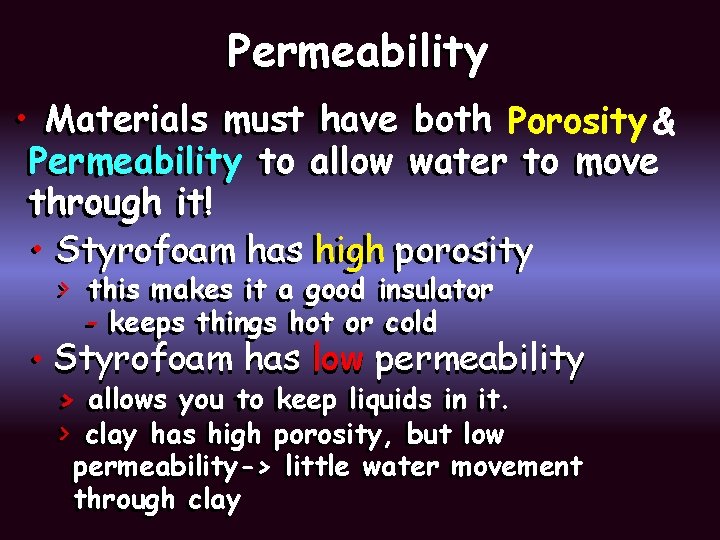
Permeability • Materials must have both Porosity & Permeability to allow water to move through it! • Styrofoam has high porosity this makes it it aa good insulator >> this keeps things hot or or cold -- keeps • Styrofoam has low permeability allows you to to keep liquids in in it. >> allows clay has high porosity, but low >> clay permeability-> little water movement permeability-> through clay through
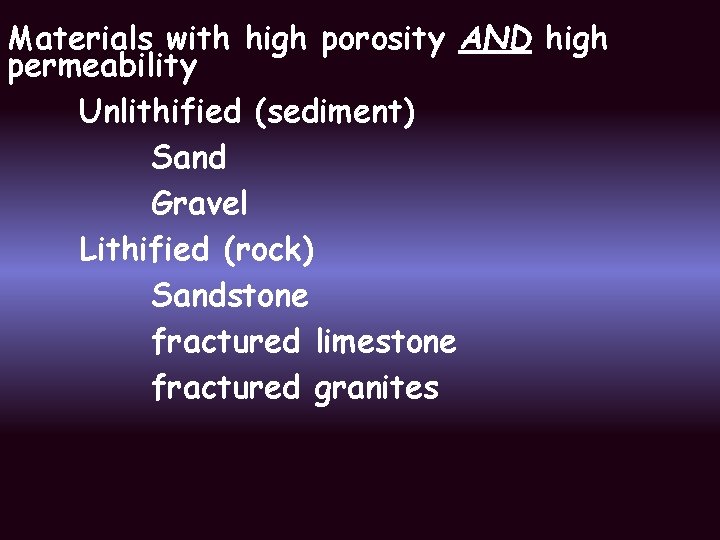
Materials with high porosity AND high permeability Unlithified (sediment) Sand Gravel Lithified (rock) Sandstone fractured limestone fractured granites
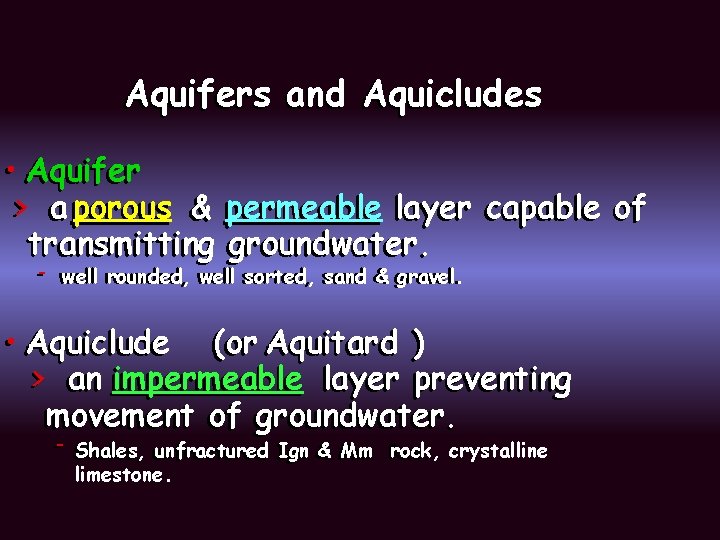
Aquifers and Aquicludes • Aquifer > a porous & permeable layer capable of transmitting groundwater. -- well rounded, well sorted, sand && gravel. • Aquiclude (or Aquitard ) > an impermeable layer preventing movement of groundwater. -- Shales, unfractured Ign & & Mm Mm Rxs. rock, crystalline limestone.
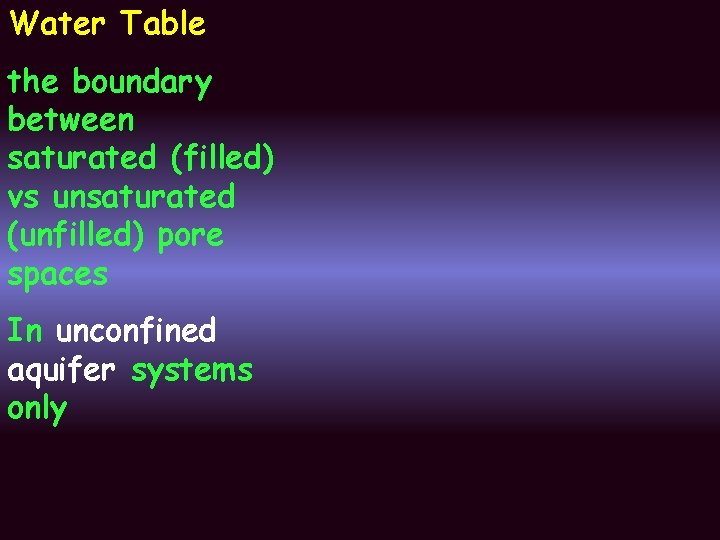
Water Table the boundary between saturated (filled) vs unsaturated (unfilled) pore spaces In unconfined aquifer systems only
Confined systems Groundwater is confined between impermeable layers (Aquicludes or Aquitards) and builds up hydrostatic pressure. Water rises to that pressure surface once a well is drilled. Many rural communities utilize this principle with Many water towers as as the municipal water supply. water
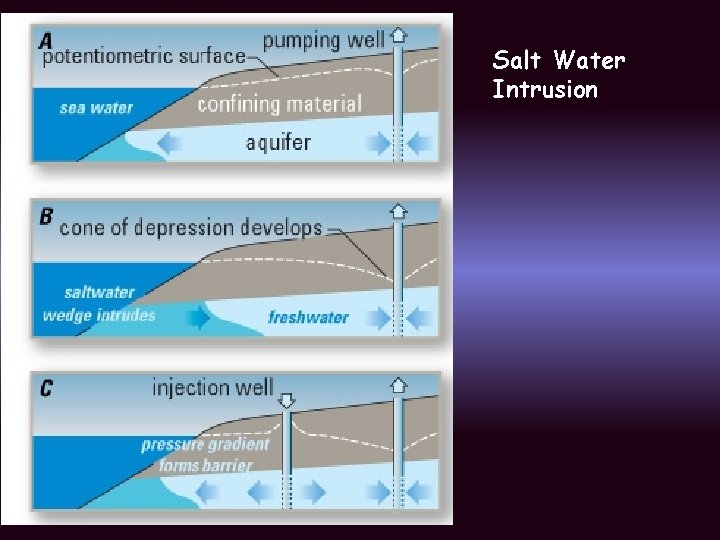
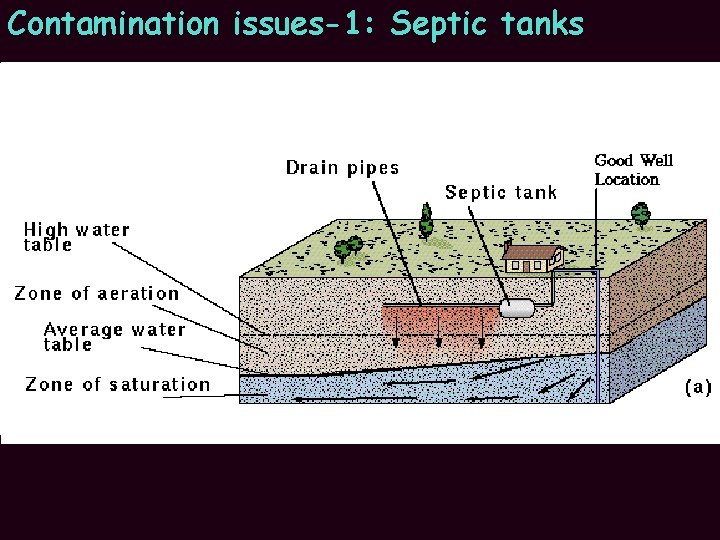
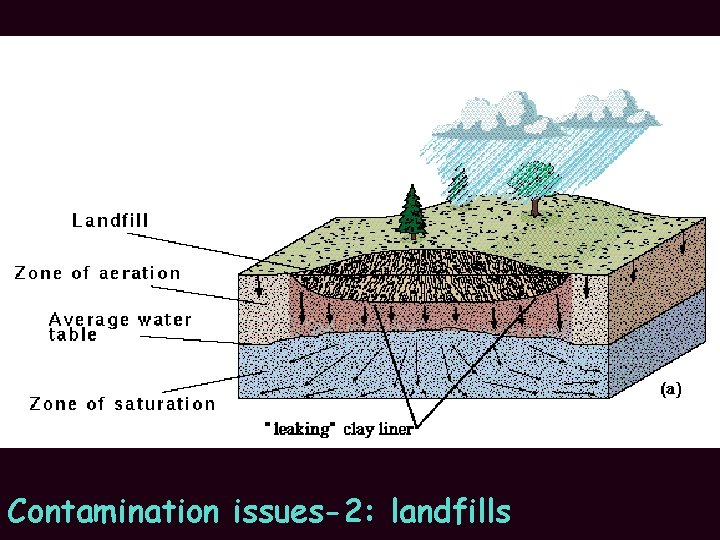
Modifications & Effects on Groundwater • • Currently ~20 -30% of the water used in the U. S. is groundwater. Much higher in some places Modifications will. . . . • • Modifications 1) lower the water table; >> 1) 2) decrease hydrostatic pressure; >> 2) 3) allow saltwater encroachment; >> 3) 4) cause subsidence; >> 4) 5) allow contamination of of the groundwater. >> 5)
Salt Water Intrusion
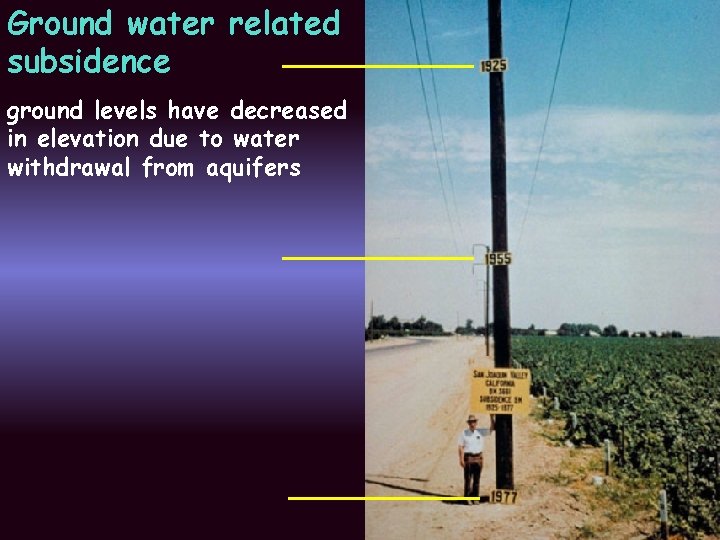
Ground water related subsidence ground levels have decreased in elevation due to water withdrawal from aquifers
Contamination issues-1: Septic tanks
Contamination issues-2: landfills
Wetlands and groundwater Many wetland areas are tied to water by location e. g. , riverine, downslope, lake/sea margins, etc. Most wetlands are fed in part by groundwater and surface water e. g. , fens, marshes, swamps Thus groundwater serves to stabilize water levels over longer term, feeding water to the system over extended dry periods, and providing mineralogical nutrients to the biological and geological systems. Bogs are a unique case, as they are not typically influenced by groundwater outside the perimeter of the wetland area, yet still have groundwater within them.
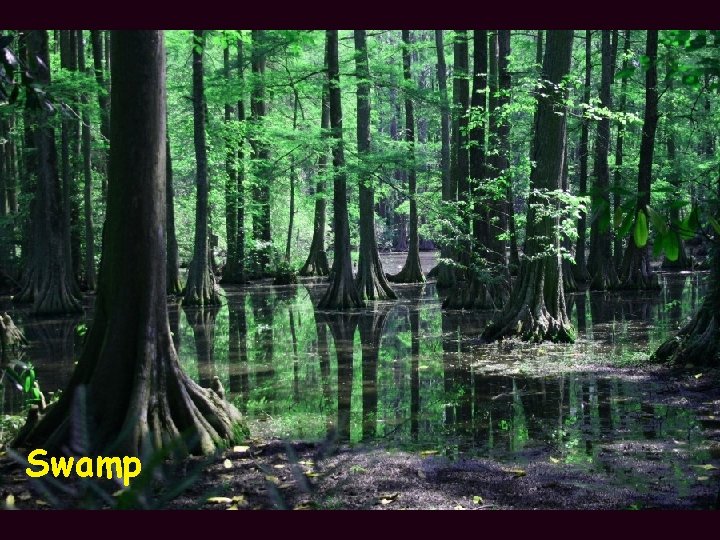
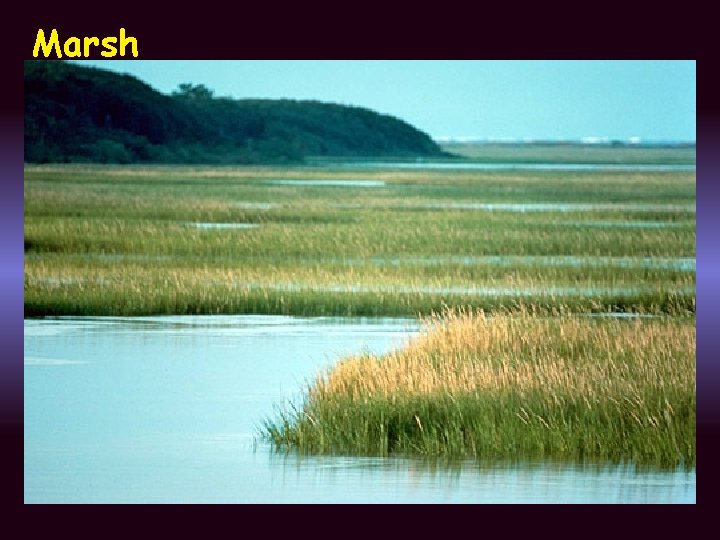
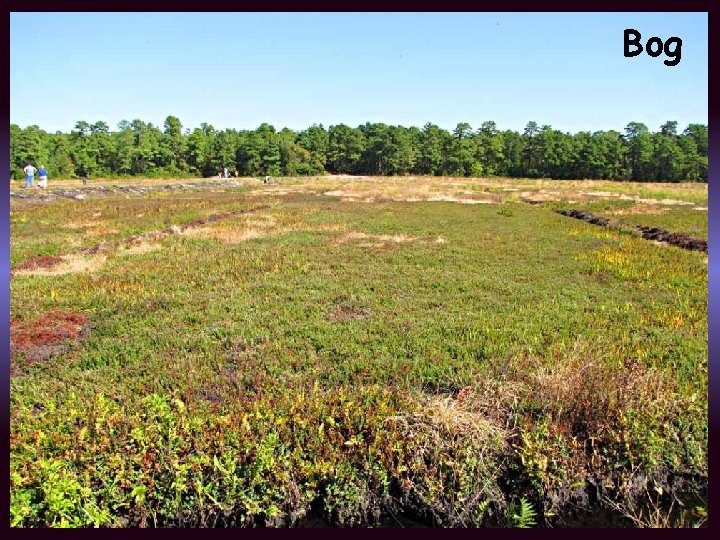
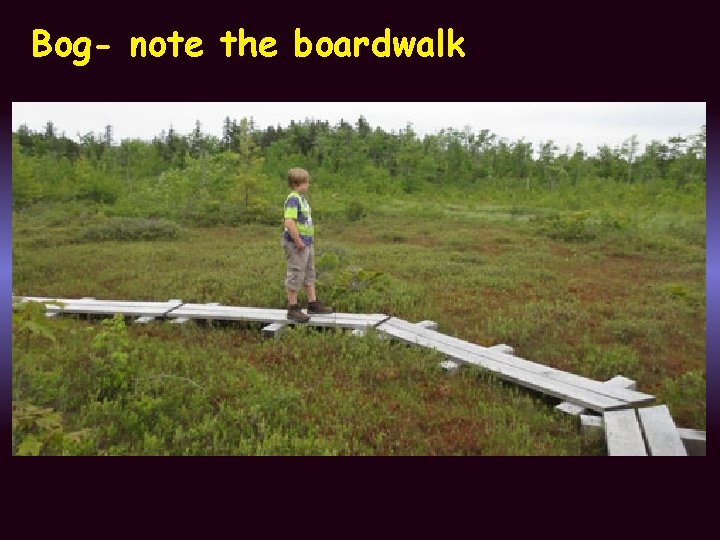
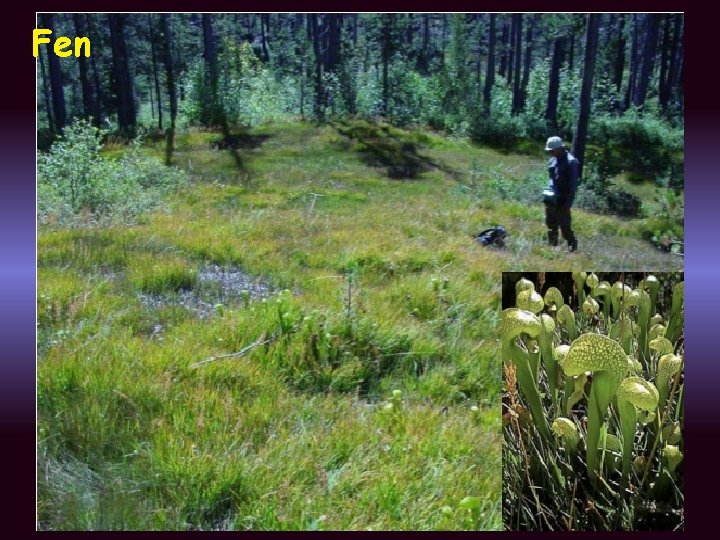
Types of Wetlands Marshes – areas of land that are frequently to constantly inundated and are characterized by soft stemmed emergent vegetation Swamps -areas of land that are frequently to constantly inundated and are characterized by woody emergent vegetation Bogs – a wetland fed almost exclusively by precipitation characterized by excessive peat deposits, acidic conditions, are somewhat nutrient poor, and have a sphagnum moss surface carpet. Fens – Peat forming wetlands fed by many sources of water/nutrients. Nutrient rich, less acidic, and generally more diverse than Bogs
Swamp
Marsh
Bog
Bog- note the boardwalk
Fen
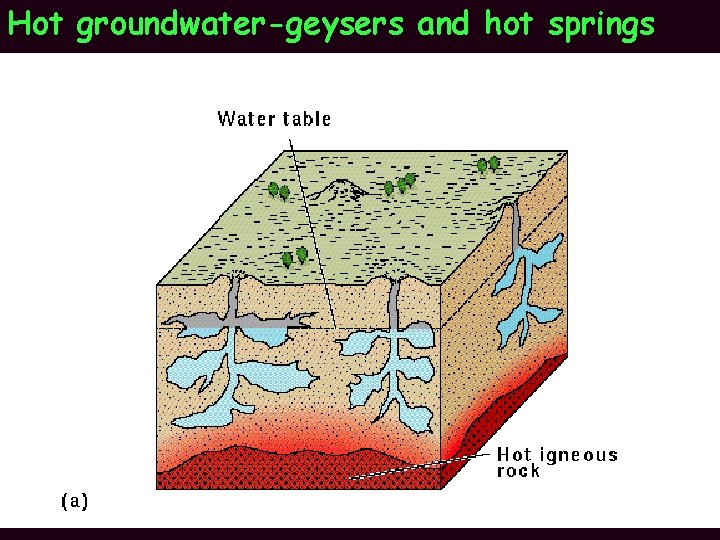
Hot groundwater-geysers and hot springs
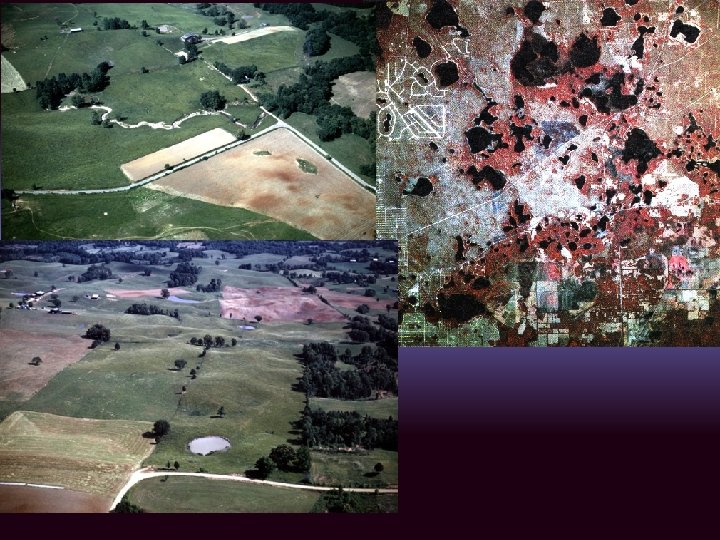
Karst landscapes Created by groundwater and streams dissolving limestone pseudokarst involves dissolving noncarbonate rock Enlarges fractures and pore spaces as rock dissolves Increases flow of water through the system Triggers more dissolution of limestone.