
Grounding Bonding 1 The First Rule To Live

Grounding & Bonding 1
The First Rule To Live By: Never Second Guess Electrical Hazards! If you are ever in doubt about a course of action, STOP! Consult a Supervisor, Safety Person and/or Journeyman 2
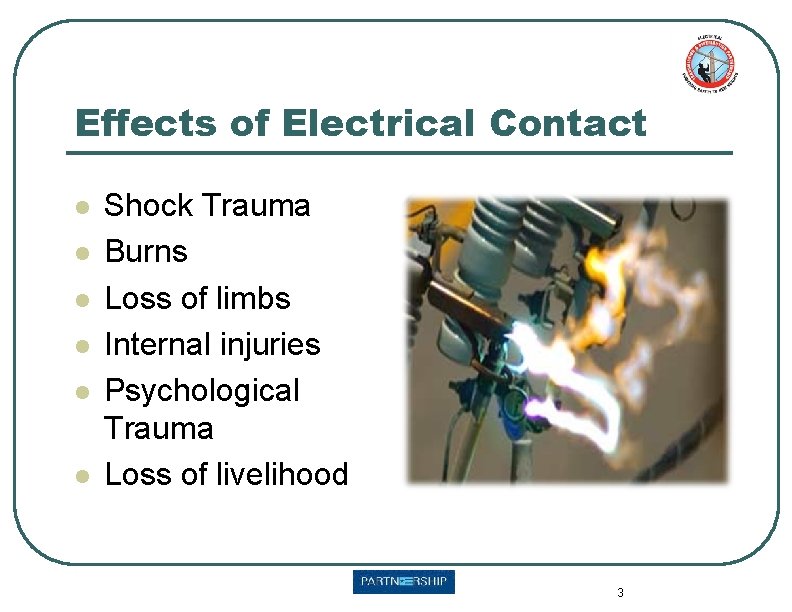
Effects of Electrical Contact l l l Shock Trauma Burns Loss of limbs Internal injuries Psychological Trauma Loss of livelihood 3
How a circuit can become unintentionally energized? l Switching l Induction l Back-feed l Lightning strikes l Vehicle Accidents l Equipment Failure 4
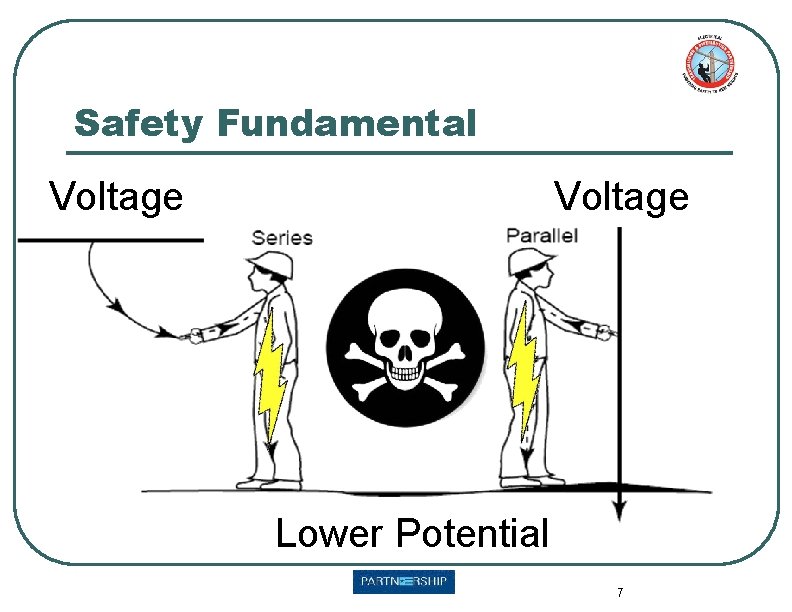
Key Safety Fundamental To avoid hazardous differences in electrical potential: Ø Insulate yourself from the hazard Ø Isolate yourself from the hazard Ø Work in a Equal Potential zone 5
As an alternative but not required…. The employer can use an engineering analysis of the power system under fault conditions to determine whether hazardous step and touch voltages will develop 6
Safety Fundamental Voltage Lower Potential 7

Installing and Removing Grounds 8
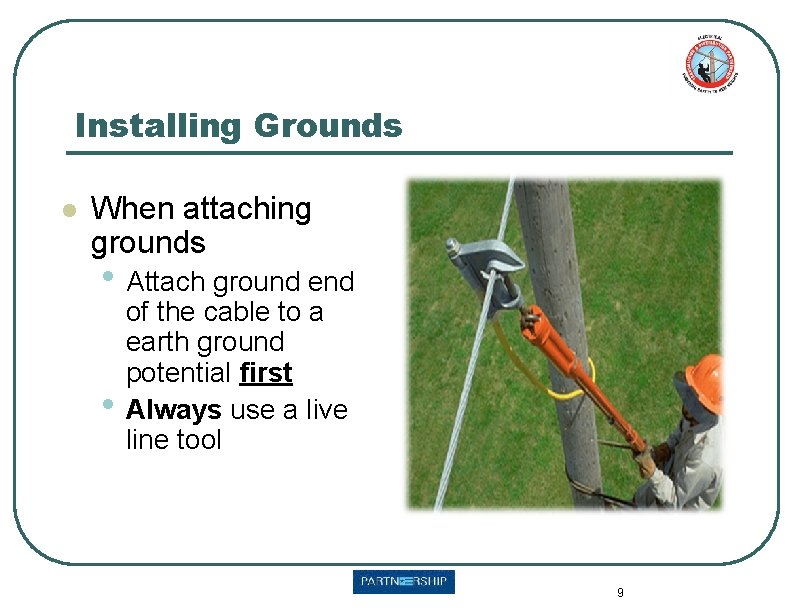
Installing Grounds l When attaching grounds • Attach ground end • of the cable to a earth ground potential first Always use a live line tool 9
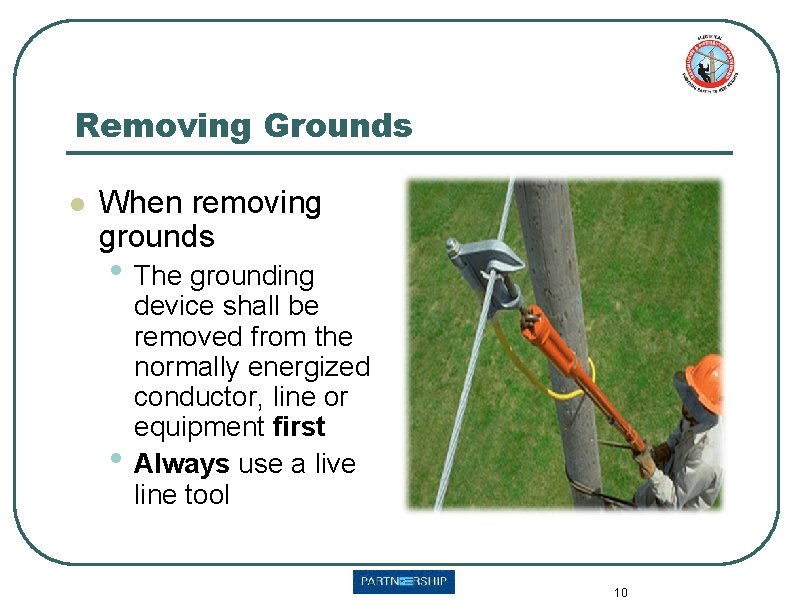
Removing Grounds l When removing grounds • The grounding • device shall be removed from the normally energized conductor, line or equipment first Always use a live line tool 10

Equipment Selection 11
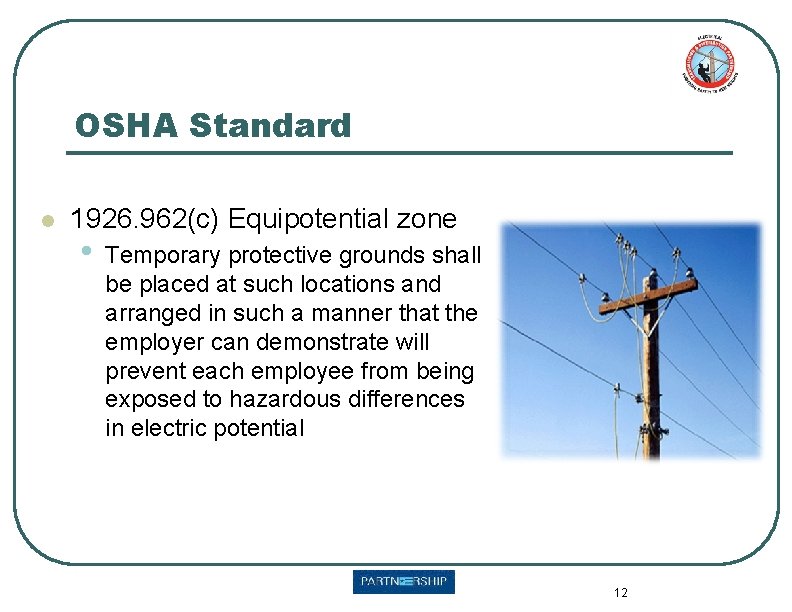
OSHA Standard l 1926. 962(c) Equipotential zone • Temporary protective grounds shall be placed at such locations and arranged in such a manner that the employer can demonstrate will prevent each employee from being exposed to hazardous differences in electric potential 12

Maximum Fault Current Capability for Grounding Cables Cable Size #2 1/0 2/0 4/0 ASTM F-855 Clearing Time RMS Amperes 15 Cycles 17, 000 30 Cycles 13, 000 15 Cycles 26, 000 30 Cycles 20, 000 15 Cycles 33, 000 30 Cycles 26, 000 15 Cycles 53, 000 30 Cycles 41, 000 13
Applications 14
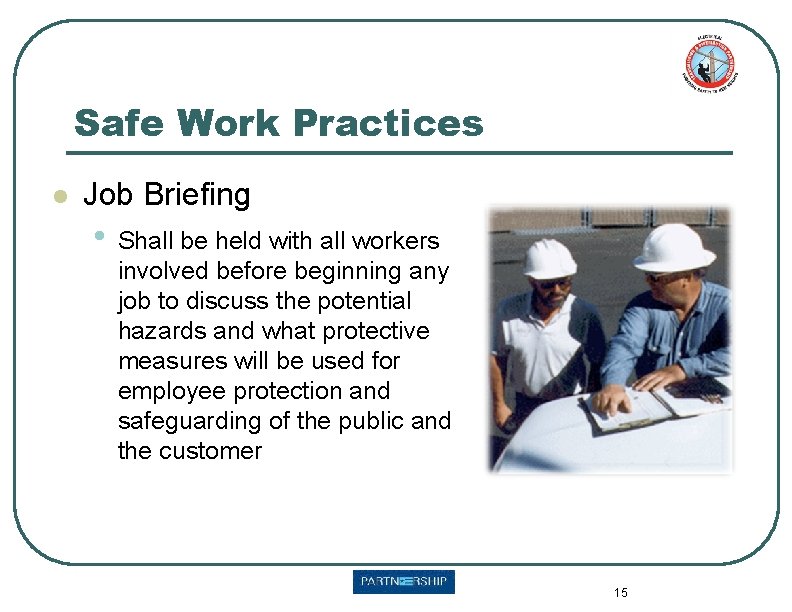
Safe Work Practices l Job Briefing • Shall be held with all workers involved before beginning any job to discuss the potential hazards and what protective measures will be used for employee protection and safeguarding of the public and the customer 15
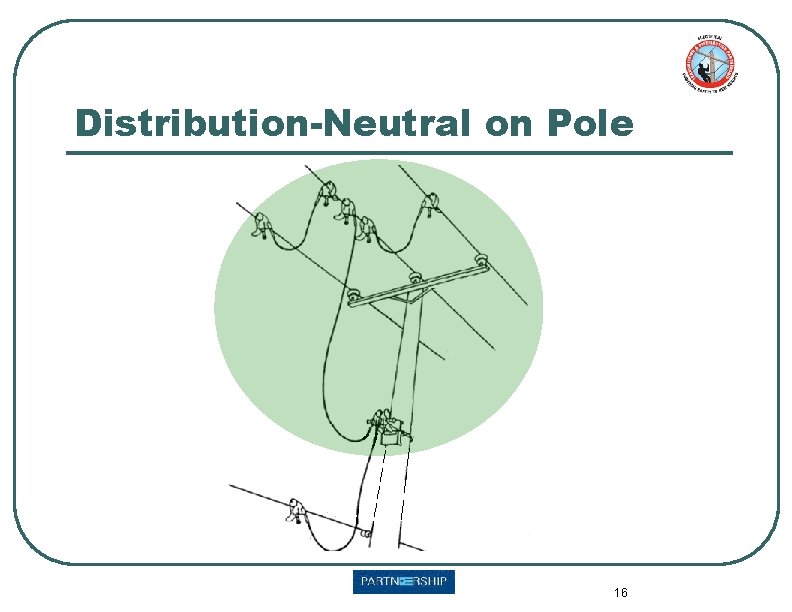
Distribution-Neutral on Pole 16

More Than One Span Away This jumper moves to each phase 17
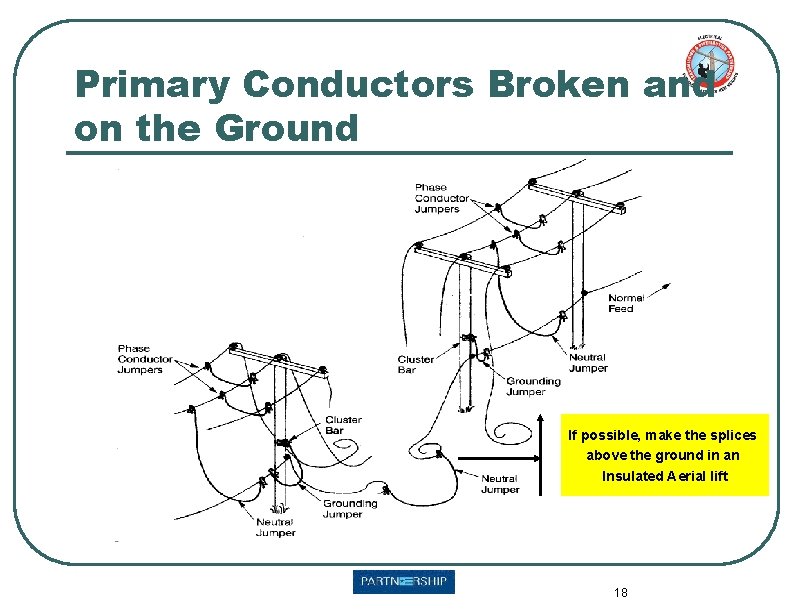
Primary Conductors Broken and on the Ground If possible, make the splices above the ground in an Insulated Aerial lift 18

Transmission Lines with Distribution Underbuilt Does not indicate Good line cover 19
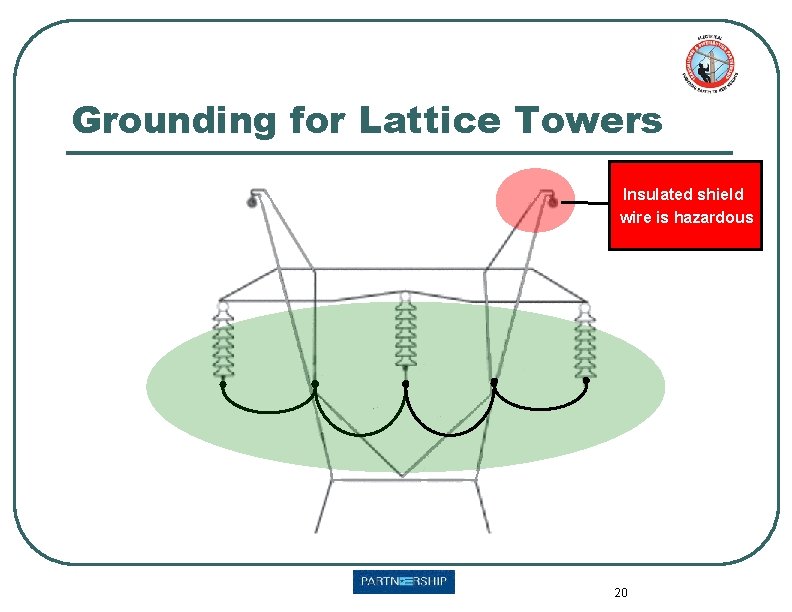
Grounding for Lattice Towers Insulated shield wire is hazardous 20

Dead End Structures If the continuity is maintained with the permanent jumper, one grounding jumper may suffice If the continuity is not maintained with the permanent jumper, two grounding jumpers are required 21
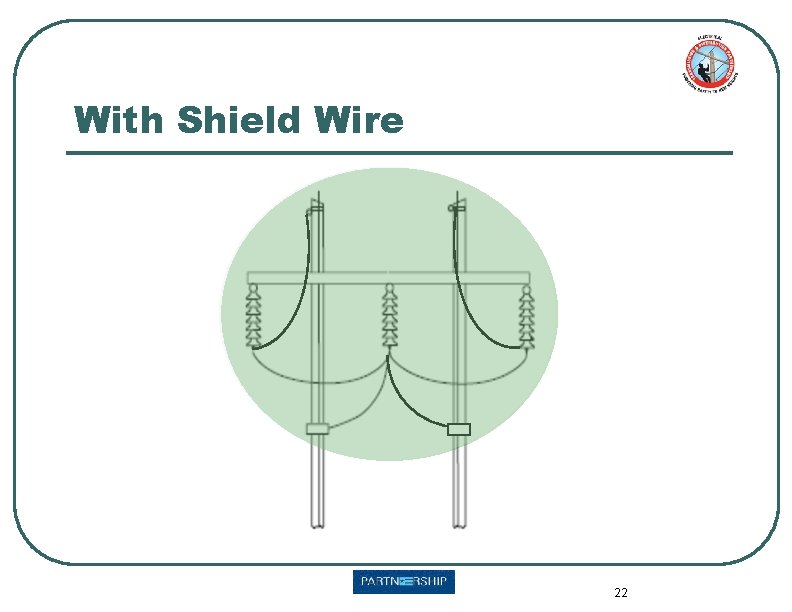
With Shield Wire 22

No Shield Wire 23

Component Parts Ground Rods (each corner) Equipment Ground to Ground Rod Mat Outer Fence Inner Fence Isolation Platform Equipment Bond to Mat Insulation Platform Entrance 24

Component Parts Ground Rods (Each Rolling Ground corner) Equipment Bond to mat Isolation Platform Mat Equipment Ground to Rod Inner Fence Outer Fence Insulation Platform Entrance 25

Equipment Grounding l l Equipment • Approved connection point capable of handling the anticipated fault current Ground Source • • To system neutral (or) A pole ground (or) To a grounded structure (or) To a Temporary Ground Rod • driven or screw type 26
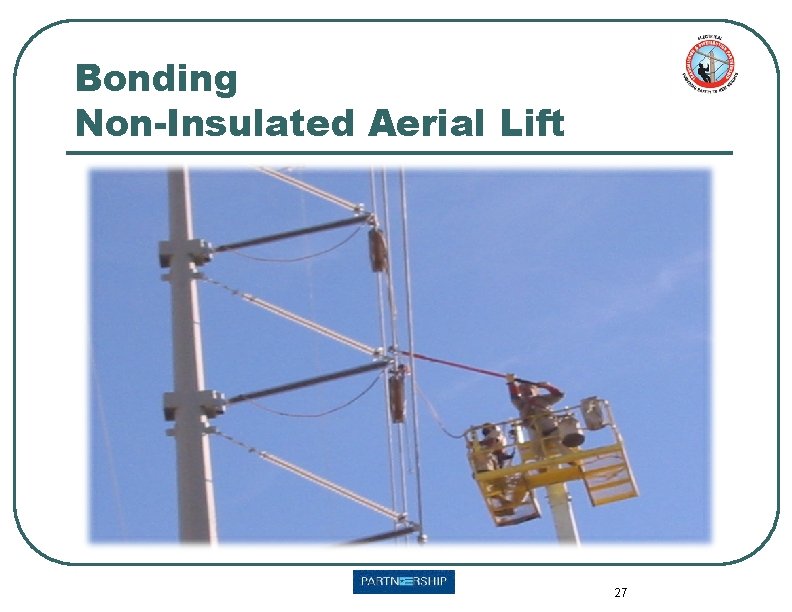
Bonding Non-Insulated Aerial Lift 27

28

Insulated Aerial Lift 29
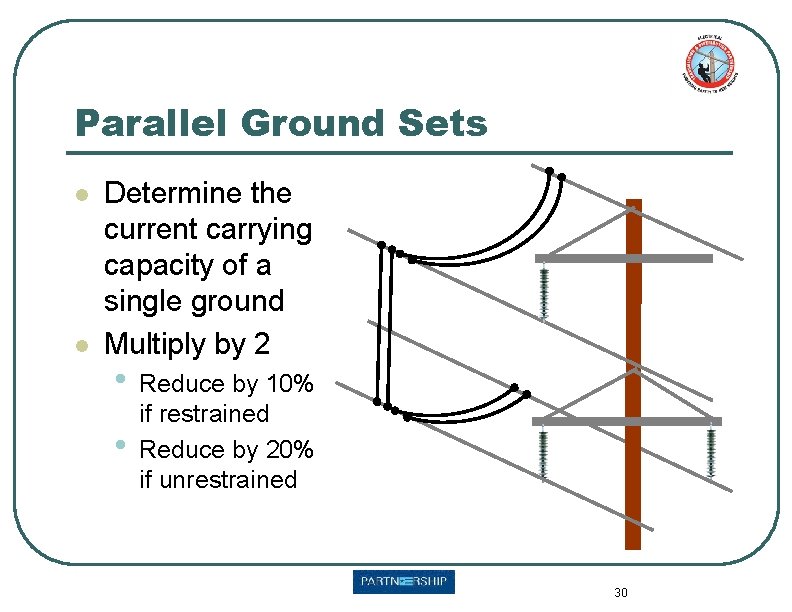
Parallel Ground Sets l l Determine the current carrying capacity of a single ground Multiply by 2 • • Reduce by 10% if restrained Reduce by 20% if unrestrained 30

Barricade l Grounding a vehicle will not protect workers that may contact the vehicle if the vehicle becomes energized 31

Recap 32
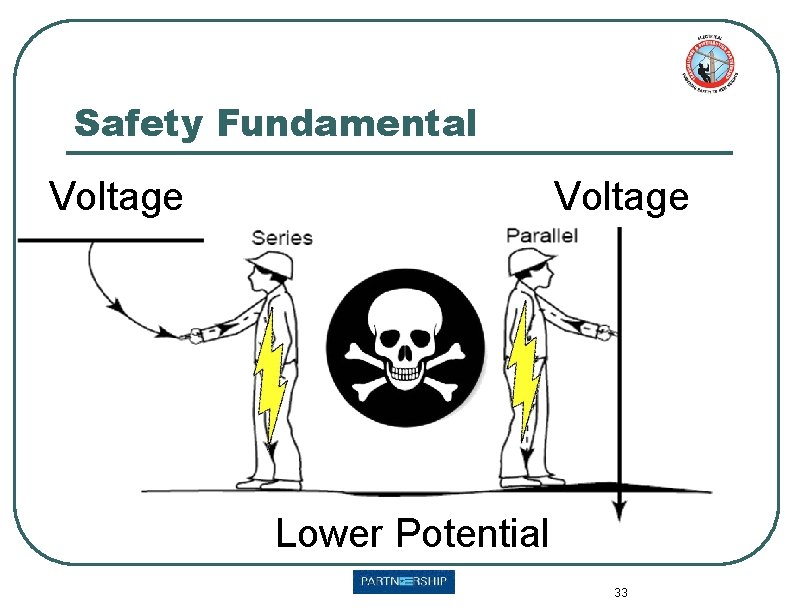
Safety Fundamental Voltage Lower Potential 33
Key Safety Fundamental To avoid hazardous differences in electrical potential: Ø Insulate yourself from the hazard Ø Isolate yourself from the hazard Ø Work in a Equal Potential zone 34
- Slides: 34