
GREETINGS SALUDOS OBJECTIVES After this lesson You will
GREETINGS SALUDOS
OBJECTIVES: -After this lesson: - You will know how to greet people at different times of the day. - You will demonstrate the ability to conduct a basic conversation in Spanish. -You will be able to introduce yourself to others and understand when others introduce themselves to you.
PREGUNTAS • ¿Cuál es tu nombre? • ¿Cómo te llamas?
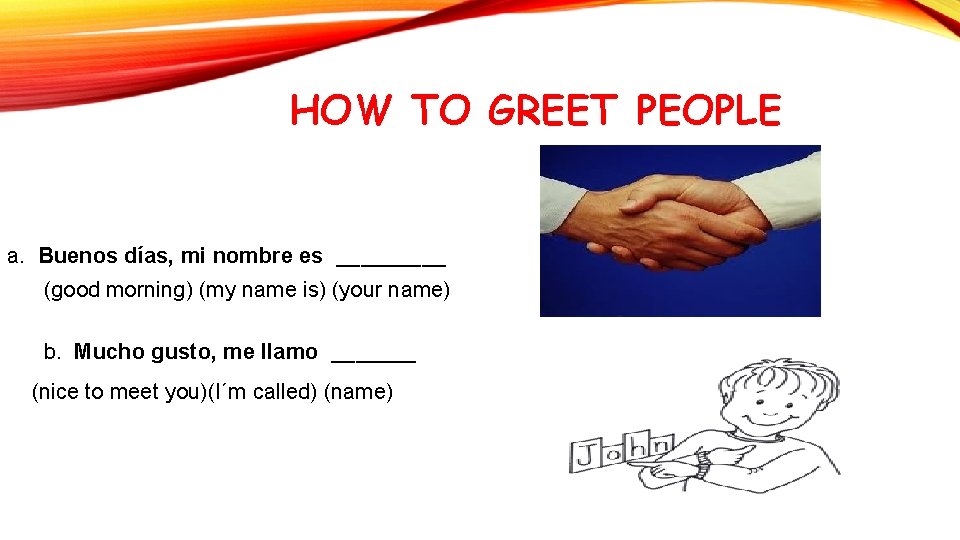
HOW TO GREET PEOPLE a. Buenos días, mi nombre es _____ (good morning) (my name is) (your name) b. Mucho gusto, me llamo _______ (nice to meet you)(I´m called) (name)
SALUDOS, DEPENDIENDO LA HORA DEL DÍA…. • Buenos días (Good morning) • Buenas tardes (Good afternoon) • Buenas noches (Good evening/night) • Buenas (can be used throughout the entire day) • http: //youtu. be/Ivkap. Ui. Y_w. E
DEPENDIENDO DE LA EDAD Y EL GÉNERO… • Señor, Sr. sir, Mr. • señora, Sra. Madam, Mrs. • señorita, Srta. Miss. • Joven, young person
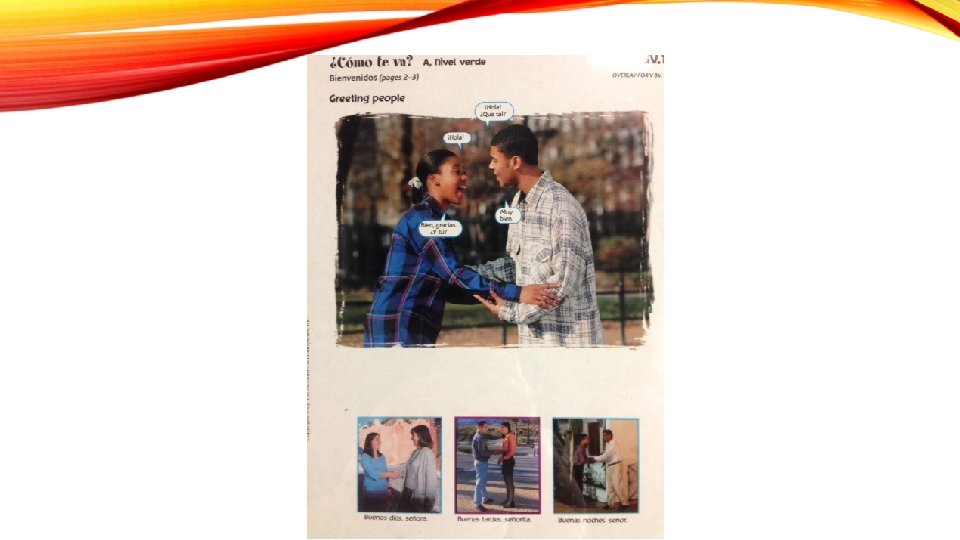
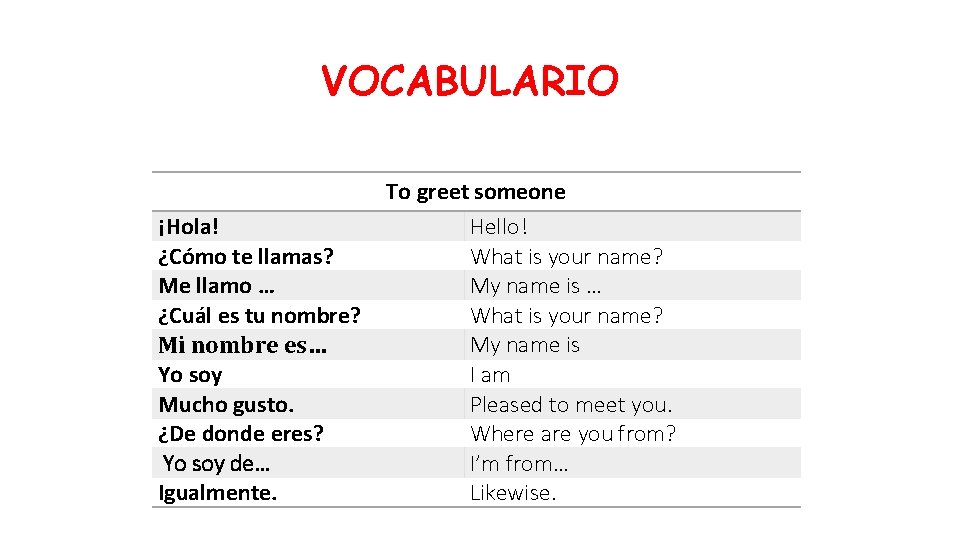
VOCABULARIO ¡Hola! ¿Cómo te llamas? Me llamo … ¿Cuál es tu nombre? Mi nombre es… Yo soy Mucho gusto. ¿De donde eres? Yo soy de… Igualmente. To greet someone Hello! What is your name? My name is … What is your name? My name is I am Pleased to meet you. Where are you from? I’m from… Likewise.
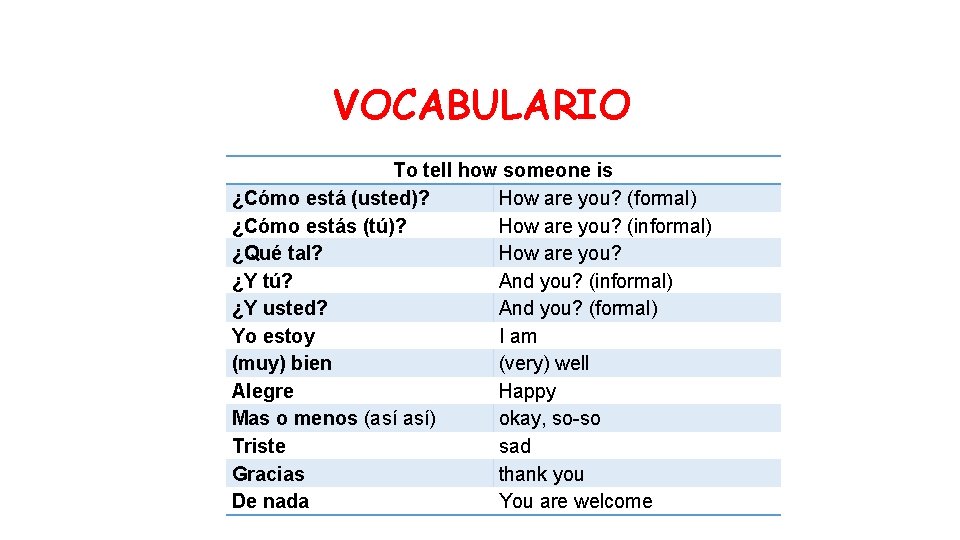
VOCABULARIO To tell how someone is ¿Cómo está (usted)? How are you? (formal) ¿Cómo estás (tú)? How are you? (informal) ¿Qué tal? How are you? ¿Y tú? And you? (informal) ¿Y usted? And you? (formal) Yo estoy I am (muy) bien (very) well Alegre Happy Mas o menos (así así) okay, so-so Triste sad Gracias thank you De nada You are welcome
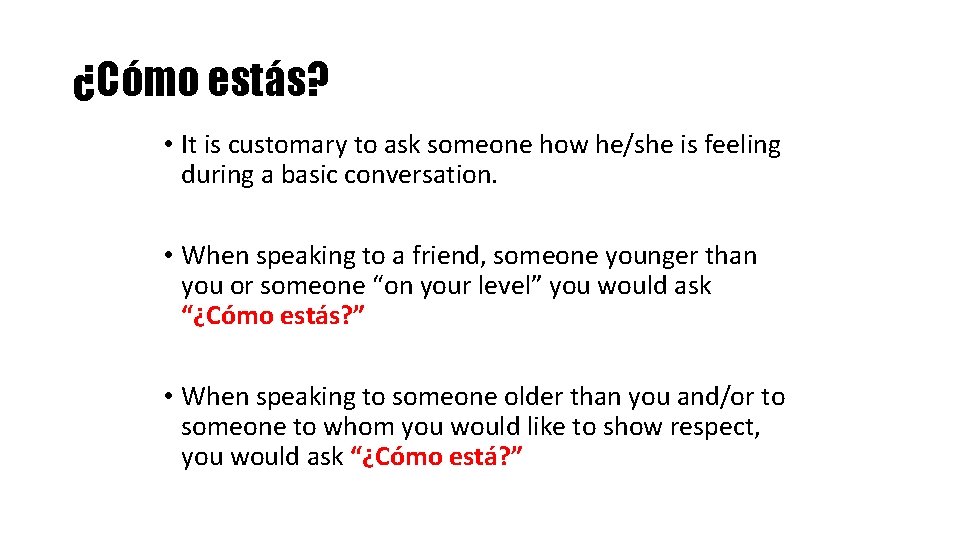
¿Cómo estás? • It is customary to ask someone how he/she is feeling during a basic conversation. • When speaking to a friend, someone younger than you or someone “on your level” you would ask “¿Cómo estás? ” • When speaking to someone older than you and/or to someone to whom you would like to show respect, you would ask “¿Cómo está? ”
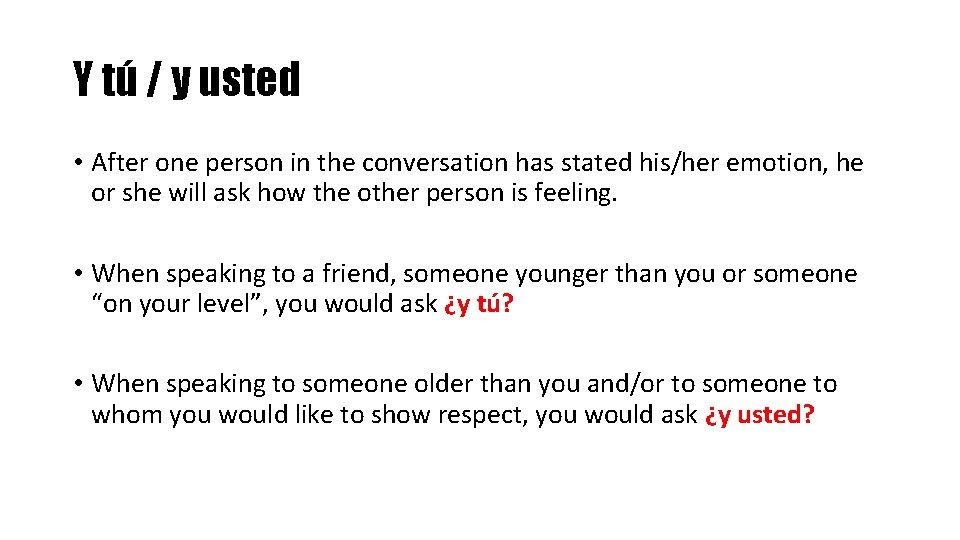
Y tú / y usted • After one person in the conversation has stated his/her emotion, he or she will ask how the other person is feeling. • When speaking to a friend, someone younger than you or someone “on your level”, you would ask ¿y tú? • When speaking to someone older than you and/or to someone to whom you would like to show respect, you would ask ¿y usted?

VOCABULARIO Saying goodbye ¡Chao! Bye! ¡Adiós! Goodbye! Hasta mañana. See you tomorrow. Hasta luego. See you later. Hasta pronto See you soon
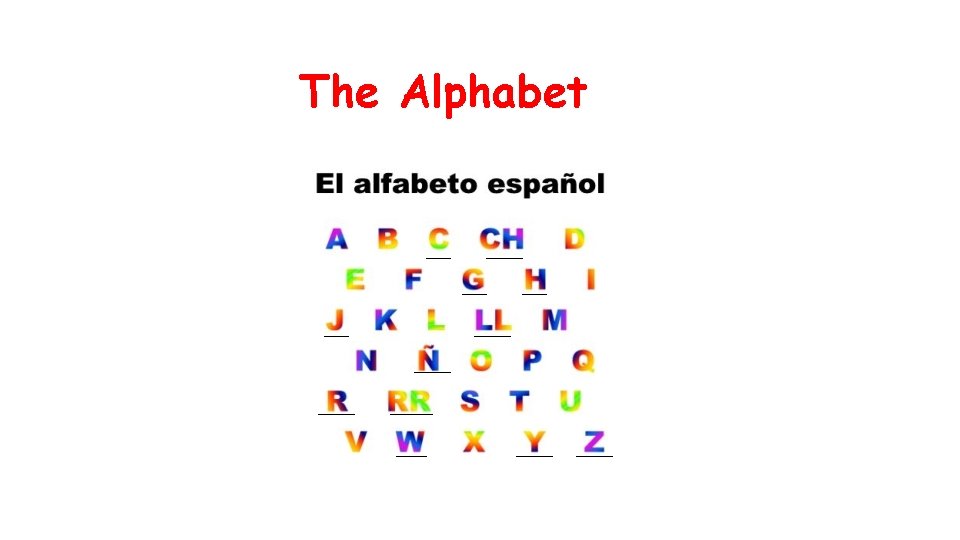
The Alphabet
Más práctica
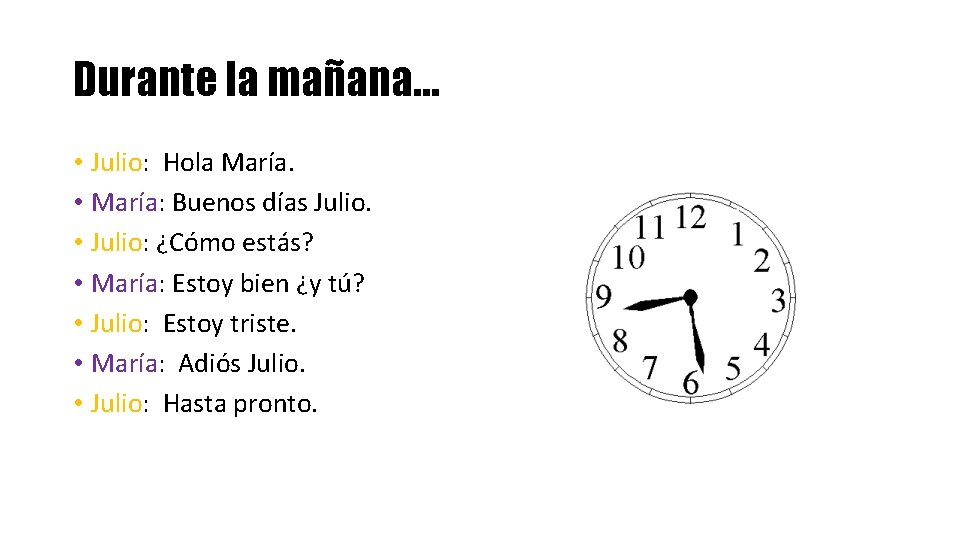
Durante la mañana… • Julio: Hola María. • María: Buenos días Julio. • Julio: ¿Cómo estás? • María: Estoy bien ¿y tú? • Julio: Estoy triste. • María: Adiós Julio. • Julio: Hasta pronto.
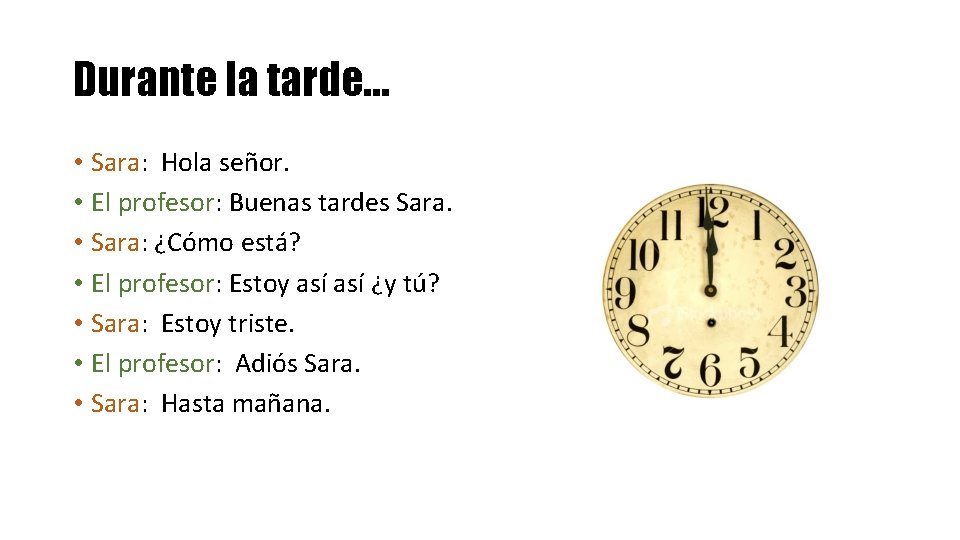
Durante la tarde… • Sara: Hola señor. • El profesor: Buenas tardes Sara. • Sara: ¿Cómo está? • El profesor: Estoy así ¿y tú? • Sara: Estoy triste. • El profesor: Adiós Sara. • Sara: Hasta mañana.
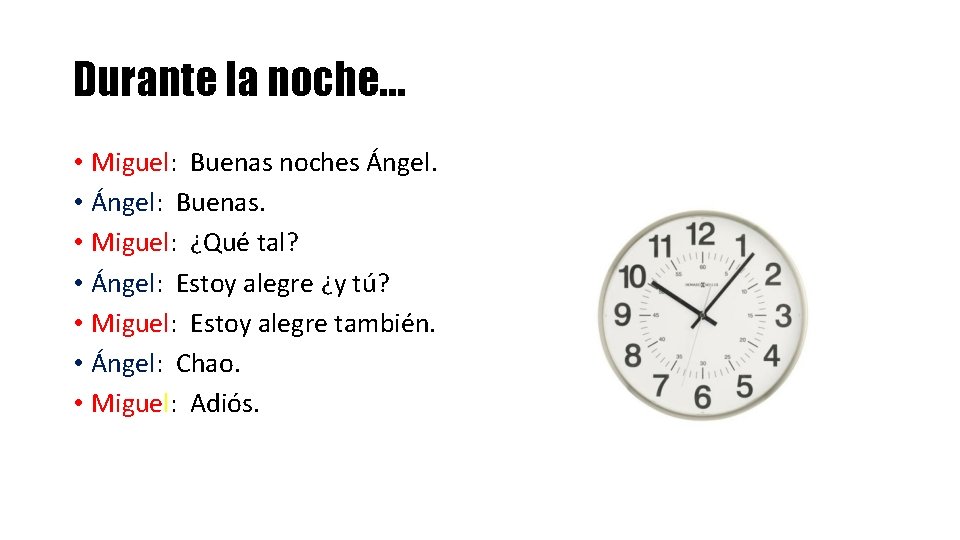
Durante la noche… • Miguel: Buenas noches Ángel. • Ángel: Buenas. • Miguel: ¿Qué tal? • Ángel: Estoy alegre ¿y tú? • Miguel: Estoy alegre también. • Ángel: Chao. • Miguel: Adiós.

Los saludos • Hola • Buenos días • Buenas tardes • Buenas noches • Buenas
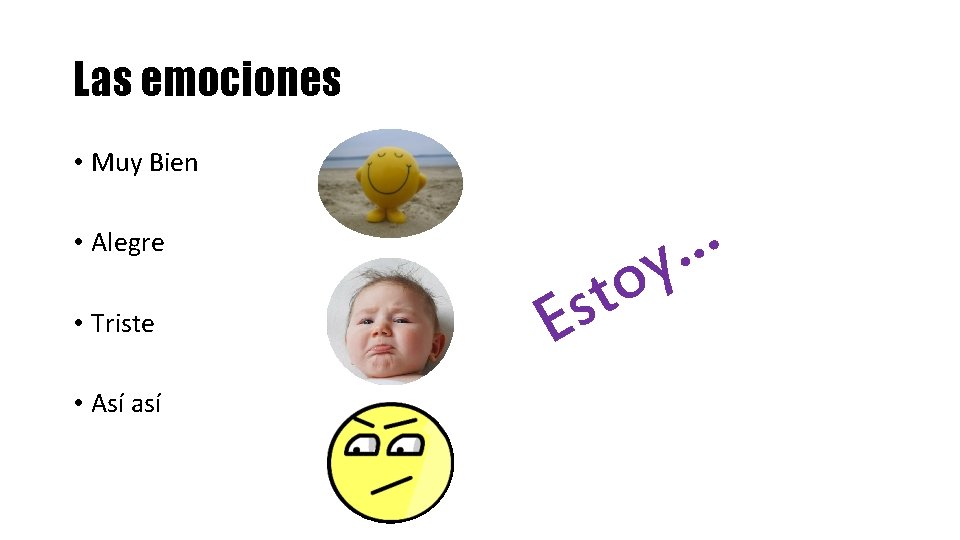
Las emociones • Muy Bien • Alegre • Triste • Así así t s E … y o
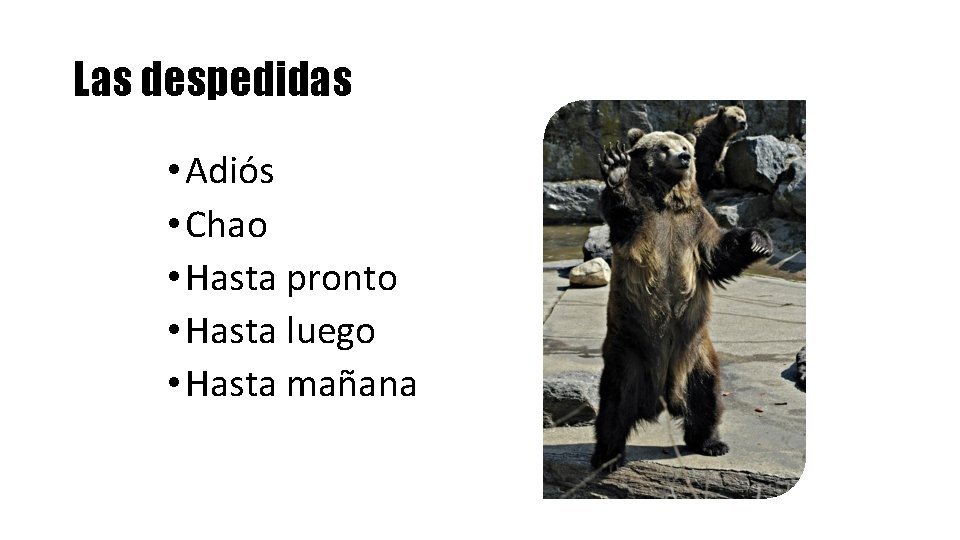
Las despedidas • Adiós • Chao • Hasta pronto • Hasta luego • Hasta mañana
Una tira cómica • Classwork assignment: Complete an eight square comic strip. • The conversation is all in Spanish • Differenciate whether the conversations is formal or informal • Make sure it ends in a farewell **Be sure your illustrations match your expressions**
- Slides: 21