
Green Chemistry Design of chemical products and processes
- Slides: 18
Green Chemistry Design of chemical products and processes that reduce or eliminate the use or generation of hazardous substances Focus on Chemical Synthesis Process Chemistry and Chemical Engineering v. Alternative Reaction Condition v. Incorporation of catalyst v. Alternative pathway v. Synthesis of biodegradable material
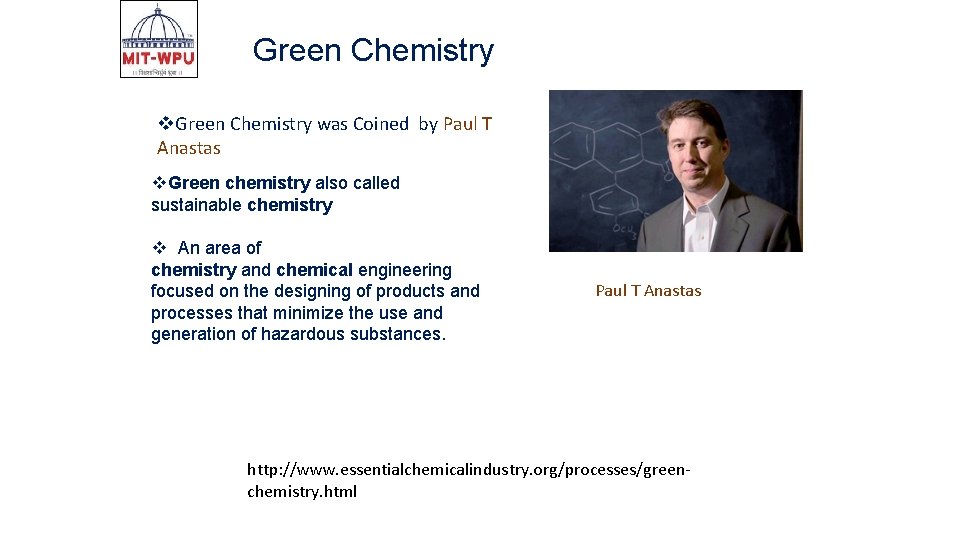
Green Chemistry v. Green Chemistry was Coined by Paul T Anastas v. Green chemistry also called sustainable chemistry v An area of chemistry and chemical engineering focused on the designing of products and processes that minimize the use and generation of hazardous substances. Paul T Anastas http: //www. essentialchemicalindustry. org/processes/greenchemistry. html
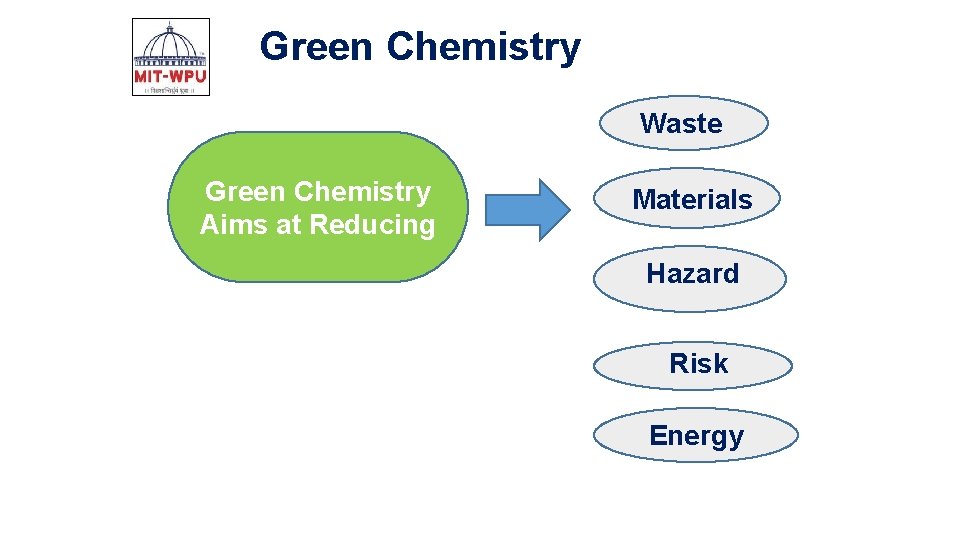
Green Chemistry Waste Green Chemistry Aims at Reducing Materials Hazard Risk Energy
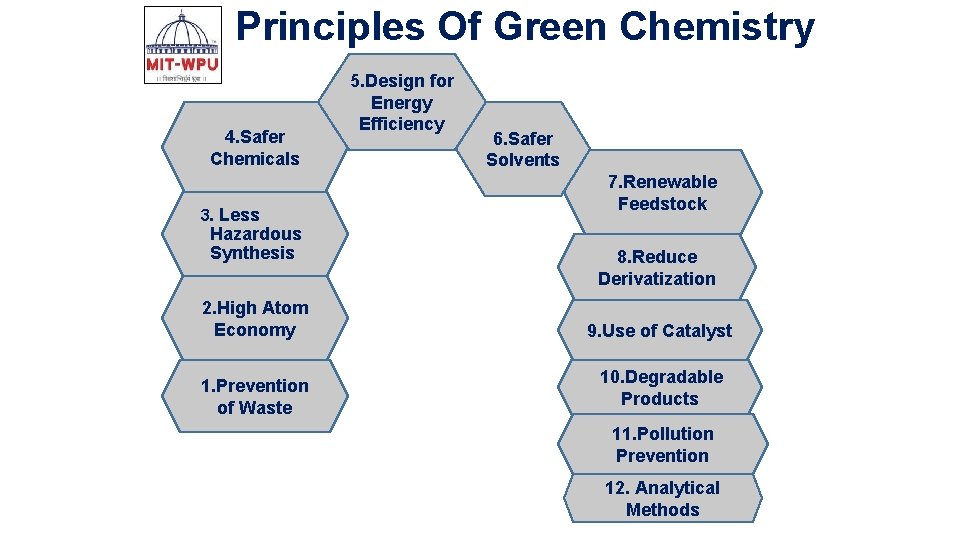
Principles Of Green Chemistry 4. Safer Chemicals 3. Less Hazardous Synthesis 5. Design for Energy Efficiency 6. Safer Solvents 7. Renewable Feedstock 8. Reduce Derivatization 2. High Atom Economy 9. Use of Catalyst 1. Prevention of Waste 10. Degradable Products 11. Pollution Prevention 12. Analytical Methods
Goals of Green Chemistry v To reduce adverse Environmental Impact v To prefer renewable materials v to Reduce use of Toxic materials v To prefer hazard free processes v To reduce byproduct formation v To reduce use of Toxic Solvents v To improve Energy Efficiency v To develop processes for toxicity monitoring v To prefer and synthesize biodegradable materials
Efficiency Parameters v. Atom Economy v. Yield of reaction v. Environmental load factor v. Mass intensity v. Reaction Selectivity
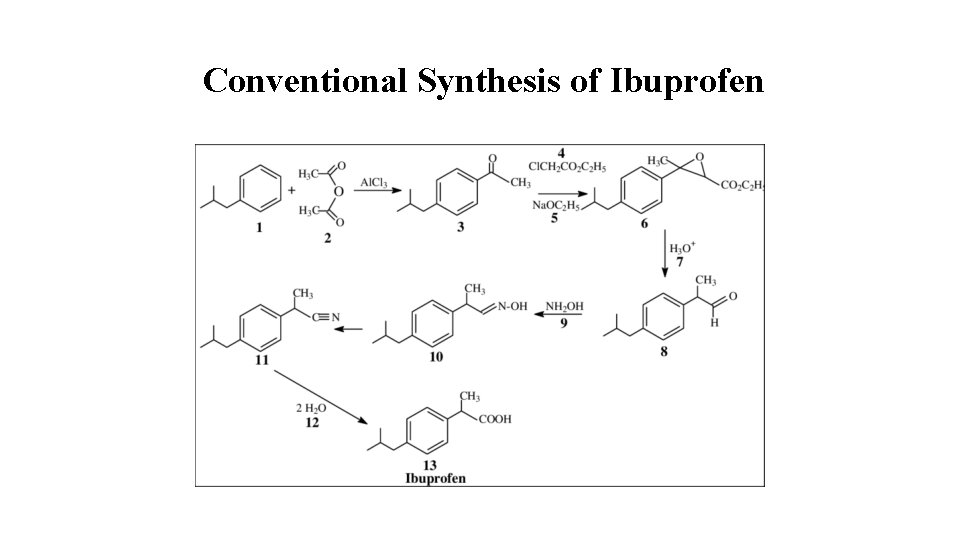
Conventional Synthesis of Ibuprofen
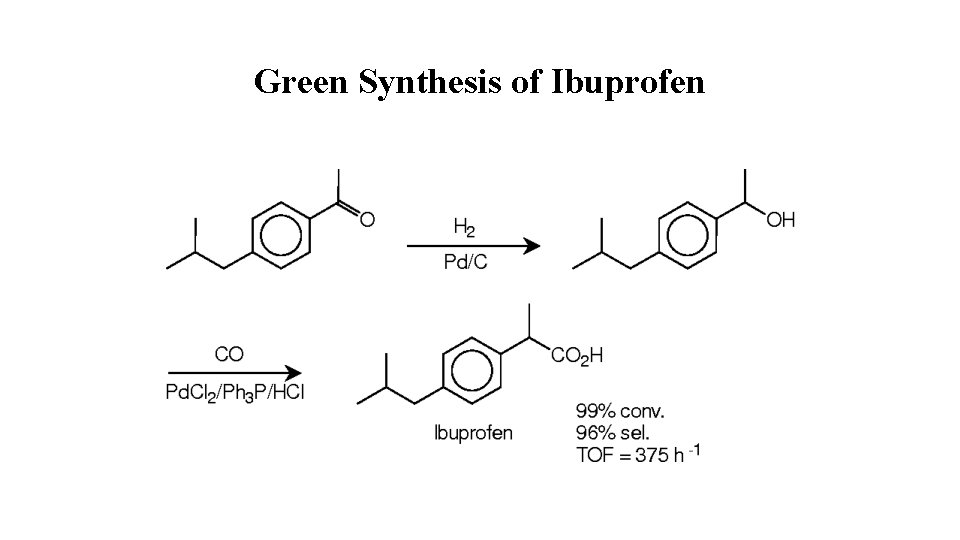
Green Synthesis of Ibuprofen
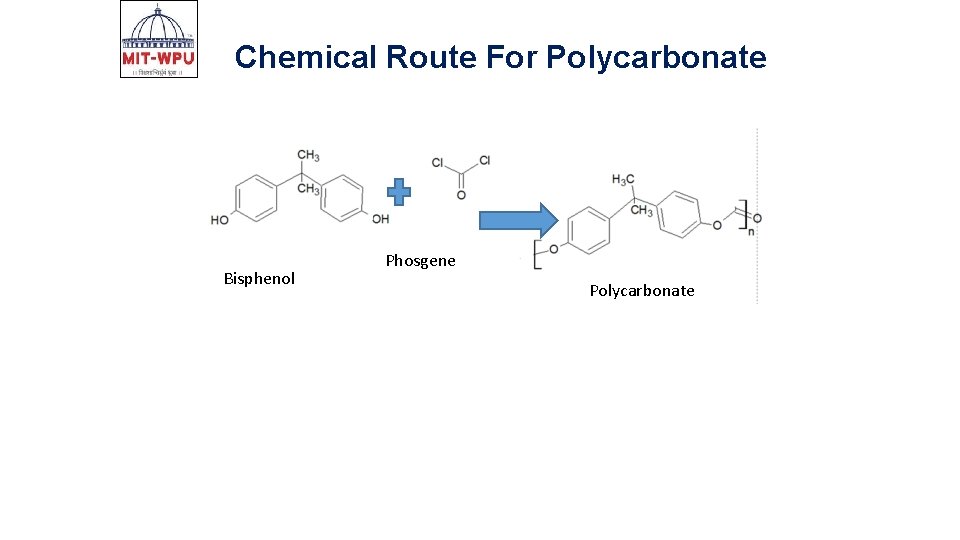
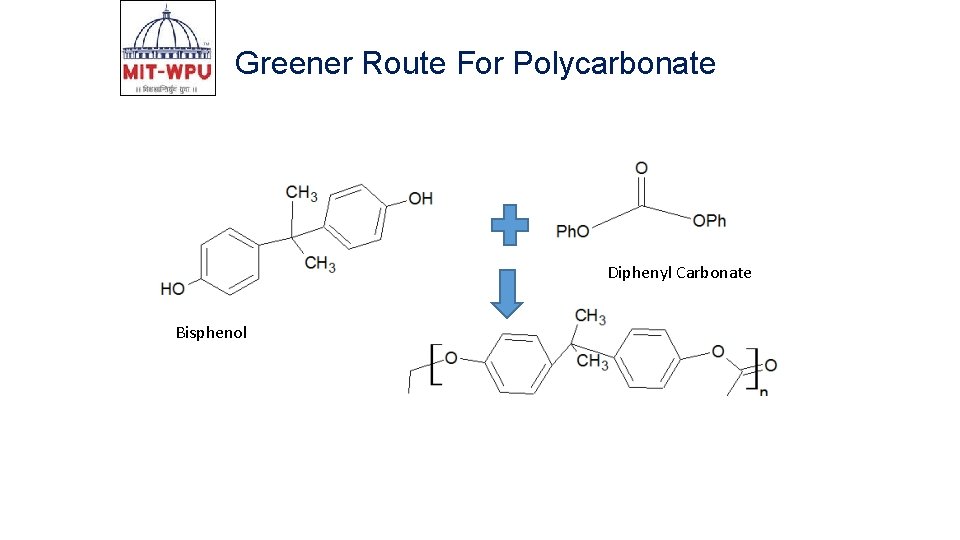
v. Traditional and green pathways of synthesis of Adipic acid and polycarbonate v. Industrial Applications of Green Chemistry.
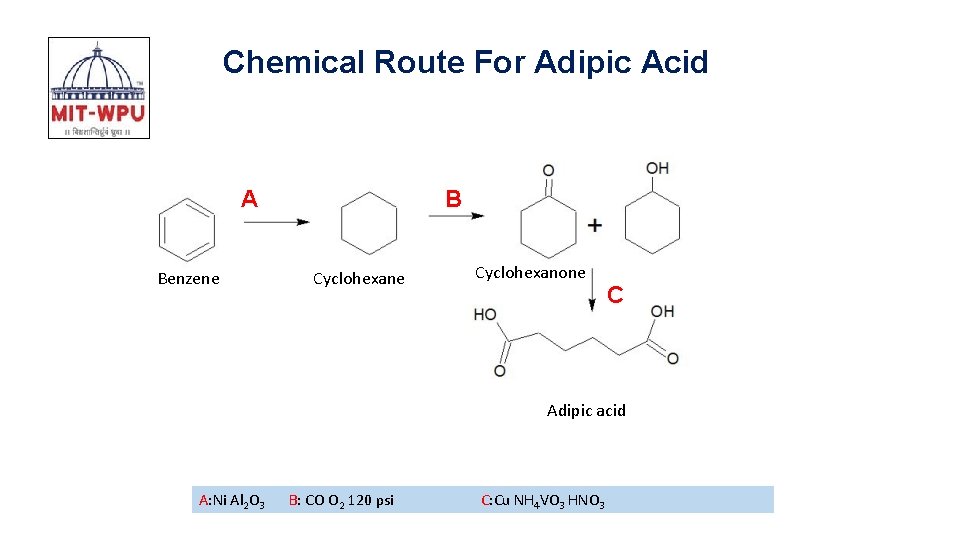
Chemical Route For Adipic Acid A Benzene B Cyclohexane Cyclohexanone C Adipic acid A: Ni Al 2 O 3 B: CO O 2 120 psi C: Cu NH 4 VO 3 HNO 3
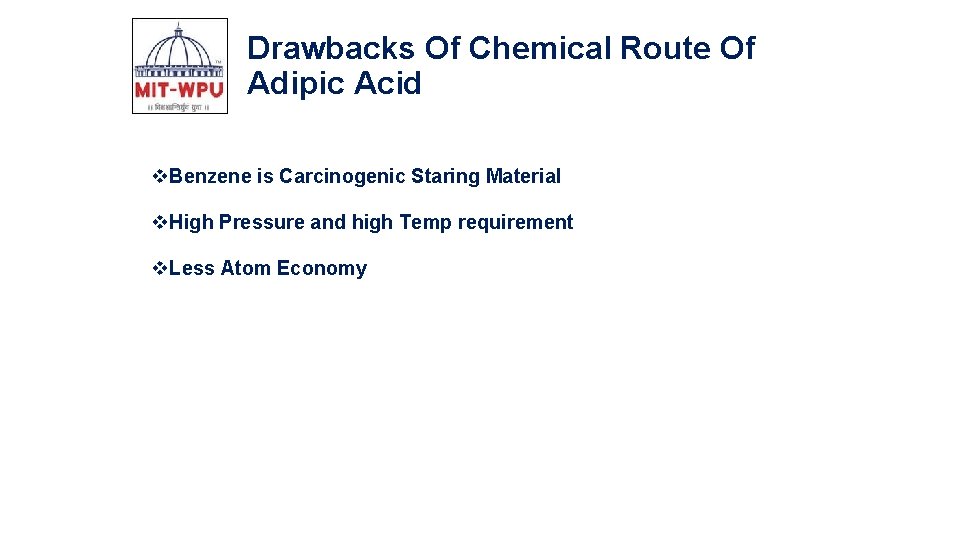
Drawbacks Of Chemical Route Of Adipic Acid v. Benzene is Carcinogenic Staring Material v. High Pressure and high Temp requirement v. Less Atom Economy
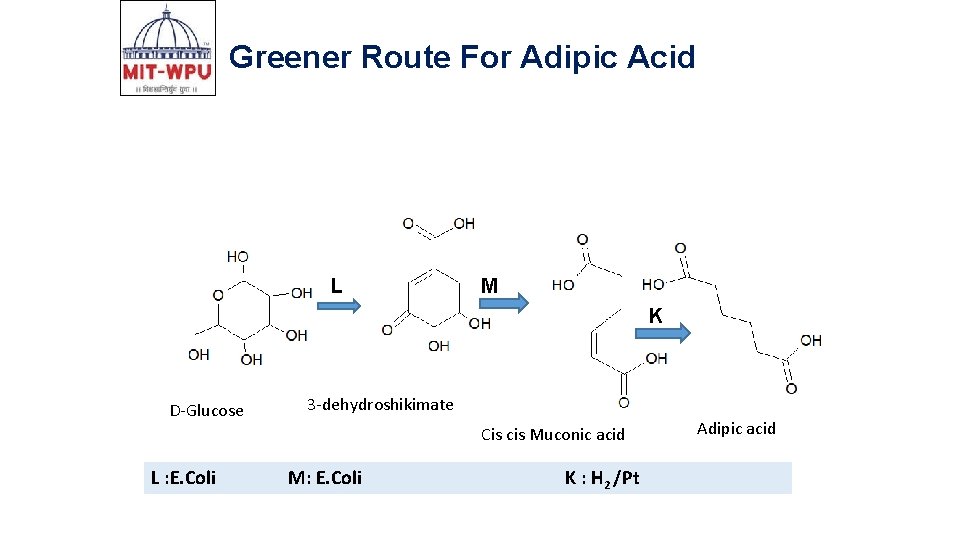
Greener Route For Adipic Acid L M K D-Glucose 3 -dehydroshikimate Cis cis Muconic acid L : E. Coli M: E. Coli K : H 2 /Pt Adipic acid
Chemical Route For Polycarbonate Bisphenol Phosgene Polycarbonate
Greener Route For Polycarbonate Diphenyl Carbonate Bisphenol
Advantages Of Greener Route Of Polycarbonate v. Komiya et al reported synthesis of polycarbonate (Asahi chemical Japan ) v. No need of Solvent (Solid phase Synthesis) v. Polymerization takes place in Molten state v. Use of DCM is Eliminated
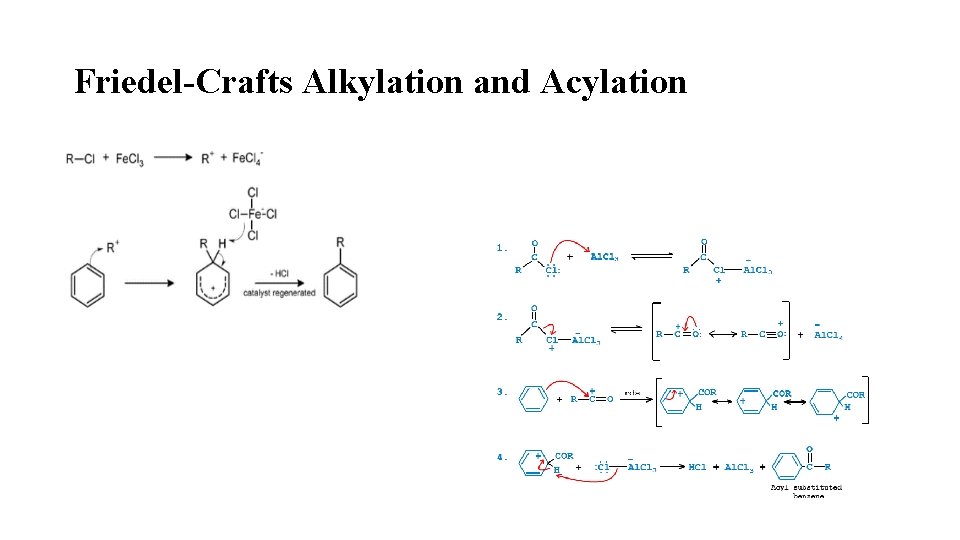
Friedel-Crafts Alkylation and Acylation
Disadvantages of Conventional Lewis acid catalysts • Catalyst is used in stoichiometric amounts • Work-up procedure leads to loss of catalyst leading to highly corrosive waste streams
Green Methods for Friedel-Crafts Reaction • Use of solid acid catalysts a) Zeolites (acid treated) b) Heteropoly acids c) Clays