
Greek Philosophy I Classical Age in Greece 490
- Slides: 26
Greek Philosophy I. Classical Age in Greece, 490 -323 BCE II. Classical Greek Values III. Greek Philosophy IDs: polis, Pericles, hoplite phalanx, rationalism
Argument The emphasis on humanism & rationalism in Classical Greek philosophy reflects the value classical Greeks gave to individual glory and competition. Even though it was balanced by identity as citizens in a polis, that value on glory and competition destroyed classical Greek society.
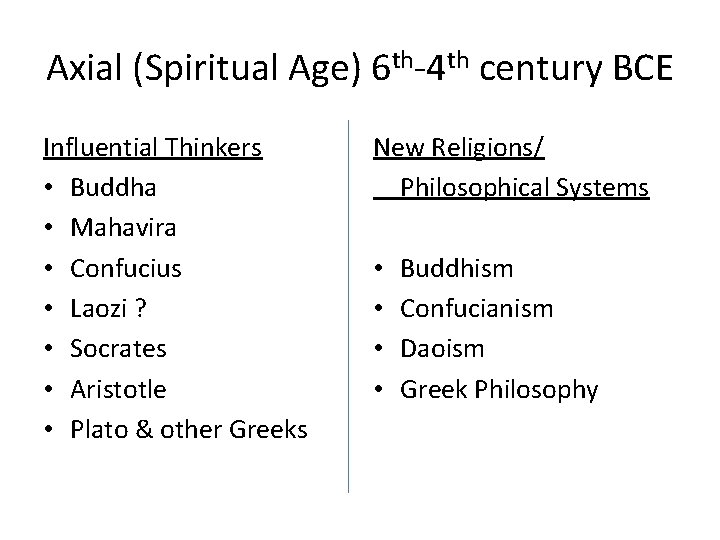
Axial (Spiritual Age) 6 th-4 th century BCE Influential Thinkers • Buddha • Mahavira • Confucius • Laozi ? • Socrates • Aristotle • Plato & other Greeks New Religions/ Philosophical Systems • • Buddhism Confucianism Daoism Greek Philosophy
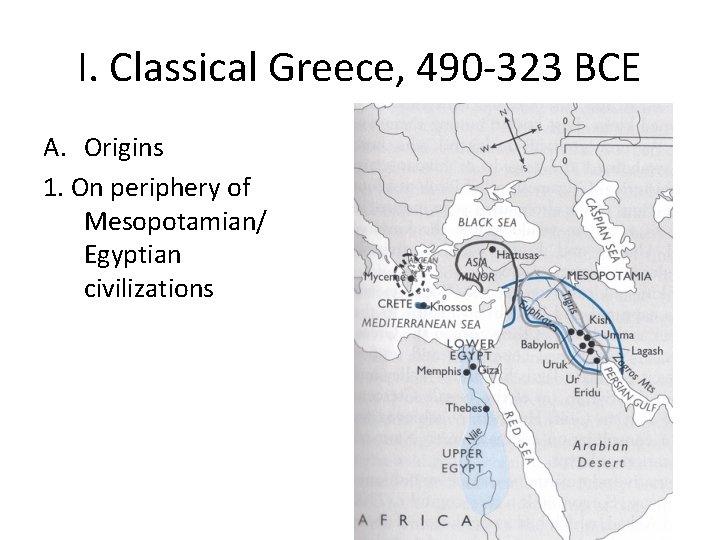
I. Classical Greece, 490 -323 BCE A. Origins 1. On periphery of Mesopotamian/ Egyptian civilizations
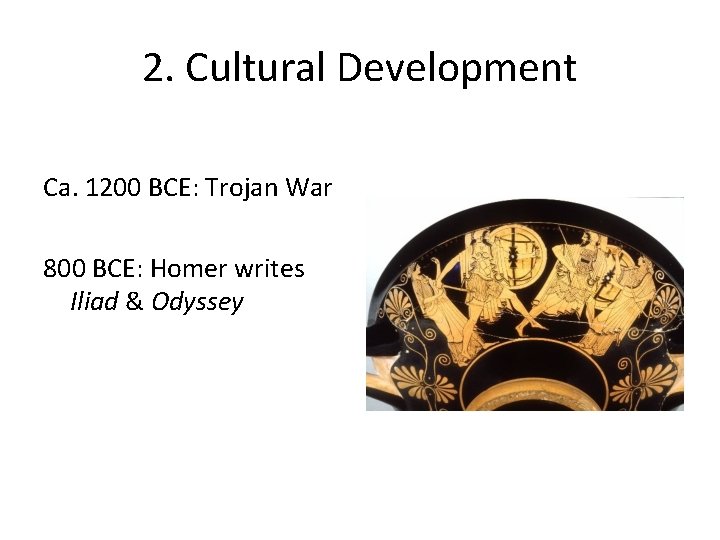
2. Cultural Development Ca. 1200 BCE: Trojan War 800 BCE: Homer writes Iliad & Odyssey
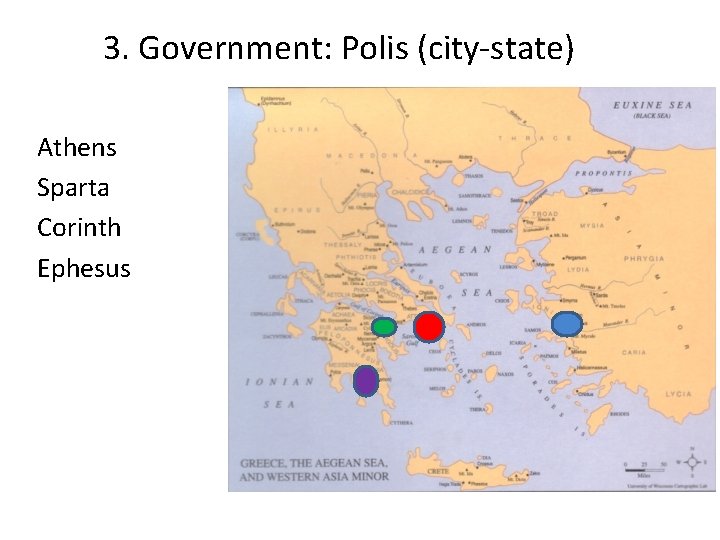
3. Government: Polis (city-state) Athens Sparta Corinth Ephesus
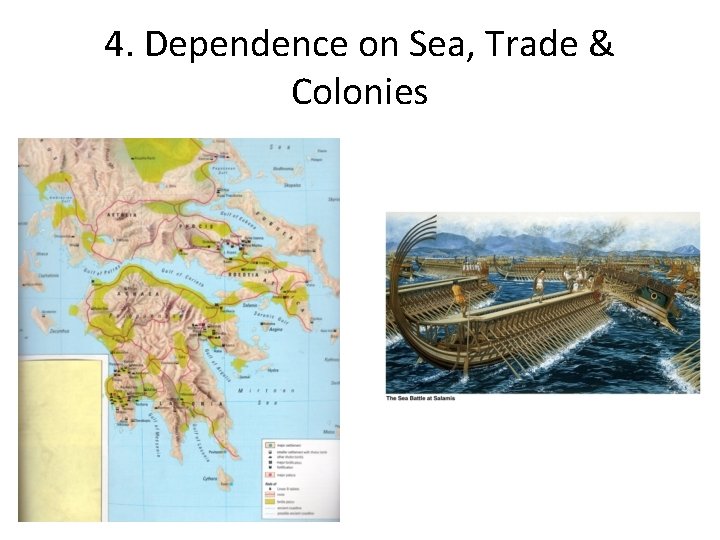
4. Dependence on Sea, Trade & Colonies
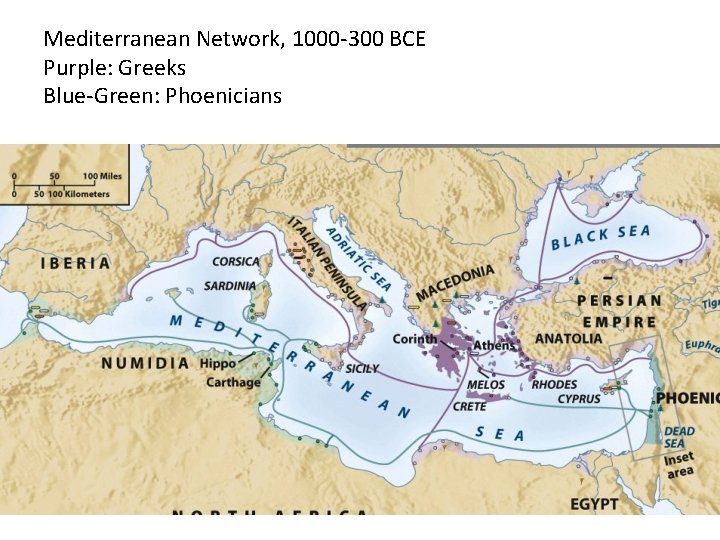
Mediterranean Network, 1000 -300 BCE Purple: Greeks Blue-Green: Phoenicians
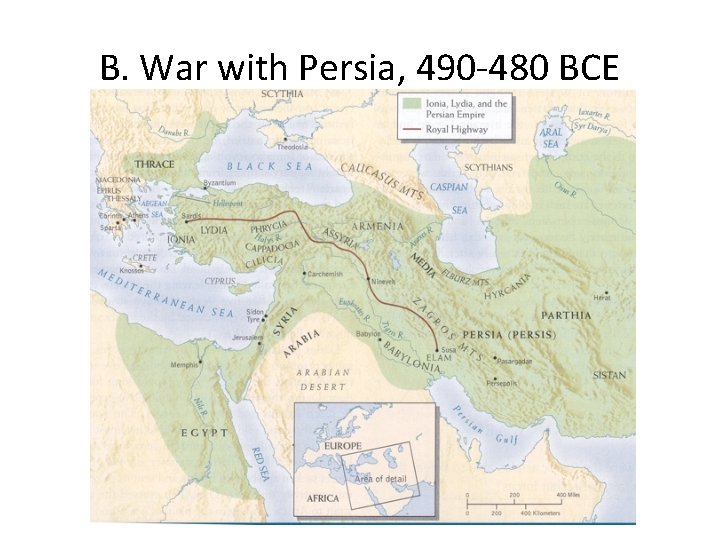
B. War with Persia, 490 -480 BCE
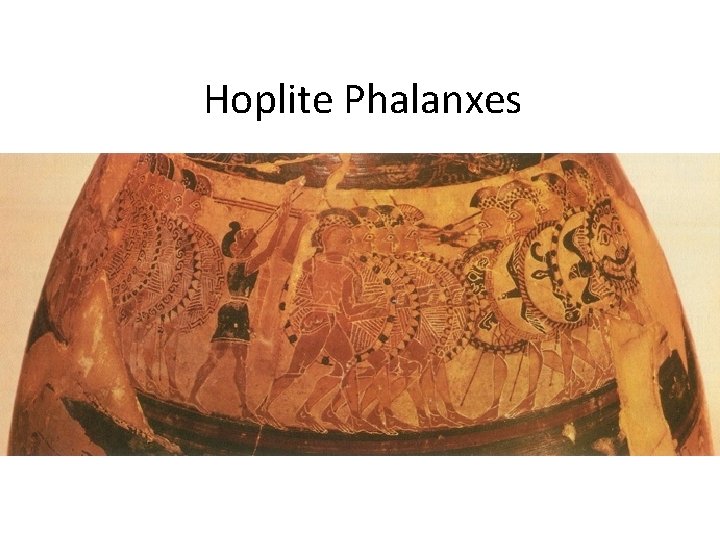
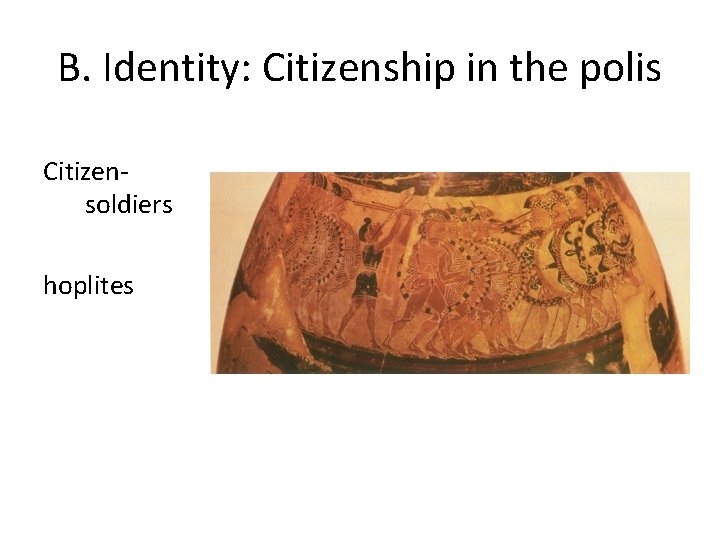
Hoplite Phalanxes
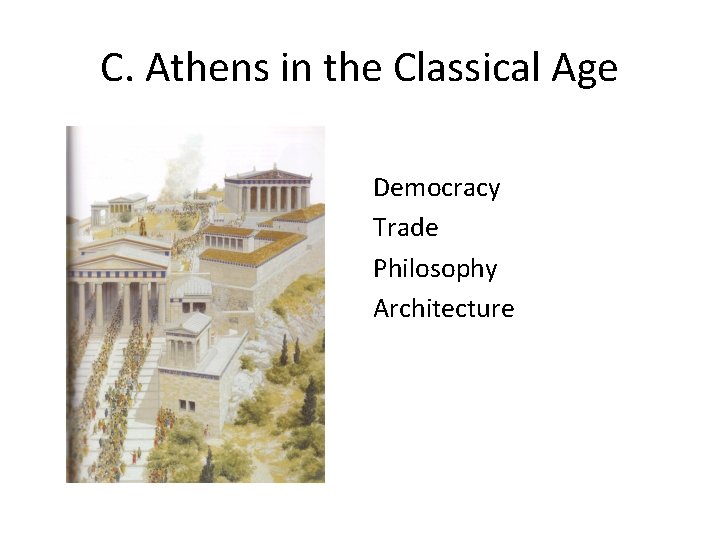
C. Athens in the Classical Age Democracy Trade Philosophy Architecture
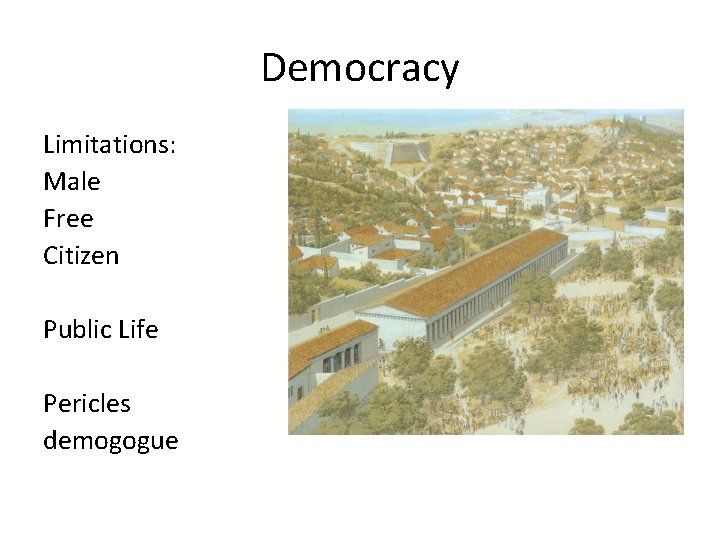
Democracy Limitations: Male Free Citizen Public Life Pericles demogogue
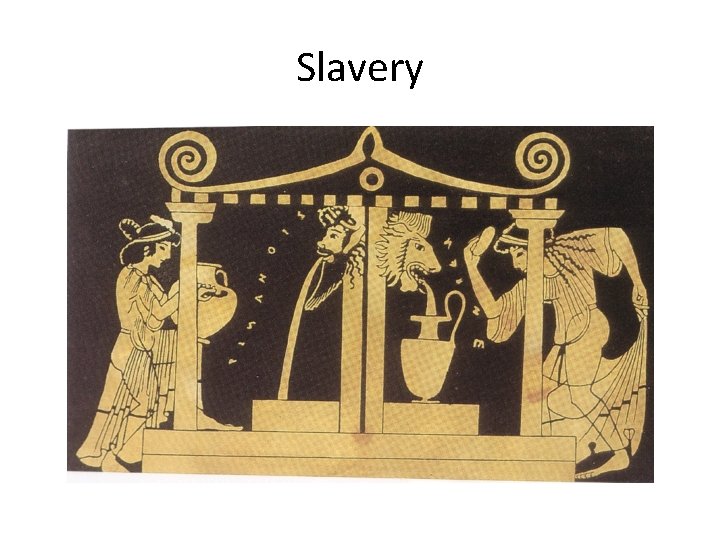
Slavery
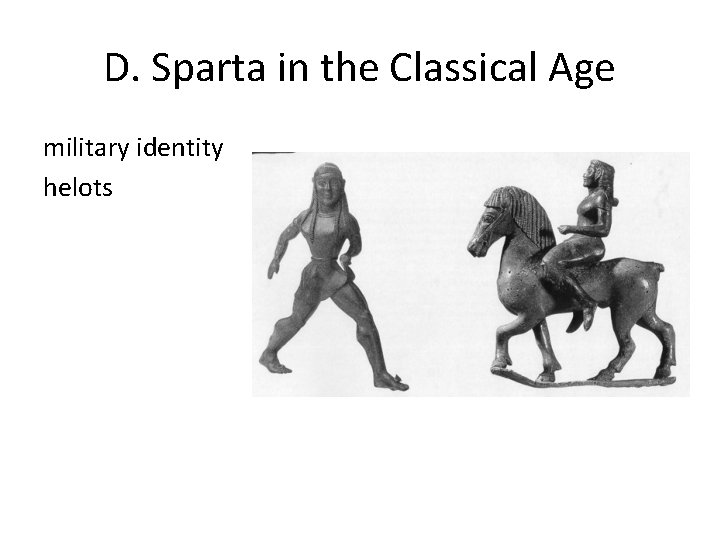
D. Sparta in the Classical Age military identity helots
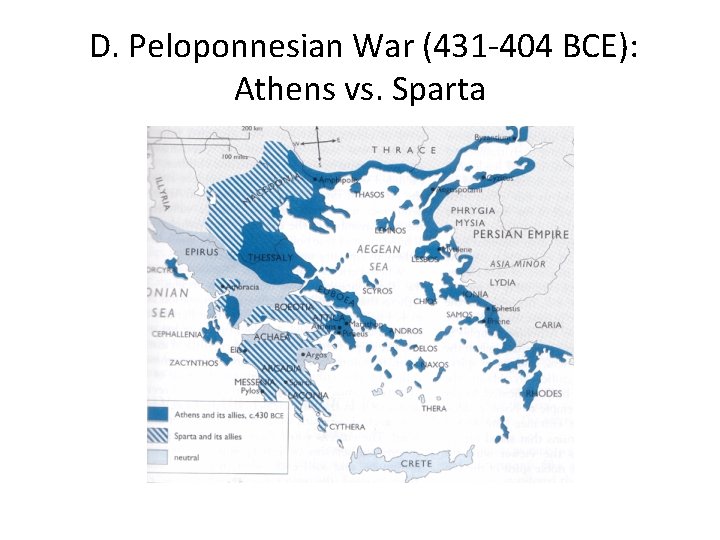
D. Peloponnesian War (431 -404 BCE): Athens vs. Sparta
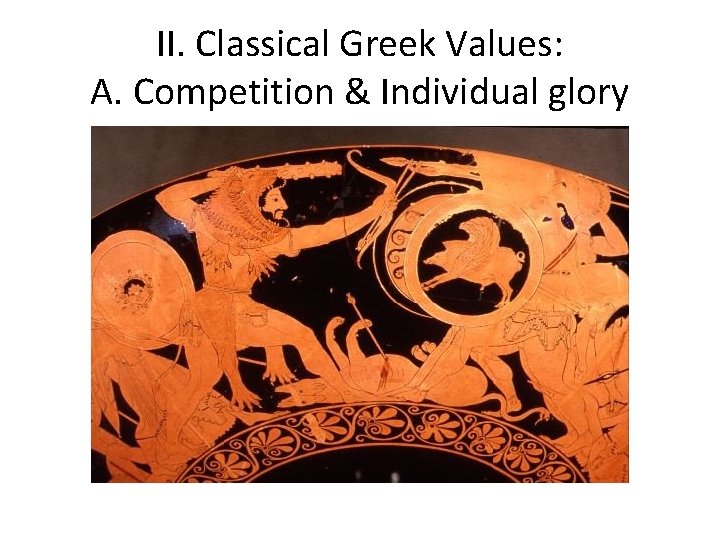
II. Classical Greek Values: A. Competition & Individual glory
B. Identity: Citizenship in the polis Citizensoldiers hoplites
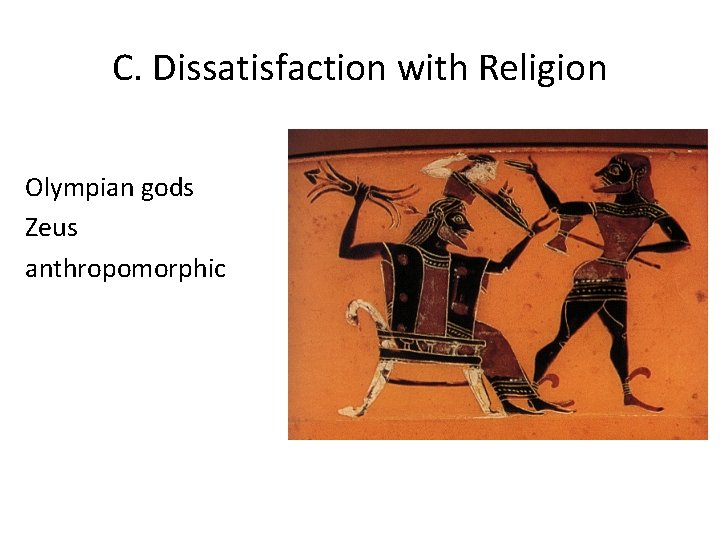
C. Dissatisfaction with Religion Olympian gods Zeus anthropomorphic
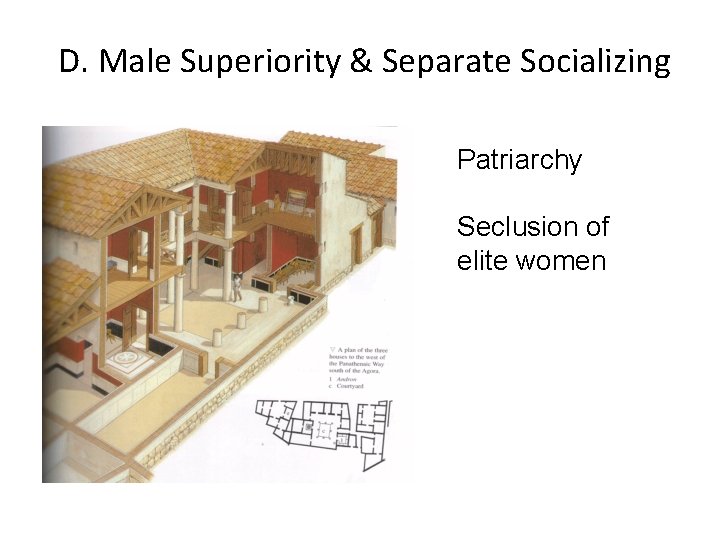
D. Male Superiority & Separate Socializing Patriarchy Seclusion of elite women
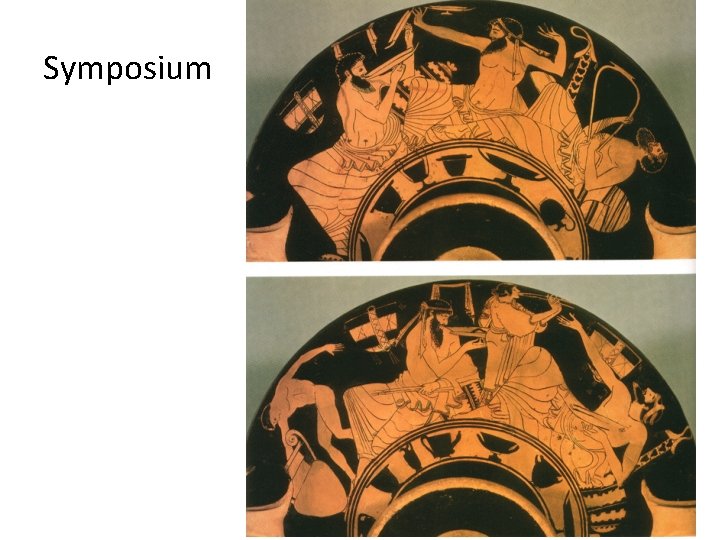
Symposium
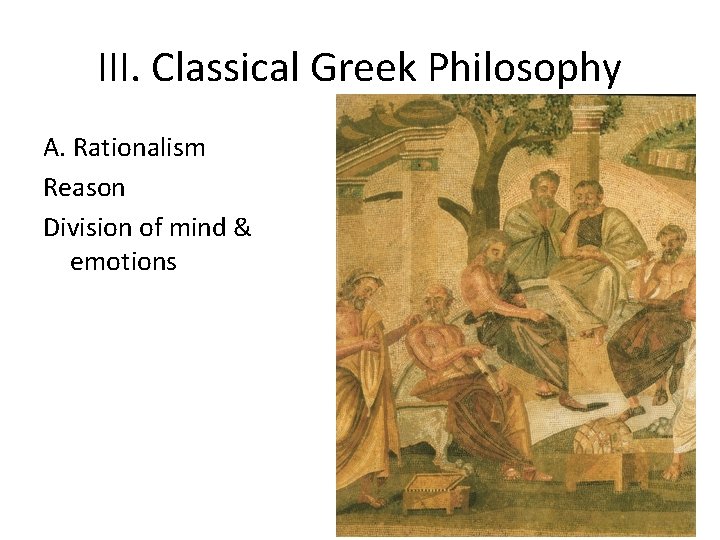
III. Classical Greek Philosophy A. Rationalism Reason Division of mind & emotions
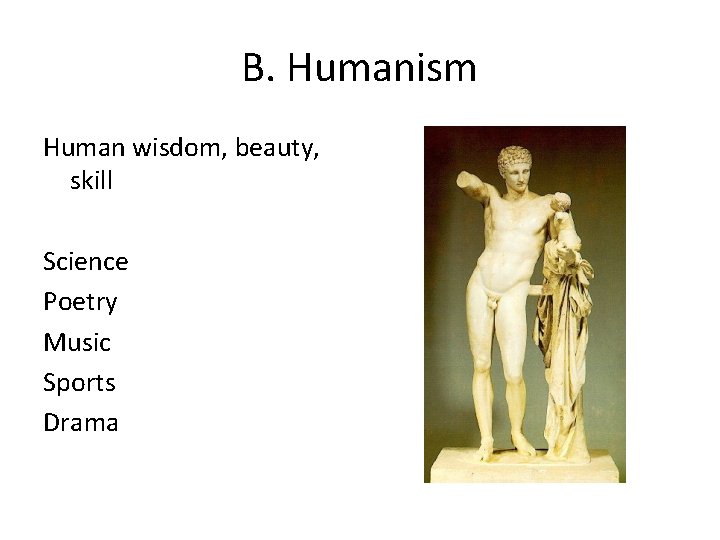
B. Humanism Human wisdom, beauty, skill Science Poetry Music Sports Drama
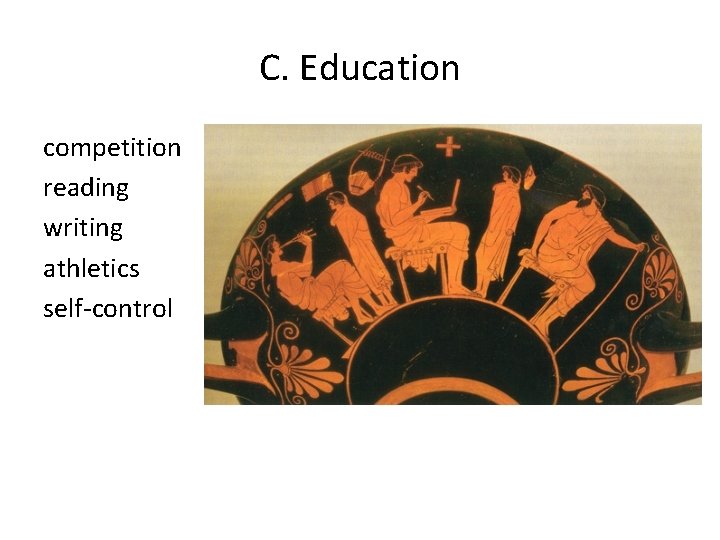
C. Education competition reading writing athletics self-control
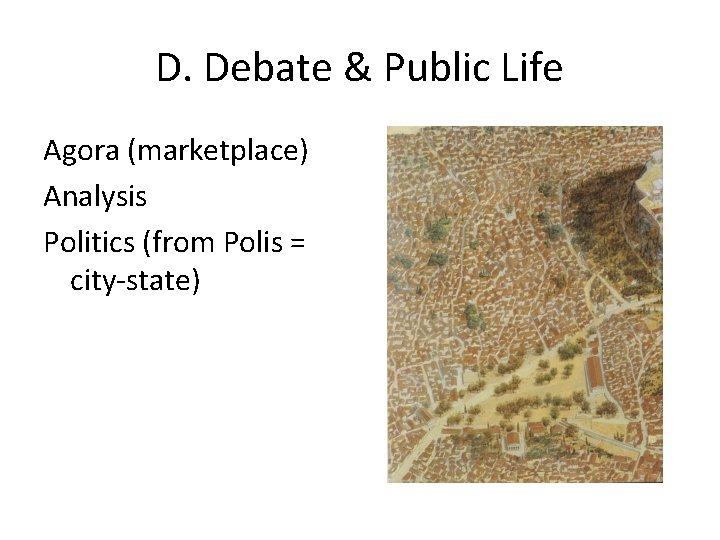
D. Debate & Public Life Agora (marketplace) Analysis Politics (from Polis = city-state)
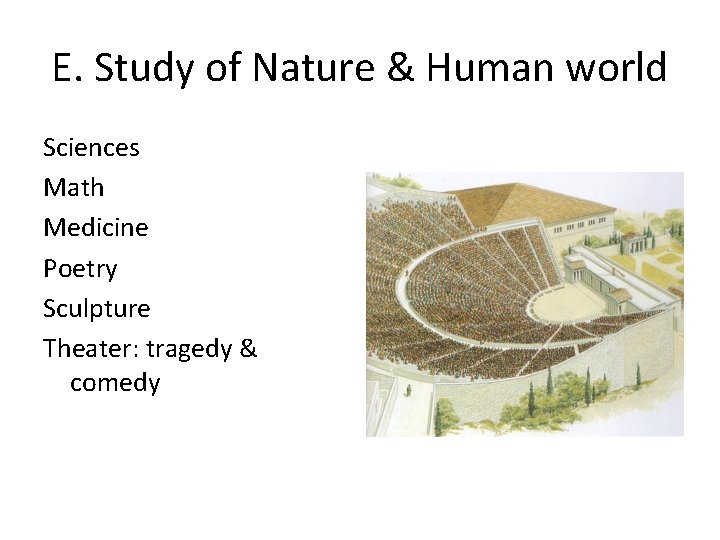
E. Study of Nature & Human world Sciences Math Medicine Poetry Sculpture Theater: tragedy & comedy
Argument The emphasis on humanism & rationalism in Classical Greek philosophy reflects the value classical Greeks gave to individual glory and competition. Even though it was balanced by identity as citizens in a polis, that value on glory and competition destroyed classical Greek society.