
Greek Athletics in Everyday Life Athlos Competition for

- Slides: 33
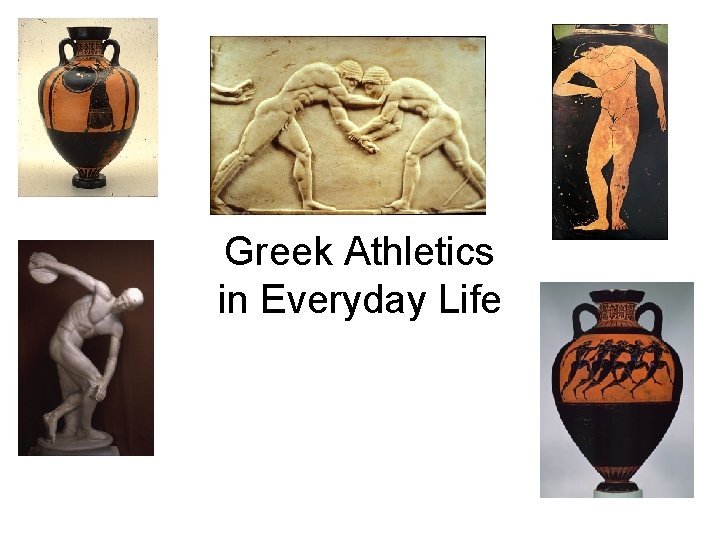
Greek Athletics in Everyday Life
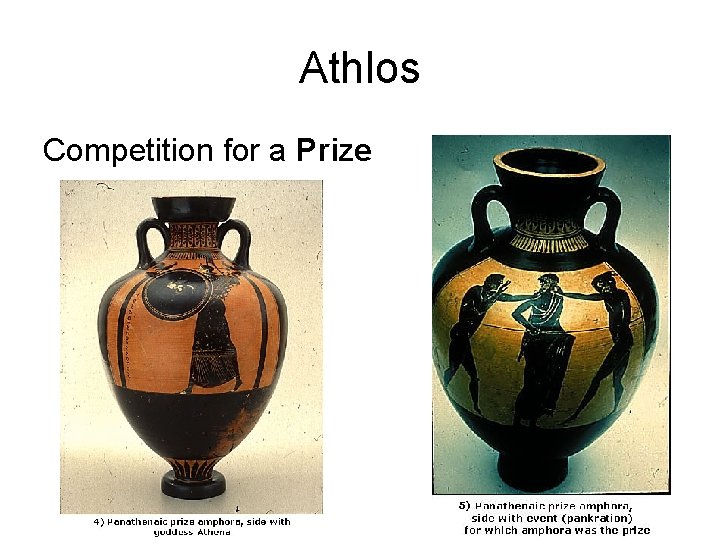
Athlos Competition for a Prize
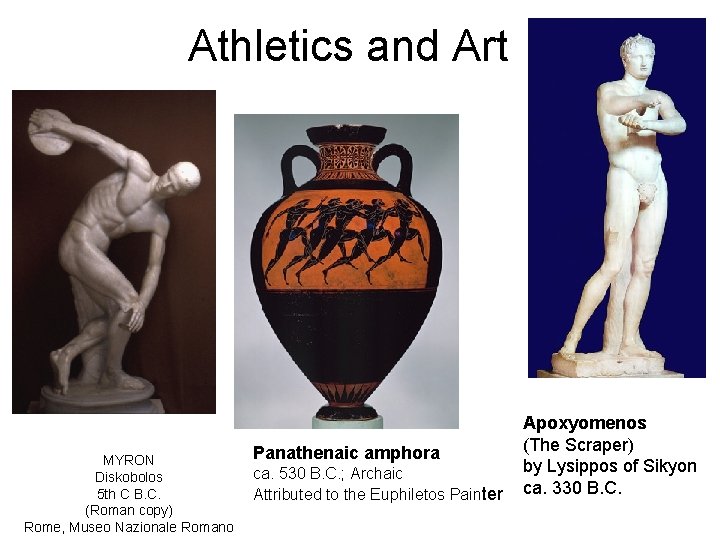
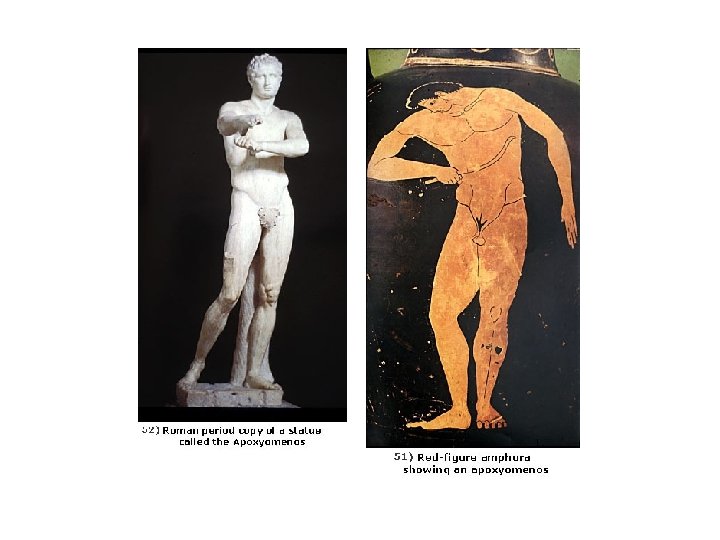
Athletics and Art MYRON Diskobolos 5 th C B. C. (Roman copy) Rome, Museo Nazionale Romano Panathenaic amphora ca. 530 B. C. ; Archaic Attributed to the Euphiletos Painter Apoxyomenos (The Scraper) by Lysippos of Sikyon ca. 330 B. C.
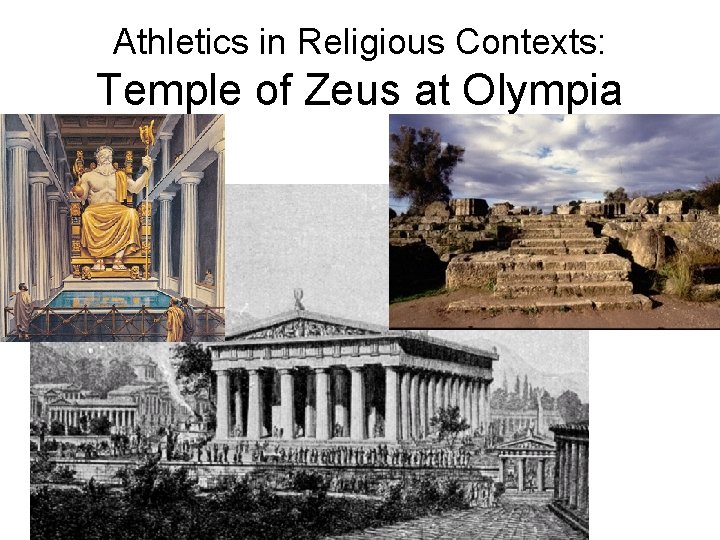
Athletics in Religious Contexts: Temple of Zeus at Olympia
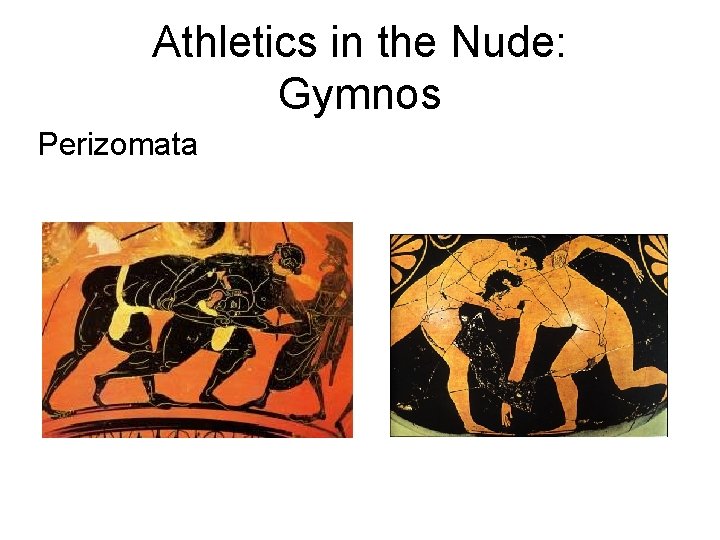
Athletics in the Nude: Gymnos Perizomata
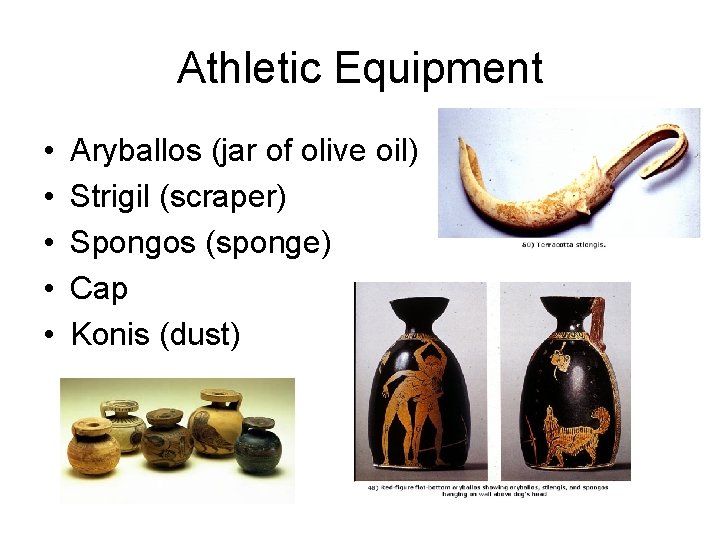
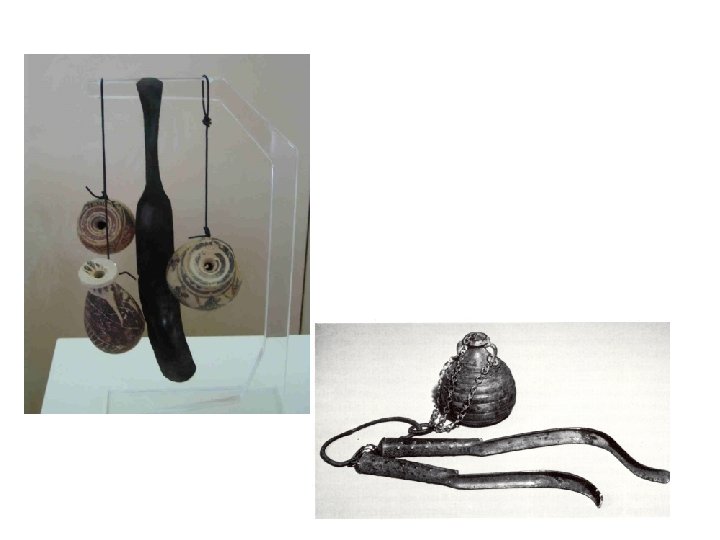
Athletic Equipment • • • Aryballos (jar of olive oil) Strigil (scraper) Spongos (sponge) Cap Konis (dust)
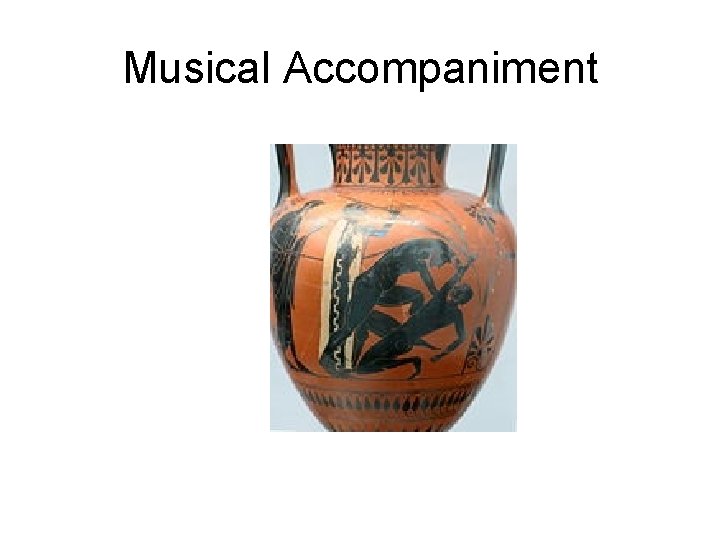
Musical Accompaniment
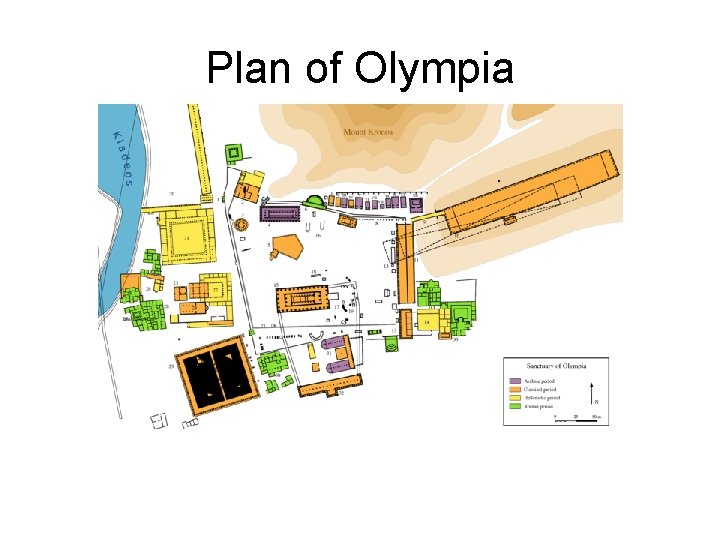
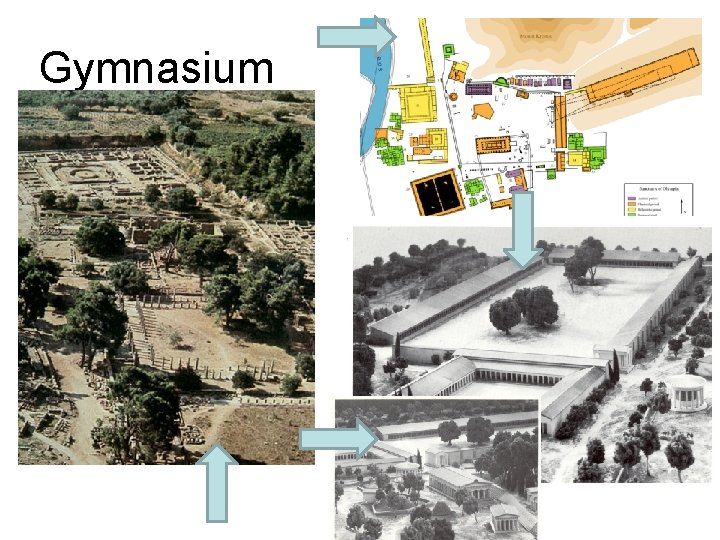
Plan of Olympia
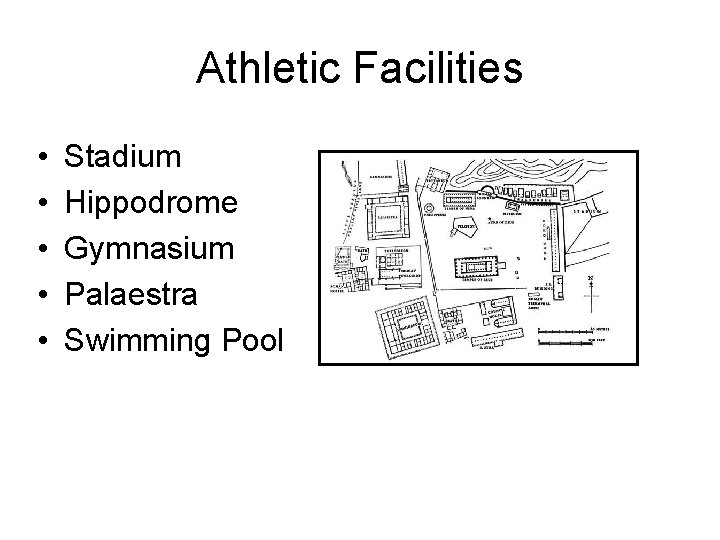
Athletic Facilities • • • Stadium Hippodrome Gymnasium Palaestra Swimming Pool
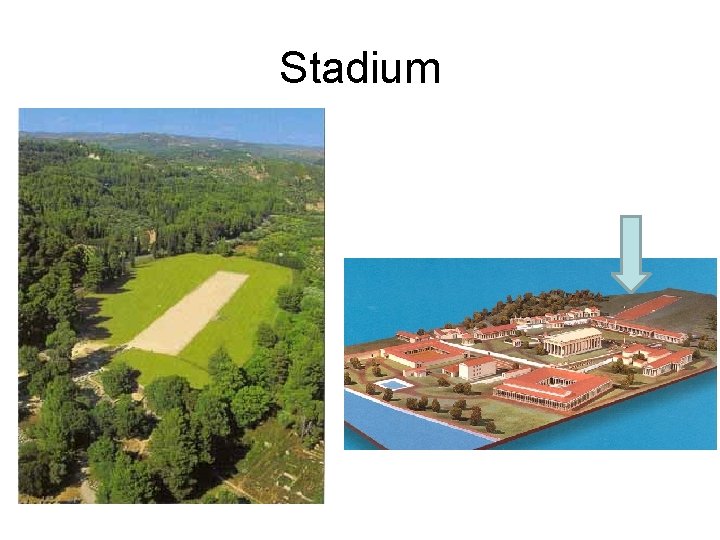
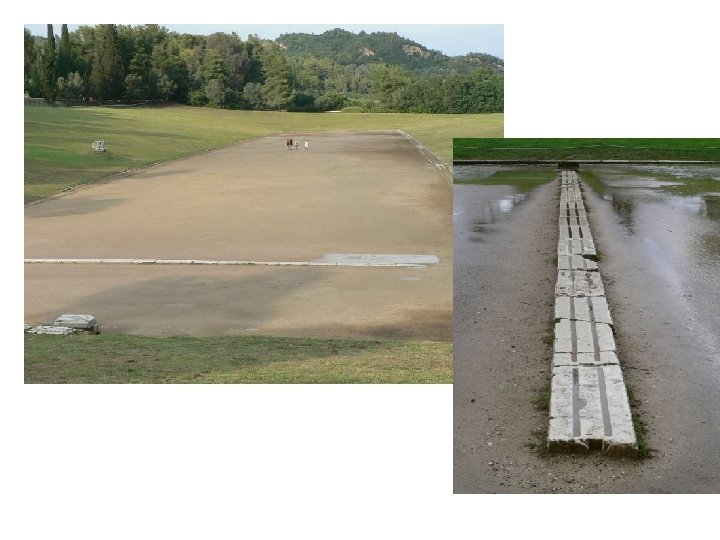
Stadium
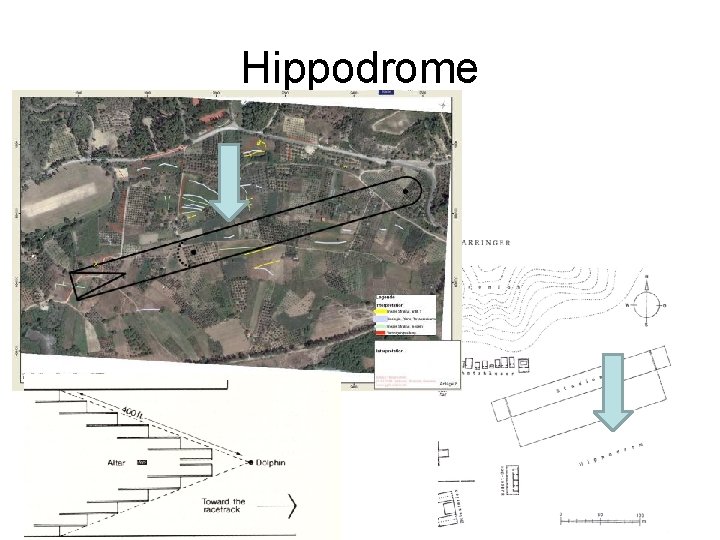
Hippodrome
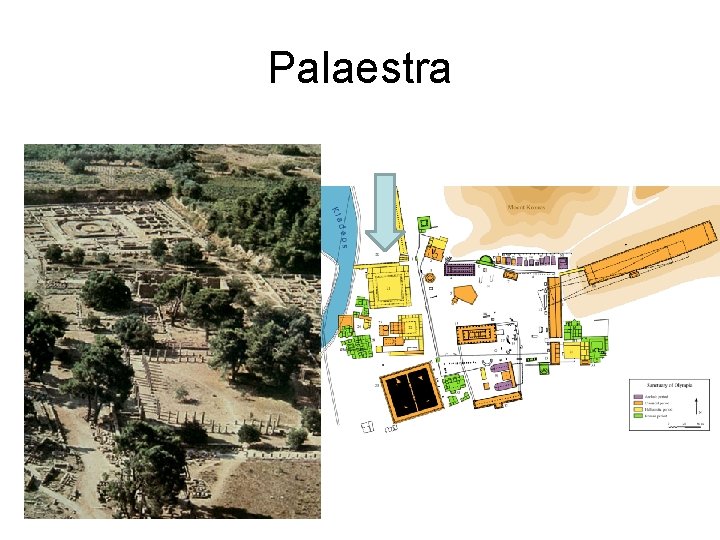
Palaestra
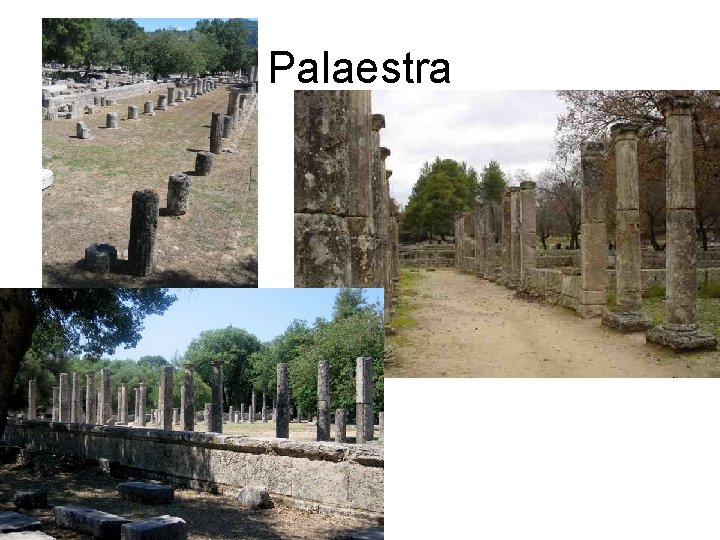
Palaestra
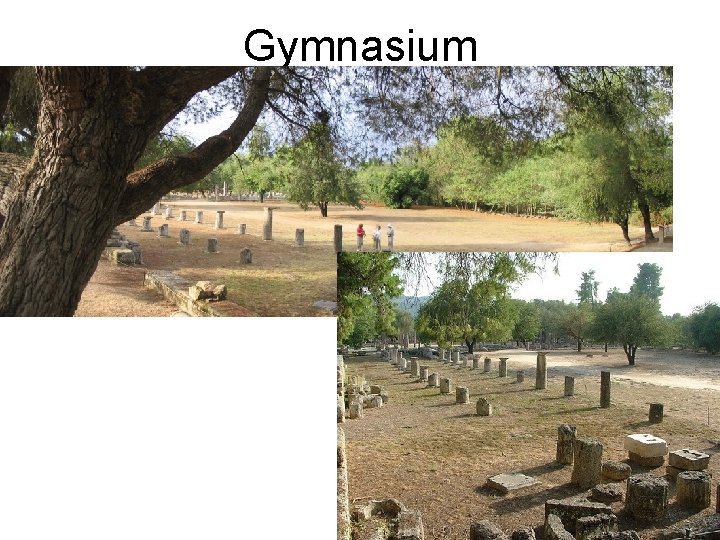
Gymnasium
Gymnasium
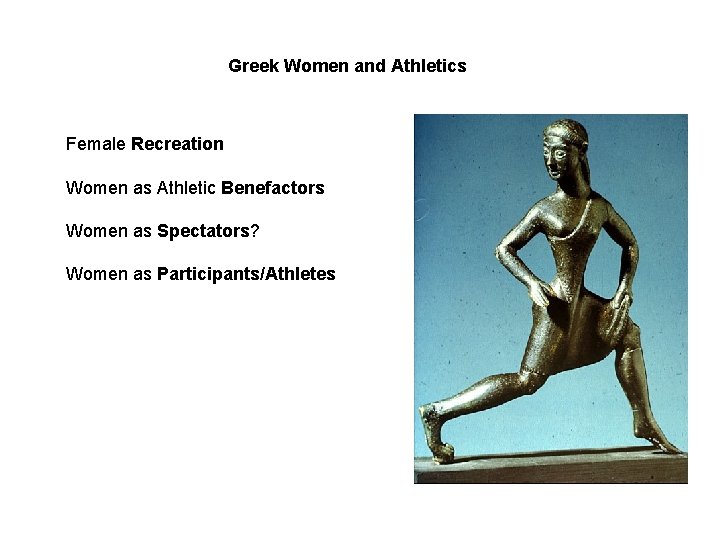
Greek Women and Athletics Female Recreation Women as Athletic Benefactors Women as Spectators? Women as Participants/Athletes
Athenian Attitude toward Women “To a woman not to show more weakness than is natural to her sex is a great glory, and not to be talked about for good or for evil among men. ” From Pericles’ Funeral Oration in Thucydides’ History. II. VI.
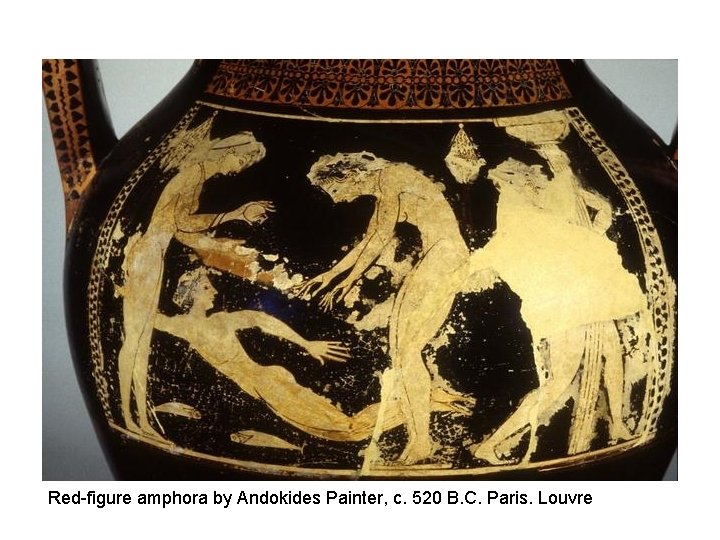
Red-figure amphora by Andokides Painter, c. 520 B. C. Paris. Louvre
Women as Athletic Benefactors: Tatia CIG XVII, 3953 c from Asia Minor (Turkey) The council and the people and the senate honored Tatia, who was the daughter of Glykon, who was the son of Glykon, who twice received the honor of wearing a crown. He was the director of the gymnasium and a priest of Herakles and head of the council. They thought Tatia worthy of this honor because she was a faithful wife, was directress of the gymnasium, and was honorable in all aspects of her life.
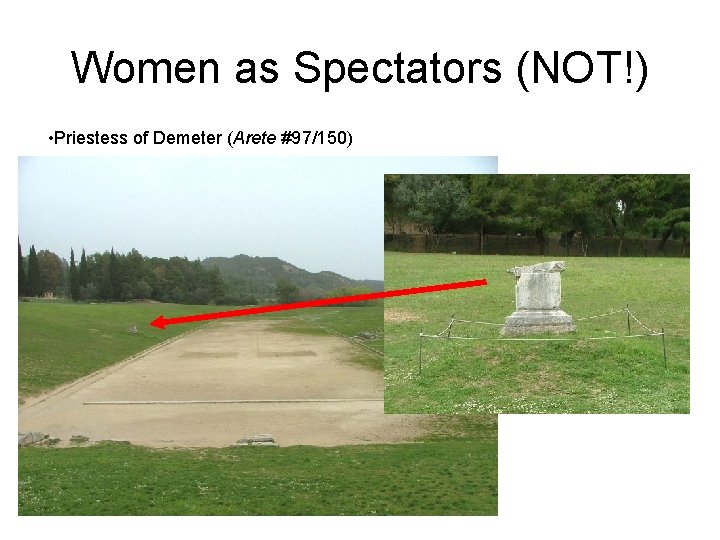
Women as Spectators (NOT!) • Priestess of Demeter (Arete #97/150)
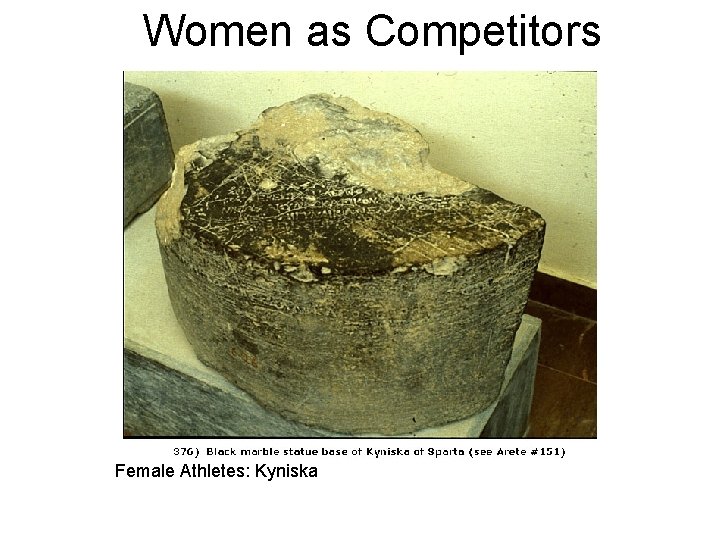
Women as Competitors Female Athletes: Kyniska
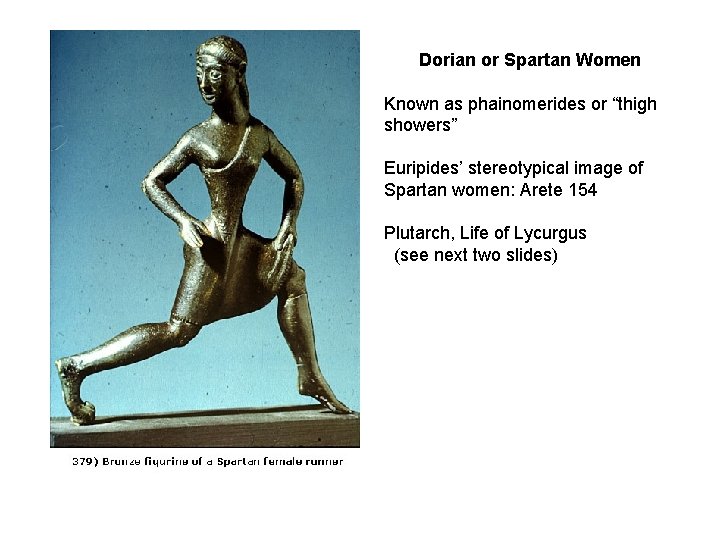
Dorian or Spartan Women Known as phainomerides or “thigh showers” Euripides’ stereotypical image of Spartan women: Arete 154 Plutarch, Life of Lycurgus (see next two slides)
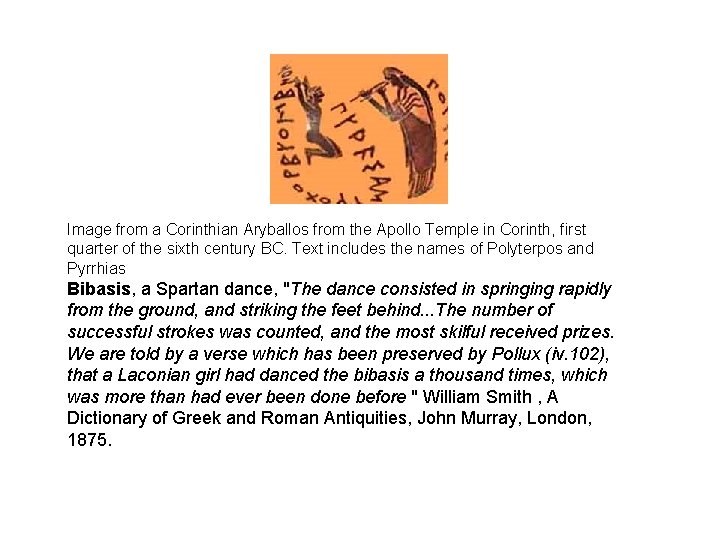
Image from a Corinthian Aryballos from the Apollo Temple in Corinth, first quarter of the sixth century BC. Text includes the names of Polyterpos and Pyrrhias Bibasis, a Spartan dance, "The dance consisted in springing rapidly from the ground, and striking the feet behind. . . The number of successful strokes was counted, and the most skilful received prizes. We are told by a verse which has been preserved by Pollux (iv. 102), that a Laconian girl had danced the bibasis a thousand times, which was more than had ever been done before " William Smith , A Dictionary of Greek and Roman Antiquities, John Murray, London, 1875.
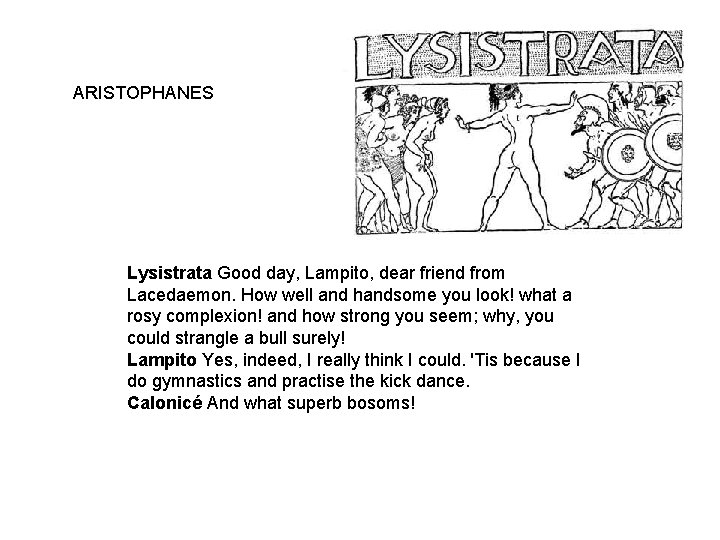
ARISTOPHANES Lysistrata Good day, Lampito, dear friend from Lacedaemon. How well and handsome you look! what a rosy complexion! and how strong you seem; why, you could strangle a bull surely! Lampito Yes, indeed, I really think I could. 'Tis because I do gymnastics and practise the kick dance. Calonicé And what superb bosoms!
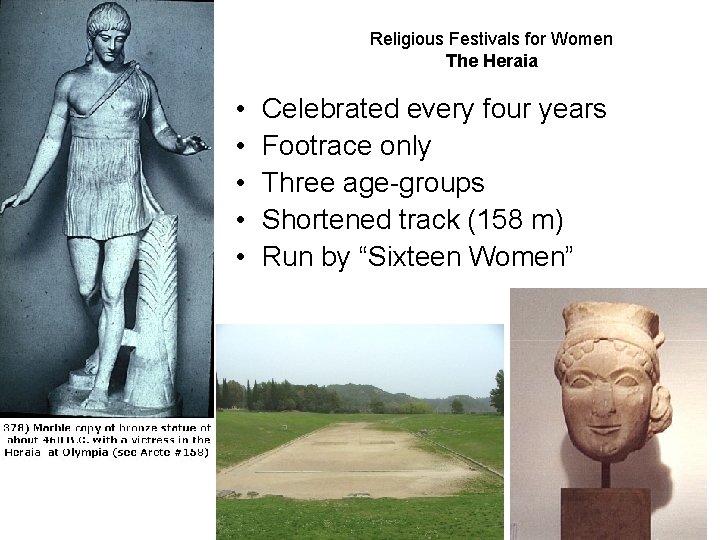
Religious Festivals for Women The Heraia • • • Celebrated every four years Footrace only Three age-groups Shortened track (158 m) Run by “Sixteen Women”
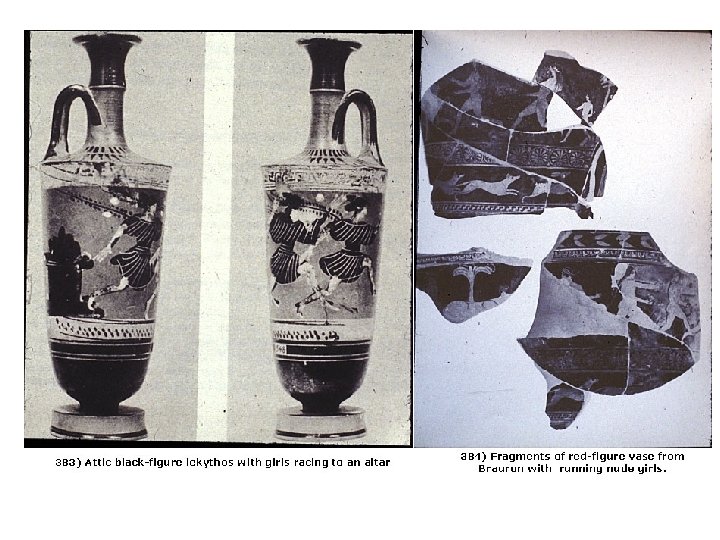
Religious Festivals for Women Sanctuary of Artemis at Brauron in Attica