
Greater Manchester Cancer Treatment Summaries for Urology patients

- Slides: 21
Greater Manchester Cancer Treatment Summaries for Urology patients
It is the active involvement of patients and carers in how cancer services are commissioned, delivered, and evaluated.
Co-production is an equal and reciprocal relationship between a group of professionals and service users who have agreed to work in partnership to achieve a common goal.
People affected by cancer and healthcare professionals will be equal partners in the codesign and improvement of cancer services at Greater Manchester Cancer
The importance of User Involvement • Macmillan have funded the User Involvement programme for 4 yrs • We work within a co-produced UI Framework and principles: • Involve – opportunities, recruit, communicate • Support – staffing, pay expenses, 1: 1 or group support
Culture of User Involvement • That said … we can’t do this alone we need a culture which embraces User Involvement to ensure it becomes a meaningful part of our every day practice.
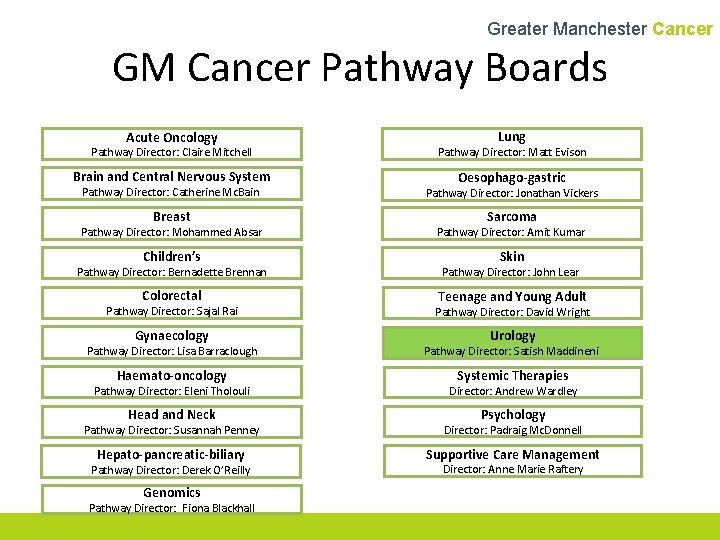
Greater Manchester Cancer GM Cancer Pathway Boards Acute Oncology Lung Pathway Director: Claire Mitchell Pathway Director: Matt Evison Brain and Central Nervous System Oesophago-gastric Pathway Director: Catherine Mc. Bain Breast Pathway Director: Mohammed Absar Children’s Pathway Director: Bernadette Brennan Colorectal Pathway Director: Sajal Rai Gynaecology Pathway Director: Lisa Barraclough Haemato-oncology Pathway Director: Jonathan Vickers Sarcoma Pathway Director: Amit Kumar Skin Pathway Director: John Lear Teenage and Young Adult Pathway Director: David Wright Urology Pathway Director: Satish Maddineni Systemic Therapies Pathway Director: Eleni Tholouli Director: Andrew Wardley Head and Neck Psychology Pathway Director: Susannah Penney Director: Padraig Mc. Donnell Hepato-pancreatic-biliary Supportive Care Management Pathway Director: Derek O’Reilly Genomics Pathway Director: Fiona Blackhall Director: Anne Marie Raftery
Urology Pathway Board
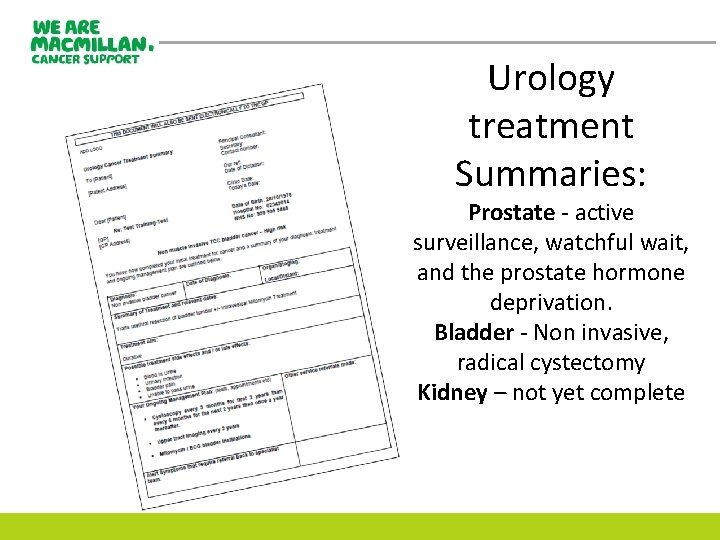
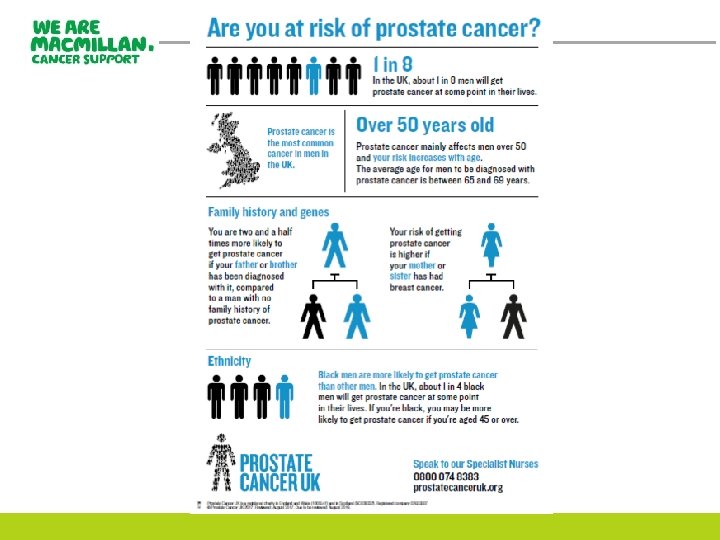
Urology treatment Summaries: Prostate - active surveillance, watchful wait, and the prostate hormone deprivation. Bladder - Non invasive, radical cystectomy Kidney – not yet complete
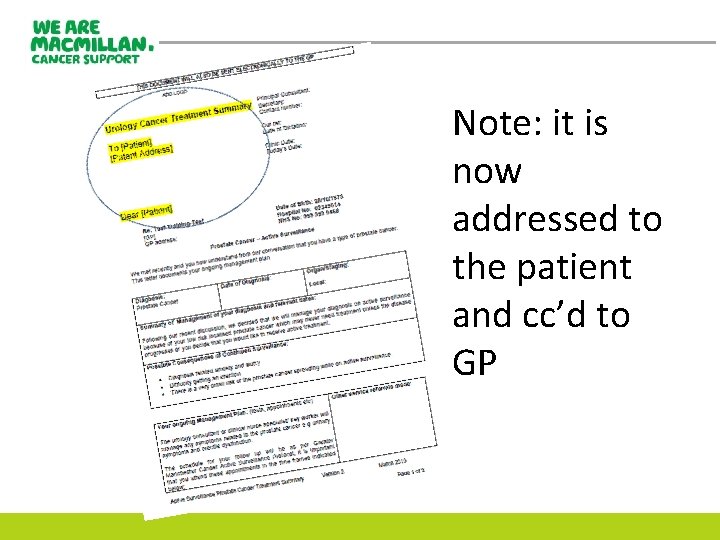
Note: it is now addressed to the patient and cc’d to GP
What does a treatment summary include? • Date and diagnosis • Summary of Management of your diagnosis and relevant dates • Treatment Aim • Possible Consequences of Continued Surveillance • Possible treatment side effects and / or late effects • Your Ongoing Management Plan • Other service referrals • Contacts for re-referrals or queries, incl out of hours for patient and GP • Alert Symptoms • Required GP actions in addition to GP Cancer Care Review
Mike Thorpe
PSA readings • After cancer treatment the PSA number is important, patients are given the responsibility to keep a check on their PSA
Appointments • Appointments for cancer patients in primary care – does your system give priority?
Thank you Any questions?