
Great literature is simply language charged with meaning

- Slides: 68
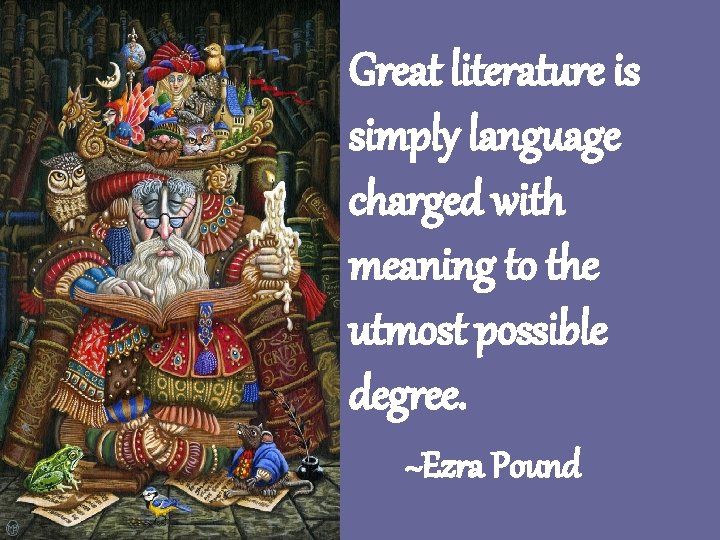
Great literature is simply language charged with meaning to the utmost possible degree. ~Ezra Pound
Analysis & Interpretation
Analysis Literally a “breaking up” or separation of something into its constituent parts
Analysis Steps
Carefully Closely Actively Deliberately
Make careful observation of textual detail.
Break down each part denotatively.
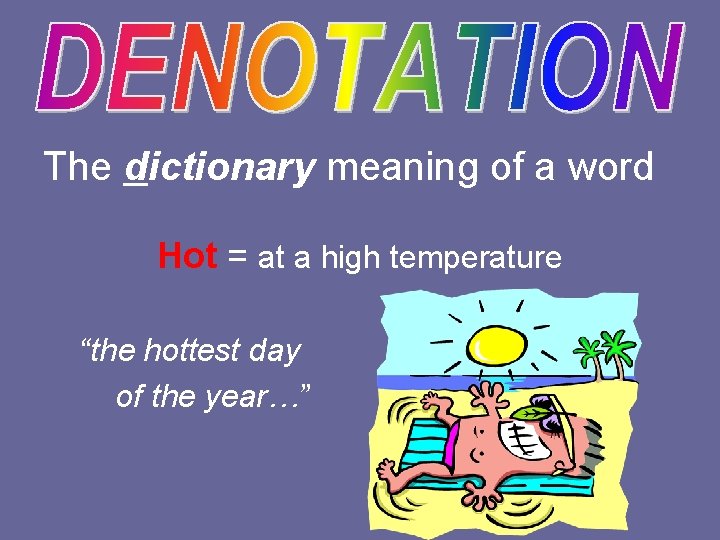
The dictionary meaning of a word Hot = at a high temperature “the hottest day of the year…”
Memory aid: • a short rhyme, phrase, or other mental technique for making information easier to memorize • Both “denotation” and “dictionary” start with a “d. ”
Break down each part connotatively.
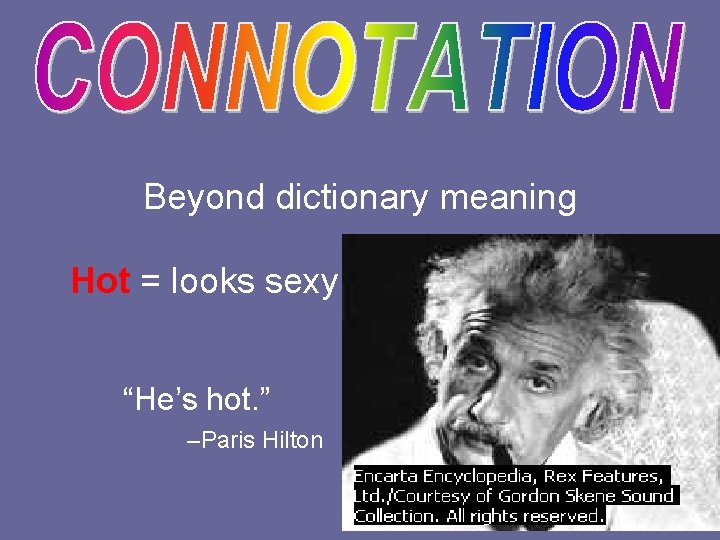
Beyond dictionary meaning Hot = looks sexy “He’s hot. ” –Paris Hilton
• Nonliteral expression or use of language in order to achieve a particular effect. CONNOTATIVE rather than DENOTATIVE meaning
Look for figures of speech such as: Symbols Allusions Similes Metaphors
A symbol is a person, place, or thing that represents something else.
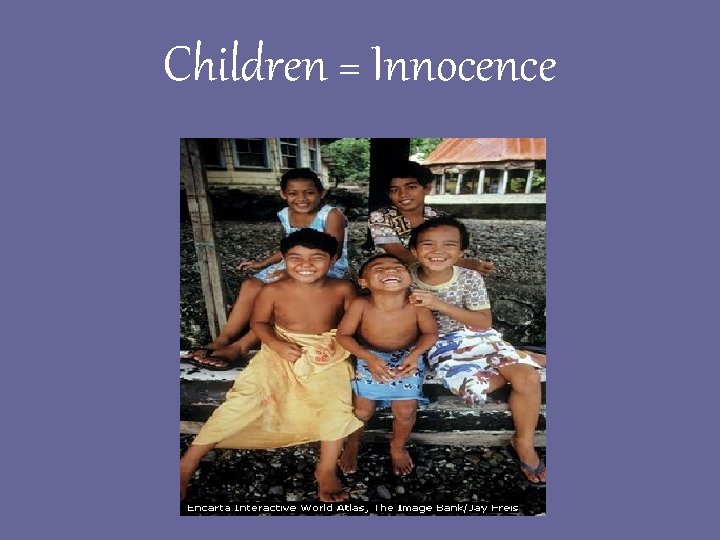
Children = Innocence
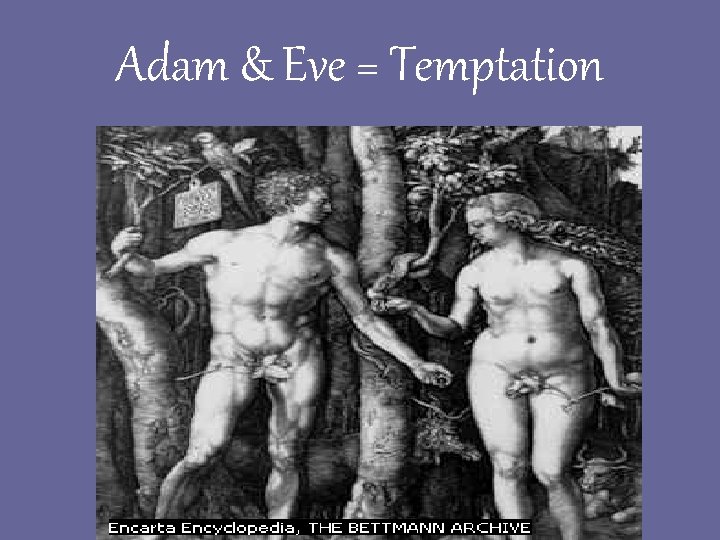
Adam & Eve = Temptation
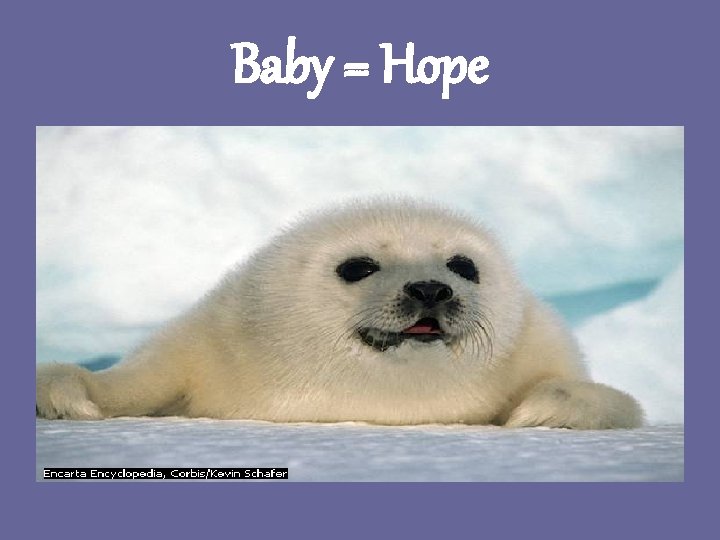
Baby = Hope
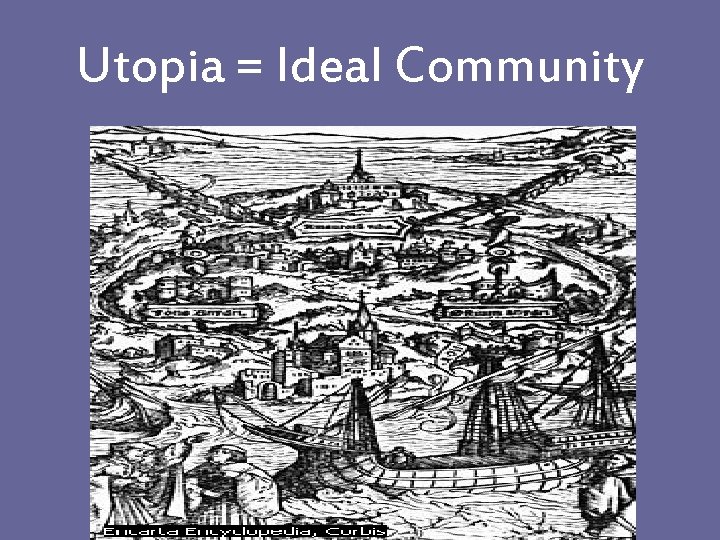
Utopia = Ideal Community
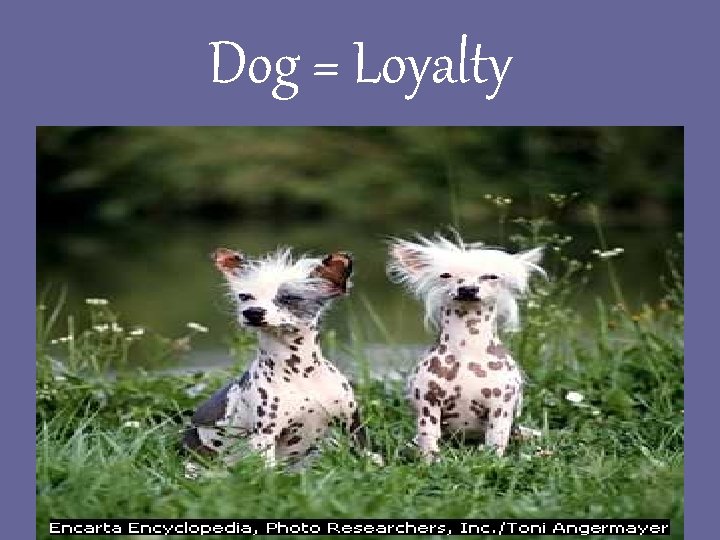
Dog = Loyalty
Dove = Peace
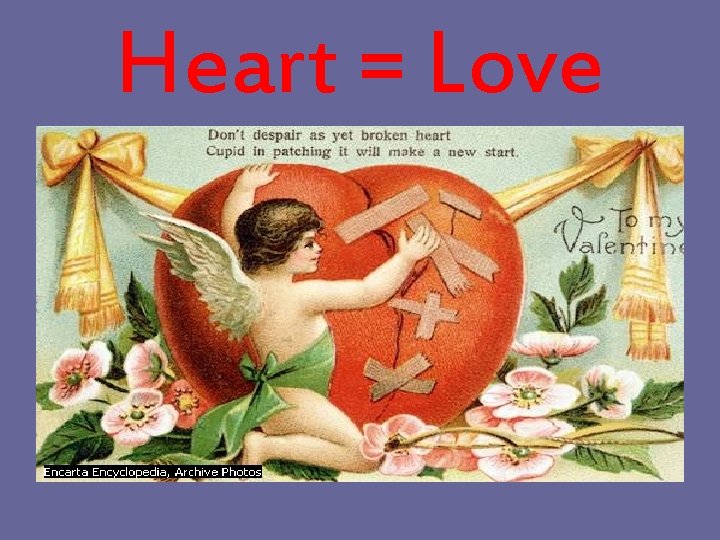
Heart = Love
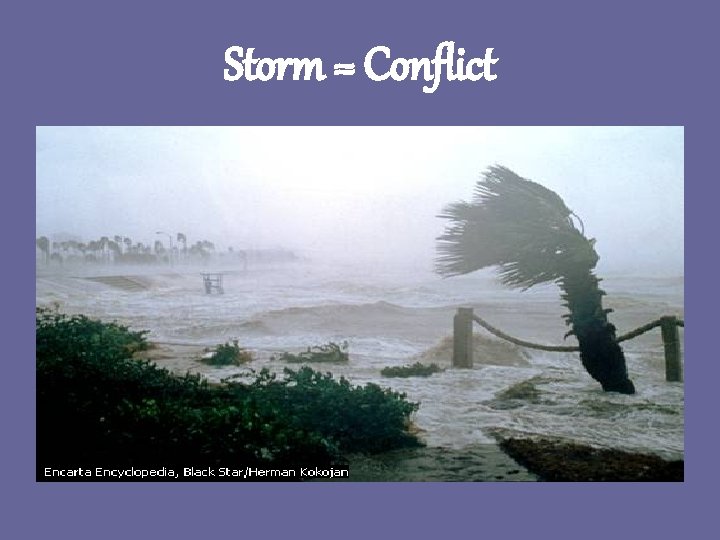
Storm = Conflict
Reference • to an historical event • to a mythical or literary figure
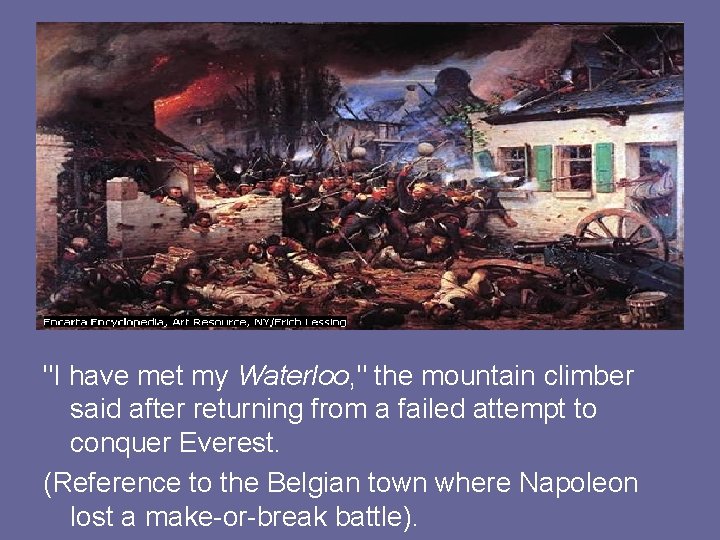
"I have met my Waterloo, " the mountain climber said after returning from a failed attempt to conquer Everest. (Reference to the Belgian town where Napoleon lost a make-or-break battle).
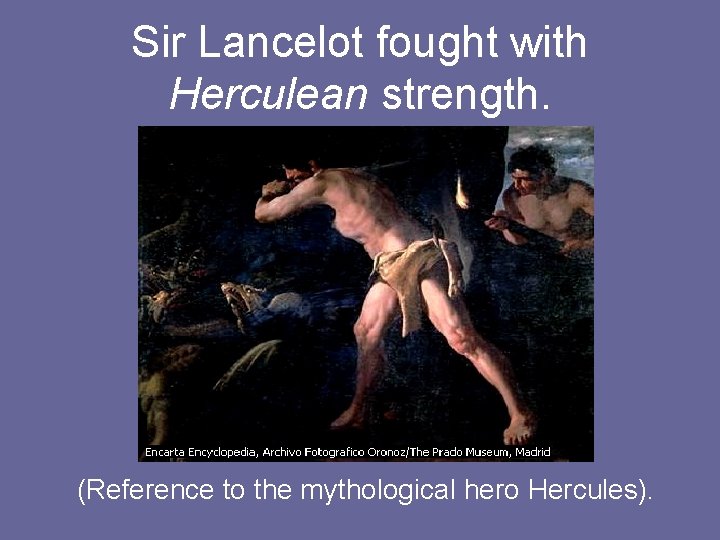
Sir Lancelot fought with Herculean strength. (Reference to the mythological hero Hercules).
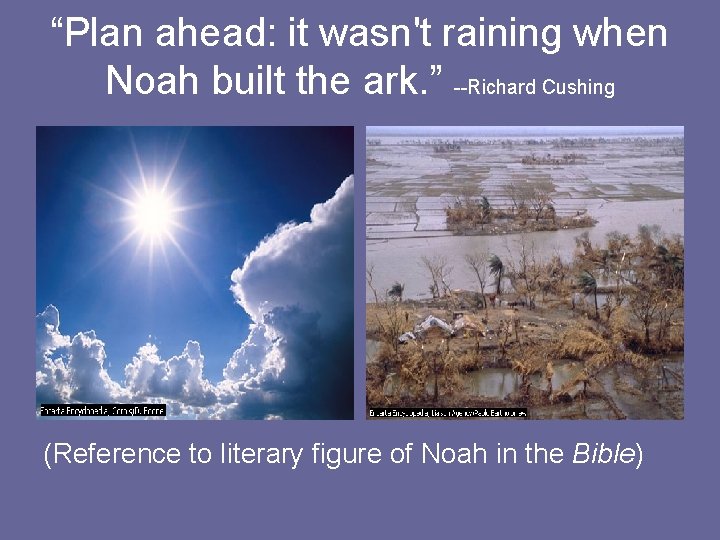
“Plan ahead: it wasn't raining when Noah built the ark. ” --Richard Cushing (Reference to literary figure of Noah in the Bible)
Comparing one thing to an unlike thing by using like, as, or than.
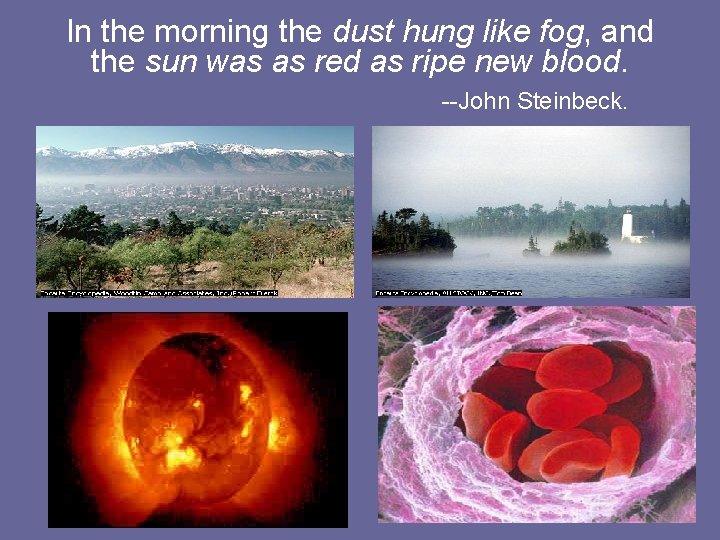
In the morning the dust hung like fog, and the sun was as red as ripe new blood. --John Steinbeck.
Comparing one thing to an unlike thing without using like, as, or than.
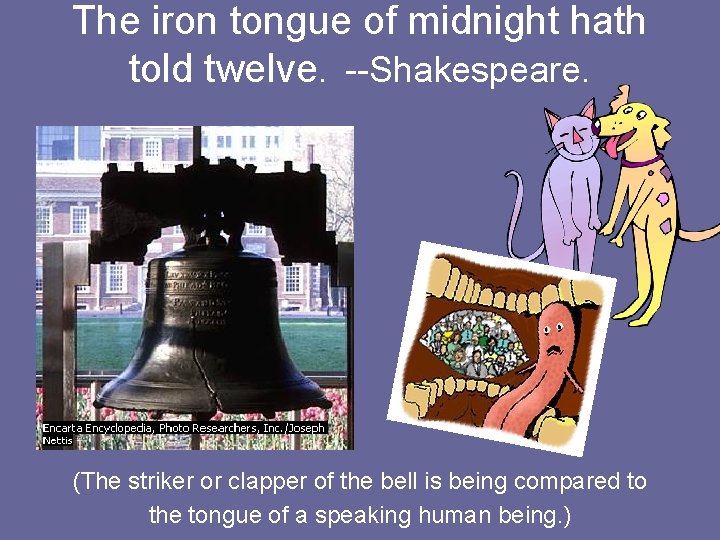
The iron tongue of midnight hath told twelve. --Shakespeare. (The striker or clapper of the bell is being compared to the tongue of a speaking human being. )
Interpretation Steps
interpretation s the establishment of meaning s an explanation s the meaning or significance of something
Establish connections among observations. (Determine how each part relates to one another. )
Draw from those connections a series of inferences (conclusions, implications) leading to a interpretive conclusion about the work’s meaning (theme) and value.
Determine message regarding text itself
Determine meaning (THEME)
• Main idea of a literary work; thesis • Abstracted from its details of language, character, and action • Cast in the form of a generalization
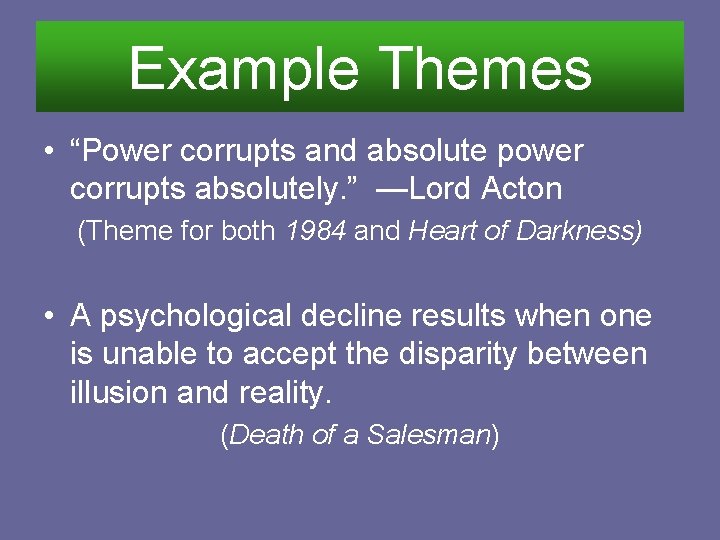
Example Themes • “Power corrupts and absolute power corrupts absolutely. ” —Lord Acton (Theme for both 1984 and Heart of Darkness) • A psychological decline results when one is unable to accept the disparity between illusion and reality. (Death of a Salesman)
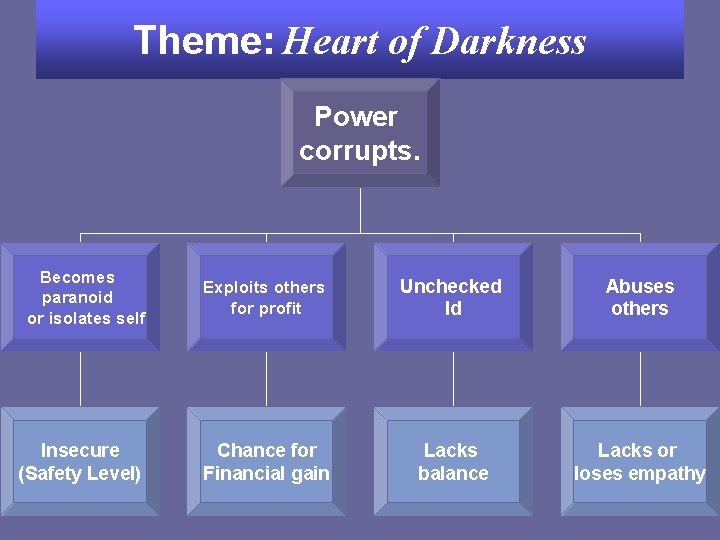
Theme: Heart of Darkness Power corrupts. Becomes paranoid or isolates self Exploits others for profit Unchecked Id Abuses others Insecure (Safety Level) Chance for Financial gain Lacks balance Lacks or loses empathy
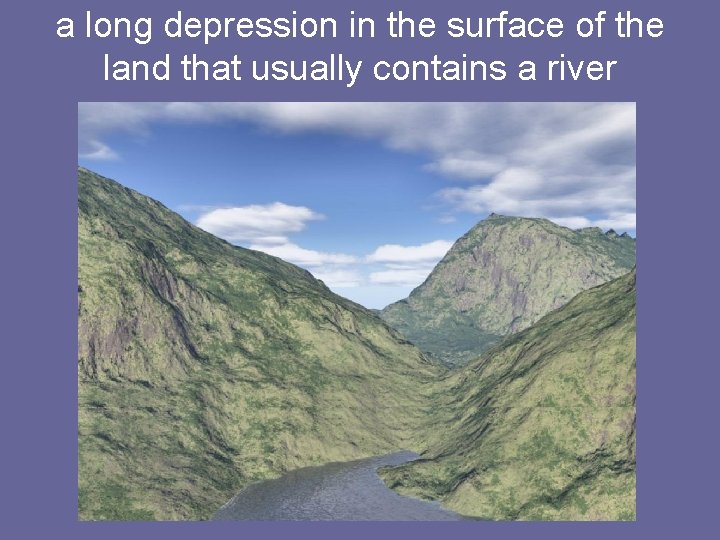
Denotative Meaning: Valley
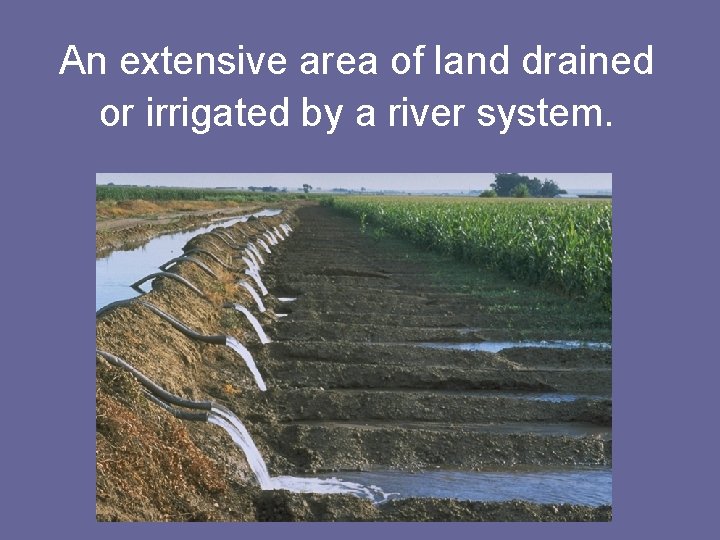
An extensive area of land drained or irrigated by a river system.
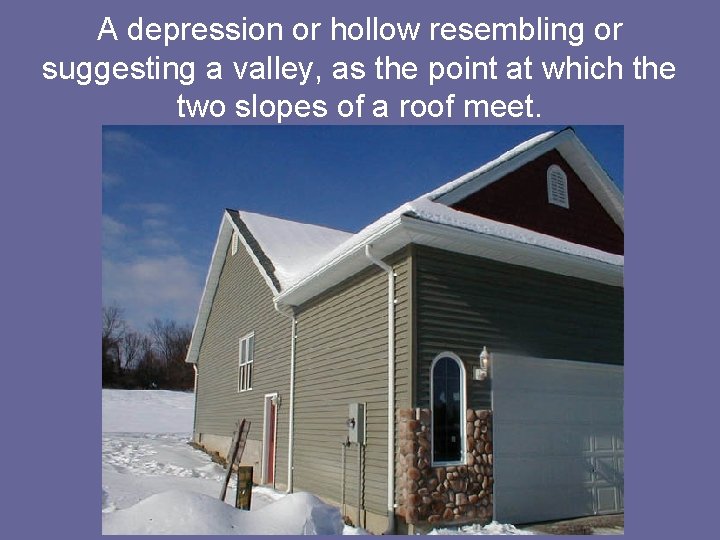
A depression or hollow resembling or suggesting a valley, as the point at which the two slopes of a roof meet.
a long depression in the surface of the land that usually contains a river
Denotative Meaning: Ashes
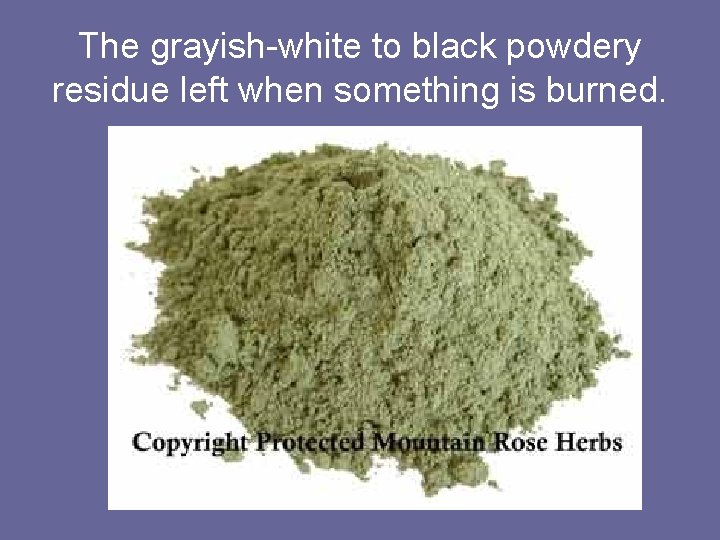
The grayish-white to black powdery residue left when something is burned.
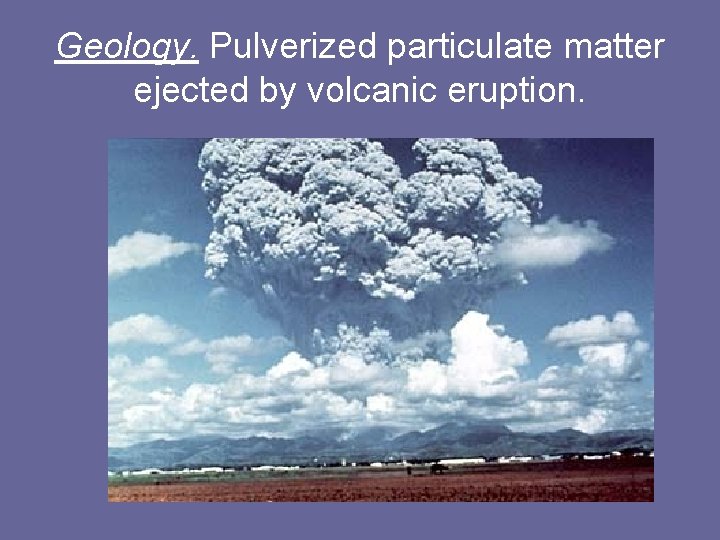
Geology. Pulverized particulate matter ejected by volcanic eruption.
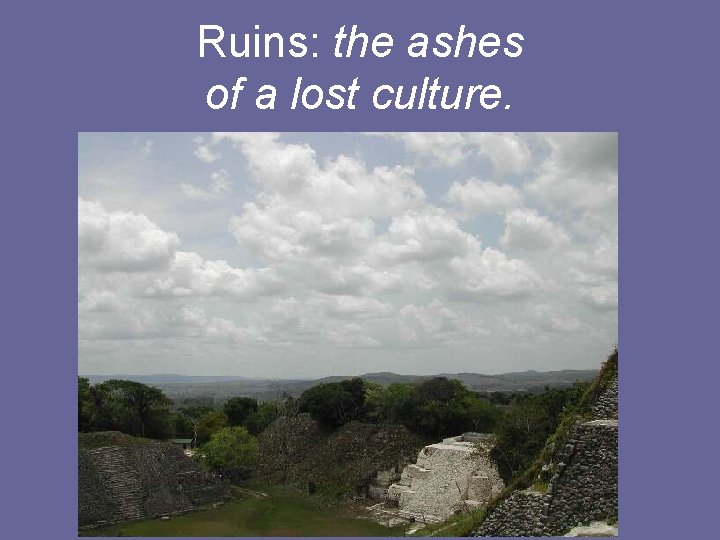
Ruins: the ashes of a lost culture.
Bodily remains, especially after cremation or decay.
Determine which meaning most appropriately fits the text and the author’s attitude.
• A depression or hollow resembling or suggesting a valley, as the point at which the two slopes of a roof meet. • A long depression in the surface of the land that usually contains a river
• Ruins: the ashes of a lost culture. • Bodily remains, especially after cremation or decay.
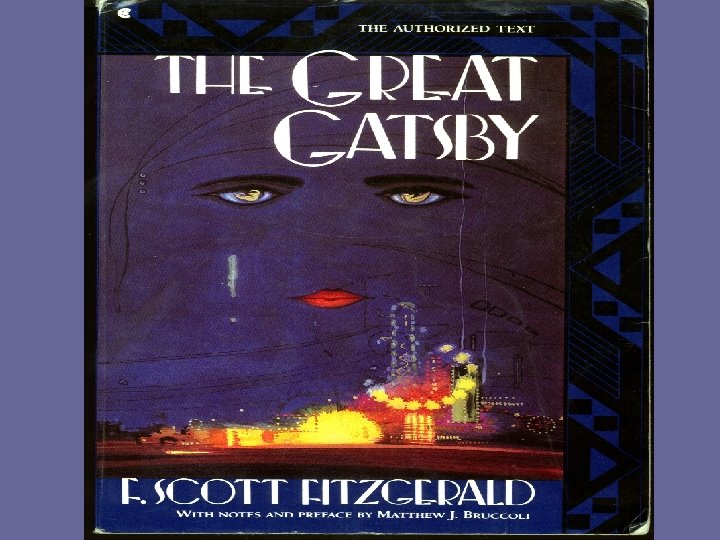
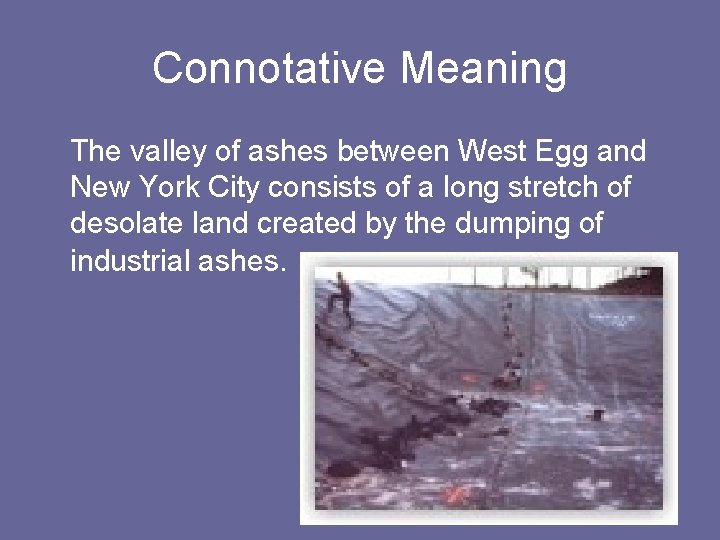
Connotative Meaning The valley of ashes between West Egg and New York City consists of a long stretch of desolate land created by the dumping of industrial ashes.
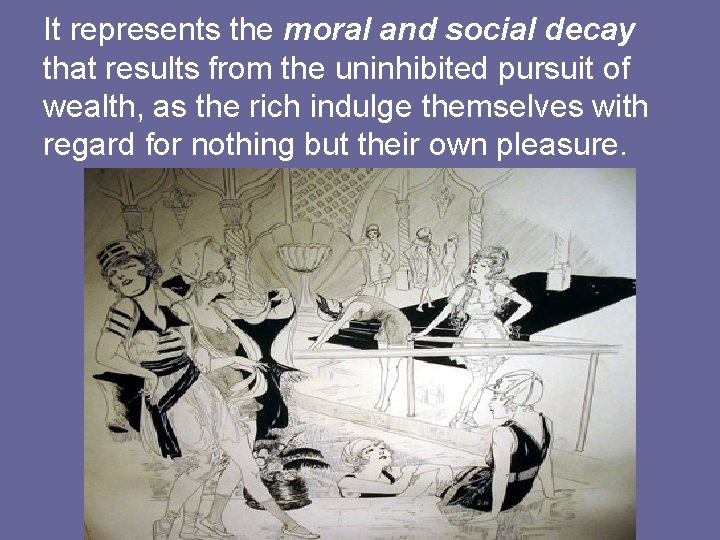
It represents the moral and social decay that results from the uninhibited pursuit of wealth, as the rich indulge themselves with regard for nothing but their own pleasure.
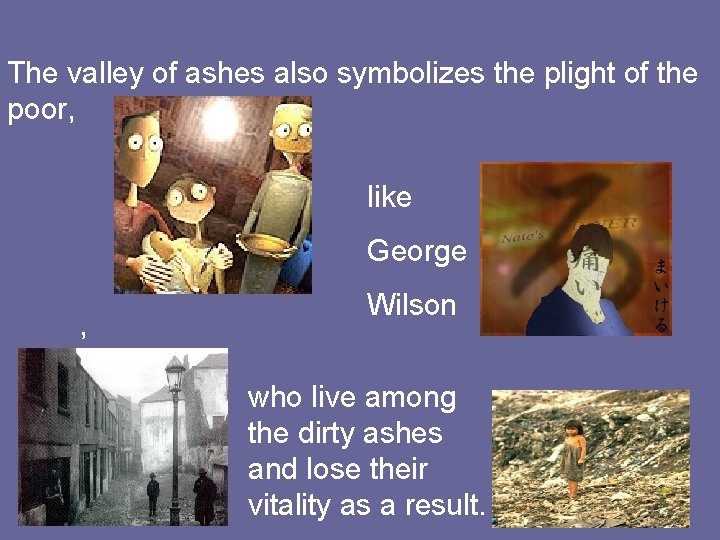
The valley of ashes also symbolizes the plight of the poor, like George , Wilson who live among the dirty ashes and lose their vitality as a result.
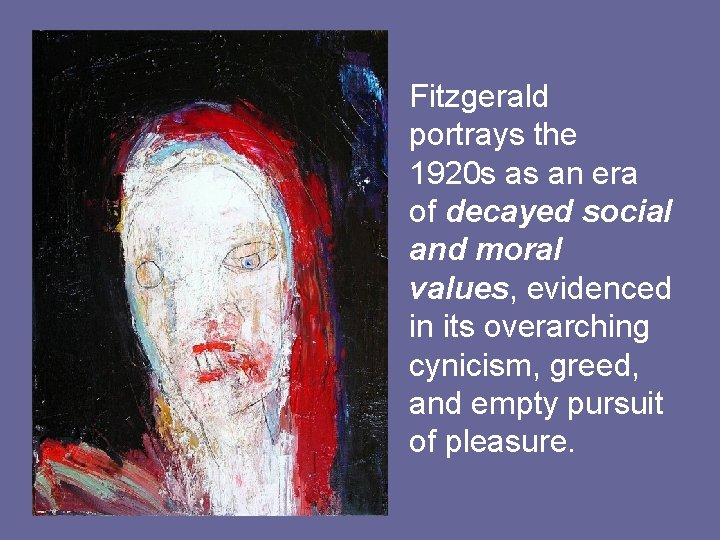
Fitzgerald portrays the 1920 s as an era of decayed social and moral values, evidenced in its overarching cynicism, greed, and empty pursuit of pleasure.
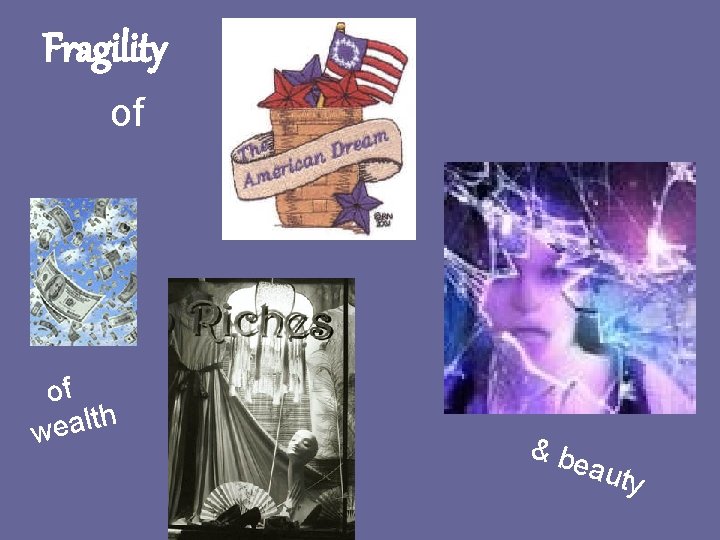
Fragility of of h t l a e w & be auty
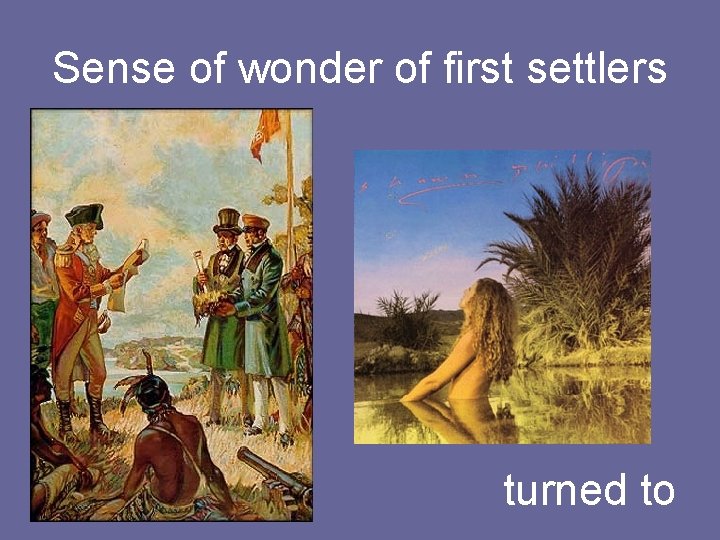
Sense of wonder of first settlers turned to
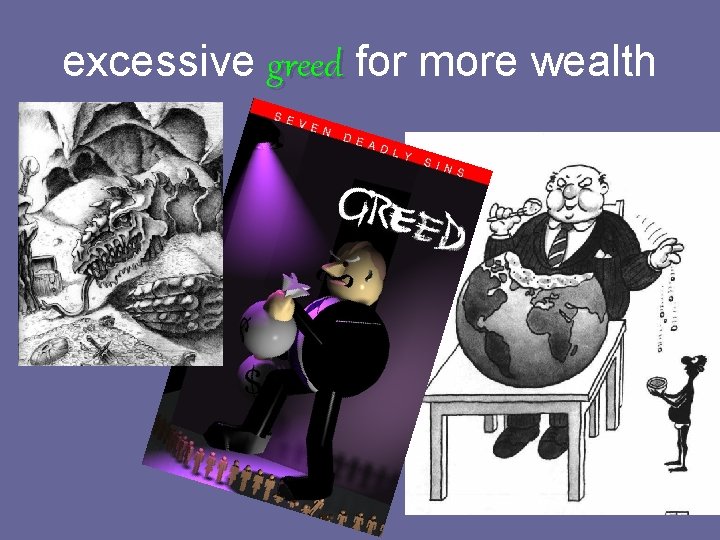
excessive greed for more wealth
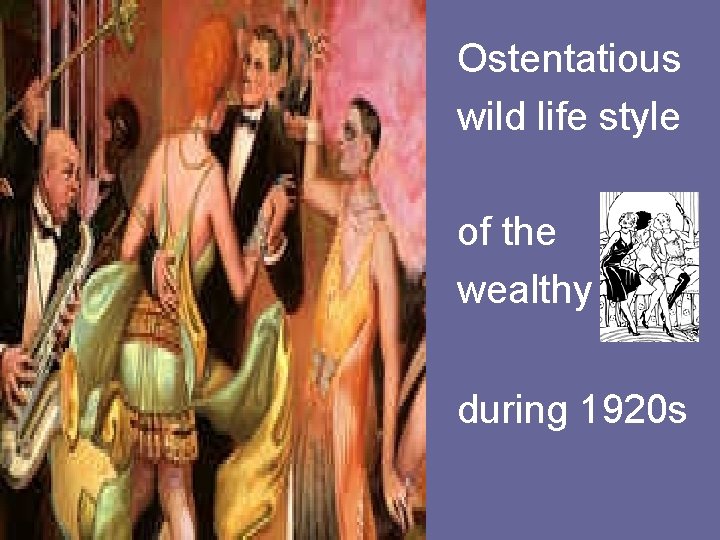
Ostentatious wild life style of the wealthy during 1920 s
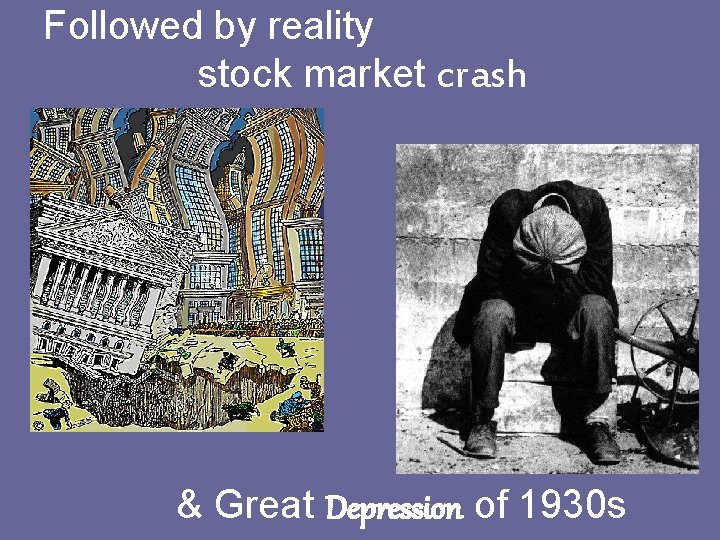
Followed by reality stock market crash & Great Depression of 1930 s
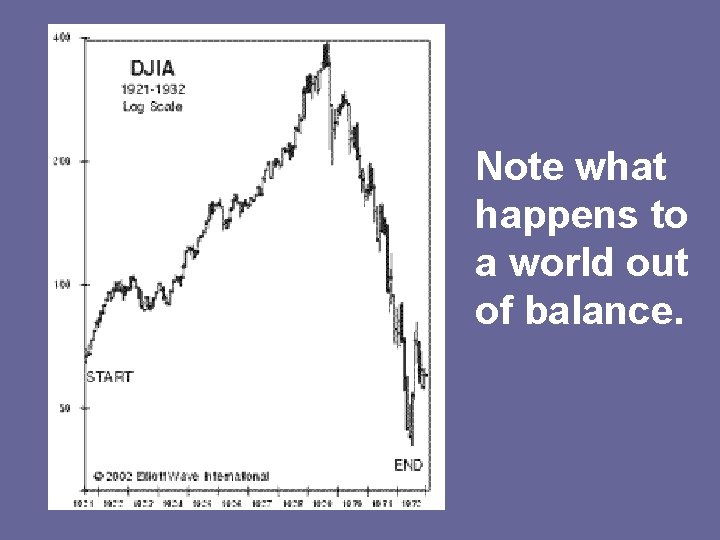
Note what happens to a world out of balance.
Universal Meaning
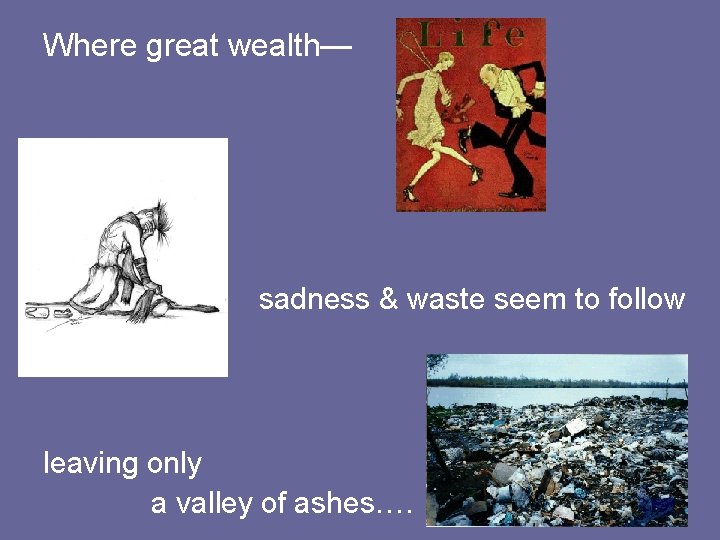
Where great wealth— sadness & waste seem to follow leaving only a valley of ashes….
1. Read closely. 2. Make careful observation of textual detail. 3. Break down denotative and connotative meanings. 4. Establish connections between observations. 5. Make inferences and interpretative conclusions regarding text. 6. Determine universal meaning.
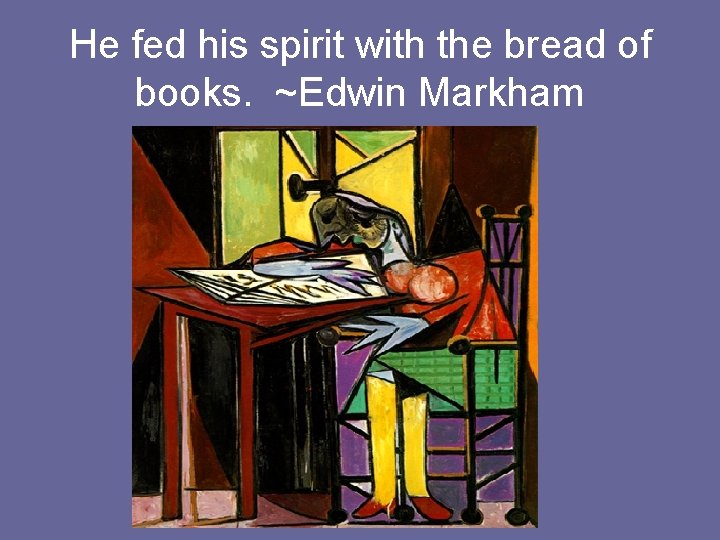
He fed his spirit with the bread of books. ~Edwin Markham