
GRADING FOR EQUITY By Joe Feldman MAINE DOE
GRADING FOR EQUITY By Joe Feldman MAINE DOE BOOK STUDY SESSION
Today's Webinar CHAPTER PREVIEW & DISCUSSION–MORE OF IT! Grading for Equity by Joe Feldman Chapter 3: How Traditional Grading Stifles Risk-Taking and Supports the"Commodity of Grades"
Guiding question: What's best for students? GRADING FOR EQUITY BOOK STUDY
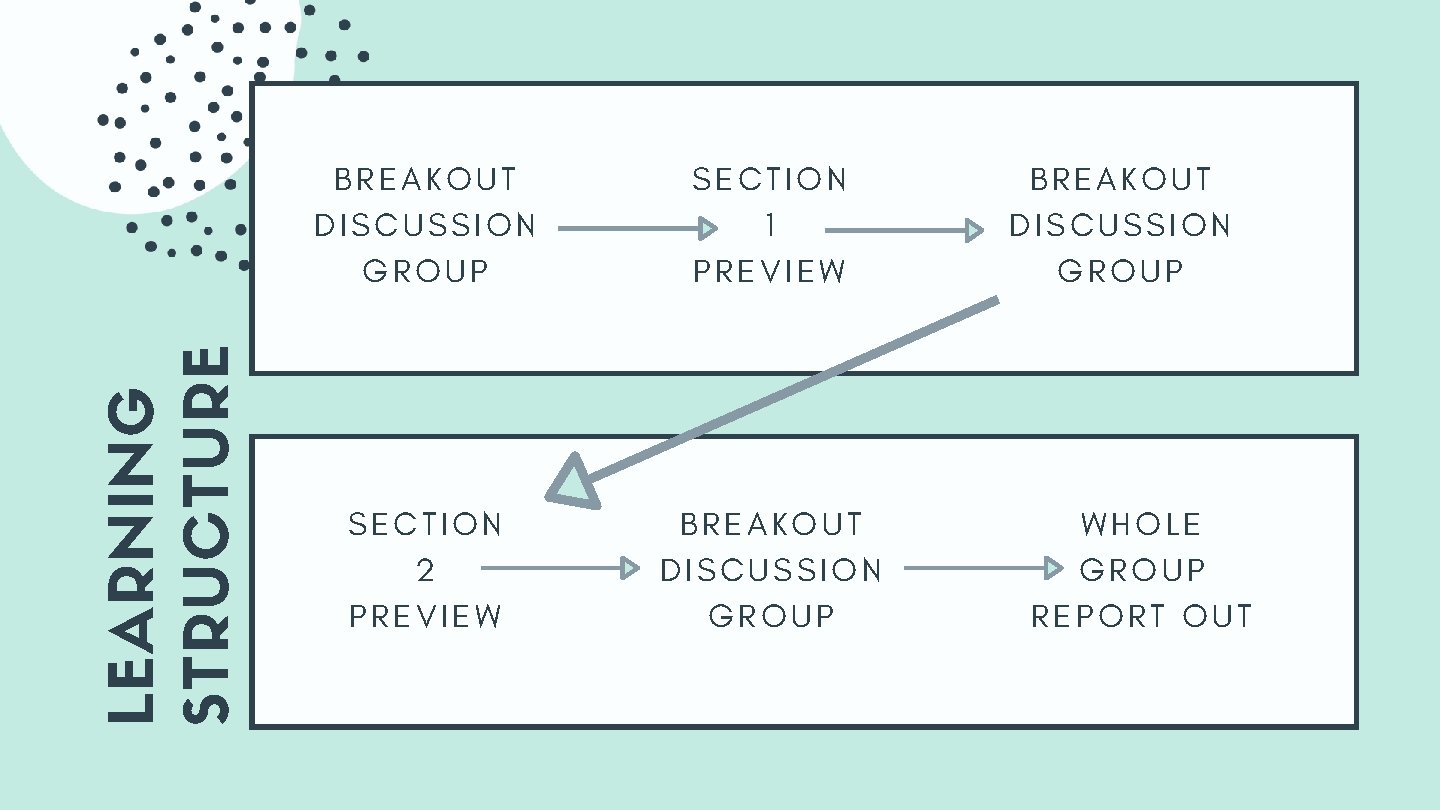
LEARNING STRUCTURE BREAKOUT DISCUSSION GROUP SECTION 1 PREVIEW SECTION 2 PREVIEW BREAKOUT DISCUSSION GROUP WHOLE GROUP REPORT OUT
AUTHENTIC ENGAGEMENT AGREEMENTS Short Presentations Mute Video off Longer breakout group discussions Share the air Chat box TQEs Discussion prompts

Break out Groups Factors for Success Facilitator Timekeeper Engagement
Discussion Question Reflect on your reading of chapters 1 & 2 What changed, challenged, or confirmed your thinking? Groups of 4, 10 minutes to discuss, at least 2 minutes each!

PART 2 | THE CASE FOR CHANGE INTRODUCTION TO THE CASE FOR CHANGE
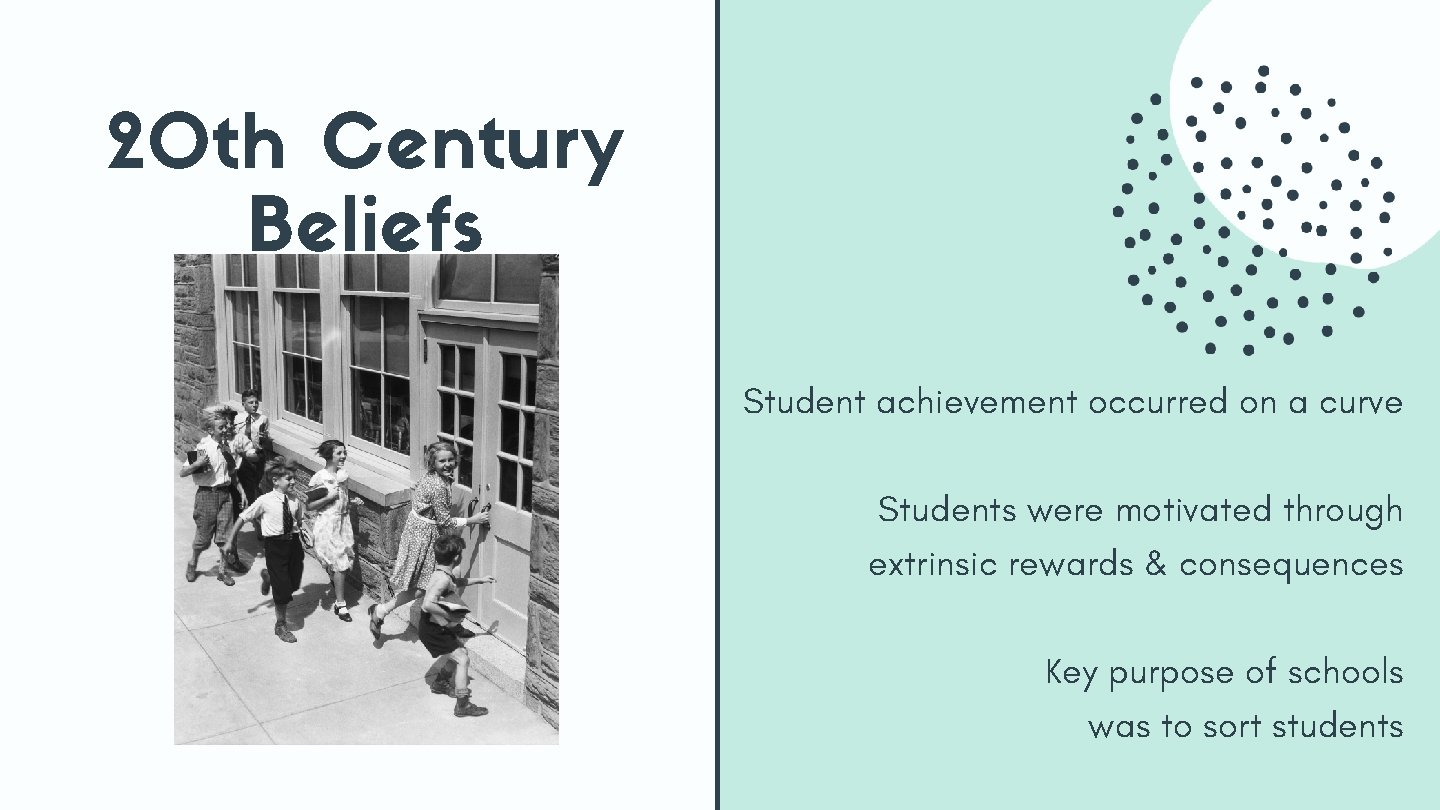
20 th Century Beliefs Student achievement occurred on a curve Students were motivated through extrinsic rewards & consequences Key purpose of schools was to sort students
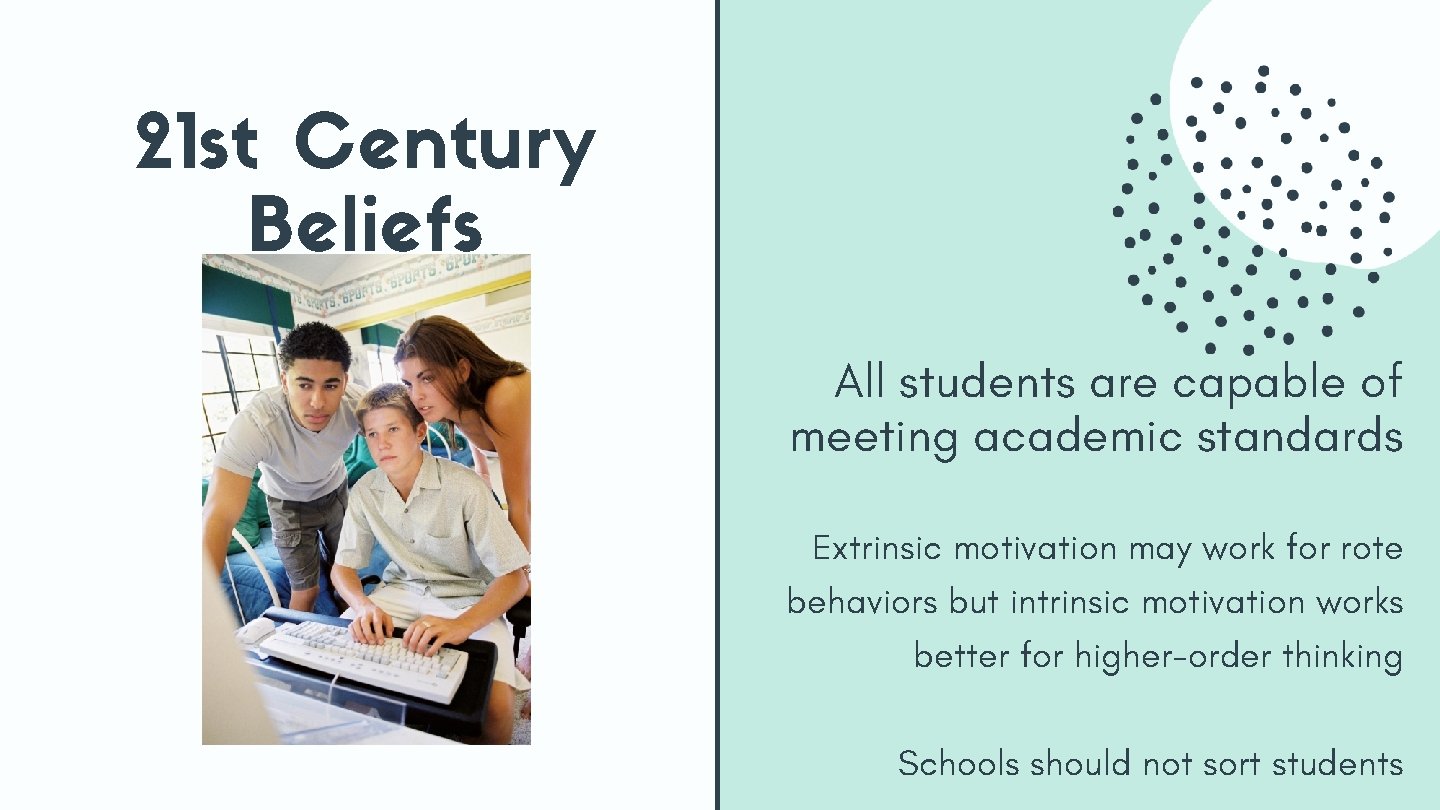
21 st Century Beliefs All students are capable of meeting academic standards Extrinsic motivation may work for rote behaviors but intrinsic motivation works better for higher-order thinking Schools should not sort students
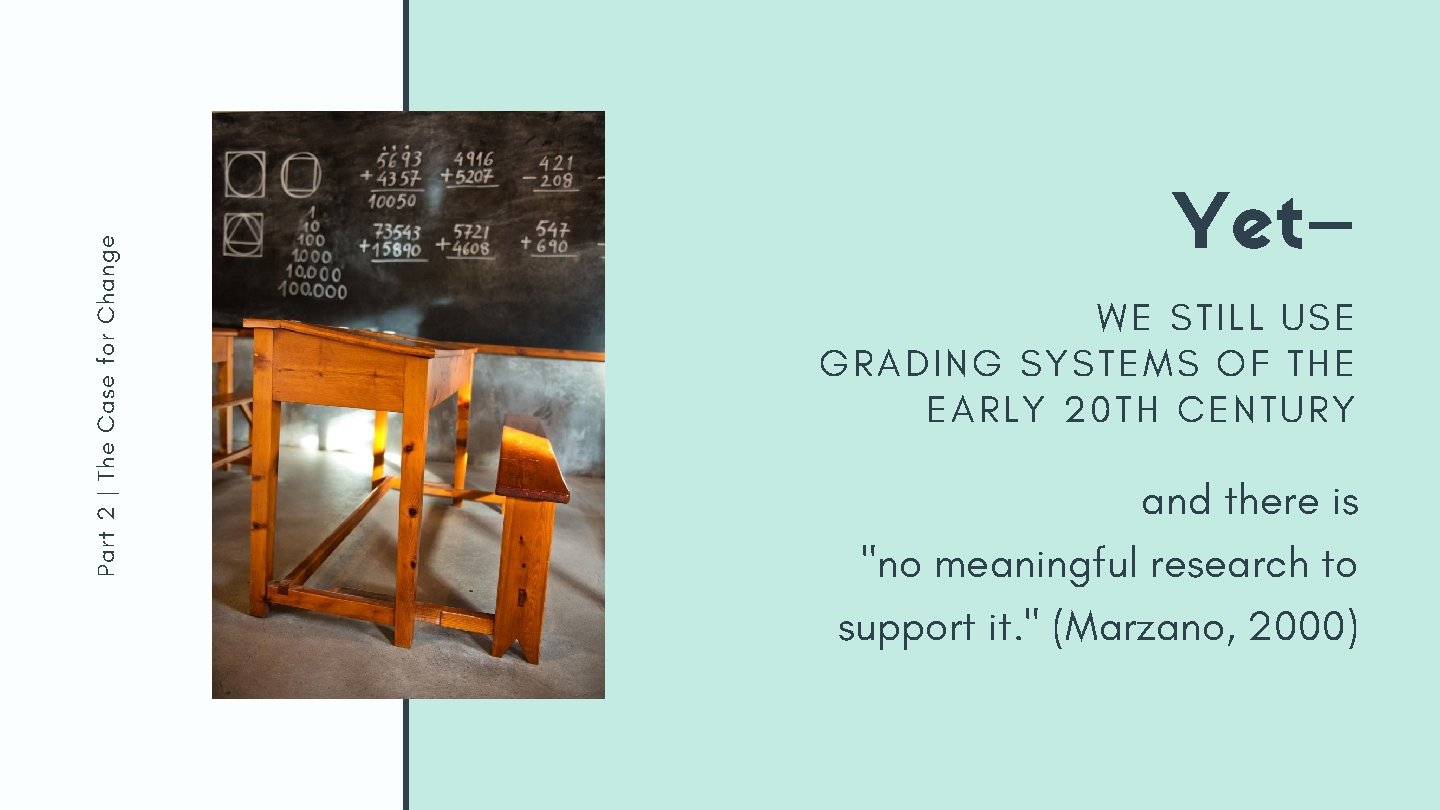
Part 2 | The Case for Change Yet– WE STILL USE GRADING SYSTEMS OF THE EARLY 20 TH CENTURY and there is "no meaningful research to support it. " (Marzano, 2000)
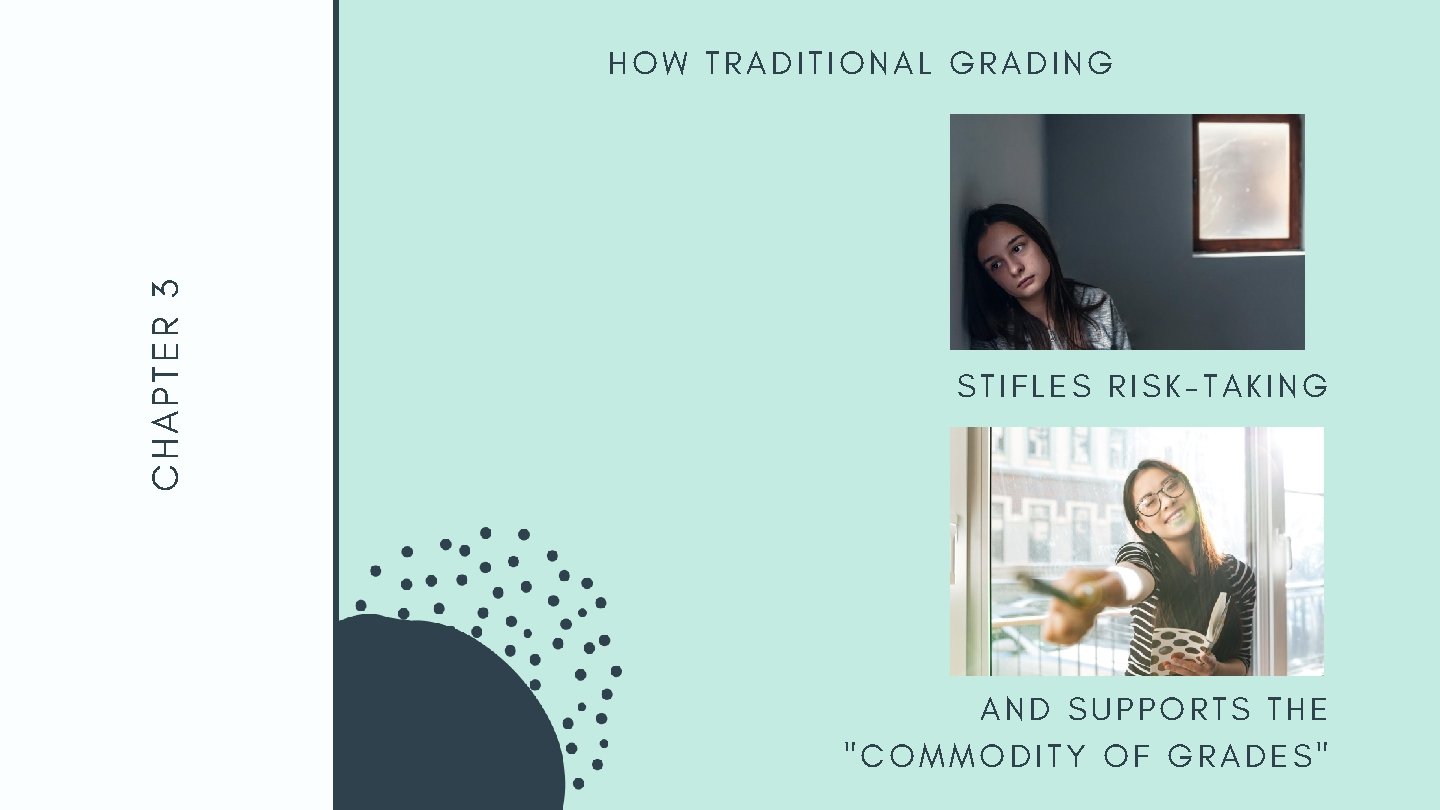
CHAPTER 3 HOW TRADITIONAL GRADING STIFLES RISK-TAKING AND SUPPORTS THE "COMMODITY OF GRADES"
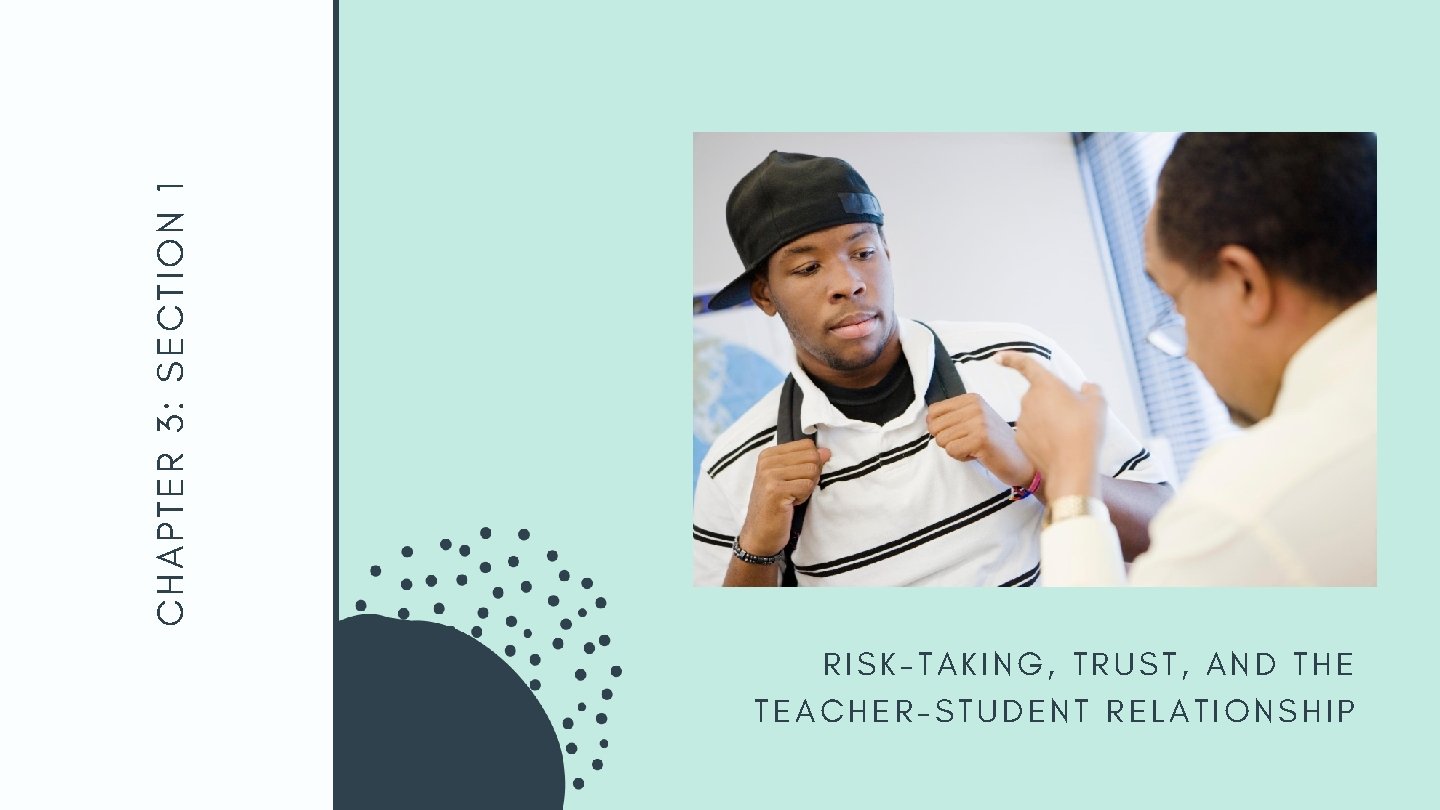
CHAPTER 3: SECTION 1 RISK-TAKING, TRUST, AND THE TEACHER-STUDENT RELATIONSHIP
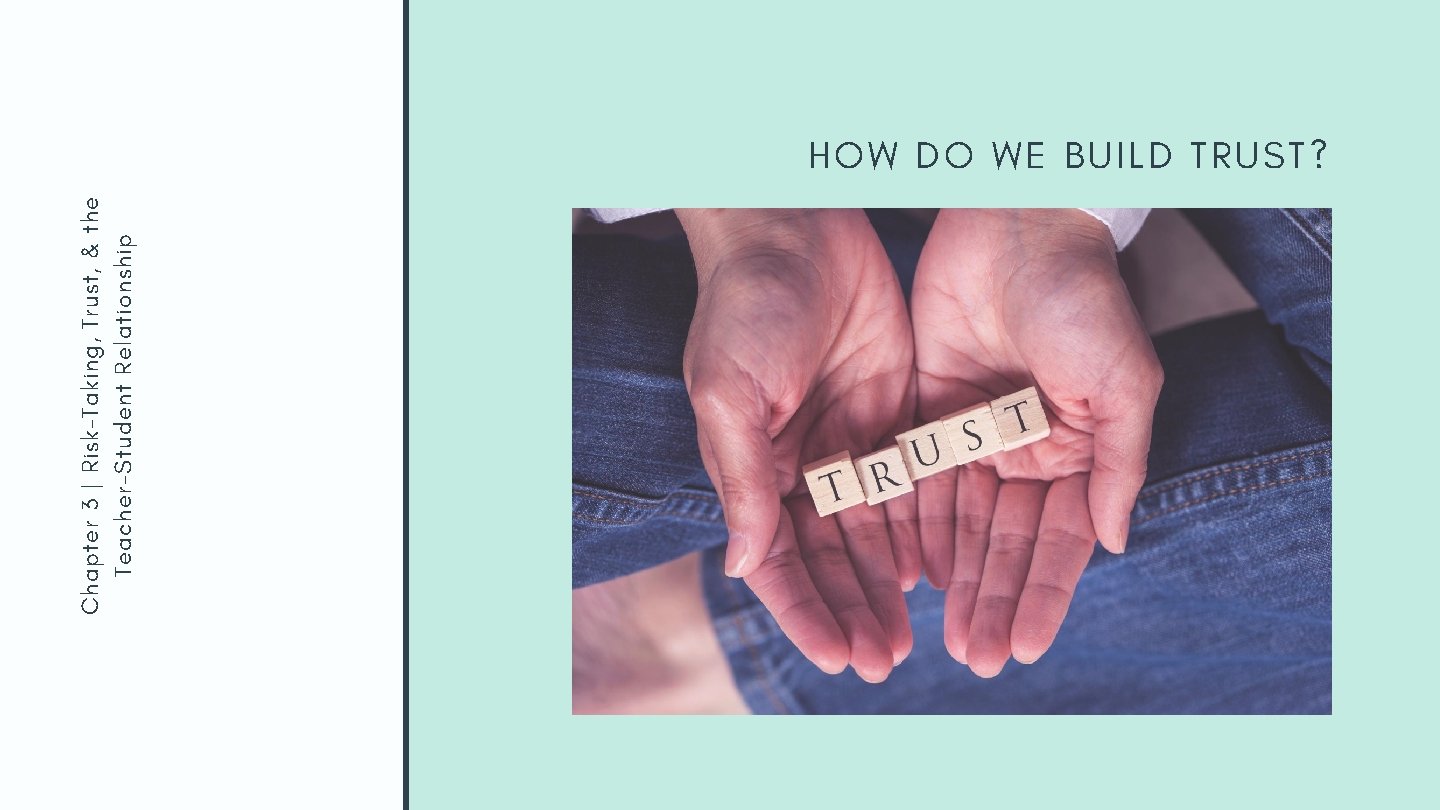
Chapter 3 | Risk-Taking, Trust, & the Teacher-Student Relationship HOW DO WE BUILD TRUST?

Chapter 3 | Risk-Taking, Trust, & the Teacher-Student Relationship TEACHERS BUILD THIS POSITIVE RELATIONSHIP THROUGH INTERACTIONS WITH STUDENTS
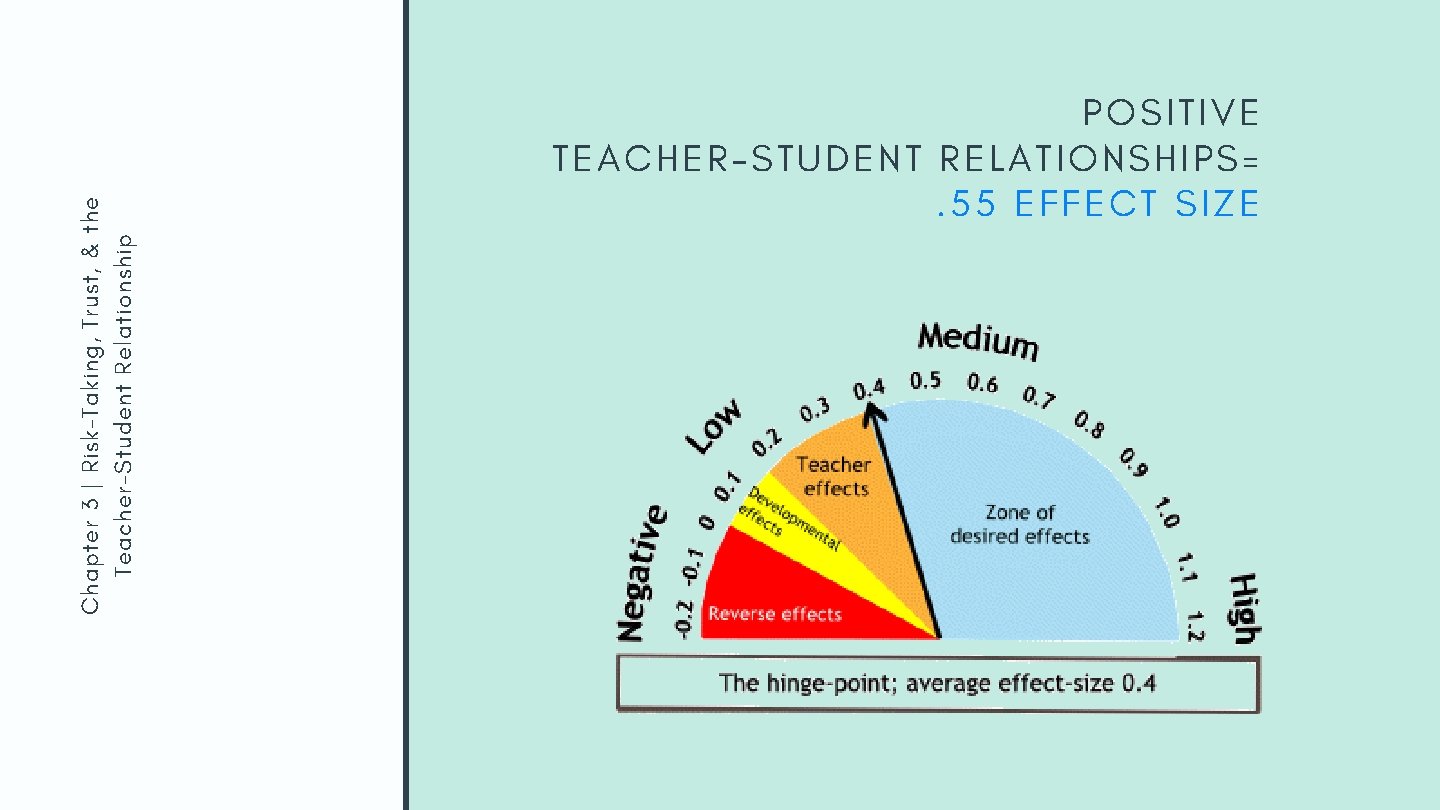
Chapter 3 | Risk-Taking, Trust, & the Teacher-Student Relationship POSITIVE TEACHER-STUDENT RELATIONSHIPS=. 55 EFFECT SIZE
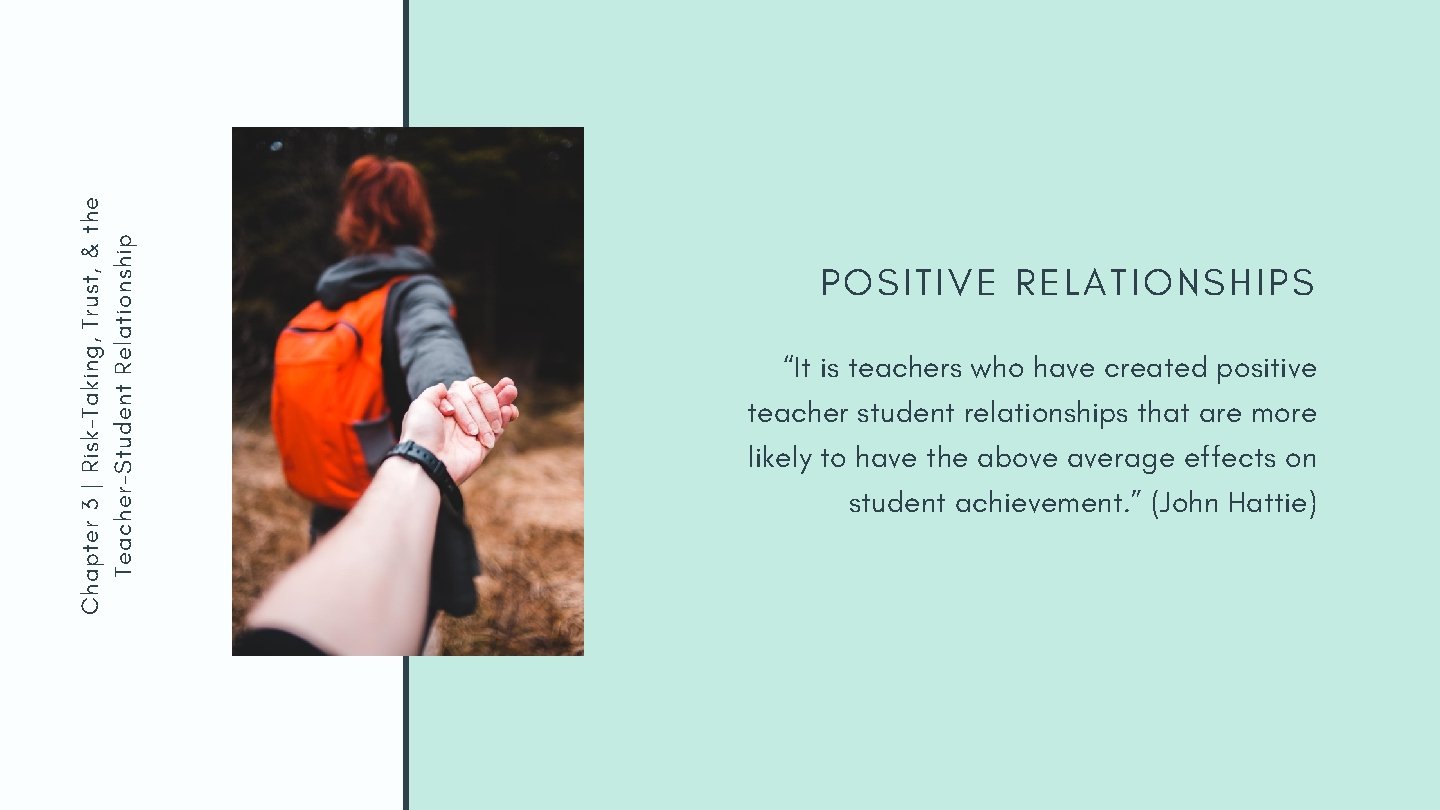
Chapter 3 | Risk-Taking, Trust, & the Teacher-Student Relationship POSITIVE RELATIONSHIPS “It is teachers who have created positive teacher student relationships that are more likely to have the above average effects on student achievement. ” (John Hattie)
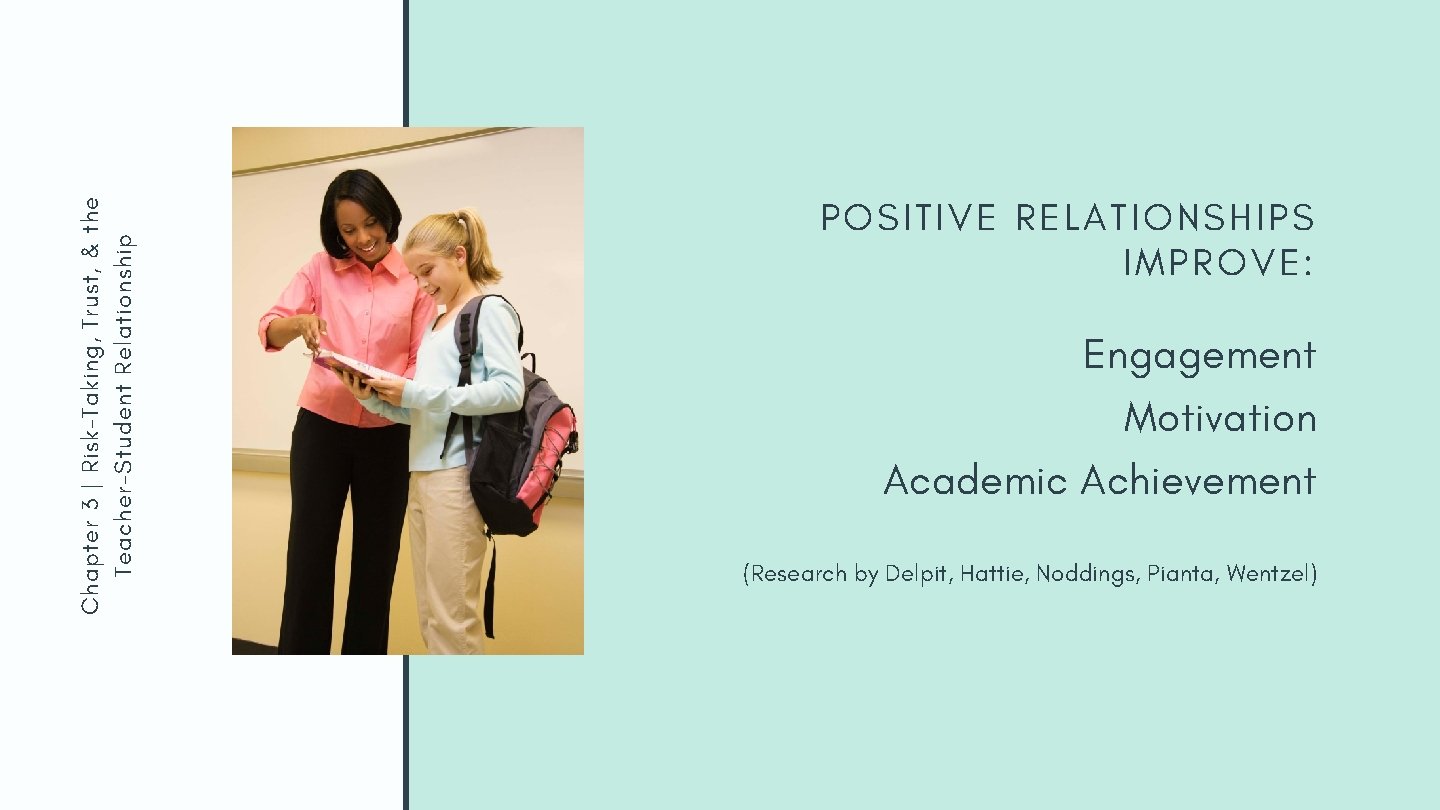
Chapter 3 | Risk-Taking, Trust, & the Teacher-Student Relationship POSITIVE RELATIONSHIPS IMPROVE: Engagement Motivation Academic Achievement (Research by Delpit, Hattie, Noddings, Pianta, Wentzel)
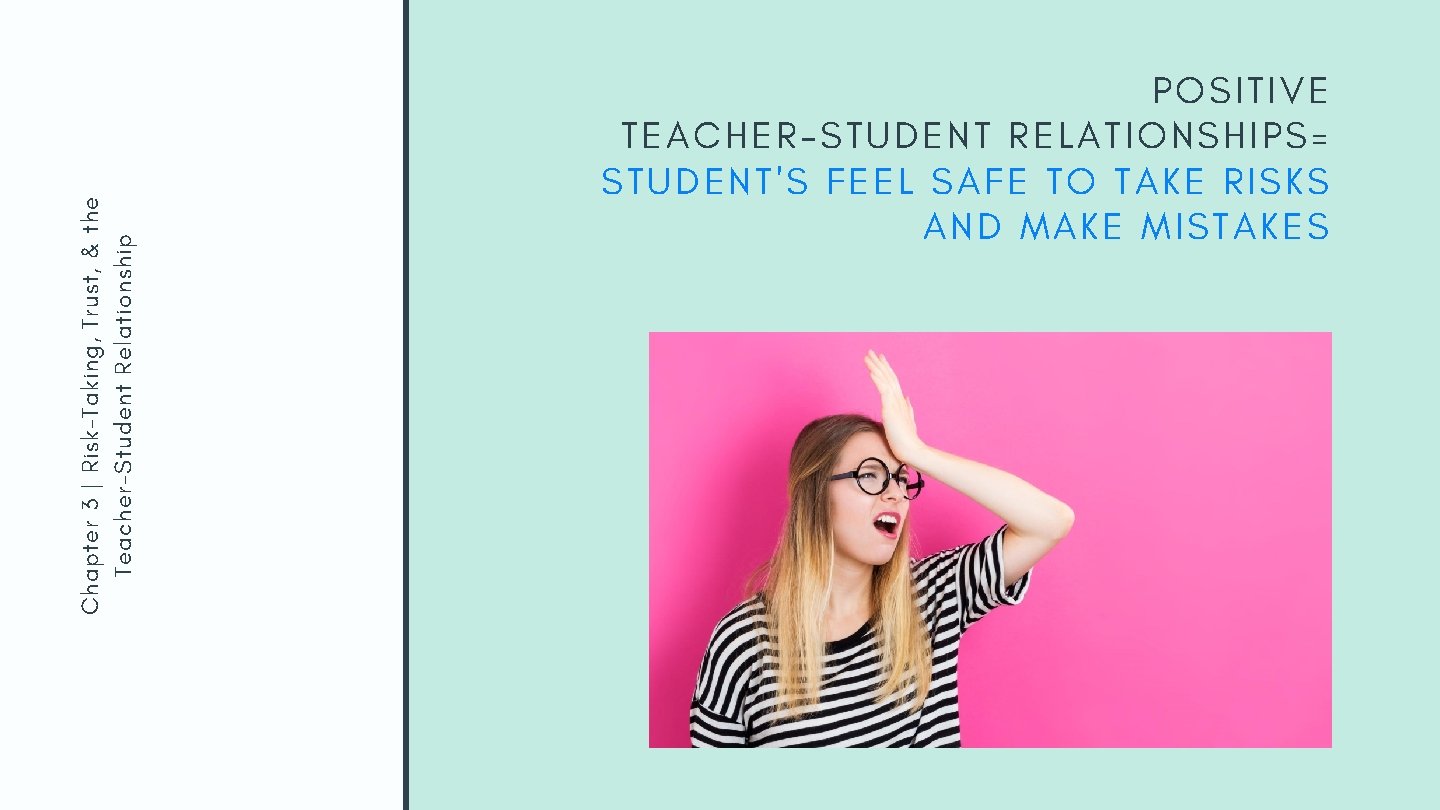
Chapter 3 | Risk-Taking, Trust, & the Teacher-Student Relationship POSITIVE TEACHER-STUDENT RELATIONSHIPS= STUDENT'S FEEL SAFE TO TAKE RISKS AND MAKE MISTAKES
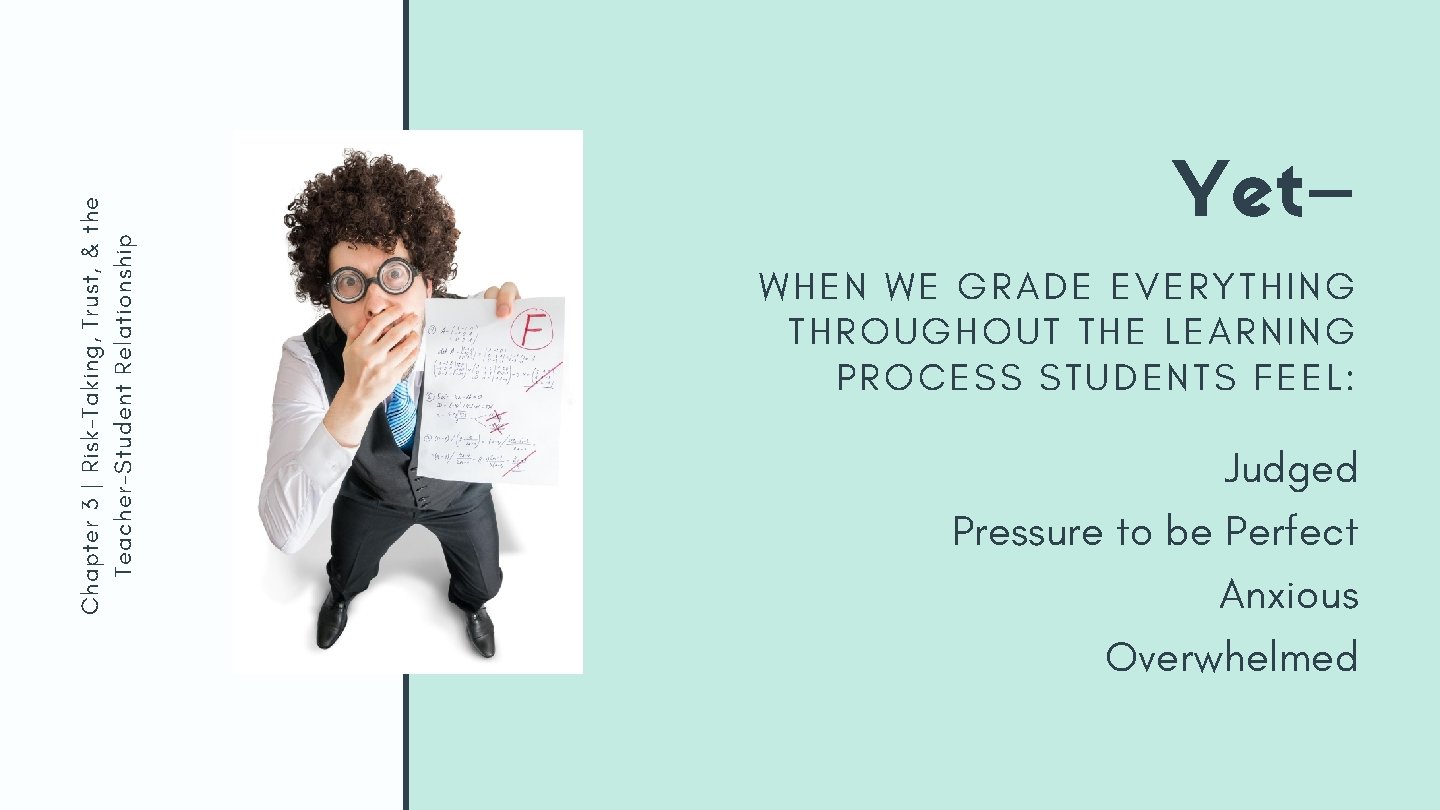
Chapter 3 | Risk-Taking, Trust, & the Teacher-Student Relationship Yet– WHEN WE GRADE EVERYTHING THROUGHOUT THE LEARNING PROCESS STUDENTS FEEL: Judged Pressure to be Perfect Anxious Overwhelmed
Chapter 3 | Risk-Taking, Trust, & the Teacher-Student Relationship "The message when everything is included in the grade is clear: You are always being judged and must show your absolute best performance in every respect–academic and nonacademic–every day. If you make a mistake, or even are just having a bad day, it's going to count against you. There is no room for error, no safe place to make mistakes. " (Feldman, 32)
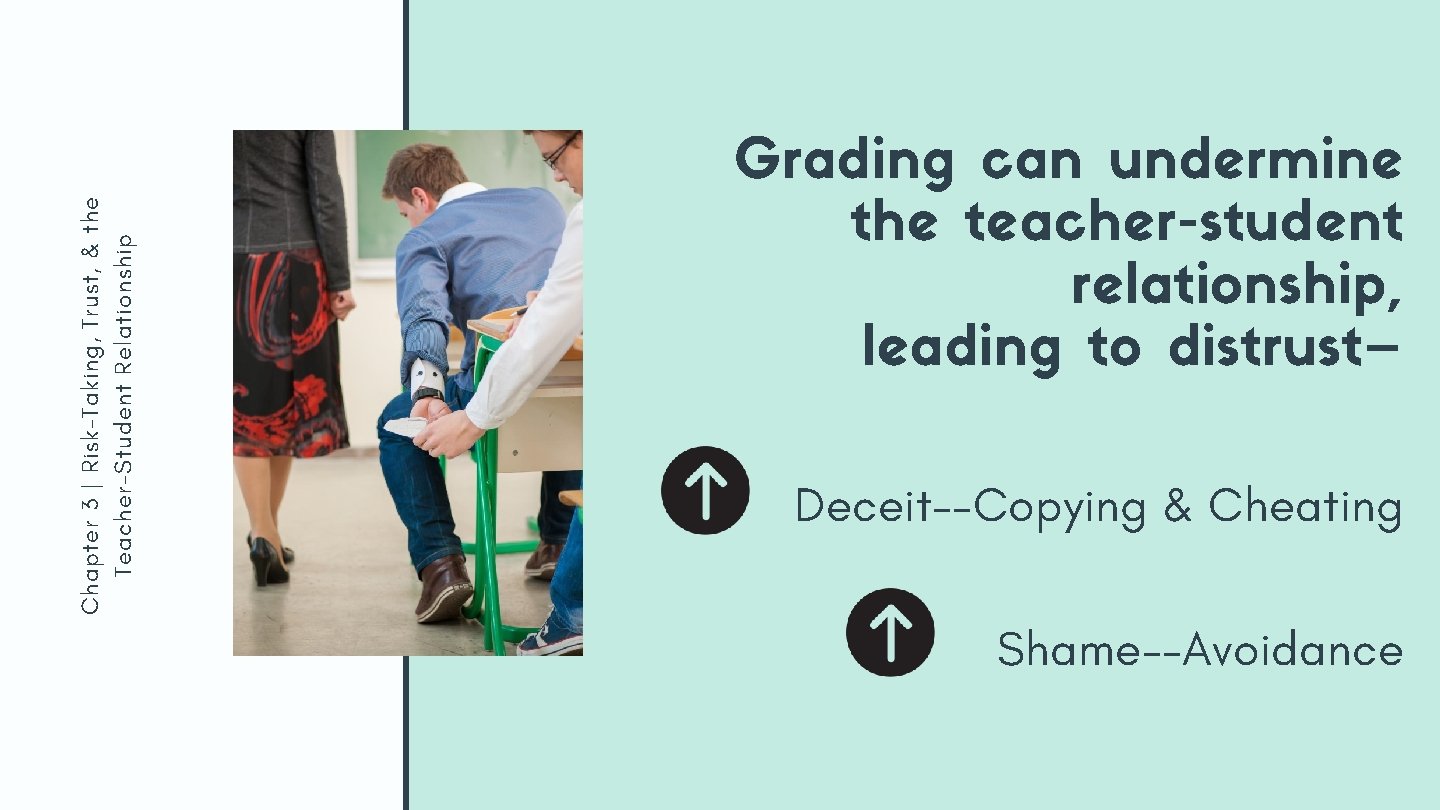
Chapter 3 | Risk-Taking, Trust, & the Teacher-Student Relationship Grading can undermine the teacher-student relationship, leading to distrust– Deceit--Copying & Cheating Shame--Avoidance
Chapter 3 | Risk-Taking, Trust, & the Teacher-Student Relationship "Most of us entered teaching to build meaningful relationships with young people, to engender in them a sense of trust and safety by accepting mistakes along a path to proficiency, but our traditional grading encourages us to judge nearly everything a student does or doesn't do, and we create pressure-cooker classrooms where no mistake goes unpenalized. " (Feldman, 32)
Discussion Question How does the element of trust in the student-teacher relationship influence a student's approach to the learning process, particularly for historically underserved student populations, and how does our traditional grading affect that trust?

CHAPTER 3: SECTION 2 THE "COMMODITY OF GRADES" & EXTRINSIC MOTIVATION
Chapter 3 | The "Commodity of Grades" and Extrinsic Motivation HOW DID GRADES GET SO VALUABLE?
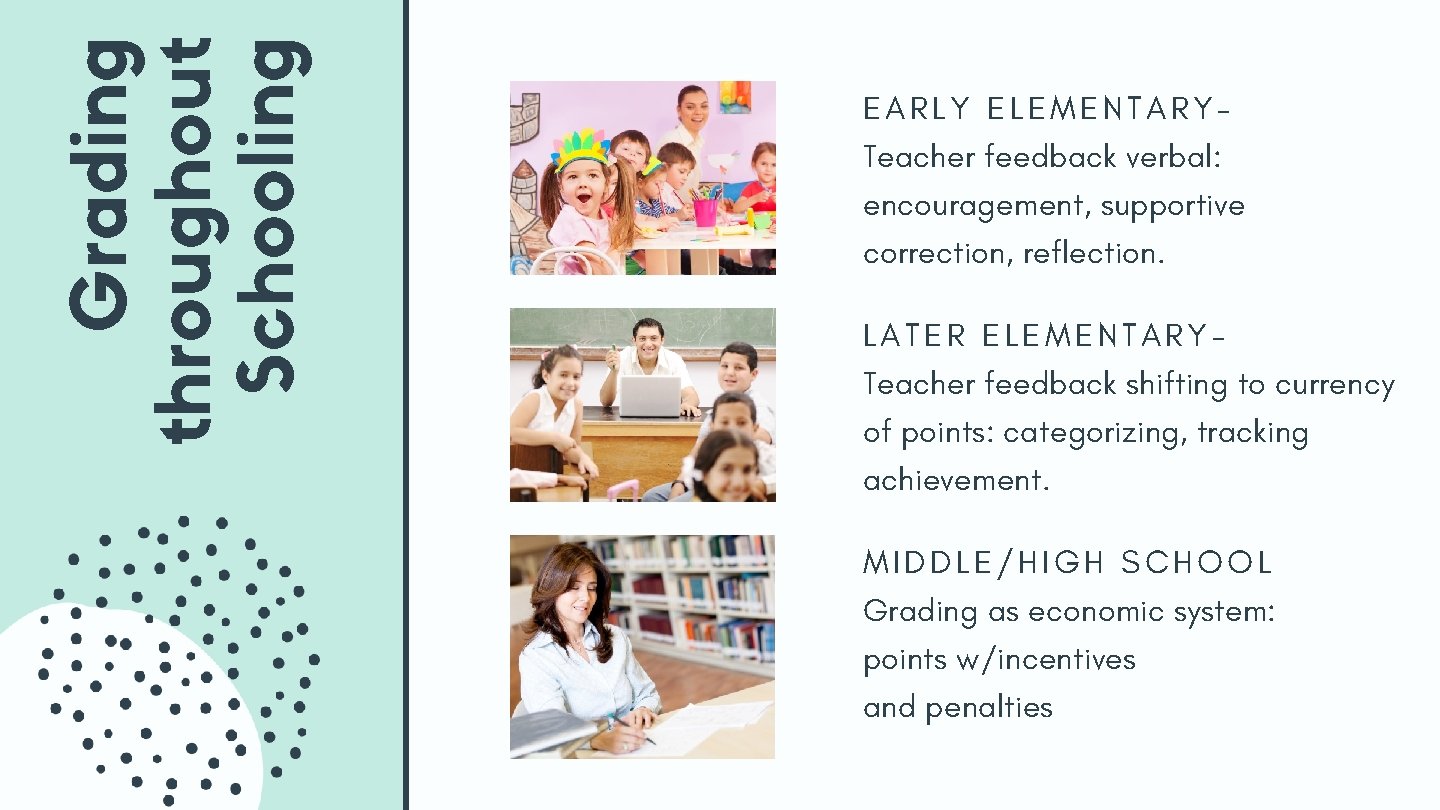
Grading throughout Schooling EARLY ELEMENTARY– Teacher feedback verbal: encouragement, supportive correction, reflection. LATER ELEMENTARY– Teacher feedback shifting to currency of points: categorizing, tracking achievement. MIDDLE/HIGH SCHOOL Grading as economic system: points w/incentives and penalties

Chapter 3 | The "Commodity of Grades" and Extrinsic Motivation TEACHERS BELIEVE: "Point economies are a vital incentive and feedback mechanism to help students successfully meet class expectations. " (Feldman, 34)
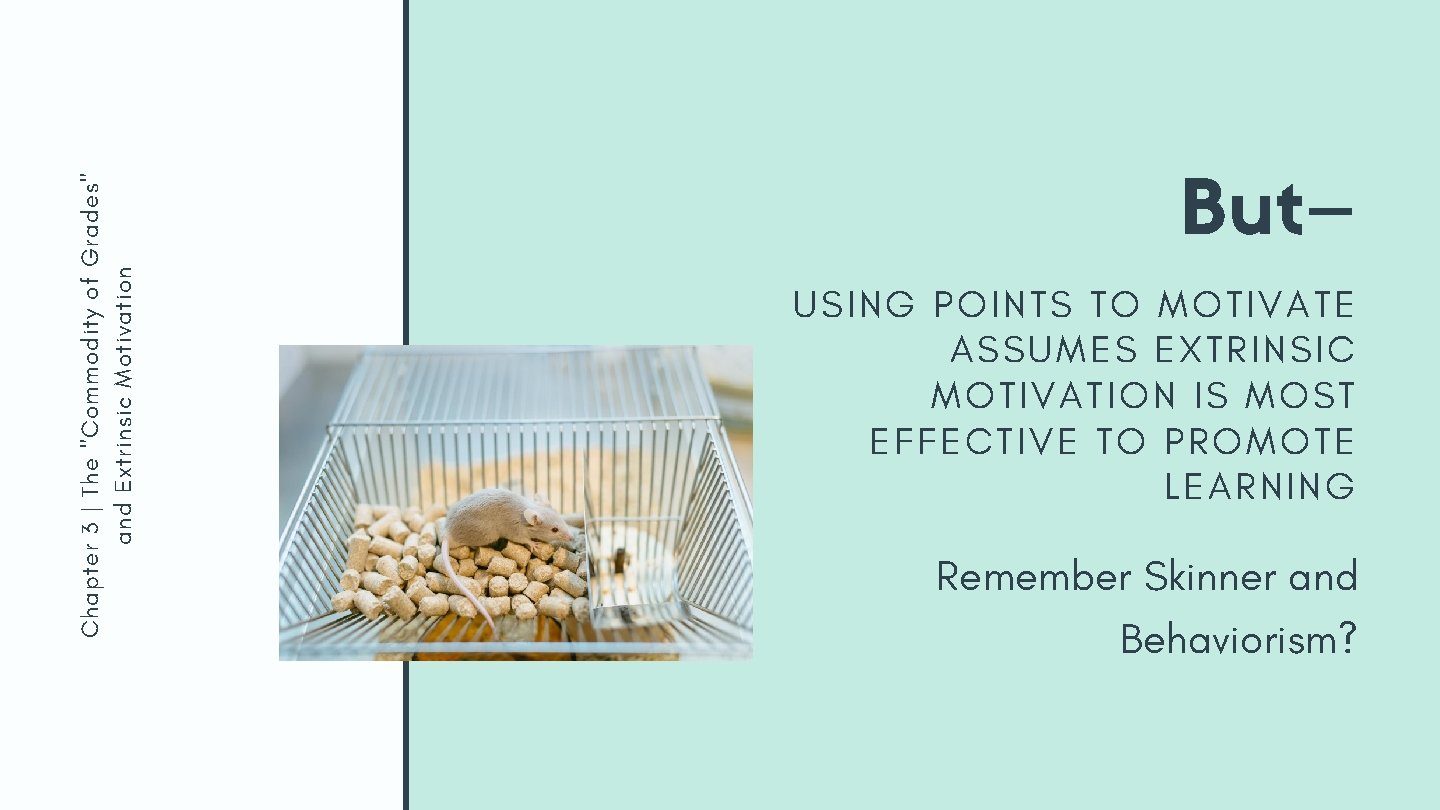
Chapter 3 | The "Commodity of Grades" and Extrinsic Motivation But– USING POINTS TO MOTIVATE ASSUMES EXTRINSIC MOTIVATION IS MOST EFFECTIVE TO PROMOTE LEARNING Remember Skinner and Behaviorism?

Chapter 3 | The "Commodity of Grades" and Extrinsic Motivation Now– OUR UNDERSTANDING OF MOTIVATION HAS EVOLVED Extrinsic motivation works for menial/repetitive tasks, NOT for higher-order and creative thinking.
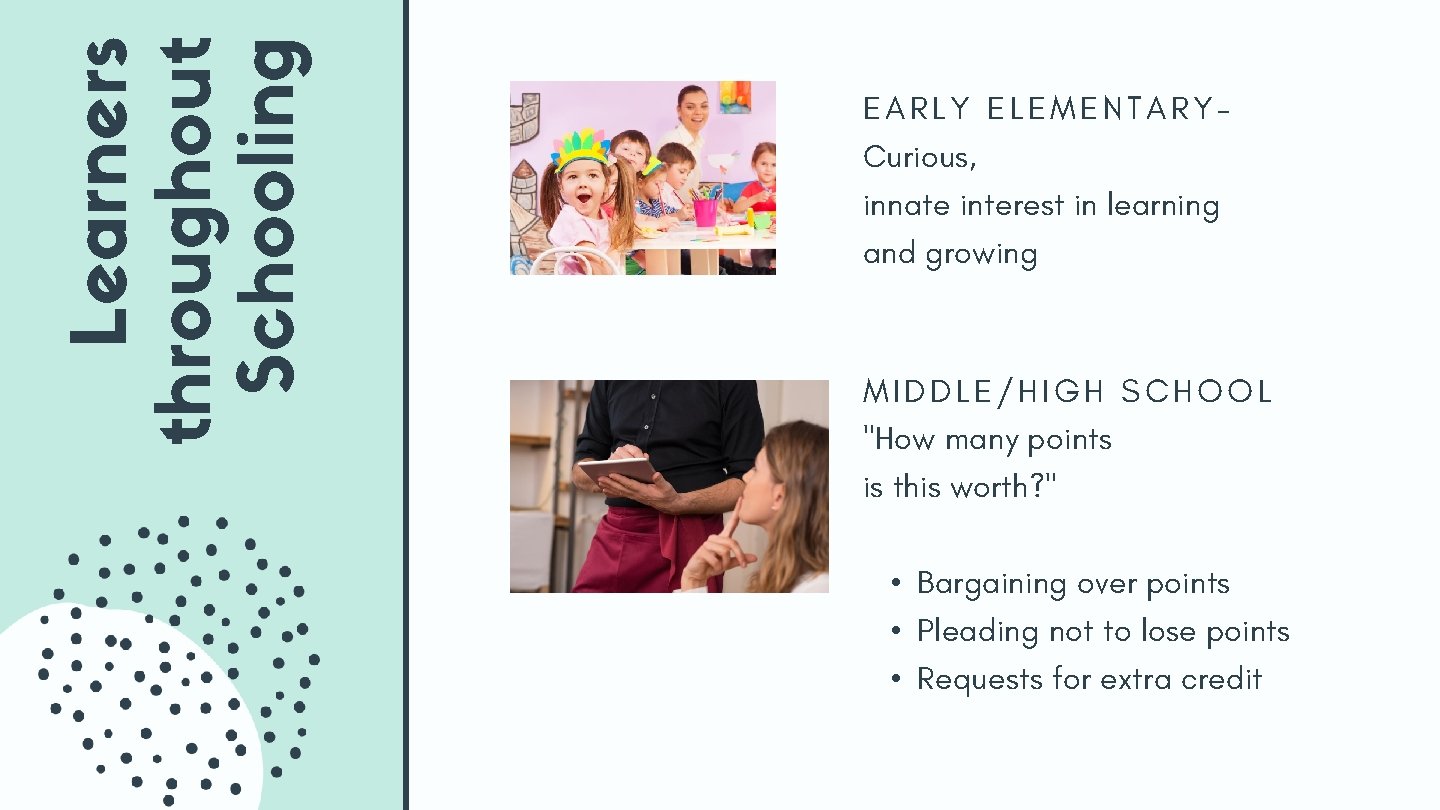
Learners throughout Schooling EARLY ELEMENTARY– Curious, innate interest in learning and growing MIDDLE/HIGH SCHOOL "How many points is this worth? " • Bargaining over points • Pleading not to lose points • Requests for extra credit
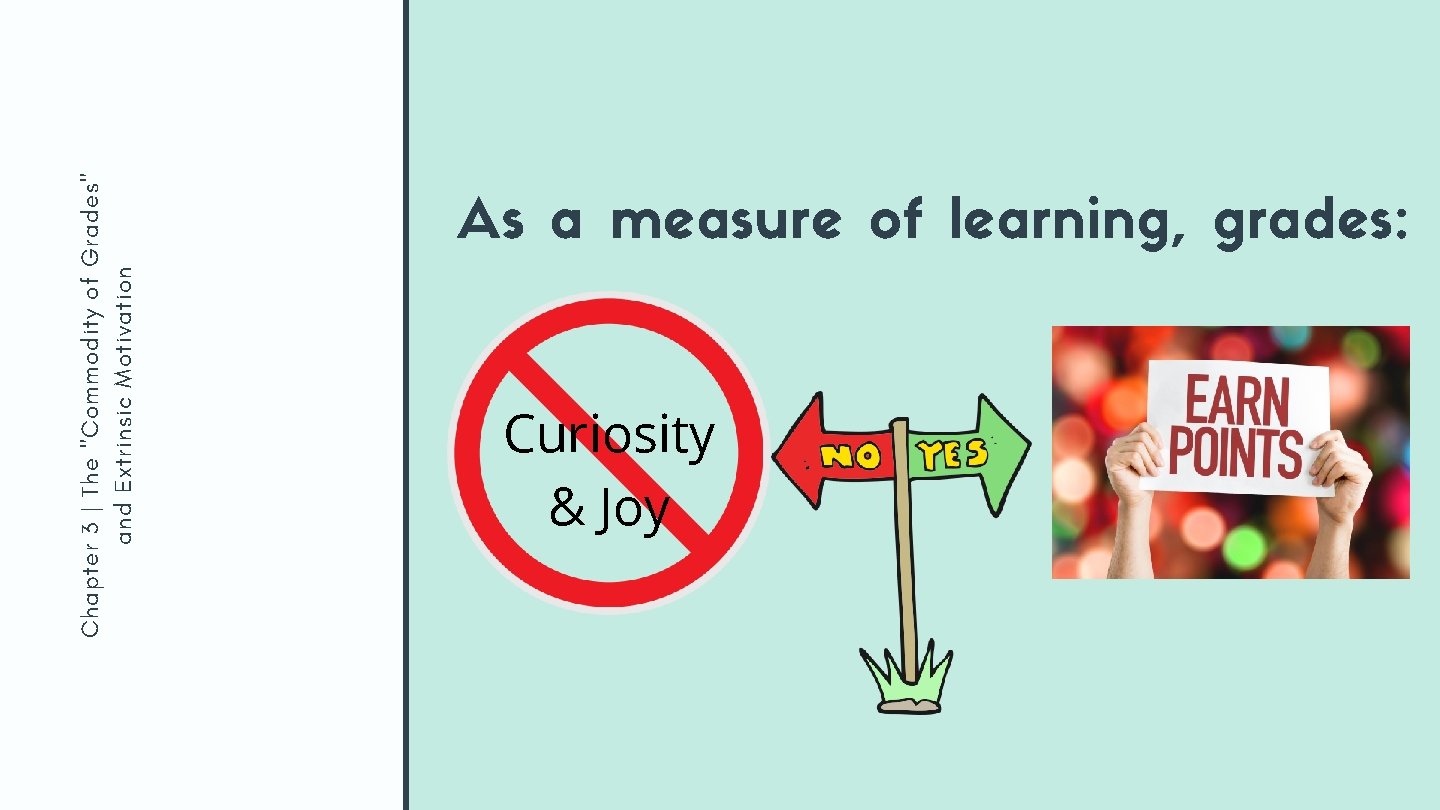
Chapter 3 | The "Commodity of Grades" and Extrinsic Motivation As a measure of learning, grades: Curiosity & Joy

Chapter 3 | The "Commodity of Grades" and Extrinsic Motivation The teacher is the Federal Reserve of the classroom Can "print" more currency Can inject more points into the classroom economy when needed.

Chapter 3 | The "Commodity of Grades" and Extrinsic Motivation "WE PREACH THE GOSPEL OF LEARNING, BUT WE MAKE STUDENTS GENUFLECT TO THE ALTAR OF POINTS. " (FELDMAN, 35)

Chapter 3 | The "Commodity of Grades" and Extrinsic Motivation POINTS = POWER & THE POWER IS HELD BY THE TEACHER
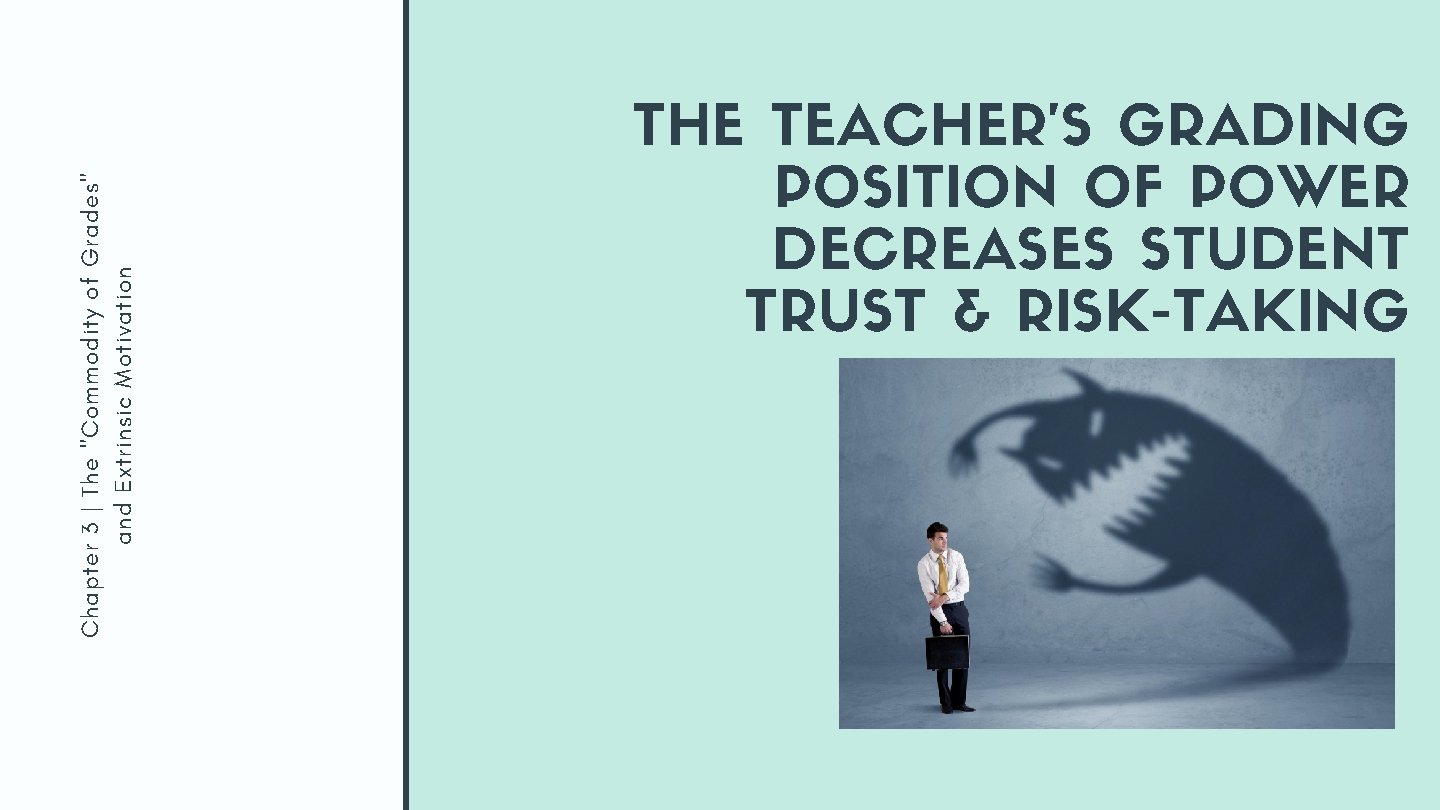
Chapter 3 | The "Commodity of Grades" and Extrinsic Motivation THE TEACHER'S GRADING POSITION OF POWER DECREASES STUDENT TRUST & RISK-TAKING
Chapter 3 | The "Commodity of Grades" and Extrinsic Motivation WE OFTEN USE THE EXTRINSIC MOTIVATION OF POINTS EVEN MORE WITH STUDENTS: -FROM LOW INCOME FAMILIES -WHO HAVE STRUGGLED ACADEMICALLY -WHO HAVE BEEN HISTORICALLY UNDERSERVED

Chapter 3 | The "Commodity of Grades" and Extrinsic Motivation WE TRY TO BRIBE THEM WITH POINTS BUT THIS ONLY CREATES THE ILLUSION OF ENGAGEMENT & MOTIVATION
Chapter 3 | The "Commodity of Grades" and Extrinsic Motivation "Using only extrinsic motivation incentives to inspire learning is a form of educational engineering that implicitly views students as inferior, inert, and in need of motivation. Such an orientation dims our awareness of learners' own determination and promotes their dependency. " (Dr. Margery Ginsberg, 2015)
Chapter 3 | The "Commodity of Grades" and Extrinsic Motivation We complain that some students only care about points or we wish we had more trusting relationships with students, but "our approach to grading may be to blame. " (Feldman, 37)
Discussion Question How do "points" in grading, often used to incentivize compliance, divert a student's focus away from intrinsic motivation to learn and instead toward the teacher's extrinsic rewards? Select a member to report out for your group number!

Thank you for participating in this learning journey! NEXT QUESTION NEXT STEP NEXT WEBINAR How effective are the use of points for students who are the least motivated and engaged? (Q 4, p. 37) Read and Reflect on Chapter 3 Tuesday, 6/16 @ 9 am Chapter 4 Preview Traditional Grading Hides Information, Invites Biases, and Provides Misleading Information
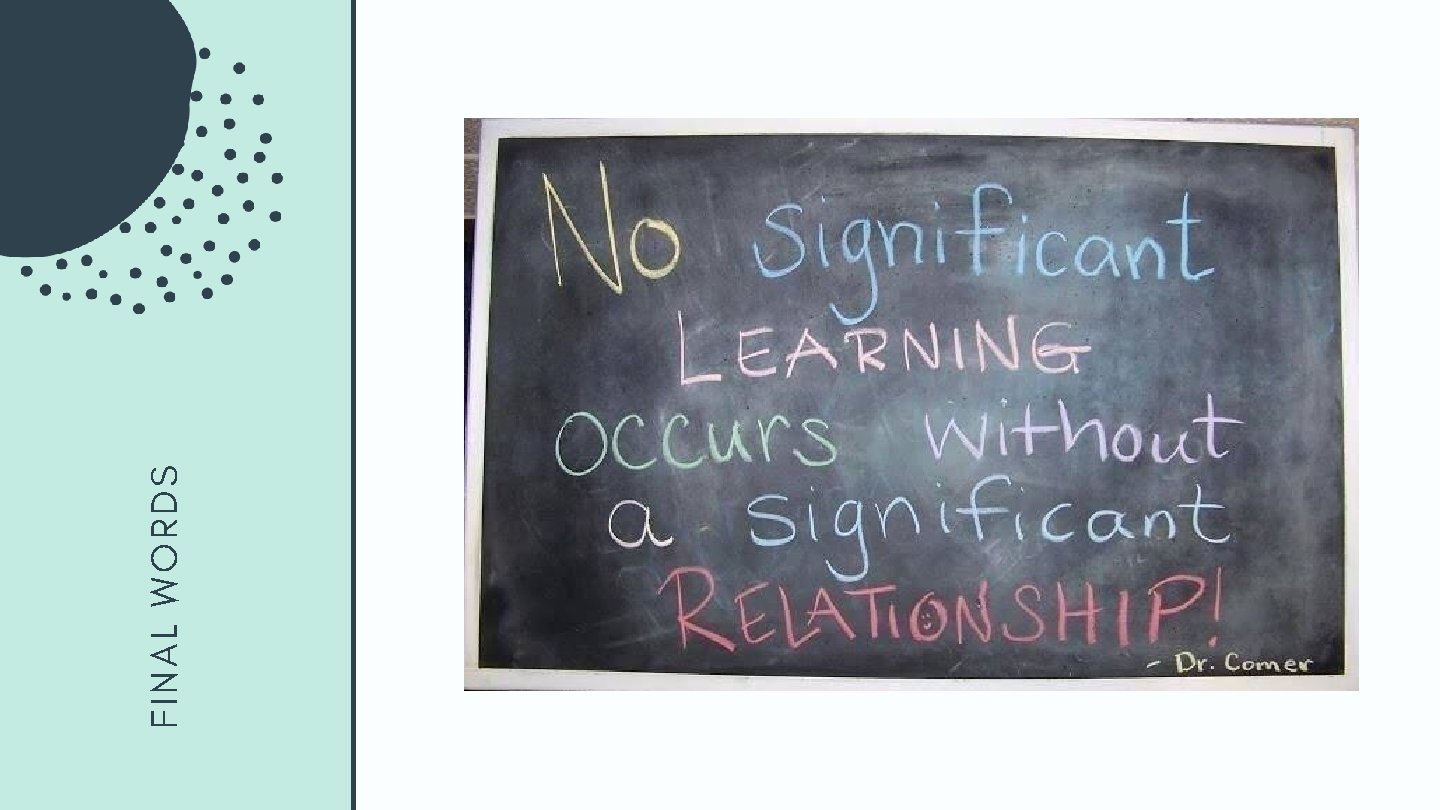
FINAL WORDS
- Slides: 43