
GOOD PRACTICES IN TEACHING AND LEARNING IN FET






- Slides: 45
GOOD PRACTICES IN TEACHING AND LEARNING IN FET COLLEGES INSTITUTIONS OF FIRST CHOICE ACCESS, ARTICULATION AND LIFELONG LEARNING 29 -30 OCTOBER 2012 DHET P. A. JACOBS EDUCATIONAL PSYCHOLOGIST MANAGER SSS NORTHLINK COLLEGE
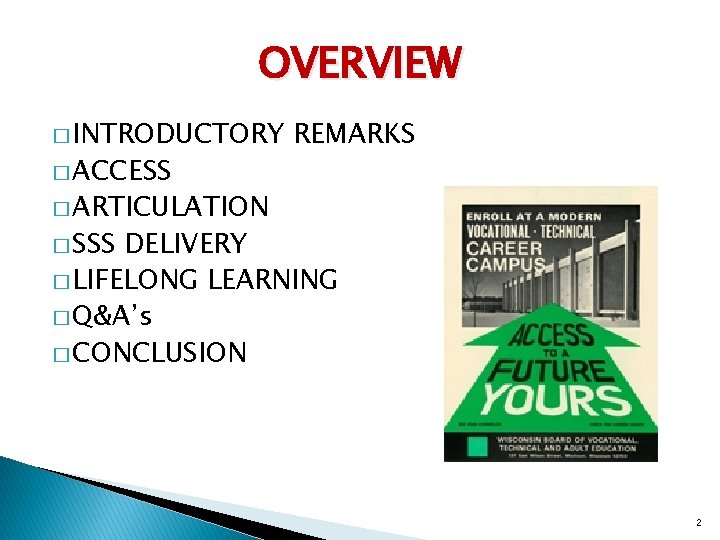
OVERVIEW � INTRODUCTORY � ACCESS REMARKS � ARTICULATION � SSS DELIVERY � LIFELONG LEARNING � Q&A’s � CONCLUSION 2
INTRODUCTORY REMARKS � GREEN PAPER FOR POST-SCHOOL EDUCATION AND TRAINING 2012 Vision for a single, coherent, differentiated and highly articulated post-school education and training system. This system will contribute to overcoming the structural challenges facing our society by expanding access to education and training opportunities and increasing equity, as well as achieving high levels of excellence and innovation. Audit report – HSRC - Further Education and Training (FET) Colleges at a Glance in 2010. FET Colleges Audit, May - July 2010 � Access is usually associated with widening access, that is, facilitating the entry of a wider range of people into higher education than are traditionally included. www. qualityresearchinternational. com � Articulation – transferring credits/ comparing/matching content/PROCESSES NEEDED � Student support services role Lifelong learning is a continuous process which stimulates and empowers individuals to acquire all the knowledge and skills they will require throughout their lifetimes, and to apply them with confidence and creativity. (Learning and Literacy Branch of HRDC, 1998) 3
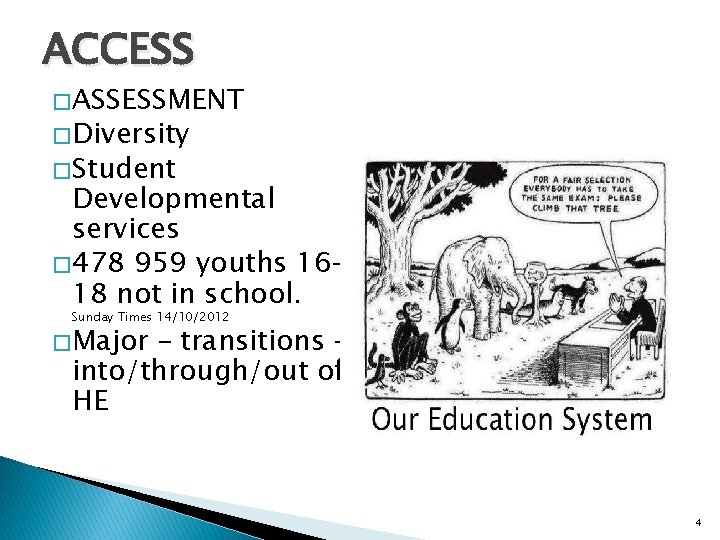
ACCESS � ASSESSMENT � Diversity � Student Developmental services � 478 959 youths 1618 not in school. Sunday Times 14/10/2012 � Major – transitions – into/through/out of HE 4
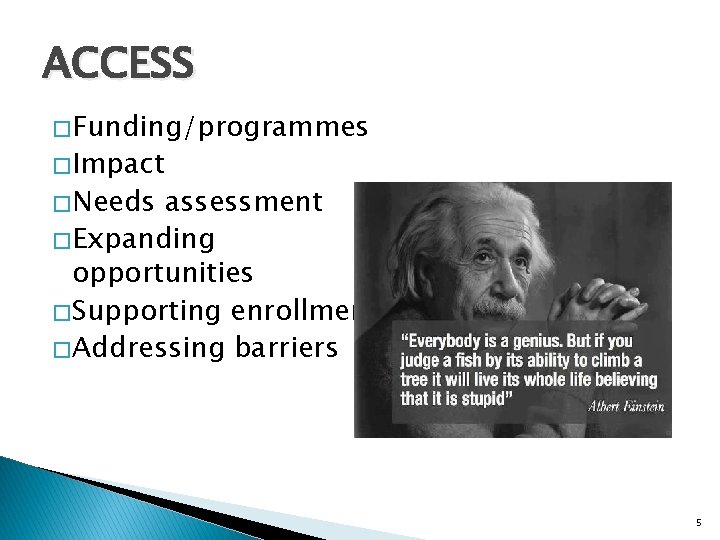
ACCESS � Funding/programmes � Impact � Needs assessment � Expanding opportunities � Supporting enrollment � Addressing barriers 5
ARTICULATION AND TRANSFER � ROLE OF NQF / SAQA � INDIVIDUAL LEARNING PATHS � BRIDGING QUALIFICATIONS/TRANSITION PROGRAMMES – NQF � ROLE OF CREDITS GAINED – CREDIT SYSTEMS � LEARNING PATHWAYS � RPL � MOBILITY – HEI’s � COMMON LANGUAGE OF LEARNING OUTCOMES � ROLE OF POLICIES � TRANSPARENCY - QUALIFICATIONS 6
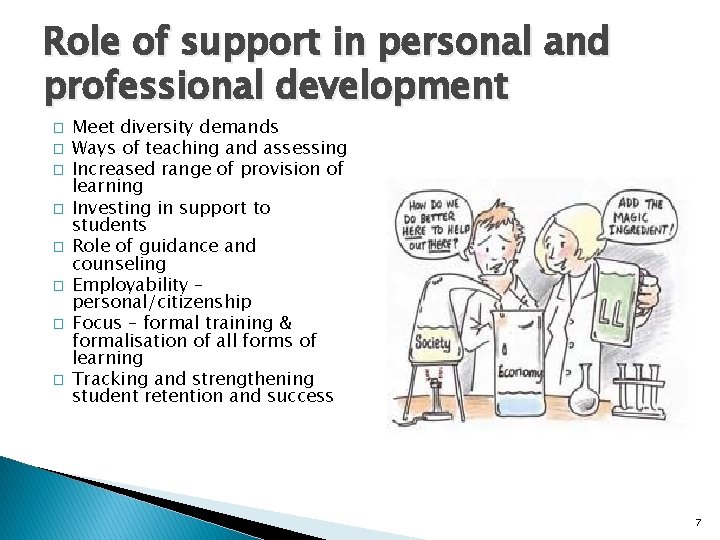
Role of support in personal and professional development � � � � Meet diversity demands Ways of teaching and assessing Increased range of provision of learning Investing in support to students Role of guidance and counseling Employability – personal/citizenship Focus – formal training & formalisation of all forms of learning Tracking and strengthening student retention and success 7
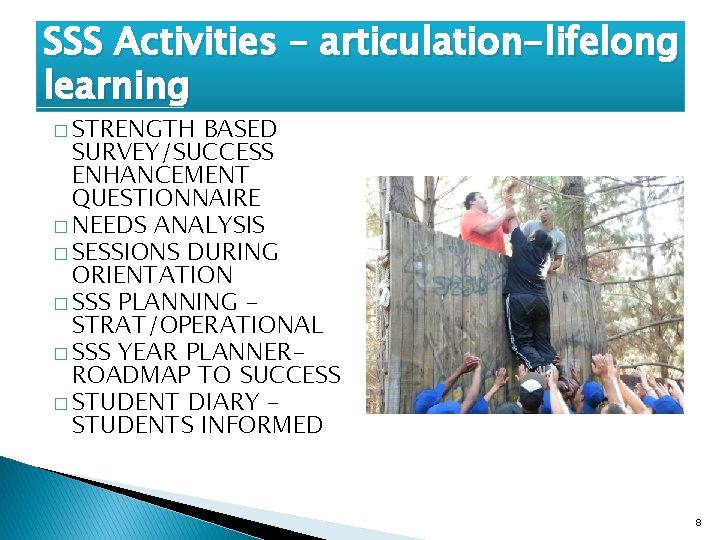
SSS Activities – articulation-lifelong learning � STRENGTH BASED SURVEY/SUCCESS ENHANCEMENT QUESTIONNAIRE � NEEDS ANALYSIS � SESSIONS DURING ORIENTATION � SSS PLANNING – STRAT/OPERATIONAL � SSS YEAR PLANNERROADMAP TO SUCCESS � STUDENT DIARY – STUDENTS INFORMED 8
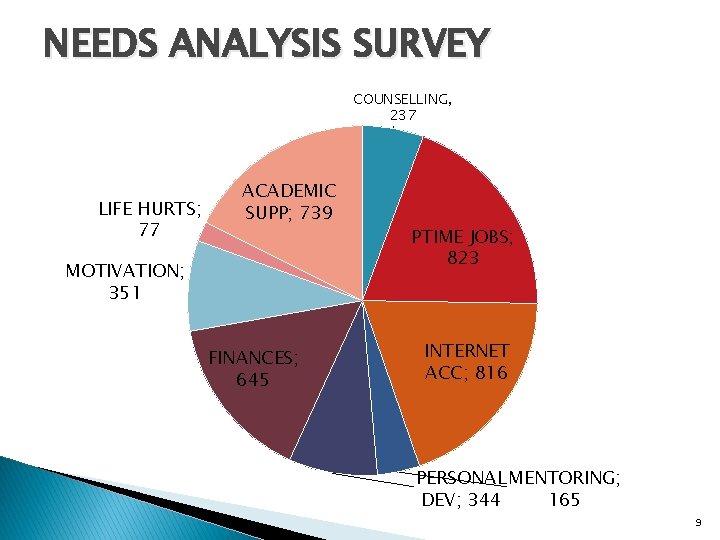
NEEDS ANALYSIS SURVEY COUNSELLING, 237 LIFE HURTS; 77 ACADEMIC SUPP; 739 MOTIVATION; 351 FINANCES; 645 PTIME JOBS; 823 INTERNET ACC; 816 PERSONAL MENTORING; DEV; 344 165 9
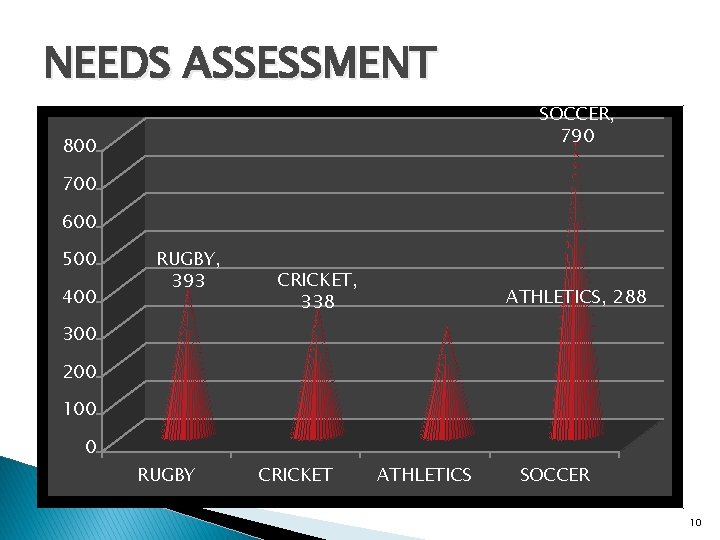
NEEDS ASSESSMENT SOCCER, 790 800 700 600 500 400 RUGBY, 393 CRICKET, 338 ATHLETICS, 288 300 200 100 0 RUGBY CRICKET ATHLETICS SOCCER 10
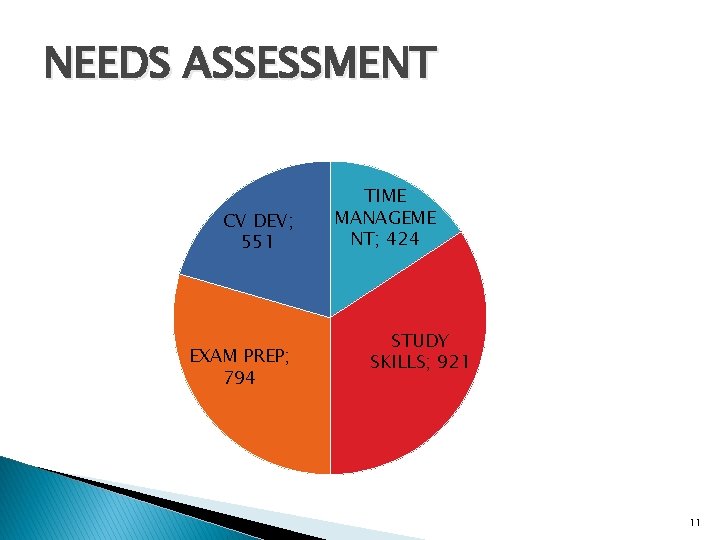
NEEDS ASSESSMENT CV DEV; 551 EXAM PREP; 794 TIME MANAGEME NT; 424 STUDY SKILLS; 921 11
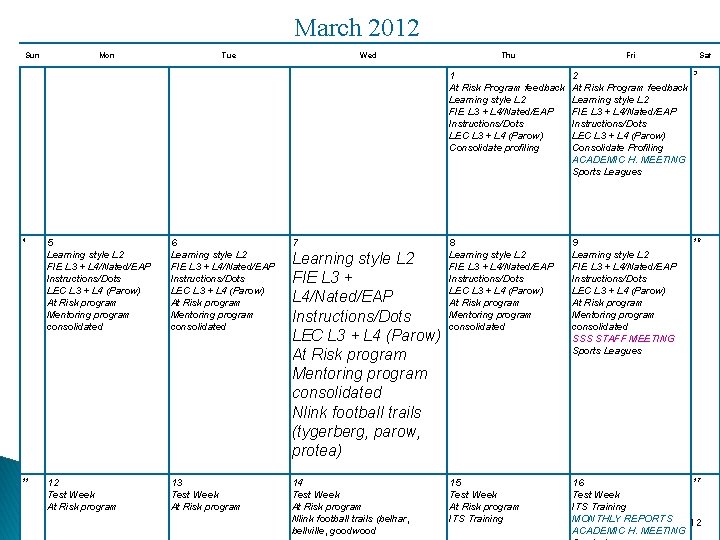
March 2012 Sun 4 11 Mon Tue Wed 5 Learning style L 2 FIE L 3 + L 4/Nated/EAP Instructions/Dots LEC L 3 + L 4 (Parow) At Risk program Mentoring program consolidated 6 Learning style L 2 FIE L 3 + L 4/Nated/EAP Instructions/Dots LEC L 3 + L 4 (Parow) At Risk program Mentoring program consolidated 7 12 Test Week At Risk program 13 Test Week At Risk program 14 Test Week At Risk program Nlink football trails (belhar, bellville, goodwood Learning style L 2 FIE L 3 + L 4/Nated/EAP Instructions/Dots LEC L 3 + L 4 (Parow) At Risk program Mentoring program consolidated Nlink football trails (tygerberg, parow, protea) Thu Fri Sat 1 At Risk Program feedback Learning style L 2 FIE L 3 + L 4/Nated/EAP Instructions/Dots LEC L 3 + L 4 (Parow) Consolidate profiling 2 At Risk Program feedback Learning style L 2 FIE L 3 + L 4/Nated/EAP Instructions/Dots LEC L 3 + L 4 (Parow) Consolidate Profiling ACADEMIC H. MEETING Sports Leagues 3 8 Learning style L 2 FIE L 3 + L 4/Nated/EAP Instructions/Dots LEC L 3 + L 4 (Parow) At Risk program Mentoring program consolidated 9 Learning style L 2 FIE L 3 + L 4/Nated/EAP Instructions/Dots LEC L 3 + L 4 (Parow) At Risk program Mentoring program consolidated SSS STAFF MEETING Sports Leagues 10 15 Test Week At Risk program ITS Training 17 16 Test Week ITS Training MONTHLY REPORTS 12 ACADEMIC H. MEETING
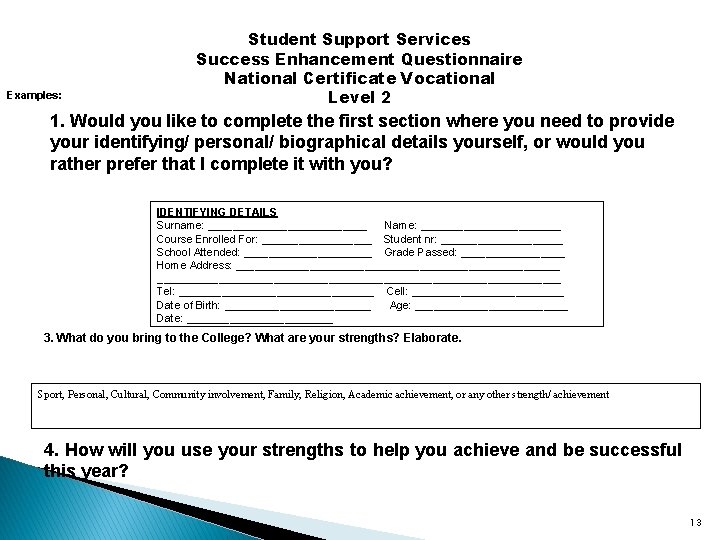
Examples: Student Support Services Success Enhancement Questionnaire National Certificate Vocational Level 2 1. Would you like to complete the first section where you need to provide your identifying/ personal/ biographical details yourself, or would you rather prefer that I complete it with you? IDENTIFYING DETAILS Surname: _____________ Name: ____________ Course Enrolled For: _________ Student nr: __________ School Attended: ___________ Grade Passed: _________ Home Address: ____________________________________________________________ Tel: ________________ Cell: _____________ Date of Birth: ____________ Age: _____________ Date: ____________ 3. What do you bring to the College? What are your strengths? Elaborate. Sport, Personal, Cultural, Community involvement, Family, Religion, Academic achievement, or any other strength/ achievement 4. How will you use your strengths to help you achieve and be successful this year? 13
5. Who is going to support you and who is going to be part of your winning team? 8. I would like you to take ownership of your action plan for success and commit yourself by signing a self contract. Is it fine with you? I, ___________ (full name) commit myself/promise that by ________ (date goal to be achieved), I will ____________________ (goal to be achieved) With the help of ________________ (Support) Signed ______ (Signature) Date: _______ 14
PROFILE OF THE FIRST INTAKE NATIONAL CERTIFICATE VOCATIONAL(NCV) LEVEL 2 STUDENT-RESEARCH STUDY P. A. JACOBS
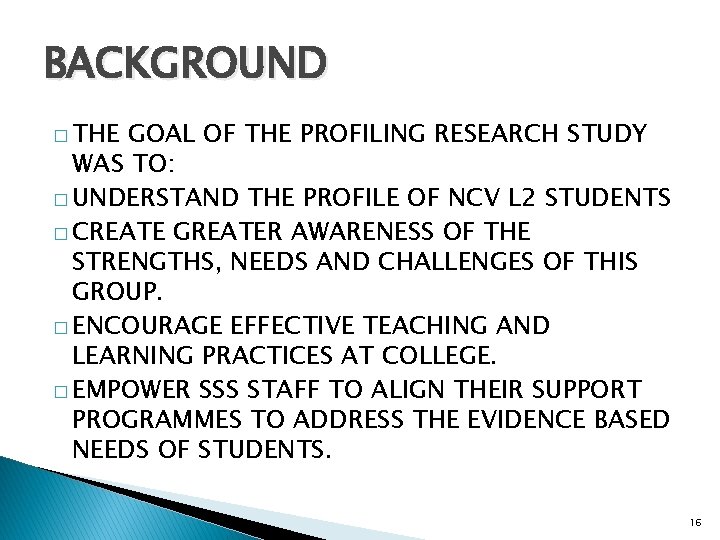
BACKGROUND � THE GOAL OF THE PROFILING RESEARCH STUDY WAS TO: � UNDERSTAND THE PROFILE OF NCV L 2 STUDENTS � CREATE GREATER AWARENESS OF THE STRENGTHS, NEEDS AND CHALLENGES OF THIS GROUP. � ENCOURAGE EFFECTIVE TEACHING AND LEARNING PRACTICES AT COLLEGE. � EMPOWER SSS STAFF TO ALIGN THEIR SUPPORT PROGRAMMES TO ADDRESS THE EVIDENCE BASED NEEDS OF STUDENTS. 16
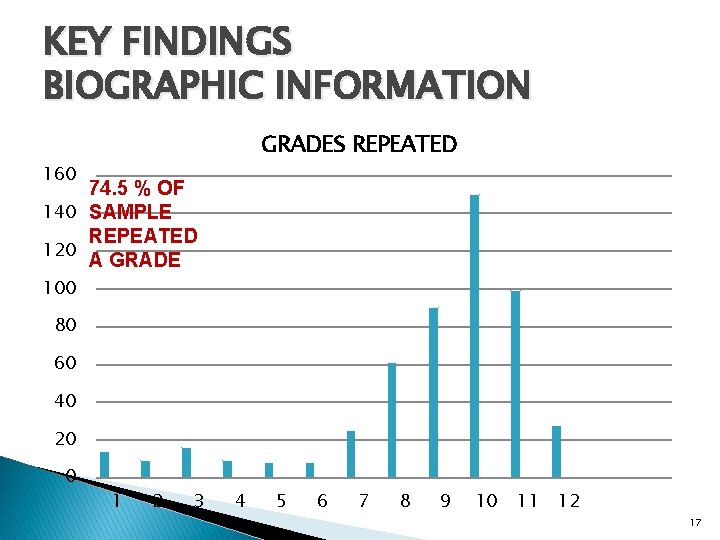
KEY FINDINGS BIOGRAPHIC INFORMATION GRADES REPEATED 160 74. 5 % OF 140 SAMPLE REPEATED 120 A GRADE 100 80 60 40 20 0 1 2 3 4 5 6 7 8 9 10 11 12 17
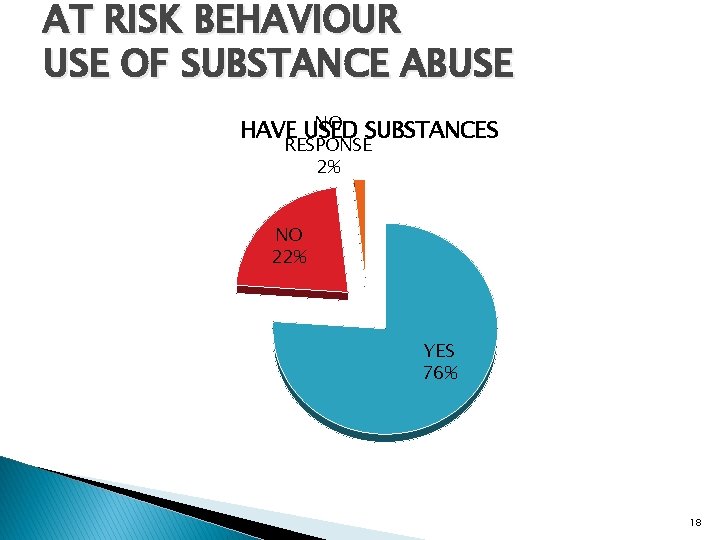
AT RISK BEHAVIOUR USE OF SUBSTANCE ABUSE NO SUBSTANCES HAVE USED RESPONSE 2% NO 22% YES 76% 18
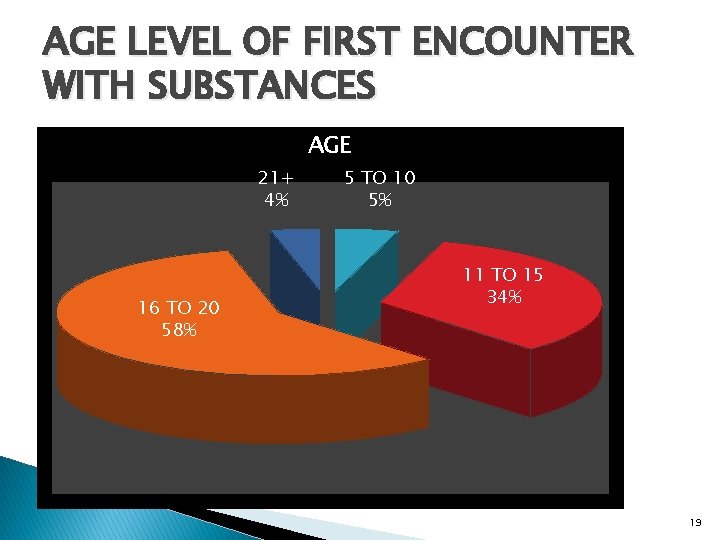
AGE LEVEL OF FIRST ENCOUNTER WITH SUBSTANCES AGE 21+ 4% 16 TO 20 58% 5 TO 10 5% 11 TO 15 34% 19
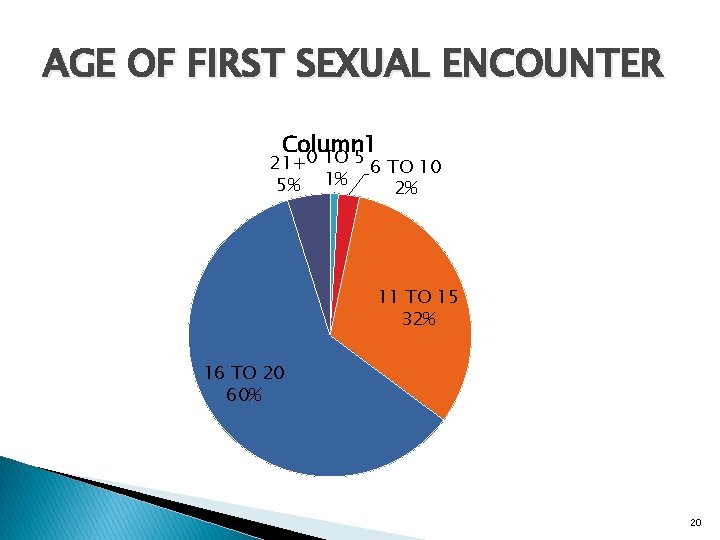
AGE OF FIRST SEXUAL ENCOUNTER Column 1 21+0 TO 5 6 TO 10 5% 1% 2% 11 TO 15 32% 16 TO 20 60% 20
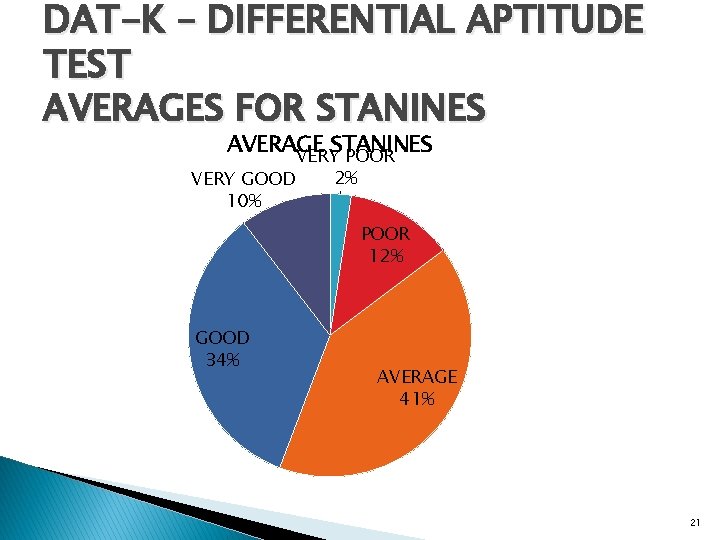
DAT-K – DIFFERENTIAL APTITUDE TEST AVERAGES FOR STANINES AVERAGE STANINES VERY POOR VERY GOOD 10% 2% POOR 12% GOOD 34% AVERAGE 41% 21
� THIS SUMMARY STUDY REVEALED: � MAJORITY AGE GROUP – 18 -20( 35%) BUT � SIGNIFICANT NUMBER FOR 16 -18 AGE GROUP (29%) ADOLESCENTS – DEVELOPMENTAL TASKS � MAJORITY PASSED GRADE 9 ( 10/11 HIGH FAILURE) � 74. 5 % REPEATED A GRADE – PEAK – GRADE 10 � EXPOSURE TO HIGH RISK BEHAVIOUR AT YOUNG AGE � 16 -20 – CRITICAL AGE -AT RISK BEHAVIOUR 22
SUMMARY � CHALLENGING HOME CIRCUMSTANCES � BARRIERS TO LEARNING – SIGNIFICANT � POOR SELF KNOWLEDGE � ETS – JUNG � DAT – K � INDICATIVE THAT NCV L 2 STUDENTS HAVE THE APTITUDE TO PERFORM ACADEMICALLY BETTER 23
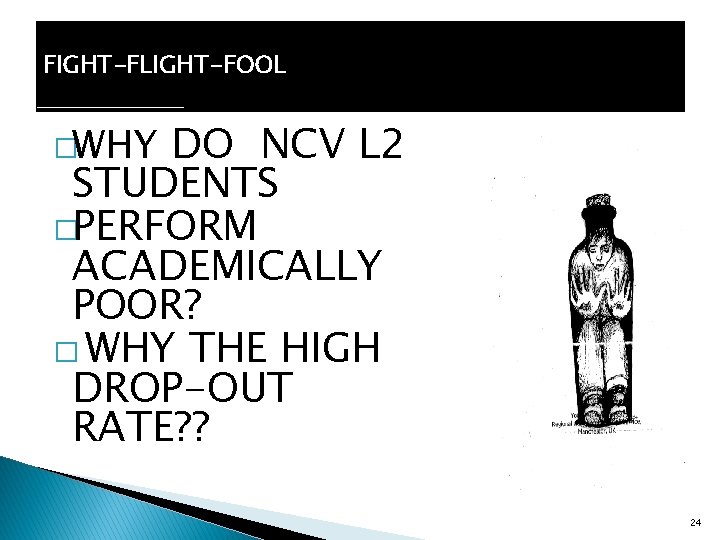
FIGHT-FLIGHT-FOOL DO NCV L 2 STUDENTS �PERFORM ACADEMICALLY POOR? � WHY THE HIGH DROP-OUT RATE? ? �WHY 24
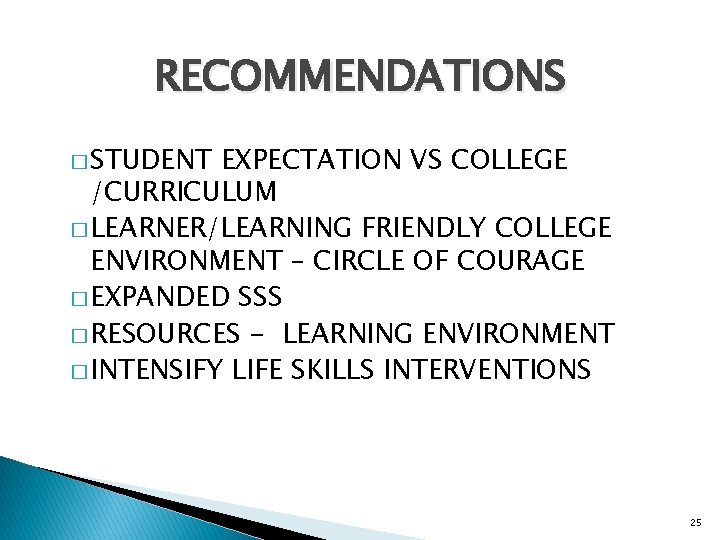
RECOMMENDATIONS � STUDENT EXPECTATION VS COLLEGE /CURRICULUM � LEARNER/LEARNING FRIENDLY COLLEGE ENVIRONMENT – CIRCLE OF COURAGE � EXPANDED SSS � RESOURCES - LEARNING ENVIRONMENT � INTENSIFY LIFE SKILLS INTERVENTIONS 25
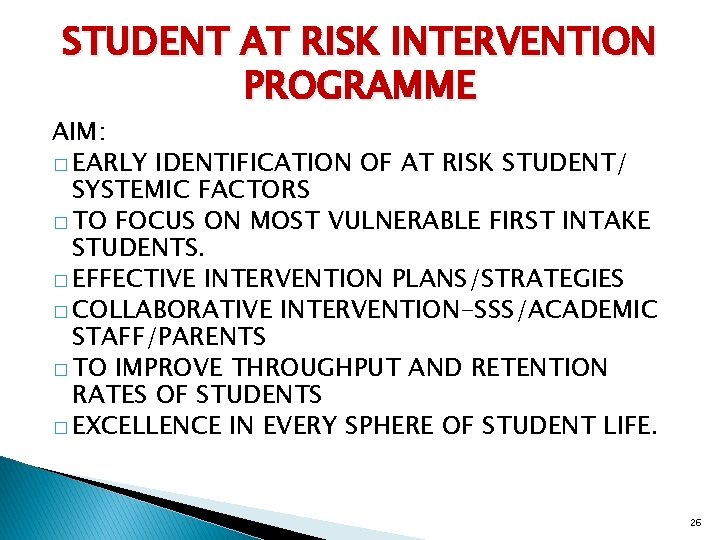
STUDENT AT RISK INTERVENTION PROGRAMME AIM: � EARLY IDENTIFICATION OF AT RISK STUDENT/ SYSTEMIC FACTORS � TO FOCUS ON MOST VULNERABLE FIRST INTAKE STUDENTS. � EFFECTIVE INTERVENTION PLANS/STRATEGIES � COLLABORATIVE INTERVENTION-SSS/ACADEMIC STAFF/PARENTS � TO IMPROVE THROUGHPUT AND RETENTION RATES OF STUDENTS � EXCELLENCE IN EVERY SPHERE OF STUDENT LIFE. 26
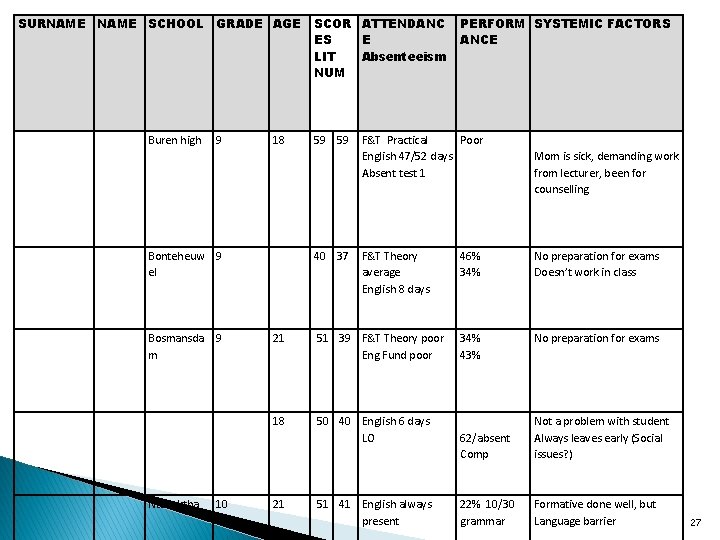
SURNAME SCHOOL Buren high GRADE AGE SCOR ATTENDANC ES E LIT Absenteeism NUM 9 59 59 18 Bonteheuw 9 el Bosmansda m Ntsonktha 9 10 40 37 F&T Practical Poor English 47/52 days Absent test 1 F&T Theory average English 8 days 21 51 39 F&T Theory poor Eng Fund poor 18 50 40 English 6 days LO 21 PERFORM SYSTEMIC FACTORS ANCE 51 41 English always present Mom is sick, demanding work from lecturer, been for counselling 46% 34% No preparation for exams Doesn’t work in class 34% 43% No preparation for exams 62/absent Comp Not a problem with student Always leaves early (Social issues? ) 22% 10/30 grammar Formative done well, but Language barrier 27
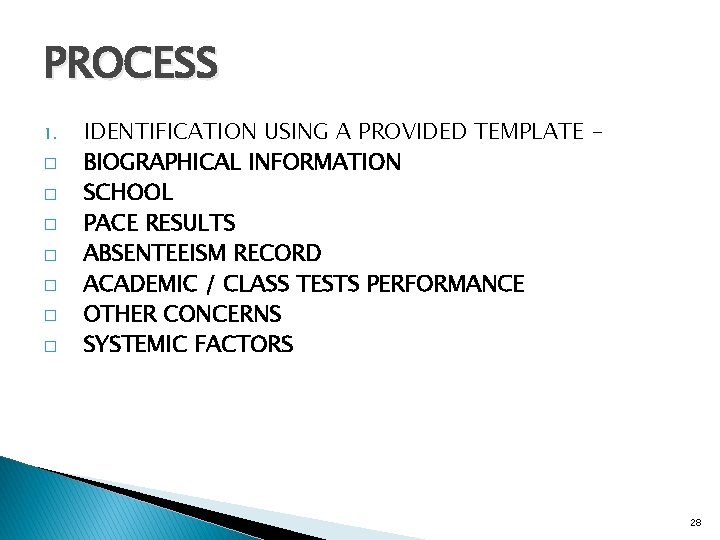
PROCESS 1. � � � � IDENTIFICATION USING A PROVIDED TEMPLATE BIOGRAPHICAL INFORMATION SCHOOL PACE RESULTS ABSENTEEISM RECORD ACADEMIC / CLASS TESTS PERFORMANCE OTHER CONCERNS SYSTEMIC FACTORS 28
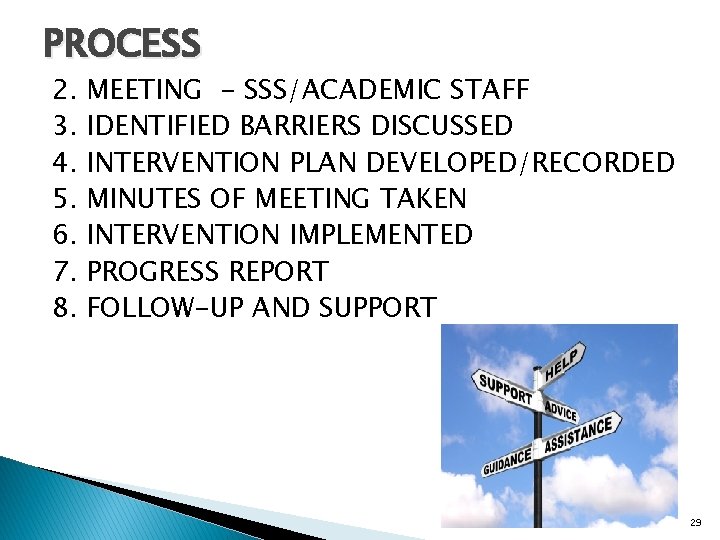
PROCESS 2. 3. 4. 5. 6. 7. 8. MEETING - SSS/ACADEMIC STAFF IDENTIFIED BARRIERS DISCUSSED INTERVENTION PLAN DEVELOPED/RECORDED MINUTES OF MEETING TAKEN INTERVENTION IMPLEMENTED PROGRESS REPORT FOLLOW-UP AND SUPPORT 29
INTERVENTION STRATEGIES � REFERRALS TO SSS – ASSESSMENT/ COUNSELLING/ ACADEMIC SUPPORT/ LANGUAGE ENRICHMENT/ � REFERRALS TO ACADEMIC STAFF-SYSTEMIC CURRICULUM / POLICIES � ADVICE ON ADDRESSING BARRIERS TO LEARNING TO STAFF. � ONGOING REPORTS TO DCEO –I&D – EM � PARENTAL INVOLVEMENT � MONITORING OF INTERVENTIONS � INVITING/MOTIVATING ACADEMIC STAFF TO SUPPORT PROCESS � ONGOING SUPPORT � ASSESSING AND RECORDING PROGRESS 30
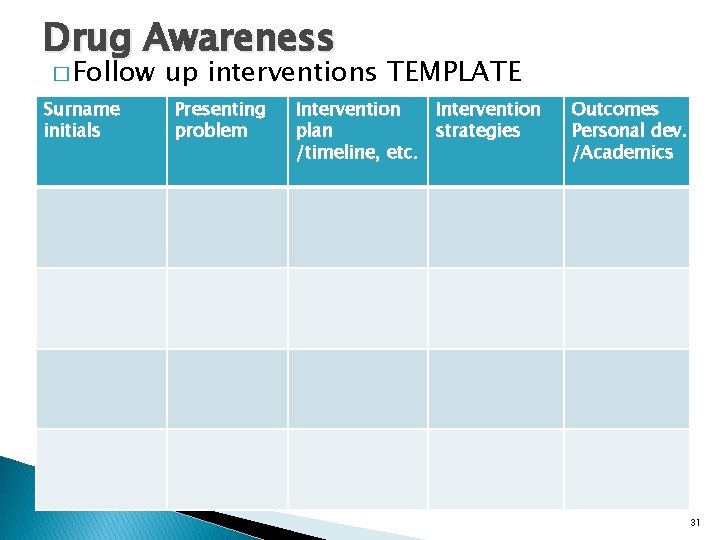
Drug Awareness � Follow Surname initials up interventions TEMPLATE Presenting problem Intervention plan strategies /timeline, etc. Outcomes Personal dev. /Academics 31
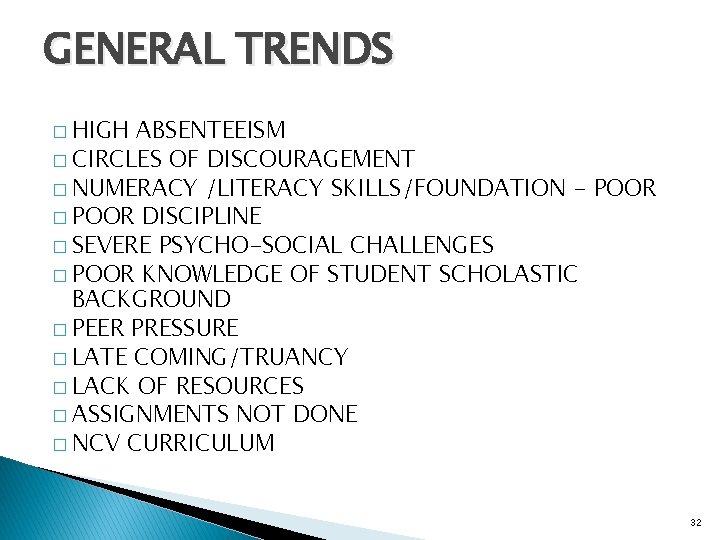
GENERAL TRENDS � HIGH ABSENTEEISM � CIRCLES OF DISCOURAGEMENT � NUMERACY /LITERACY SKILLS/FOUNDATION - POOR � POOR DISCIPLINE � SEVERE PSYCHO-SOCIAL CHALLENGES � POOR KNOWLEDGE OF STUDENT SCHOLASTIC BACKGROUND � PEER PRESSURE � LATE COMING/TRUANCY � LACK OF RESOURCES � ASSIGNMENTS NOT DONE � NCV CURRICULUM 32
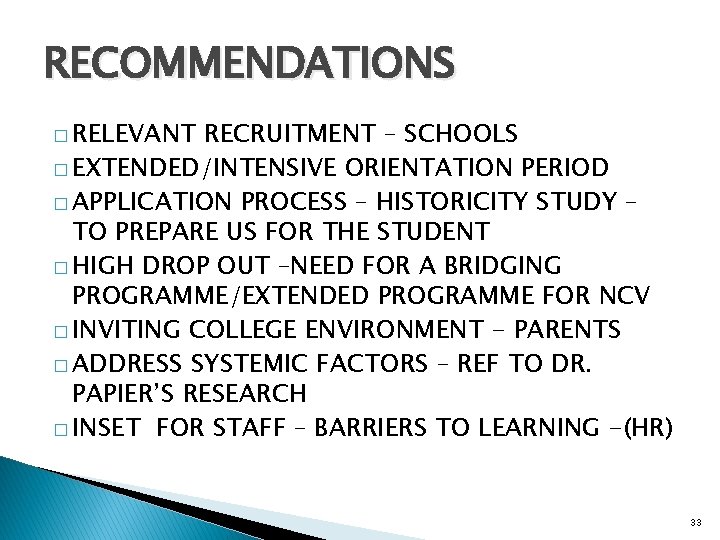
RECOMMENDATIONS � RELEVANT RECRUITMENT – SCHOOLS � EXTENDED/INTENSIVE ORIENTATION PERIOD � APPLICATION PROCESS – HISTORICITY STUDY – TO PREPARE US FOR THE STUDENT � HIGH DROP OUT –NEED FOR A BRIDGING PROGRAMME/EXTENDED PROGRAMME FOR NCV � INVITING COLLEGE ENVIRONMENT - PARENTS � ADDRESS SYSTEMIC FACTORS – REF TO DR. PAPIER’S RESEARCH � INSET FOR STAFF – BARRIERS TO LEARNING -(HR) 33
RECOMMENDATIONS � REVISED NCV CURRICULUM – SPECIFICALY MATHEMATICS � IMPROVED TEACHING AND LEARNING ENVIRONMENT � APPROPRIATE RESOURCES – AVAILABLE AT BEGINNING OF ACADEMIC YEAR � TRY TO AVOID LATE REGISTRATIONS/INTAKE � MORE DISCIPLINE AND STRUCTURE � MORE ACCOUNTABILITY 34
FIE- FEUERSTEIN INSTRUMENTAL ENRICHMENT PROGRAMME � ORGANIZATION OF DOTS- COGNITIVE OPERATIONS: � DIFFERENTIATION; INFERENTIAL THINKING � INPUT/ELABORATION/OUTPUT PHASES OF MENTAL ACT – FUNCTIONS ACTIVATED � COVERS: ANALYTIC PERCEPTION; CATEGORIZATION; ILLUSTRATIONS; INSTRUCTIONS; COMPARISONS-CRITICAL PREREQUISITE MENTAL ACTIVITIES FOR LEARNING 35
Campus No of students initially referred Cluster presenting problems, e. g. socioeconomic etc. Parow Campus O. Solomon Safety in Society=10 Office Admin=38 N 4 Public admin=10 TOTAL = 58 Protea Campus R. Williams Financial Management = 14 Generic Management = 18 Hospitality = 28 TOTAL 60 Frequency and details of intervention by SSS Absent and or absconded students [drop outs] Absenteeism=10 family problems=6 Emotional problems=12 Barriers to learning=10 Financially constraint=2 Lack of computer skills=18 All students received: Study skills Time management FIE sessions Absenteeism=5 Poor Academic Performance=5 Mathematics Barrier=15 Language Barriers=20 Study Methods=14 FREQUENCY: At least once a week Drop out 1: due to severe TB Absconded 1: Ill student in hospital Referrals to Health and Wellness counselor (Mr. Visagie) None dropped out 1 = passed away Students received: Meeting to discuss the programme and signing of agreement to attend Academic support sessions Assessment of Language and Oral competency. LEC assessment to identify further gaps Study methods How to summarize Thinking skills Referrals to Maths lecturer – Mrs. Le tape & Mr. van Schalkwyk=15 Referrals to Health and Wellness counselor (Mrs. Damon)=5 36
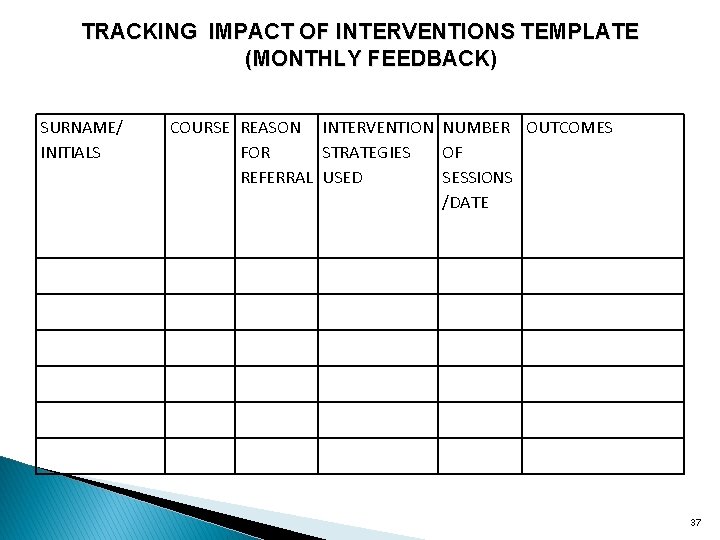
TRACKING IMPACT OF INTERVENTIONS TEMPLATE (MONTHLY FEEDBACK) SURNAME/ INITIALS COURSE REASON INTERVENTION NUMBER OUTCOMES FOR STRATEGIES OF REFERRAL USED SESSIONS /DATE 37
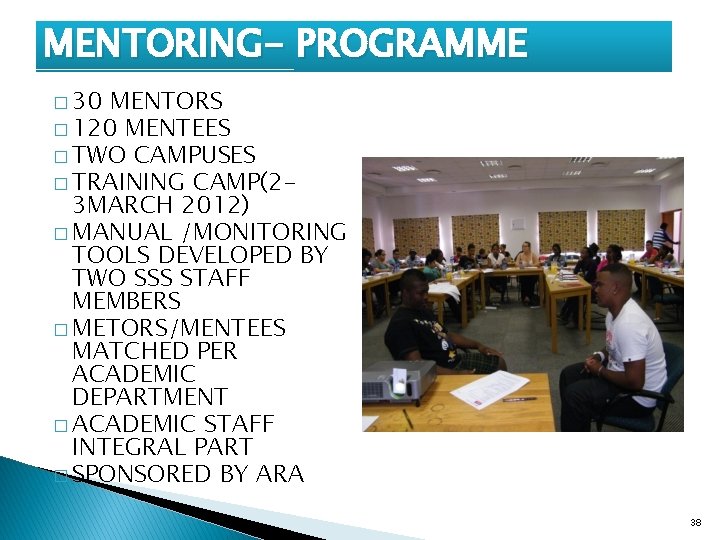
MENTORING- PROGRAMME � 30 MENTORS � 120 MENTEES � TWO CAMPUSES � TRAINING CAMP(23 MARCH 2012) � MANUAL /MONITORING TOOLS DEVELOPED BY TWO SSS STAFF MEMBERS � METORS/MENTEES MATCHED PER ACADEMIC DEPARTMENT � ACADEMIC STAFF INTEGRAL PART � SPONSORED BY ARA 38
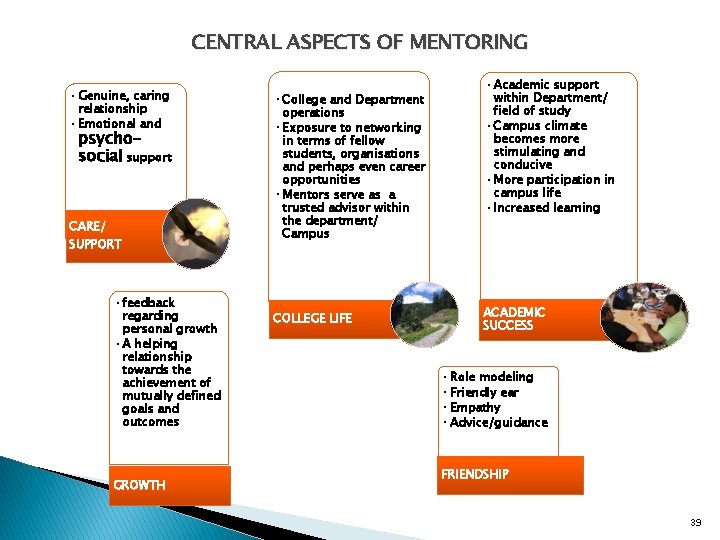
CENTRAL ASPECTS OF MENTORING • Genuine, caring relationship • Emotional and psychosocial support CARE/ SUPPORT • feedback regarding personal growth • A helping relationship towards the achievement of mutually defined goals and outcomes GROWTH • College and Department operations • Exposure to networking in terms of fellow students, organisations and perhaps even career opportunities • Mentors serve as a trusted advisor within the department/ Campus COLLEGE LIFE • Academic support within Department/ field of study • Campus climate becomes more stimulating and conducive • More participation in campus life • Increased learning ACADEMIC SUCCESS • Role modeling • Friendly ear • Empathy • Advice/guidance FRIENDSHIP 39
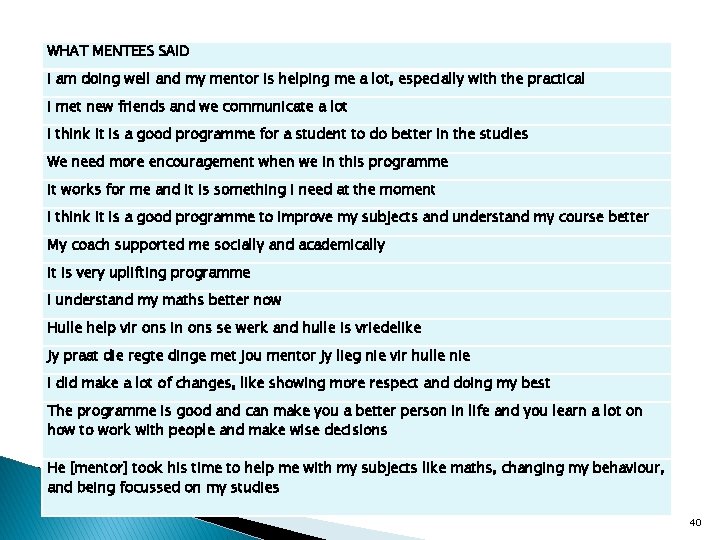
WHAT MENTEES SAID I am doing well and my mentor is helping me a lot, especially with the practical I met new friends and we communicate a lot I think it is a good programme for a student to do better in the studies We need more encouragement when we in this programme It works for me and it is something I need at the moment I think it is a good programme to improve my subjects and understand my course better My coach supported me socially and academically It is very uplifting programme I understand my maths better now Hulle help vir ons in ons se werk and hulle is vriedelike Jy praat die regte dinge met jou mentor jy lieg nie vir hulle nie I did make a lot of changes, like showing more respect and doing my best The programme is good and can make you a better person in life and you learn a lot on how to work with people and make wise decisions He [mentor] took his time to help me with my subjects like maths, changing my behaviour, and being focussed on my studies 40
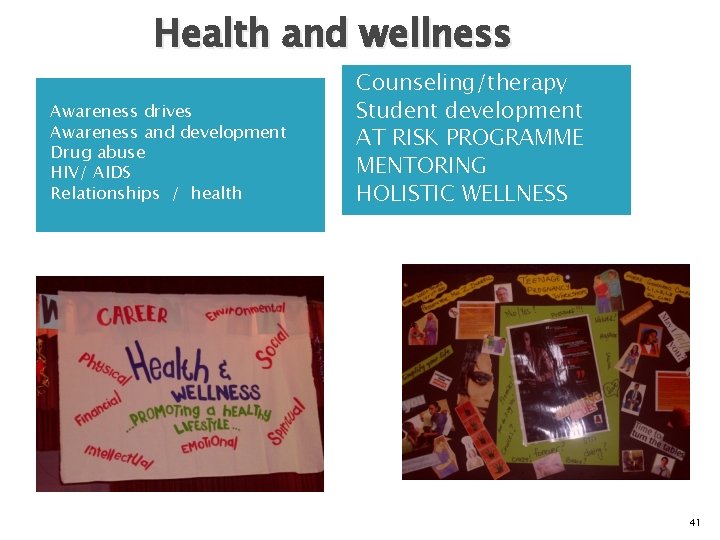
Health and wellness Awareness drives Awareness and development Drug abuse HIV/ AIDS Relationships / health Counseling/therapy Student development AT RISK PROGRAMME MENTORING HOLISTIC WELLNESS 41
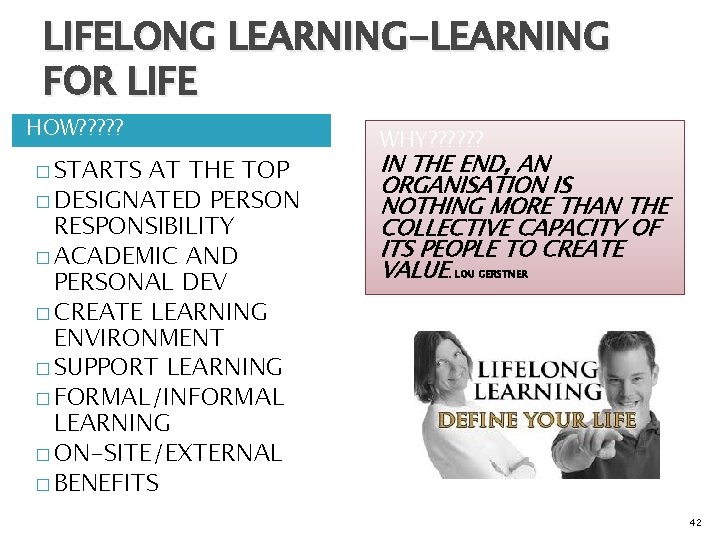
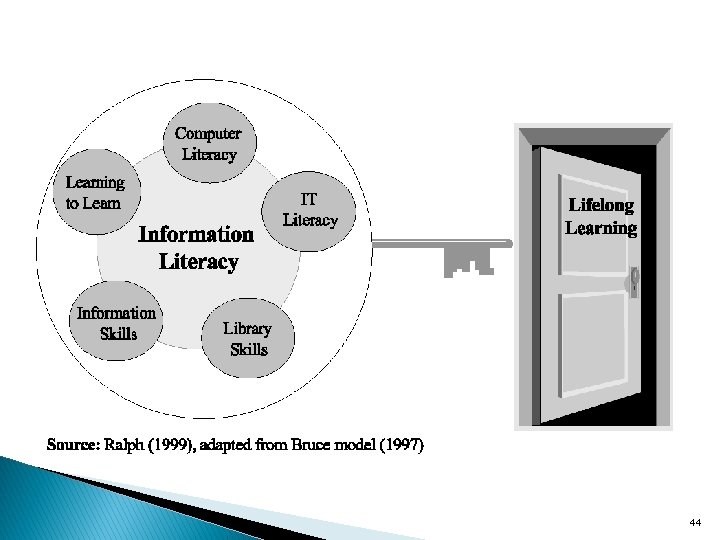
LIFELONG LEARNING-LEARNING FOR LIFE HOW? ? ? � STARTS AT THE TOP � DESIGNATED PERSON RESPONSIBILITY � ACADEMIC AND PERSONAL DEV � CREATE LEARNING ENVIRONMENT � SUPPORT LEARNING � FORMAL/INFORMAL LEARNING � ON-SITE/EXTERNAL � BENEFITS WHY? ? ? IN THE END, AN ORGANISATION IS NOTHING MORE THAN THE COLLECTIVE CAPACITY OF ITS PEOPLE TO CREATE VALUE. LOU GERSTNER 42
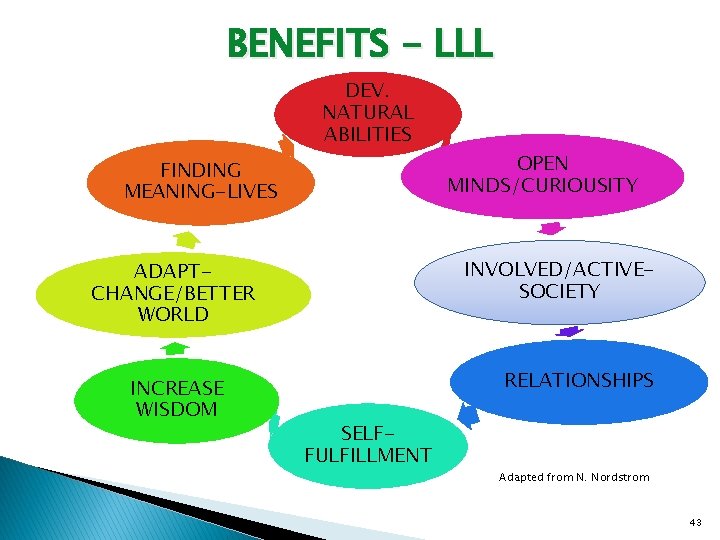
BENEFITS - LLL DEV. NATURAL ABILITIES FINDING MEANING-LIVES INVOLVED/ACTIVESOCIETY ADAPTCHANGE/BETTER WORLD INCREASE WISDOM OPEN MINDS/CURIOUSITY RELATIONSHIPS SELFFULFILLMENT Adapted from N. Nordstrom 43
44
THANK YOU ALL OF THE TOP ACHIEVERS I KNOW ARE LIFELONG LEARNERS…. . LOOKING FOR NEW SKILLS, INSIGHTS AND IDEAS. IF THEY’RE NOT LEARNING, THEY’RE NOT GROWING, AND THEY’RE NOT MOVING TOWARDS EXCELLENCE. DENNIS WAITLY 45