
Goals 1 Wound healing pathophysiology 2 Wound evaluation
















- Slides: 38
Goals 1. Wound healing의 pathophysiology를 이 해한다 2. Wound evaluation and management skills을 익힌다. 3. Wound closure techniques을 배운다. 4. 적절한 disposition과 referral skills을 배 운다. 5. 적절한 follow-up techniques을 배운다.
Anatomy
Wound healing Control of bacterial growth, suppression of infection Phagocytosis, Ingestion of wound debris
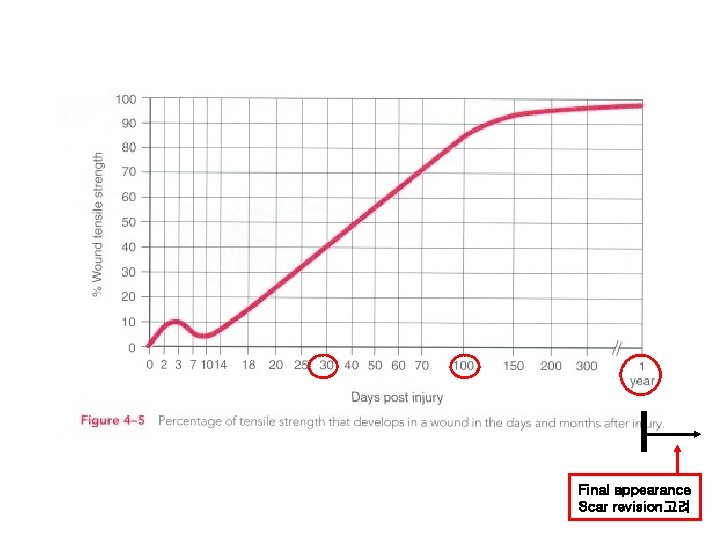
Final appearance Scar revision고려
Categories of wound healing • Primary closure – Clean, minimally contaminated, minimal skin loss – Within 6 -8 hr – No hard & fast rules • Secondary closure – Skin infarction, ulceration, abscess cavities, punctures, small animal bites, partial thickness abrasion – Not closed with suture • Tertiary closure – Too contaminated to close – Observed for 4 -5 days – Saline-soaking dressing
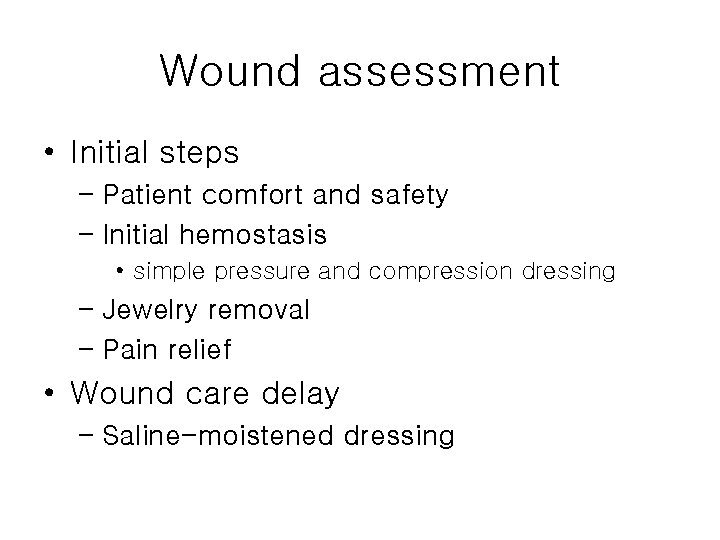
Wound assessment • Initial steps – Patient comfort and safety – Initial hemostasis • simple pressure and compression dressing – Jewelry removal – Pain relief • Wound care delay – Saline-moistened dressing
Wound cleansing • P 84 Table 7 -1
Wound cleansing -preparation 1. 2. 3. 1) 4. 2) 3) 5. 6. 7. Hand washing Personnel precautions Wound area hair removal S a v i n g : w o u n d i n f e c t i o n r a t e ↑ Anesthesia Clipping hair around the wound with scissors A b s o l u t material ely not saved or clipped site Foreign : e y e b r o w ! ! Wound periphery cleansing 23 G 19 G 24 G 26 G Irrigation 1) Most effective method of reducing bacterial counts 2) High-pressure streams(5 to 70 psi(0. 35 -4. 9 kg/cm 2)) of saline : 35 cc syringe attached to a 19 G catheter
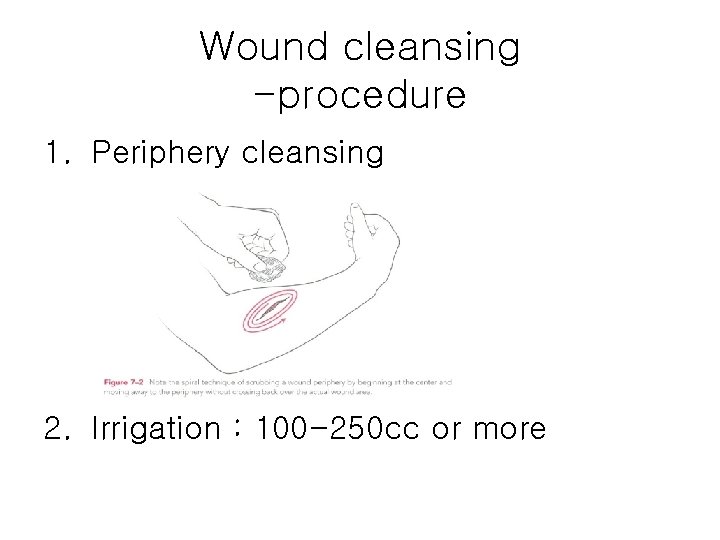
Wound cleansing -procedure 1. Periphery cleansing 2. Irrigation : 100 -250 cc or more
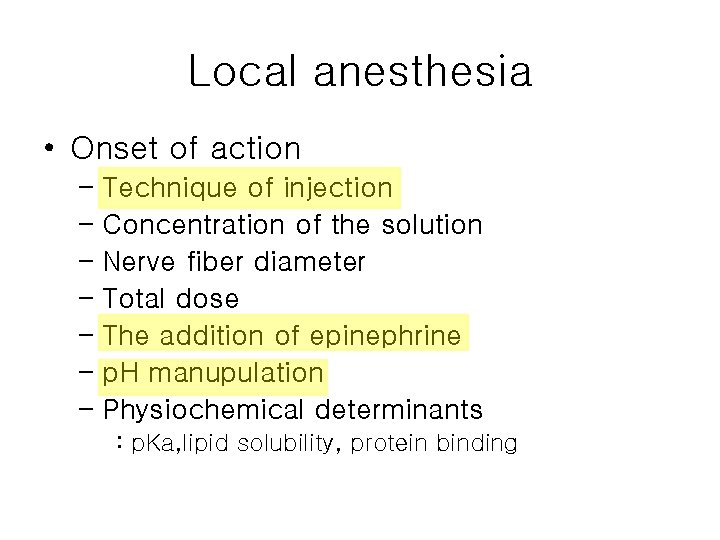
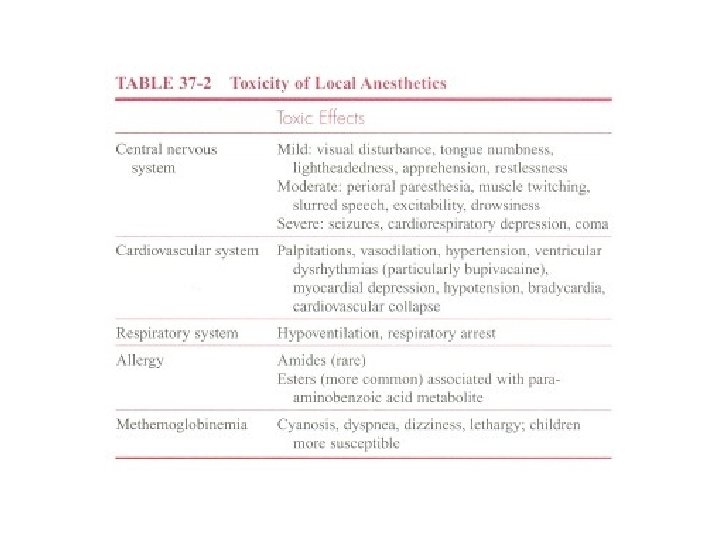
Local anesthesia • Onset of action – Technique of injection – Concentration of the solution – Nerve fiber diameter – Total dose – The addition of epinephrine – p. H manupulation – Physiochemical determinants : p. Ka, lipid solubility, protein binding
Local anesthesia -reducing the pain of anesthesia 1. Anesthetic buffering : acidic p. H significant discomfort : 1 cc of bicarbonate(1 m. Eq/1 cc) + 9 cc of 1% lidocaine : 7일 이상 방치하면 안된다 2. Anesthetic warming 3. Choice of needles 26 G 24 G : 25 G, 27 G, 30 G 4. rate of injection 23 G 19 G
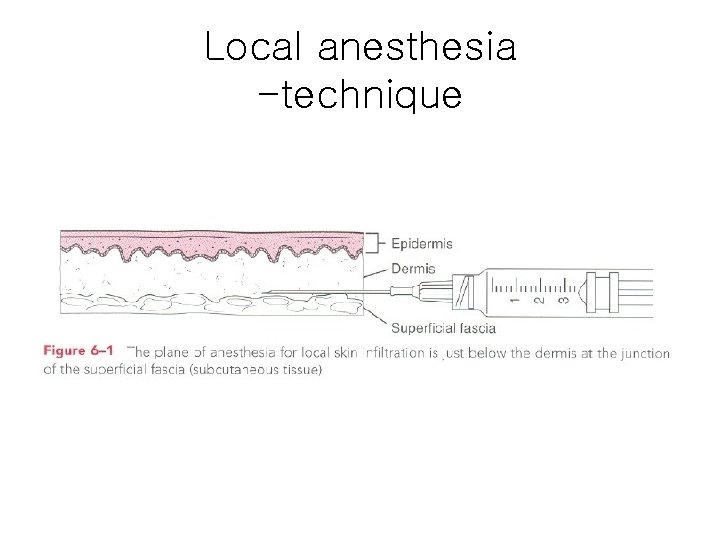
Local anesthesia -technique
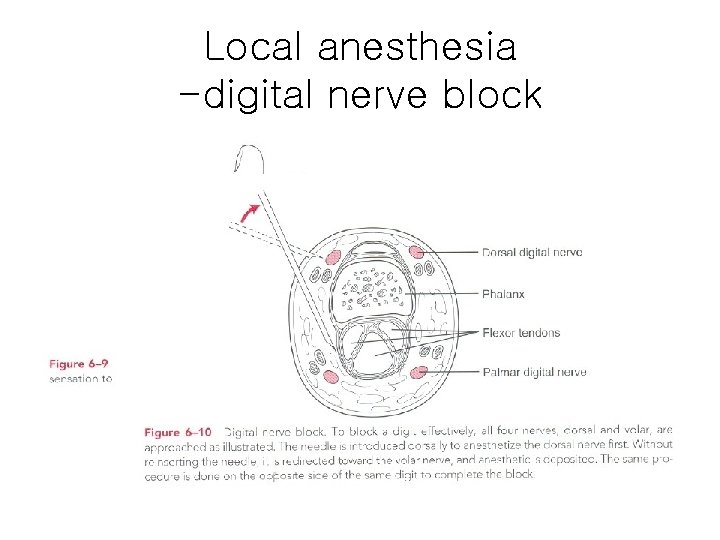
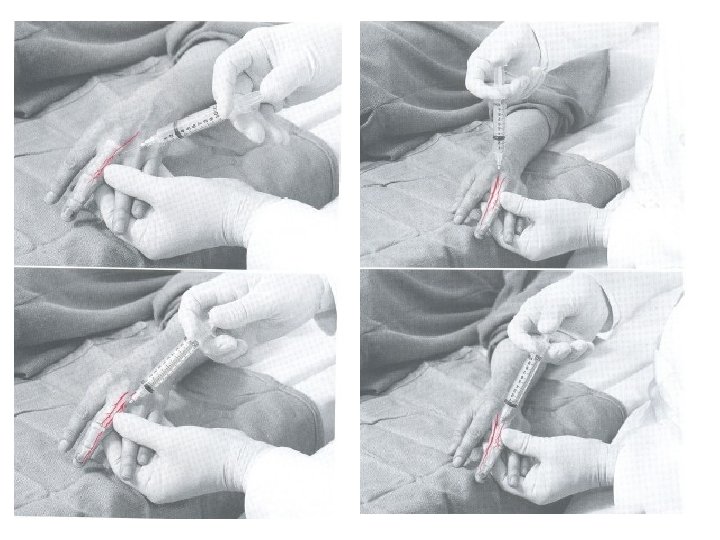
Local anesthesia -digital nerve block
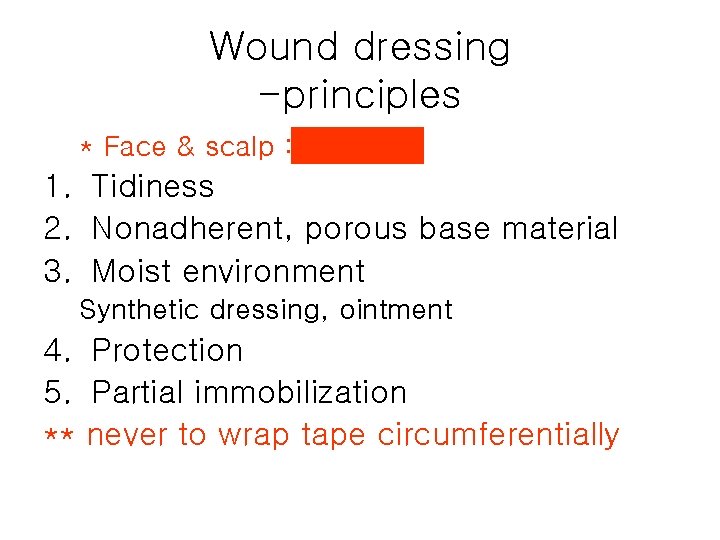
Wound dressing -principles * Face & scalp : left open 1. Tidiness 2. Nonadherent, porous base material 3. Moist environment Synthetic dressing, ointment 4. Protection 5. Partial immobilization ** never to wrap tape circumferentially
Soft tissue foreign body -clinical evaluation • Glass injury, loss of dentition, needle, nail, splinter에 의한 injury Possibility of a retained foreign object • Gently running • Gentle probing
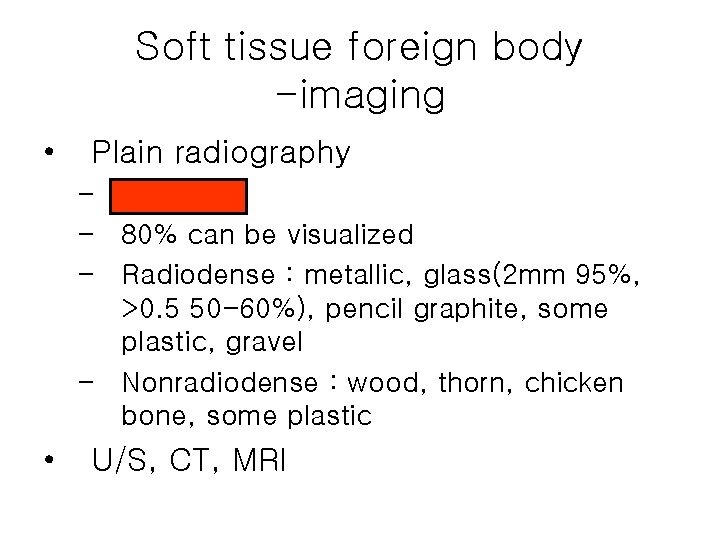
Soft tissue foreign body -imaging • Plain radiography – AP & lat – 80% can be visualized – Radiodense : metallic, glass(2 mm 95%, >0. 5 50 -60%), pencil graphite, some plastic, gravel – Nonradiodense : wood, thorn, chicken bone, some plastic • U/S, CT, MRI
Soft tissue foreign body -technique for removal ** 30분을 넘는다면 consultation을 고려하라!! • Radiodense objects – Careful localization – Cleansing & anesthesia – Small incision – Exploration • Nonradiodense objects – Generous incision & thorough exploration by direct visualization
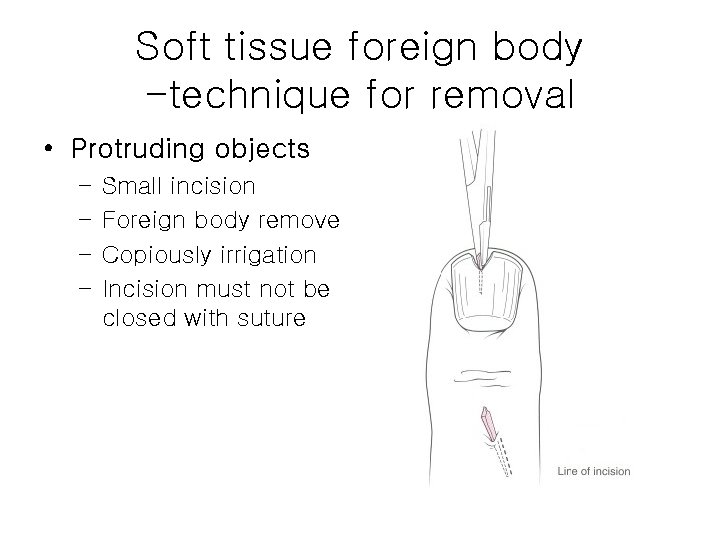
Soft tissue foreign body -technique for removal • Protruding objects – – Small incision Foreign body remove Copiously irrigation Incision must not be closed with suture
Guidelines for consultation There are no definitive rules! • Standard of care • Logistics of care – 30분이 넘을 경우 • Cosmetics and patient expectation • Continuity of care
Bite wounds 1. Cleanse, irrigate, debride가 가장 중요! 2. Face는 가능하면 primary closure를 고려 3. Irrigation이 용이한 large wound는 hand와 foot이 아니라면 primary closure를 고려할 수 있다 4. Hand및 high risk wound는 secondary 또는 tertiary closure를 고려한다 5. Primary closure를 하는 경우 deep closure는 하지 않는다
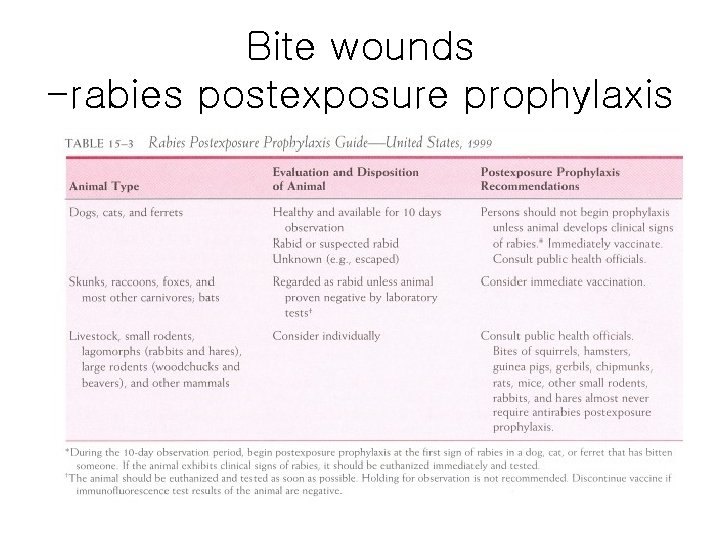
Bite wounds -rabies postexposure prophylaxis
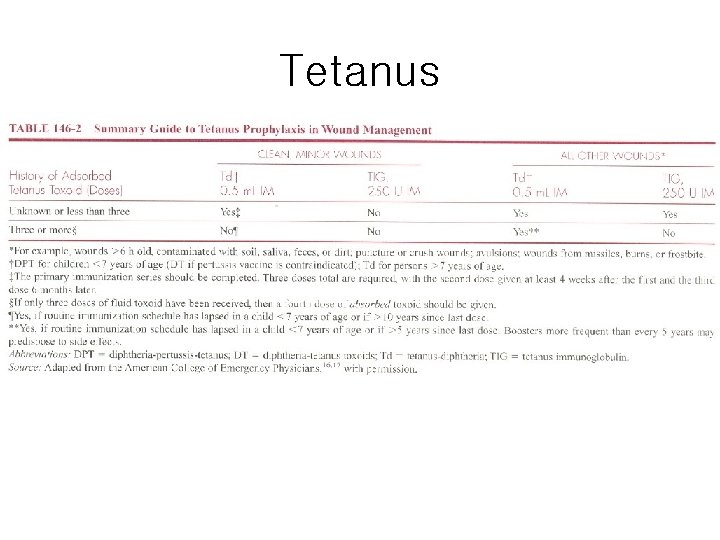
Tetanus
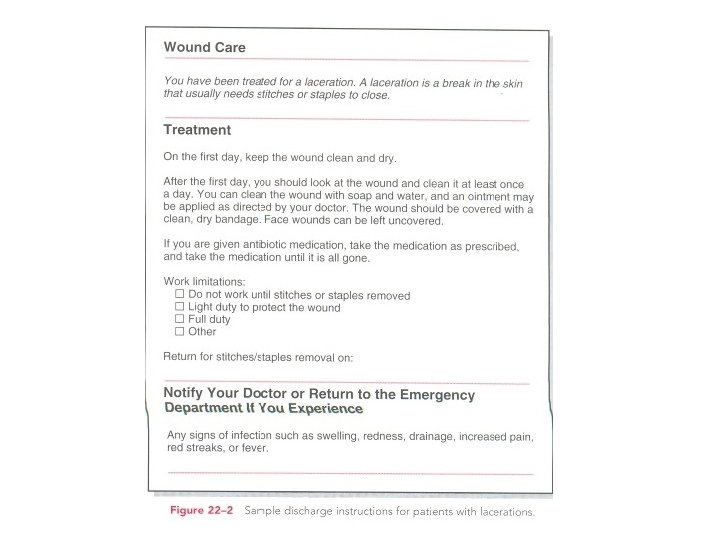
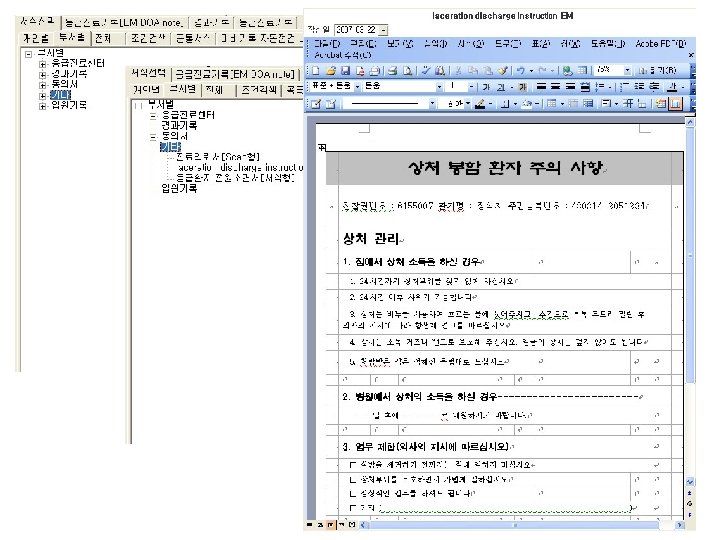
Wound aftercare • Home care – Protection, elevation, cleanliness – Vulnerable to direct sunlight : sunblock agent • Wound cleansing and bathing – Can be cleansed gently 12 -24 hrs – Bath or shower : 12 -24 hr – Wound is not immersed and soaked in water
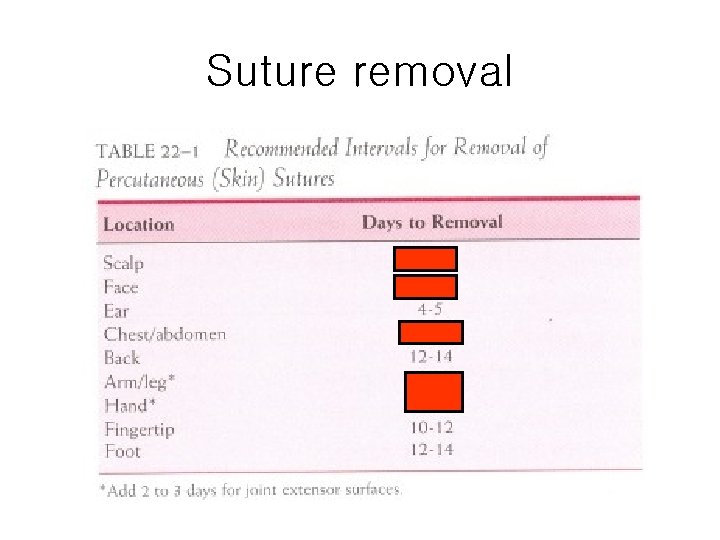
Suture removal
Reference • By Alexander T. Trott, MD