
GOAL DIRECTED PERIOPERATIVE FLUID MANAGEMENT DOES KIND OF




- Slides: 70
GOAL DIRECTED PERIOPERATIVE FLUID MANAGEMENT – DOES KIND OF FLUID MATTER? DR. N. KANAGARAJAN SENIOR CONSULTANT DEPT OF CARDIAC ANESTHESIA ICVD, MADRAS MEDICAL MISSION HOSPITAL CHENNAI.
INTRODUCTION �Perioperative fluid therapy - Much controversy / Effects on the outcome inconclusive �Intravenous fluid resuscitation : (a) fluid and electrolytes required for normal existence (daily maintenance) and (b) resuscitation or replacement of abnormal losses. �The “Recipe Book” approach
Callum KG et al (1999) “ Errors in fluid management (usually fluid excess) were the most common cause of perioperative morbidity and mortality ” (National Confidential Enquiry into Perioperative Deaths)
1. PREOPERATIVE FLUID DEFICIT 2. INSENSIBLE LOSS 3. VOLUME AND ELECTROLYTES LOST THROUGH BODY SECRETIONS 4. BLOOD LOSS
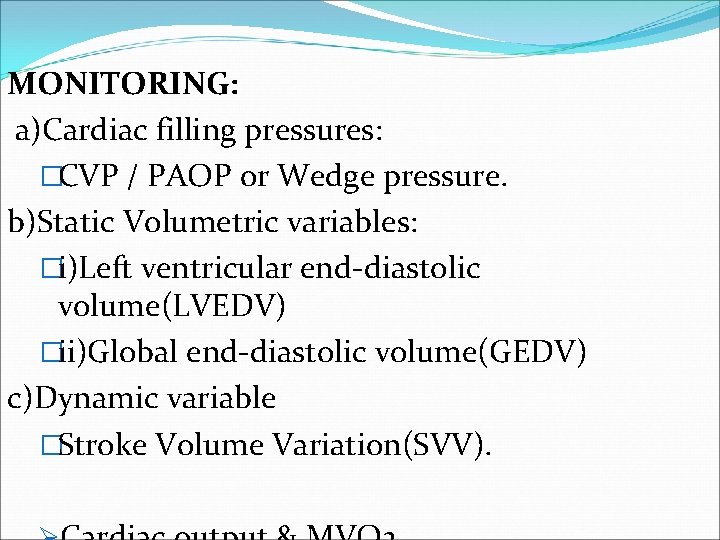
MONITORING: a)Cardiac filling pressures: �CVP / PAOP or Wedge pressure. b)Static Volumetric variables: �i)Left ventricular end-diastolic volume(LVEDV) �ii)Global end-diastolic volume(GEDV) c)Dynamic variable �Stroke Volume Variation(SVV).
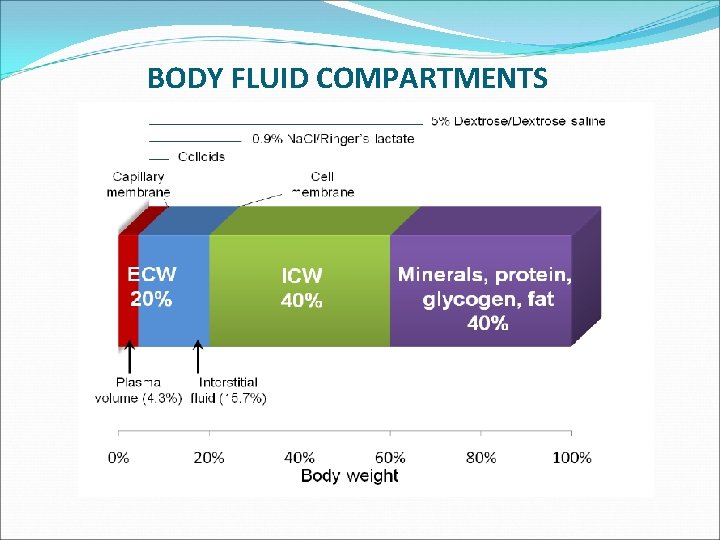
BODY FLUID COMPARTMENTS
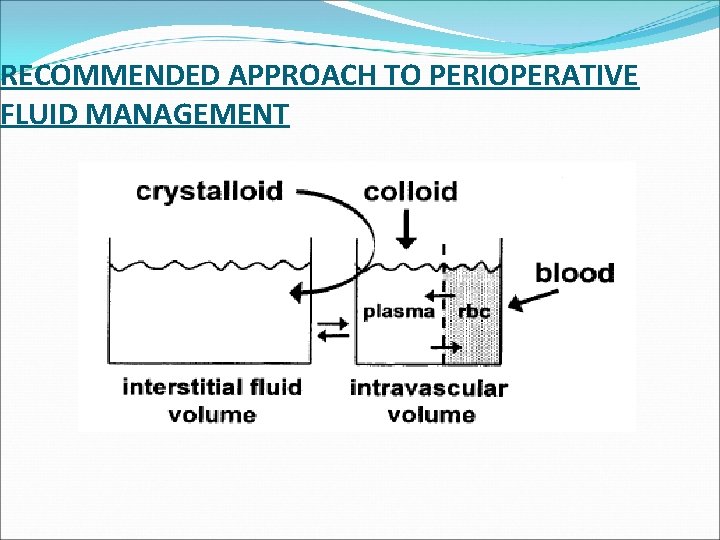
RECOMMENDED APPROACH TO PERIOPERATIVE FLUID MANAGEMENT
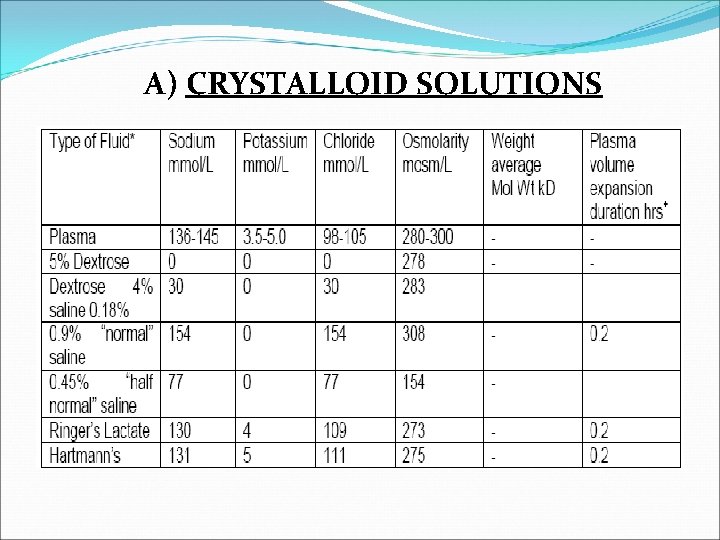
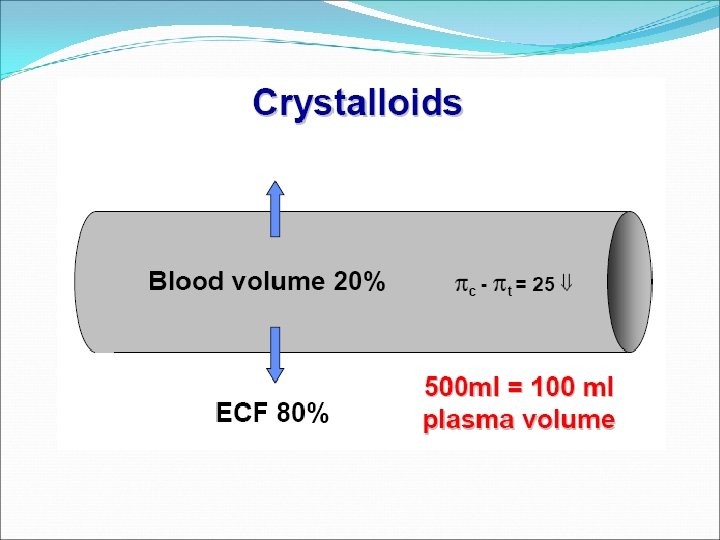
A) CRYSTALLOID SOLUTIONS
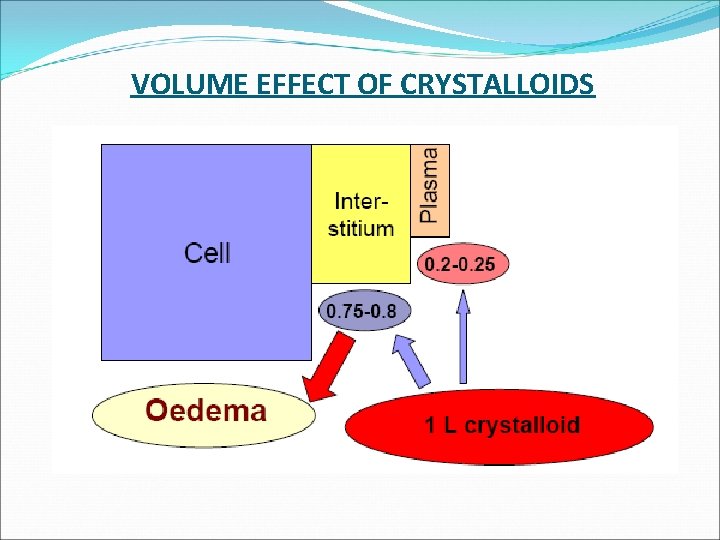
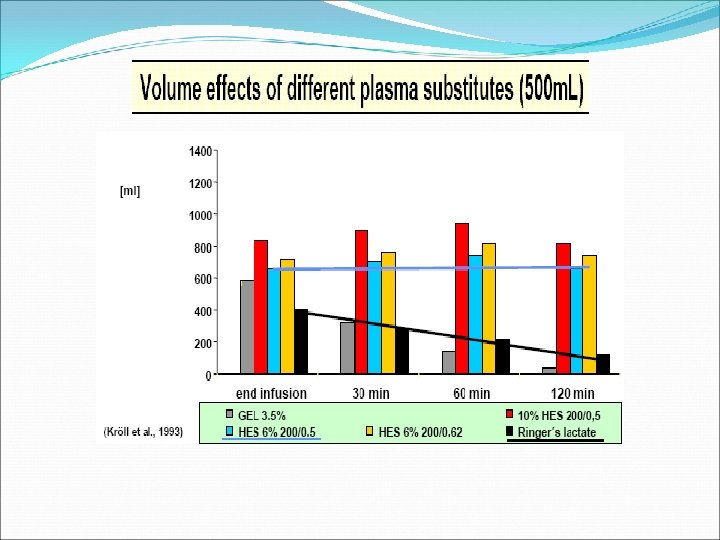
VOLUME EFFECT OF CRYSTALLOIDS
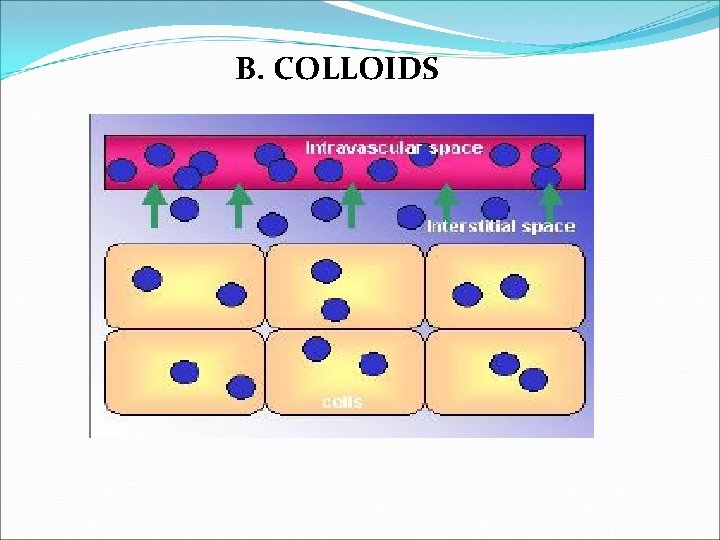
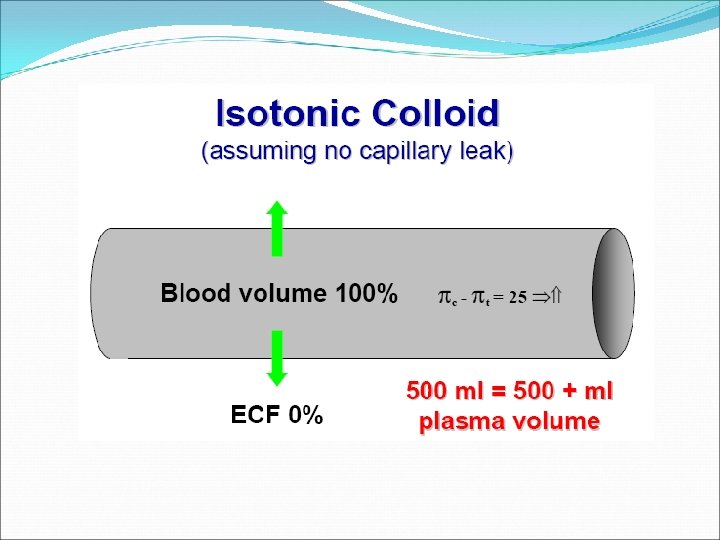
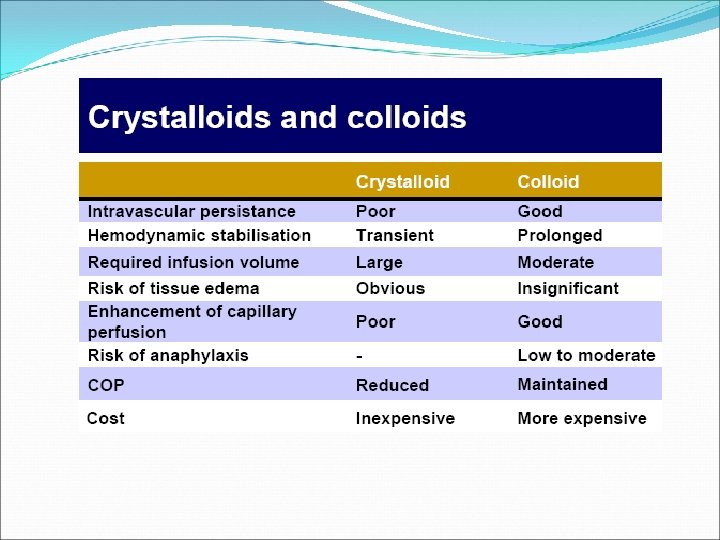
B) COLLOID SOLUTIONS: �Has an oncotic pressure similar to that of plasma. �Remain within the intravascular space for a relatively long time
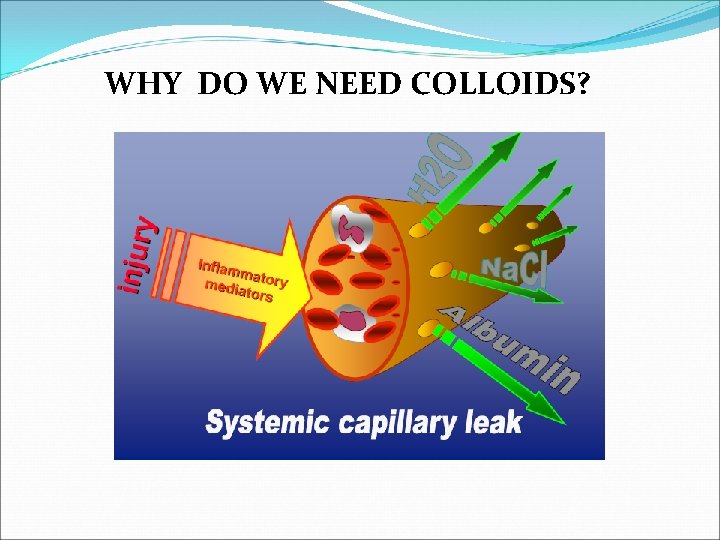
WHY DO WE NEED COLLOIDS?
B. COLLOIDS
ALBUMIN �There is no evidence to support routine administration of albumin in hypovolemic states. �Albumin administration may be beneficial in certain groups of critically ill patients. �Least Effective colloid
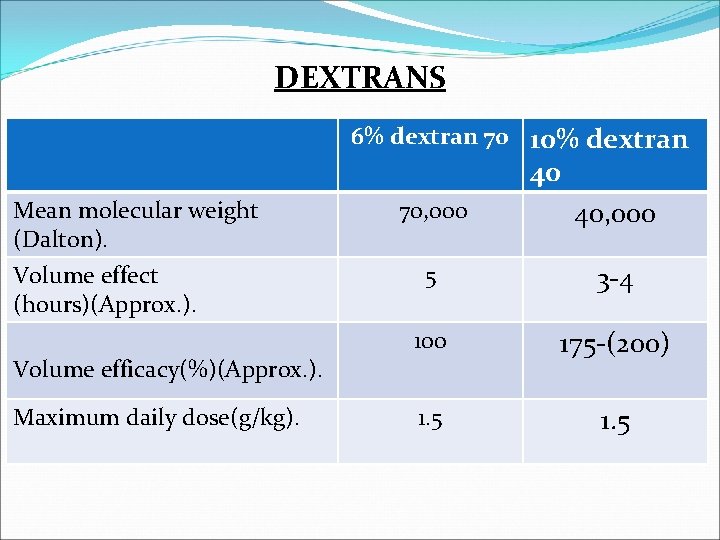
DEXTRANS 6% dextran 70 10% dextran 40 Mean molecular weight (Dalton). Volume effect (hours)(Approx. ). Volume efficacy(%)(Approx. ). Maximum daily dose(g/kg). 70, 000 40, 000 5 3 -4 100 175 -(200) 1. 5
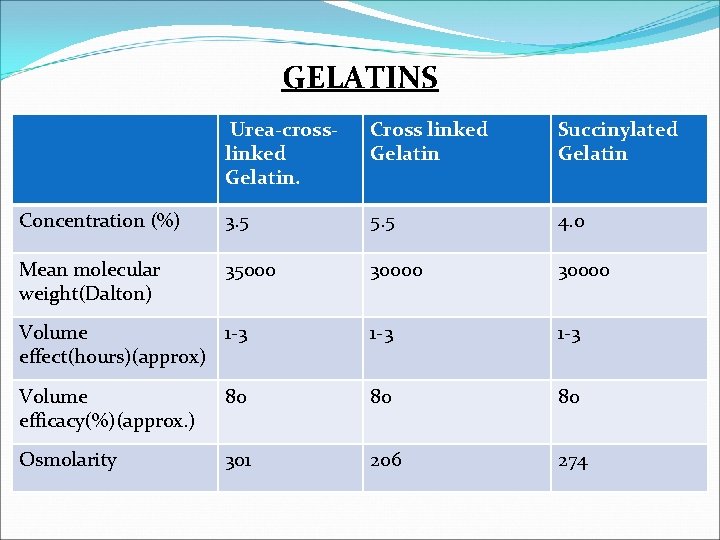
GELATINS Urea-crosslinked Gelatin. Cross linked Gelatin Succinylated Gelatin Concentration (%) 3. 5 5. 5 4. 0 Mean molecular weight(Dalton) 35000 30000 Volume 1 -3 effect(hours)(approx) 1 -3 Volume efficacy(%)(approx. ) 80 80 80 Osmolarity 301 206 274
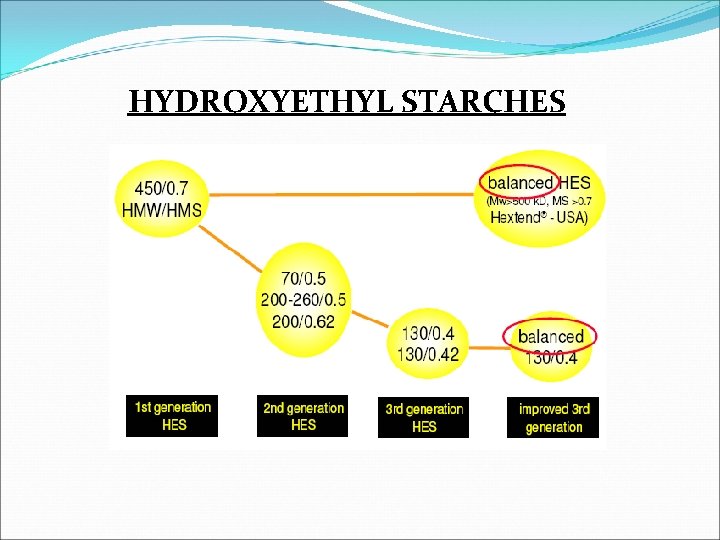
HYDROXYETHYL STARCHES
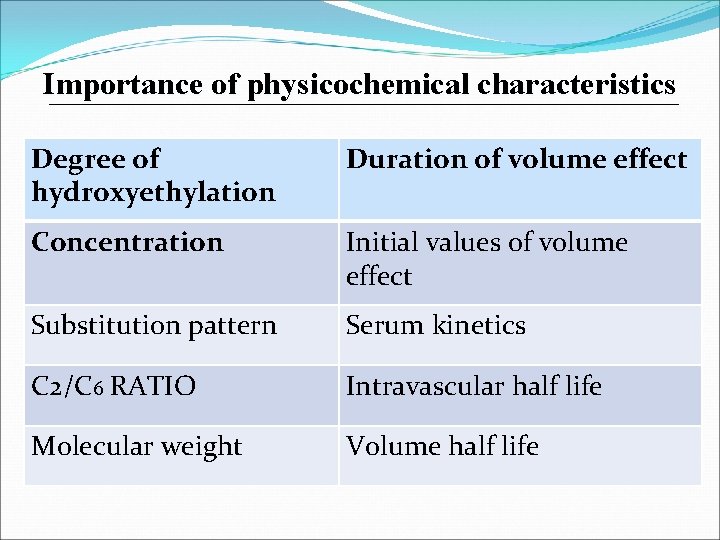
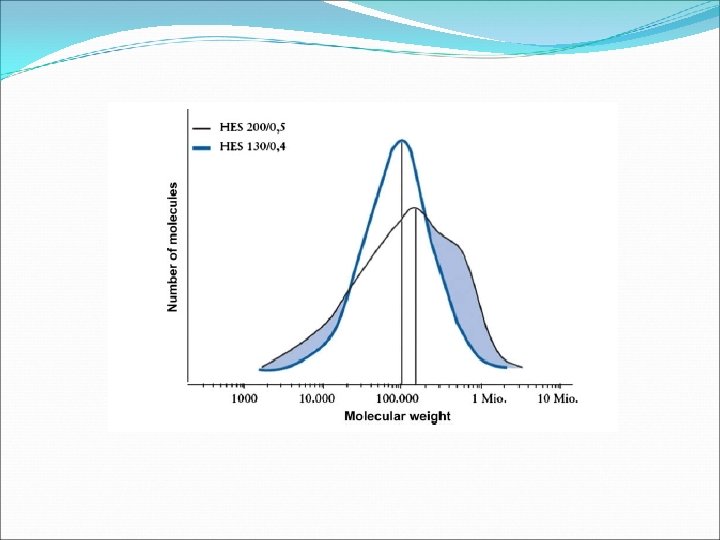
Importance of physicochemical characteristics Degree of hydroxyethylation Duration of volume effect Concentration Initial values of volume effect Substitution pattern Serum kinetics C 2/C 6 RATIO Intravascular half life Molecular weight Volume half life
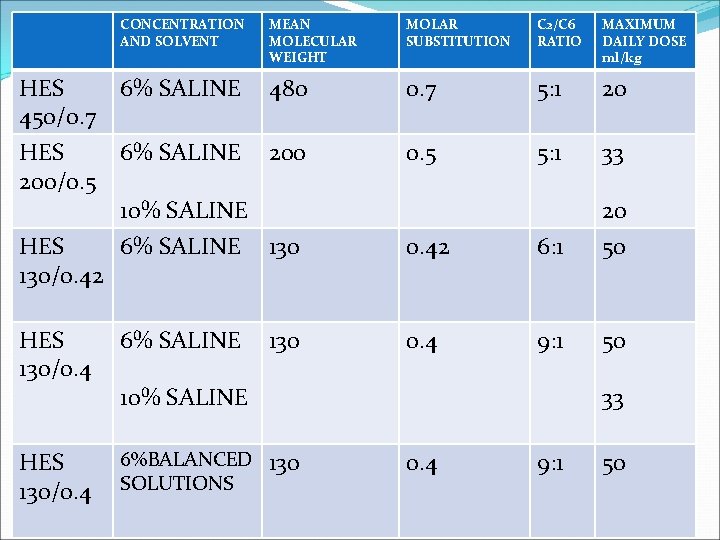
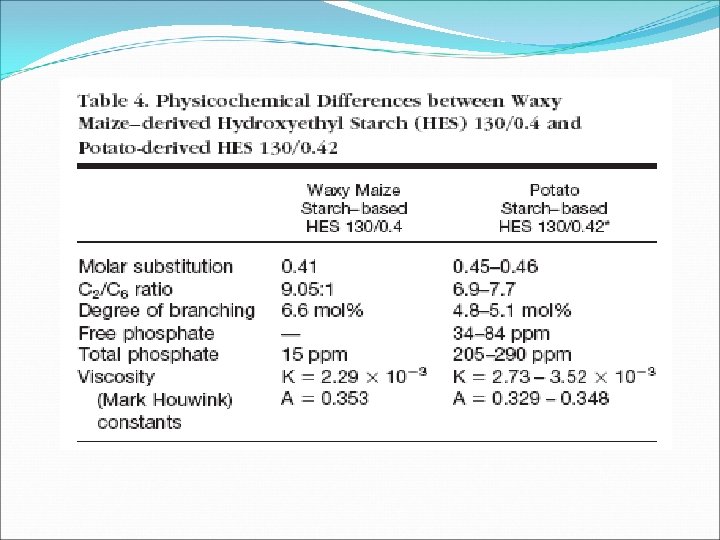
CONCENTRATION AND SOLVENT MEAN MOLECULAR WEIGHT MOLAR SUBSTITUTION C 2/C 6 RATIO MAXIMUM DAILY DOSE ml/kg HES 6% SALINE 480 450/0. 7 HES 6% SALINE 200/0. 5 10% SALINE 0. 7 5: 1 20 0. 5 5: 1 33 HES 6% SALINE 130/0. 42 130 0. 42 6: 1 50 HES 130/0. 4 6% SALINE 130 0. 4 9: 1 50 HES 130/0. 4 6%BALANCED SOLUTIONS 20 10% SALINE 33 130 0. 4 9: 1 50
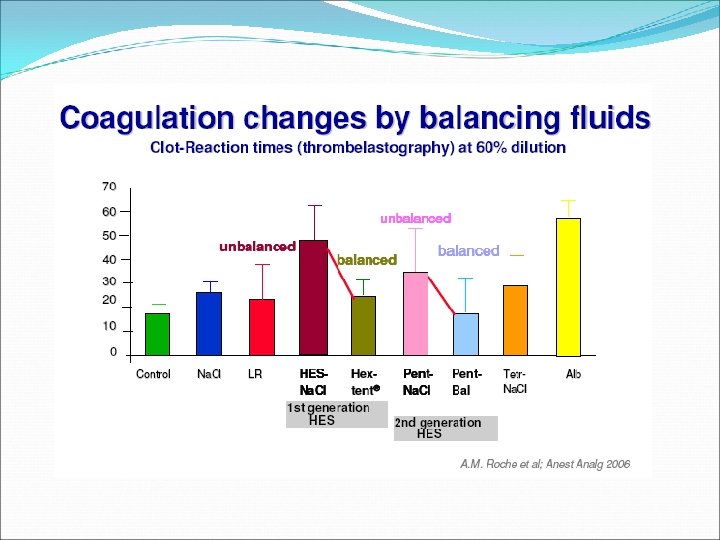
THIRD GENERATION HES 130/0. 4 COAGULATION
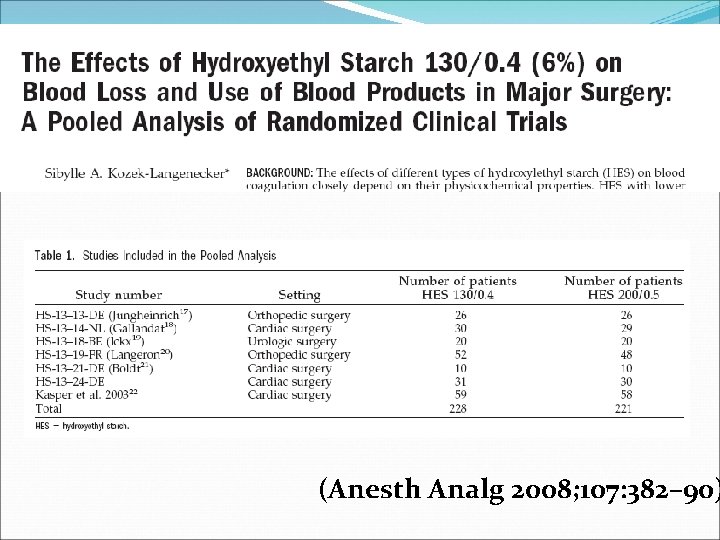
(Anesth Analg 2008; 107: 382– 90)
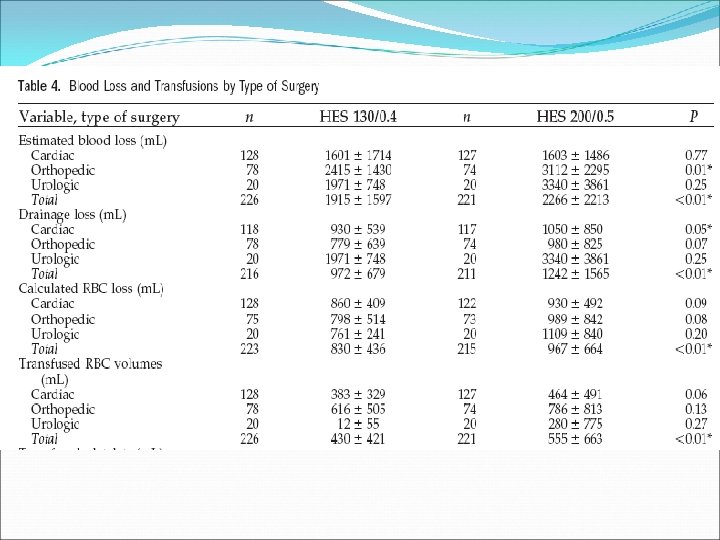
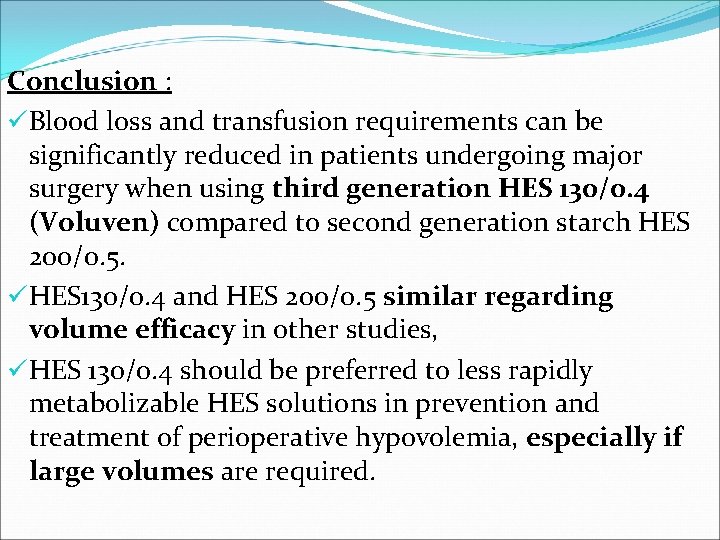
Conclusion : üBlood loss and transfusion requirements can be significantly reduced in patients undergoing major surgery when using third generation HES 130/0. 4 (Voluven) compared to second generation starch HES 200/0. 5. üHES 130/0. 4 and HES 200/0. 5 similar regarding volume efficacy in other studies, üHES 130/0. 4 should be preferred to less rapidly metabolizable HES solutions in prevention and treatment of perioperative hypovolemia, especially if large volumes are required.
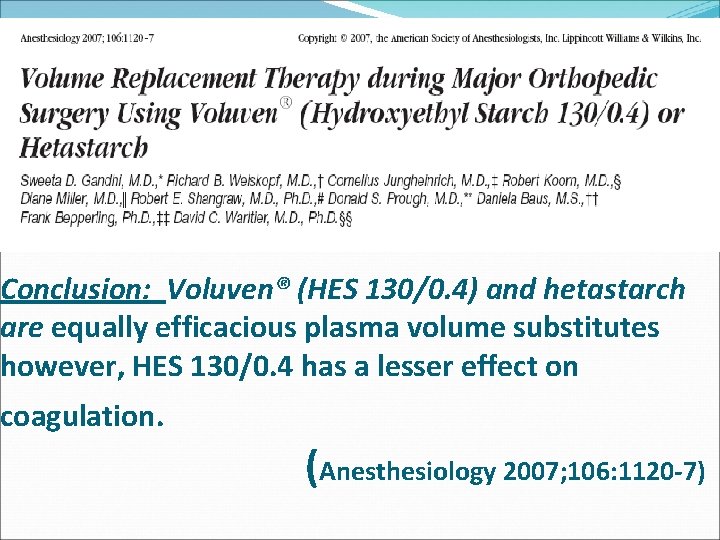
Conclusion: Voluven® (HES 130/0. 4) and hetastarch are equally efficacious plasma volume substitutes however, HES 130/0. 4 has a lesser effect on coagulation. (Anesthesiology 2007; 106: 1120 -7)
Accumulation and Tissue storage �Tetrastarches - Less tissue accumulation and even in high doses pruritus is a not a clinical problem Effect on Plasma bilirubin: �Potato-derived HES 130/0. 42 are the only tetra starch to be absolutely contraindicated in patients with severe hepatic impairment.
KIDNEYS
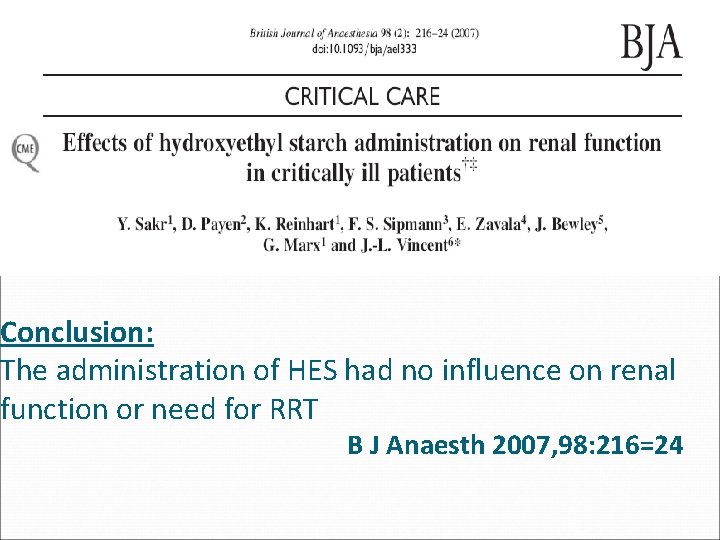
Conclusion: The administration of HES had no influence on renal function or need for RRT B J Anaesth 2007, 98: 216=24
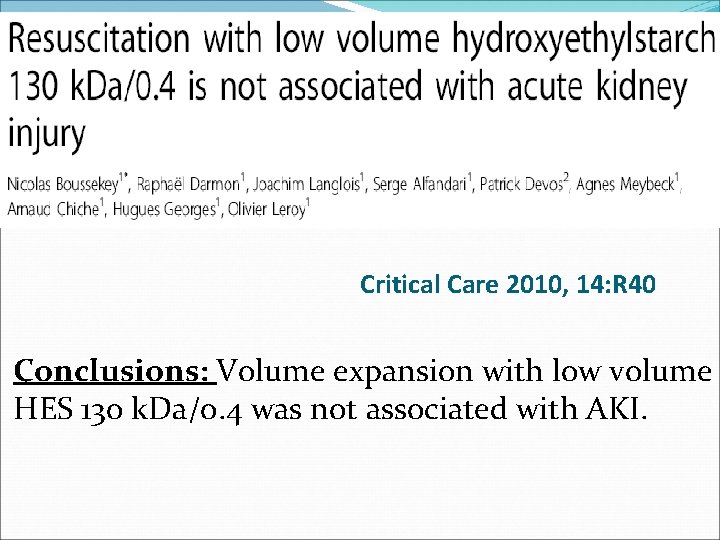
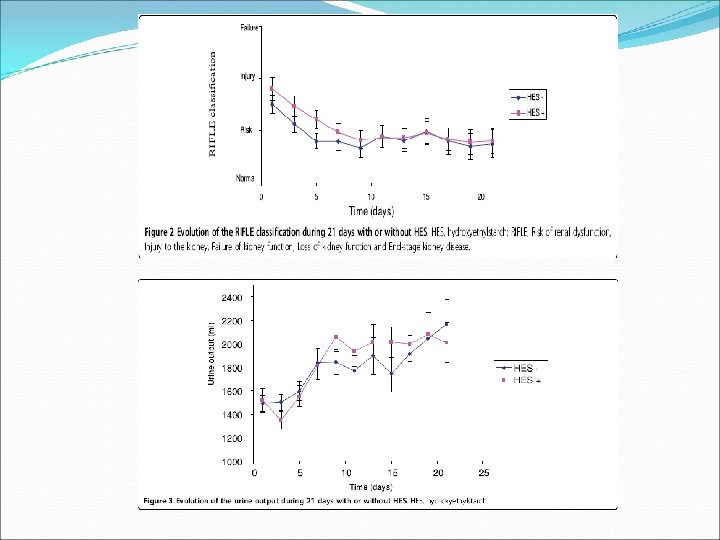
Critical Care 2010, 14: R 40 Conclusions: Volume expansion with low volume HES 130 k. Da/0. 4 was not associated with AKI.
Godet G et al ü Safety of HES 130/0. 4 (Voluven®) in patients with preoperative renal dysfunction undergoing abdominal aortic surgery: a prospective, randomized, controlled, parallel-group multicentre trial. Euro J Anaesthesiol (2008), 25: 986 -994. ü Sixty-five patients were randomly allocated to receive either 6% hydroxyethyl starch (Voluven®; n = 32) or 3% gelatin (Plasmion®; n = 33) for perioperative volume substitution. At baseline, renal function was impaired in all study patients
CONCLUSION üThe choice of the colloid had no impact on renal safety parameters and outcome in patients with decreased renal function undergoing elective abdominal aortic surgery.
Special patient groups: �The waxy maize-derived tetra starch HES 130/0. 4 has a well-documented safety profile in elderly patients. �Waxy maize-derived HES 130/0. 4 is the only third generation HES with controlled clinical data in children.
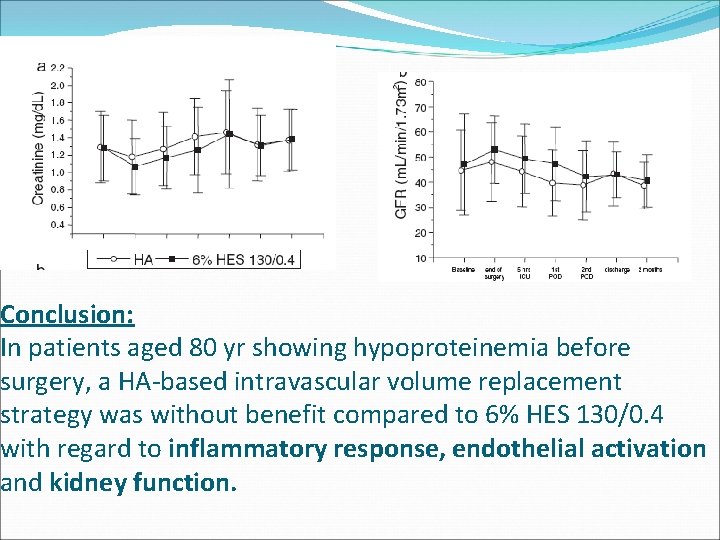
BOLDT J et al(2008) Prospective, randomised study 50 patients aged 80 years-cardiac surgery using CPB Preop Serum albumin 3. 5 mg/d. L received either 5% Human Albumin or 6% HES 130/0. 4 (Anesth Analg 107: 1496 – 1503)
Conclusion: In patients aged 80 yr showing hypoproteinemia before surgery, a HA-based intravascular volume replacement strategy was without benefit compared to 6% HES 130/0. 4 with regard to inflammatory response, endothelial activation and kidney function.
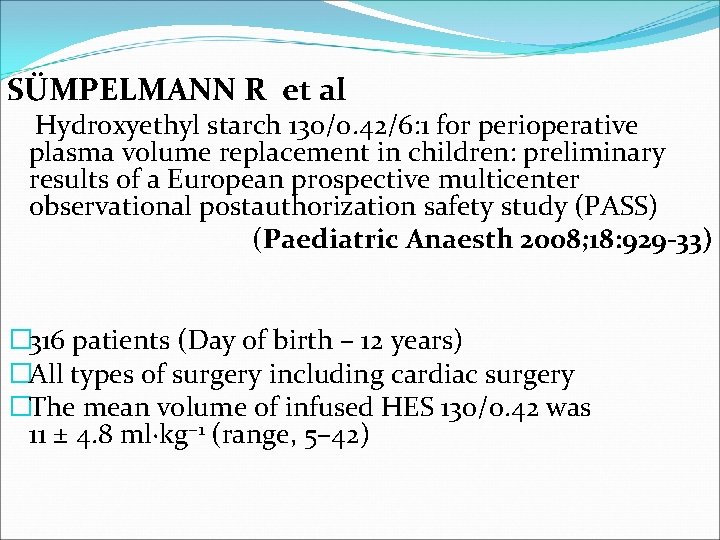
SÜMPELMANN R et al Hydroxyethyl starch 130/0. 42/6: 1 for perioperative plasma volume replacement in children: preliminary results of a European prospective multicenter observational postauthorization safety study (PASS) (Paediatric Anaesth 2008; 18: 929 -33) � 316 patients (Day of birth – 12 years) �All types of surgery including cardiac surgery �The mean volume of infused HES 130/0. 42 was 11 ± 4. 8 ml·kg− 1 (range, 5– 42)
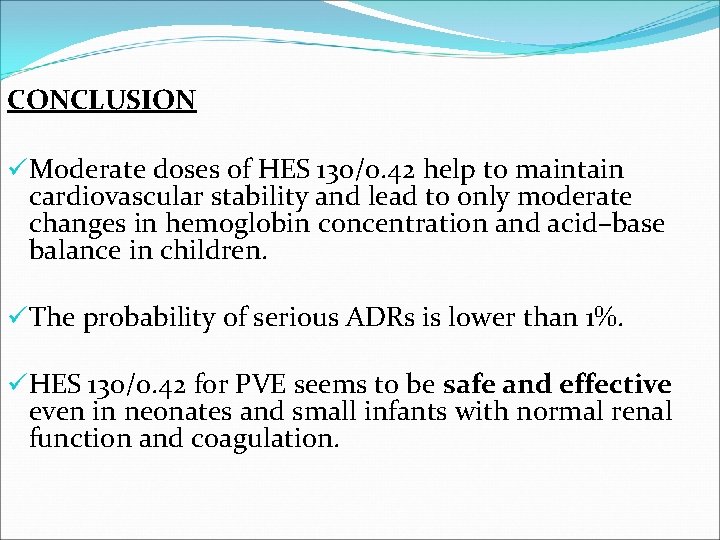
CONCLUSION üModerate doses of HES 130/0. 42 help to maintain cardiovascular stability and lead to only moderate changes in hemoglobin concentration and acid–base balance in children. üThe probability of serious ADRs is lower than 1%. üHES 130/0. 42 for PVE seems to be safe and effective even in neonates and small infants with normal renal function and coagulation.
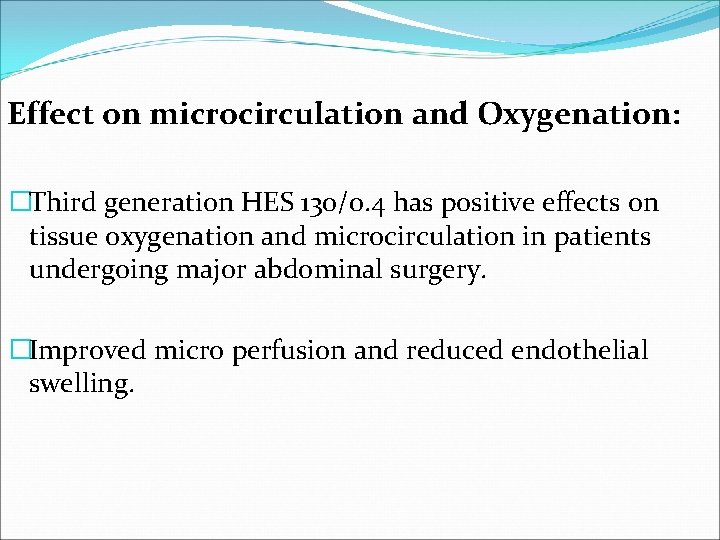
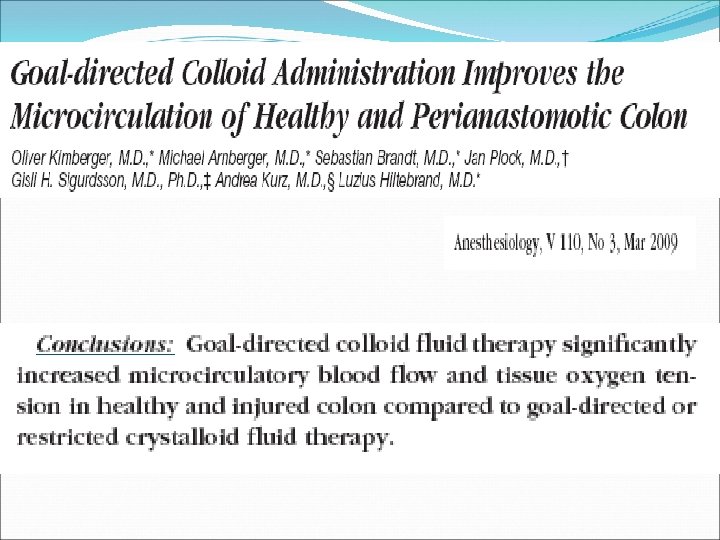
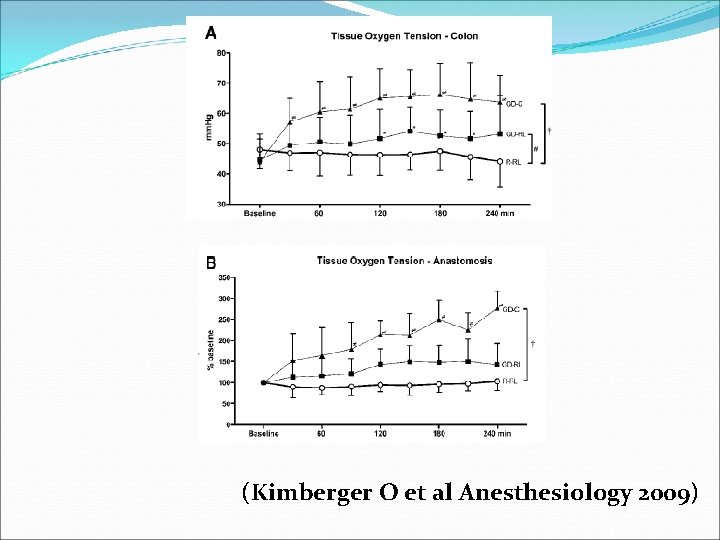
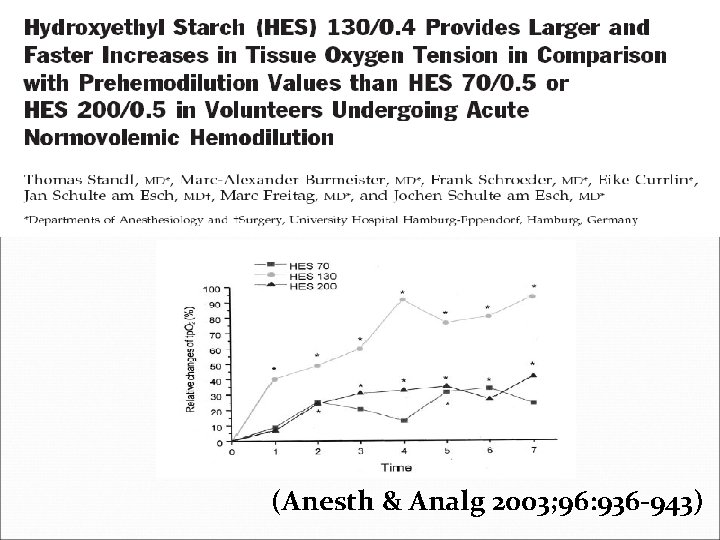
Effect on microcirculation and Oxygenation: �Third generation HES 130/0. 4 has positive effects on tissue oxygenation and microcirculation in patients undergoing major abdominal surgery. �Improved micro perfusion and reduced endothelial swelling.
(Kimberger O et al Anesthesiology 2009)
(Anesth & Analg 2003; 96: 936 -943)
EFFECT ON SYSTEMIC INFLAMMATION AND ENDOTHELIAL ACTIVATION
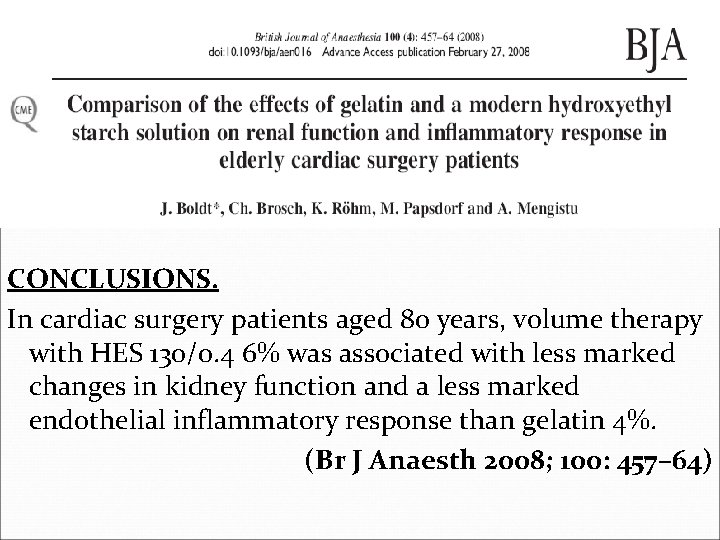
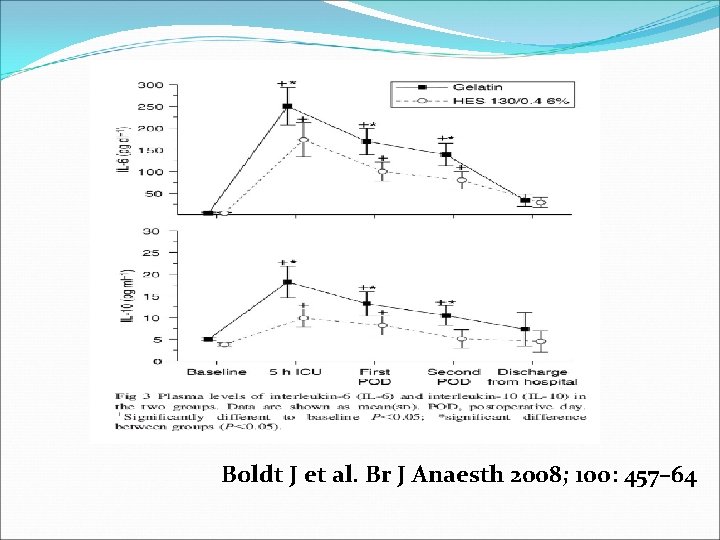
CONCLUSIONS. In cardiac surgery patients aged 80 years, volume therapy with HES 130/0. 4 6% was associated with less marked changes in kidney function and a less marked endothelial inflammatory response than gelatin 4%. (Br J Anaesth 2008; 100: 457– 64)
Boldt J et al. Br J Anaesth 2008; 100: 457– 64
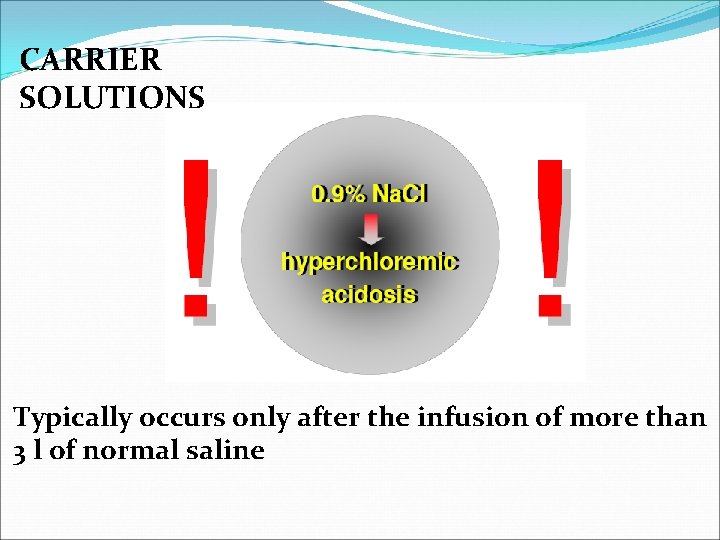
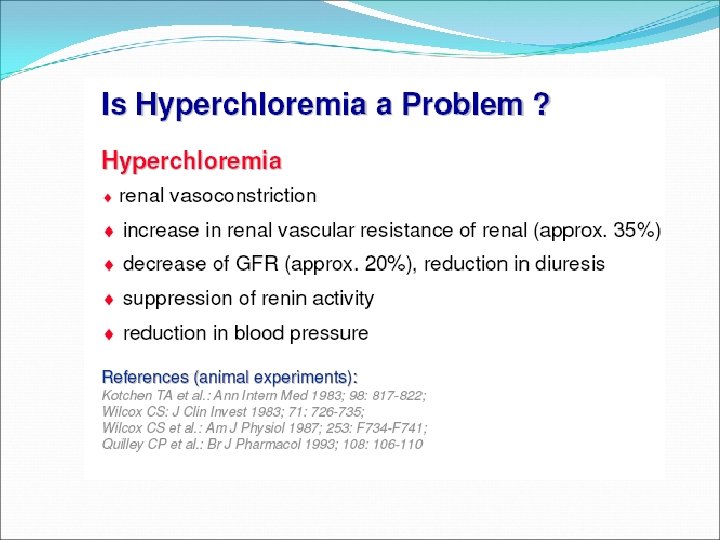
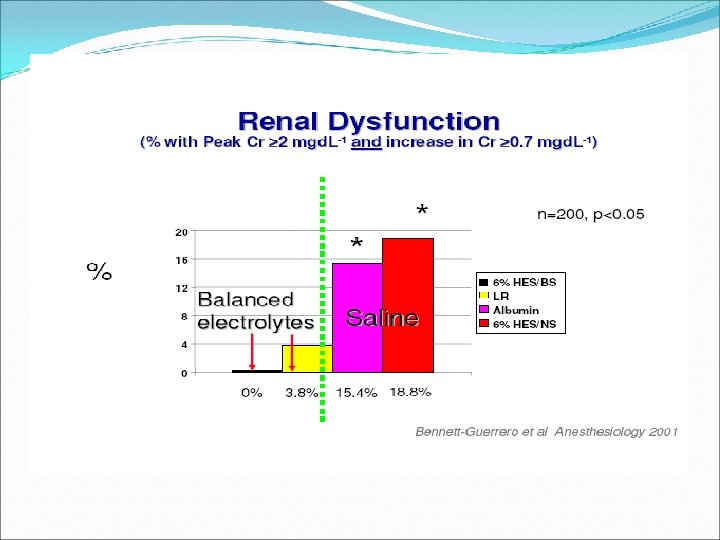
CARRIER SOLUTIONS Typically occurs only after the infusion of more than 3 l of normal saline
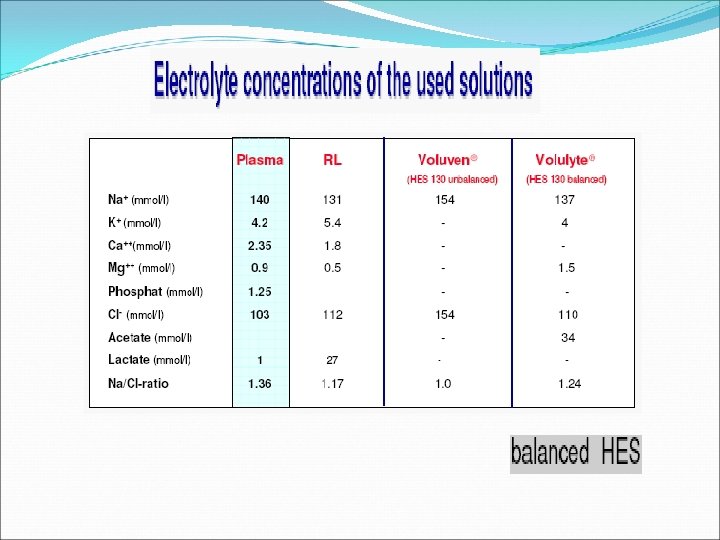
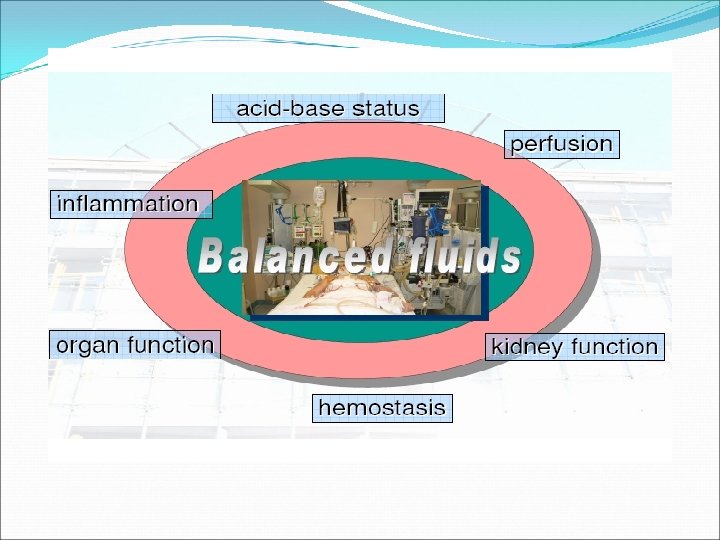
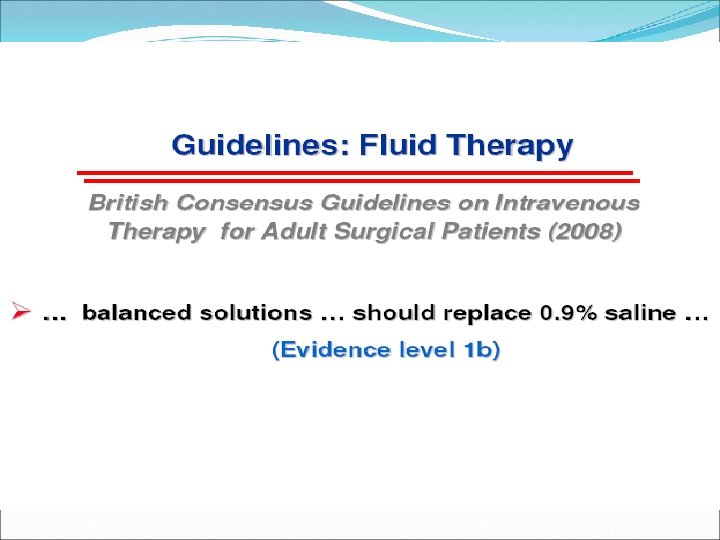
BALANCED SOLUTIONS
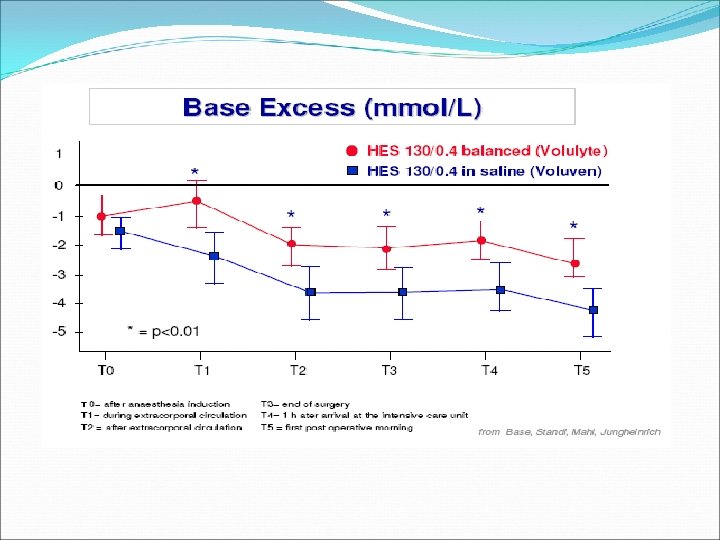
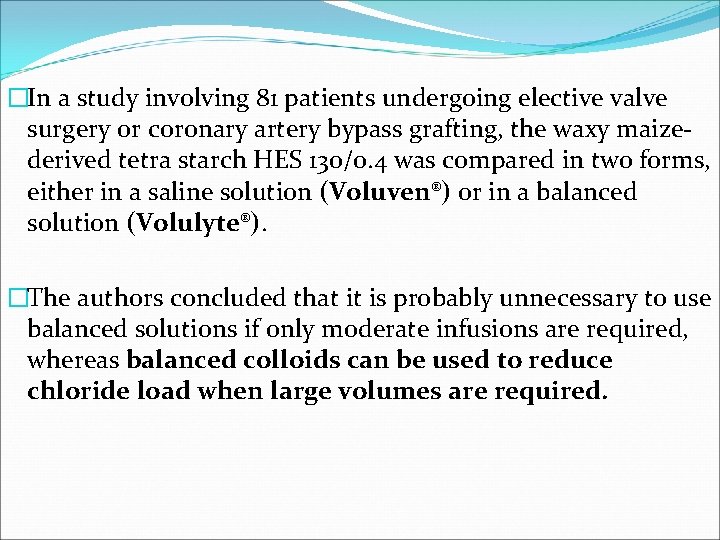
�In a study involving 81 patients undergoing elective valve surgery or coronary artery bypass grafting, the waxy maizederived tetra starch HES 130/0. 4 was compared in two forms, either in a saline solution (Voluven®) or in a balanced solution (Volulyte®). �The authors concluded that it is probably unnecessary to use balanced solutions if only moderate infusions are required, whereas balanced colloids can be used to reduce chloride load when large volumes are required.
GOAL DIRECTED FLUID ADMINISTRATION DOES PERIOPERATIVE FLUID BALANCE (TYPE) INFLUENCES POSTOPERATIVE OUTCOME?
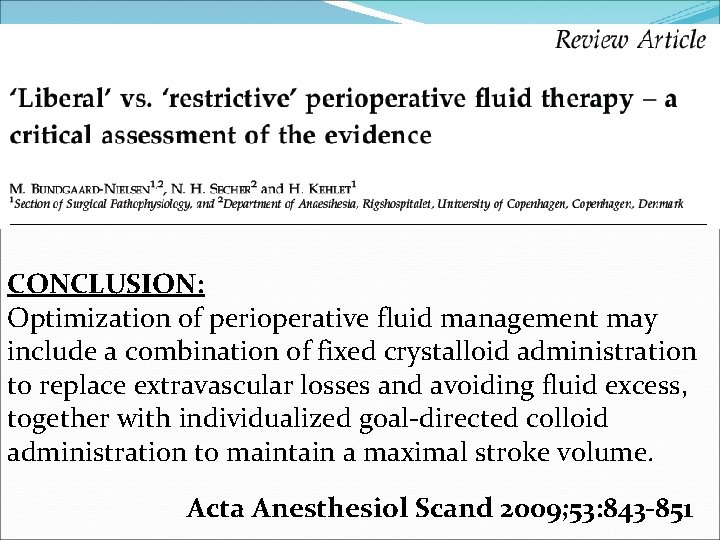
CONCLUSION: Optimization of perioperative fluid management may include a combination of fixed crystalloid administration to replace extravascular losses and avoiding fluid excess, together with individualized goal-directed colloid administration to maintain a maximal stroke volume. Acta Anesthesiol Scand 2009; 53: 843 -851
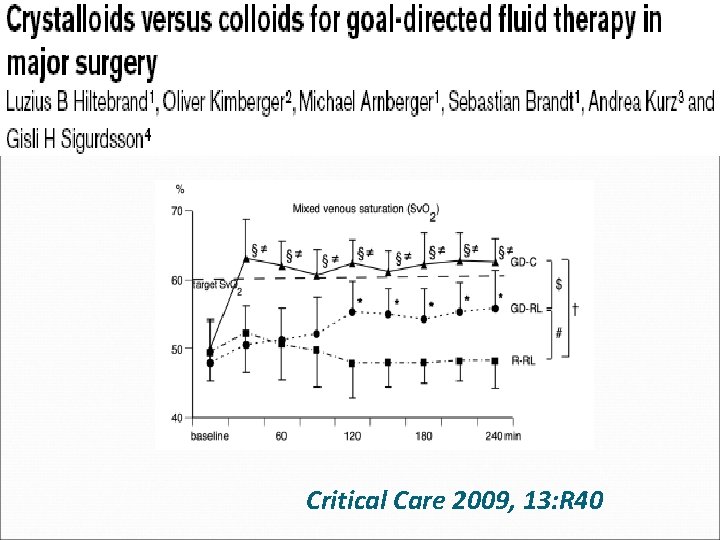
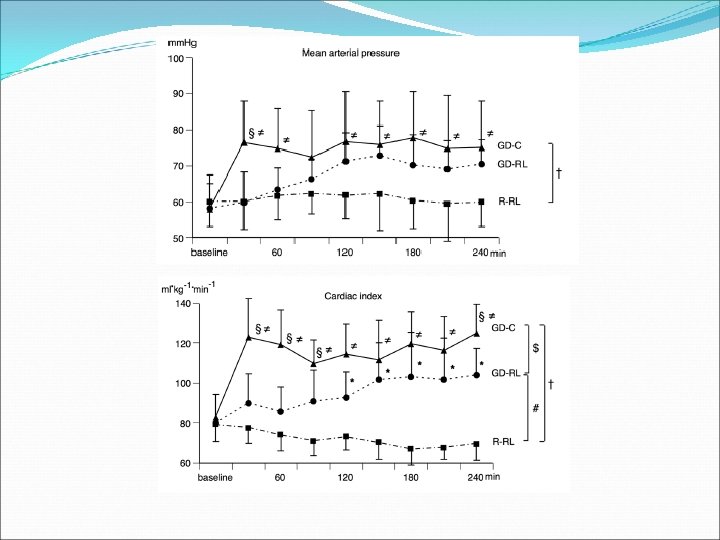
Critical Care 2009, 13: R 40
SUMMARY AND CONCLUSIONS
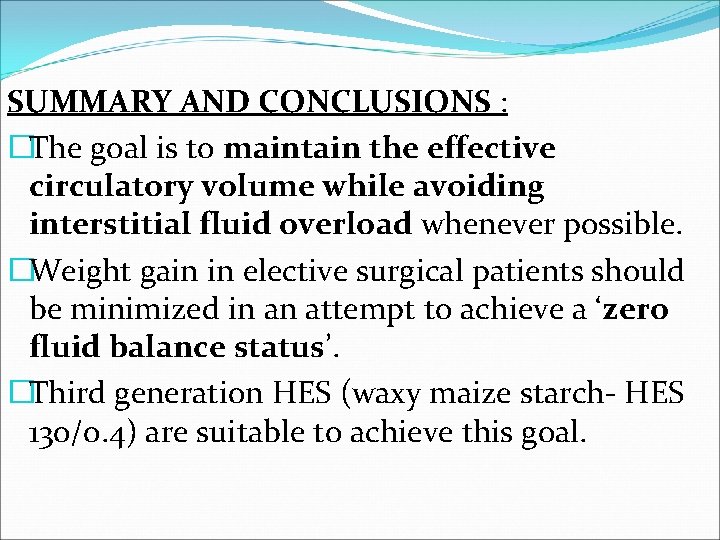
SUMMARY AND CONCLUSIONS : �The goal is to maintain the effective circulatory volume while avoiding interstitial fluid overload whenever possible. �Weight gain in elective surgical patients should be minimized in an attempt to achieve a ‘zero fluid balance status’. �Third generation HES (waxy maize starch- HES 130/0. 4) are suitable to achieve this goal.