
Glycolysis and Anaerobic Respiration Textbook pages 104 105
Glycolysis and Anaerobic Respiration Textbook pages 104 -105 and 108 -109
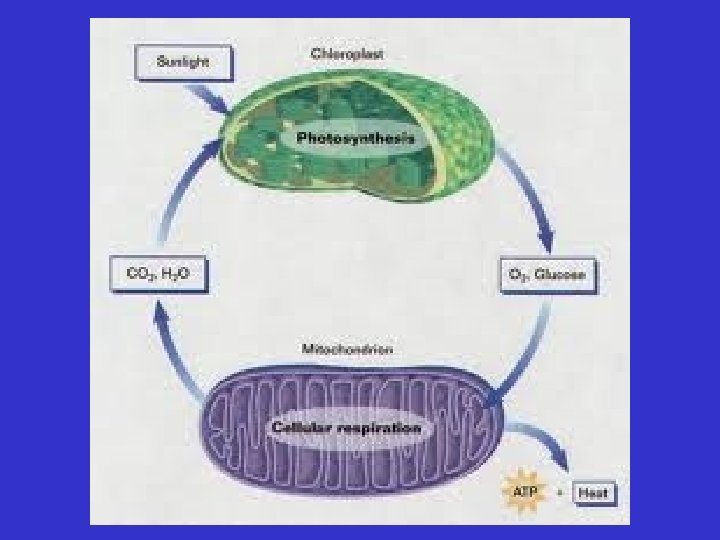
Cellular Respiration • a metabolic process similar to burning fuel • how food gets turned into useable energy – glucose is the primary source of energy • energy is released from the glucose molecule as the high energy bonds are broken and rearranged into lower energy bonds in CO 2 and H 2 O
ATP and Energy • the energy is transferred to ATP molecules – ATP acts as a temporary storage of energy until the cell uses the energy (like a charged battery) • energy can be transferred from food to ATP with or without O 2 – however, O 2 is required in order to fully breakdown glucose and obtain the maximum amount of energy
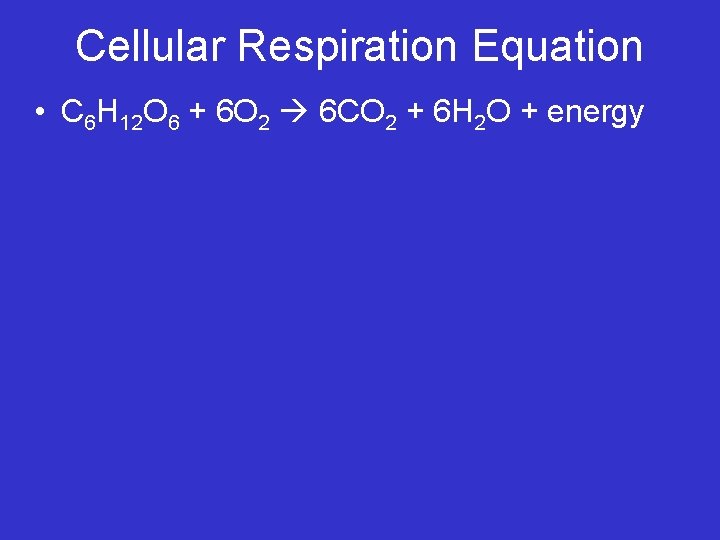
Cellular Respiration Equation • C 6 H 12 O 6 + 6 O 2 6 CO 2 + 6 H 2 O + energy
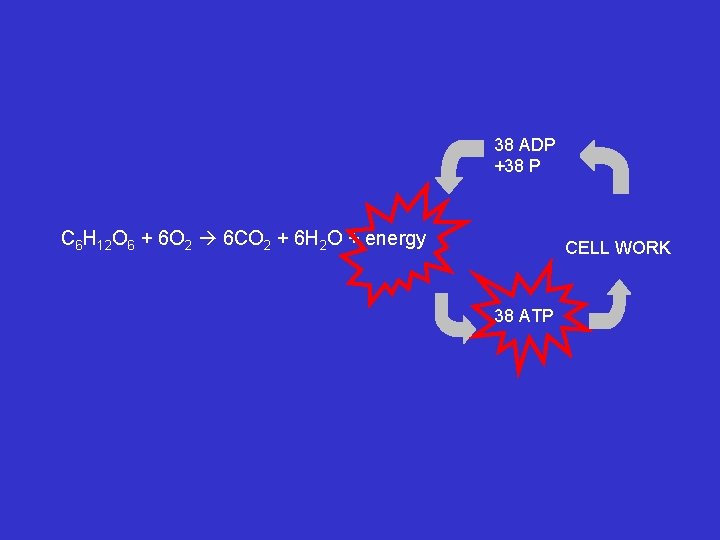
38 ADP +38 P C 6 H 12 O 6 + 6 O 2 6 CO 2 + 6 H 2 O + energy CELL WORK 38 ATP
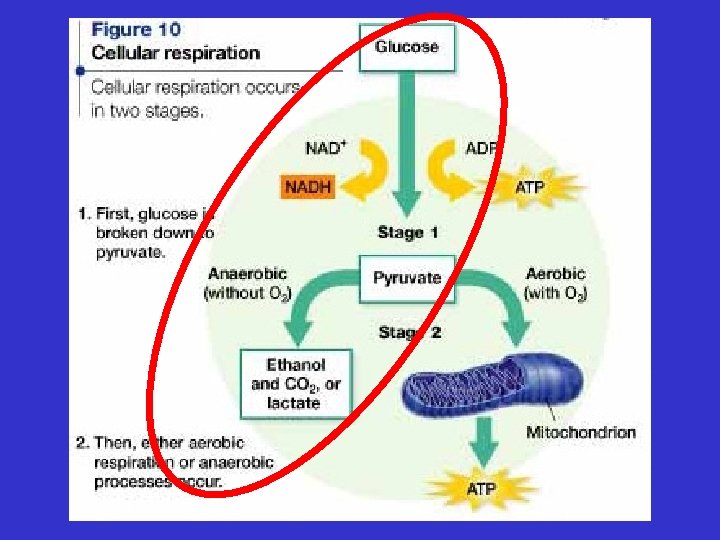
Glycolysis • the beginning of the cellular respiration pathway • occurs in the cytoplasm • does not require oxygen • an enzyme assisted process in which one molecule of glucose is broken in half, producing two molecules of pyruvic acid, a 3 -carbon compound
Glycolysis • ATP Production – needs two (2) ATP molecules to split glucose – however, four (4) ATP molecules are produced – = net gain of two (2) ATP molecules
Glycolysis • NADH Production – glycolysis removes 4 high-energy electrons and adds them to NAD+ creating NADH – carries energy to other molecules • will be used in aerobic respiration
Glycolysis • Energy yield of Glycolysis – small, but can happen very fast – in a few seconds, NAD+ molecules are used up – glycolysis then stops • as does ATP production
Fermentation • process of releasing energy from glucose in the absence of oxygen – called an anaerobic process • not in air – Two types 1. Alcoholic Fermentation 2. Lactic Acid Fermentation
1. Alcoholic fermentation • performed by yeast and a few other microorganisms • forms ethyl alcohol and CO 2 as wastes • Pyruvic acid + NADH alcohol + CO 2 + NAD+ • helps in the production of bread and beer
2. Lactic acid fermentation • similar to alcoholic fermentation • occurs in our muscles during rapid exercise – causes “burning” sensation • Pyruvic acid + NADH lactic acid + NAD+ • helps in productions of cheese, yogurt, buttermilk, and sour cream
- Slides: 14