
Glycolipids By Amr S Moustafa M D Ph

Glycolipids By Amr S. Moustafa, M. D. ; Ph. D.
Outlines Overview and Functions Structure and Types Synthesis and Degradation Sphingolipidosis
Overview Ø Essential component of membranes Ø Abundant in nervous tissue Ø Extra-nervous tissue: e. g. , Receptors for Cholera toxins Diphtheria toxins Viruses
Overview CONT’D Ø Regulation of growth & development Ø Very antigenic: Blood group antigen Embryonic antigen Tumor antigen Ø Cell transformation
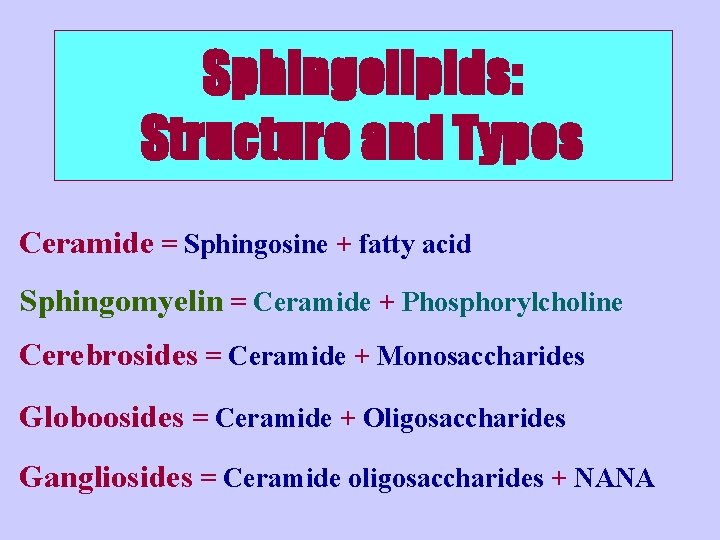
Sphingolipids: Structure and Types Ceramide = Sphingosine + fatty acid Sphingomyelin = Ceramide + Phosphorylcholine Cerebrosides = Ceramide + Monosaccharides Globoosides = Ceramide + Oligosaccharides Gangliosides = Ceramide oligosaccharides + NANA
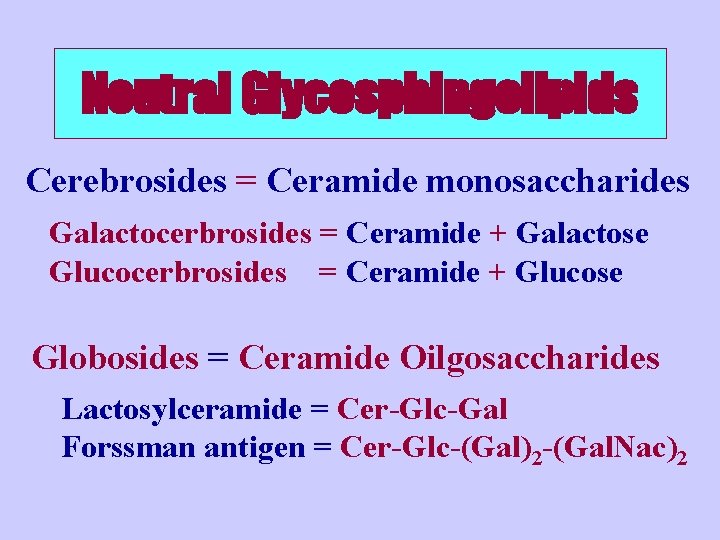
Neutral Glycosphingolipids Cerebrosides = Ceramide monosaccharides Galactocerbrosides = Ceramide + Galactose Glucocerbrosides = Ceramide + Glucose Globosides = Ceramide Oilgosaccharides Lactosylceramide = Cer-Glc-Gal Forssman antigen = Cer-Glc-(Gal)2 -(Gal. Nac)2
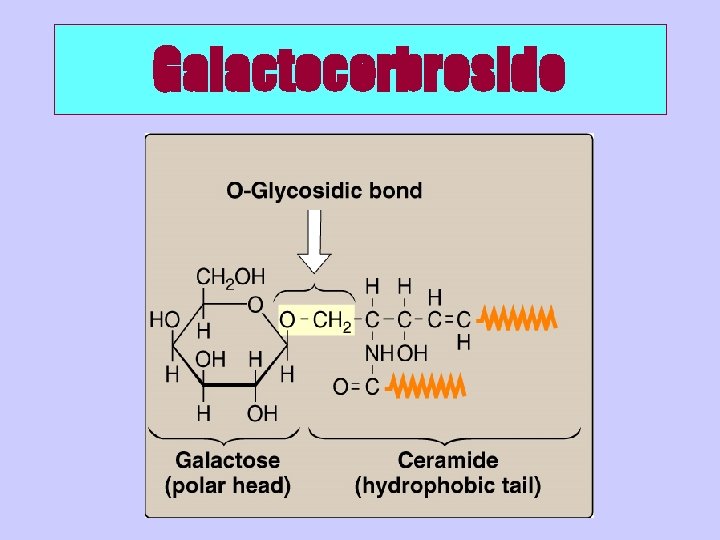
Galactocerbroside
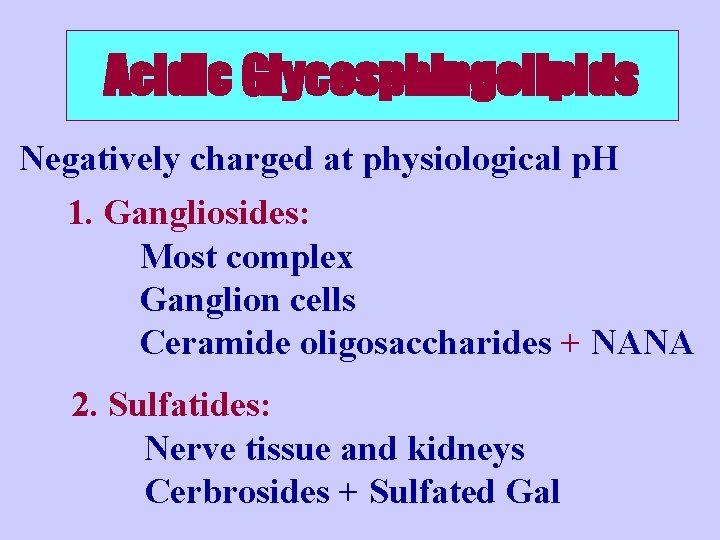
Acidic Glycosphingolipids Acidic Negatively charged at physiological p. H 1. Gangliosides: Most complex Ganglion cells Ceramide oligosaccharides + NANA 2. Sulfatides: Nerve tissue and kidneys Cerbrosides + Sulfated Gal
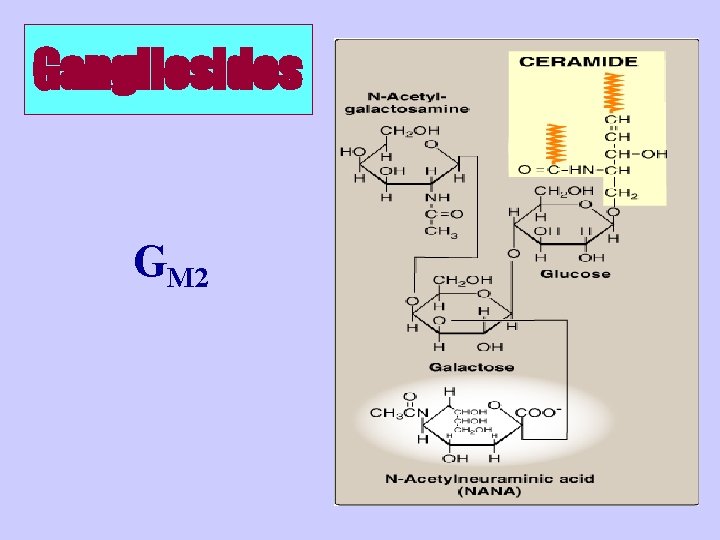
Gangliosides GM 2
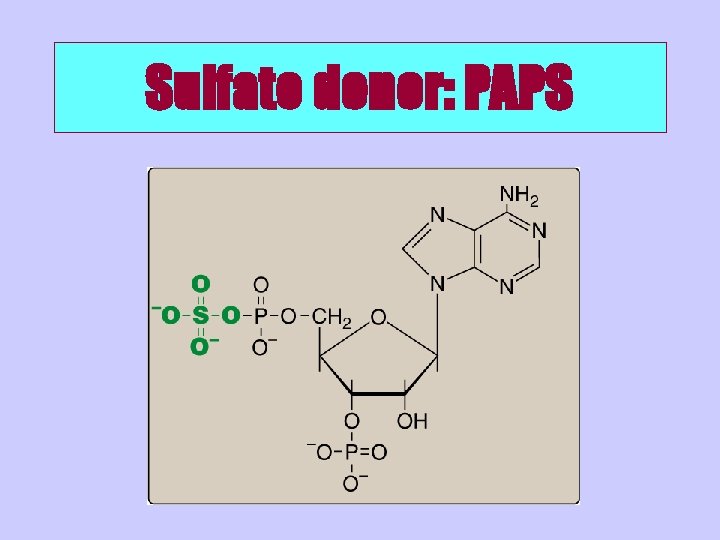
Sulfate donor: PAPS
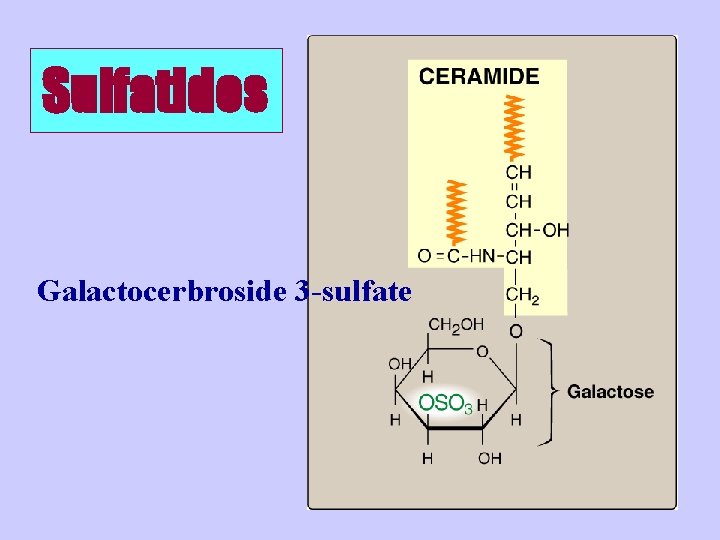
Sulfatides Galactocerbroside 3 -sulfate
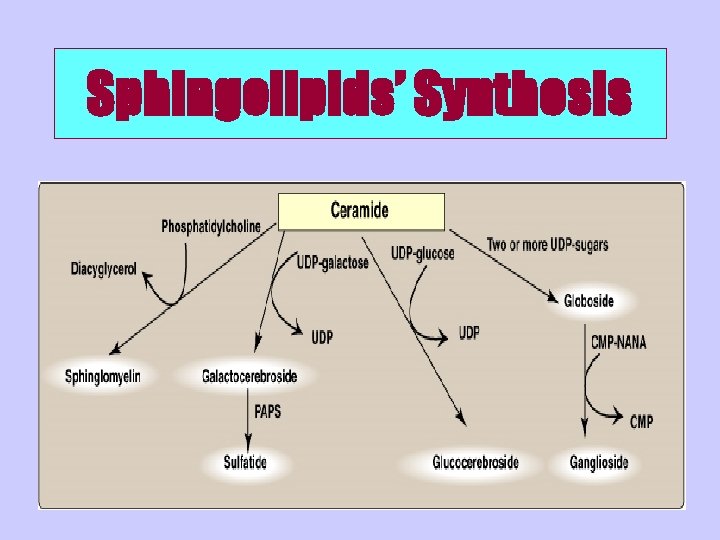
Sphingolipids’ Synthesis
Sphingolipids’ Degradation Lysosomal hydrolytic enzymes Last on, First off Defective: Total or partial Sphingolipidosis
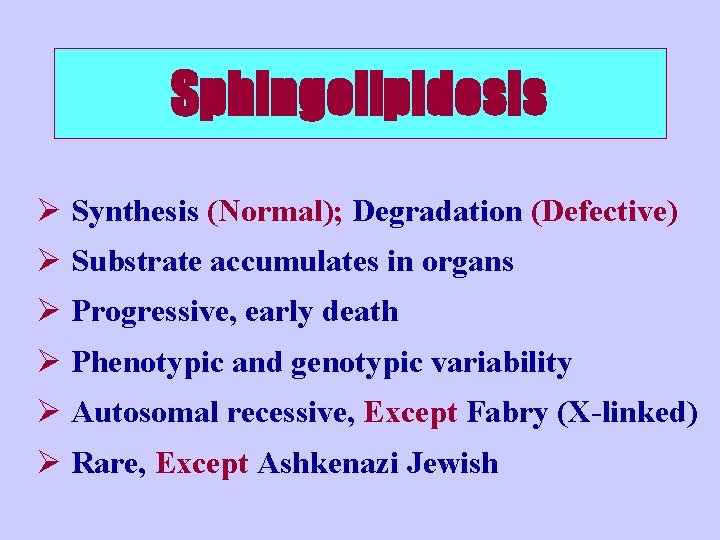
Sphingolipidosis Ø Synthesis (Normal); Degradation (Defective) Ø Substrate accumulates in organs Ø Progressive, early death Ø Phenotypic and genotypic variability Ø Autosomal recessive, Except Fabry (X-linked) Ø Rare, Except Ashkenazi Jewish
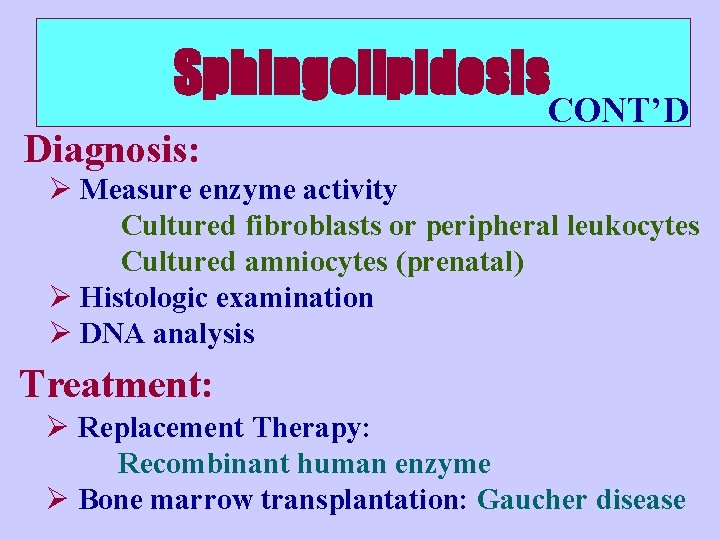
Sphingolipidosis Diagnosis: CONT’D Ø Measure enzyme activity Cultured fibroblasts or peripheral leukocytes Cultured amniocytes (prenatal) Ø Histologic examination Ø DNA analysis Treatment: Ø Replacement Therapy: Recombinant human enzyme Ø Bone marrow transplantation: Gaucher disease
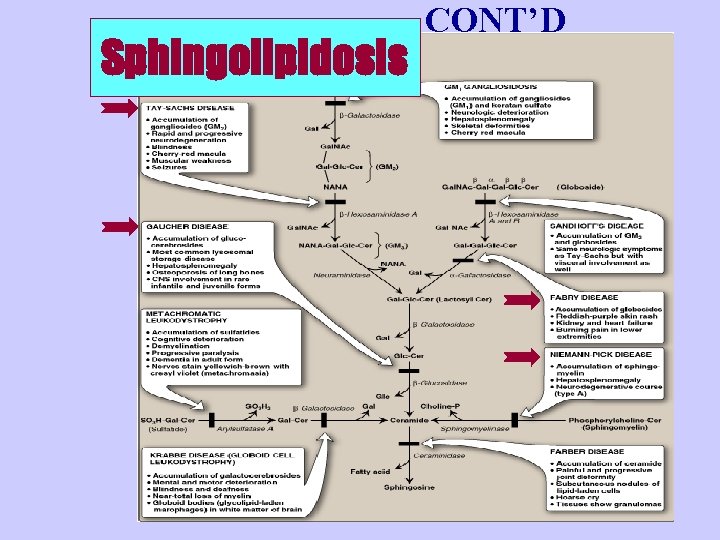
Sphingolipidosis CONT’D
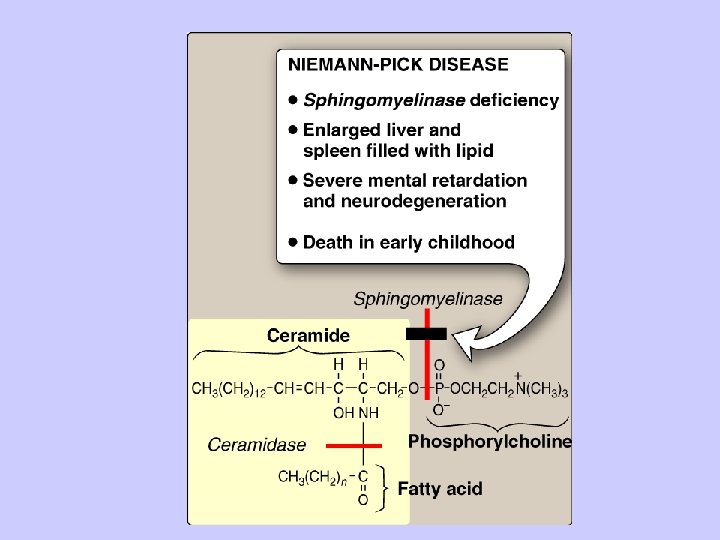
Niemann - Pick Disease
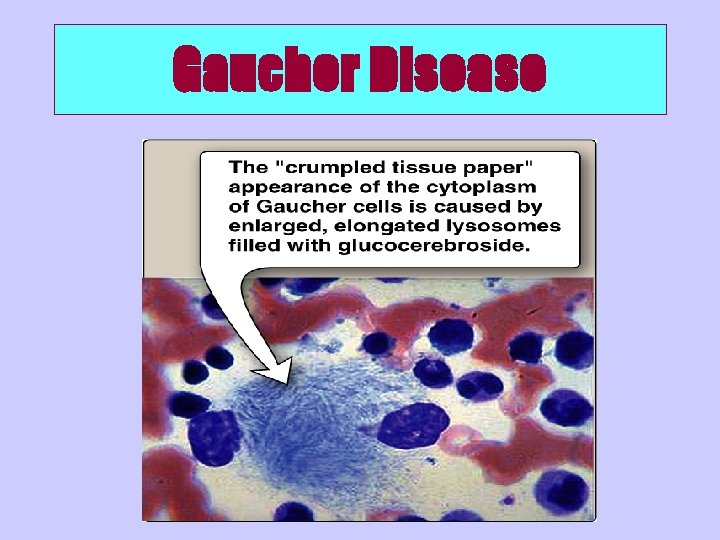
Gaucher Disease
Prostaglandins Eicosanoids (20 C): Prostaglandins (PG) Thromboxanes (TX) Leukotrienes (LT) PG Vs Hormones: All cells Local acting & Not stored Short half-life Plasma membrane & nuclear receptors
Prostaglandin’S Synthesis Dietary precursor: Linoleic acid 18: 2 (9, 12) Immediate precursor: Arachidonic acid 20: 4 (5, 8, 11, 14) Prostaglandin endoperoxide synthase: Microsomal enzyme Two Catalytic activities: Fatty acid cyclooxygenase (COX), 2 O 2 Peroxidase (GSH) Parent Prostaglandin : PGH 2
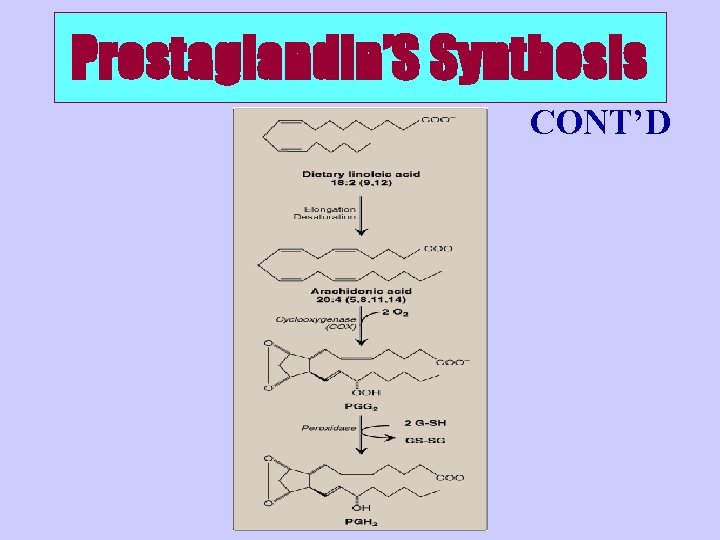
Prostaglandin’S Synthesis CONT’D
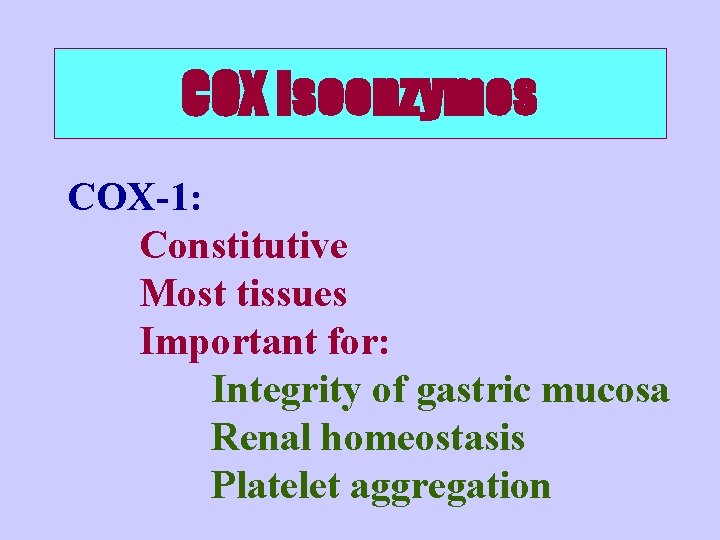
COX Isoenzymes COX-1: Constitutive Most tissues Important for: Integrity of gastric mucosa Renal homeostasis Platelet aggregation
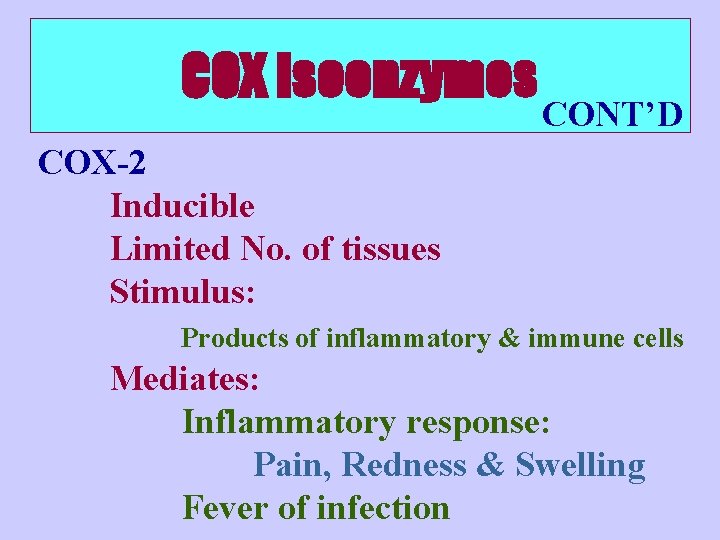
COX Isoenzymes CONT’D COX-2 Inducible Limited No. of tissues Stimulus: Products of inflammatory & immune cells Mediates: Inflammatory response: Pain, Redness & Swelling Fever of infection
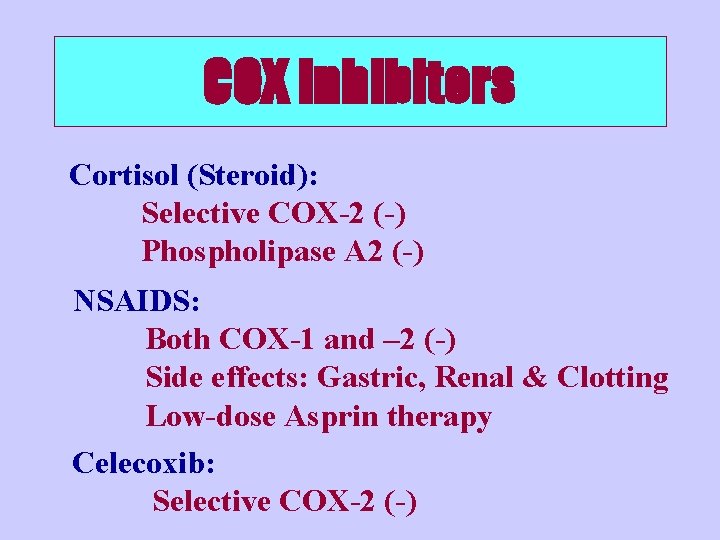
COX Inhibitors Cortisol (Steroid): Selective COX-2 (-) Phospholipase A 2 (-) NSAIDS: Both COX-1 and – 2 (-) Side effects: Gastric, Renal & Clotting Low-dose Asprin therapy Celecoxib: Selective COX-2 (-)
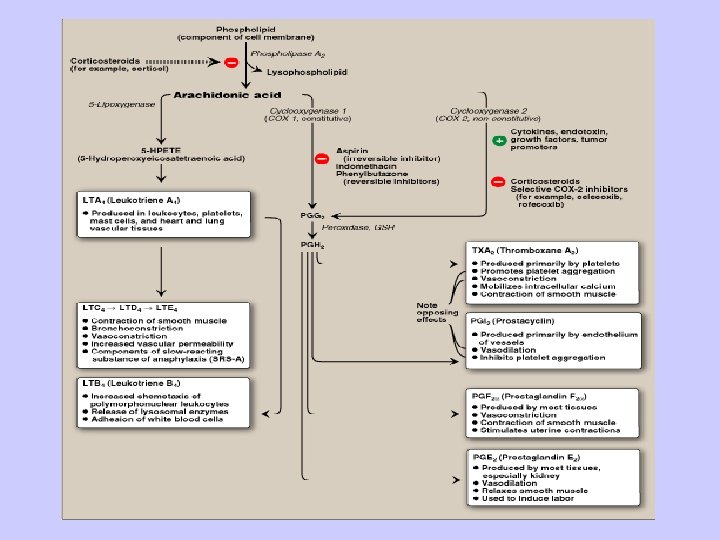
Prostaglandin’S Functions
- Slides: 26