
GLY 326 Structural Geology Lecture 34 Textures kinematic
- Slides: 35
GLY 326 Structural Geology Lecture 34 Textures & kinematic indicators Autumn, <<place current year here>>
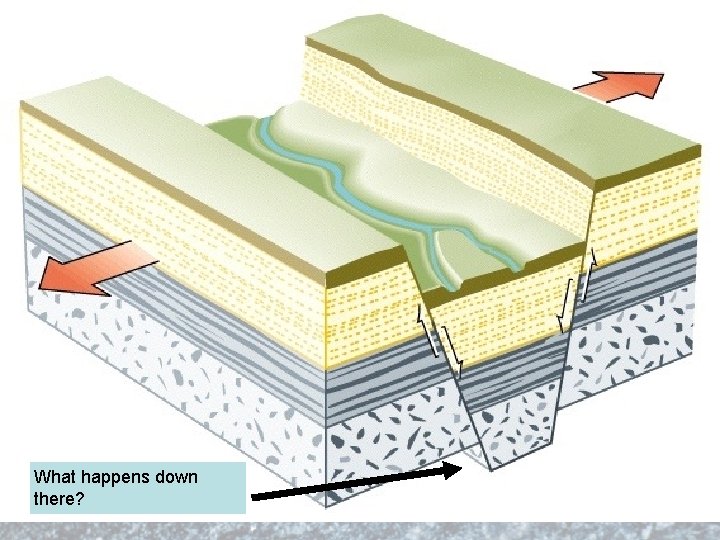
What happens down there?
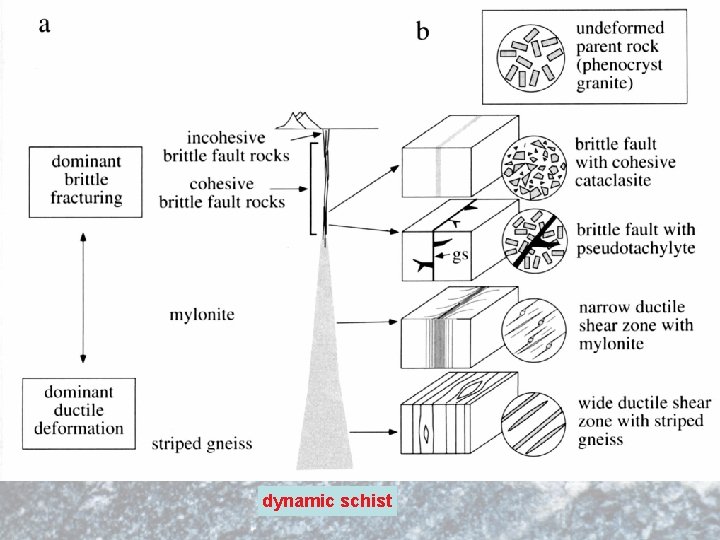
dynamic schist
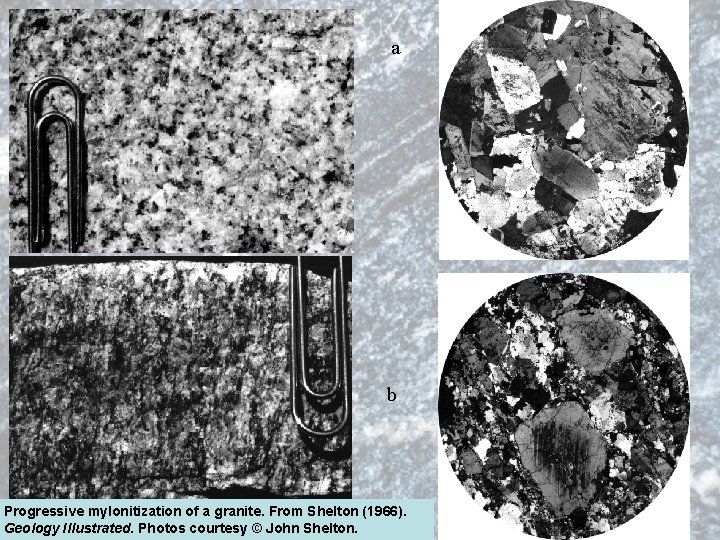
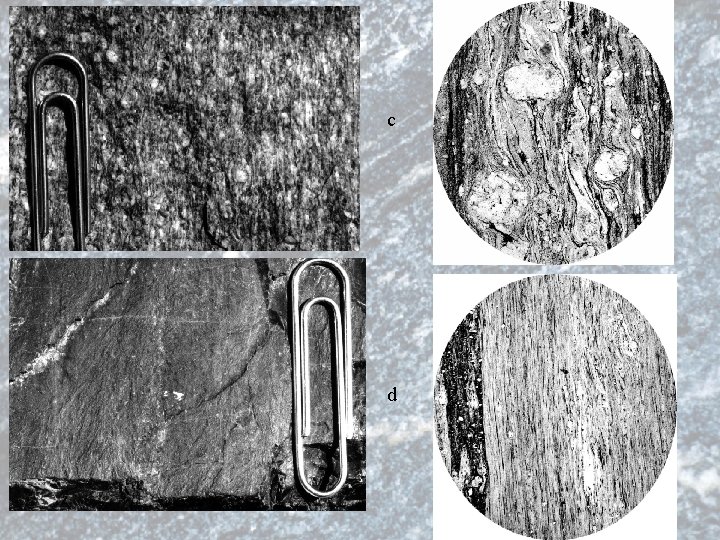
a b Progressive mylonitization of a granite. From Shelton (1966). Geology Illustrated. Photos courtesy © John Shelton.
c d
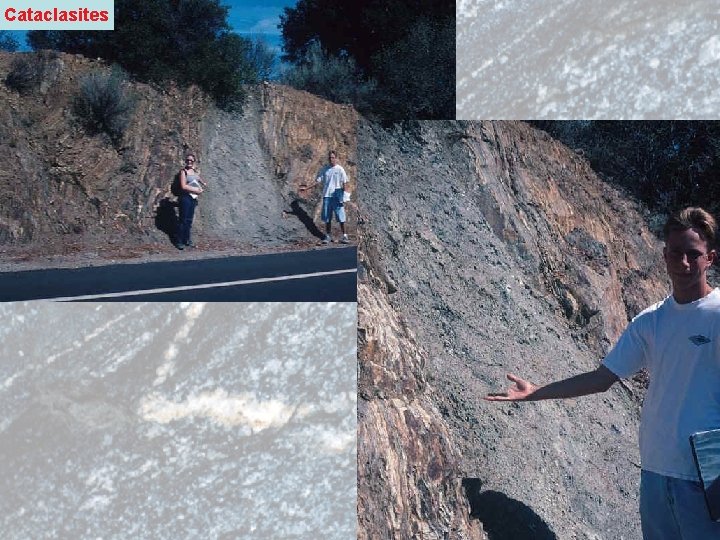
Cataclasites
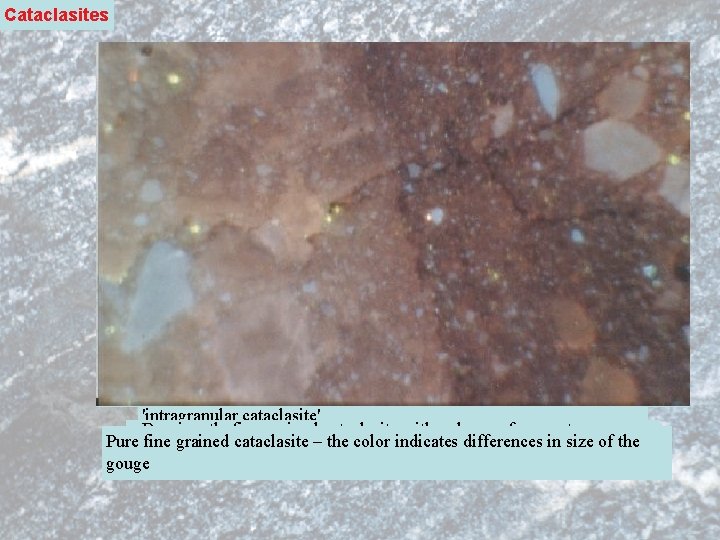
Cataclasites Unaltered quartzite First indications of deformation: intra-granular More intense intragranular microcrack development microcracks propagating from grain contacts Intragranular cataclasite The first stages of grain break-up ('shear displacement') exploiting the More intense development of 'intragranular cataclasite' Dominantly fine grained cataclasite with only rare fragments Broken-up grains: proto cataclasite (note: bright specks are diamond Pure fine grained cataclasite – the color indicates differences in size of the Fragments of original grains in a fine grained matrix - gouge abrassive paste used for polishing) - clast supported cataclasite gouge supported cataclasite
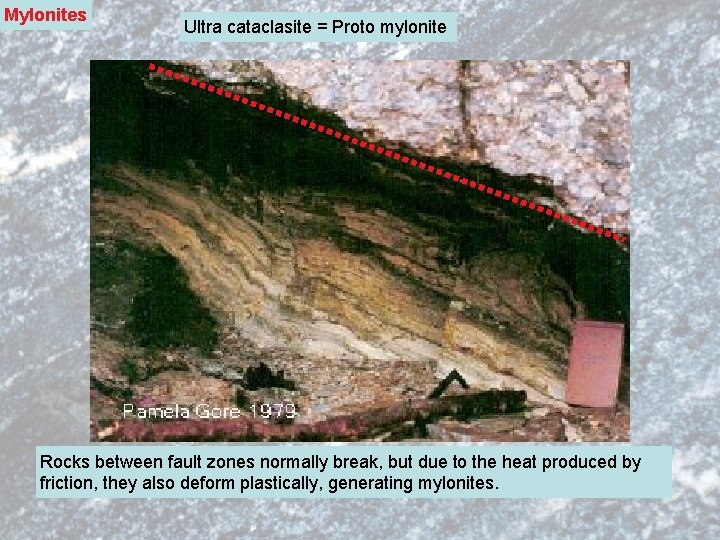
Mylonites Ultra cataclasite = Proto mylonite Rocks between fault zones normally break, but due to the heat produced by friction, they also deform plastically, generating mylonites.
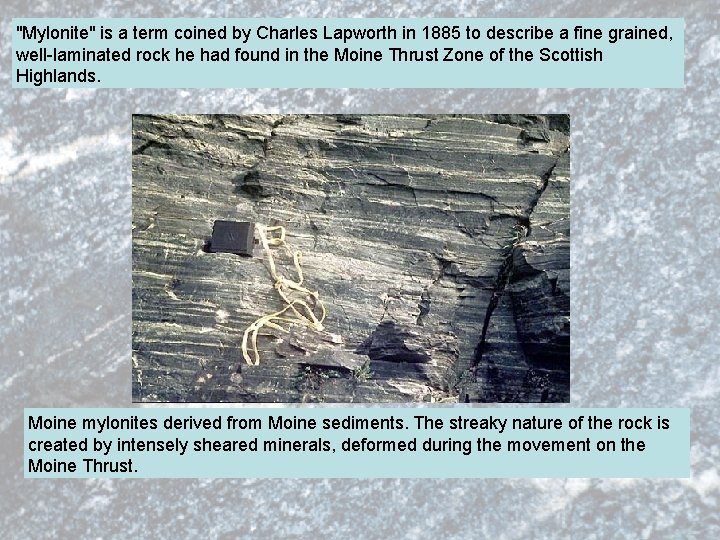
"Mylonite" is a term coined by Charles Lapworth in 1885 to describe a fine grained, well-laminated rock he had found in the Moine Thrust Zone of the Scottish Highlands. Moine mylonites derived from Moine sediments. The streaky nature of the rock is created by intensely sheared minerals, deformed during the movement on the Moine Thrust.
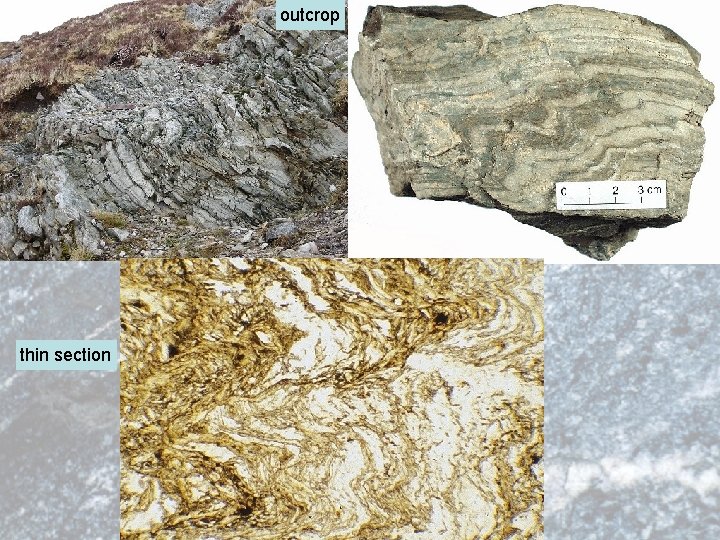
outcrop thin section
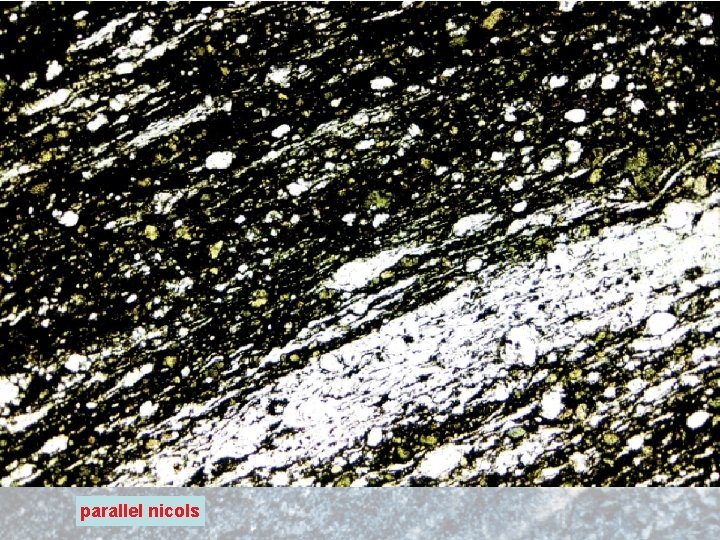
parallel nicols
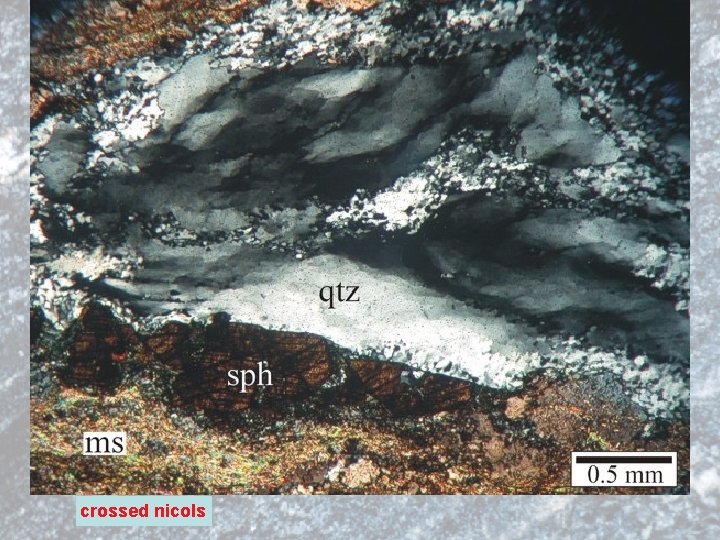
crossed nicols
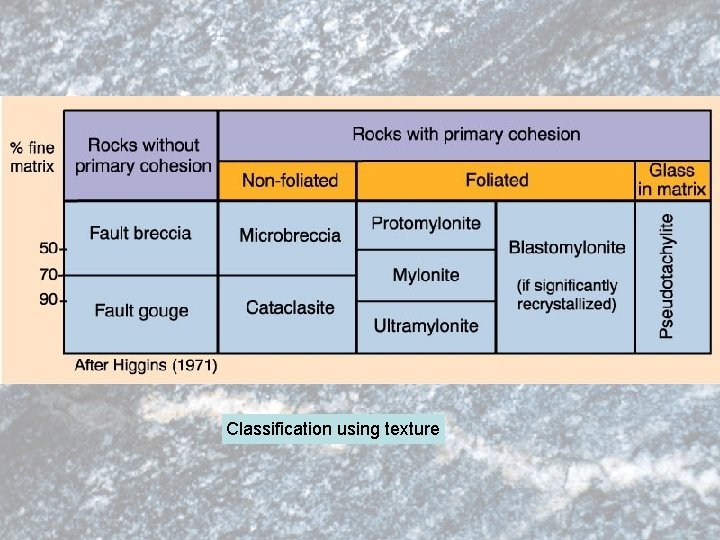
Classification using texture
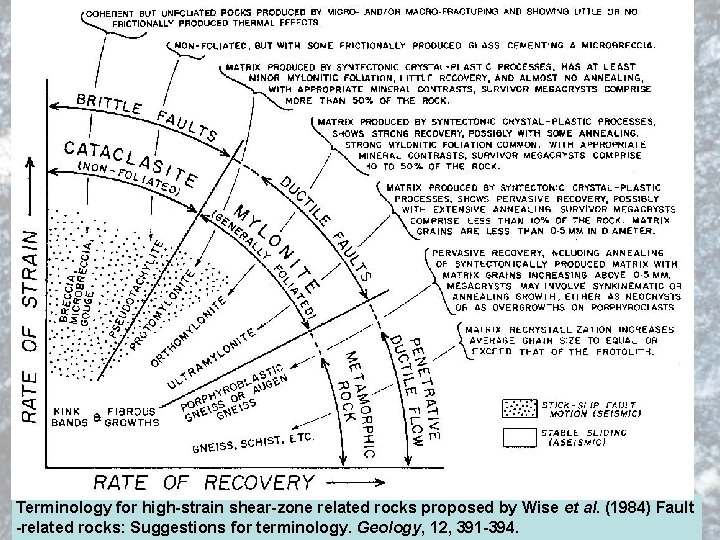
Terminology for high-strain shear-zone related rocks proposed by Wise et al. (1984) Fault -related rocks: Suggestions for terminology. Geology, 12, 391 -394.
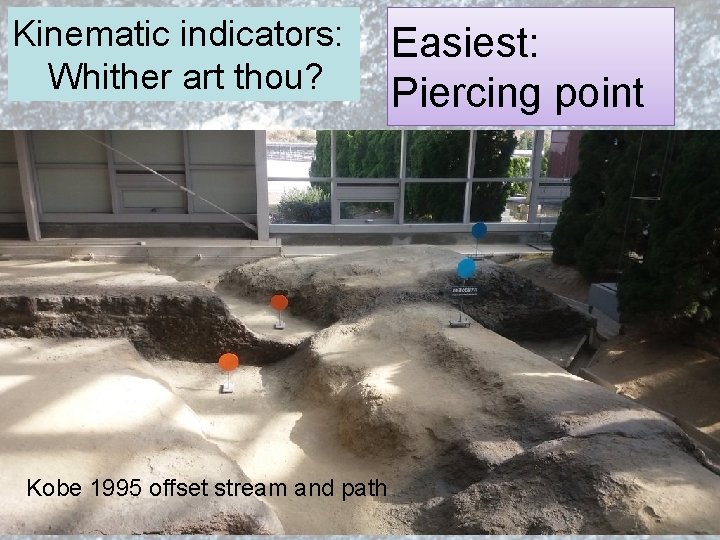
Kinematic indicators: Whither art thou? Kobe 1995 offset stream and path Easiest: Piercing point
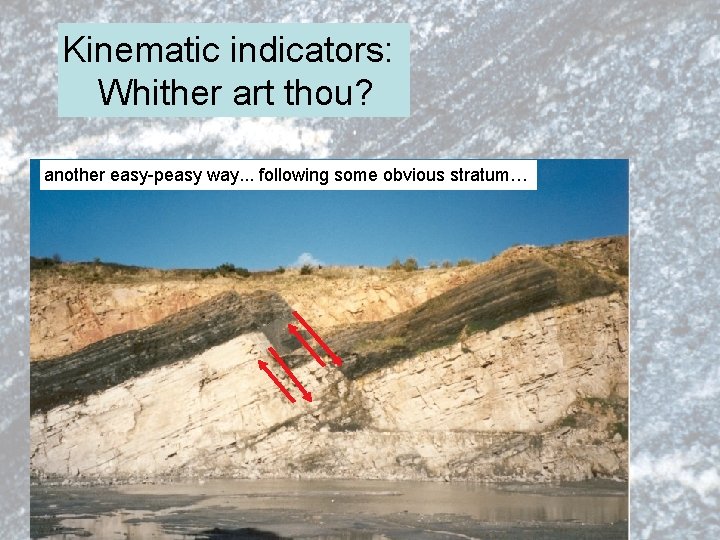
Kinematic indicators: Whither art thou? another easy-peasy way. . . following some obvious stratum…
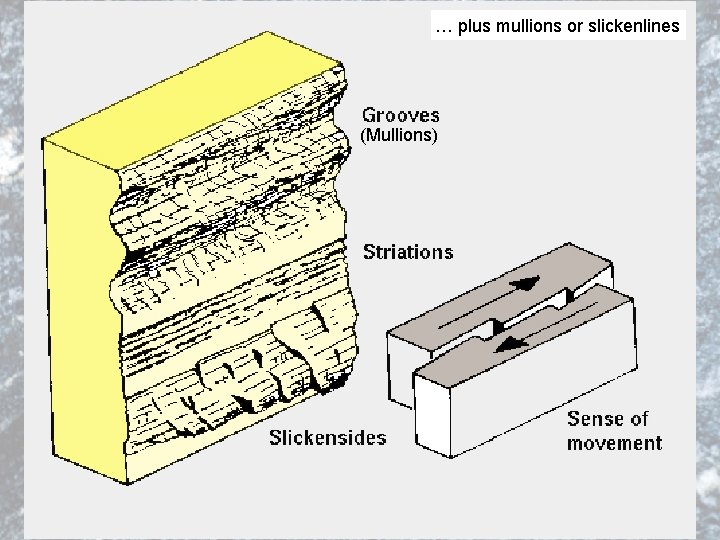
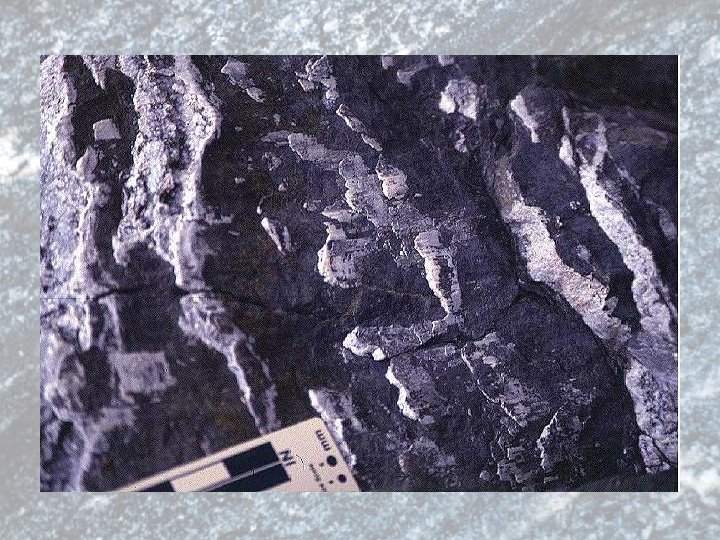
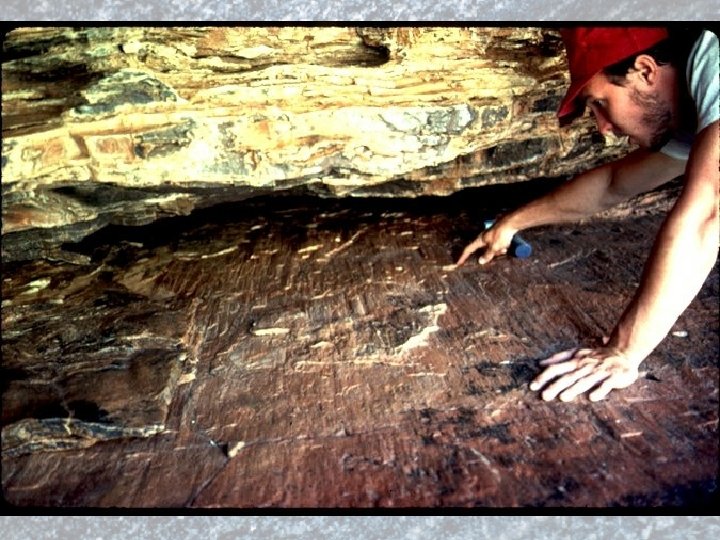
… plus mullions or slickenlines (Mullions)
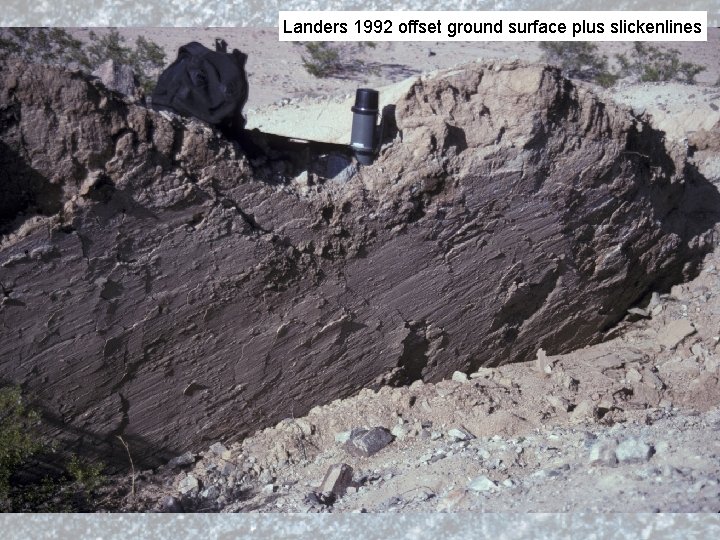
Landers 1992 offset ground surface plus slickenlines
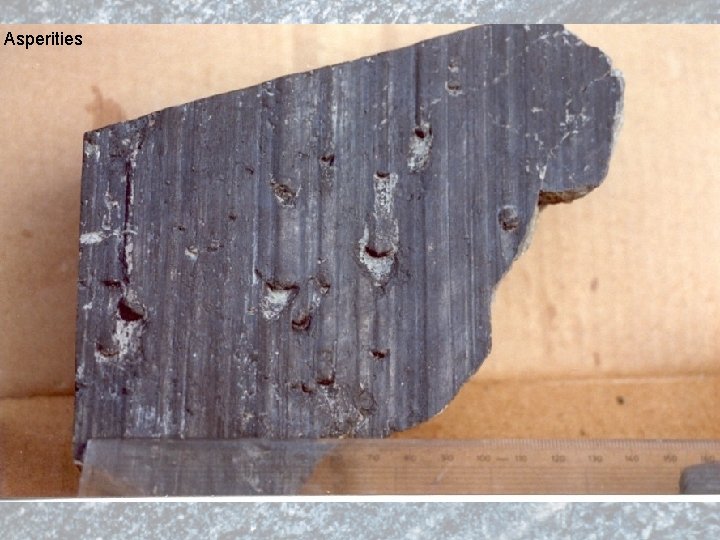
Asperities
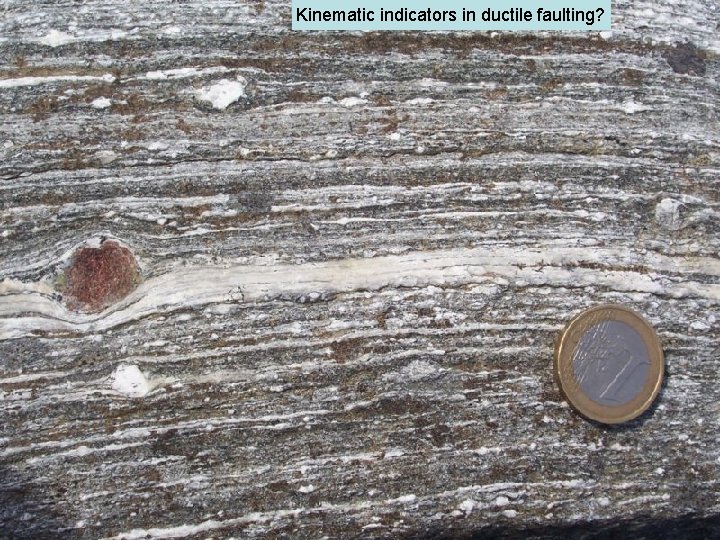
Kinematic indicators in ductile faulting?
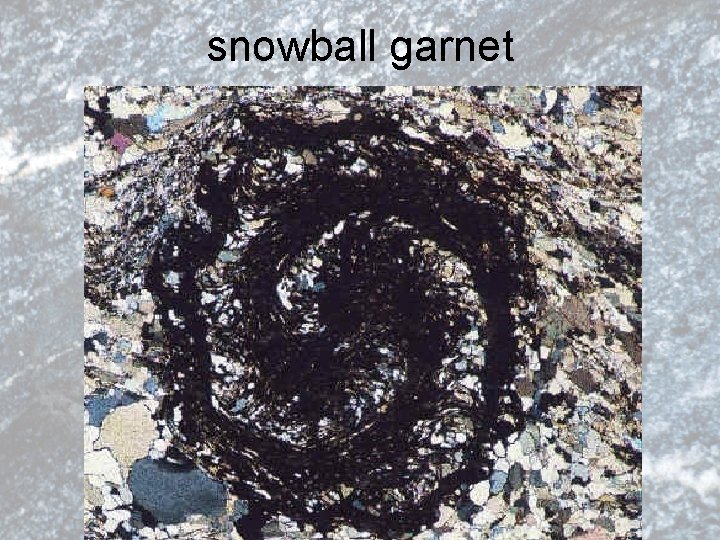
snowball garnet
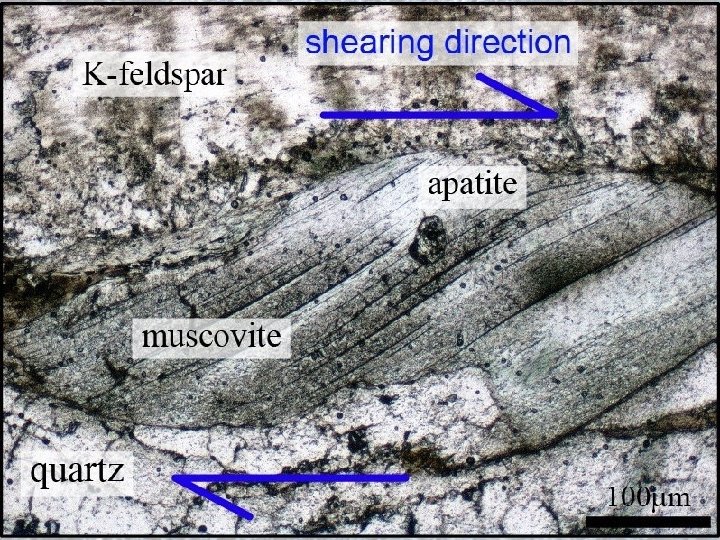
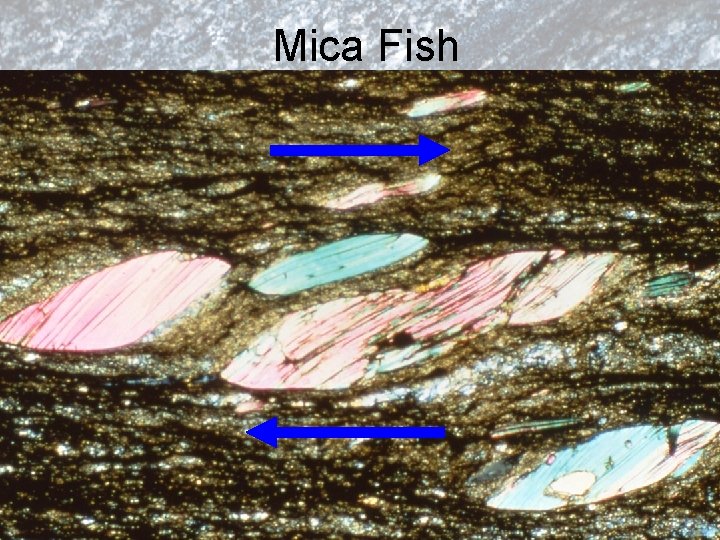
Mica Fish
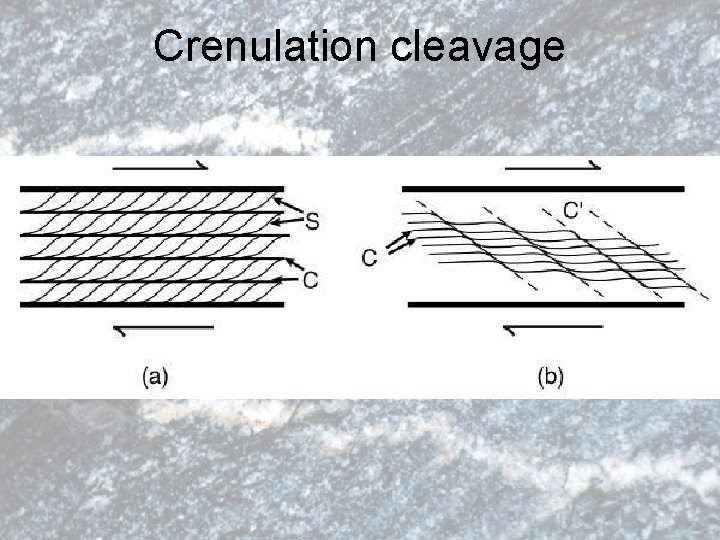
Crenulation cleavage
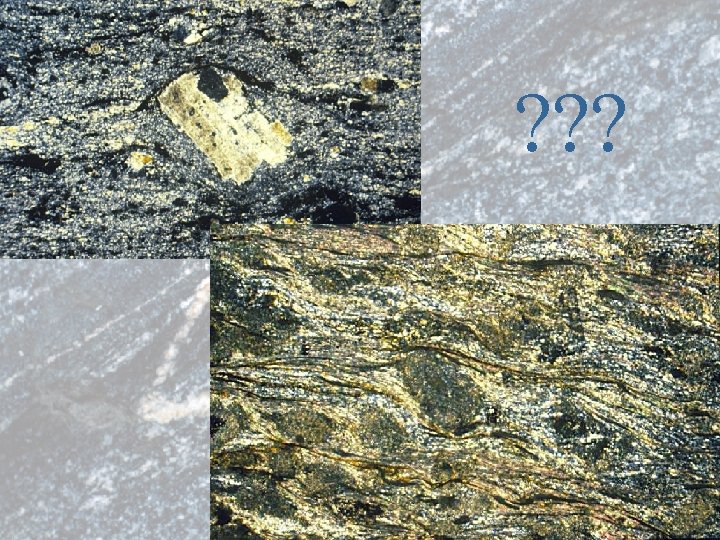
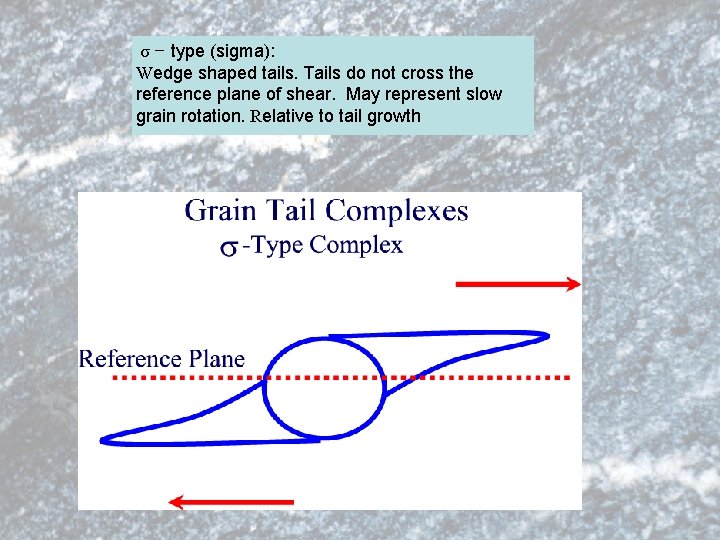
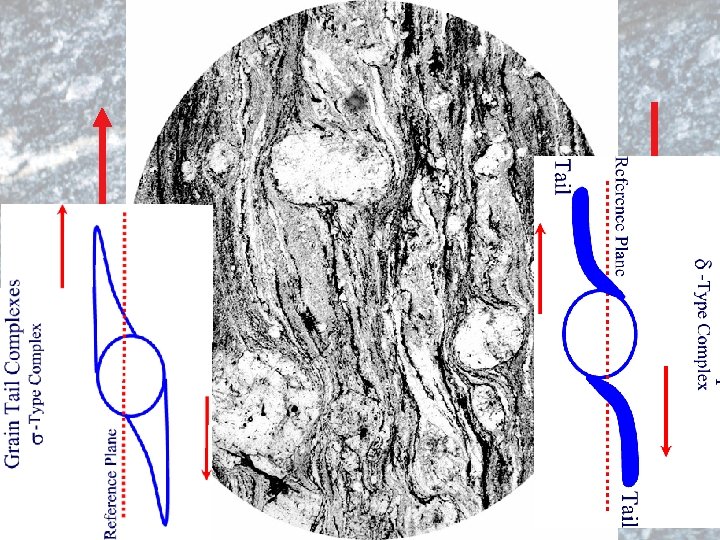
σ − type (sigma): Wedge shaped tails. Tails do not cross the reference plane of shear. May represent slow grain rotation. Relative to tail growth
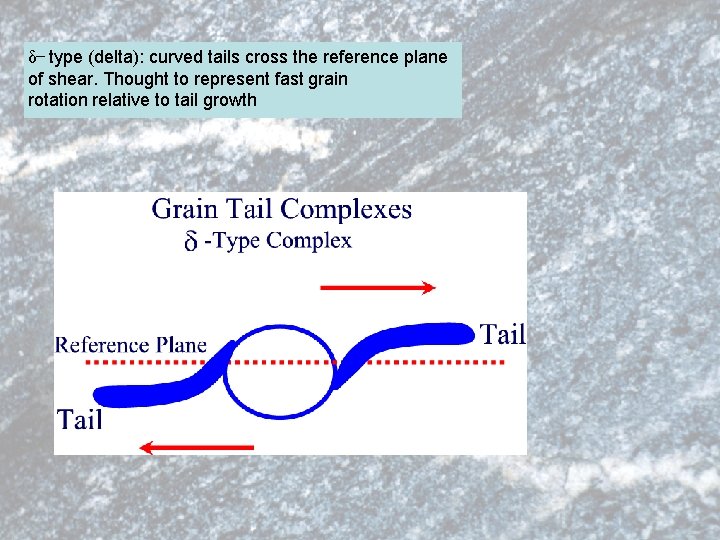
δ− type (delta): curved tails cross the reference plane of shear. Thought to represent fast grain rotation relative to tail growth
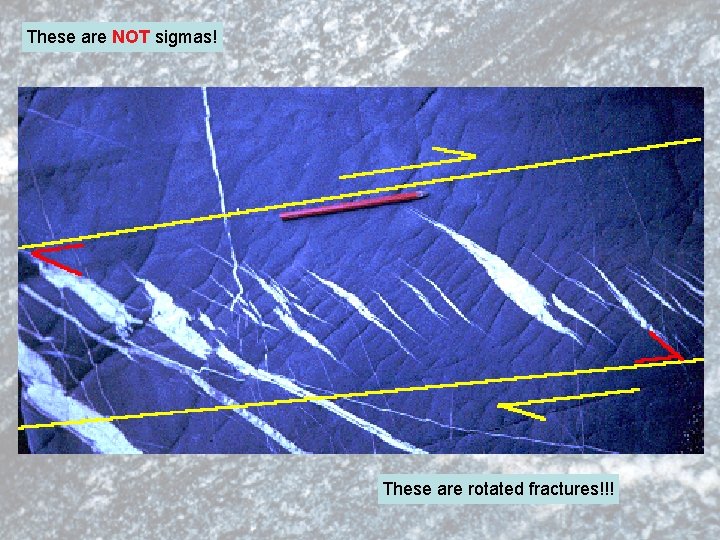
These are NOT sigmas! These are rotated fractures!!!
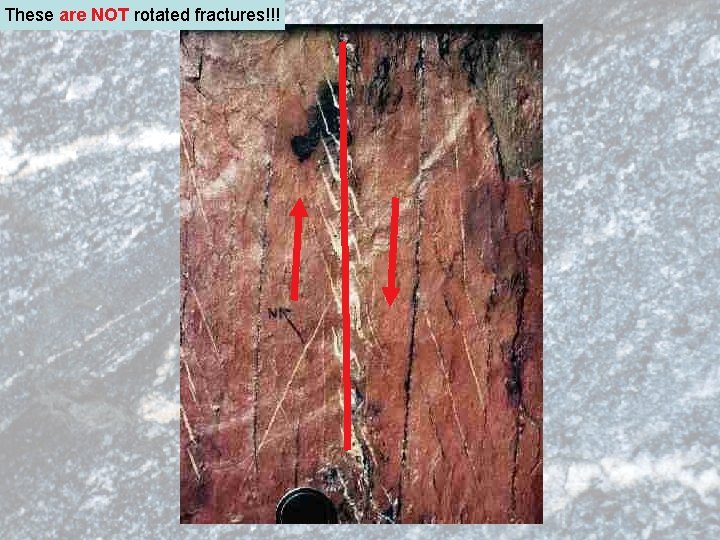
These are NOT rotated fractures!!!