
Glucose variability Agenda Definition and importance Tools for

Glucose variability
Agenda • • • Definition and importance Tools for measuerment Glucose variability and diabetic complication Postprandial excursion How to minimize Glucose variability conclusions

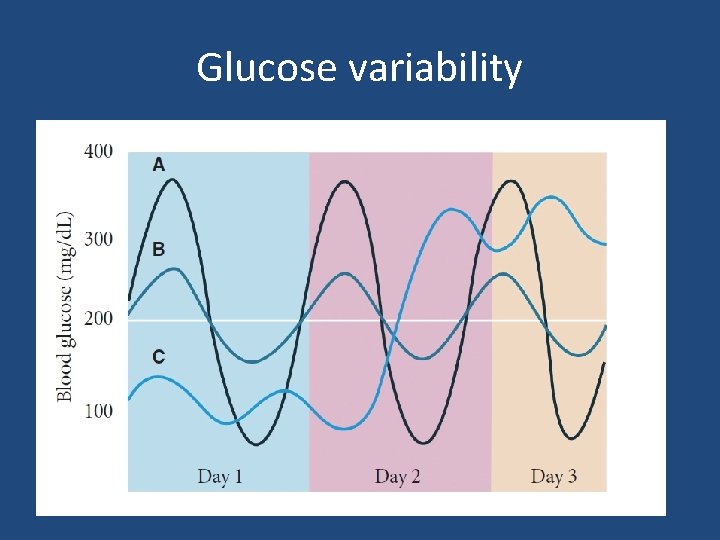
What is meant by “glucose variability”? • Within-day variation (glucose excursions) Glucose excursions (from average or basal) in an individual over 24 hours includes: postprandial excursions, hypoglycaemic excursions, diurnal variations • Within-patient day-to-day variation Variance of glucose between days in an individual at the same time of day • Between-patient variation Difference in response of individuals given the same therapeutic or lifestyle challenge
Glucose variability
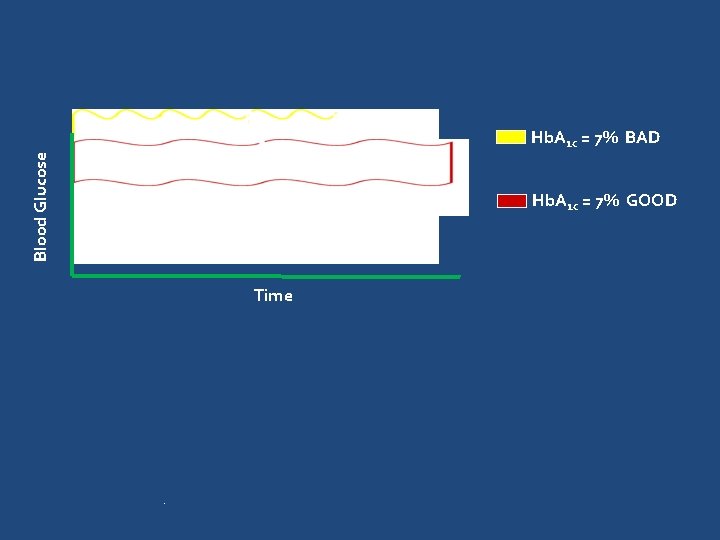
Whole story is not limited to Hb. A 1 c • Hb. A 1 c is not the most complete expression of the degree of hyperglycemia • Other factors independent of Hb. A 1 c levels may add further metabolic burden and increase the risk of diabetic complications
Blood Glucose Hb. A 1 c = 7% BAD Hb. A 1 c = 7% GOOD Time .
Agenda • • • Definition and importance Tools for measuerment Glucose variability and diabetic complication Postprandial excursion How to minimize Glucose variability conclusions
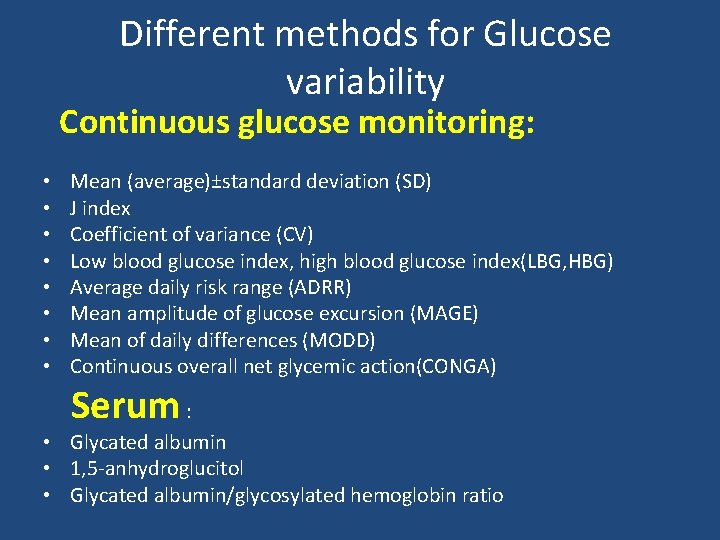
Different methods for Glucose variability Continuous glucose monitoring: • • Mean (average)±standard deviation (SD) J index Coefficient of variance (CV) Low blood glucose index, high blood glucose index(LBG, HBG) Average daily risk range (ADRR) Mean amplitude of glucose excursion (MAGE) Mean of daily differences (MODD) Continuous overall net glycemic action(CONGA) Serum : • Glycated albumin • 1, 5 -anhydroglucitol • Glycated albumin/glycosylated hemoglobin ratio
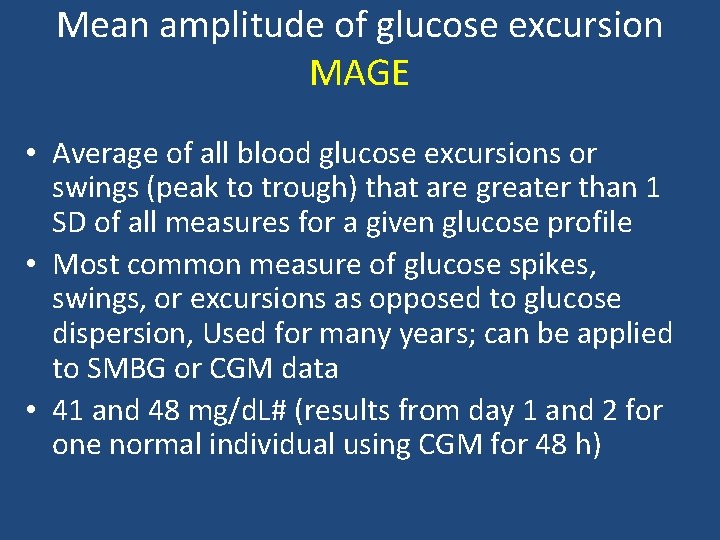
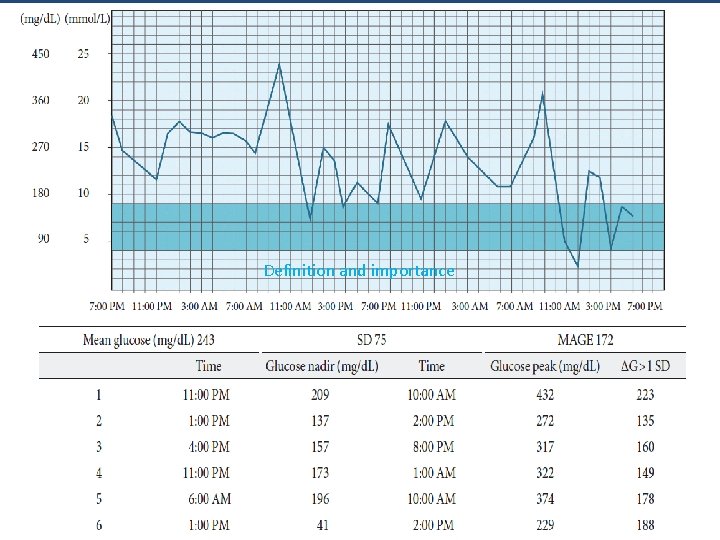
Mean amplitude of glucose excursion MAGE • Average of all blood glucose excursions or swings (peak to trough) that are greater than 1 SD of all measures for a given glucose profile • Most common measure of glucose spikes, swings, or excursions as opposed to glucose dispersion, Used for many years; can be applied to SMBG or CGM data • 41 and 48 mg/d. L# (results from day 1 and 2 for one normal individual using CGM for 48 h)
Definition and importance
Agenda • • • Definition and importance Tools for measuerment Glucose variability and diabetic complication Postprandial excursion How to minimize Glucose variability conclusions

• To assess whether the coefficient of variation (CV) of fasting plasma glucose (FPG) over a 3 -year period was a significant predictor of mortality in type 2 diabetic patients • All type 2 diabetic patients (n = 1, 409) aged 56– 74 years attending the Verona Diabetes Clinic and having at least two FPG determinations in each of the years 1984– 1986 were followed for 10 years (1987– 1996) to assess total and cause-specific mortality. Diabetes Care 2 3 : 4 5– 50, 2000
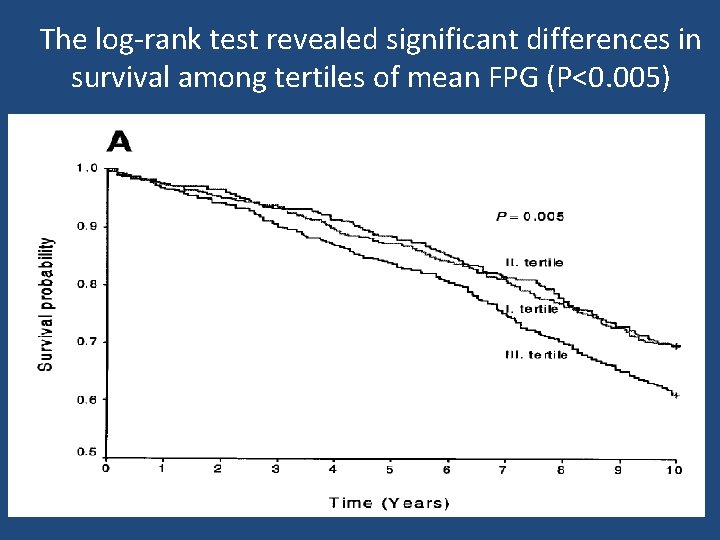
The log-rank test revealed significant differences in survival among tertiles of mean FPG (P<0. 005)
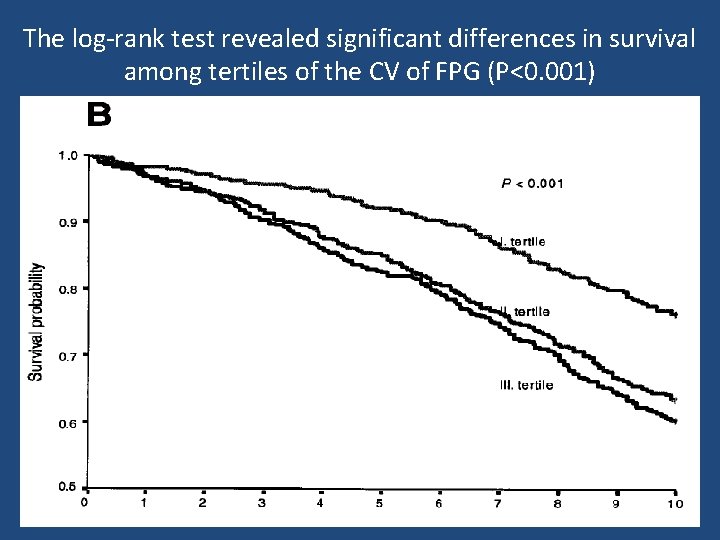
The log-rank test revealed significant differences in survival among tertiles of the CV of FPG (P<0. 001)
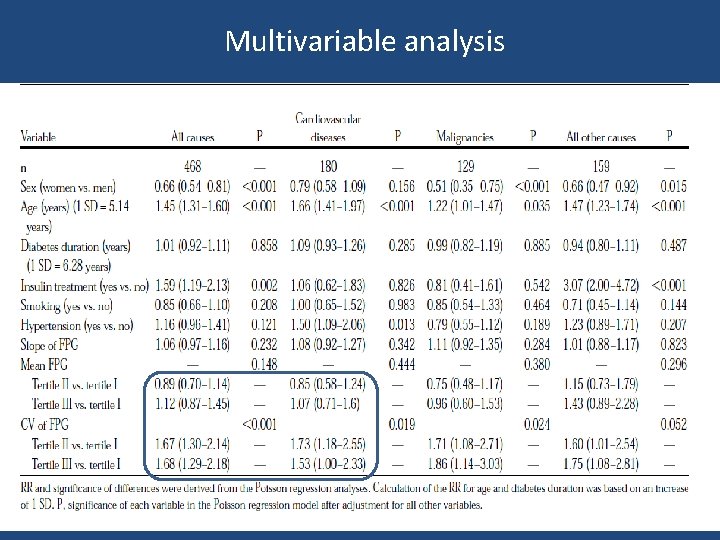
Multivariable analysis
Key message • Long term variability of fasting glucose is an independent predictor of mortality in patients with type 2 diabetes • The CV of FPG might be considered a useful additional parameter in the management of these patients
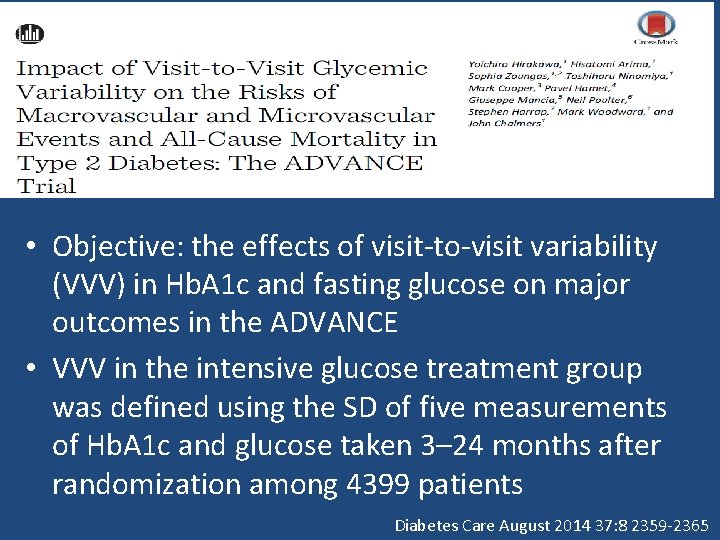
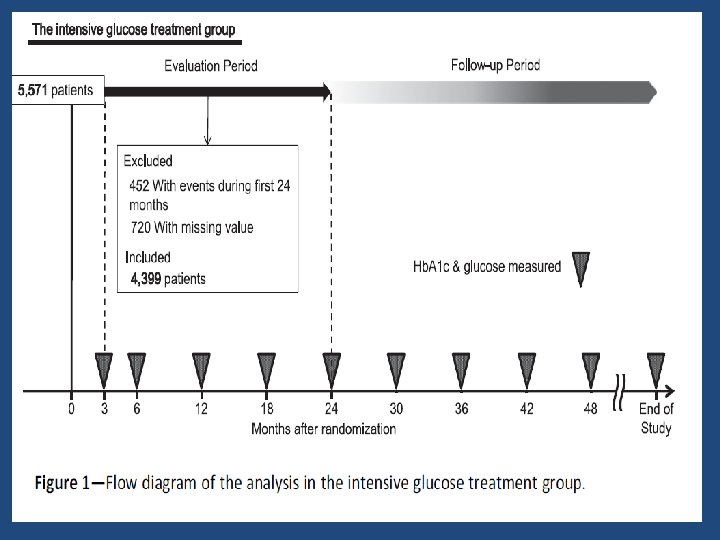
• Objective: the effects of visit-to-visit variability (VVV) in Hb. A 1 c and fasting glucose on major outcomes in the ADVANCE • VVV in the intensive glucose treatment group was defined using the SD of five measurements of Hb. A 1 c and glucose taken 3– 24 months after randomization among 4399 patients Diabetes Care August 2014 37: 8 2359 -2365
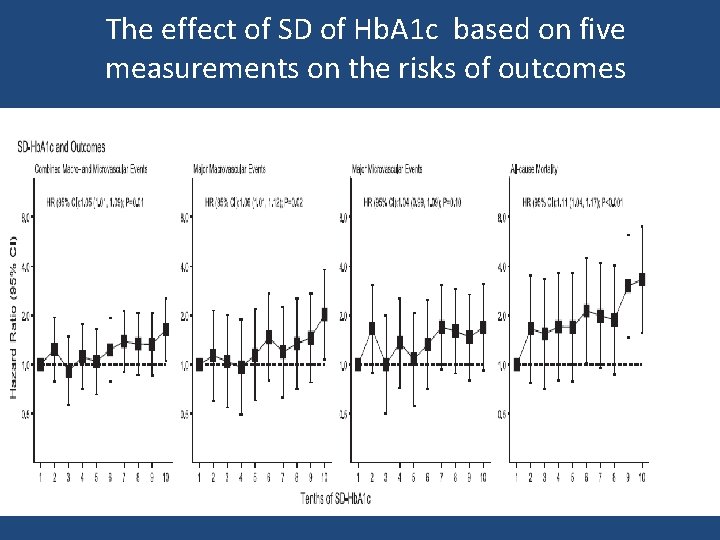
The effect of SD of Hb. A 1 c based on five measurements on the risks of outcomes
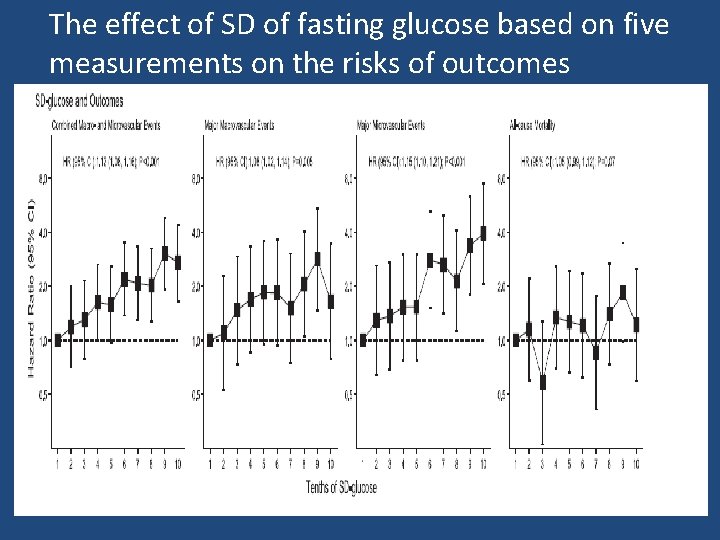
The effect of SD of fasting glucose based on five measurements on the risks of outcomes
Key message • VVV in Hb. A 1 c and that in fasting glucose were associated with increased risks of macrovascular events, microvascular events, and all-cause deaths in patients with type 2 diabetes
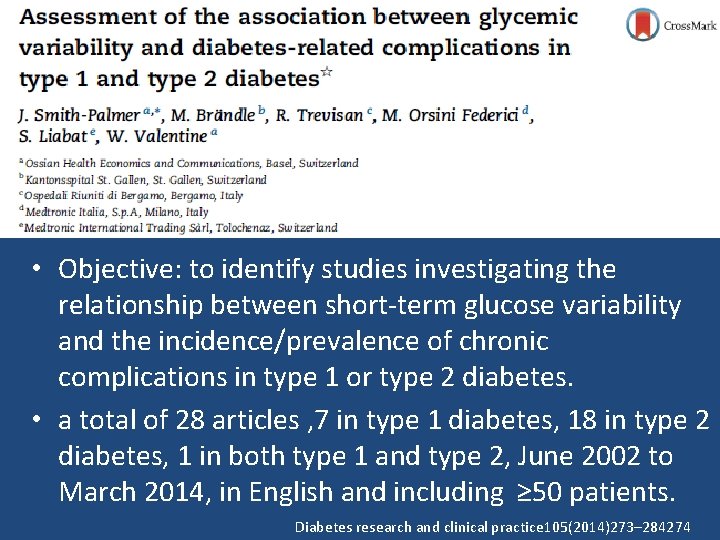
• Objective: to identify studies investigating the relationship between short-term glucose variability and the incidence/prevalence of chronic complications in type 1 or type 2 diabetes. • a total of 28 articles , 7 in type 1 diabetes, 18 in type 2 diabetes, 1 in both type 1 and type 2, June 2002 to March 2014, in English and including ≥ 50 patients. Diabetes research and clinical practice 105(2014)273– 284274
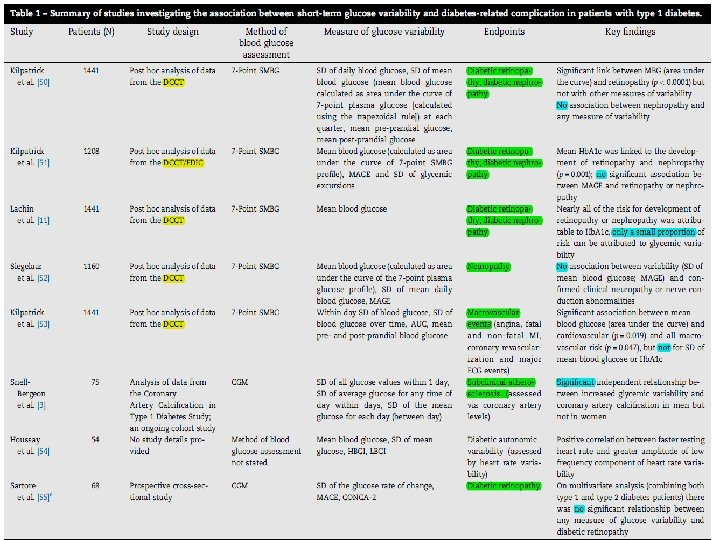
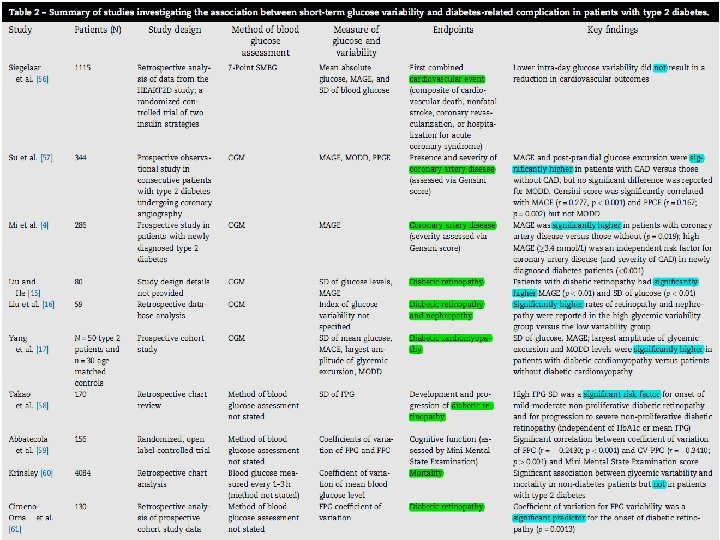
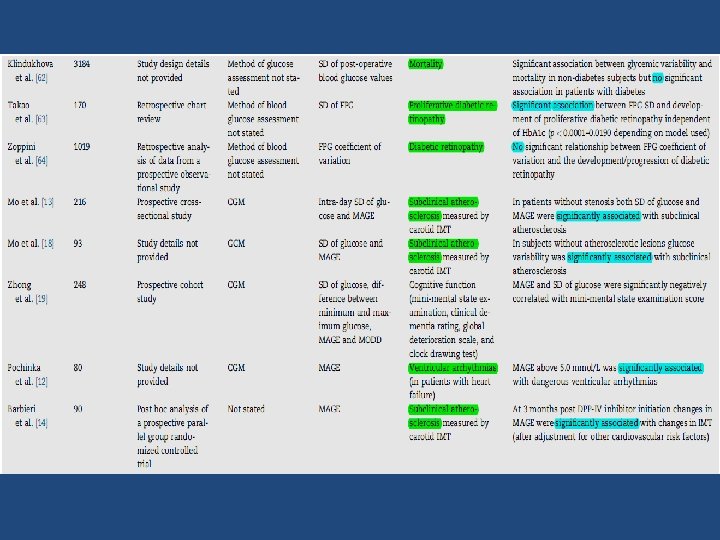
Discussion • A point worthy of note with regard to type 1 diabetes is that the majority of glycemic variability studies identified in the current review were performed using data from the DCCT. • the inconsistency around the role of glucose fluctuations in the development of macrovascular disease raises the question of whether increased shortterm glucose variability is a causative agent of diabetes -related complications or if increased glycemic fluctuations arise as a consequence of more severe disease and/or the presence of existing complications, poor dietary management or poor adherence to antidiabetic therapy.
Discussion … • Another weakness in the studies in type 2 diabetes is that a substantial proportion of studies included mixed populations of patients treated with diet alone, diet and oral antidiabetic medications (OADs) and insulin. As such, this may have been a confounding factor in the findings of some analyses, • The studies identified here illustrate that a large number of different methods are currently used to assess glycemic variability, there is no consensus on which, if any, method, represents the ‘‘gold standard’’ and most methods are associated with notable limitations
Key message • increased levels of short-term glucose variability, may contribute to the development of microvascular complications in type 2 diabetes, but uncertainty remains as to whether it is a contributing factor in the development of macrovascular complications. • In patients with type 1 diabetes, the role of increased short-term glucose variability in the development of both micro- and macrovascular complications is less evident.
Mechanisms ? • Glucose fluctuation has been shown to cause overproduction of superoxide • Glycemic fluctuation has been shown to cause an increase in inflammatory cytokines and monocyte and macrophage adhesion to endothelial cells • Transient hyperglycemia causes long lasting epigenetic changes • Glucose fluctuation has been shown to cause loss of pancreatic β-cells due to increased apoptotic cell death
Agenda • • • Definition and importance Tools for measuerment Glucose variability and diabetic complication Postprandial excursion How to minimize Glucose variability conclusions
Postprandial excursion • Is there any relationship between post prandial glucose reduction and cardiovascular outcomes ?
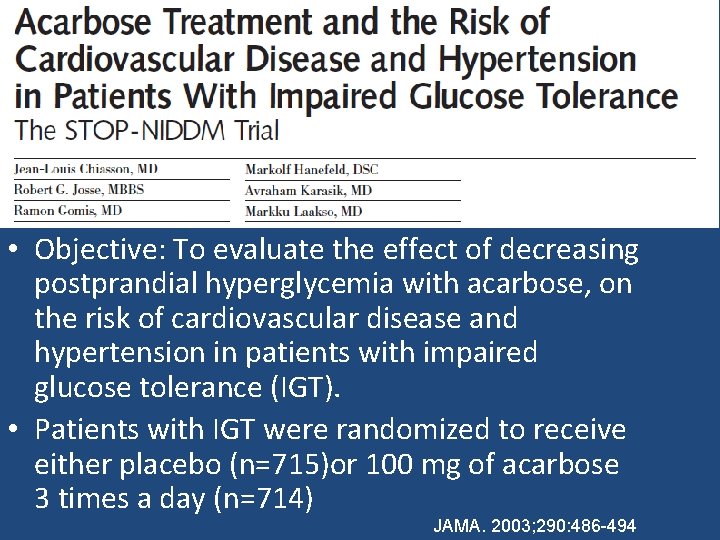
• Objective: To evaluate the effect of decreasing postprandial hyperglycemia with acarbose, on the risk of cardiovascular disease and hypertension in patients with impaired glucose tolerance (IGT). • Patients with IGT were randomized to receive either placebo (n=715)or 100 mg of acarbose 3 times a day (n=714) JAMA. 2003; 290: 486 -494
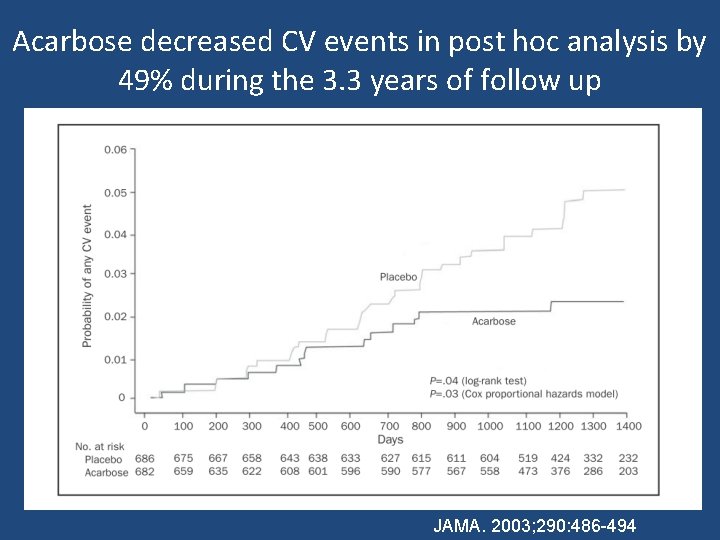
Acarbose decreased CV events in post hoc analysis by 49% during the 3. 3 years of follow up JAMA. 2003; 290: 486 -494
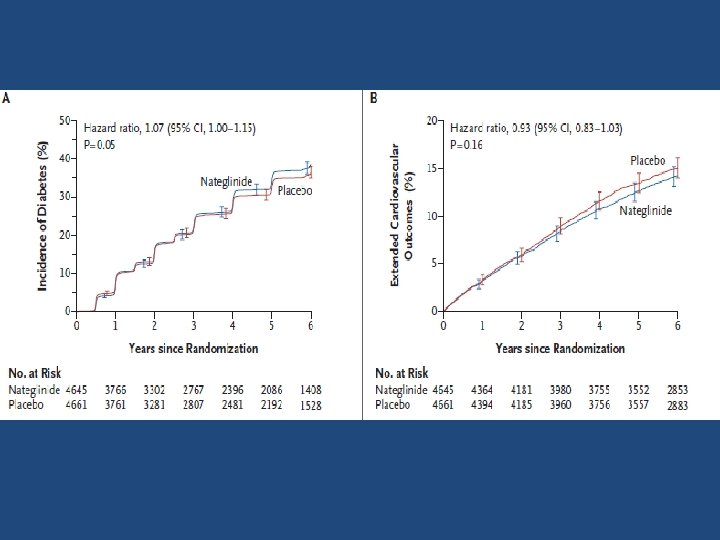
• 9306 persons with IGT with CVD or CV risk factors followed for 5 years • nateglinide, as compared with placebo, did not significantly reduce the cumulative incidence of diabetes (36% and 34%, respectively), composite CV outcome 14. 2% vs. 15. 2% (NS); increased the risk of hypoglycemia • Among persons with impaired glucose tolerance and established cardiovascular disease or cardiovascular risk factors, assignment to nateglinide for 5 years did not reduce the incidence of diabetes or the coprimary composite cardiovascular outcomes. NEJM , april 22, 2010
HEART 2 D trial DIABETES CARE, VOLUME 32, NUMBER 3, MARCH 2009
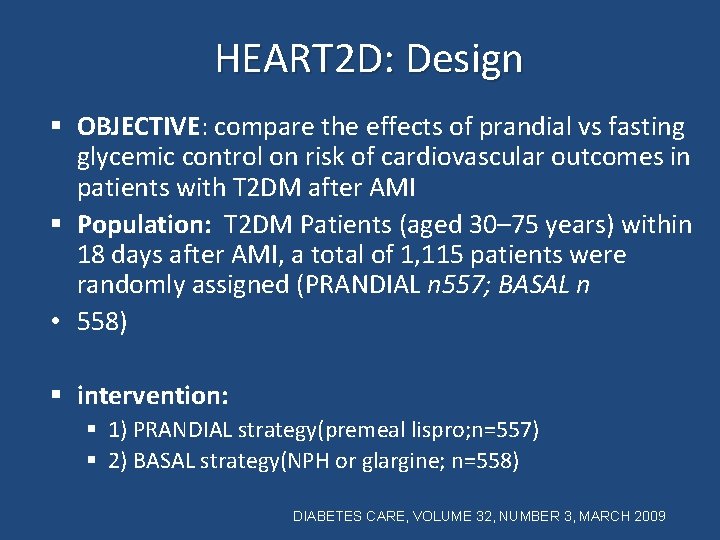
HEART 2 D: Design § OBJECTIVE: compare the effects of prandial vs fasting glycemic control on risk of cardiovascular outcomes in patients with T 2 DM after AMI § Population: T 2 DM Patients (aged 30– 75 years) within 18 days after AMI, a total of 1, 115 patients were randomly assigned (PRANDIAL n 557; BASAL n • 558) § intervention: § 1) PRANDIAL strategy(premeal lispro; n=557) § 2) BASAL strategy(NPH or glargine; n=558) DIABETES CARE, VOLUME 32, NUMBER 3, MARCH 2009
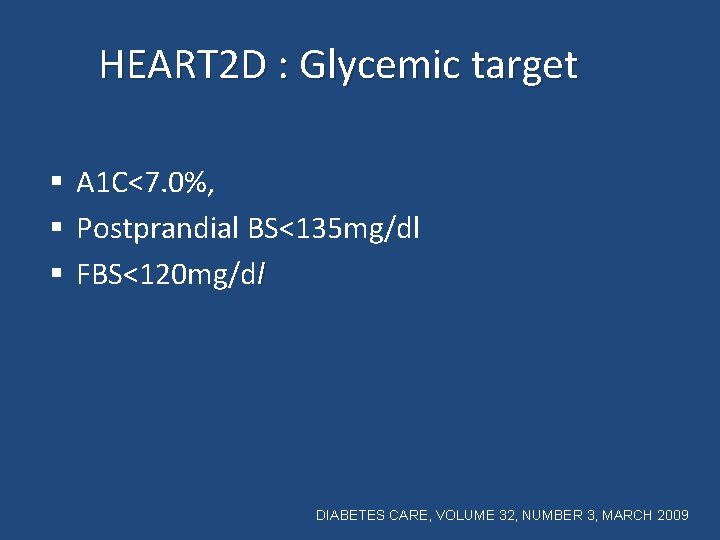
HEART 2 D : Glycemic target § A 1 C<7. 0%, § Postprandial BS<135 mg/dl § FBS<120 mg/dl DIABETES CARE, VOLUME 32, NUMBER 3, MARCH 2009
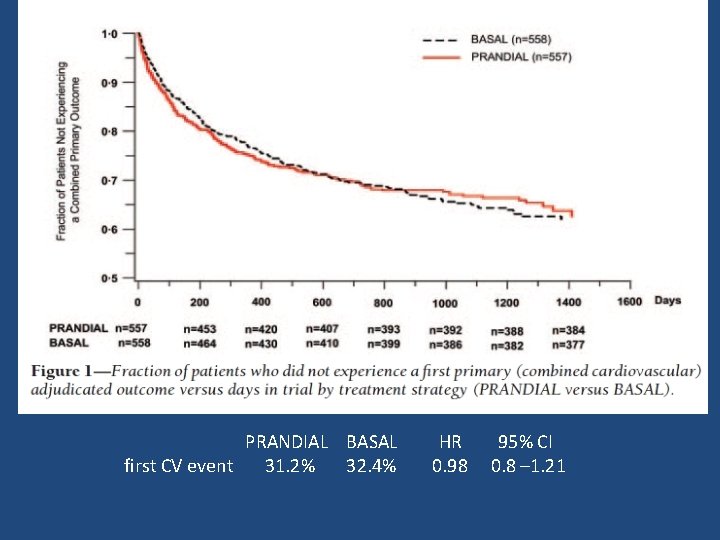
PRANDIAL BASAL first CV event 31. 2% 32. 4% HR 0. 98 95% CI 0. 8 – 1. 21
key message § Risk of CVD outcomes was similar between the treatment groups
Agenda • • • Definition and importance Tools for measuerment Glucose variability and diabetic complication Postprandial excursion How to minimize Glucose variability conclusions
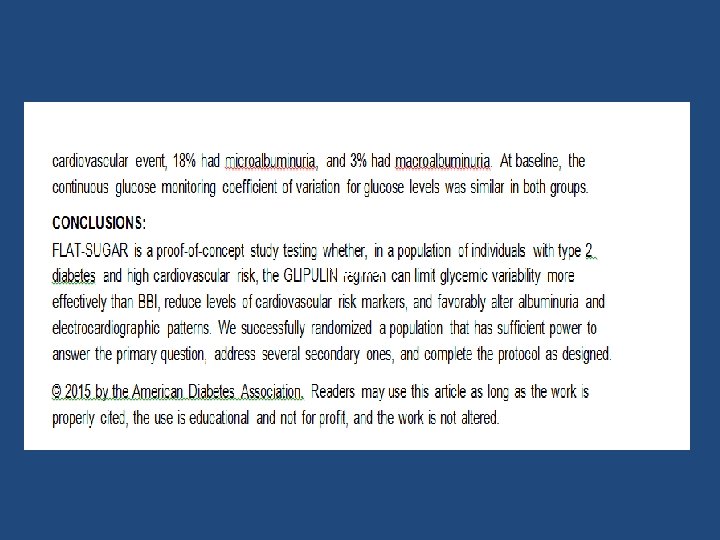
How to minimize GV ? • Diet and weight reduction • Glucagon-like peptide-1 analogs and dipeptidylpeptidase 4 inhibitors • Fast-acting and long-acting insulins (insulin degludece) • Continuous Subcutaneous Insulin Infusion (CSII) and bariatric surgery • Development of new technologies for diabetes education, monitoring and therapy, particularly in T 1 DM
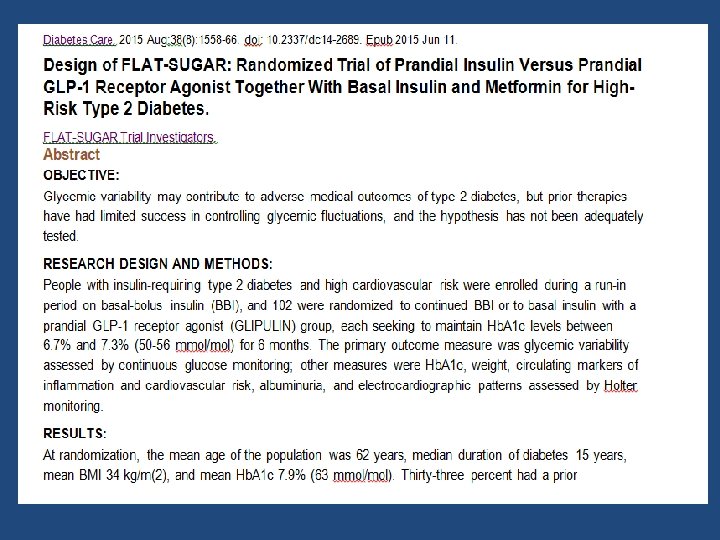
inhibitors
Agenda • • • Definition and importance Tools for measuerment Glucose variability and diabetic complication Postprandial excursion How to minimize Glucose variability conclusions
CONCLUSION • GV is a physiological phenomenon that assumes an even more important dimension in the presence of diabetes because it not only contributes to increasing the mean blood glucose values but it also favors the development of chronic diabetes complications • It appears that GV is poised to become a future target parameter for optimum glycemic control over and above standard glycemic parameters, such as blood glucose and Hb. A 1 c.
CONCLUSION… • Avoiding both hyperglycemia and hypoglycemia by careful use of SMBG and the availability of new agents to correct hyperglycemia without inducing hypoglycemia is expected to reduce the burden of premature mortality and disabling CV events • defining GV remains a challenge primarily due to the difficulty of measuring it and the lack of consensus regarding the most optimal approach for patient management.
CONCLUSION… • Further studies are required (clinical trial comparing stable versus unstable glycemia) would be conclusive to prove that glucose “stability” actually reduces diabetic complications.

Thanks
- Slides: 49