
Glucocorticoids Suprarenal glands anatomy Adrenal cortex physiology Zona
- Slides: 33
Glucocorticoids
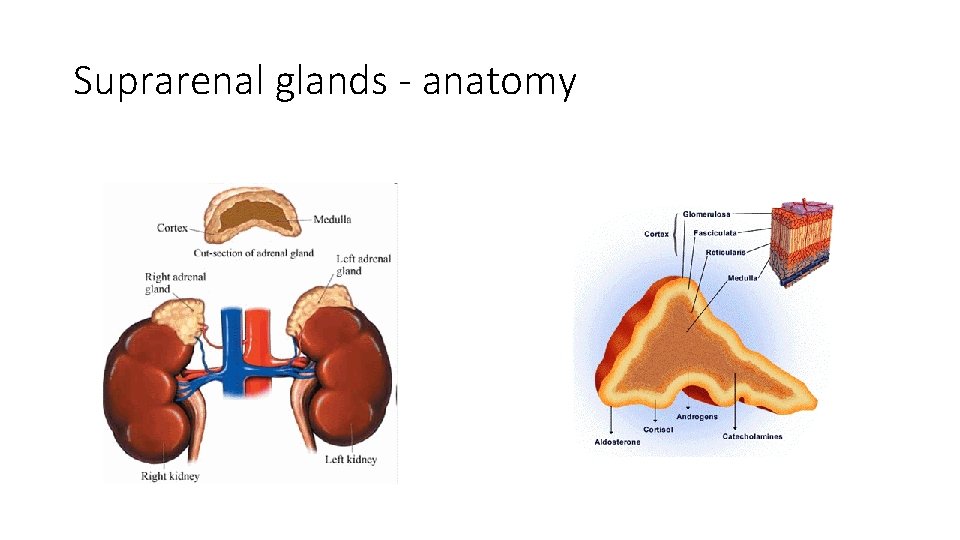
Suprarenal glands - anatomy
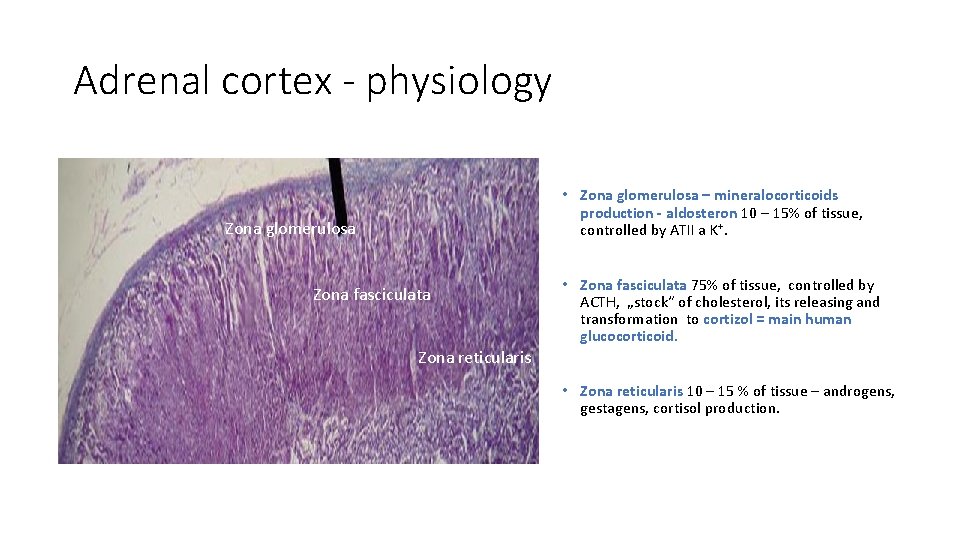
Adrenal cortex - physiology • Zona glomerulosa – mineralocorticoids production - aldosteron 10 – 15% of tissue, controlled by ATII a K+. Zona glomerulosa Zona fasciculata Zona reticularis • Zona fasciculata 75% of tissue, controlled by ACTH, „stock“ of cholesterol, its releasing and transformation to cortizol = main human glucocorticoid. • Zona reticularis 10 – 15 % of tissue – androgens, gestagens, cortisol production.
Adrenal medulla - physiology A-cells – adrenaline - 80 % catecholamines secreted to the blood. Adrenalin secretion based on n Nerve impulse →physical and psychological stress (crisis situation) →alarm reaction → adaptation stage → ↑ glucosis, lactate, free fatty acids concentration, → exhaustion stage. N-cells – noradrenaline – causes contraction of blood vessels (except heart vessels), thereby ↑ blood pressure.
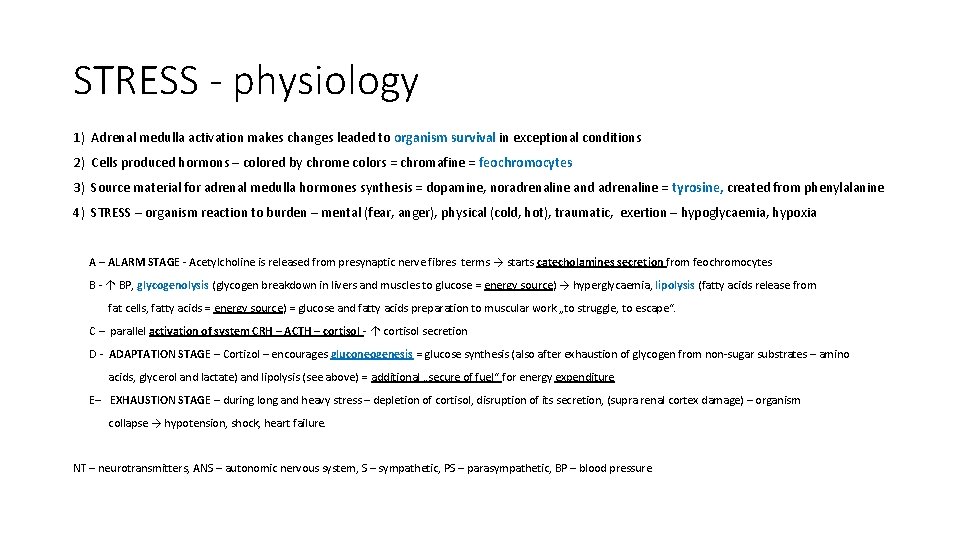
STRESS - physiology 1) Adrenal medulla activation makes changes leaded to organism survival in exceptional conditions 2) Cells produced hormons – colored by chrome colors = chromafine = feochromocytes 3) Source material for adrenal medulla hormones synthesis = dopamine, noradrenaline and adrenaline = tyrosine, created from phenylalanine 4) STRESS – organism reaction to burden – mental (fear, anger), physical (cold, hot), traumatic, exertion – hypoglycaemia, hypoxia A – ALARM STAGE - Acetylcholine is released from presynaptic nerve fibres terms → starts catecholamines secretion from feochromocytes B - ↑ BP, glycogenolysis (glycogen breakdown in livers and muscles to glucose = energy source) → hyperglycaemia, lipolysis (fatty acids release from fat cells, fatty acids = energy source) = glucose and fatty acids preparation to muscular work „to struggle, to escape“. C – parallel activation of system CRH – ACTH – cortisol - ↑ cortisol secretion D - ADAPTATION STAGE – Cortizol – encourages gluconeogenesis = glucose synthesis (also after exhaustion of glycogen from non-sugar substrates – amino acids, glycerol and lactate) and lipolysis (see above) = additional „secure of fuel“ for energy expenditure E– EXHAUSTION STAGE – during long and heavy stress – depletion of cortisol, disruption of its secretion, (supra renal cortex damage) – organism collapse → hypotension, shock, heart failure. NT – neurotransmitters, ANS – autonomic nervous system, S – sympathetic, PS – parasympathetic, BP – blood pressure
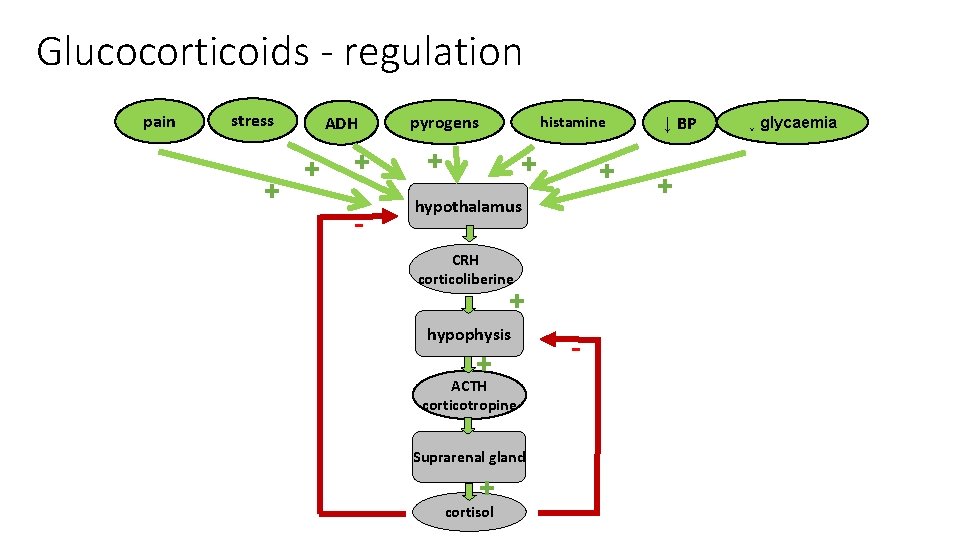
Glucocorticoids - regulation pain stress + ADH + + - pyrogens histamine + + + hypothalamus CRH corticoliberine + hypophysis + ACTH corticotropine Suprarenal gland + cortisol - ↓ BP + ↓ glycaemia
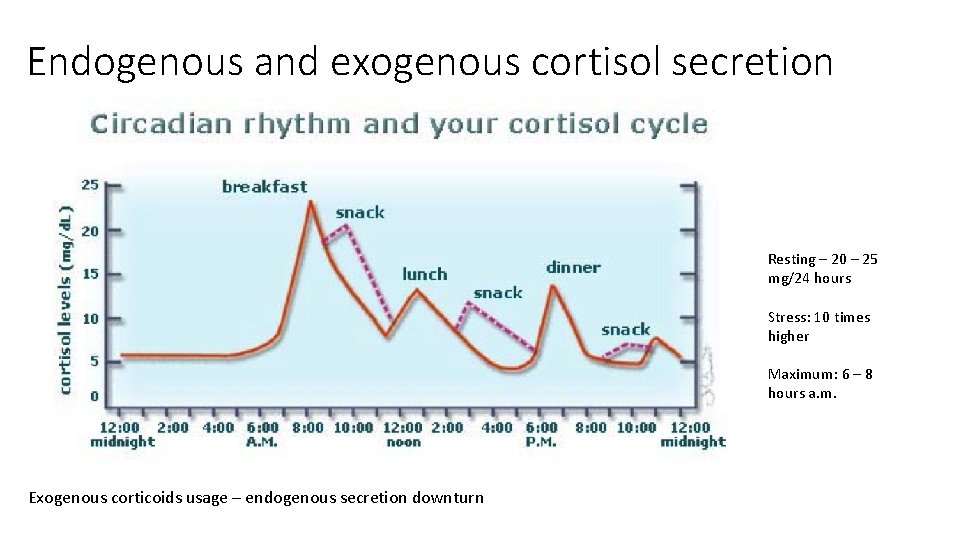
Endogenous and exogenous cortisol secretion Resting – 20 – 25 mg/24 hours Stress: 10 times higher Maximum: 6 – 8 hours a. m. Exogenous corticoids usage – endogenous secretion downturn
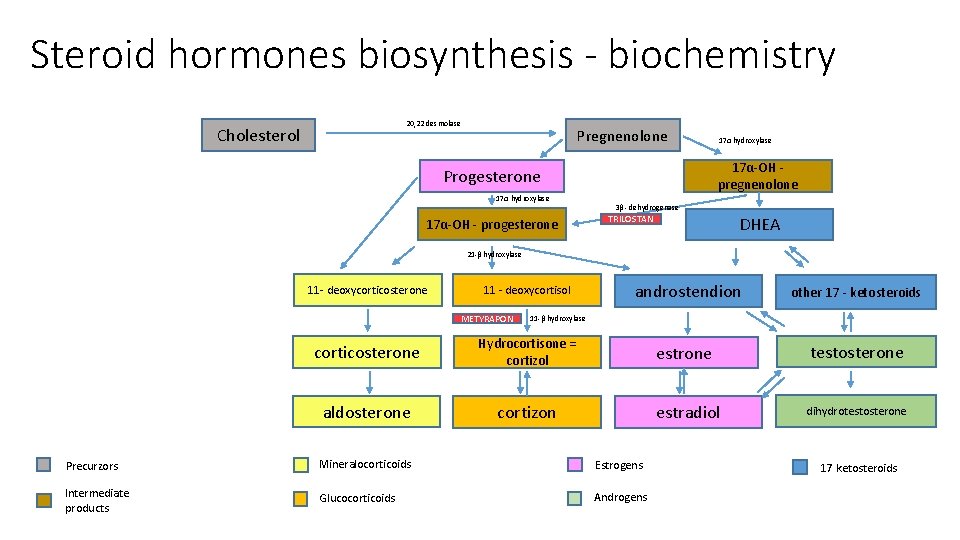
Steroid hormones biosynthesis - biochemistry 20, 22 desmolase Cholesterol Pregnenolone 17α-OH pregnenolone Progesterone 17α hydroxylase 17α-OH - progesterone 17α hydroxylase 3β - dehydrogenase TRILOSTAN DHEA 21 -β hydroxylase 11 - deoxycorticosterone 11 - deoxycortisol METYRAPON androstendion other 17 - ketosteroids estrone testosterone 11 -β hydroxylase corticosterone Hydrocortisone = cortizol aldosterone cortizon estradiol Precurzors Mineralocorticoids Estrogens Intermediate products Glucocorticoids Androgens dihydrotestosterone 17 ketosteroids
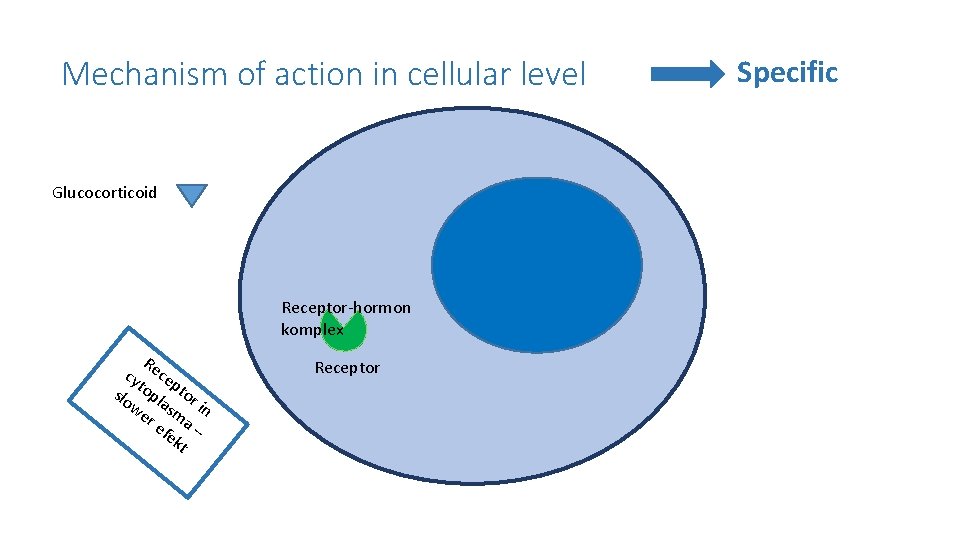
Mechanism of action in cellular level Glucocorticoid Receptor-hormon komplex R cy ece p slo topl tor we asm in re a fe – kt Receptor Specific
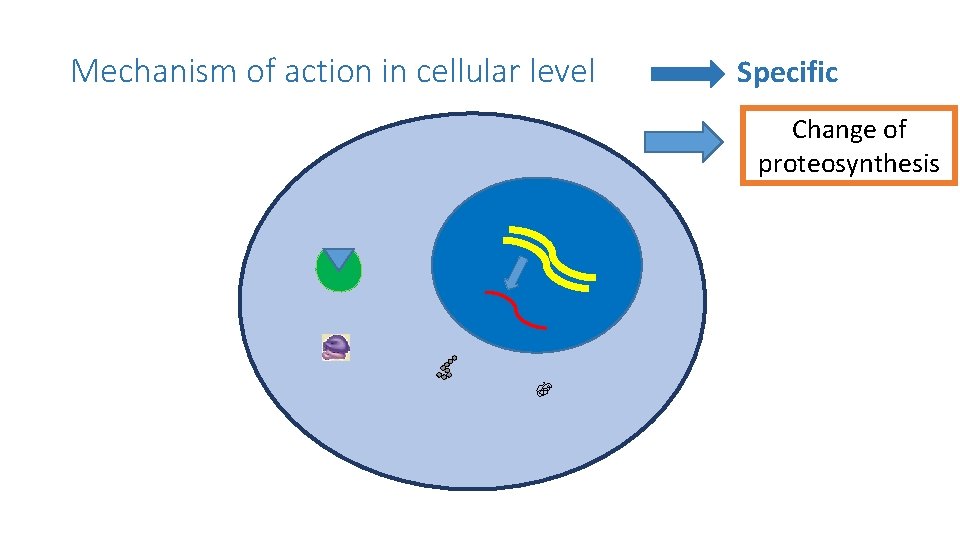
Mechanism of action in cellular level Specific Change of proteosynthesis
Glucocorticoids • • influence sugar, fat and protein metabolism have anti-inflammatory and anti-allergic effect have immunosuppressive effect (in many branches – in next slides) have antiproliferative effect • Hydrocortisone (cortizol)
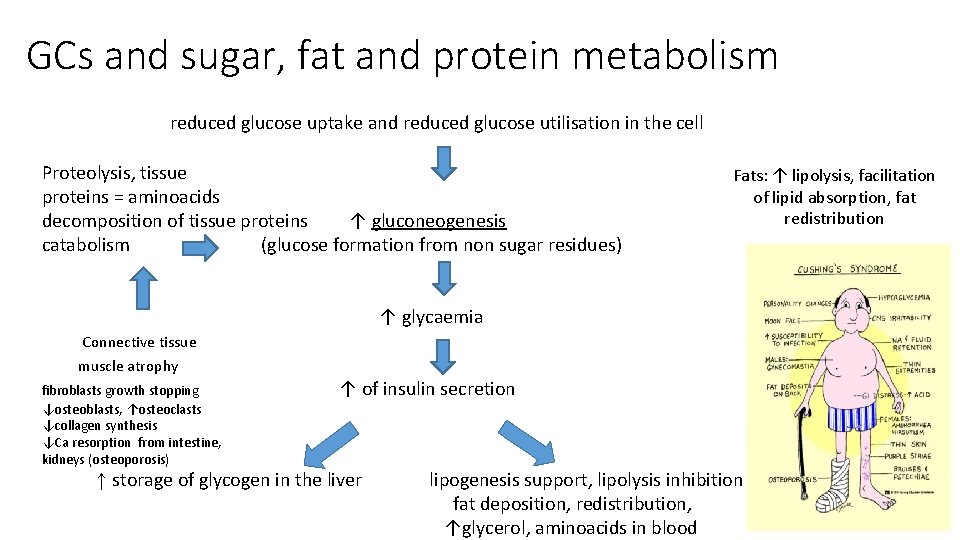
GCs and sugar, fat and protein metabolism reduced glucose uptake and reduced glucose utilisation in the cell Proteolysis, tissue proteins = aminoacids decomposition of tissue proteins ↑ gluconeogenesis catabolism (glucose formation from non sugar residues) Fats: ↑ lipolysis, facilitation of lipid absorption, fat redistribution ↑ glycaemia Connective tissue muscle atrophy fibroblasts growth stopping ↓osteoblasts, ↑osteoclasts ↓collagen synthesis ↓Ca resorption from intestine, kidneys (osteoporosis) ↑ of insulin secretion ↑ storage of glycogen in the liver lipogenesis support, lipolysis inhibition fat deposition, redistribution, ↑glycerol, aminoacids in blood
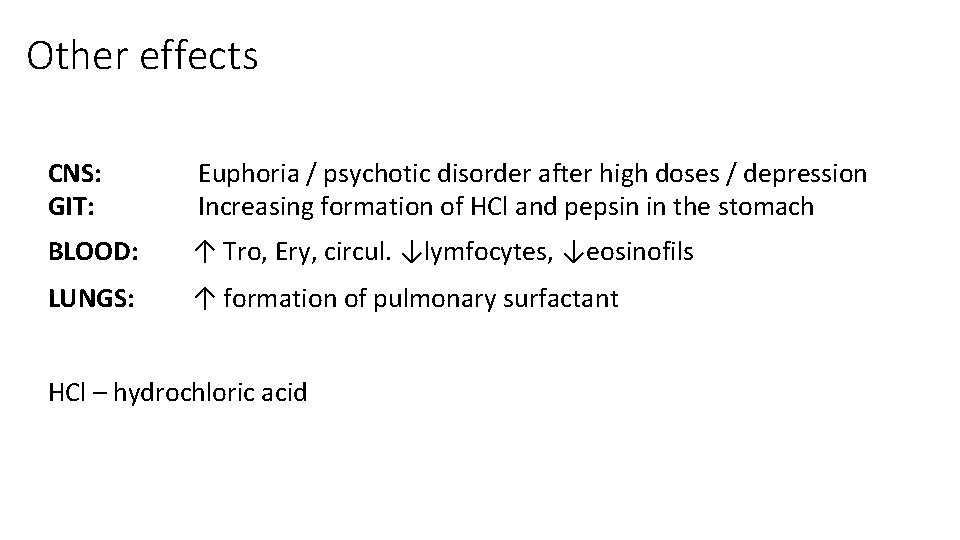
Other effects CNS: GIT: Euphoria / psychotic disorder after high doses / depression Increasing formation of HCl and pepsin in the stomach BLOOD: ↑ Tro, Ery, circul. ↓lymfocytes, ↓eosinofils LUNGS: ↑ formation of pulmonary surfactant HCl – hydrochloric acid
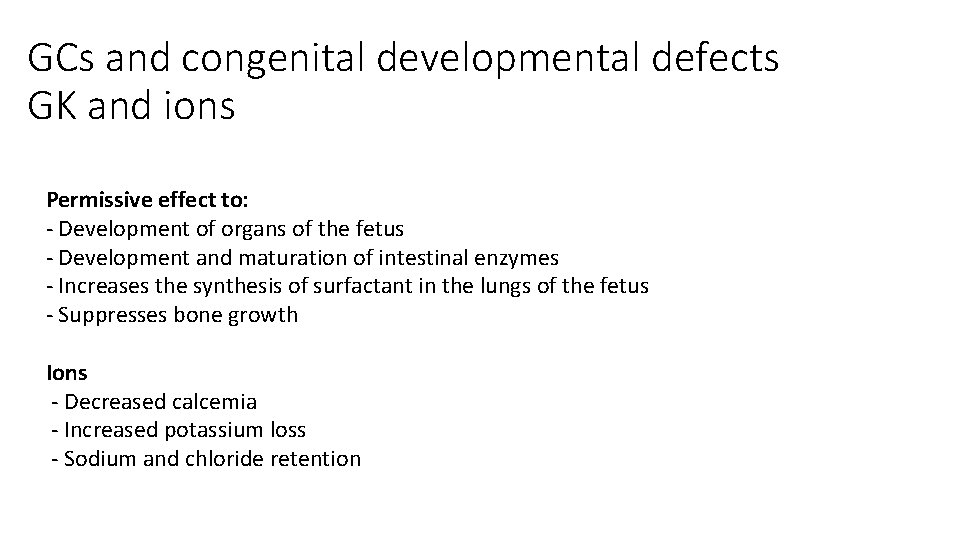
GCs and congenital developmental defects GK and ions Permissive effect to: - Development of organs of the fetus - Development and maturation of intestinal enzymes - Increases the synthesis of surfactant in the lungs of the fetus - Suppresses bone growth Ions - Decreased calcemia - Increased potassium loss - Sodium and chloride retention
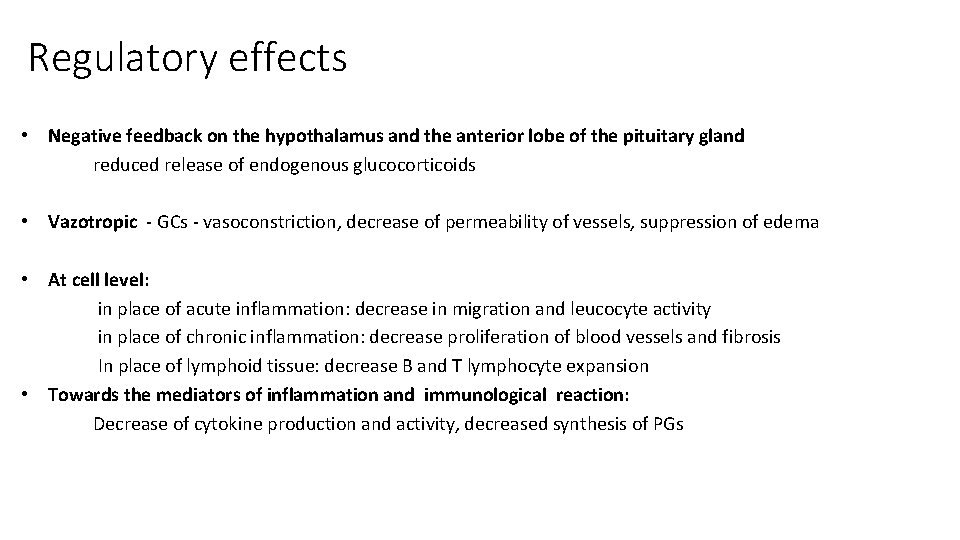
Regulatory effects • Negative feedback on the hypothalamus and the anterior lobe of the pituitary gland reduced release of endogenous glucocorticoids • Vazotropic - GCs - vasoconstriction, decrease of permeability of vessels, suppression of edema • At cell level: in place of acute inflammation: decrease in migration and leucocyte activity in place of chronic inflammation: decrease proliferation of blood vessels and fibrosis In place of lymphoid tissue: decrease B and T lymphocyte expansion • Towards the mediators of inflammation and immunological reaction: Decrease of cytokine production and activity, decreased synthesis of PGs
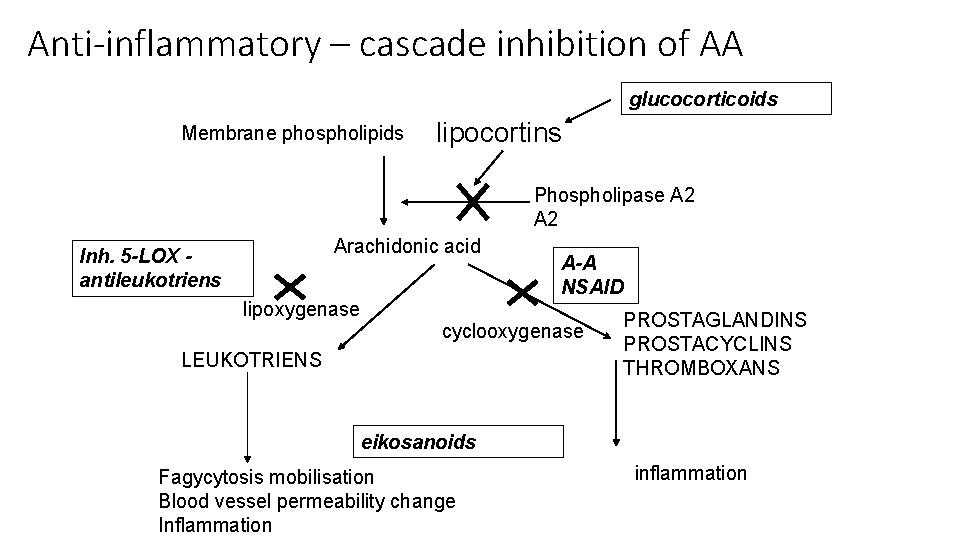
Anti-inflammatory – cascade inhibition of AA glucocorticoids Membrane phospholipids lipocortins Phospholipase A 2 Arachidonic acid Inh. 5 -LOX antileukotriens lipoxygenase A-A NSAID cyclooxygenase LEUKOTRIENS PROSTAGLANDINS PROSTACYCLINS THROMBOXANS eikosanoids Fagycytosis mobilisation Blood vessel permeability change Inflammation inflammation
Anti-inflammatory effect • AA cascade inhibition • Migration and leucocyte function disruption • Antibody production reduction All types of inflammation regardless of origin! (aseptic, viral, bacterial, parasitic…. )
Immunosupressive effect Inhibition of antigen recognition Inhibition of the effector phase of the immune response (cell lysis) • ! CAUTION: • Inhibition CELL MEDIATED immunity • ANTIBODY immunity is affected significantly less and in GSc higher doses
Anti-inflammatory effect • Decreased histamine release from basophils • Inhibition of the formation of inflammatory mediators and allergic reactions (cytokines, complement components, kallikrein. . . )
Anti- proliferative effect Block cell cycle Induction of differentiation GCs - lymphocyte disintegration (acute and chronic lymphocytic leukemia, lymphomas, myelomas)
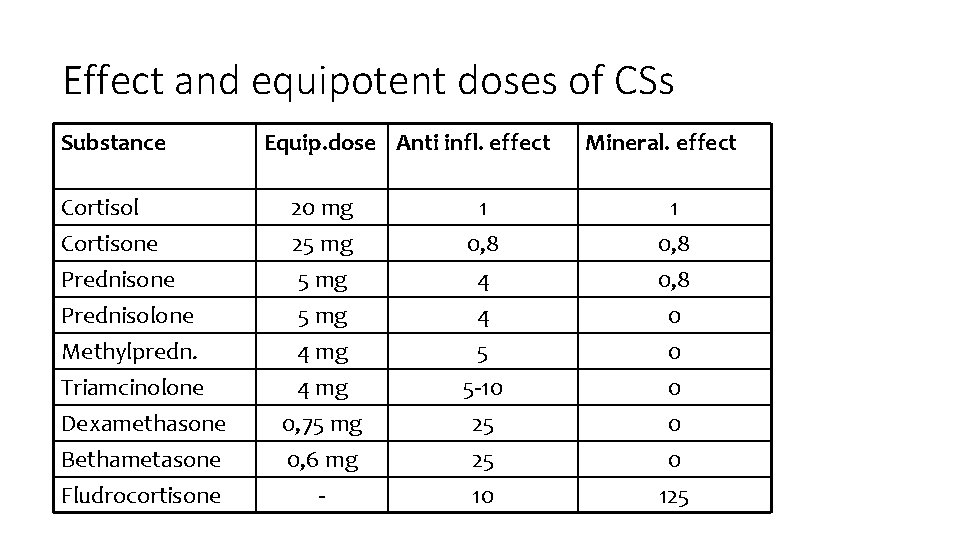
Effect and equipotent doses of CSs Substance Equip. dose Anti infl. effect Mineral. effect Cortisol 20 mg 1 1 Cortisone 25 mg 0, 8 Prednisone 5 mg 4 0, 8 Prednisolone 5 mg 4 0 Methylpredn. 4 mg 5 0 Triamcinolone 4 mg 5 -10 0 Dexamethasone 0, 75 mg 25 0 Bethametasone 0, 6 mg 25 0 Fludrocortisone - 10 125
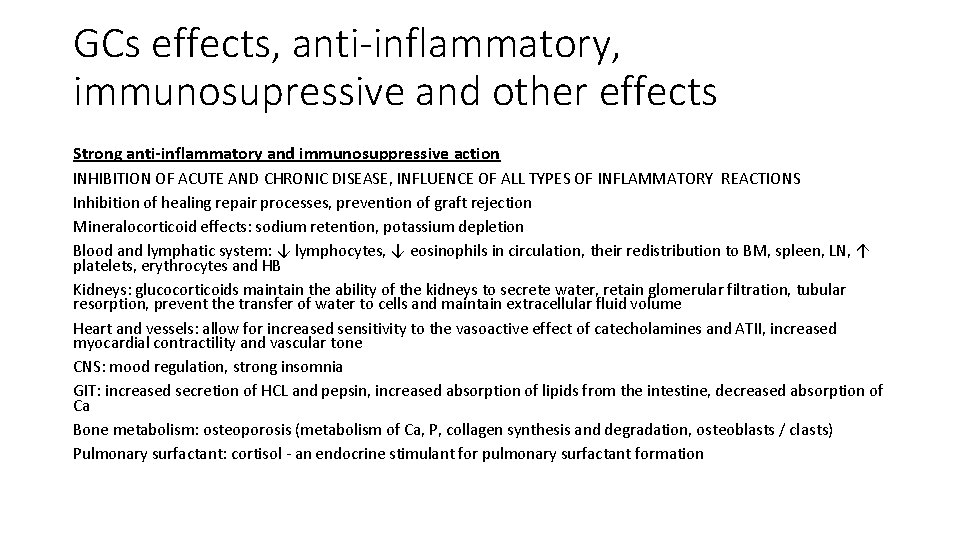
GCs effects, anti-inflammatory, immunosupressive and other effects Strong anti-inflammatory and immunosuppressive action INHIBITION OF ACUTE AND CHRONIC DISEASE, INFLUENCE OF ALL TYPES OF INFLAMMATORY REACTIONS Inhibition of healing repair processes, prevention of graft rejection Mineralocorticoid effects: sodium retention, potassium depletion Blood and lymphatic system: ↓ lymphocytes, ↓ eosinophils in circulation, their redistribution to BM, spleen, LN, ↑ platelets, erythrocytes and HB Kidneys: glucocorticoids maintain the ability of the kidneys to secrete water, retain glomerular filtration, tubular resorption, prevent the transfer of water to cells and maintain extracellular fluid volume Heart and vessels: allow for increased sensitivity to the vasoactive effect of catecholamines and ATII, increased myocardial contractility and vascular tone CNS: mood regulation, strong insomnia GIT: increased secretion of HCL and pepsin, increased absorption of lipids from the intestine, decreased absorption of Ca Bone metabolism: osteoporosis (metabolism of Ca, P, collagen synthesis and degradation, osteoblasts / clasts) Pulmonary surfactant: cortisol - an endocrine stimulant for pulmonary surfactant formation
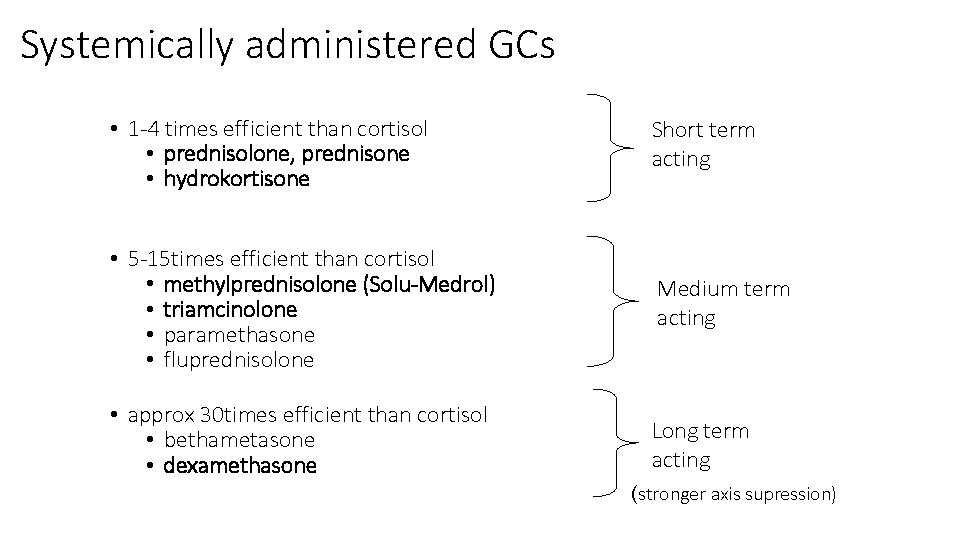
Systemically administered GCs • 1 -4 times efficient than cortisol • prednisolone, prednisone • hydrokortisone Short term acting • 5 -15 times efficient than cortisol • methylprednisolone (Solu-Medrol) • triamcinolone • paramethasone • fluprednisolone Medium term acting • approx 30 times efficient than cortisol • bethametasone • dexamethasone Long term acting (stronger axis supression)
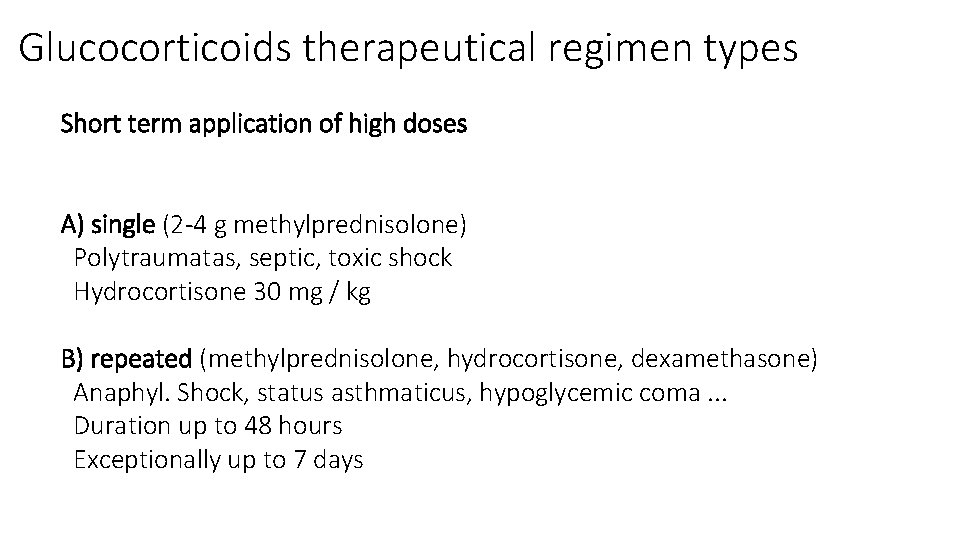
Glucocorticoids therapeutical regimen types Short term application of high doses A) single (2 -4 g methylprednisolone) Polytraumatas, septic, toxic shock Hydrocortisone 30 mg / kg B) repeated (methylprednisolone, hydrocortisone, dexamethasone) Anaphyl. Shock, status asthmaticus, hypoglycemic coma. . . Duration up to 48 hours Exceptionally up to 7 days
Glucocorticoids therapeutical regimen types C) Pulse therapy Short-term infusions for several days Originally in transplant rejection Today predominantly in immune-mediated diseases resistant to standard therapy D) Prolonged therapy In most branches Primarily for anti-inflammatory and immunosuppressive effects Dosage and length depends on the current status of the patient Strength differences, duration and frequency of adverse effects No hydrocortisone with respect to mineralocorticoid activity
Glucocorticoids – adverse events Before therapy start: - potential infection elimination - fasting glycaemia - diabetes compensation - preventive application of D vitamine - anti-ulcer treatment
Glucocorticoids – adverse events During therapy: - DM monitoring compensation - monitoring of mental state - myopathy and osteporosis prevention (K, Ca, rehab. , exercise) - thromboembolic prevention - consultation the centre for growth hormone treatment in pediatric medicine
Glucocorticoids – adverse events prevention Prevention - Application of the lowest effective dose - If possible local applications - Combination with other drugs - Circadian therapy / alternating therapy - Minimizing the use of depot medication (circadian rhythm disruption, local trophic changes after application)
Glucocorticoids – adverse events Immunosuppression - ↑ susceptibility to infections, activation of latent infections - Slow wound healing - Even with local administration Supression of endogenous glucocorticoid production - Acute inadequacy when suddenly discontinuing higher doses - Prevention = complete therapy by gradual dose reduction Osteoporosis - Risk only for chronic therapy - Densitometric examination Mineralocorticoid effect - Water retention and Na + - ↑ TK, loss of K +
Glucocorticoids – adverse events Hyperglycemia, steroidal diabetes Muscle weakness, myopathy, atrophy Psychotropic effects Insomnia, motor agitation, vertigo, euphoria, depression Psychic habit GIT Exacerbation of gastric ulcer Intestinal perforation, acute pancreatitis KVS - HT, atherosclerosis, cardiomyopathy, ↑ coagulopathy, arrhythmia
Glucocorticoids – adverse events Eye Induction of glaucoma (↑ intraocular pressure) Corneal ulceration in keratitis herpetica Endocrine Growth inhibition in children (therapy longer than 6 months) Amenorrhea, potency and libido decrease Skin atrophy Intradermal bleeding Acne, hirsutism
Glucocorticoids – interactions Prednisone reduces the plasma levels of salicylates and oral anticoagulants. The effect of prednisone is reduced by barbiturates, phenytoin, rifampicin.
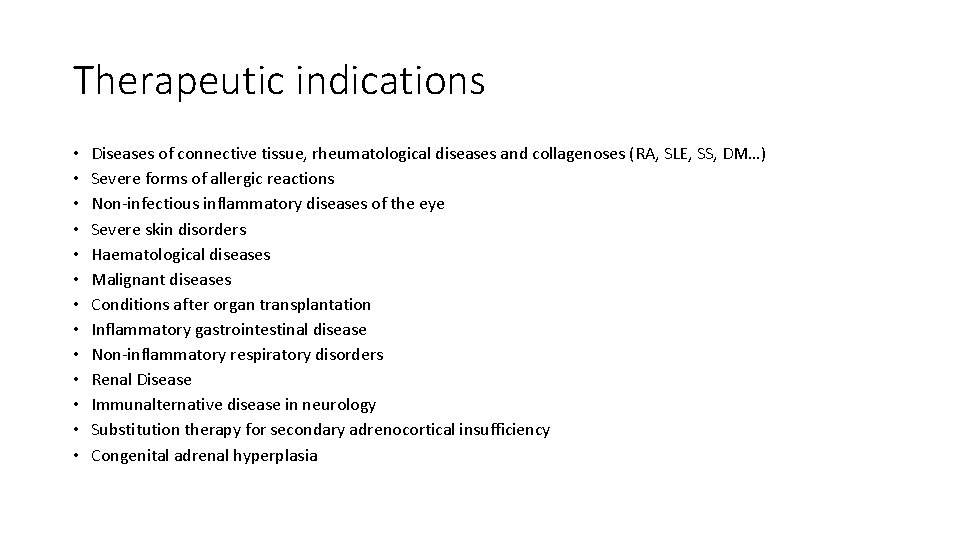
Therapeutic indications • • • • Diseases of connective tissue, rheumatological diseases and collagenoses (RA, SLE, SS, DM…) Severe forms of allergic reactions Non-infectious inflammatory diseases of the eye Severe skin disorders Haematological diseases Malignant diseases Conditions after organ transplantation Inflammatory gastrointestinal disease Non-inflammatory respiratory disorders Renal Disease Immunalternative disease in neurology Substitution therapy for secondary adrenocortical insufficiency Congenital adrenal hyperplasia