
Global Stratification An Overview The richest 20 percent
Global Stratification: An Overview The richest 20 percent of the U. S. population earns about 48 percent of the national income. n The richest 20 percent of the global population receives about 80 percent of world income. n The poorest fifth of the world’s people struggle to survive on 1 percent of global income. n
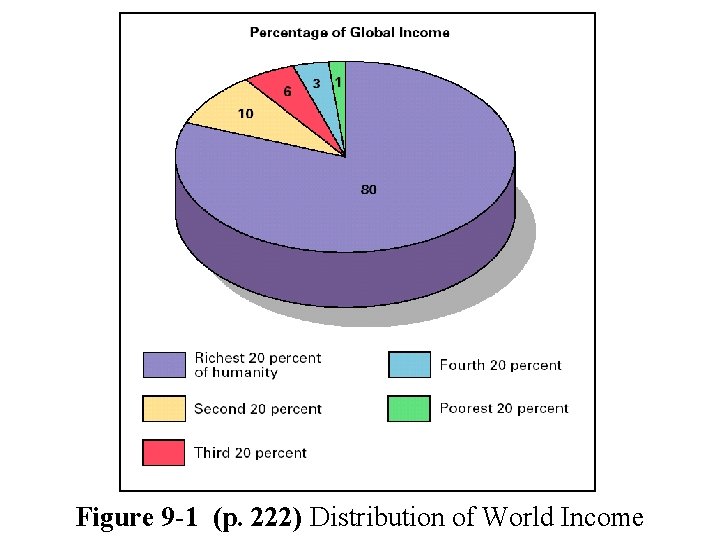
Figure 9 -1 (p. 222) Distribution of World Income
Global Stratification: An Overview n High Income Countries – Countries with the most developed economies cover 25 percent of the earth’s land area. – High income countries control the world’s financial markets. n Middle Income Countries – Have per capita income ranging between $2500 and $10, 000. n Low Income Countries – Largely agrarian with some industry.
Global Wealth and Poverty n In much of the world, most of the population gets by on several hundred dollars a year. n Poverty in poor countries is more severe than in rich countries. n Economic productivity is lowest where population growth is highest.
Global Wealth and Poverty n Death comes early in poor societies. n Families in poor societies depend on women’s income. – They often work in sweatshops. – They have little access to birth control. n As many as 400 million people live today in conditions that amount to slavery.
Global Stratification: Theoretical Analysis n Modernization theory – explains global inequality in terms of technological and cultural differences between societies. As recently as several centuries ago, the entire world was poor. n Because poverty was the norm, affluence is the key to understanding poverty. n
Rostow’s Stages of Modernization (1) Traditional stage. (2) Take-off stage. (3) Drive to technological maturity. (4) High mass consumption. n High income countries play important roles in global development: – Helping control population. – Increasing food production. – Introducing technology. – Providing aid.
Dependency Theory n Dependency theory – explains global inequality in terms of the historical exploitation of poor societies by rich ones. n Rich countries have impoverished lowincome ones. n This destructive process extends back for centuries.
Global Stratification: Looking Ahead n Among the most important trends in recent decades is the development of a global economy. n The concentration of wealth in highincome countries coupled with poverty of low-income nations may be the largest problem facing humanity.
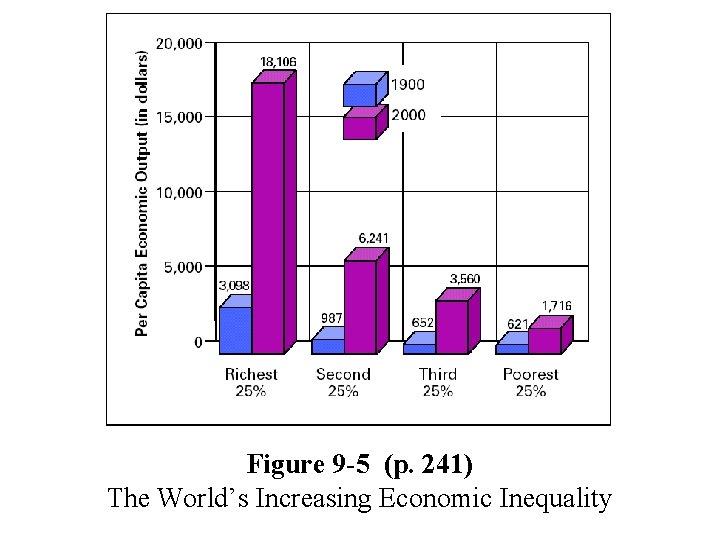
Figure 9 -5 (p. 241) The World’s Increasing Economic Inequality
- Slides: 10