
Global Exploration Unit 9 New World Timeline Voyages
Global Exploration Unit 9
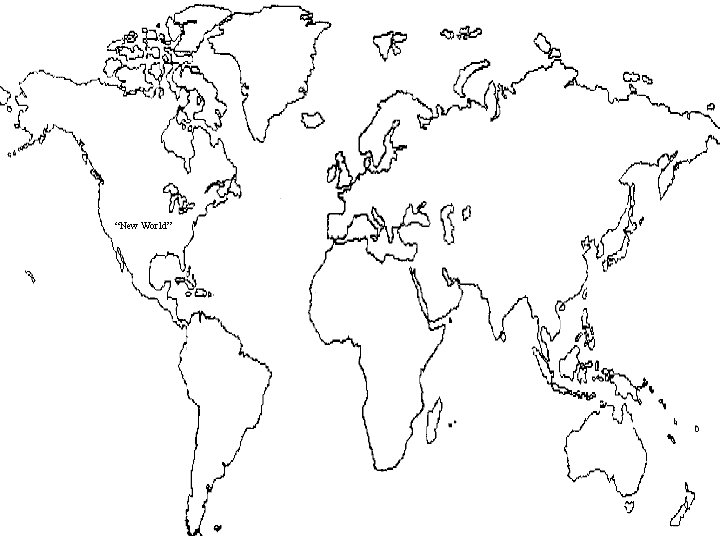
“New World”
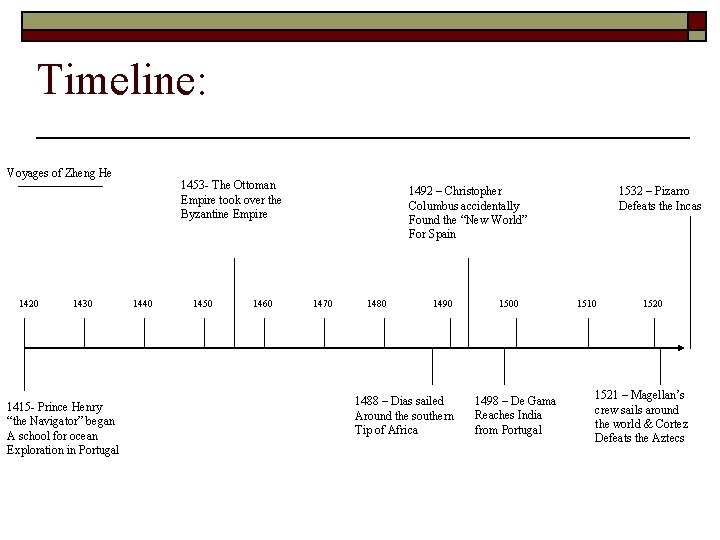
Timeline: Voyages of Zheng He 1420 1430 1415 - Prince Henry “the Navigator” began A school for ocean Exploration in Portugal 1453 - The Ottoman Empire took over the Byzantine Empire 1440 1450 1460 1492 – Christopher Columbus accidentally Found the “New World” For Spain 1470 1480 1490 1488 – Dias sailed Around the southern Tip of Africa 1500 1498 – De Gama Reaches India from Portugal 1532 – Pizarro Defeats the Incas 1510 1521 – Magellan’s crew sails around the world & Cortez Defeats the Aztecs
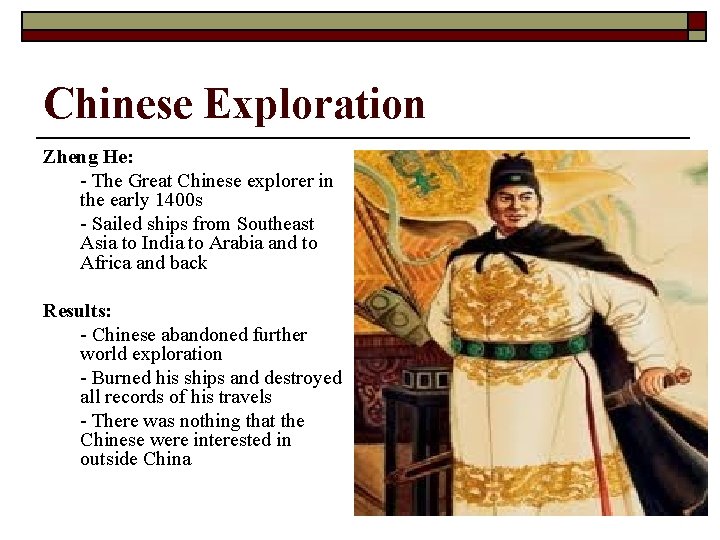
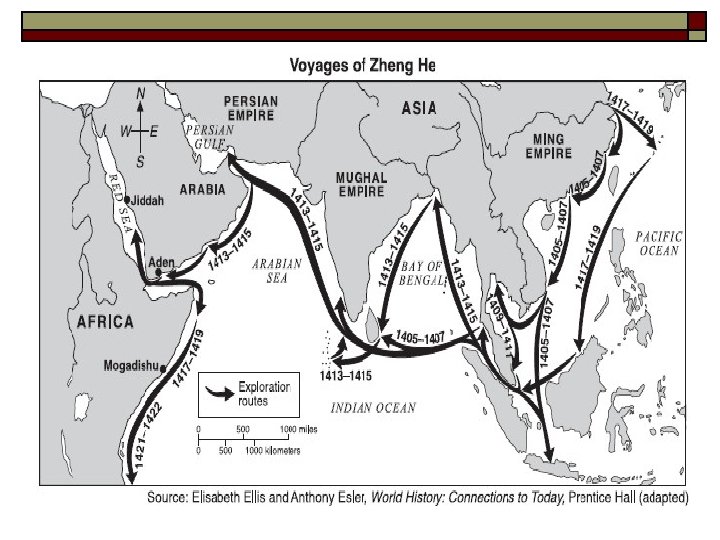
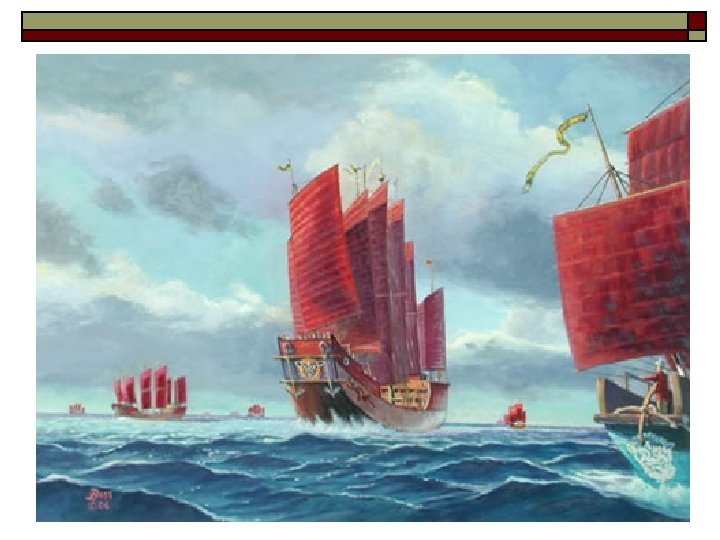
Chinese Exploration Zheng He: - The Great Chinese explorer in the early 1400 s - Sailed ships from Southeast Asia to India to Arabia and to Africa and back Results: - Chinese abandoned further world exploration - Burned his ships and destroyed all records of his travels - There was nothing that the Chinese were interested in outside China
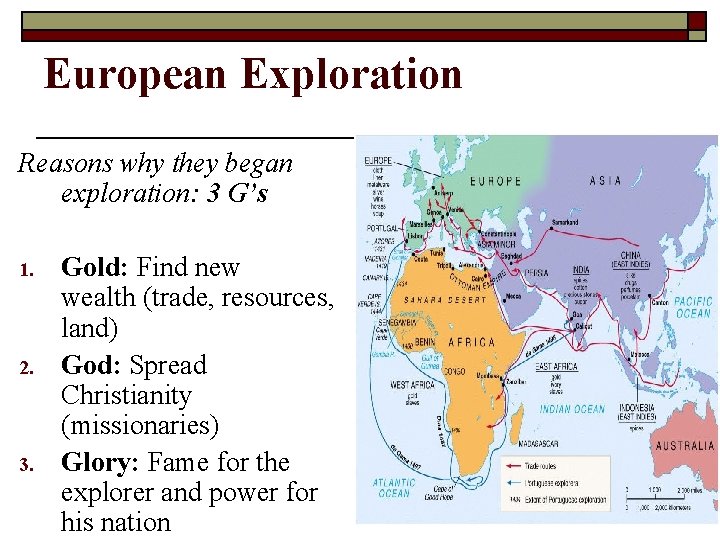
European Exploration Reasons why they began exploration: 3 G’s 1. 2. 3. Gold: Find new wealth (trade, resources, land) God: Spread Christianity (missionaries) Glory: Fame for the explorer and power for his nation
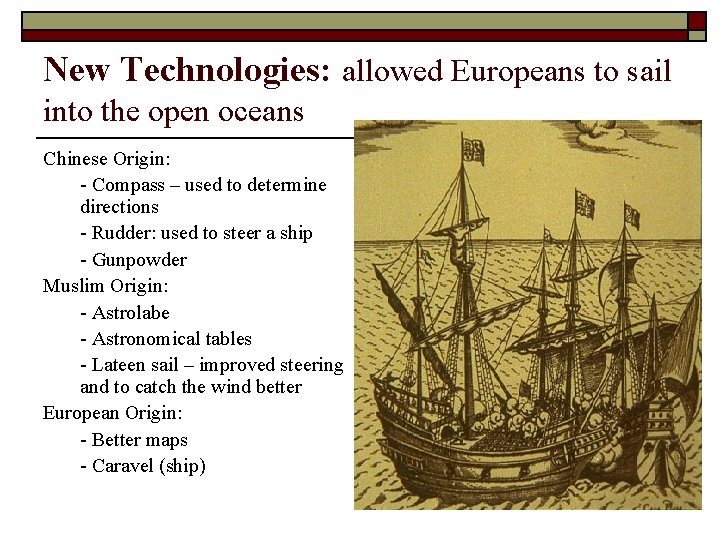
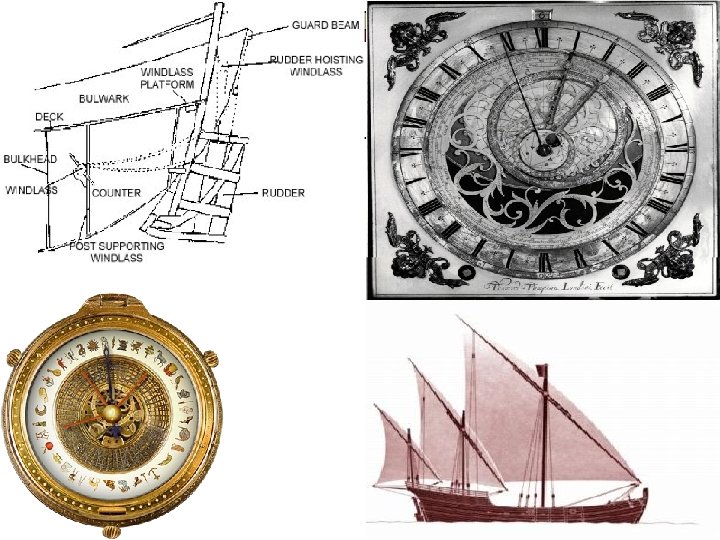
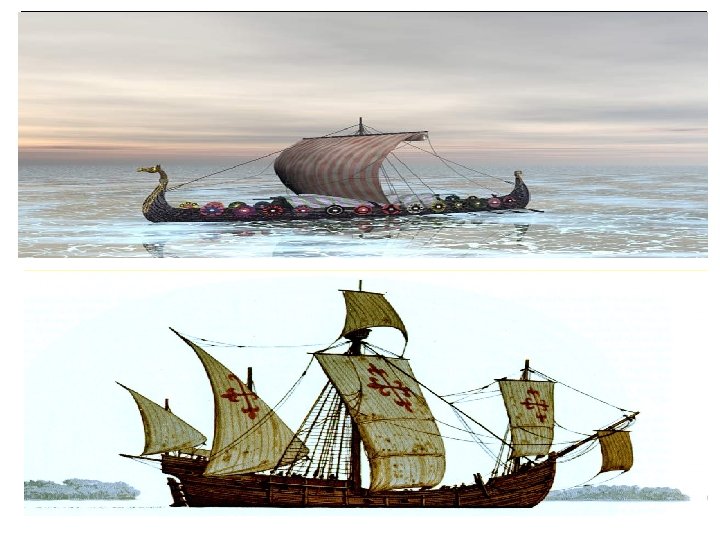
New Technologies: allowed Europeans to sail into the open oceans Chinese Origin: - Compass – used to determine directions - Rudder: used to steer a ship - Gunpowder Muslim Origin: - Astrolabe - Astronomical tables - Lateen sail – improved steering and to catch the wind better European Origin: - Better maps - Caravel (ship)
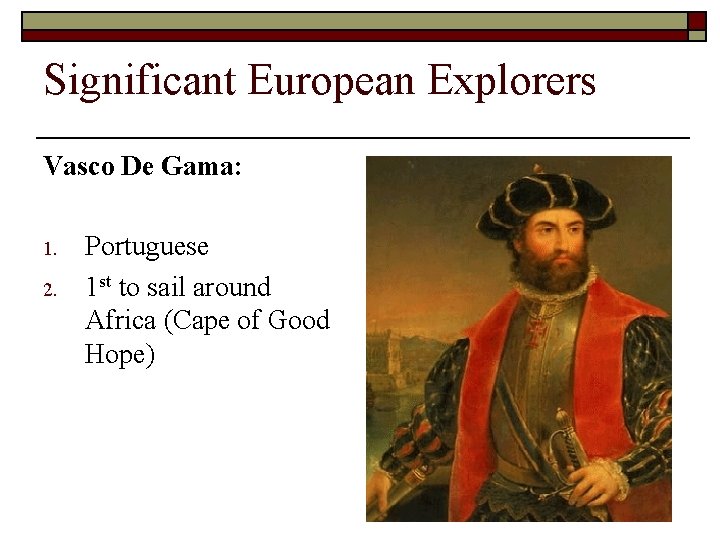
Significant European Explorers Vasco De Gama: 1. 2. Portuguese 1 st to sail around Africa (Cape of Good Hope)
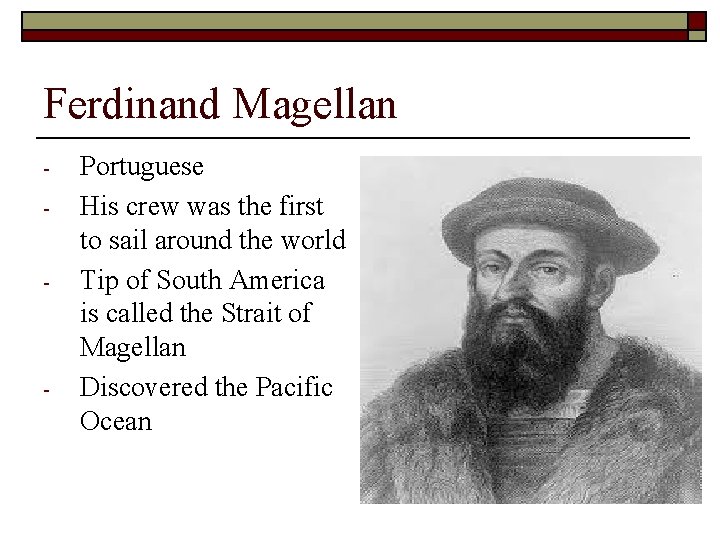
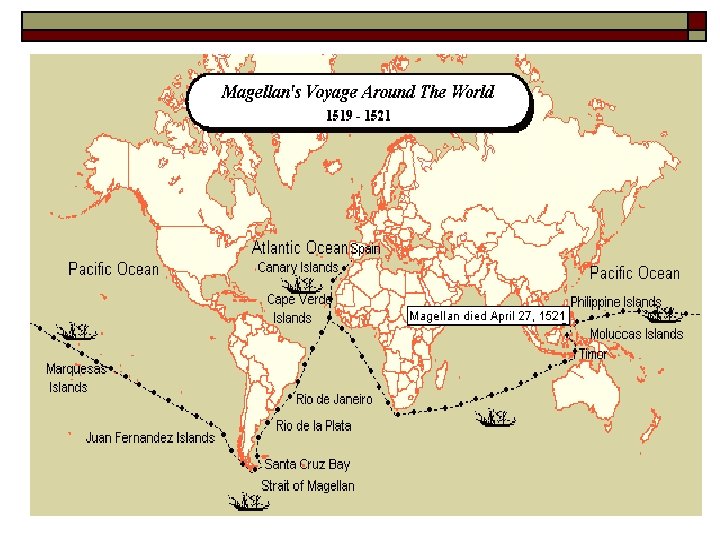
Ferdinand Magellan - - - Portuguese His crew was the first to sail around the world Tip of South America is called the Strait of Magellan Discovered the Pacific Ocean
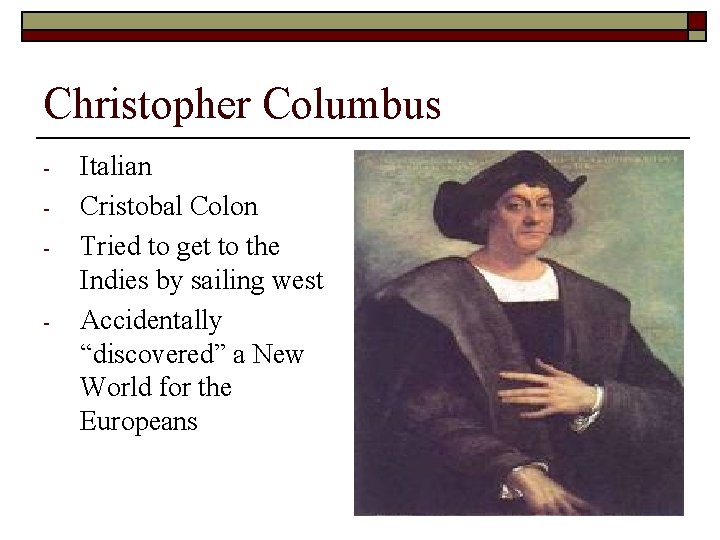
Christopher Columbus - - Italian Cristobal Colon Tried to get to the Indies by sailing west Accidentally “discovered” a New World for the Europeans
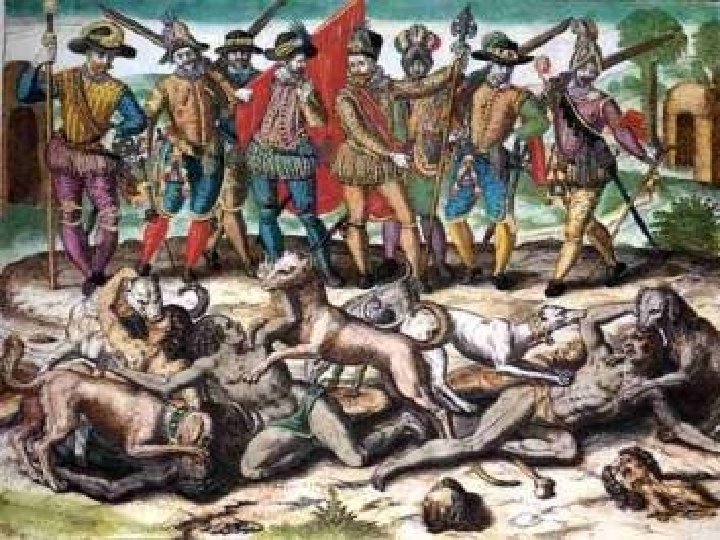
Imperialism: Powerful nation taking over weaker cultures and totally dominating their way of life Colonialism: Political relationship between a powerful “Mother Country” and a weaker “colony” (the colony follows the Mother Country’s rules) Treaty of Tordesillas: An agreement between Spain and Portugal on how to divide control of lands in the new world. Spain got all of the lands West of the line – Portugal all of the lands East of the line
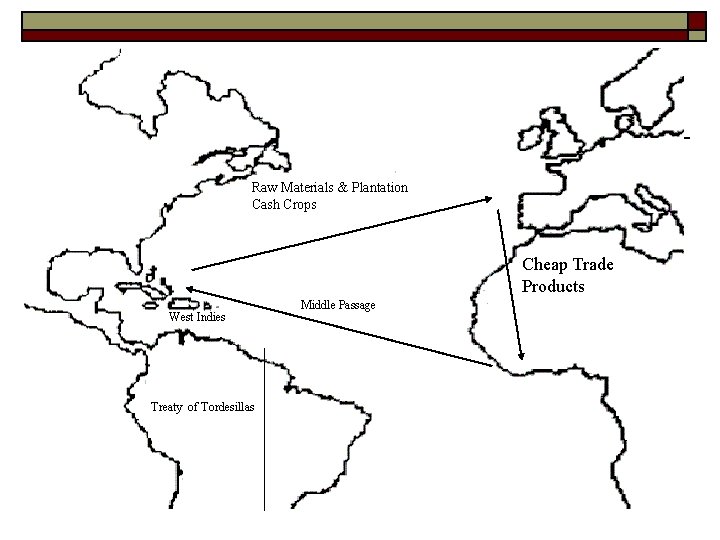
Raw Materials & Plantation Cash Crops Cheap Trade Products West Indies Treaty of Tordesillas Middle Passage
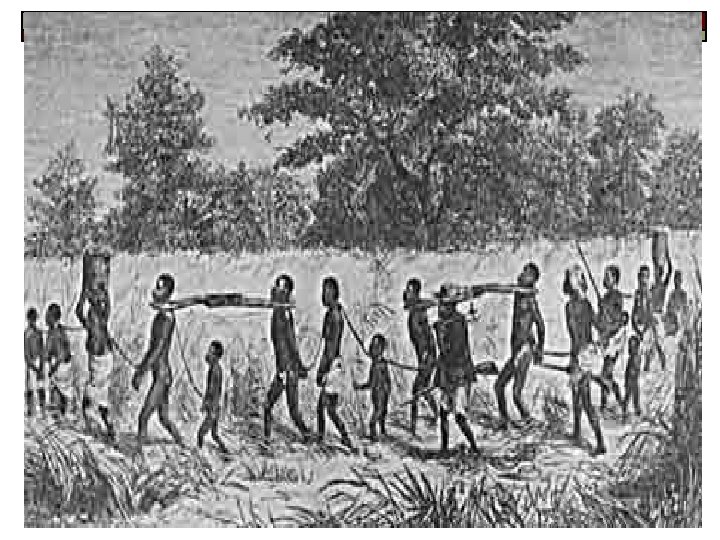
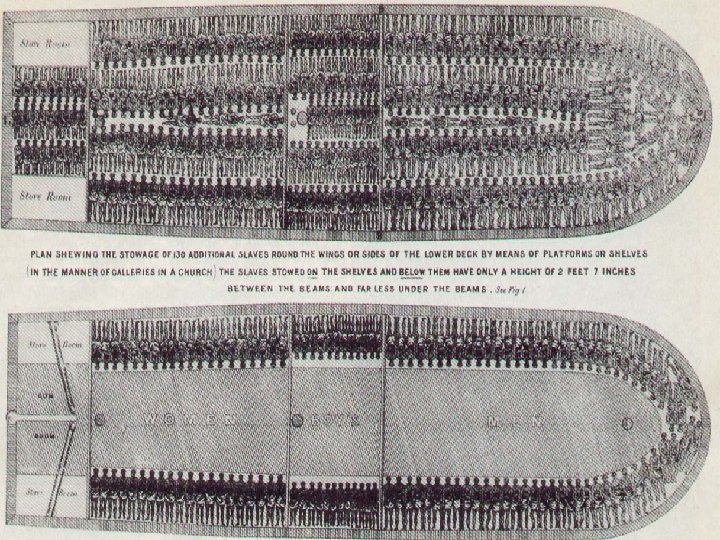
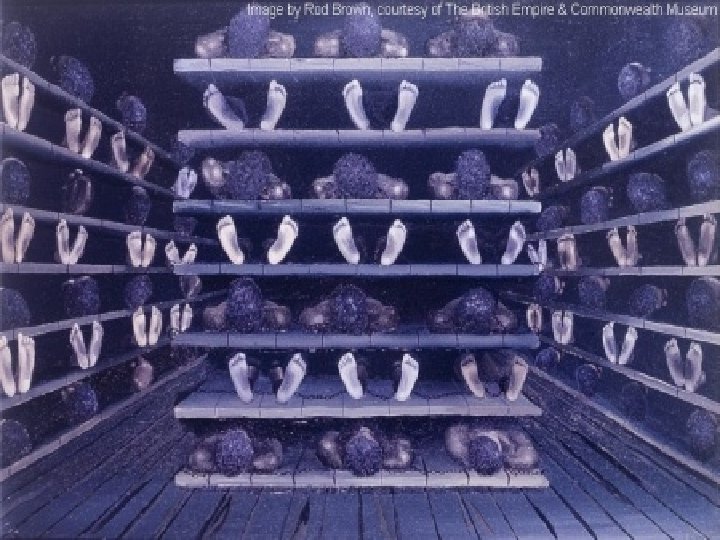
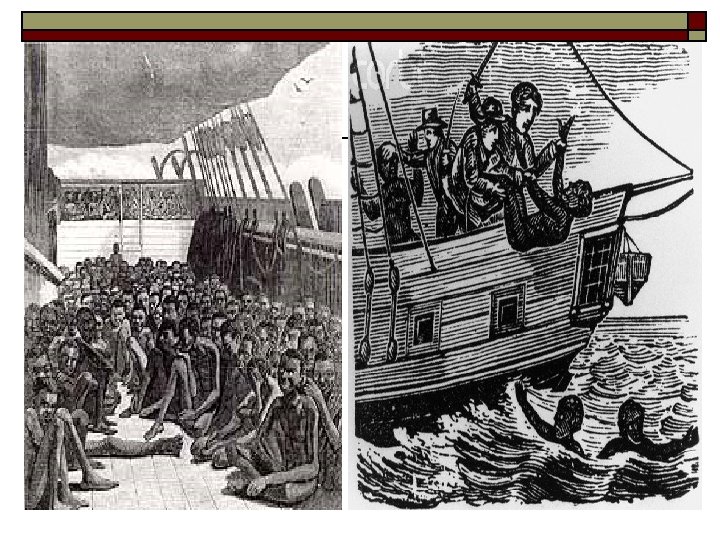
Atlantic Triangle Trade: Trading system that used the colonies to generate the money for European traders Slave Trade: - Using humans as a trade product - Africans taken to the New World to work on plantations Middle Passage: - The part of the trip that slaves took from Africa to the New World - Many died under terrible conditions
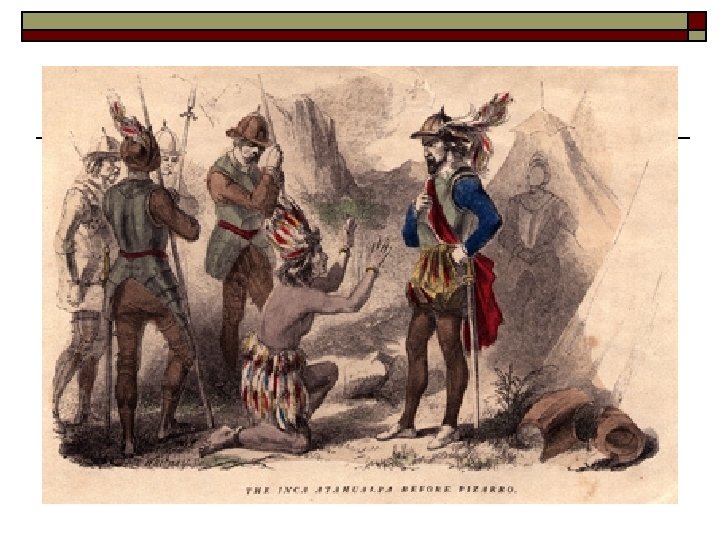
Case Study: Spanish Imperialism Where: “New World” – Central and South America (Latin America) Conquistadors: “Conquerors” Spanish military leaders - Hernan Cortes: Defeated the Aztecs - Francisco Pizarro: Defeated the Incas
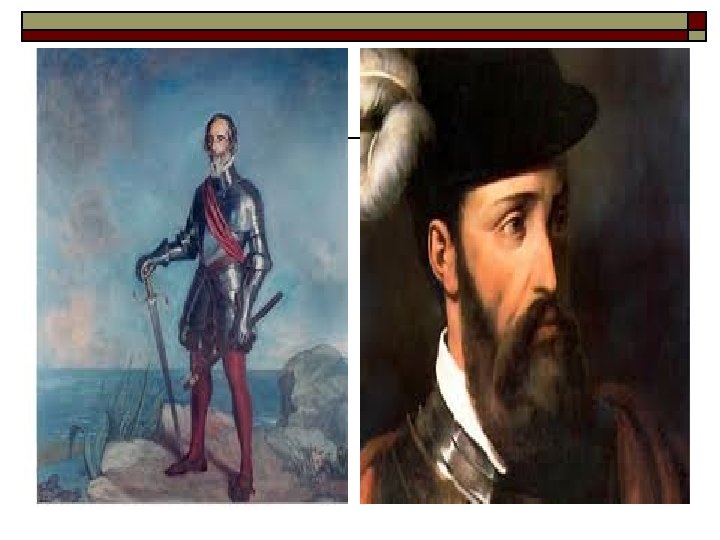
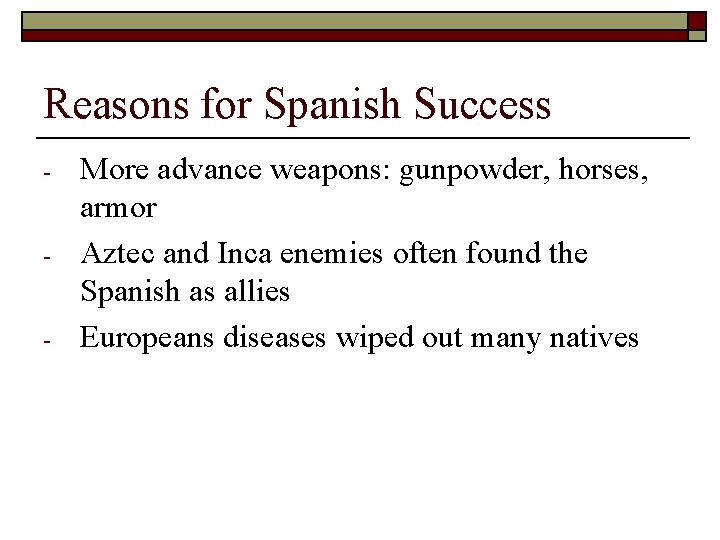
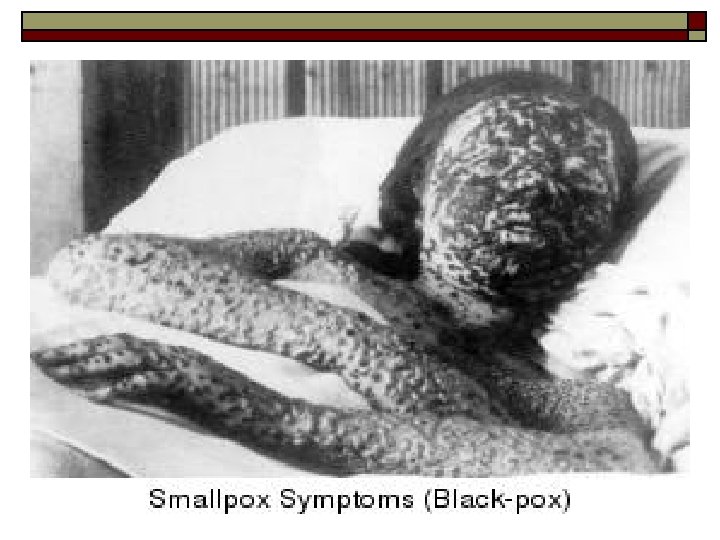
Reasons for Spanish Success - - - More advance weapons: gunpowder, horses, armor Aztec and Inca enemies often found the Spanish as allies Europeans diseases wiped out many natives
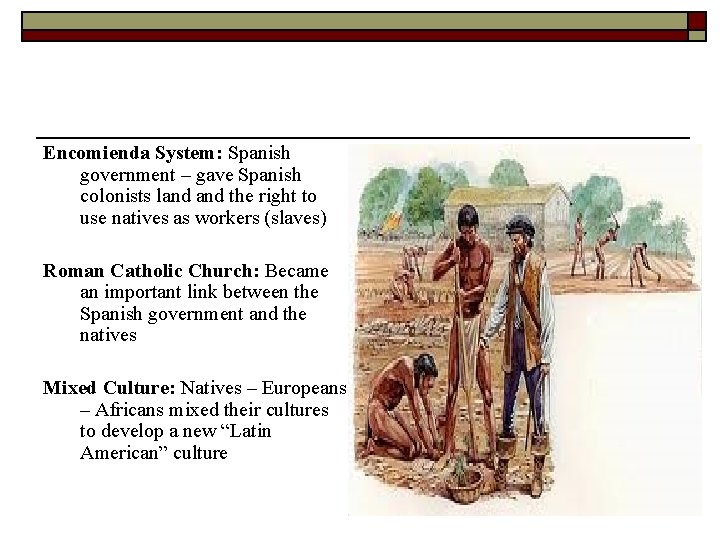
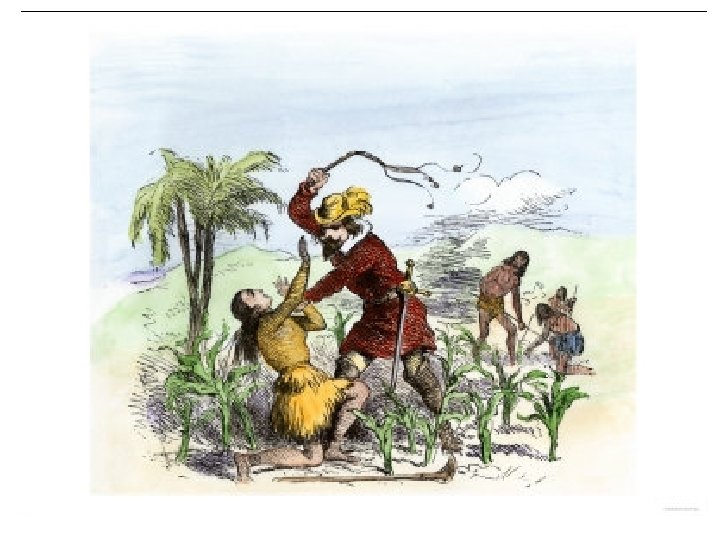
Encomienda System: Spanish government – gave Spanish colonists land the right to use natives as workers (slaves) Roman Catholic Church: Became an important link between the Spanish government and the natives Mixed Culture: Natives – Europeans – Africans mixed their cultures to develop a new “Latin American” culture
Social Classes - Based on race – not wealth The more European (whites) the more power Peninsulares: People born in Europe (on the Iberian Peninsula [Spain and Portugal]) Creoles: European parents, born in the New World Mestizos: One European parent and one native American parent Mulattoes: One European parent and one African parent
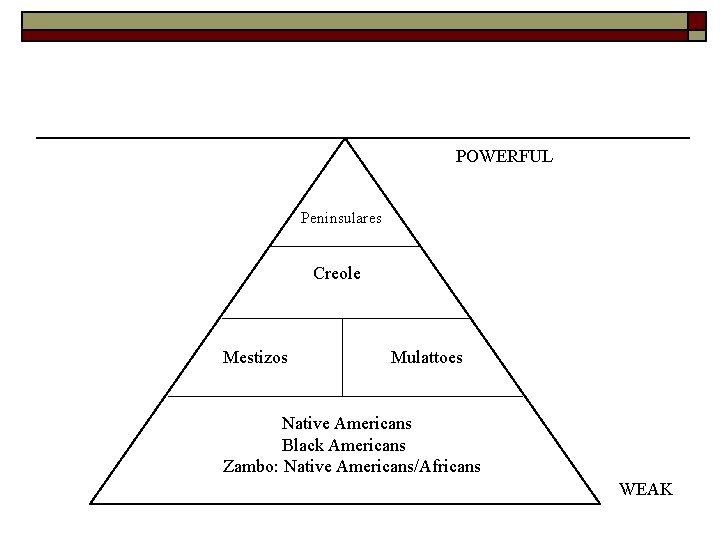
POWERFUL Peninsulares Creole Mestizos Mulattoes Native Americans Black Americans Zambo: Native Americans/Africans WEAK
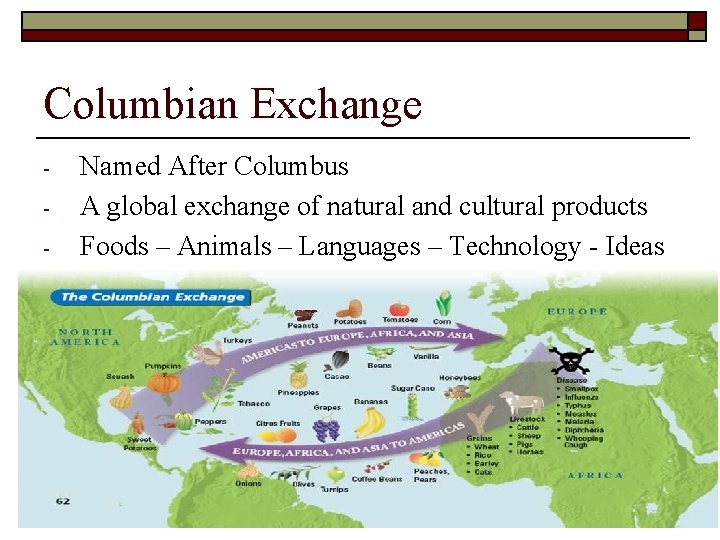
Columbian Exchange - Named After Columbus A global exchange of natural and cultural products Foods – Animals – Languages – Technology - Ideas
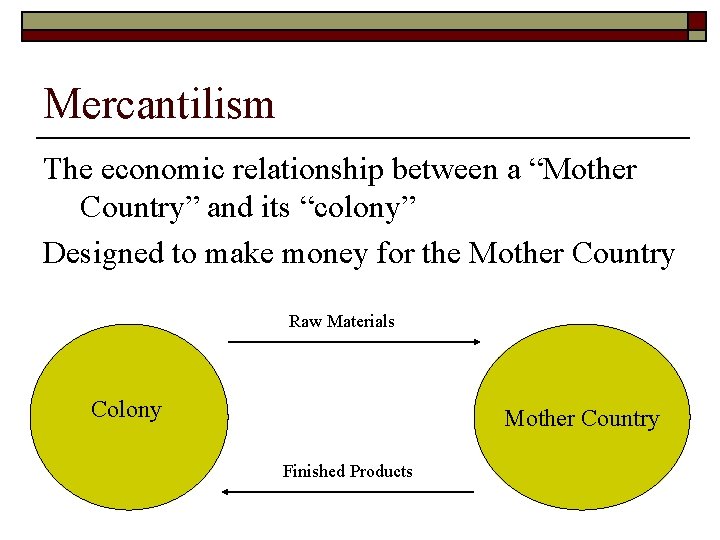
Mercantilism The economic relationship between a “Mother Country” and its “colony” Designed to make money for the Mother Country Raw Materials Colony Mother Country Finished Products
Essential Questions 1. How were the goals and accomplishments of the Chinese and European explorers different? Chinese: Their journey supported ethnocentric beliefs (Chinese to stay isolated Europeans: They tried to improve their situation [lifestyle] (Europe became the most powerful region in the world)
Essential Questions Continued…. . 2. What were the negative results of European conquest of Latin America and Africa? - Natives died - Their land was taken - Forced to learn European culture 3. What were the positive aspects of European conquest? - European technologies were introduced - European economy got better - Better understanding of the world
- Slides: 35