
Global Citizenship Education for Sustainable Development GCESD and
Global Citizenship Education for Sustainable Development (GCESD) and Self-Evaluation of the Critical Global Educator Maureen Ellis Ph. D student, Institute of Education, University of London
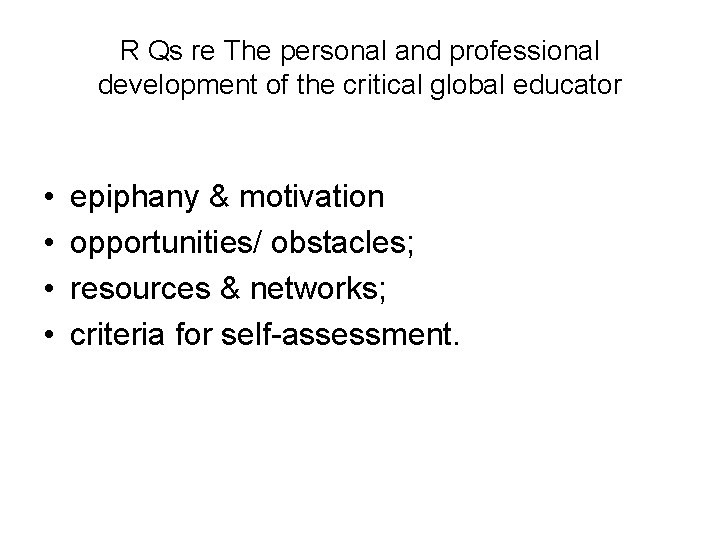
R Qs re The personal and professional development of the critical global educator • • epiphany & motivation opportunities/ obstacles; resources & networks; criteria for self-assessment.
Methods: Documentary analysis Interview : case studies Classroom /workplace observation
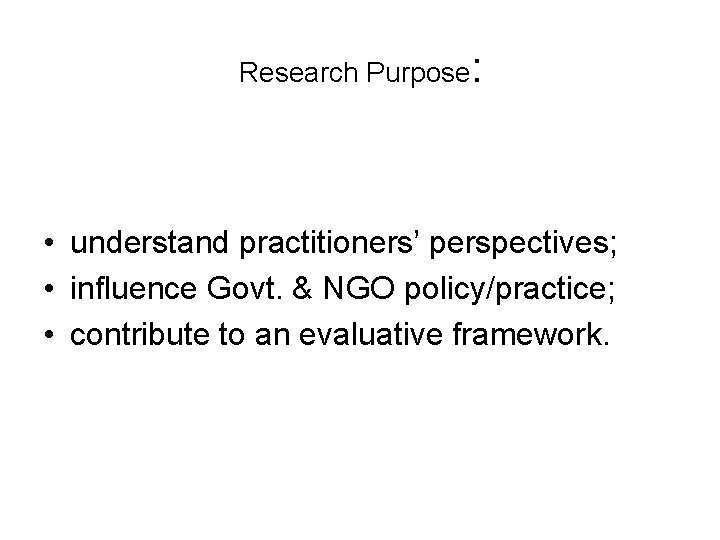
Research Purpose: • understand practitioners’ perspectives; • influence Govt. & NGO policy/practice; • contribute to an evaluative framework.
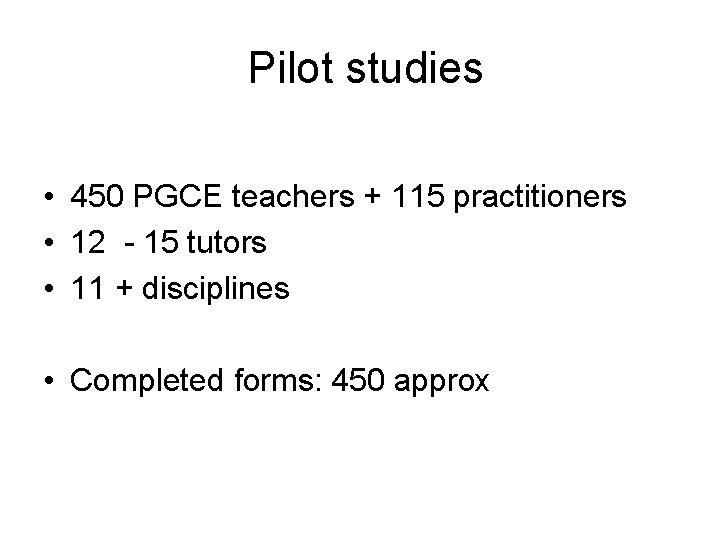
Pilot studies • 450 PGCE teachers + 115 practitioners • 12 - 15 tutors • 11 + disciplines • Completed forms: 450 approx
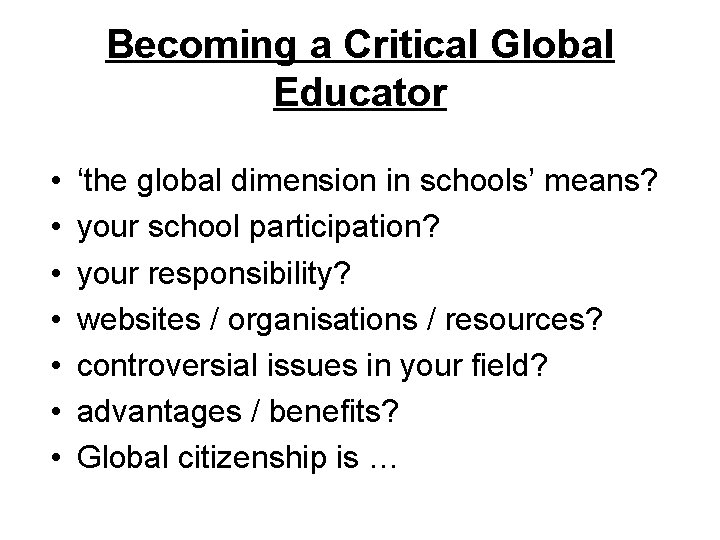
Becoming a Critical Global Educator • • ‘the global dimension in schools’ means? your school participation? your responsibility? websites / organisations / resources? controversial issues in your field? advantages / benefits? Global citizenship is …
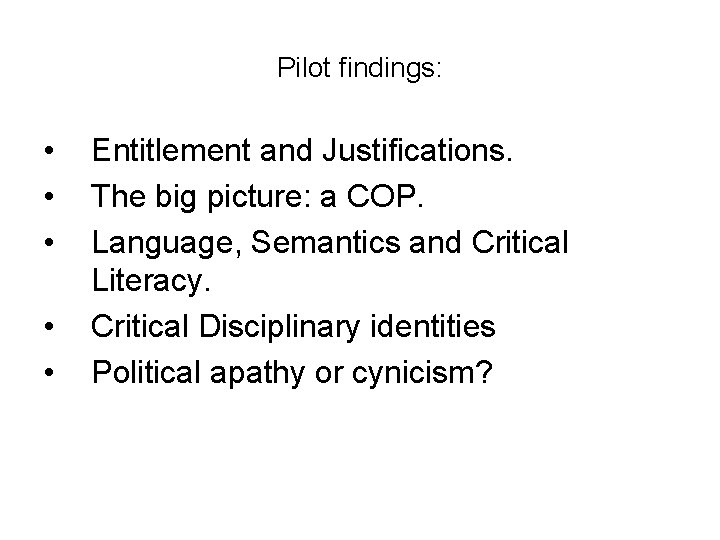
Pilot findings: • • • Entitlement and Justifications. The big picture: a COP. Language, Semantics and Critical Literacy. Critical Disciplinary identities Political apathy or cynicism?
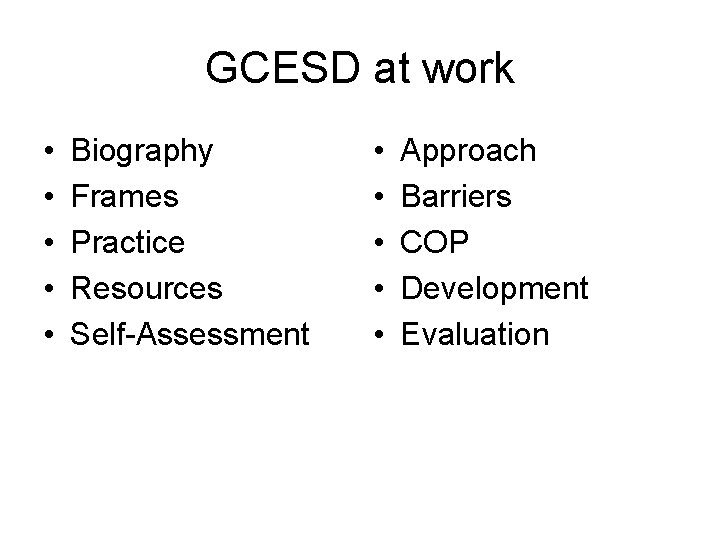
GCESD at work • • • Biography Frames Practice Resources Self-Assessment • • • Approach Barriers COP Development Evaluation
Analysis & Evaluation • Timelines • Ladder of Empowerment based on cycle • Cultural Historic Activity Theory
Rocha’s Ladder: Ind - Comm • • • Political Empowerment Socio-Political Empowerment Mediated Empowerment Embedded Individual Atomistic Individual
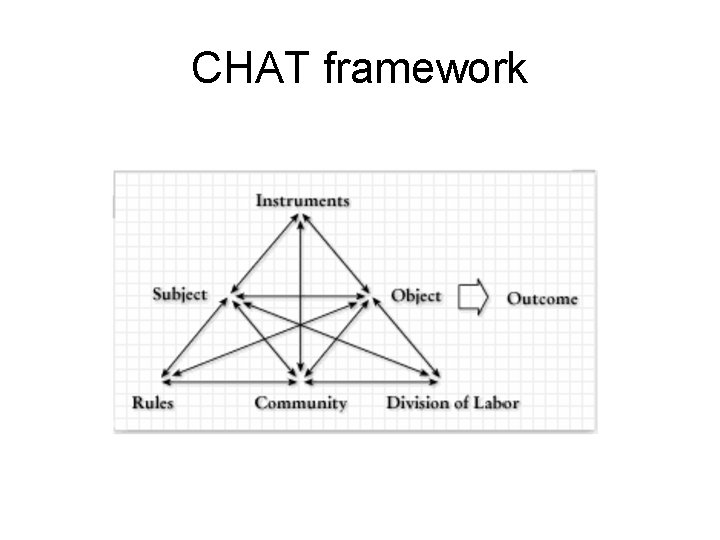
CHAT framework
Participation? Maureen Ellis Penrose Cottage, Coombe St. , Pen Selwood, Somerset BA 9 8 NF Tel. /Fax. : 01747 841004 e: t. ellis 2@ukonline. co. uk
- Slides: 12