
GINGIVITIS UNIT IV Gastro intestinal disorders TOPIC GINGIVITIS


- Slides: 19
GINGIVITIS
UNIT –IV Gastro intestinal disorders TOPIC: GINGIVITIS Prepared by, Mrs. Anju Ullas Lecturer Dept. of Medical Surgical Nursing Yenepoya Nursing College
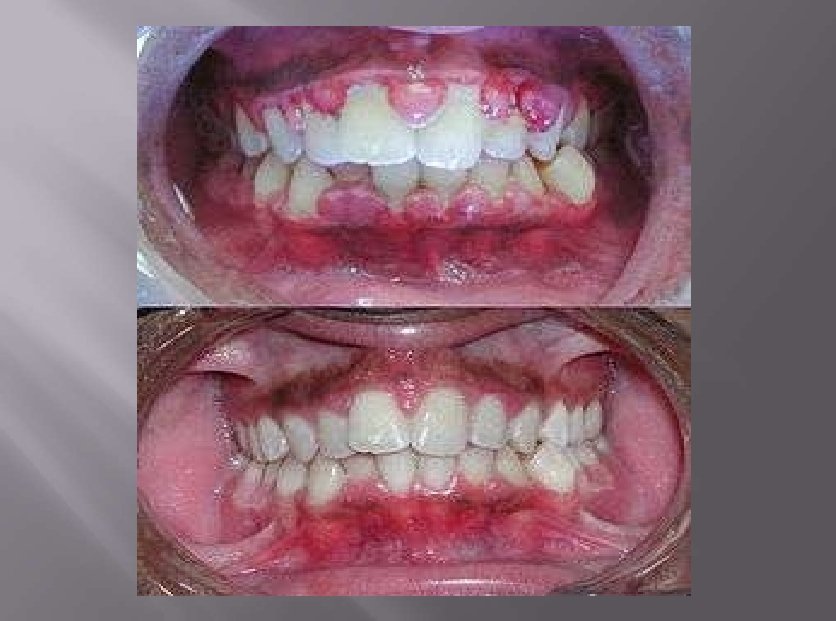
Gingivitis is mild gum disease. It is an infection caused by germs called bacteria, that hurts your gums. Occurs when buildup of plaque (sticky film) on teeth and gums. Plaque contains bacteria that can irritate your gums, and cause an infection
Causes Not brushing or flossing teeth every day, or cleaning your teeth well enough to remove plaque Not visiting dentist regularly for exams and cleanings Pregnancy, diabetes, HIV infection, and diseases that decrease immune system Getting older, and having a family history of gum disease
Smoking or chewing tobacco, poor diet, and stress Taking certain types of medicines such as steroids, drugs that treat depression, and birth control pills Having dental problems that make it hard to remove plaque. This may include bridges or dentures that do not fit right, and crooked teeth
Red, swollen gums. Gums may or may not be painful. Gums may bleed when brush or floss your teeth. Halitosis (bad breath) is worse if have gingivitis.
check gums for swelling and redness. dental probe (metal tool) is used to check for bleeding. X-rays
remove plaque and calculus (hard plaque) from teeth with special tools. treat any dental problem that make it hard to clean teeth well Clean teeth very well every day to remove plaque A battery-powered toothbrush may remove plaque better than a regular toothbrush.
Floss teeth every day. Use a special dental rinse. These special rinses may help to reduce plaque and decrease swelling of gums. Stop smoking. Smoking increases risk of getting periodontitis, which can occur if gingivitis gets worse. Smoking also decreases how well treatments for gum disease work.
Ø Brush teeth two times a day after meals with fluoride toothpaste Ø Use dental floss to clean between teeth at least once a day Ø use a dental rinse (mouth wash) Ø See dentist regularly for dental cleanings and oral exams.
Recurrence of gingivitis Tooth loss Periodontitis Infection or abscess of the gingiva or the jaw Bones Trench mouth (bacterial infection and ulceration of the gums
Nursing Care Plans Diagnosis : Impaired Oral mucous membrane Client Outcomes: a)Maintains intact, moist oral mucous membranes that are free of ulceration and debris b)Describes or demonstrates measures to regain or maintain intact oral mucous membranes
Encourage fluid intake up to 3000 ml per day if not contraindicated by client's medical condition Fluids help increase moisture in the mouth, which protects the mucous membranes from damage and helps the healing process. Keep lips well lubricated using petroleum jelly or a similar product.
Nursing diagnosis: Risk of imbalanced nutrition related disease process Expected outcome: Maintain the nutrition status
Assess caregiver’s and client’s knowledge of nutritional needs. Offer or provide assistance in menu selection. Provide privacy when eating habits become an insoluble problem. Offer small meals and/or snacks of one or two foods around the clock, as indicated Anticipate needs, cut foods, and provide soft or finger foods. Refer to dietitian or nutritionist, as indicated.
Nursing diagnosis : fear and anxiety related to decrease in functional abilities Expected outcomes : Fear Level Decreases Demonstrate more appropriate range of feelings and lessened fear
References 1. Black MJ. Textbook of medical surgical nursing. 7 th ed. St. louis: Saunders 2. Brunner. Text book of medical surgical nursing. 6 th ed. Philadelphia: Saunders; 3. Lewis. Medical surgical nursing. 6 th ed. St louis: Mosby