
GEU 0047 Meteorology Lecture 3 Seasonal Cycle Reasons

- Slides: 39
GEU 0047: Meteorology Lecture 3 Seasonal Cycle
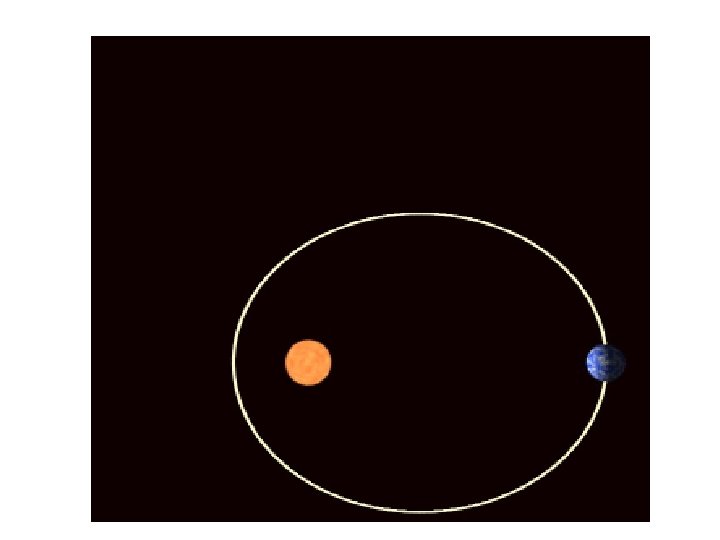
Reasons of Seasonality and its Changes • Earth’s Tilt (Seasonal) – Tilt of rotational axis with respect to its orbit around sun – Solar Radiation (Diurnal or Daily) • More Direct Sun Light • Longer Duration of Day Light Hours (Length of day) • Orbit Variations (Very Long-Term, Small Effects) – tilt – Eccentricity (偏心率) – Precession (進動)
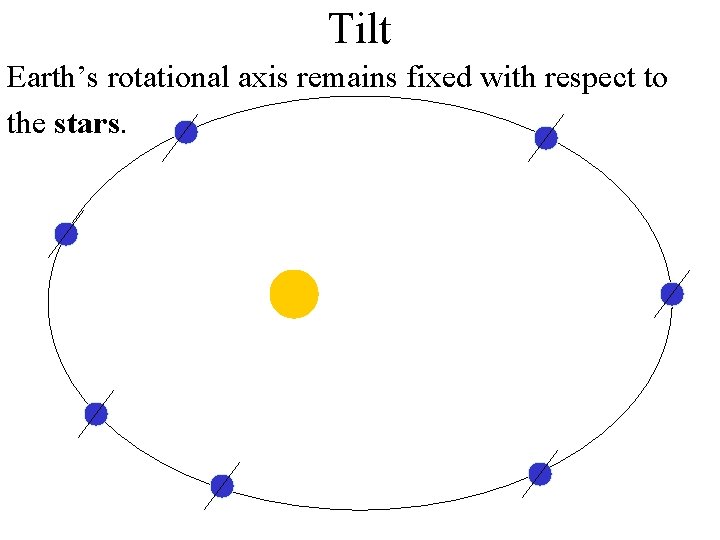
Tilt Earth’s rotational axis remains fixed with respect to the stars.
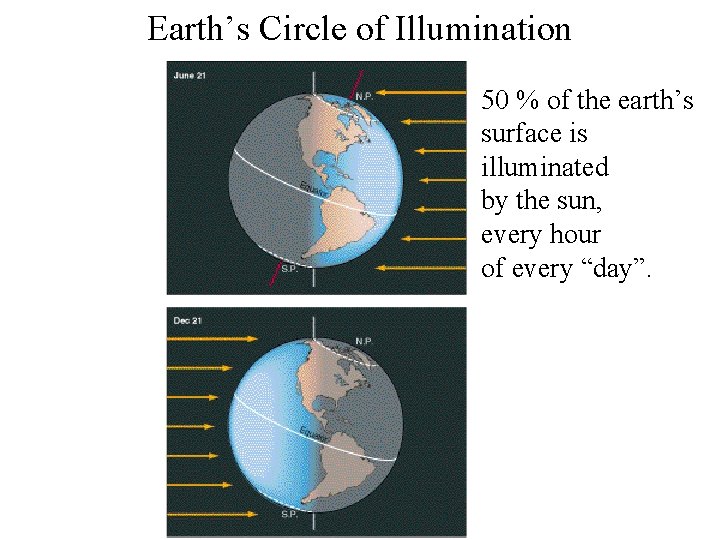
Earth’s Circle of Illumination 50 % of the earth’s surface is illuminated by the sun, every hour of every “day”.
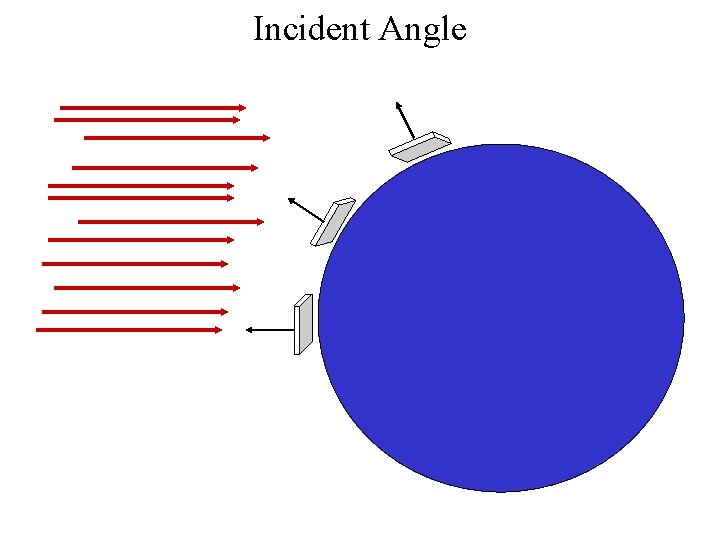
Incident Angle
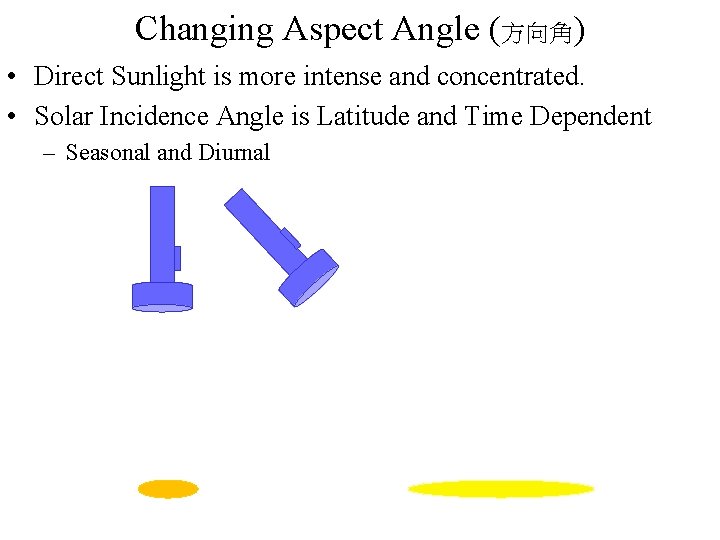
Changing Aspect Angle (方向角) • Direct Sunlight is more intense and concentrated. • Solar Incidence Angle is Latitude and Time Dependent – Seasonal and Diurnal
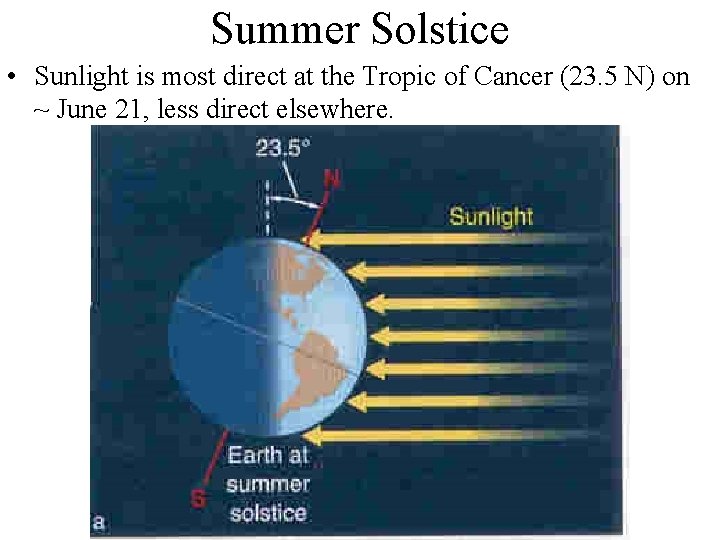
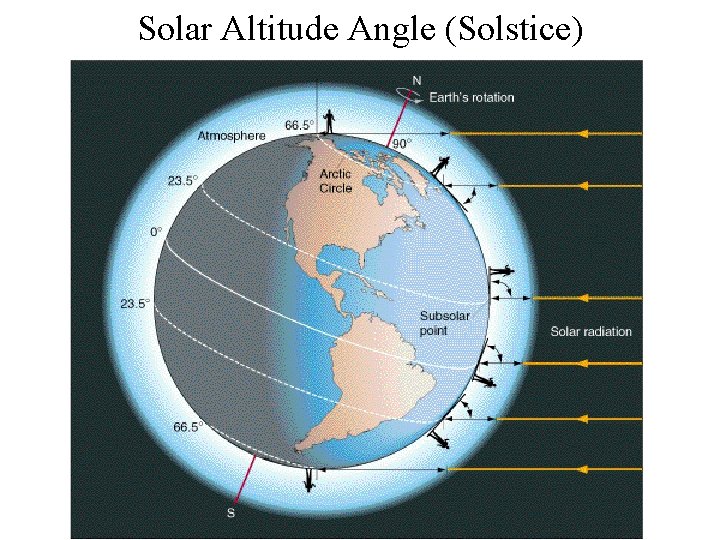
Summer Solstice • Sunlight is most direct at the Tropic of Cancer (23. 5 N) on ~ June 21, less direct elsewhere.
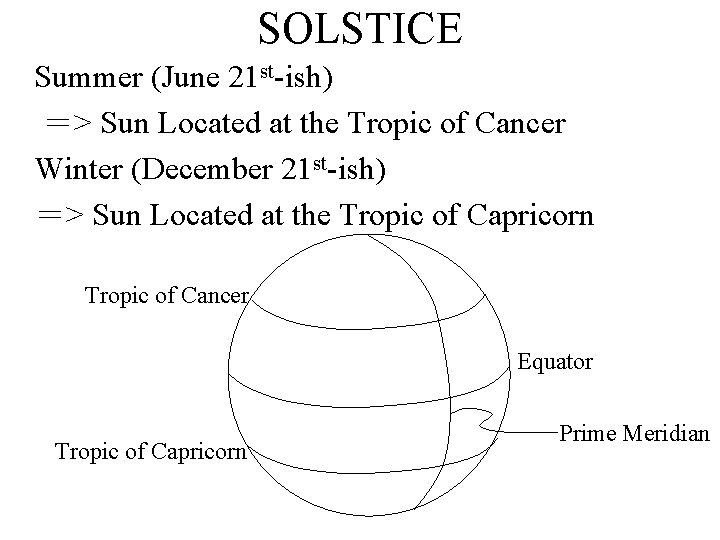
SOLSTICE Summer (June 21 st-ish) => Sun Located at the Tropic of Cancer Winter (December 21 st-ish) => Sun Located at the Tropic of Capricorn Tropic of Cancer Equator Tropic of Capricorn Prime Meridian
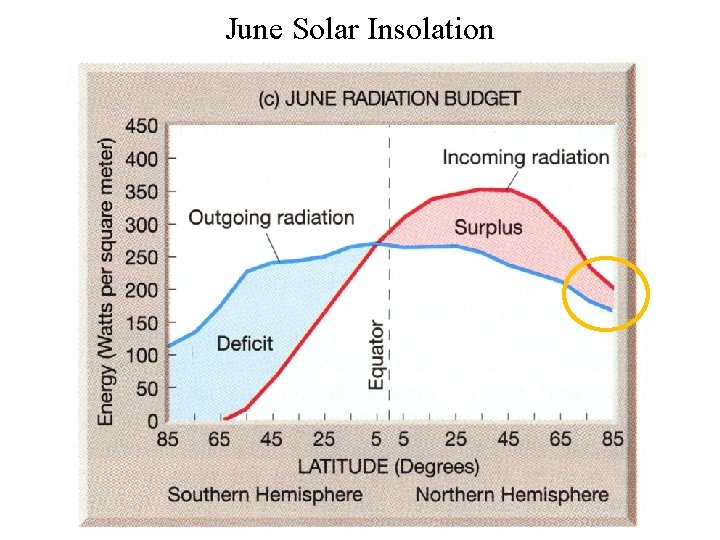
June Solar Insolation
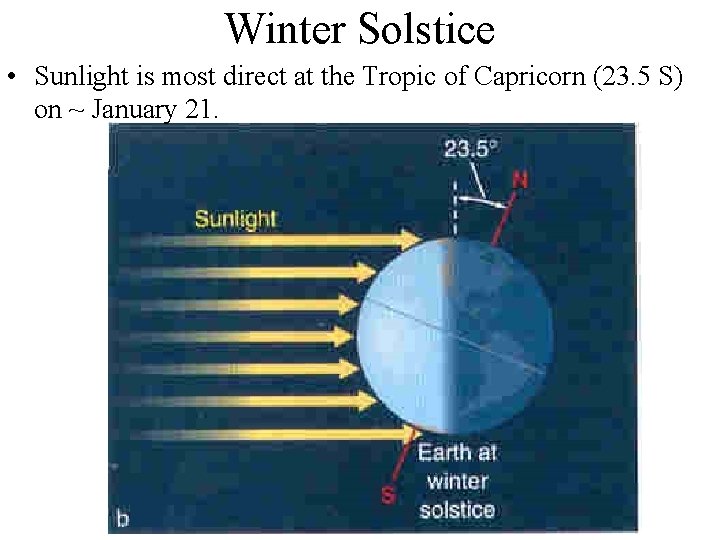
Winter Solstice • Sunlight is most direct at the Tropic of Capricorn (23. 5 S) on ~ January 21.
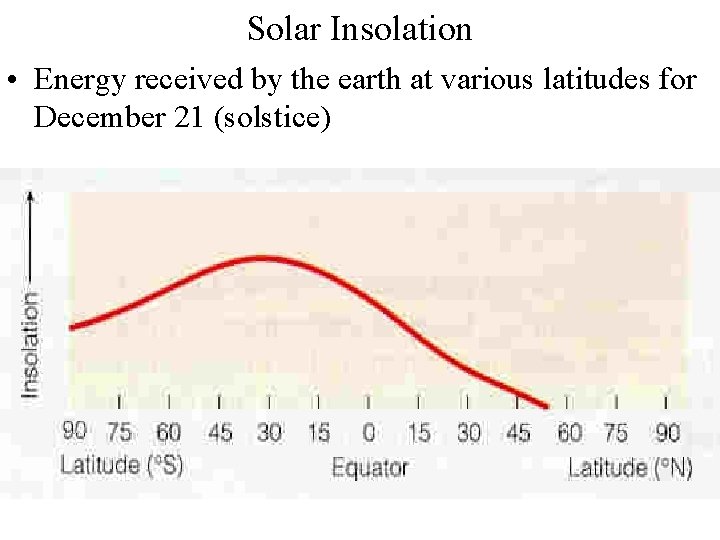
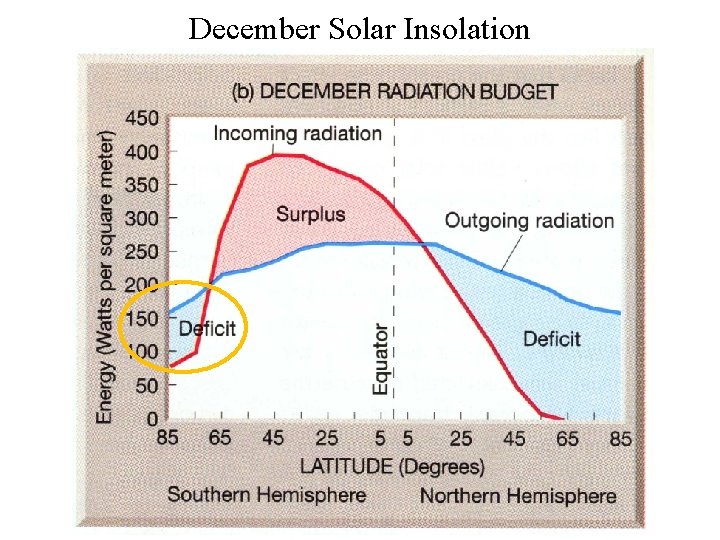
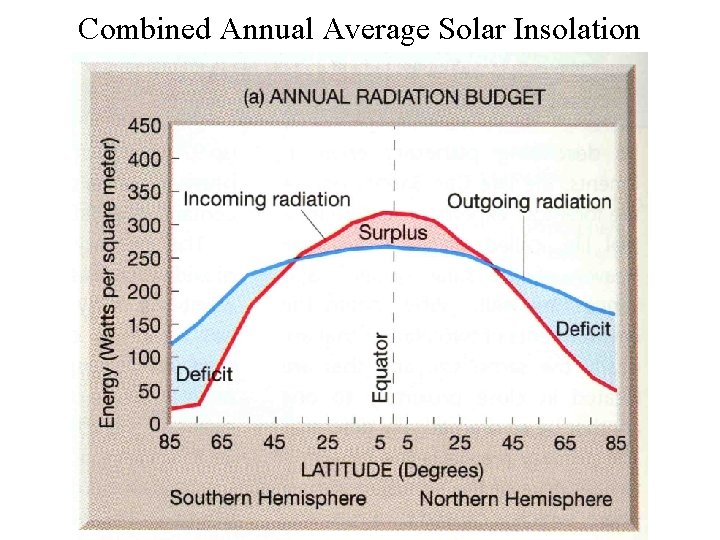
Solar Insolation • Energy received by the earth at various latitudes for December 21 (solstice)
December Solar Insolation
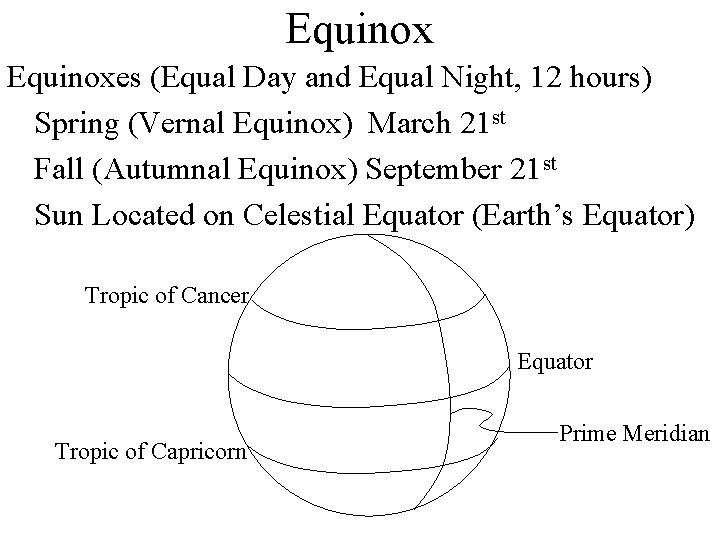
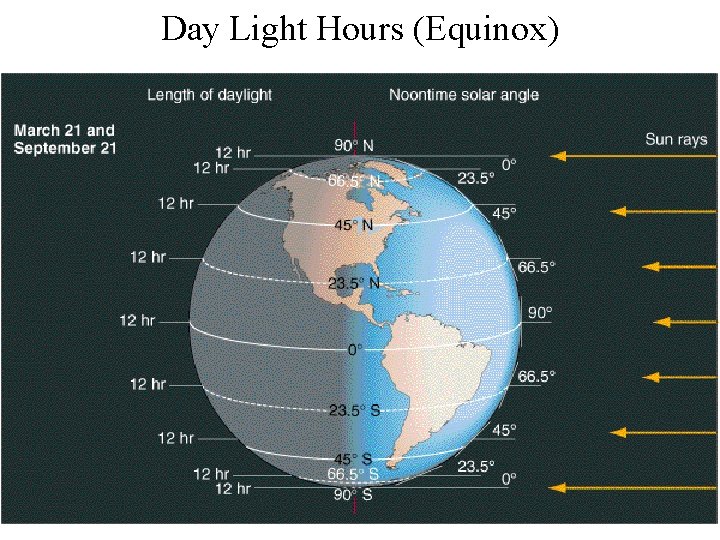
Equinoxes (Equal Day and Equal Night, 12 hours) Spring (Vernal Equinox) March 21 st Fall (Autumnal Equinox) September 21 st Sun Located on Celestial Equator (Earth’s Equator) Tropic of Cancer Equator Tropic of Capricorn Prime Meridian
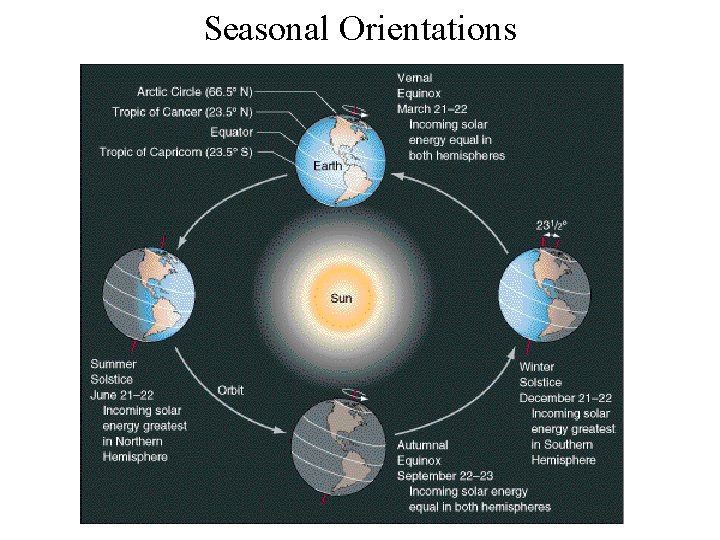
Seasonal Orientations
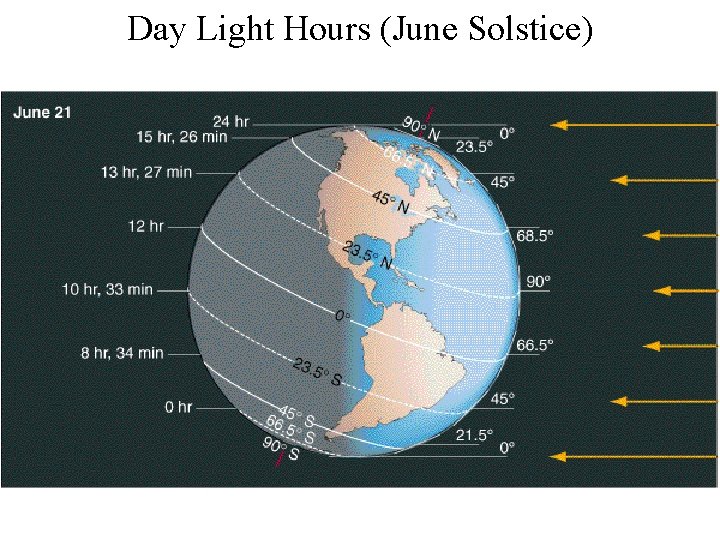
Day Light Hours (June Solstice)
Day Light Hours (Equinox)
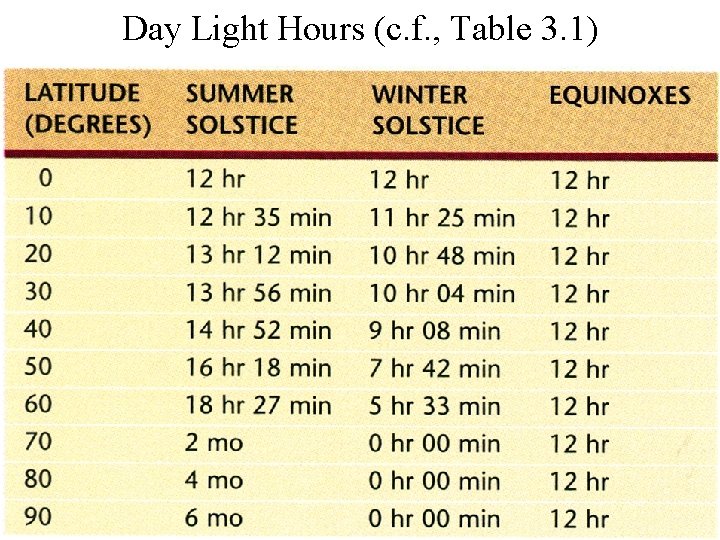
Day Light Hours (c. f. , Table 3. 1)
Combined Annual Average Solar Insolation
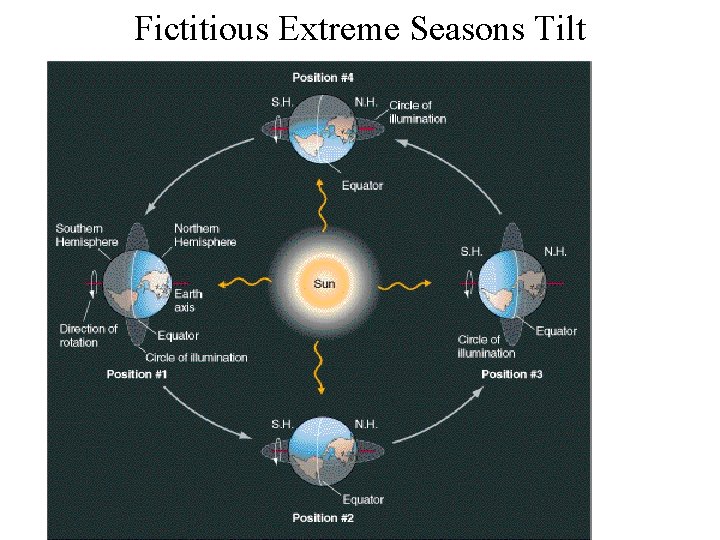
Fictitious Extreme Seasons Tilt
Solar Altitude Angle (Solstice)
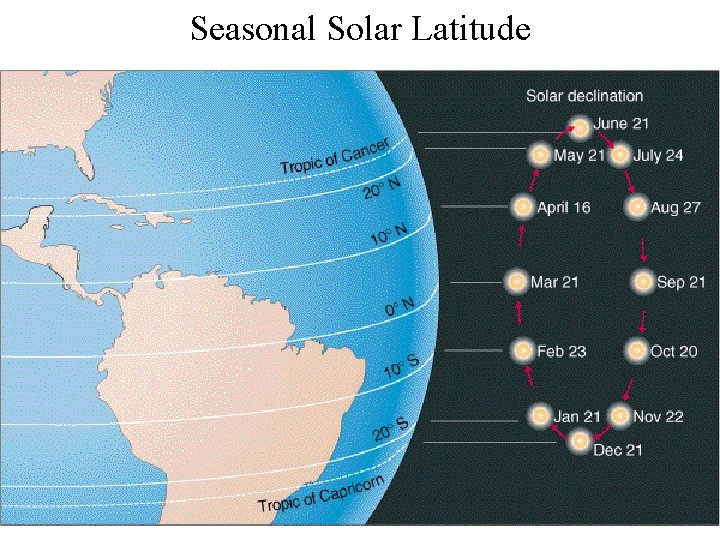
Seasonal Solar Latitude
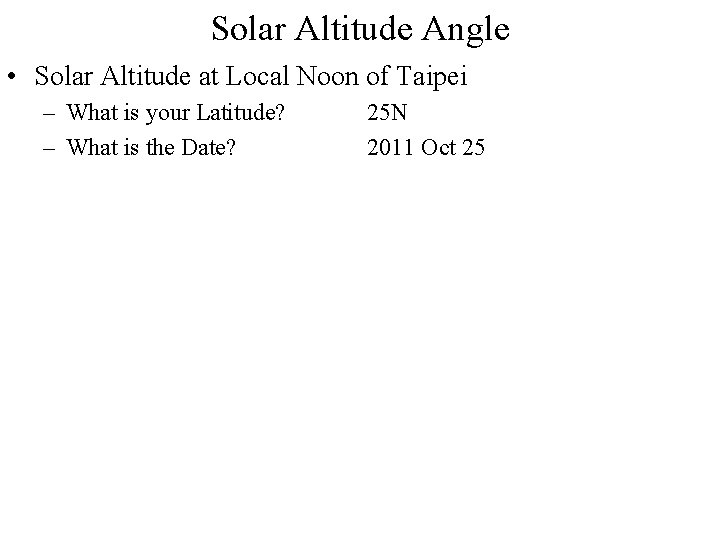
Solar Altitude Angle • Solar Altitude at Local Noon of Taipei – What is your Latitude? – What is the Date? 25 N 2011 Oct 25
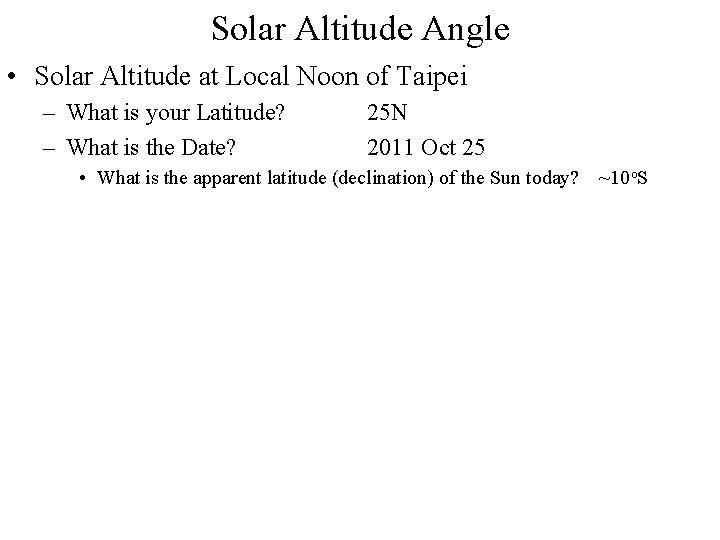
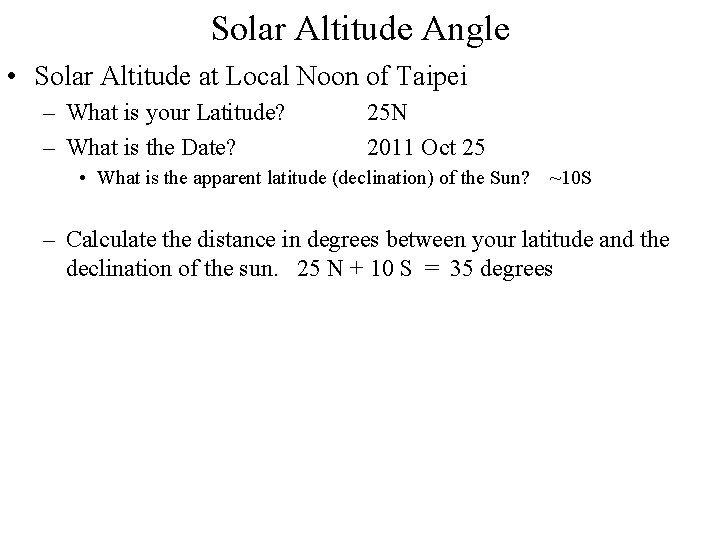
Solar Altitude Angle • Solar Altitude at Local Noon of Taipei – What is your Latitude? – What is the Date? 25 N 2011 Oct 25 • What is the apparent latitude (declination) of the Sun today? ~10 o. S
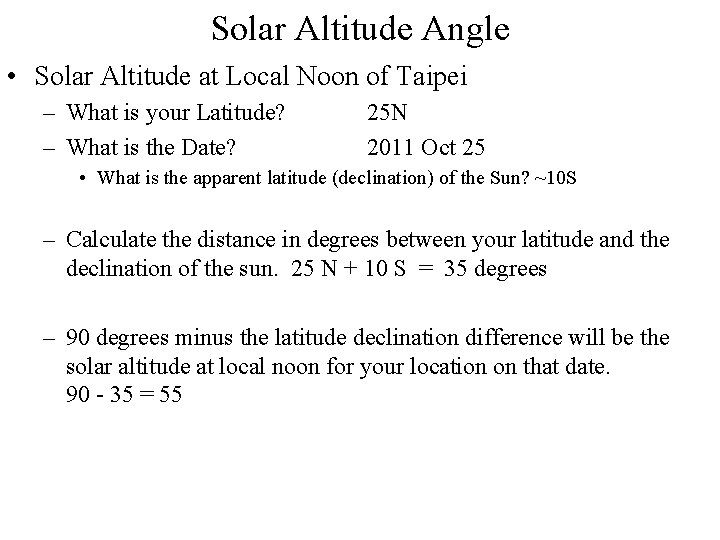
Solar Altitude Angle • Solar Altitude at Local Noon of Taipei – What is your Latitude? – What is the Date? 25 N 2011 Oct 25 • What is the apparent latitude (declination) of the Sun? ~10 S – Calculate the distance in degrees between your latitude and the declination of the sun. 25 N + 10 S = 35 degrees
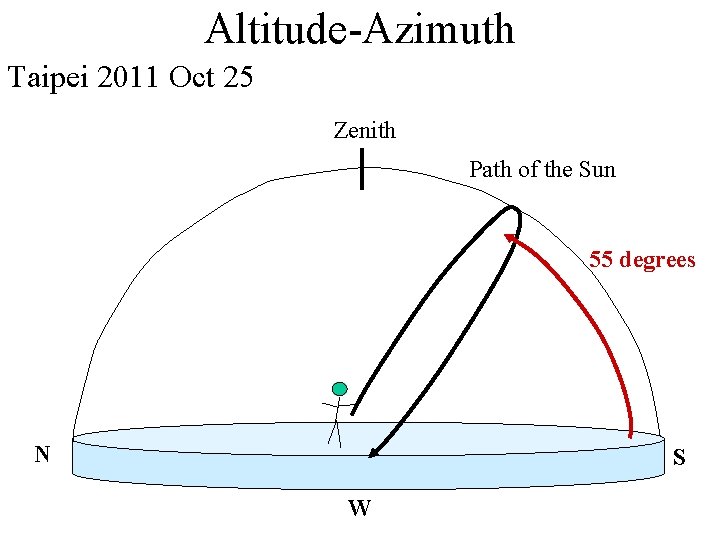
Solar Altitude Angle • Solar Altitude at Local Noon of Taipei – What is your Latitude? – What is the Date? 25 N 2011 Oct 25 • What is the apparent latitude (declination) of the Sun? ~10 S – Calculate the distance in degrees between your latitude and the declination of the sun. 25 N + 10 S = 35 degrees – 90 degrees minus the latitude declination difference will be the solar altitude at local noon for your location on that date. 90 - 35 = 55
Altitude-Azimuth Taipei 2011 Oct 25 Zenith Path of the Sun 55 degrees N S W
An environmental issue Solar Homes Application Position Angle of Solar Panels
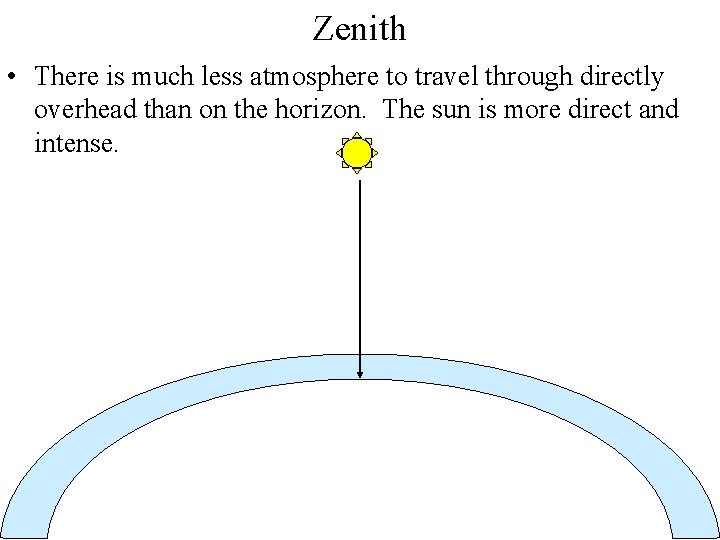
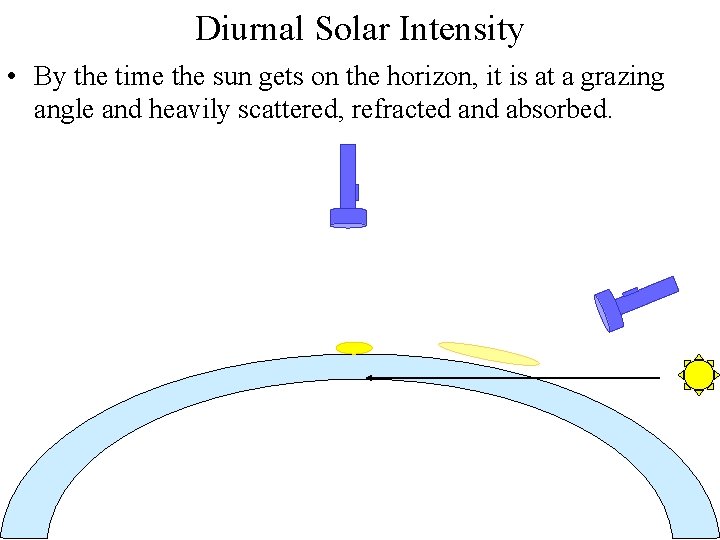
Zenith • There is much less atmosphere to travel through directly overhead than on the horizon. The sun is more direct and intense.
Diurnal Solar Intensity • By the time the sun gets on the horizon, it is at a grazing angle and heavily scattered, refracted and absorbed.
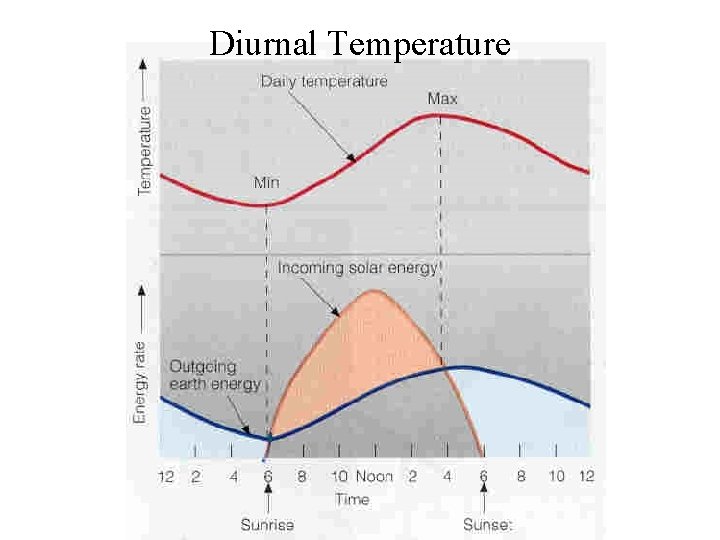
Diurnal Temperature
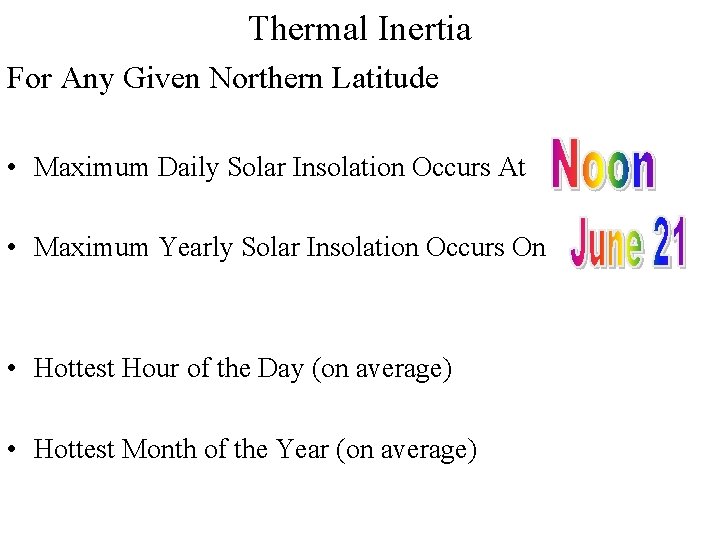
Thermal Inertia For Any Given Northern Latitude • Maximum Daily Solar Insolation Occurs At • Maximum Yearly Solar Insolation Occurs On • Hottest Hour of the Day (on average) • Hottest Month of the Year (on average)
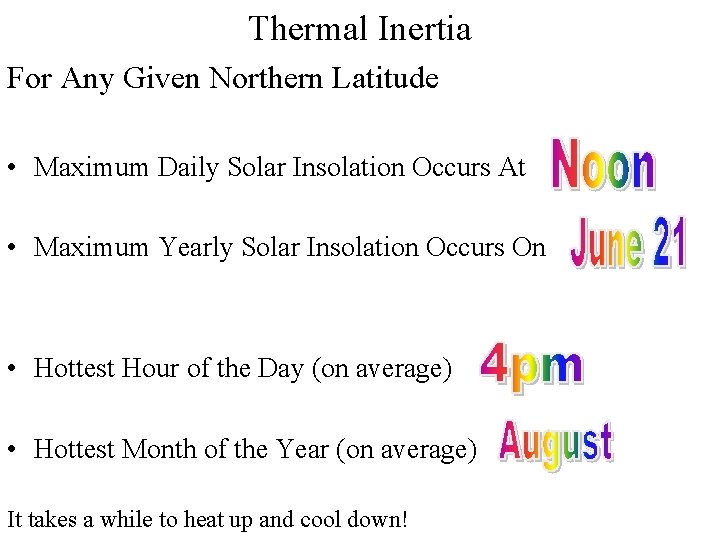
Thermal Inertia For Any Given Northern Latitude • Maximum Daily Solar Insolation Occurs At • Maximum Yearly Solar Insolation Occurs On • Hottest Hour of the Day (on average) • Hottest Month of the Year (on average) It takes a while to heat up and cool down!
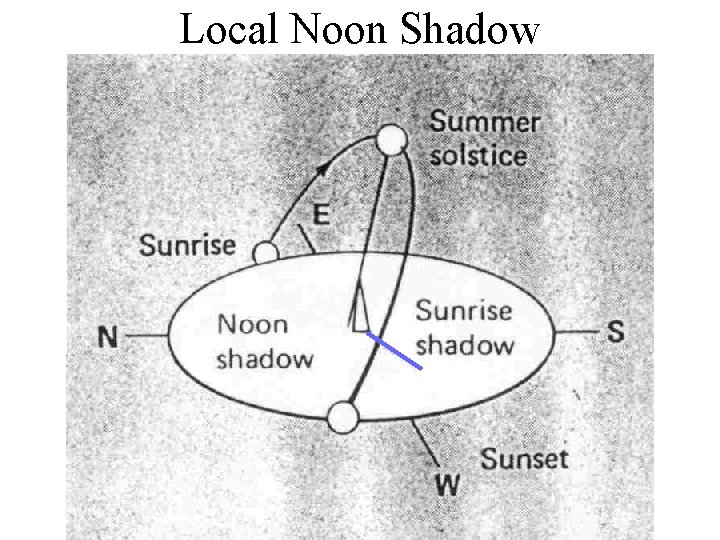
Local Noon Shadow
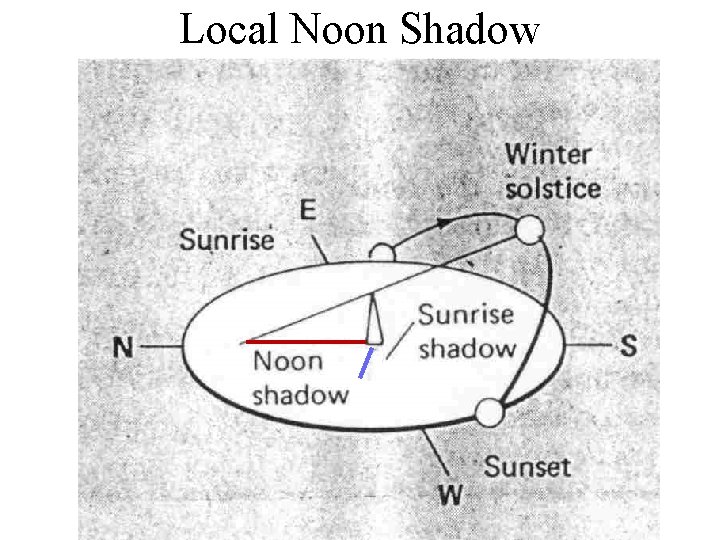
Local Noon Shadow
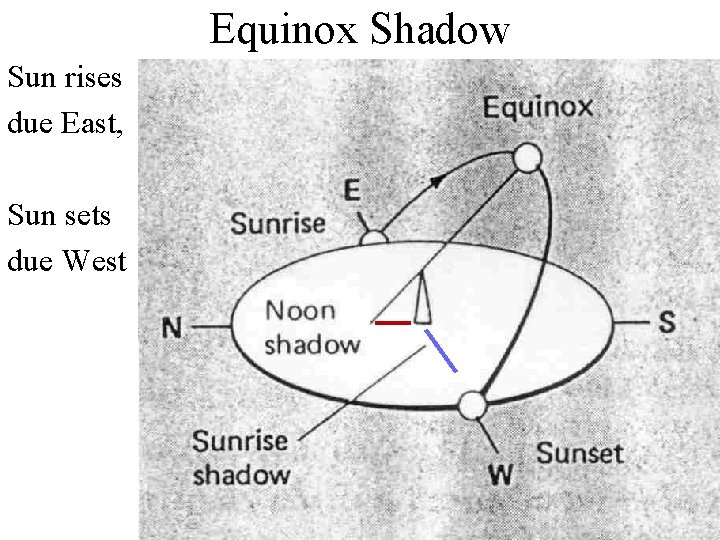
Equinox Shadow Sun rises due East, Sun sets due West
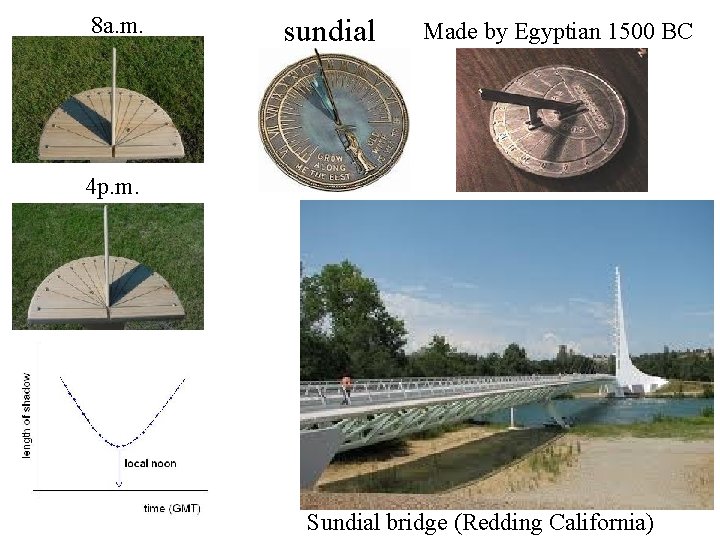
8 a. m. sundial Made by Egyptian 1500 BC 4 p. m. Sundial bridge (Redding California)
Summary • Earth-Sun Geometry • Seasons • Solar Energy – Seasonal (Latitude) Changes – Diurnal (Daily) Changes
HW#2 (due date: TBA, because it depends on weather) Perform the field experiment (you may need a partner) • Calculate local (e. x. Taipei) solar altitude angle someday in recent days • Obtain the solar declination angle in the day you perform the measurement