
GESA GE Substation Automation for the world 1
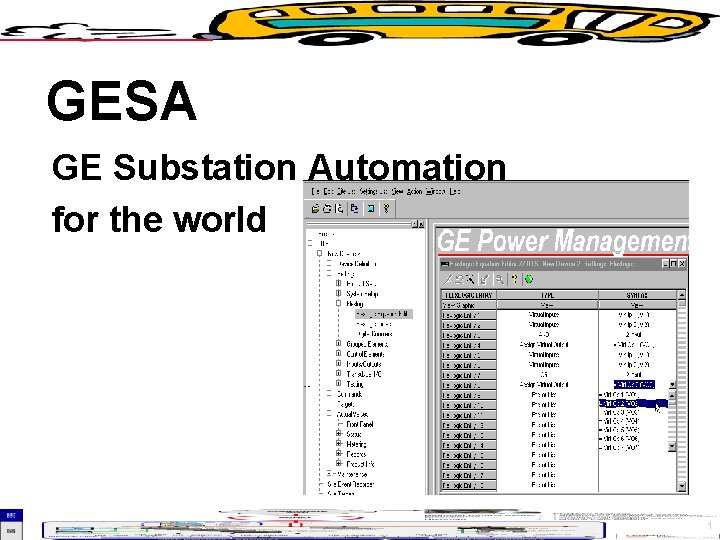
GESA GE Substation Automation for the world 1
Agenda Substation Automation > Requirements > Protective relay hardware > Protective relay logic > Relay to relay data communication > Local/Bay control > WAN > SCADA 2
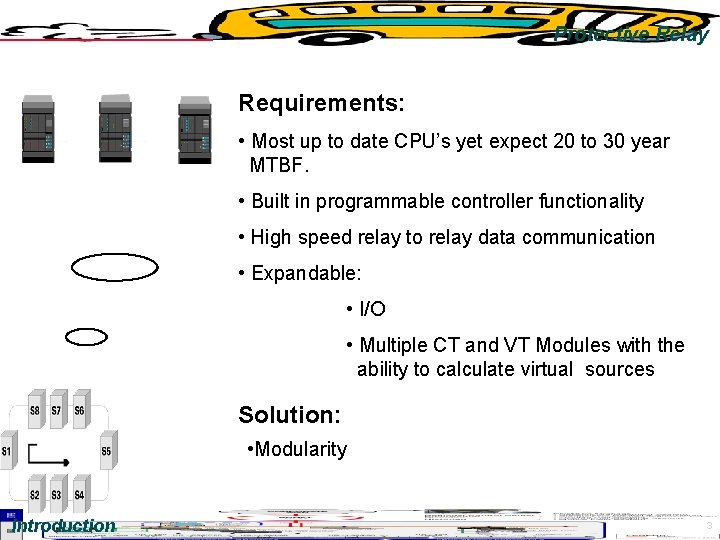
Protective Relay Requirements: • Most up to date CPU’s yet expect 20 to 30 year MTBF. • Built in programmable controller functionality • High speed relay to relay data communication • Expandable: • I/O • Multiple CT and VT Modules with the ability to calculate virtual sources Solution: • Modularity Introduction 3
Protective Relay Requirements: • Reusable code to reduced development time • Reduce training requirements: family of protective relays with same touch and feel and common hardware components Solution: • Design must be based on a Platform Protective Relay 4
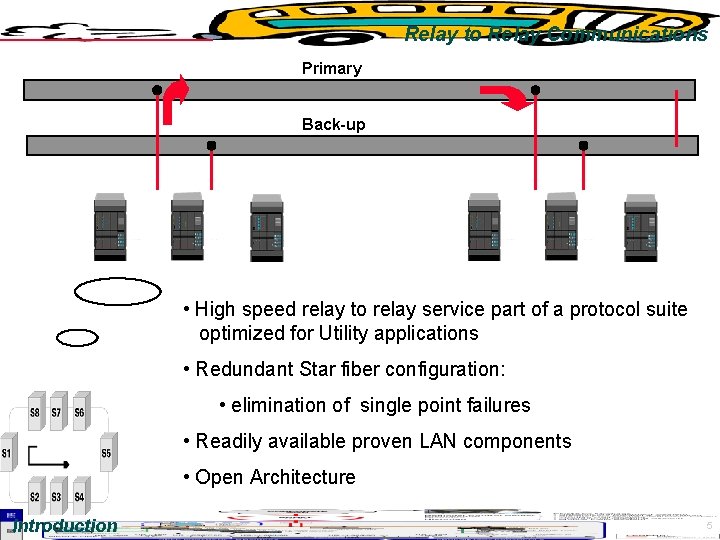
Relay to Relay Communications Primary Back-up • High speed relay to relay service part of a protocol suite optimized for Utility applications • Redundant Star fiber configuration: • elimination of single point failures • Readily available proven LAN components • Open Architecture Introduction 5
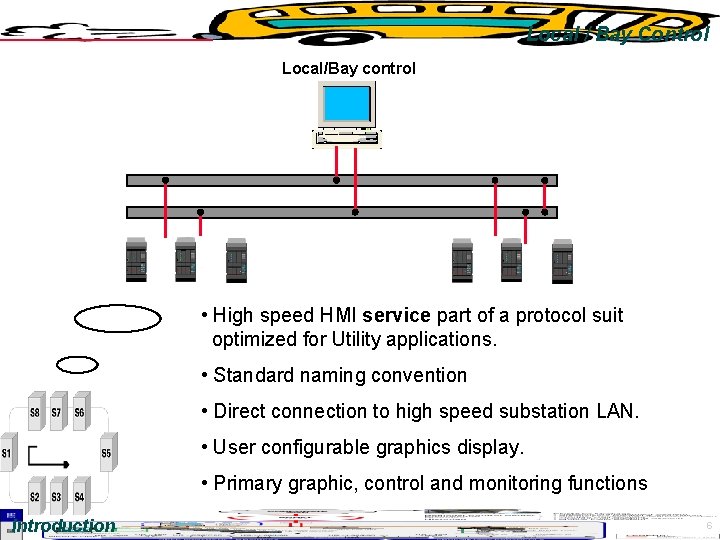
Local / Bay Control Local/Bay control • High speed HMI service part of a protocol suit optimized for Utility applications. • Standard naming convention • Direct connection to high speed substation LAN. • User configurable graphics display. • Primary graphic, control and monitoring functions Introduction 6
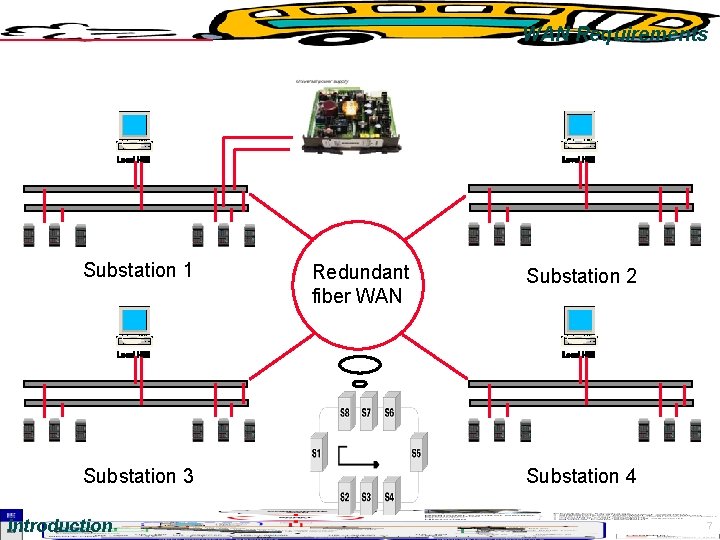
WAN Requirements Substation 1 Substation 3 Introduction Redundant fiber WAN Substation 2 Substation 4 7
Supervisory Control and Data Acquisition - SCADA Information not Data: Enterprise • Budget accurately • Asses cost of service • Allocate capacity • Faster service response Operations • Remote status and control • Analyze power quality • Identify events • Receive fault records • Target Maintenance • Loading trends Introduction 8
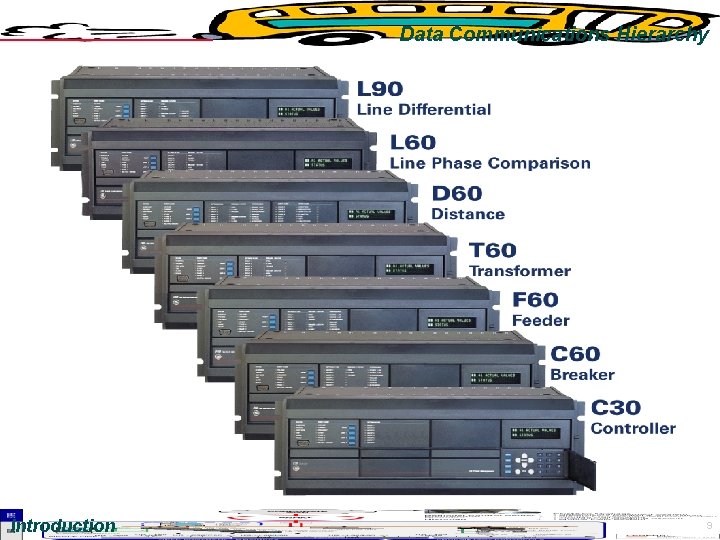
Data Communications Hierarchy Introduction 9
Agenda Substation Automation > Requirements > Protective relay hardware > Protective relay logic engine > Relay to relay data communication > Local/Bay control > WAN > SCADA 10
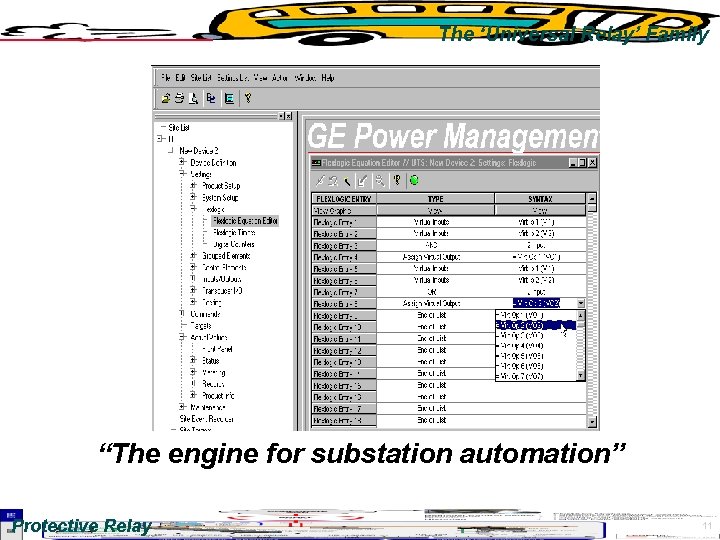
The ‘Universal Relay’ Family “The engine for substation automation” Protective Relay 11
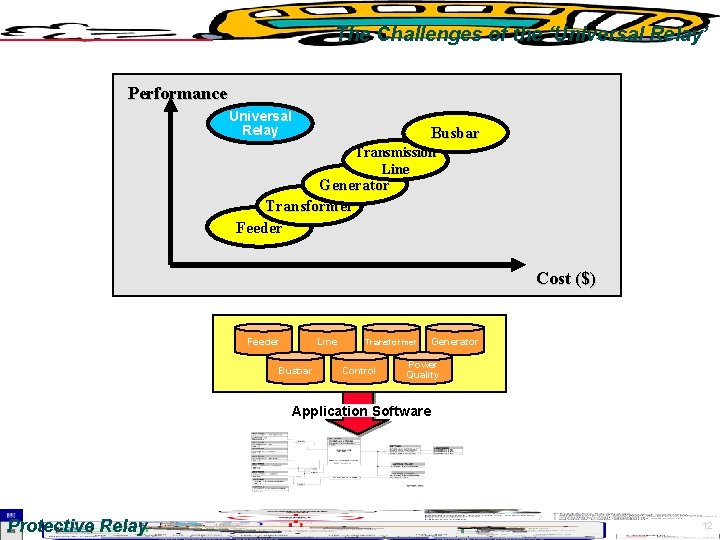
The Challenges of the ‘Universal Relay’ Performance Universal Relay Busbar Transmission Line Generator Transformer Feeder Cost ($) Feeder Line Busbar Transformer Control Generator Power Quality Application Software Protective Relay 12
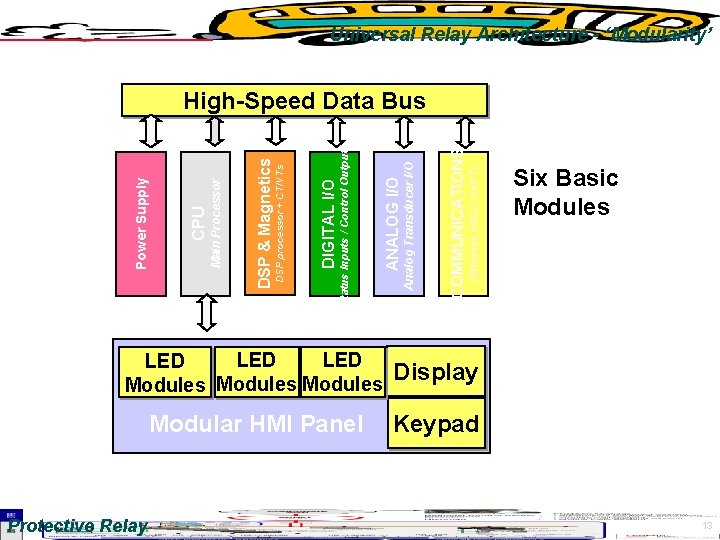
Protective Relay (Ethernet, HDLC, UART) COMMUNICATIONS Analog Transducer I/O ANALOG I/O Status Inputs / Control Outputs DIGITAL I/O DSP processor + CT/VTs DSP & Magnetics Main Processor CPU Power Supply Universal Relay Architecture - ‘Modularity’ High-Speed Data Bus LED LED Modules Display Modular HMI Panel Keypad Six Basic Modules 13
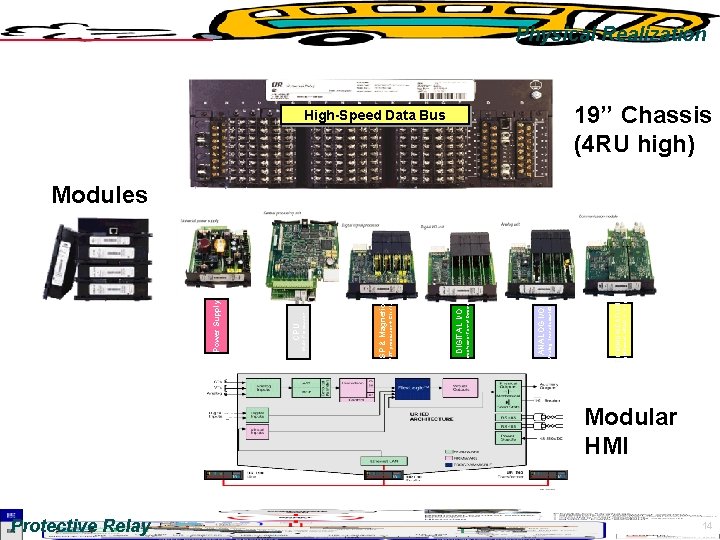
Protective Relay (Ethernet, HDLC, UART) High-Speed Data Bus COMMUNICATIONS Analog Transducer I/O ANALOG I/O Status Inputs / Control Outputs DIGITAL I/O DSP processor + CT/VTs DSP & Magnetics Main Processor CPU Power Supply Physical Realization 19’’ Chassis (4 RU high) Modules Modular HMI 14
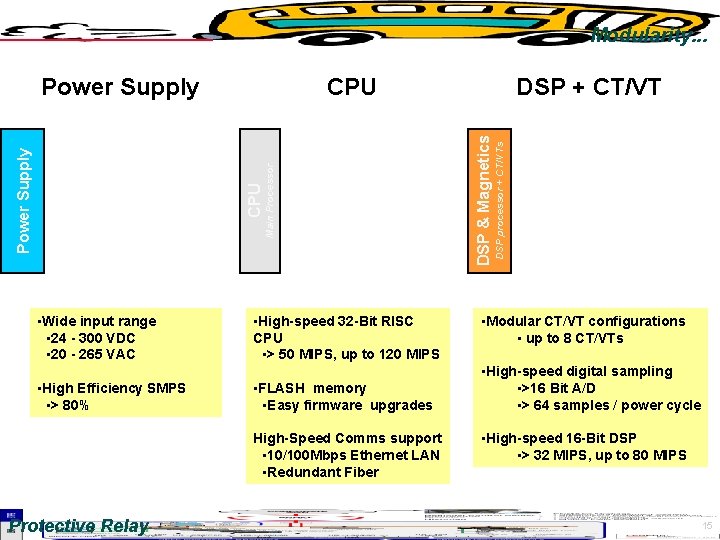
Modularity. . . • Wide input range • 24 - 300 VDC • 20 - 265 VAC • High Efficiency SMPS • > 80% • High-speed 32 -Bit RISC CPU • > 50 MIPS, up to 120 MIPS • FLASH memory • Easy firmware upgrades High-Speed Comms support • 10/100 Mbps Ethernet LAN • Redundant Fiber Protective Relay DSP processor + CT/VTs DSP + CT/VT DSP & Magnetics CPU Main Processor Power Supply • Modular CT/VT configurations • up to 8 CT/VTs • High-speed digital sampling • >16 Bit A/D • > 64 samples / power cycle • High-speed 16 -Bit DSP • > 32 MIPS, up to 80 MIPS 15
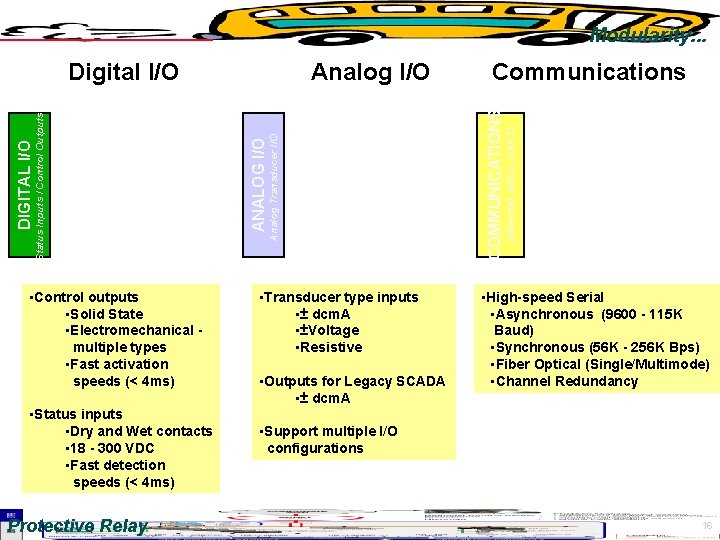
Modularity. . . • Control outputs • Solid State • Electromechanical multiple types • Fast activation speeds (< 4 ms) • Status inputs • Dry and Wet contacts • 18 - 300 VDC • Fast detection speeds (< 4 ms) Protective Relay • Transducer type inputs • ± dcm. A • ±Voltage • Resistive • Outputs for Legacy SCADA • ± dcm. A (Ethernet, HDLC, UART) Communications COMMUNICATIONS Analog Transducer I/O Analog I/O ANALOG I/O DIGITAL I/O Status Inputs / Control Outputs Digital I/O • High-speed Serial • Asynchronous (9600 - 115 K Baud) • Synchronous (56 K - 256 K Bps) • Fiber Optical (Single/Multimode) • Channel Redundancy • Support multiple I/O configurations 16
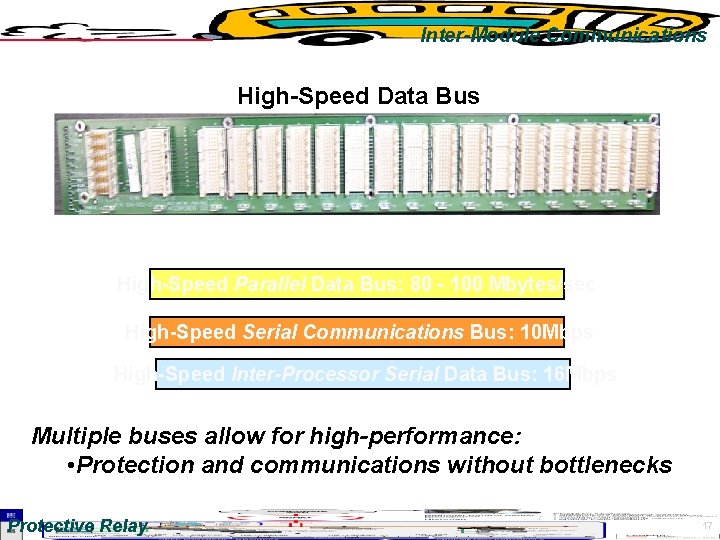
Inter-Module Communications High-Speed Data Bus High-Speed Parallel Data Bus: 80 - 100 Mbytes/sec High-Speed Serial Communications Bus: 10 Mbps High-Speed Inter-Processor Serial Data Bus: 16 Mbps Multiple buses allow for high-performance: • Protection and communications without bottlenecks Protective Relay 17
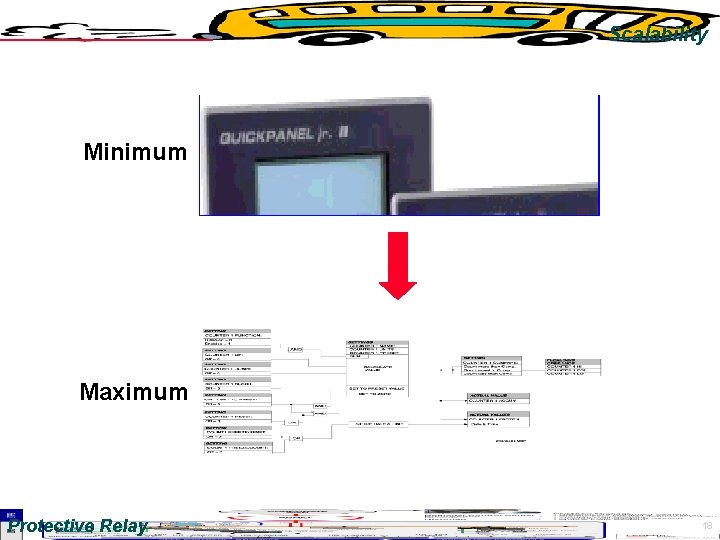
Scalability Minimum Maximum Protective Relay 18
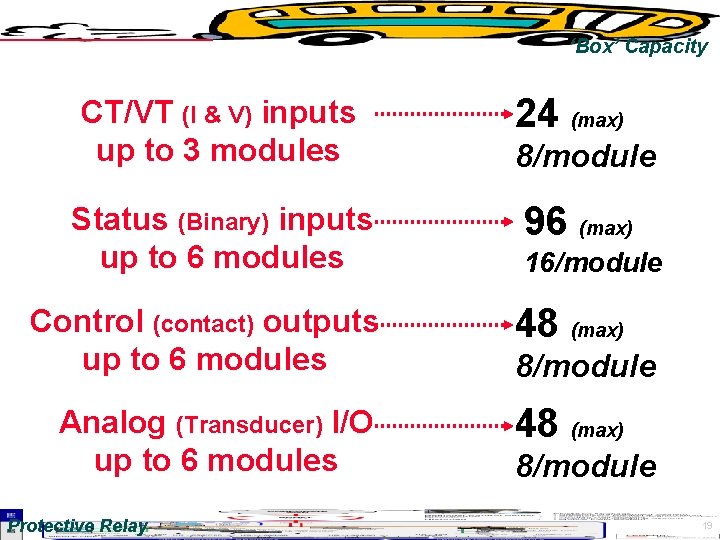
‘Box’ Capacity CT/VT (I & V) inputs up to 3 modules 24 (max) Status (Binary) inputs up to 6 modules 96 (max) Control (contact) outputs up to 6 modules 48 (max) Analog (Transducer) I/O up to 6 modules 48 (max) Protective Relay 8/module 16/module 8/module 19
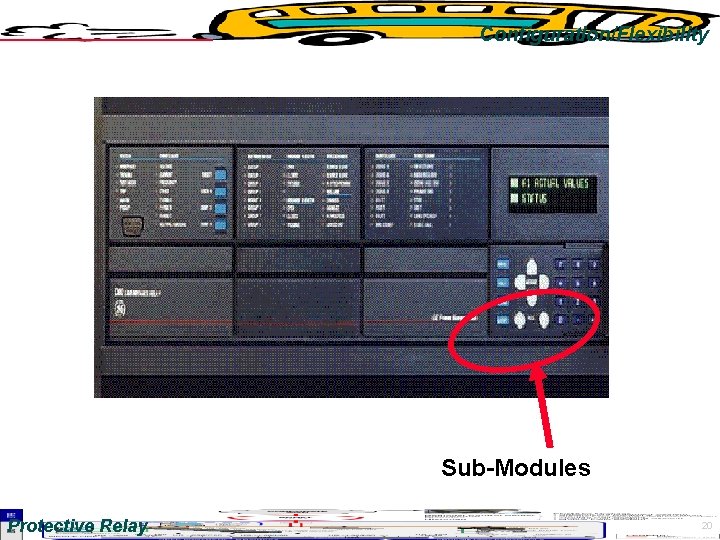
Configuration/Flexibility Sub-Modules Protective Relay 20
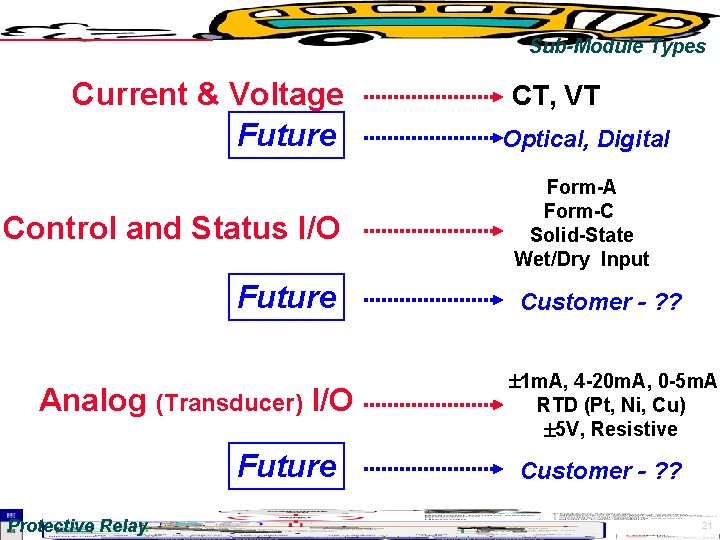
Sub-Module Types Current & Voltage Future Control and Status I/O Future Analog (Transducer) I/O Future Protective Relay CT, VT Optical, Digital Form-A Form-C Solid-State Wet/Dry Input Customer - ? ? 1 m. A, 4 -20 m. A, 0 -5 m. A RTD (Pt, Ni, Cu) 5 V, Resistive Customer - ? ? 21
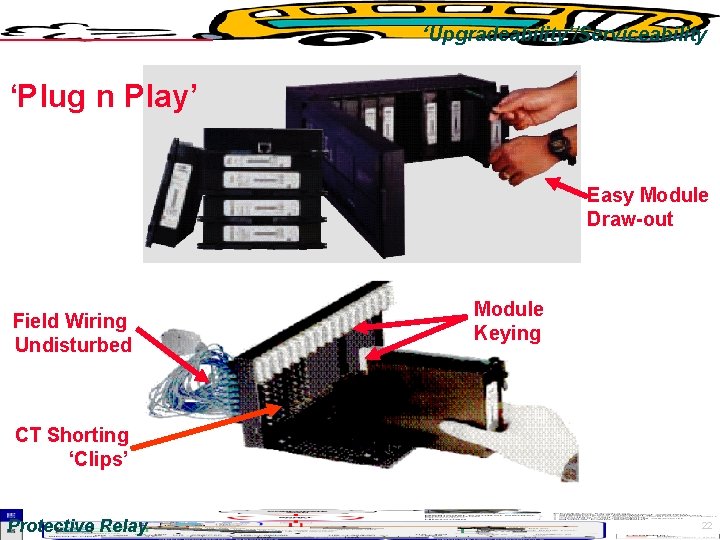
‘Upgradeability’/Serviceability ‘Plug n Play’ Easy Module Draw-out Field Wiring Undisturbed Module Keying CT Shorting ‘Clips’ Protective Relay 22
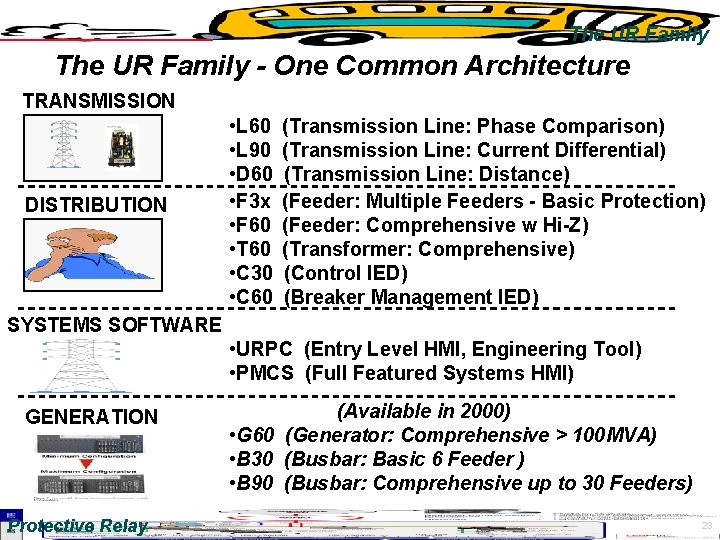
The UR Family - One Common Architecture TRANSMISSION DISTRIBUTION • L 60 • L 90 • D 60 • F 3 x • F 60 • T 60 • C 30 • C 60 (Transmission Line: Phase Comparison) (Transmission Line: Current Differential) (Transmission Line: Distance) (Feeder: Multiple Feeders - Basic Protection) (Feeder: Comprehensive w Hi-Z) (Transformer: Comprehensive) (Control IED) (Breaker Management IED) SYSTEMS SOFTWARE • URPC (Entry Level HMI, Engineering Tool) • PMCS (Full Featured Systems HMI) GENERATION Protective Relay (Available in 2000) • G 60 (Generator: Comprehensive > 100 MVA) • B 30 (Busbar: Basic 6 Feeder ) • B 90 (Busbar: Comprehensive up to 30 Feeders) 23
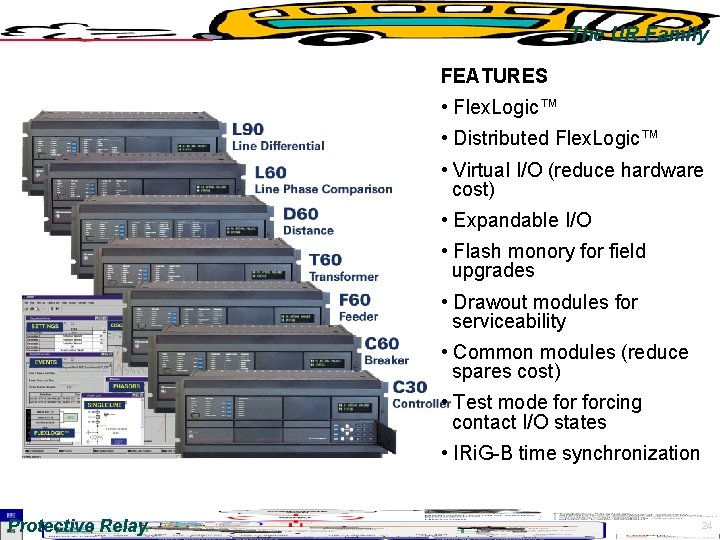
The UR Family FEATURES • Flex. Logic™ • Distributed Flex. Logic™ • Virtual I/O (reduce hardware cost) • Expandable I/O • Flash monory for field upgrades • Drawout modules for serviceability • Common modules (reduce spares cost) • Test mode forcing contact I/O states • IRi. G-B time synchronization Protective Relay 24
Agenda Substation Automation > Requirements > Protective relay hardware > Protective relay logic engine > Relay to relay data communication > Local/Bay control > WAN > SCADA 25
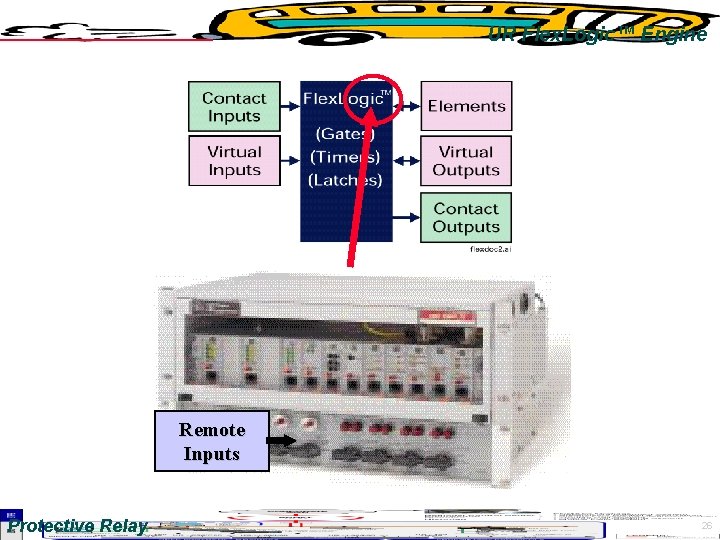
UR Flex. Logic™ Engine Remote Inputs Protective Relay 26
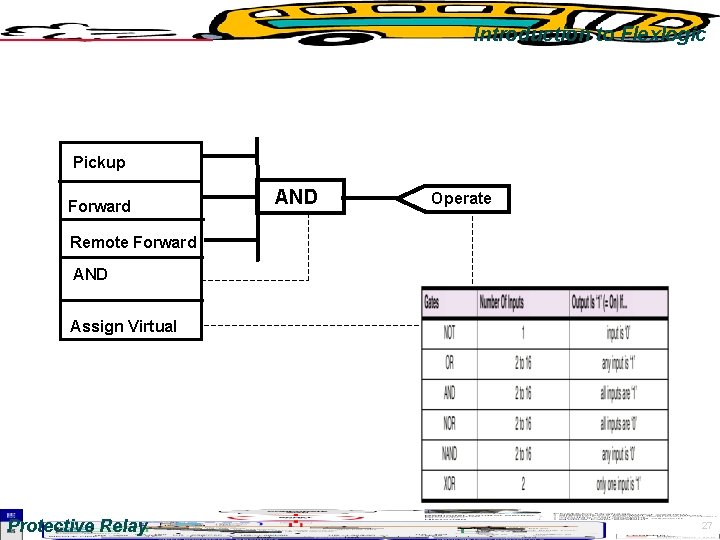
Introduction to Flexlogic Pickup Forward AND Operate Remote Forward AND Assign Virtual Protective Relay 27
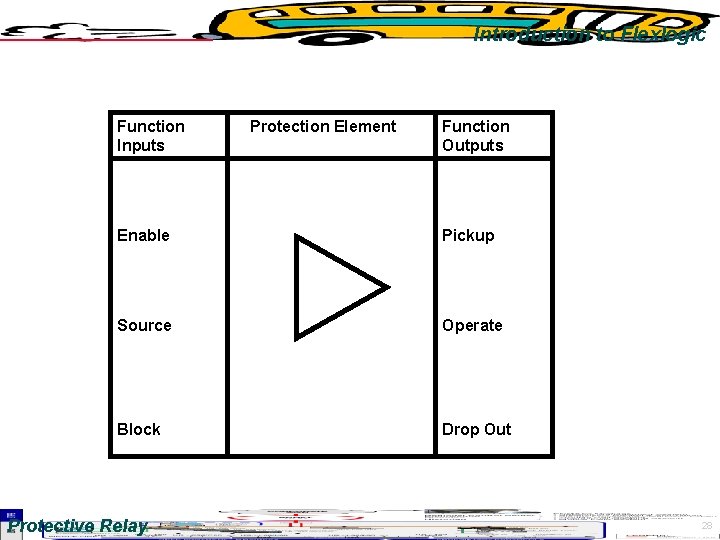
Introduction to Flexlogic Function Inputs Protection Element Function Outputs Enable Pickup Source Operate Block Drop Out Protective Relay 28
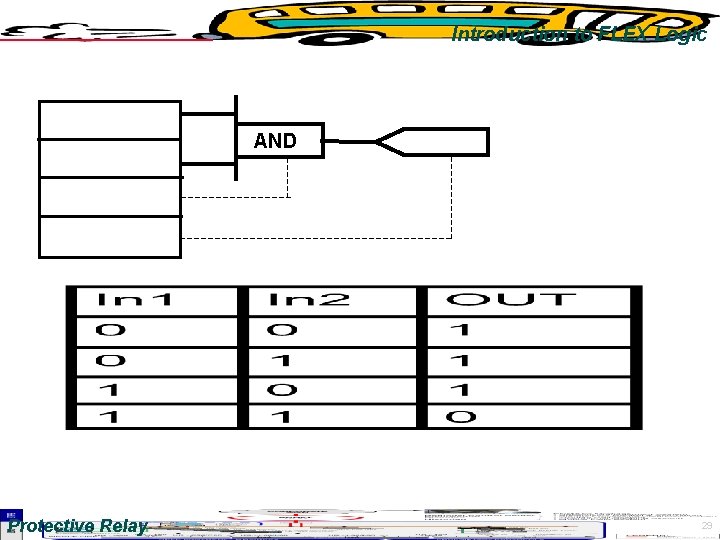
Introduction to FLEX Logic AND Protective Relay 29
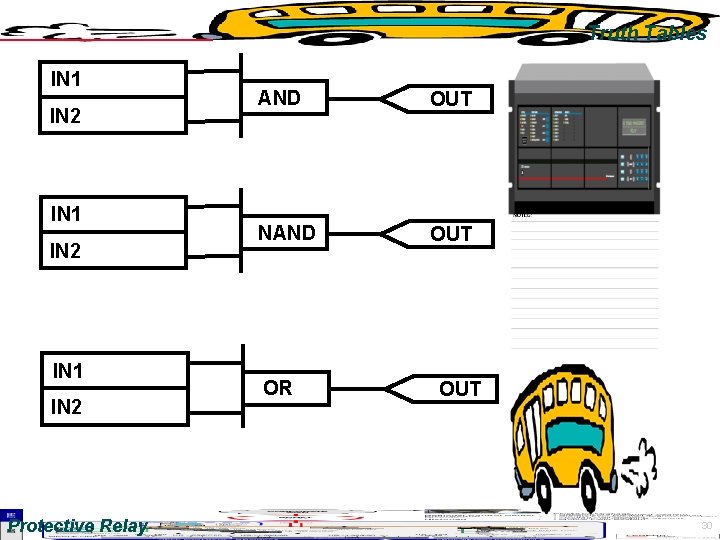
Truth Tables IN 1 IN 2 Protective Relay AND OUT NAND OUT OR OUT 30
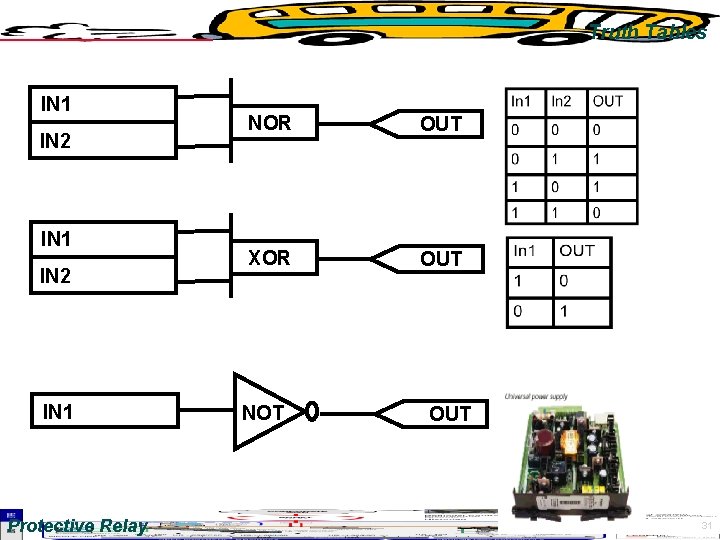
Truth Tables IN 1 IN 2 IN 1 Protective Relay NOR OUT XOR OUT NOT OUT 31
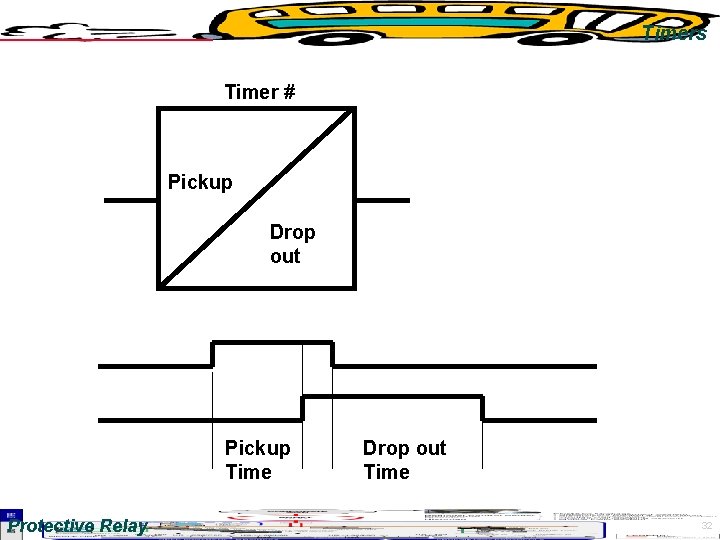
Timers Timer # Pickup Drop out Pickup Time Protective Relay Drop out Time 32

Counters Protective Relay 33

Counters Protective Relay 34
Flex. Logic Demonstration Protective Relay 35

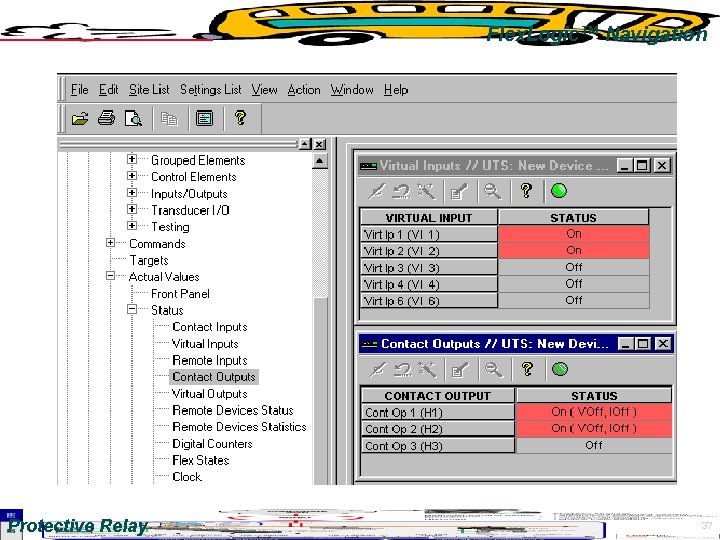
Flex. Logic™ Navigation Protective Relay 36
Flex. Logic™ Navigation Protective Relay 37

Contact Outputs Protective Relay 38
Agenda Substation Automation > Requirements > Protective relay hardware > Protective relay logic engine > Relay to relay data communication > Local/Bay control > WAN > SCADA 39
Nomenclature LAN: Local area network WAN: Wide Area Network Relay to Relay Com 40
Nomenclature Protocol: A common set of rules to govern the exchange of data between nodes on a network. It determines: • Initialization of data link • Services that are supported • flow control • Frame format and sync • error control 41
Communication Protocols and Standards Messaging Services • Provides “Common Services” for communicating information including notification of delivery or non-delivery of a message and the reason why not • Types of services: -Initiate Communications -Identify -Define Data -Write Data -Program Invocation -Etc. • Existing Standards: FMS, MMS, DNP, IEC Data Communication Hierarchy 42
Communication Protocols and Standards Manufacturing Message Specification (MMS) • Internationally standardized messaging protocol for real time exchange of data and supervisory and control information between networked devices. • ISO 9506 standard • Independents from the application function being performed • Independents from the developer of the device or application • Generic to be appropriate for a wide variety of devices and applications: > PLC MMS services and messages are identical > Robot > Protective relay • Based on the OSI model 43
Communication Protocols and Standards MMS Service Specification • Defines a set of objects that can exist within a device. • Defines a set of communication services to access and manipulate those objects. • Defines the behavior of the device to those communication services. Data Communication Hierarchy 44
Communication Protocols and Standards MMS Services • Get Object • Change Object • Determine Attributes • Create Object • Delete Object Data Communication Hierarchy 45
Basic Communication Relationships Peer to Peer • Client / Server Master / Slave • Request / Response • Publisher/ Subscriber • Response Only Relay to Relay Com 46
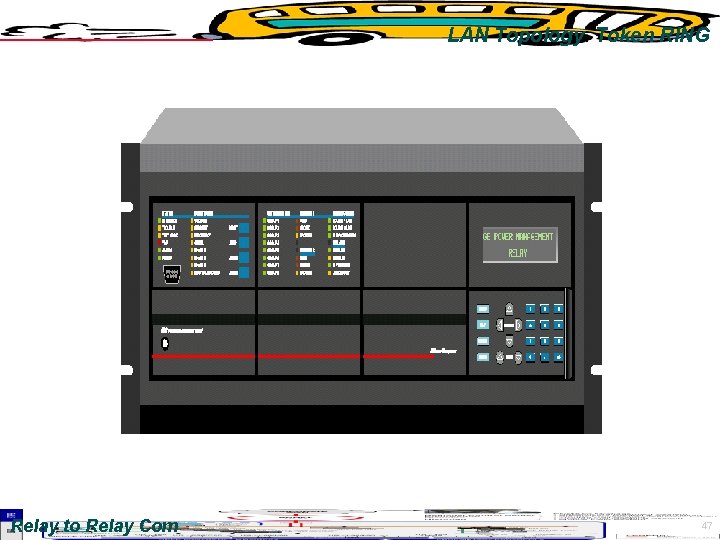
LAN Topology: Token RING Relay to Relay Com 47
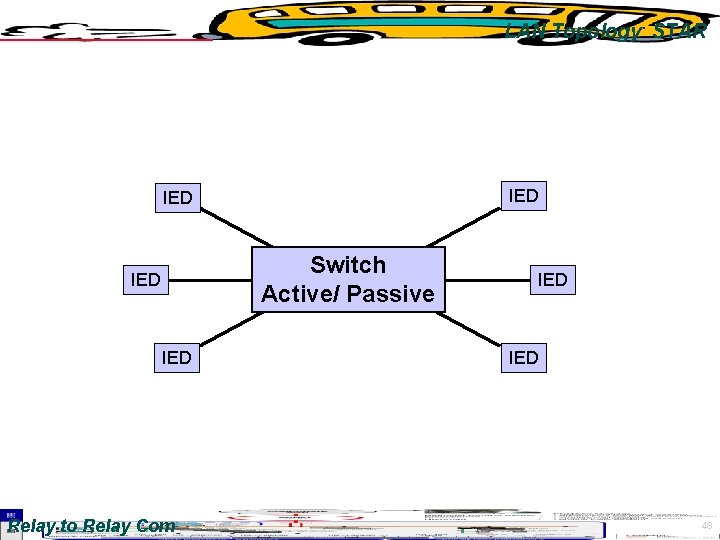
LAN Topology: STAR IED Switch Active/ Passive IED Relay to Relay Com IED 48
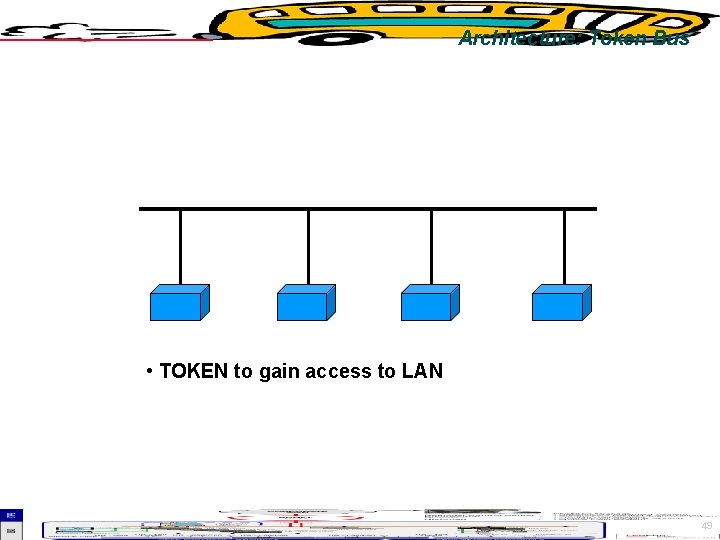
Architecture: Token Bus • TOKEN to gain access to LAN 49
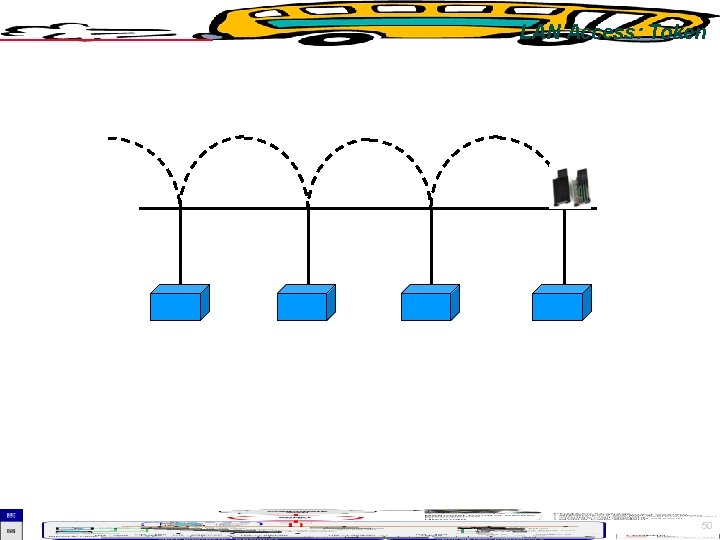
LAN Access: Token 50
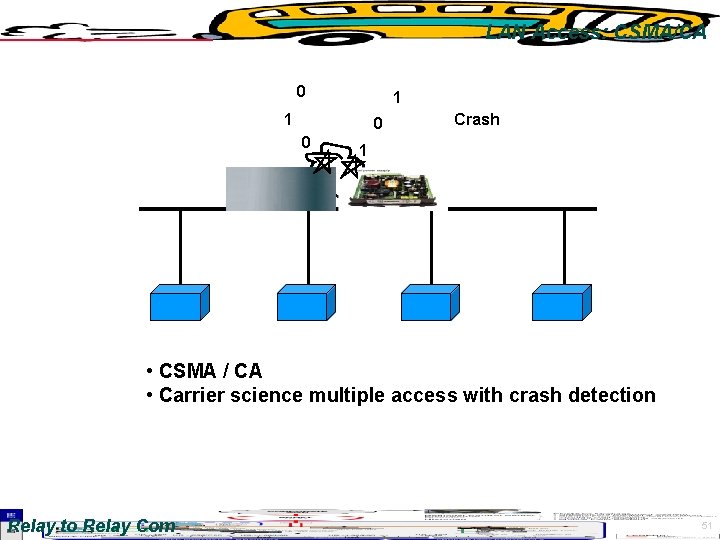
LAN Access: CSMA/CA 0 1 1 0 0 Crash 1 • CSMA / CA • Carrier science multiple access with crash detection Relay to Relay Com 51
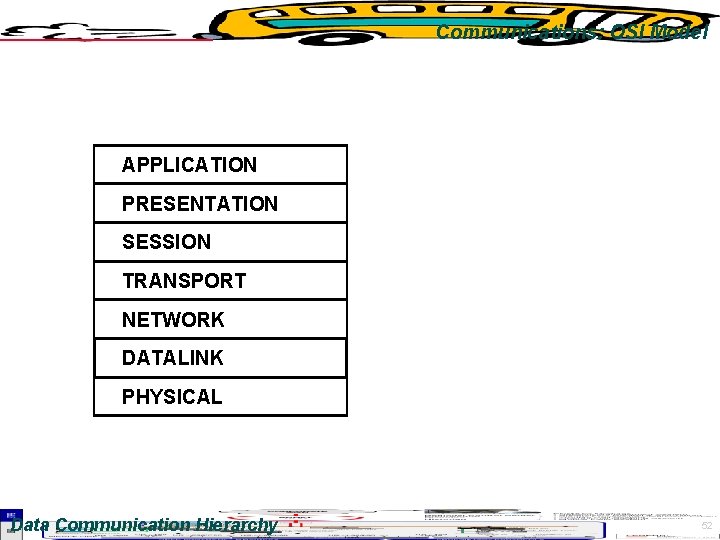
Communications: OSI Model APPLICATION PRESENTATION SESSION TRANSPORT NETWORK DATALINK PHYSICAL Data Communication Hierarchy 52
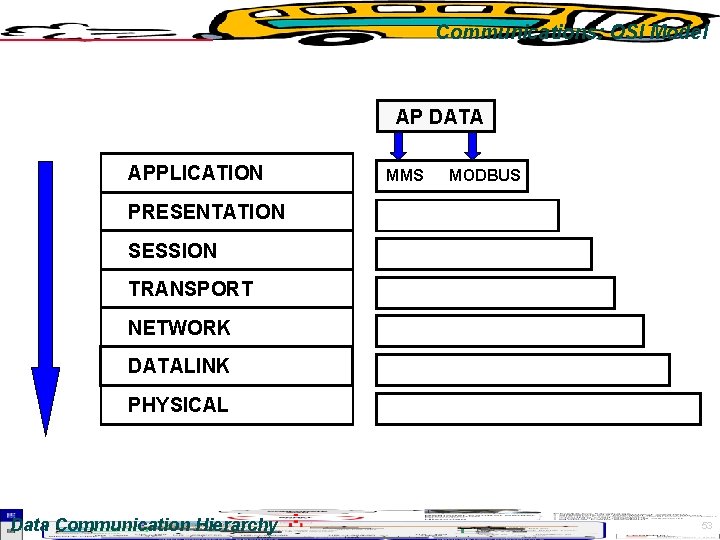
Communications: OSI Model AP DATA APPLICATION MMS MODBUS PRESENTATION SESSION TRANSPORT NETWORK DATALINK PHYSICAL Data Communication Hierarchy 53
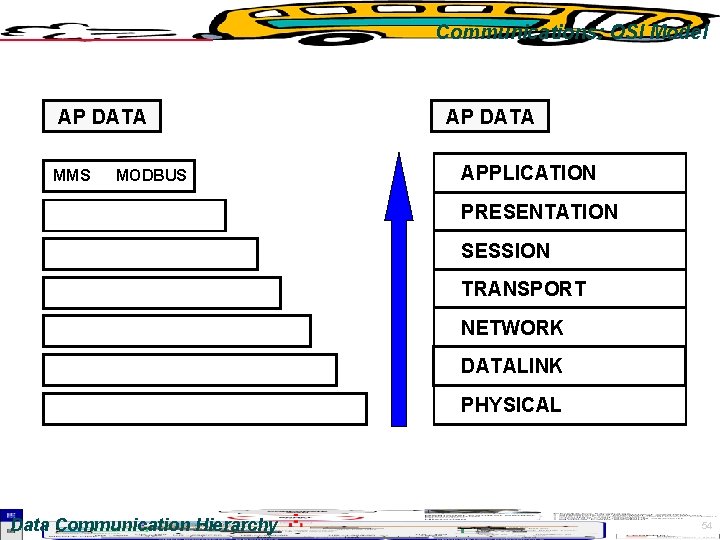
Communications: OSI Model AP DATA MMS MODBUS AP DATA APPLICATION PRESENTATION SESSION TRANSPORT NETWORK DATALINK PHYSICAL Data Communication Hierarchy 54
Utility Communication Architecture (UCA) and Substation Automation Relay to Relay Com 55
UCA 2. 0 Utility Communications Architecture Version 2 Objective: • Establish a suite of protocols to meet utility communications needs Relay to Relay Com 56
Participating UCA Vendors • GE Power Management • Siemens (HMI) • Basler • L&G • Cooper • Doble • Beckwith • Dranetz / BMI • Tasnet • Modicon / Square D • SEL • ABB • GE Harris • Alston Relay to Relay Com 57
Utilities Participating in UCA • American Electric Power (AEP) • Enetergy • Indianapolis Power & Light • TVA • Ontario Hydro • Duke • Northern States Power • Boston Edison • Tampa Electric • Union Electric • Com. Ed • Florida Power Corp • Cinergy • Southern California Electric • Baltimore Gas & Electric • Wisconsin Electric • GPU • ESKOM • Nuon • Polish Power Grid Relay to Relay Com 58
UCA 2. 0 Defining Documents UCA 2. 0 is defined by a set of Documents • Introduction • Communication Profiles - TCP/IP - OSI - Serial • CASM Common Application Service Models How MMS Services are used (MMS = Manufacturing Message Specification) • GOMSFE Generic Object Models for Substation and Feeder Equipment Relay to Relay Com 59
Utility Communication Architecture - UCA 2. 0 UCA Features • Client/Server Multiple Connections • Common Data Objects that can be extended by each vendor • File Services • Time Sync • Reporting • GOOSE (Generic Object Oriented Substation Event) • Peer to Peer Communication (Remote I/O is a cast message) Data Communication Hierarchy 60
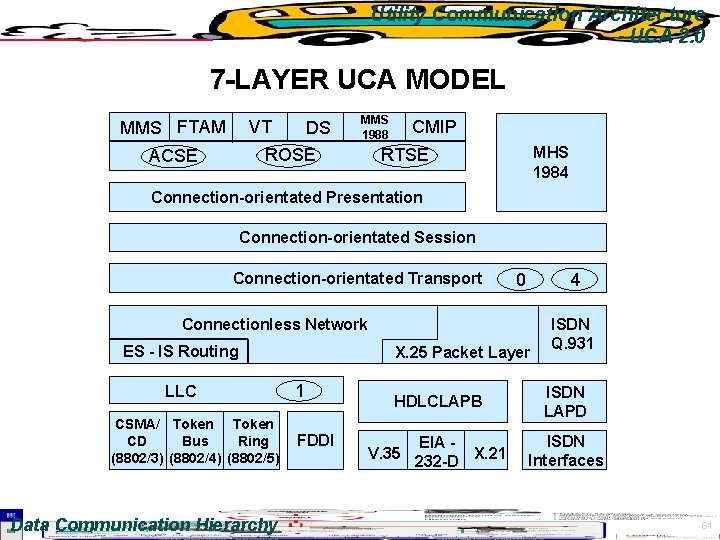
Utility Communication Architecture - UCA 2. 0 7 -LAYER UCA MODEL MMS FTAM VT DS MMS 1988 ROSE ACSE CMIP MHS 1984 RTSE Connection-orientated Presentation Connection-orientated Session Connection-orientated Transport 0 4 Connectionless Network ES - IS Routing LLC CSMA/ Token CD Bus Ring (8802/3) (8802/4) (8802/5) Data Communication Hierarchy X. 25 Packet Layer 1 FDDI ISDN Q. 931 HDLCLAPB ISDN LAPD EIA V. 35 232 -D X. 21 ISDN Interfaces 61
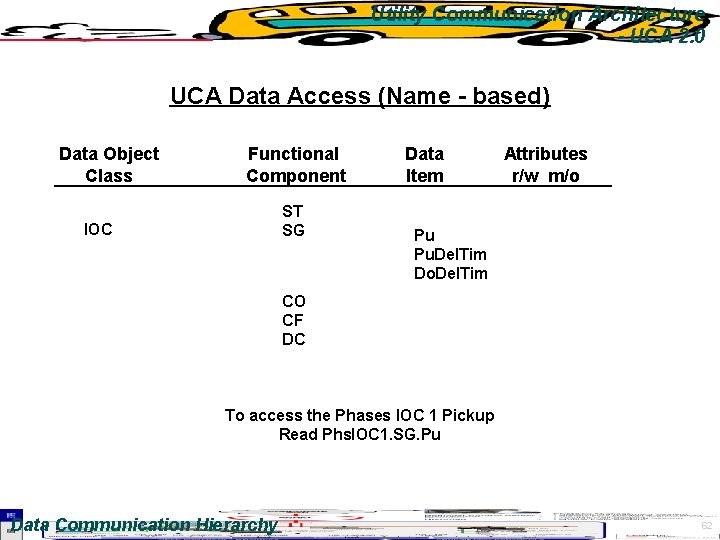
Utility Communication Architecture - UCA 2. 0 UCA Data Access (Name - based) Data Object Class Functional Component ST SG IOC Data Item Attributes r/w m/o Pu Pu. Del. Tim Do. Del. Tim CO CF DC To access the Phases IOC 1 Pickup Read Phs. IOC 1. SG. Pu Data Communication Hierarchy 62
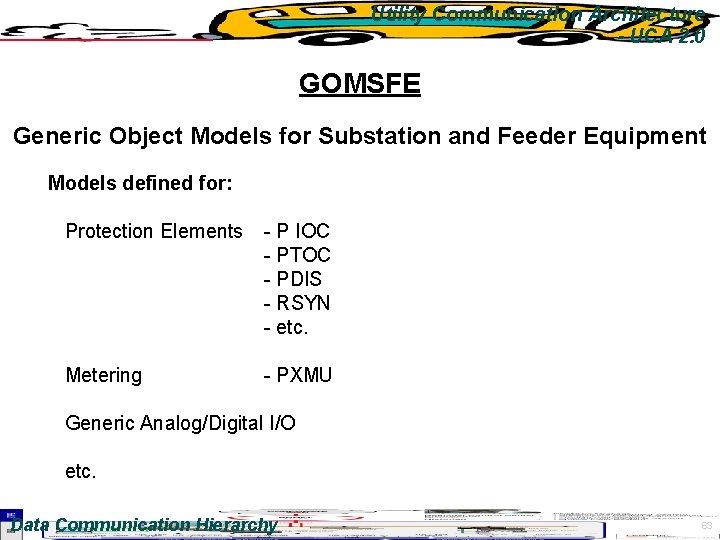
Utility Communication Architecture - UCA 2. 0 GOMSFE Generic Object Models for Substation and Feeder Equipment Models defined for: Protection Elements - P IOC - PTOC - PDIS - RSYN - etc. Metering - PXMU Generic Analog/Digital I/O etc. Data Communication Hierarchy 63
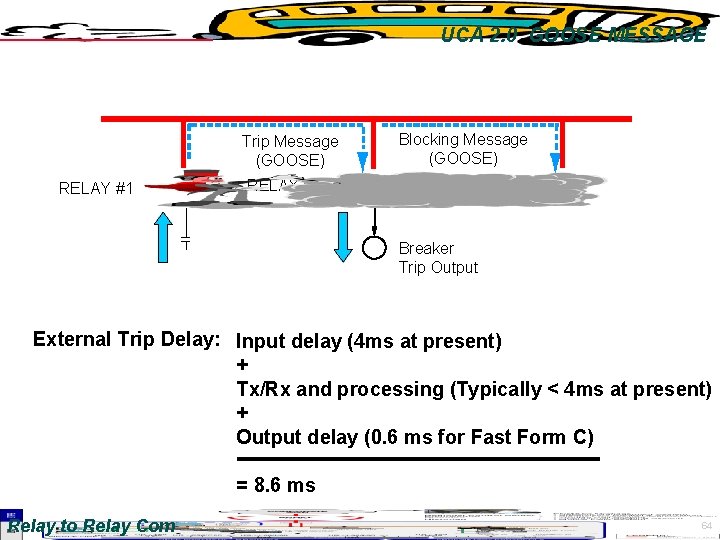
UCA 2. 0 GOOSE MESSAGE Trip Message (GOOSE) RELAY #1 RELAY #2 Blocking Message (GOOSE) RELAY #3 Breaker Trip Output External Trip Delay: Input delay (4 ms at present) + Tx/Rx and processing (Typically < 4 ms at present) + Output delay (0. 6 ms for Fast Form C) = 8. 6 ms Relay to Relay Com 64
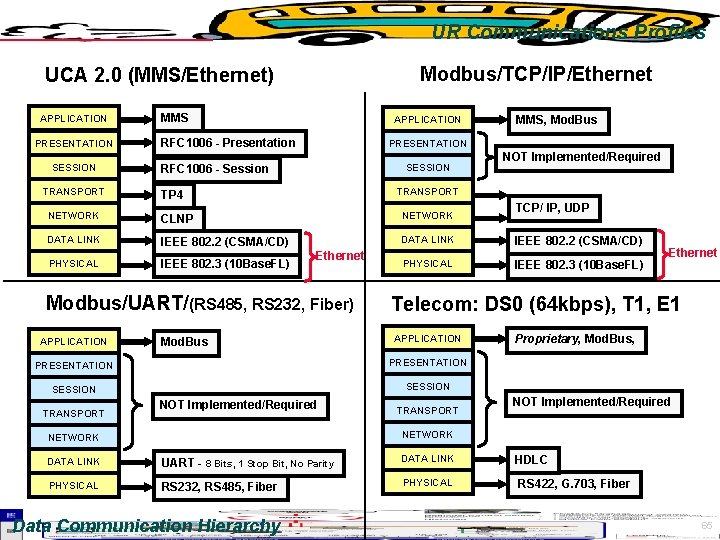
UR Communications Profiles Modbus/TCP/IP/Ethernet UCA 2. 0 (MMS/Ethernet) APPLICATION PRESENTATION SESSION TRANSPORT MMS APPLICATION RFC 1006 - Presentation MMS, Mod. Bus PRESENTATION SESSION RFC 1006 - Session NOT Implemented/Required TRANSPORT TP 4 TCP/ IP, UDP NETWORK CLNP NETWORK DATA LINK IEEE 802. 2 (CSMA/CD) PHYSICAL IEEE 802. 3 (10 Base. FL) Ethernet Modbus/UART/(RS 485, RS 232, Fiber) APPLICATION Mod. Bus Telecom: DS 0 (64 kbps), T 1, E 1 APPLICATION PRESENTATION SESSION TRANSPORT NOT Implemented/Required Ethernet TRANSPORT Proprietary, Mod. Bus, NOT Implemented/Required NETWORK DATA LINK UART - 8 Bits, 1 Stop Bit, No Parity DATA LINK PHYSICAL RS 232, RS 485, Fiber PHYSICAL Data Communication Hierarchy HDLC RS 422, G. 703, Fiber 65
Goose Message Demonstration: Goose Message Demonstration Relay to Relay Com 66
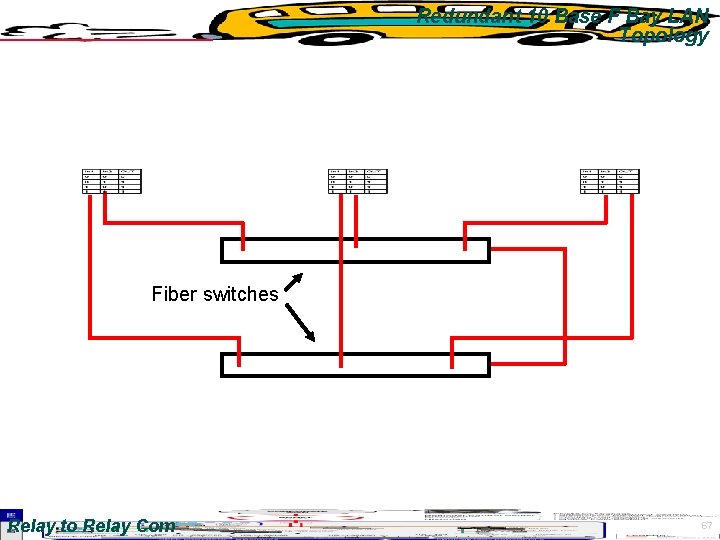
Redundant 10 Base F Bay LAN Topology Fiber switches Relay to Relay Com 67
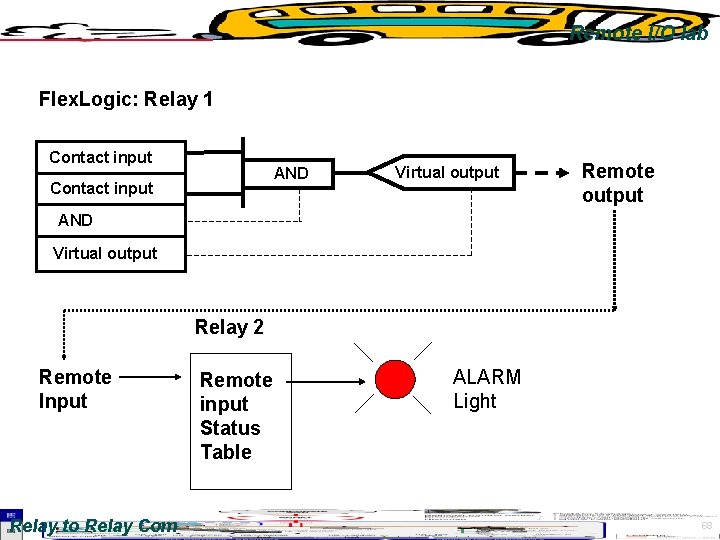
Remote I/O lab Flex. Logic: Relay 1 Contact input AND Contact input Virtual output Remote output AND Virtual output Relay 2 Remote Input Relay to Relay Com Remote input Status Table ALARM Light 68
Agenda Substation Automation > Requirements > Protective relay hardware > Protective relay logic engine > Relay to relay data communication > Local/Bay Control > WAN > SCADA 69
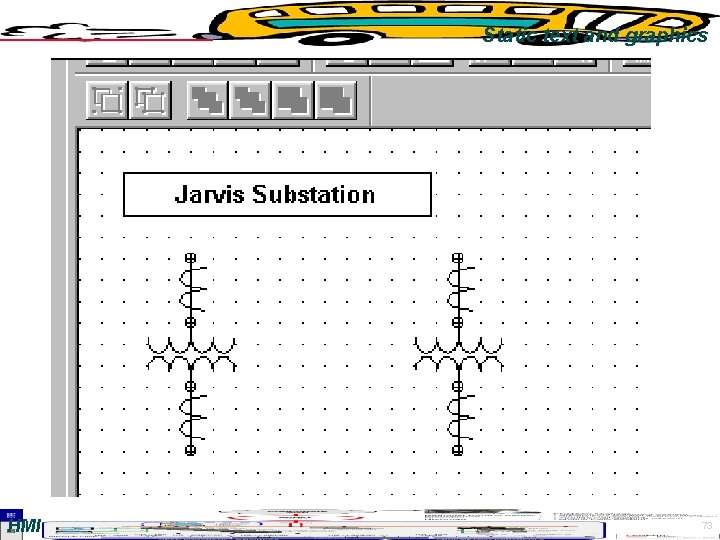
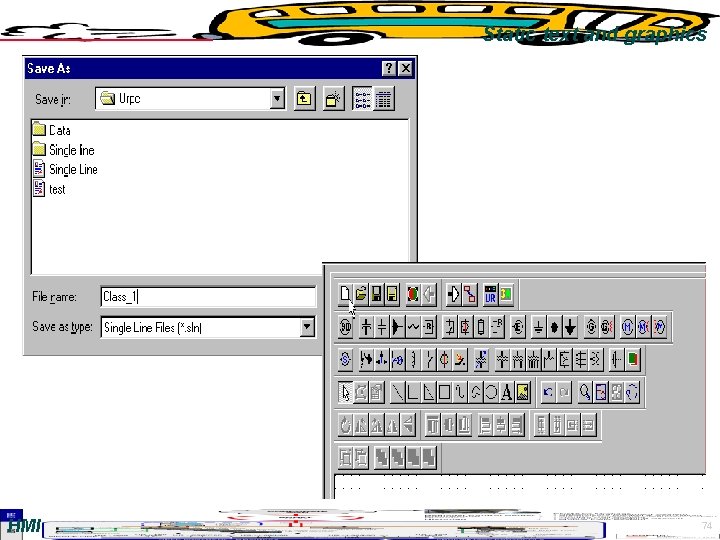
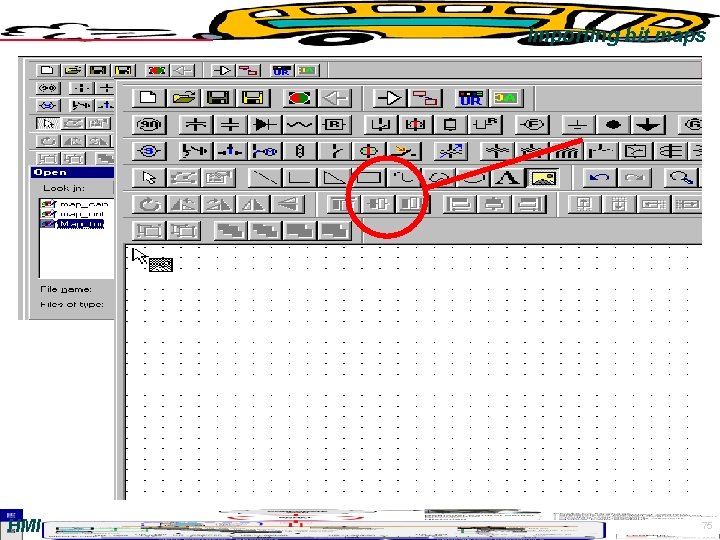
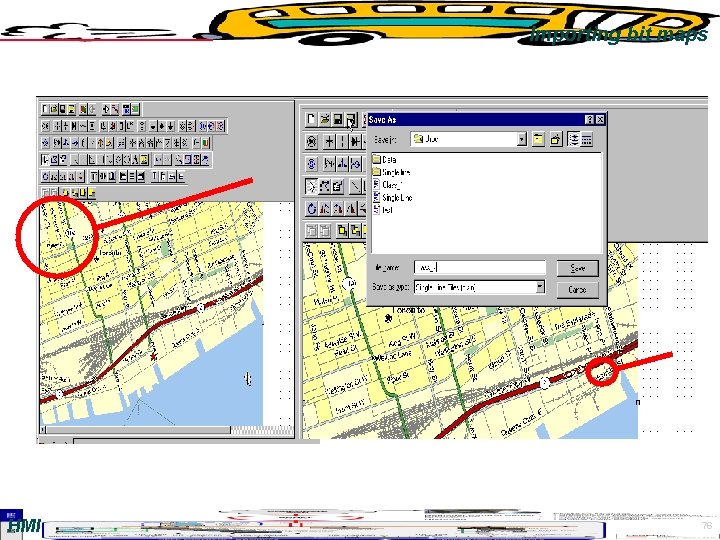
Universal Relay Human Machine Interface - HMI Demonstration: • Static Text and Graphics • Importing bit maps • Change screens • Analog signal monitoring • Push buttons • Lamps HMI 70
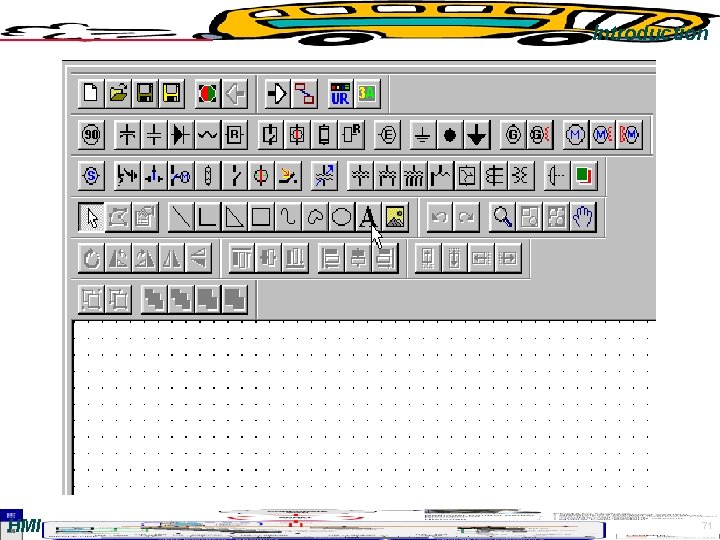
Introduction HMI 71
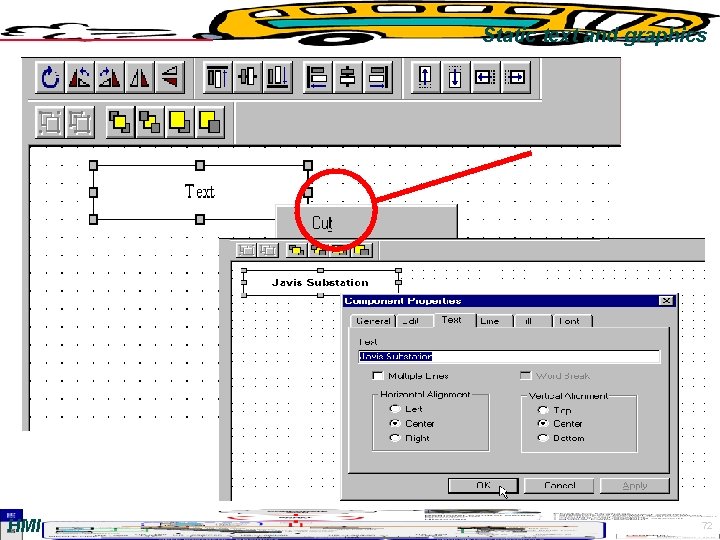
Static text and graphics HMI 72
Static text and graphics HMI 73
Static text and graphics HMI 74
Importing bit maps HMI 75
Importing bit maps HMI 76
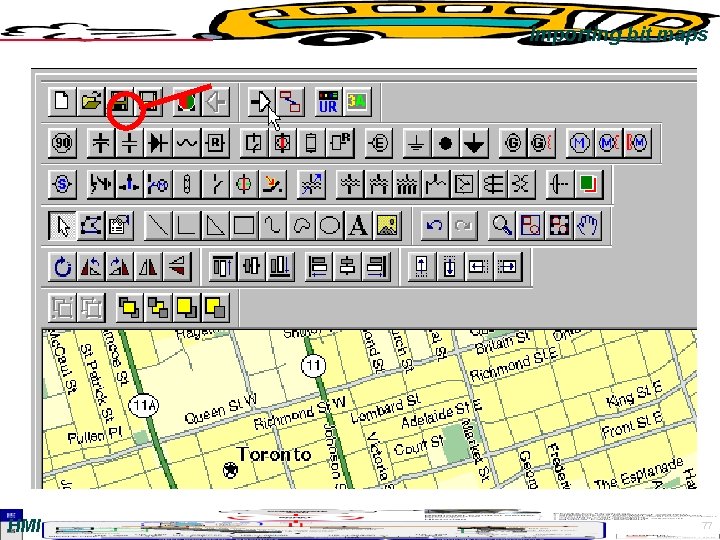
Importing bit maps HMI 77
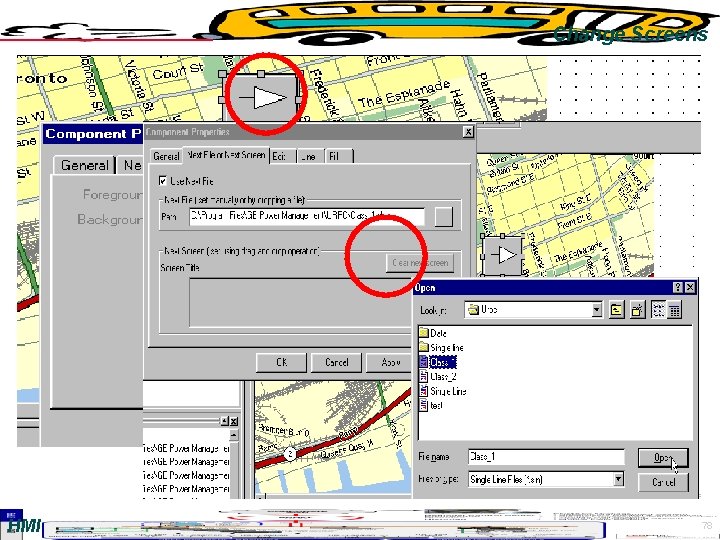
Change Screens HMI 78
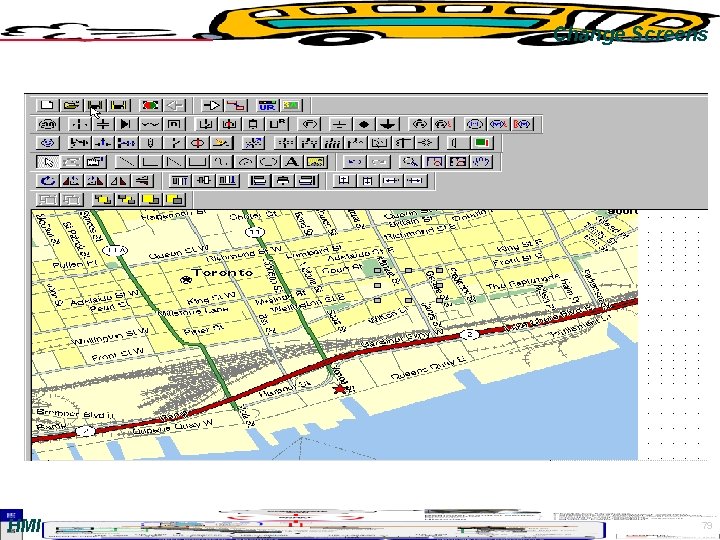
Change Screens HMI 79
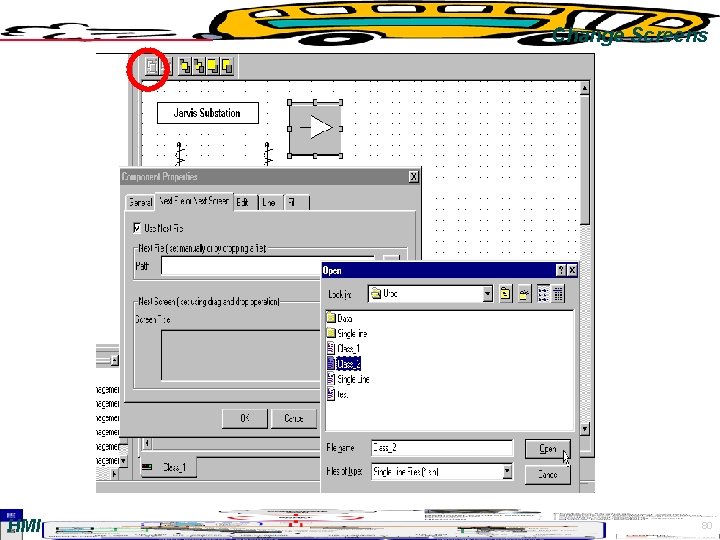
Change Screens HMI 80
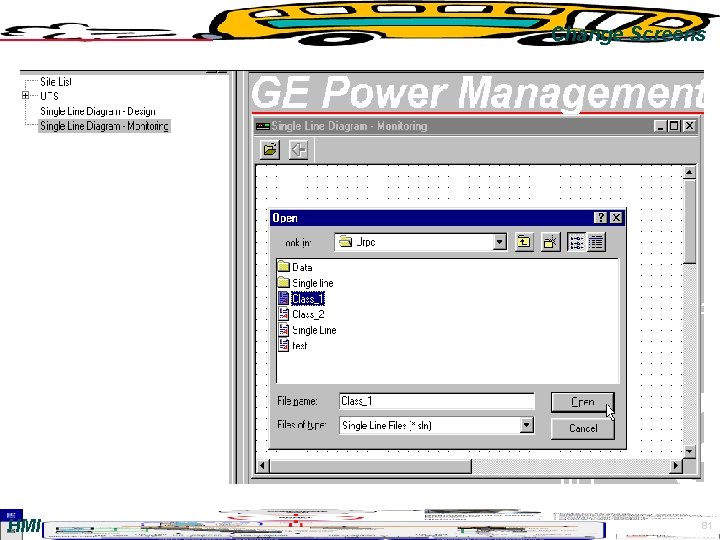
Change Screens HMI 81
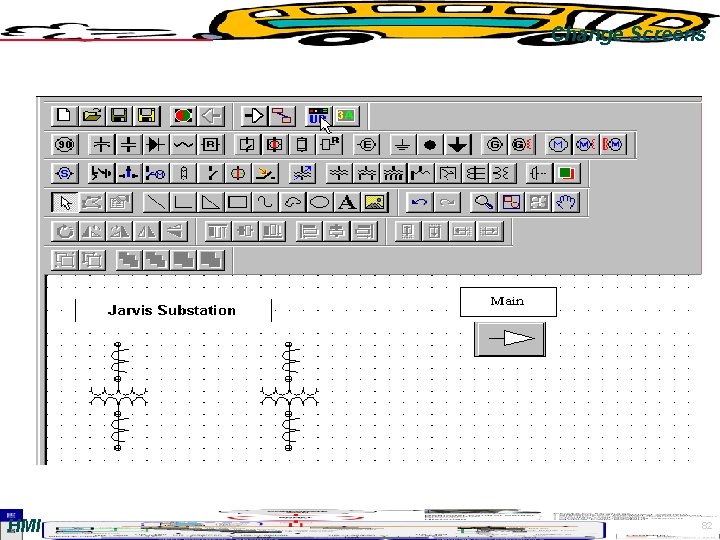
Change Screens HMI 82
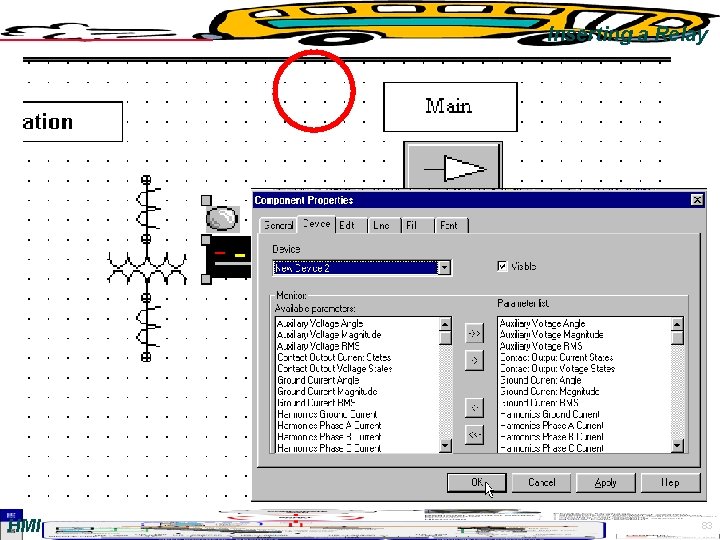
Inserting a Relay HMI 83
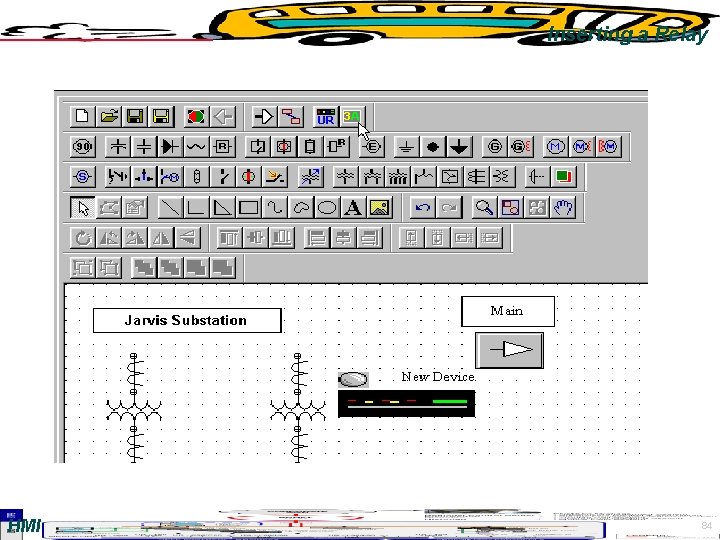
Inserting a Relay HMI 84
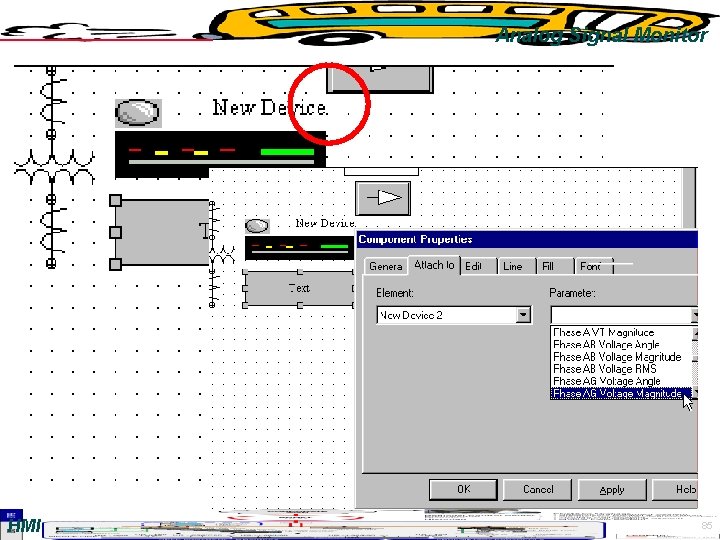
Analog Signal Monitor HMI 85
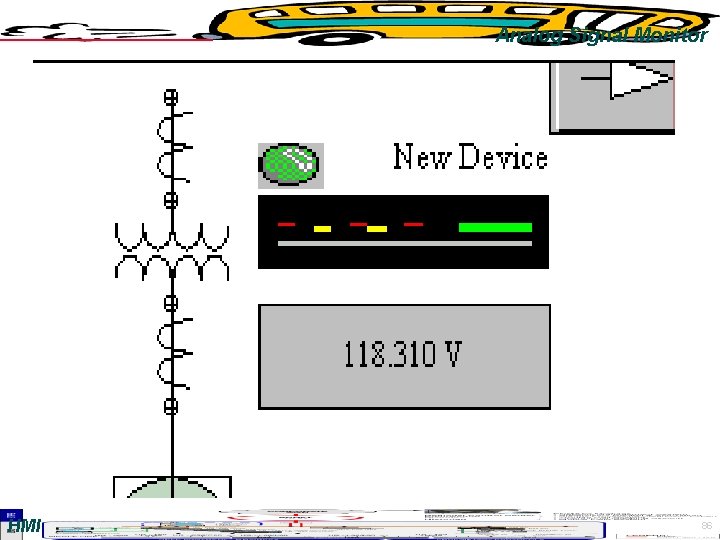
Analog Signal Monitor HMI 86
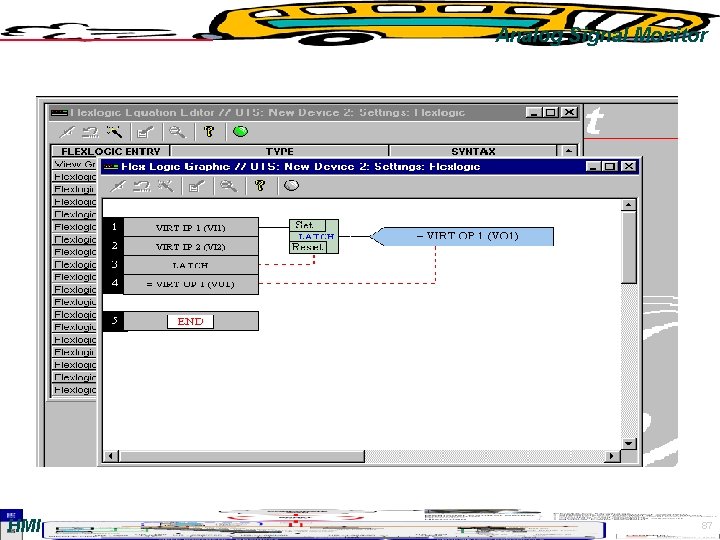
Analog Signal Monitor HMI 87
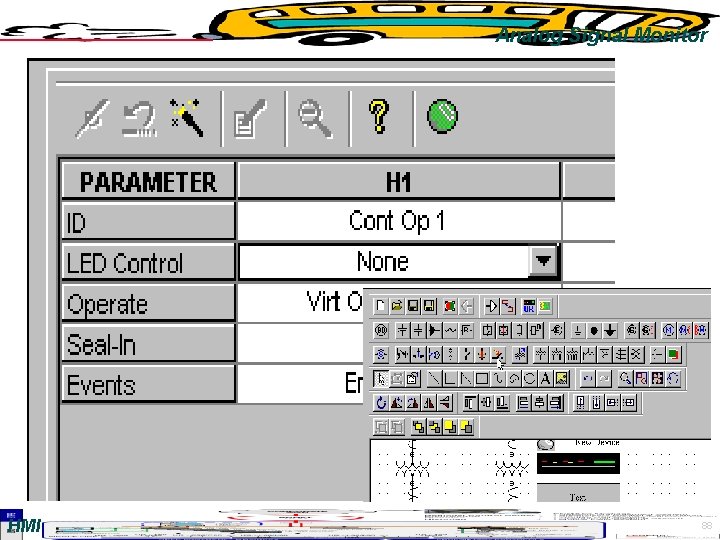
Analog Signal Monitor HMI 88
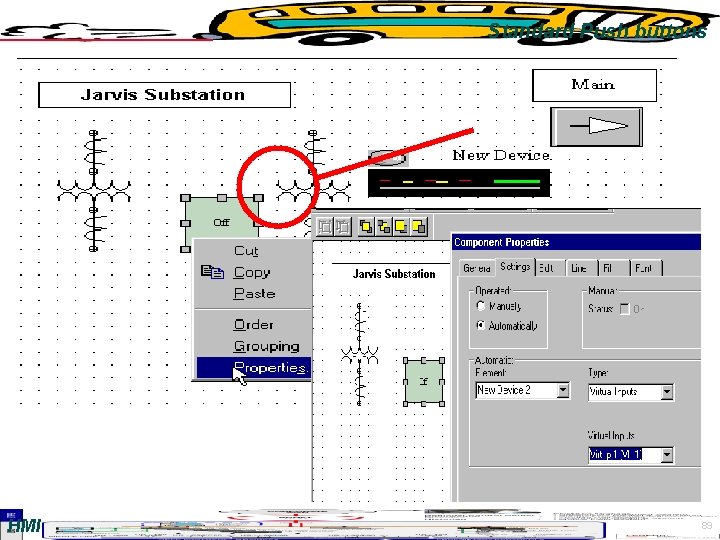
Standard Push buttons HMI 89
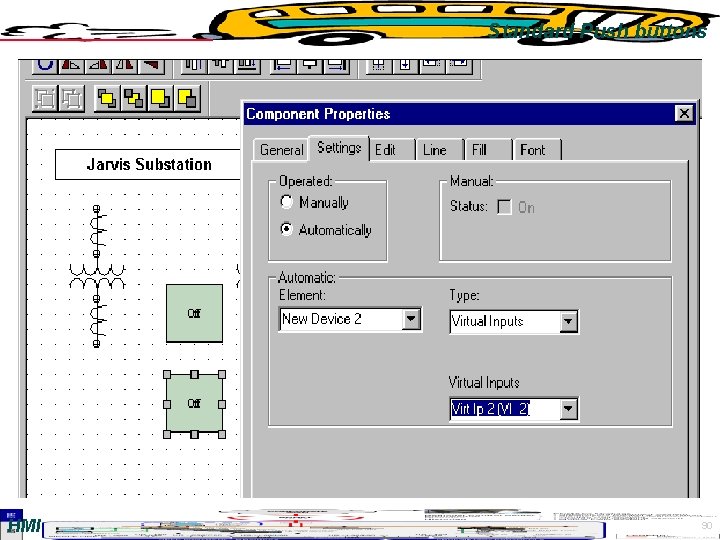
Standard Push buttons HMI 90
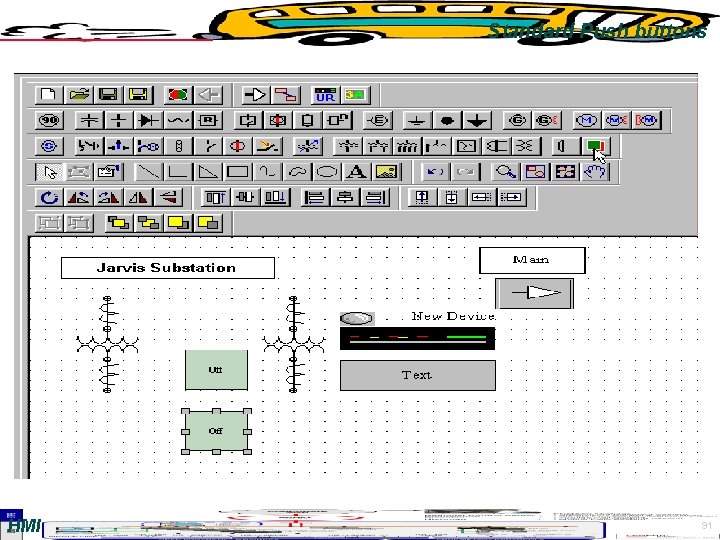
Standard Push buttons HMI 91
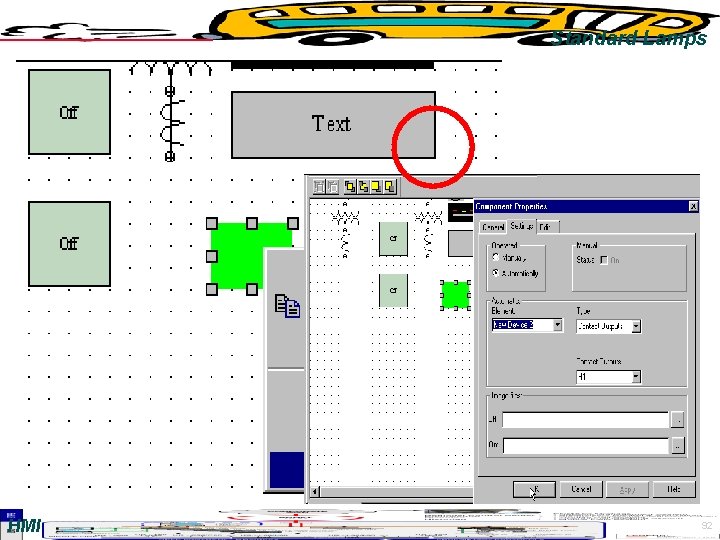
Standard Lamps HMI 92
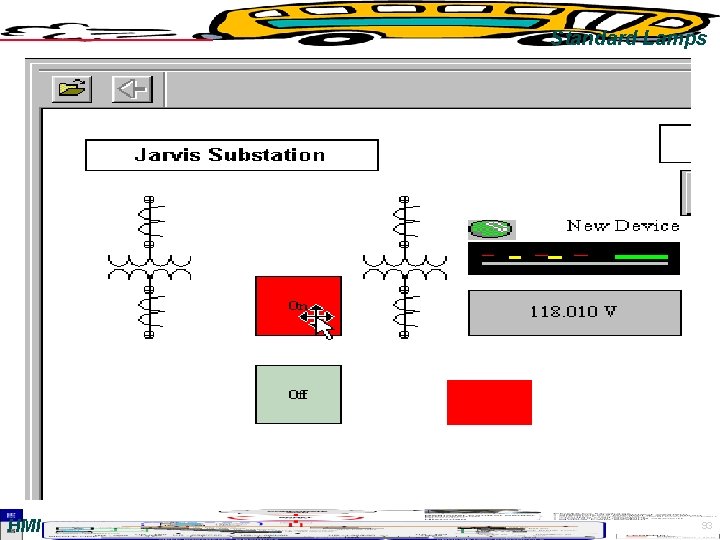
Standard Lamps HMI 93
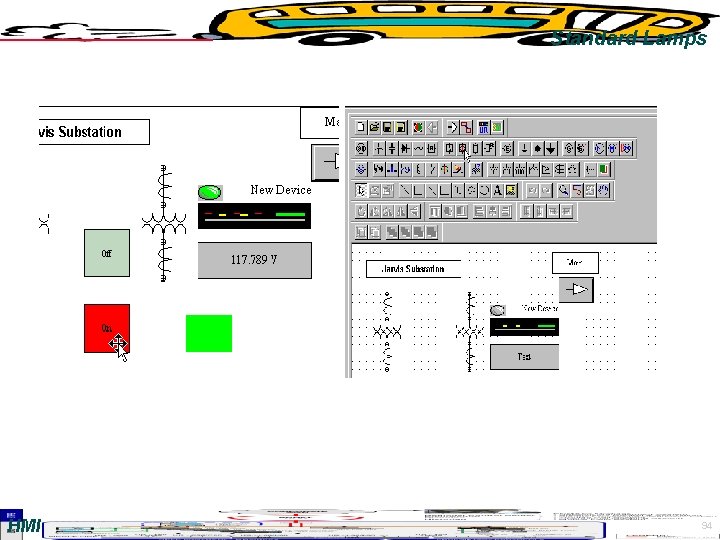
Standard Lamps HMI 94
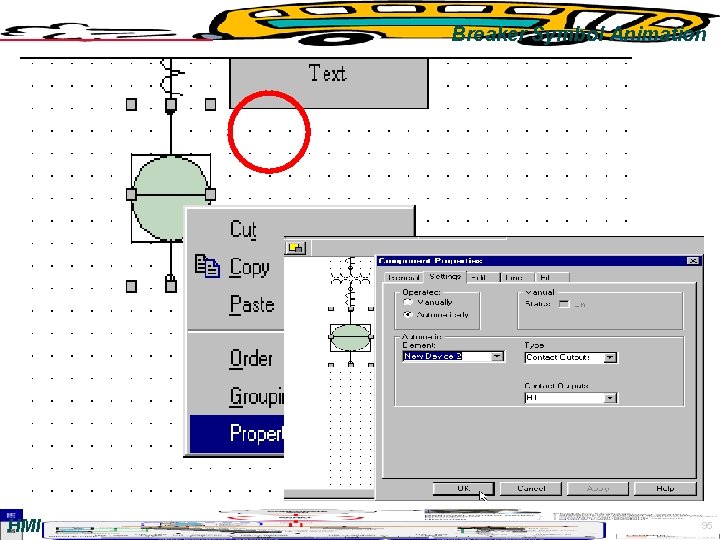
Breaker Symbol Animation HMI 95
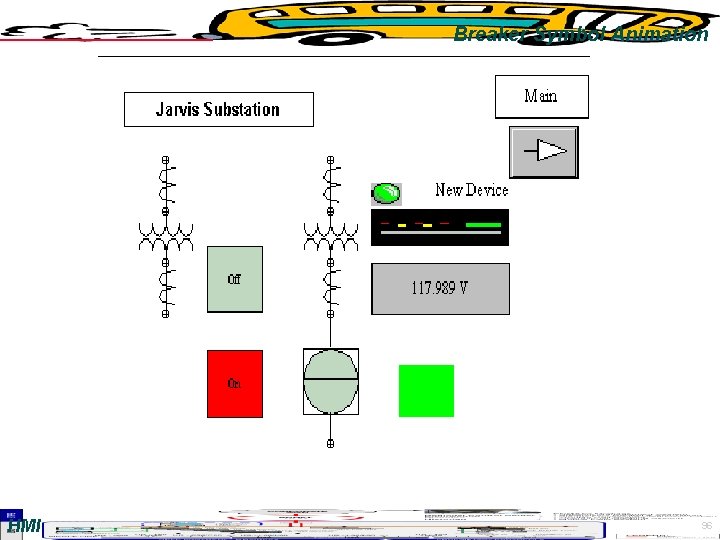
Breaker Symbol Animation HMI 96
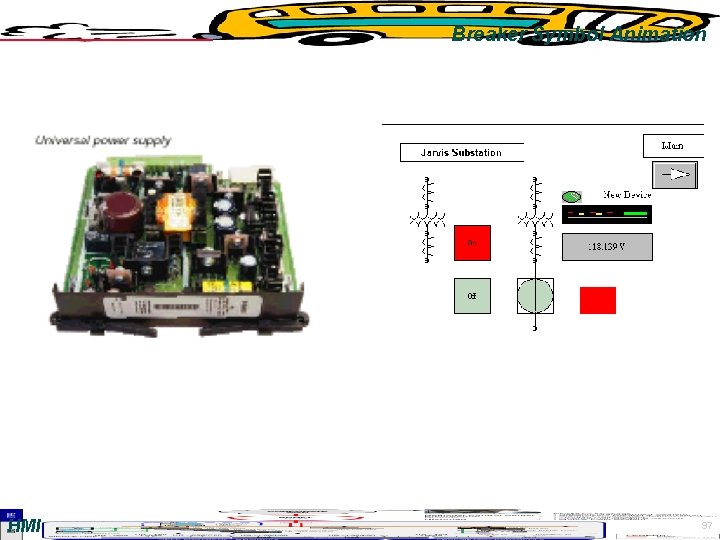
Breaker Symbol Animation HMI 97
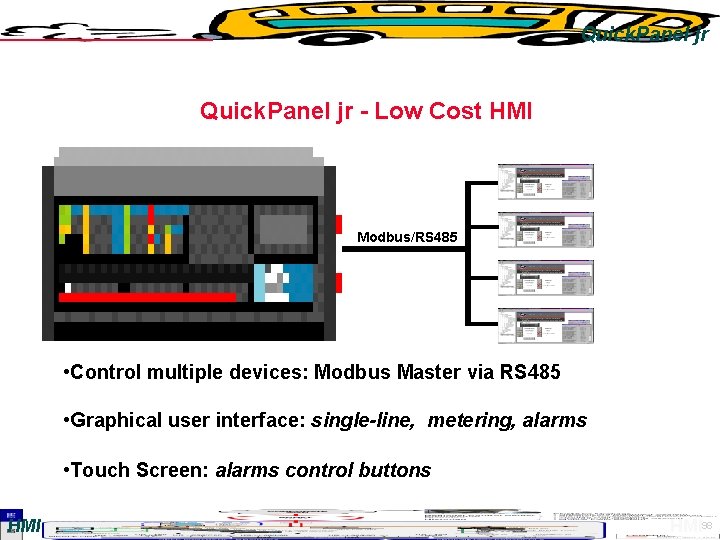
Quick. Panel jr - Low Cost HMI Modbus/RS 485 • Control multiple devices: Modbus Master via RS 485 • Graphical user interface: single-line, metering, alarms • Touch Screen: alarms control buttons HMI 98
Agenda Substation Automation > Requirements > Protective relay hardware > Protective relay logic engine > Relay to relay data communication > Local/Bay Control > WAN > SCADA 99
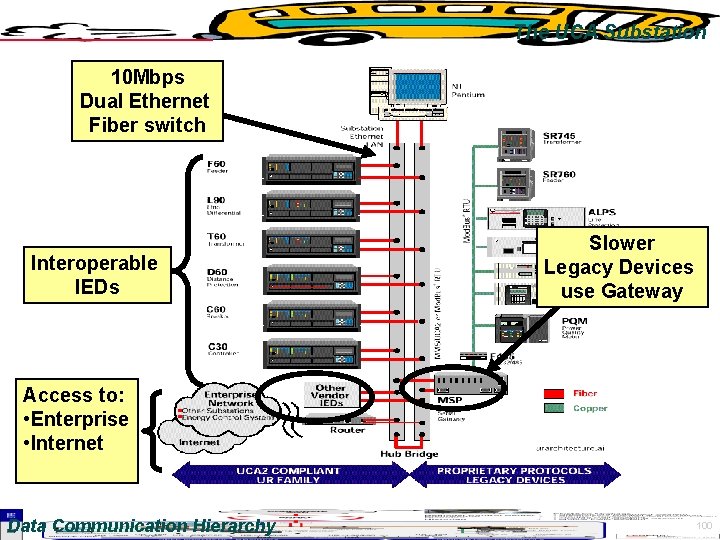
The UCA Substation 10 Mbps Dual Ethernet Fiber switch Interoperable IEDs Slower Legacy Devices use Gateway Access to: • Enterprise • Internet Data Communication Hierarchy 100
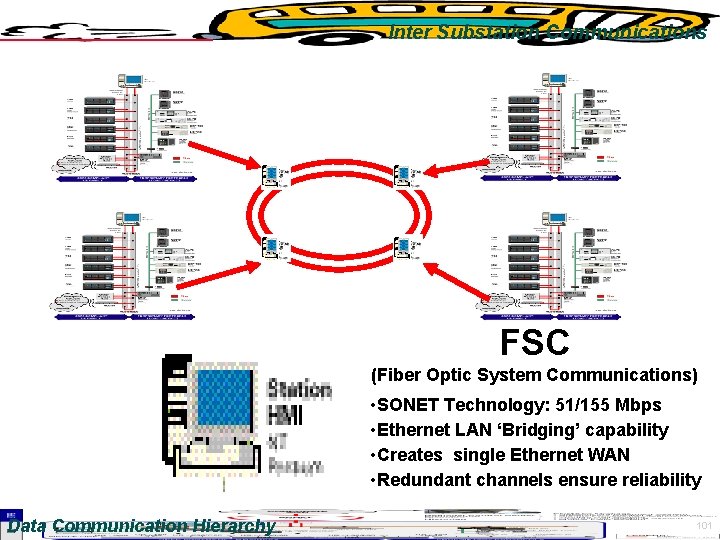
Inter Substation Communications FSC (Fiber Optic System Communications) • SONET Technology: 51/155 Mbps • Ethernet LAN ‘Bridging’ capability • Creates single Ethernet WAN • Redundant channels ensure reliability Data Communication Hierarchy 101
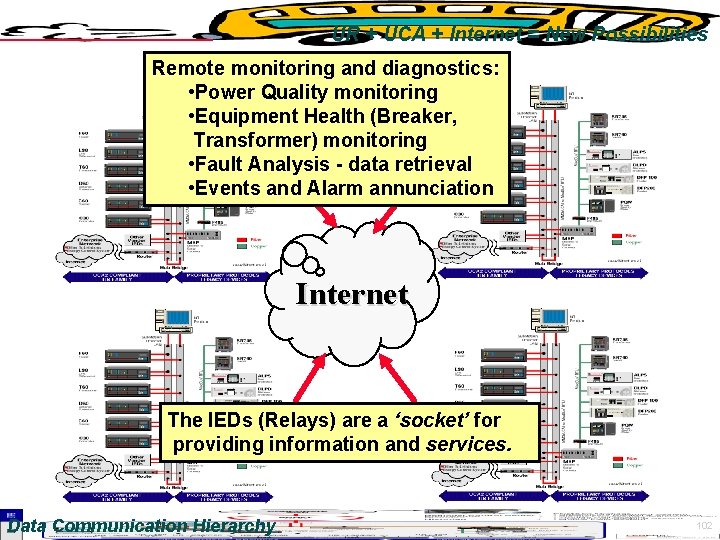
UR + UCA + Internet = New Possibilities Remote monitoring and diagnostics: • Power Quality monitoring • Equipment Health (Breaker, Transformer) monitoring • Fault Analysis - data retrieval • Events and Alarm annunciation Internet The IEDs (Relays) are a ‘socket’ for providing information and services. Data Communication Hierarchy 102
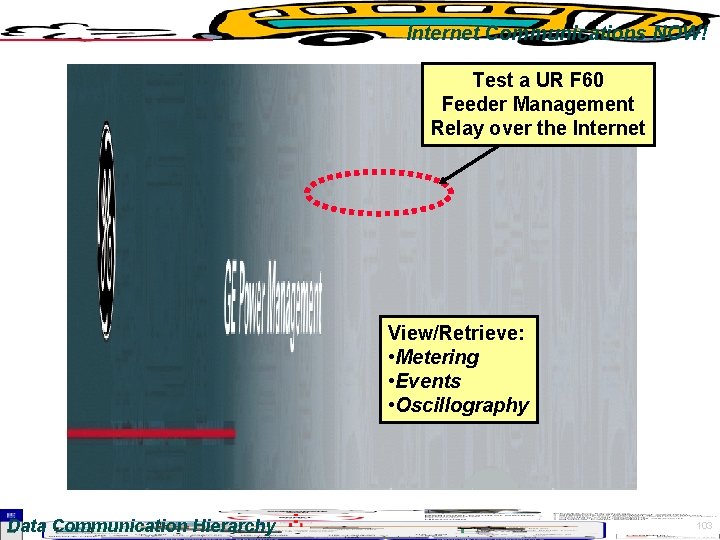
Internet Communications NOW! Test a UR F 60 Feeder Management Relay over the Internet View/Retrieve: • Metering • Events • Oscillography Data Communication Hierarchy 103
Agenda Substation Automation > Requirements > Protective relay hardware > Protective relay logic engine > Relay to relay data communication > Local/Bay Control > WAN > SCADA 104
GESA 2000 SCADA 105
Substation Automation System Solutions Why GE • A Complete System Solution Supplier • Power system consulting • Global Focus With Engineering And Field Support • Project management • Experience Over A Broad Range Of Industries • Startup and comissioning • A corporate commitment to six sigma quality • Financial Strength • Application design • Integration services • Project financing • Asset maintenance • Remote diagnostics Dedicated to bringing the best Automation solutions to our customers SCADA 107
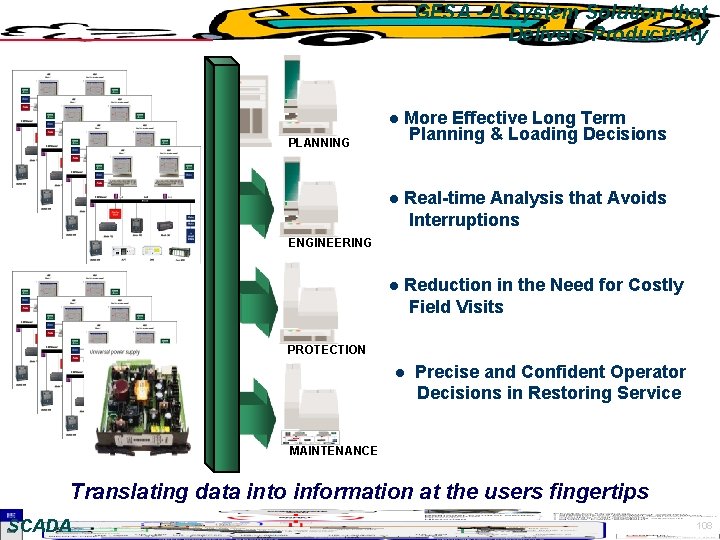
GESA - A System Solution that Delivers Productivity l More Effective Long Term Planning & Loading Decisions l Real-time Analysis that Avoids Interruptions l Reduction in the Need for Costly Field Visits PLANNING ENGINEERING PROTECTION l Precise and Confident Operator Decisions in Restoring Service MAINTENANCE Translating data into information at the users fingertips SCADA 108
The Challenge: Putting Information to Work Enterprise Operations • Fine-tune planning • Remote status & control • Streamline settlements • Analyze power quality • Budget accurately • Identify events, SOE • Asses cost of service • Receive fault records • Allocate capacity • Target maintenance • Faster service response • Monitor loading trends “On-Line Information”: Your key competitive advantage SCADA 109
GESA 2000 The competitive solution l l l l Sub-second response for Ethernet connected devices Dual master redundancy with automatic system control transfer Automatic interleaving of events and metering values Ethernet substation UCA 2. 0 LAN Peer to peer communications Remote view nodes and web browser compatible HMI Interface Automatic oscillography upload Object oriented system tools for reliable, low cost reconfiguration Real-time system status and control execution Maximize your Competitive Edge SCADA 110
GESA 2000 Three powerful dimensions to a complete Substation Automation Solution: • Proven, “off the shelf” components that integrate today’s IEDs • Ethernet for data transport in the substation and to remote sites • Pre-engineered software, application tools and device interfaces SCADA 111
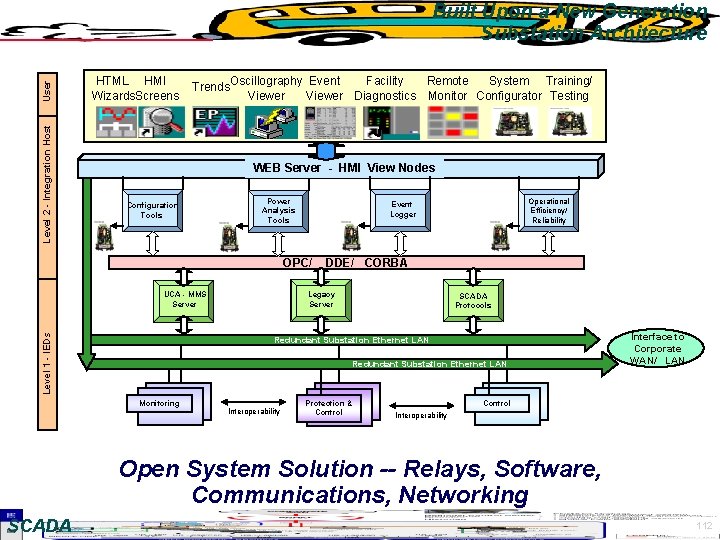
Built Upon a New Generation Substation Architecture Level 2 - Integration Host User HTML HMI Wizards. Screens Facility Remote System Training/ Trends Oscillography Event Viewer Diagnostics Monitor Configurator Testing WEB Server - HMI View Nodes Power Analysis Tools UCA - MMS Server Operational Efficiency/ Reliability Event Logger OPC/ Level 1 - IEDs HTML Graphics Configuration Tools DDE/ CORBA Legacy Server SCADA Protocols Redundant Substation Ethernet LAN Monitoring Interoperability Protection & Control Interface to Corporate WAN/ LAN Control Interoperability Open System Solution -- Relays, Software, Communications, Networking SCADA 112
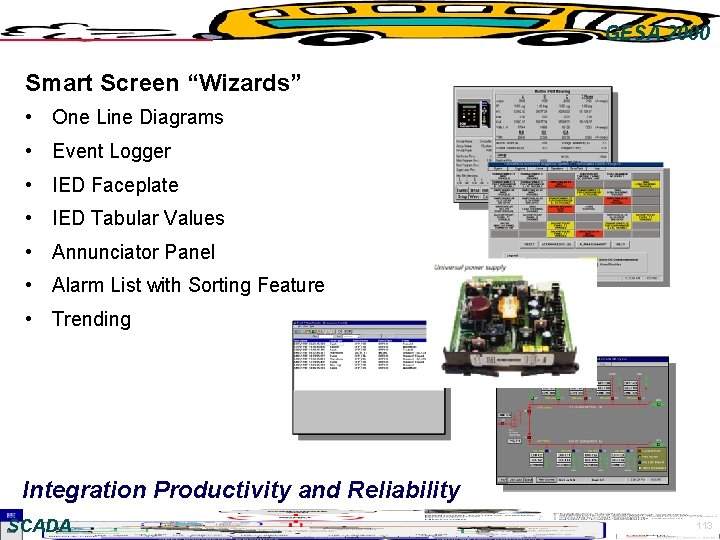
GESA 2000 Smart Screen “Wizards” • One Line Diagrams • Event Logger • IED Faceplate • IED Tabular Values • Annunciator Panel • Alarm List with Sorting Feature • Trending Integration Productivity and Reliability SCADA 113
GESA 2000 Sequence of Event Log Monitors and records all system event characteristics • Time stamped to nearest milli-second • Synchronizable to GPS via IRIG-B • Automatic retrieval from IED to Host • Storage on host disk • Automatically forward to operations PC • Data sort capability included: – Standard filters • Time • Device Type • Alarm Condition – Custom filters per your needs SCADA 114
Alarm Annunciator Panel • Configurable alarm conditions – Any present value can drive an alarm – Set range of operation • Failure Alarms – Equipment generated – System generated – Grouped per IED • Remote Communication of Critical Alarms SCADA 115
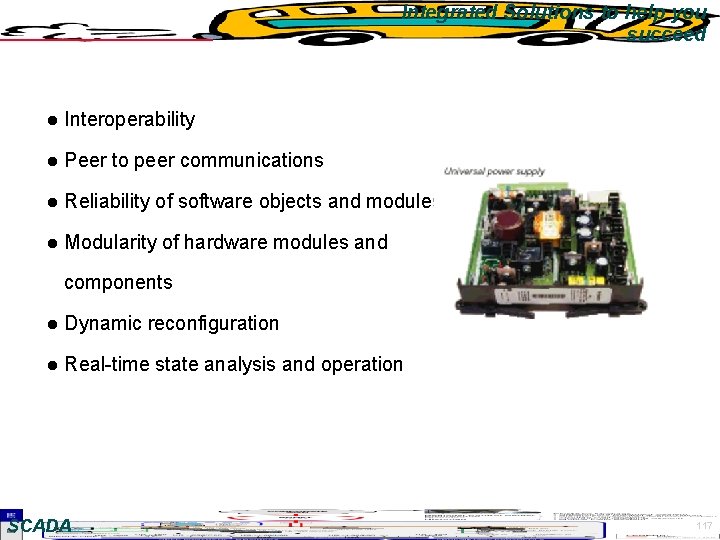
Integrated Solutions to help you succeed l Interoperability l Peer to peer communications l Reliability of software objects and modules l Modularity of hardware modules and components l Dynamic reconfiguration l Real-time state analysis and operation SCADA 117
W o r l d w i d e Experience SUBSTATION AUTOMATION INSTALATIONS AROUND THE WORLD North America Con. Ed PSE&G PECO Salt River Europe & Africa ERZ SCADA South America Electroperu Inepar Electronorte EDENOR Rio Light Furnas Asia Pacific Aliu Zhou Zhe Zhang Guang Xi 118
Critical to Quality Metrics What our Customers Require: That GE is Committed to Deliver • Access to system application experts -before, during and after a sale • Open architecture solutions, built on industry standards - future upgrade path • Thorough specification of the system to be delivered - fully understood by the user • Deliver and commission on schedule; within budget - supplier and customer • Effective operator training - establishing basic user competency • Return on investment - work together to obtain the expected benefits Customer Focused SCADA 119
Ordering On-line SCADA 120
- Slides: 118