
George Grosz nascido Georg Ehrenfried Gross em Berlim
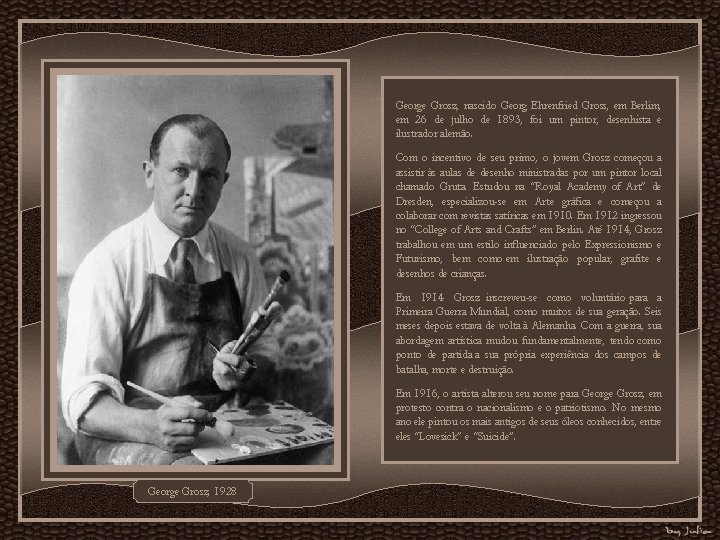
George Grosz, nascido Georg Ehrenfried Gross, em Berlim, em 26 de julho de 1893, foi um pintor, desenhista e ilustrador alemão. Com o incentivo de seu primo, o jovem Grosz começou a assistir às aulas de desenho ministradas por um pintor local chamado Gruta. Estudou na “Royal Academy of Art” de Dresden, especializou-se em Arte gráfica e começou a colaborar com revistas satíricas em 1910. Em 1912 ingressou no “College of Arts and Crafts” em Berlin. Até 1914, Grosz trabalhou em um estilo influenciado pelo Expressionismo e Futurismo, bem como em ilustração popular, grafite e desenhos de crianças. Em 1914 Grosz inscreveu-se como voluntário para a Primeira Guerra Mundial, como muitos de sua geração. Seis meses depois estava de volta à Alemanha. Com a guerra, sua abordagem artística mudou fundamentalmente, tendo como ponto de partida a sua própria experiência dos campos de batalha, morte e destruição. Em 1916, o artista alterou seu nome para George Grosz, em protesto contra o nacionalismo e o patriotismo. No mesmo ano ele pintou os mais antigos de seus óleos conhecidos, entre eles “Lovesick” e “Suicide”. George Grosz, 1928
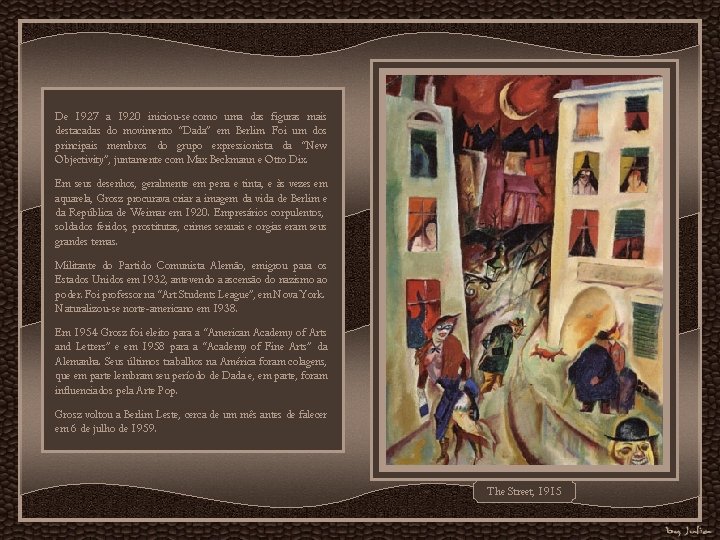
De 1927 a 1920 iniciou-se como uma das figuras mais destacadas do movimento “Dada” em Berlim. Foi um dos principais membros do grupo expressionista da “New Objectivity”, juntamente com Max Beckmann e Otto Dix. Em seus desenhos, geralmente em pena e tinta, e às vezes em aquarela, Grosz procurava criar a imagem da vida de Berlim e da República de Weimar em 1920. Empresários corpulentos, soldados feridos, prostitutas, crimes sexuais e orgias eram seus grandes temas. Militante do Partido Comunista Alemão, emigrou para os Estados Unidos em 1932, antevendo a ascensão do nazismo ao poder. Foi professor na “Art Students League”, em Nova York. Naturalizou-se norte-americano em 1938. Em 1954 Grosz foi eleito para a “American Academy of Arts and Letters” e em 1958 para a “Academy of Fine Arts” da Alemanha. Seus últimos trabalhos na América foram colagens, que em parte lembram seu período de Dada e, em parte, foram influenciados pela Arte Pop. Grosz voltou a Berlim Leste, cerca de um mês antes de falecer em 6 de julho de 1959. The Street, 1915
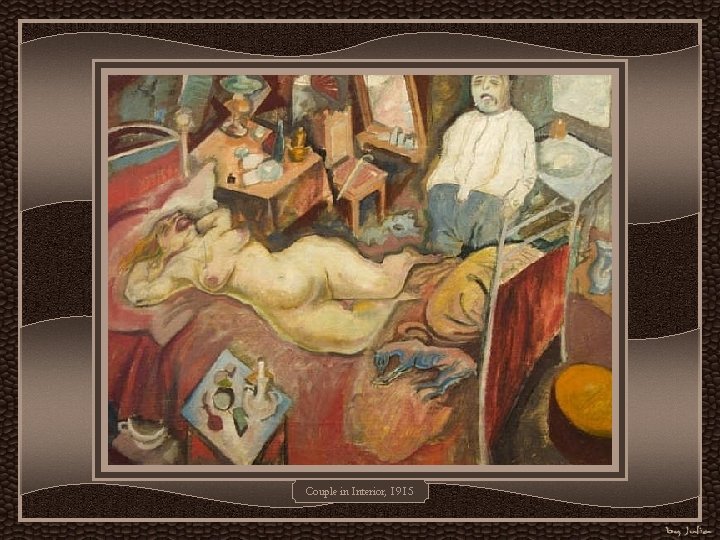
Couple in Interior, 1915
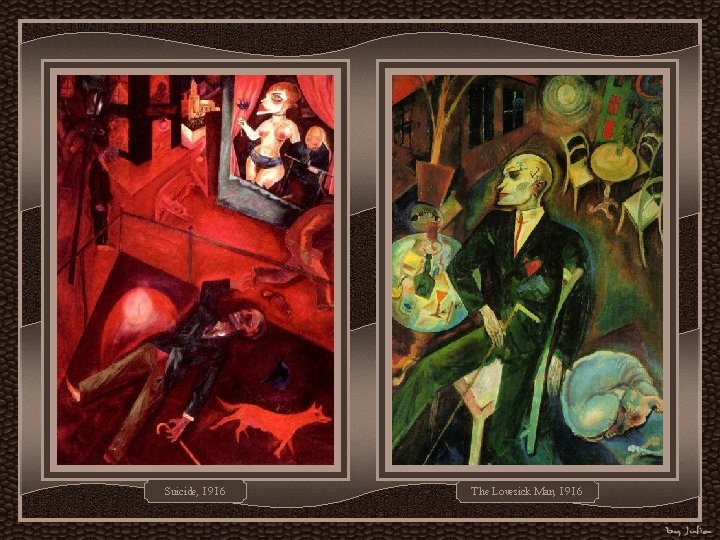
Suicide, 1916 The Lovesick Man, 1916
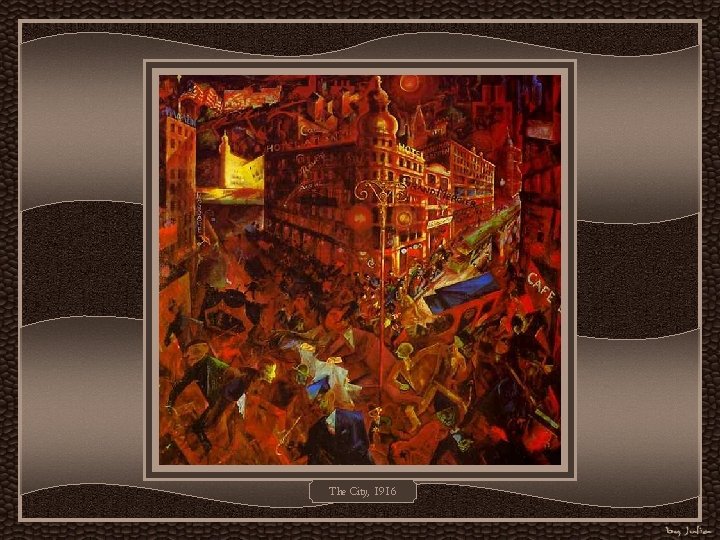
The City, 1916
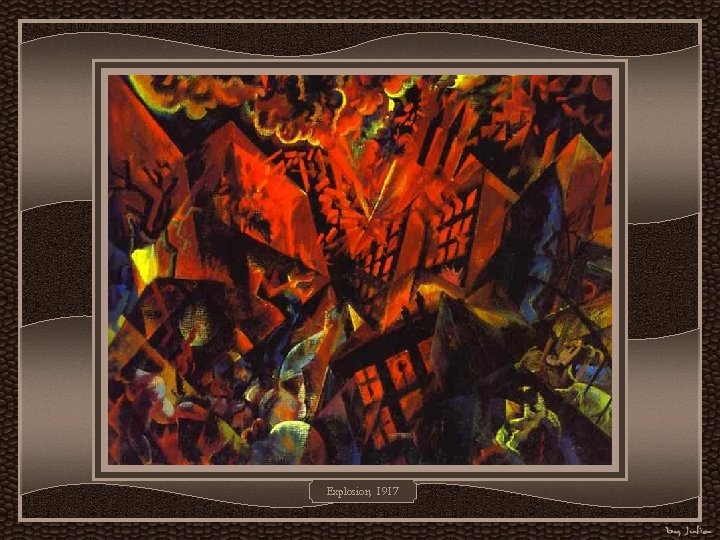
Explosion, 1917
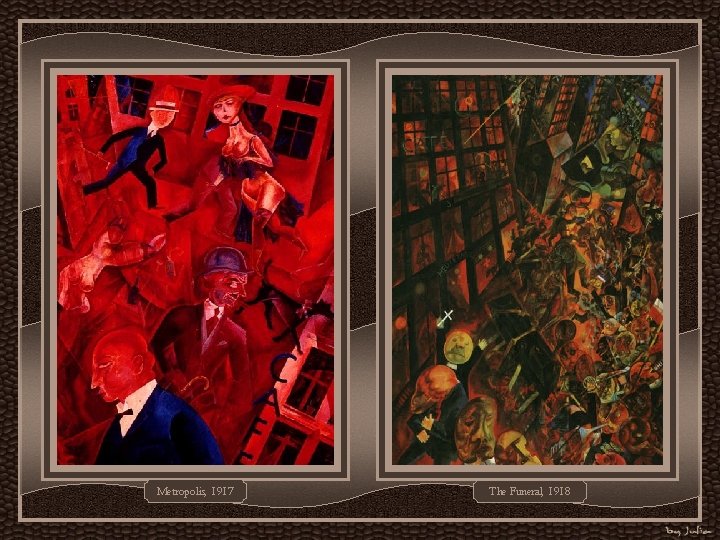
Metropolis, 1917 The Funeral, 1918
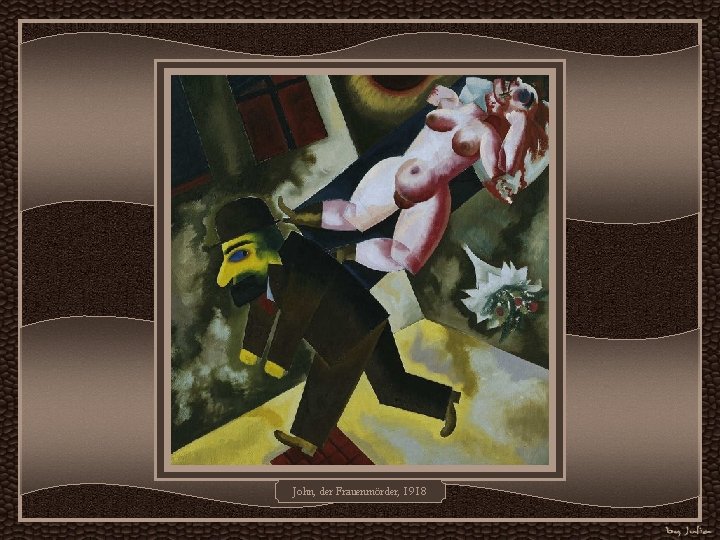
John, der Frauenmörder, 1918
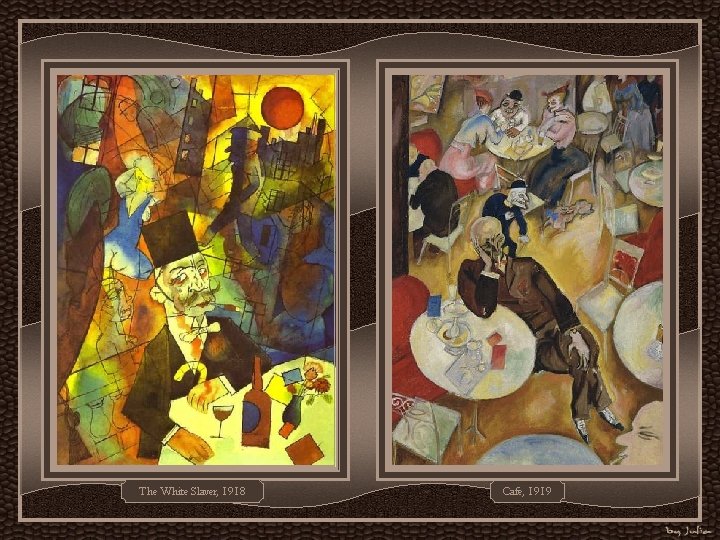
The White Slaver, 1918 Cafe, 1919
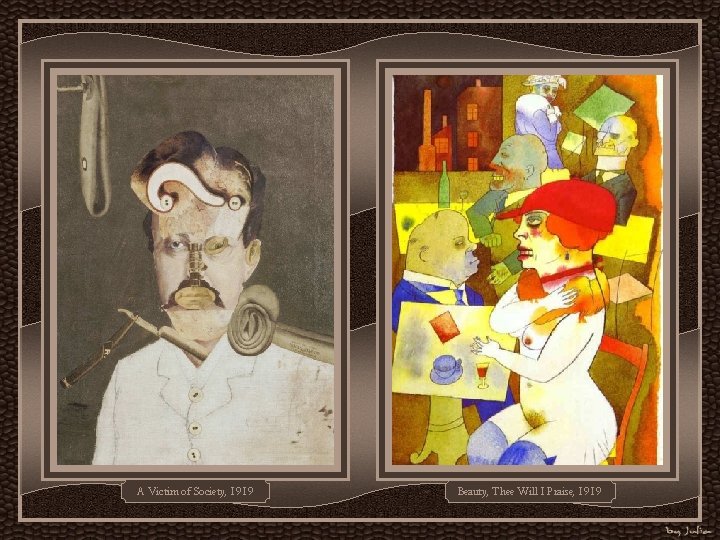
A Victim of Society, 1919 Beauty, Thee Will I Praise, 1919
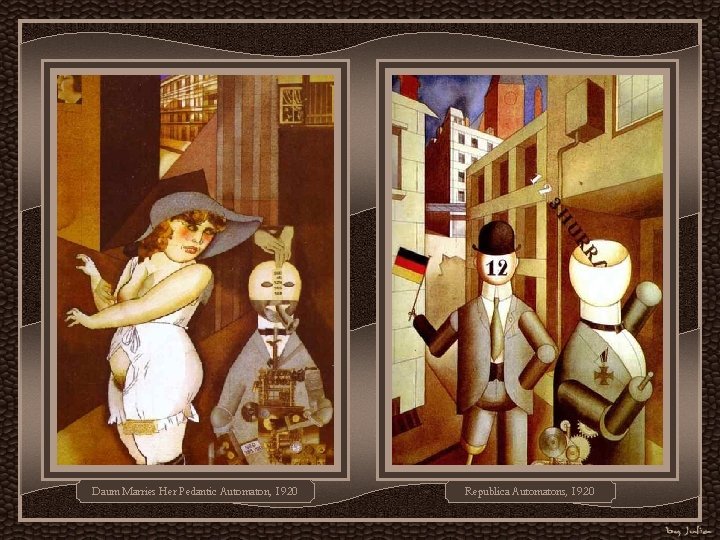
Daum Marries Her Pedantic Automaton, 1920 Republica Automatons, 1920
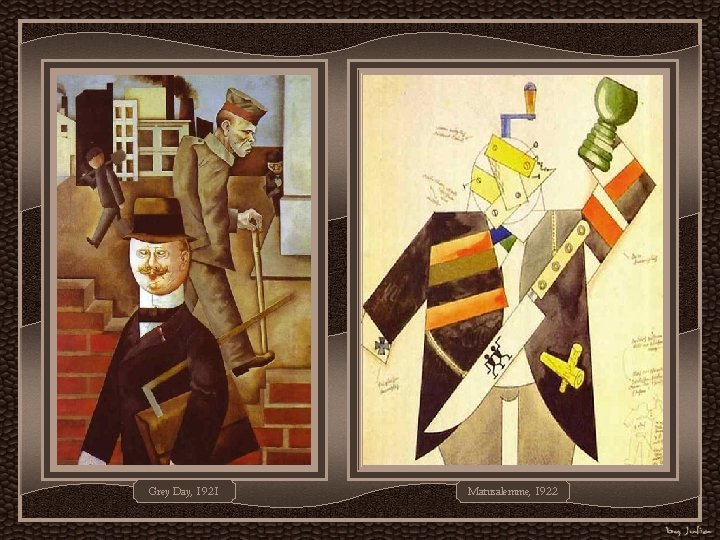
Grey Day, 1921 Matusalemme, 1922
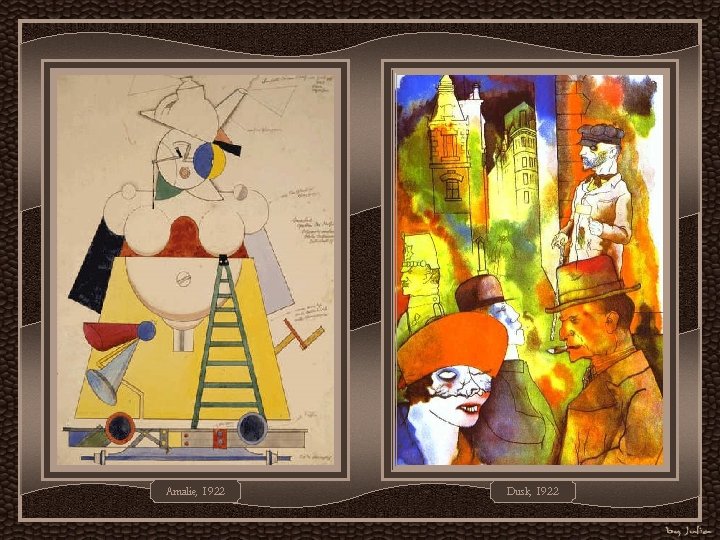
Amalie, 1922 Dusk, 1922
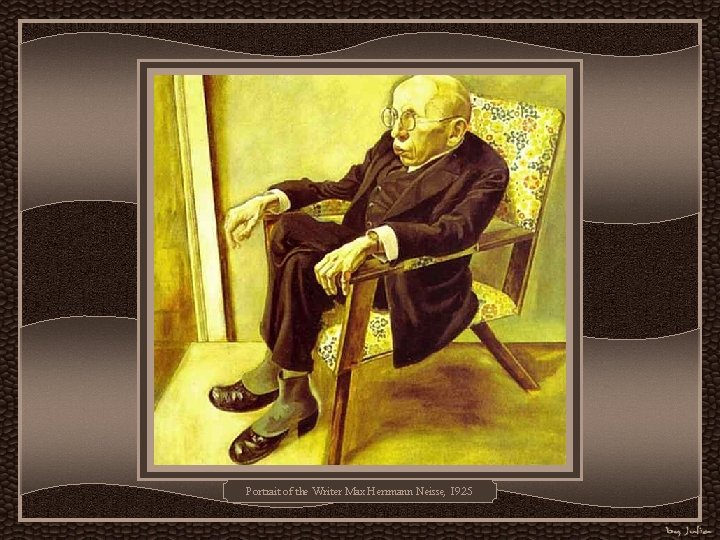
Portrait of the Writer Max Herrmann Neisse, 1925
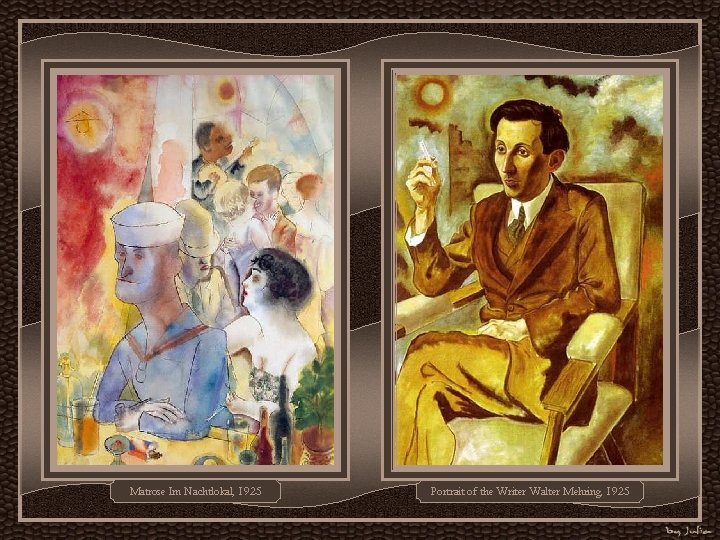
Matrose Im Nachtlokal, 1925 Portrait of the Writer Walter Mehring, 1925
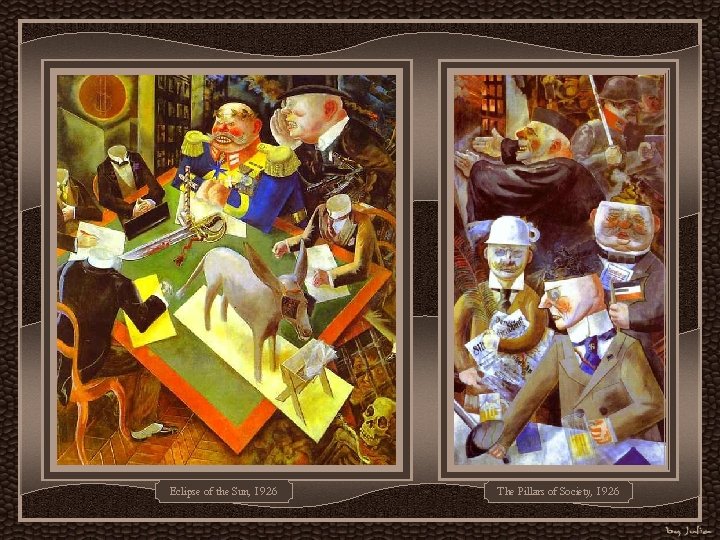
Eclipse of the Sun, 1926 The Pillars of Society, 1926
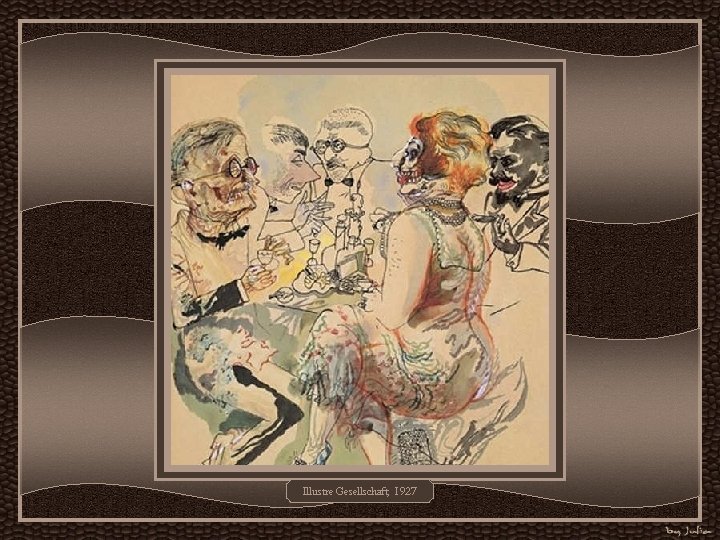
Illustre Gesellschaft, 1927
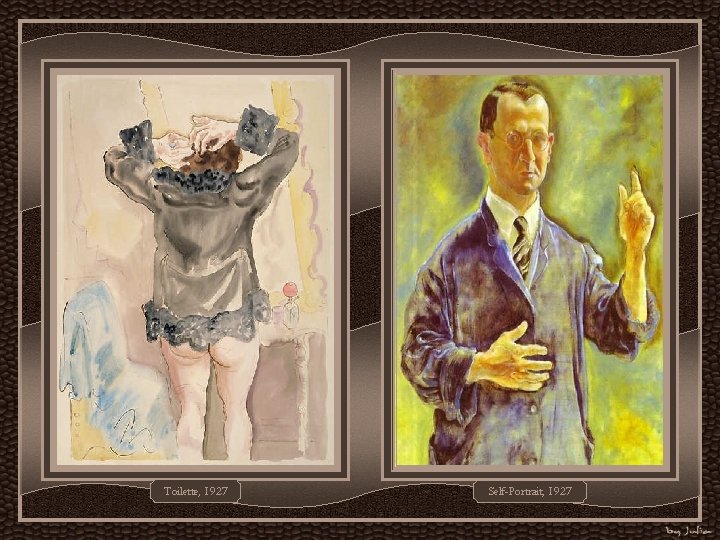
Toilette, 1927 Self-Portrait, 1927
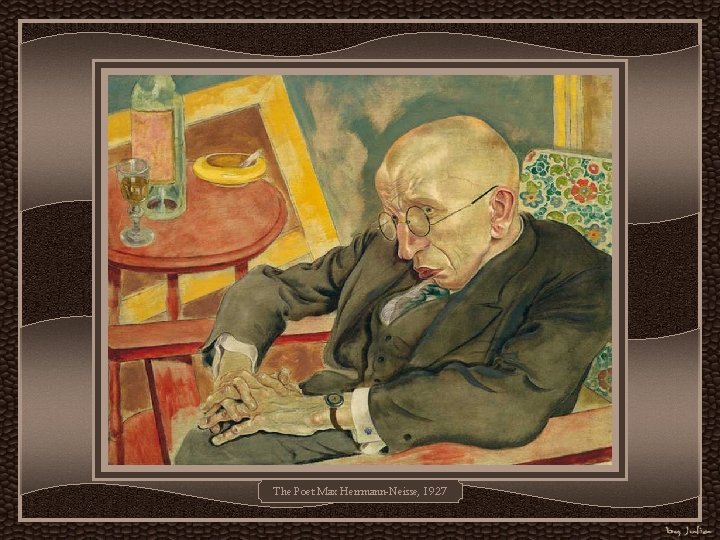
The Poet Max Herrmann-Neisse, 1927
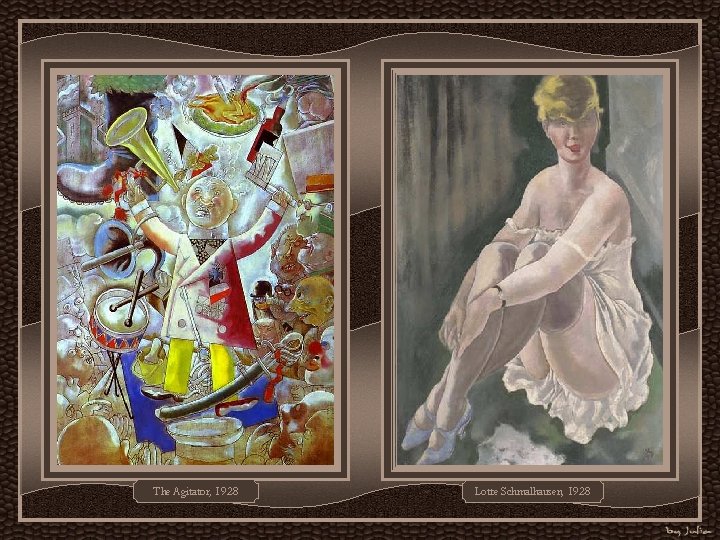
The Agitator, 1928 Lotte Schmalhausen, 1928
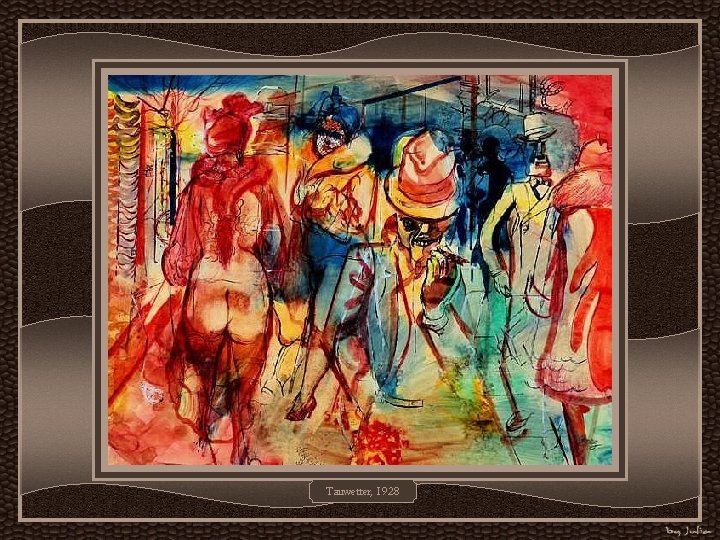
Tauwetter, 1928
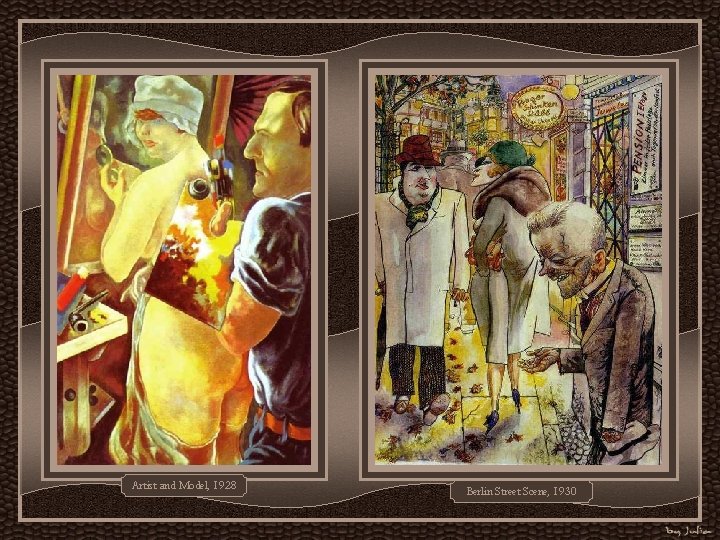
Artist and Model, 1928 Berlin Street Scene, 1930
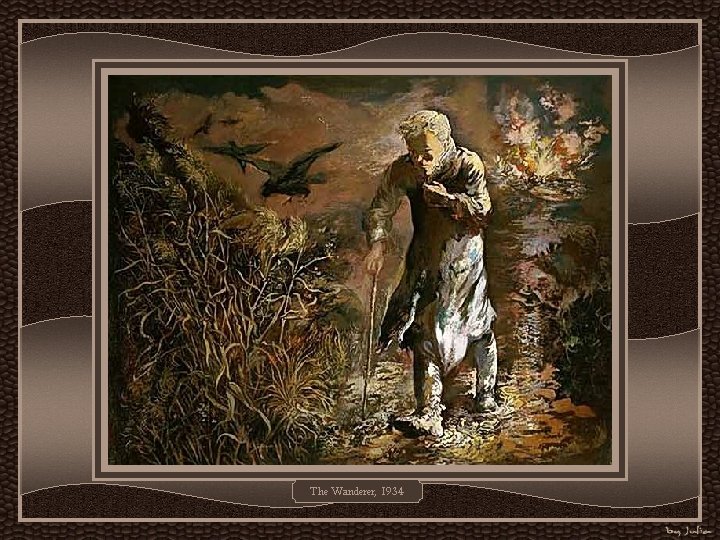
The Wanderer, 1934
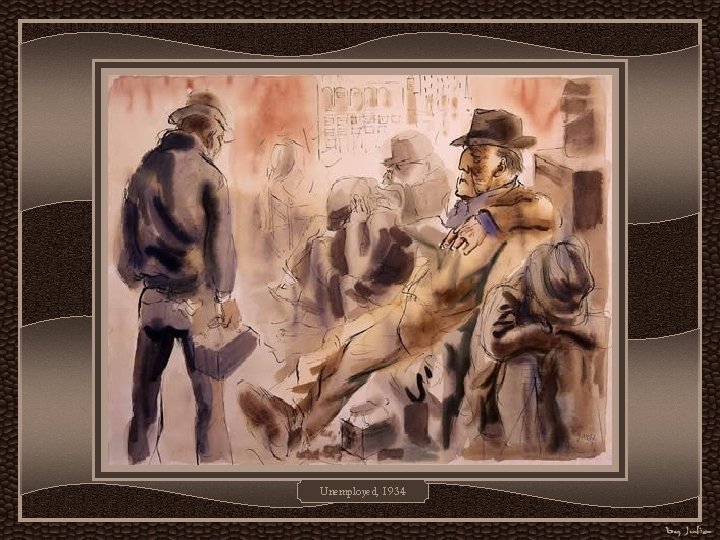
Unemployed, 1934
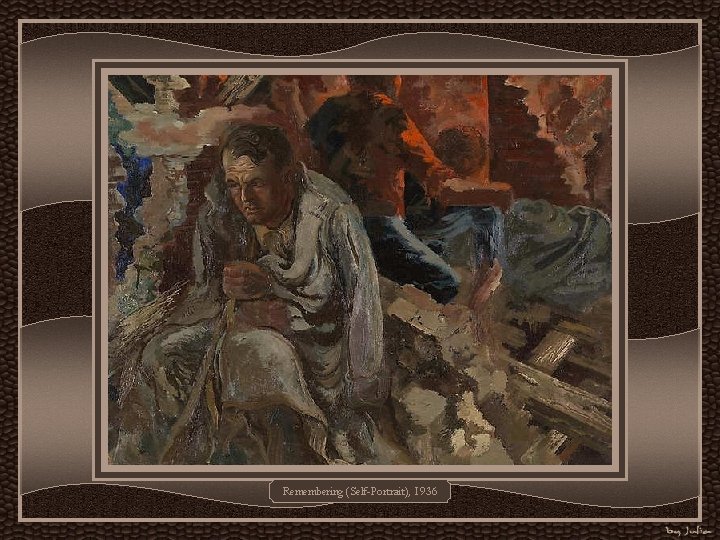
Remembering (Self-Portrait), 1936
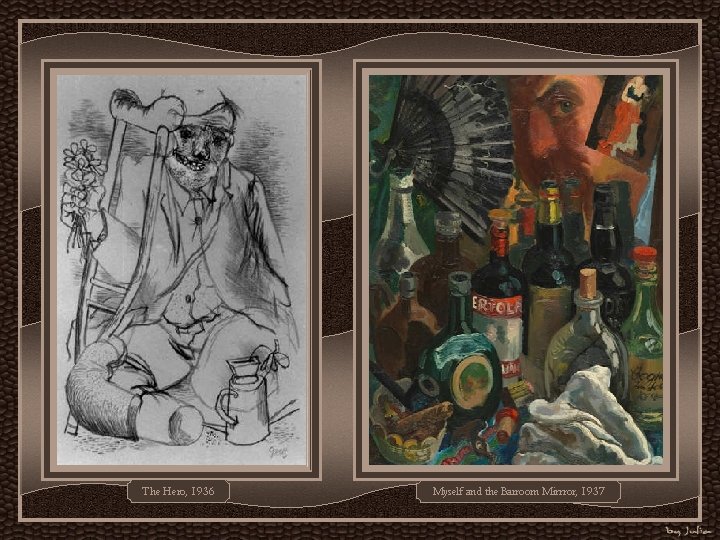
The Hero, 1936 Myself and the Barroom Mirrror, 1937
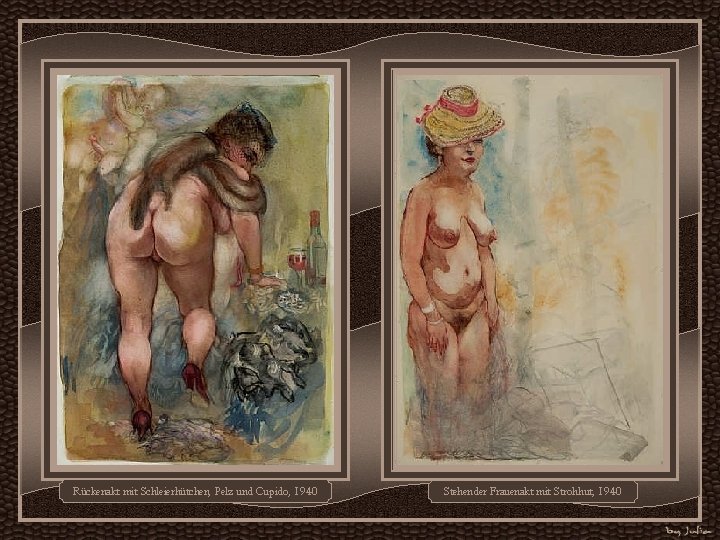
Rückenakt mit Schleierhütchen, Pelz und Cupido, 1940 Stehender Frauenakt mit Strohhut, 1940
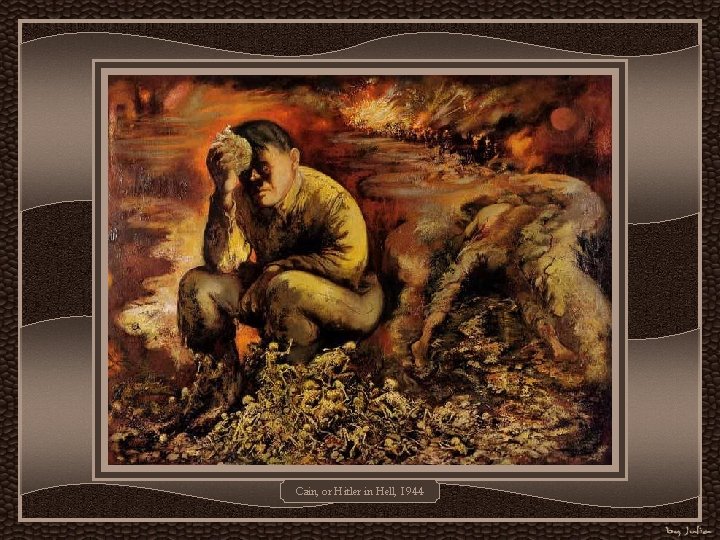
Cain, or Hitler in Hell, 1944
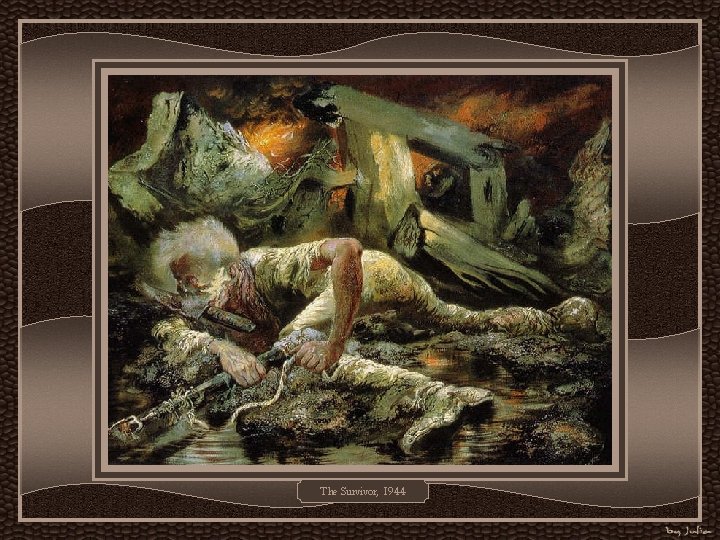
The Survivor, 1944
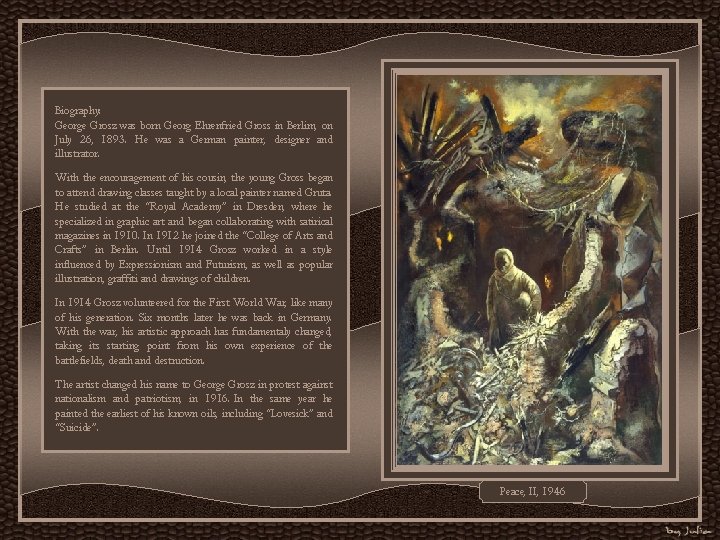
Biography: George Grosz was born Georg Ehrenfried Gross in Berlim, on July 26, 1893. He was a German painter, designer and illustrator. With the encouragement of his cousin, the young Gross began to attend drawing classes taught by a local painter named Gruta. He studied at the “Royal Academy” in Dresden, where he specialized in graphic art and began collaborating with satirical magazines in 1910. In 1912 he joined the “College of Arts and Crafts” in Berlin. Until 1914 Grosz worked in a style influenced by Expressionism and Futurism, as well as popular illustration, graffiti and drawings of children. In 1914 Grosz volunteered for the First World War, like many of his generation. Six months later he was back in Germany. With the war, his artistic approach has fundamentaly changed, taking its starting point from his own experience of the battlefields, death and destruction. The artist changed his name to George Grosz in protest against nationalism and patriotism, in 1916. In the same year he painted the earliest of his known oils, including “Lovesick” and “Suicide”. Peace, II, 1946
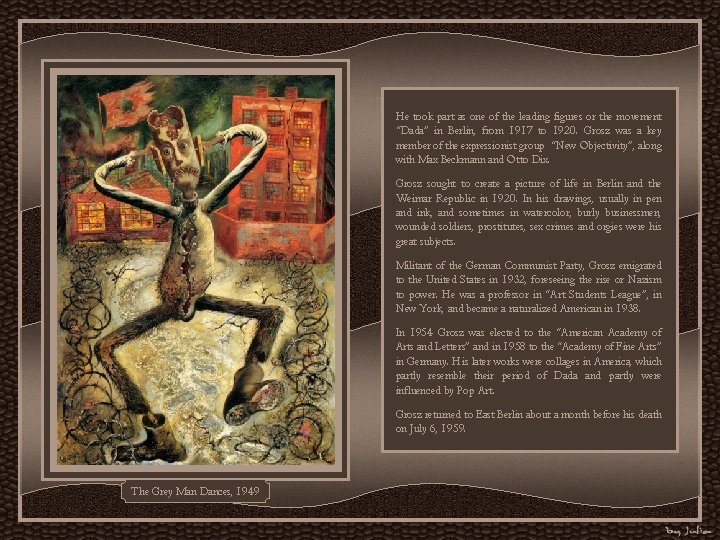
He took part as one of the leading figures or the movement “Dada” in Berlin, from 1917 to 1920. Grosz was a key member of the expressionist group “New Objectivity”, along with Max Beckmann and Otto Dix. Grosz sought to create a picture of life in Berlin and the Weimar Republic in 1920. In his drawings, usually in pen and ink, and sometimes in watercolor, burly businessmen, wounded soldiers, prostitutes, sex crimes and orgies were his great subjects. Militant of the German Communist Party, Grosz emigrated to the United States in 1932, foreseeing the rise or Nazism to power. He was a professor in “Art Students League”, in New York, and became a naturalized American in 1938. In 1954 Grosz was elected to the “American Academy of Arts and Letters” and in 1958 to the “Academy of Fine Arts” in Germany. His later works were collages in America, which partly resemble their period of Dada and partly were influenced by Pop Art. Grosz returned to East Berlin about a month before his death on July 6, 1959. The Grey Man Dances, 1949
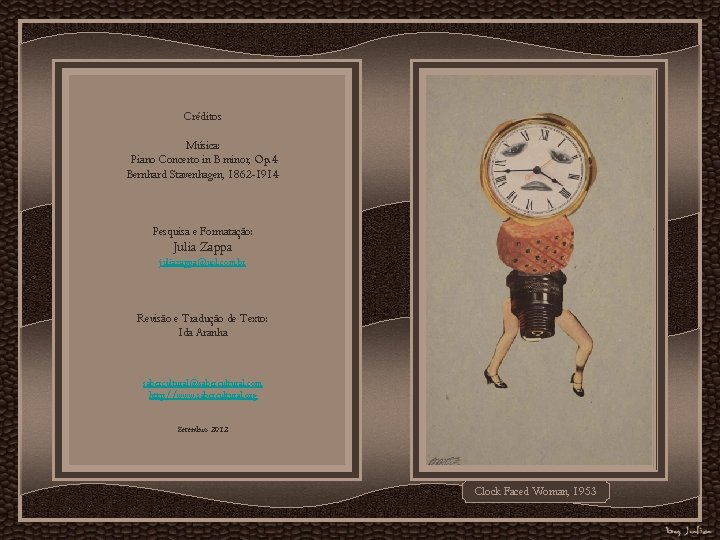
Créditos Música: Piano Concerto in B minor, Op. 4 Bernhard Stavenhagen, 1862 -1914 Pesquisa e Formatação: Julia Zappa juliazappa@uol. com. br Revisão e Tradução de Texto: Ida Aranha sabercultural@sabercultural. com http: //www. sabercultural. org Setembro 2012 Clock Faced Woman, 1953
Fontes: http: //en. wikipedia. org/wiki/George_Grosz http: //www. artnet. com/artists/george-grosz/ http: //www. artchive. com/artchive/G/grosz. html http: //www. abcgallery. com/G/groszbio. html http: //www. moma. org/collection/artist. php? artist_id=2374
- Slides: 34