
Geology the study of the earths surface substructure
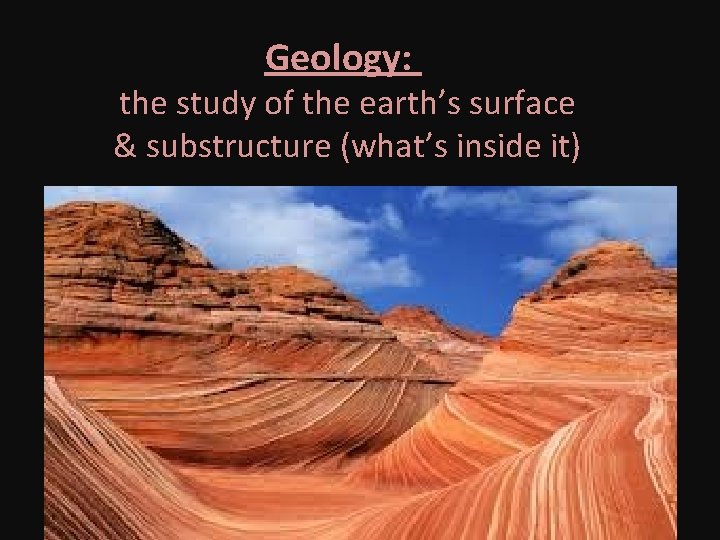
Geology: the study of the earth’s surface & substructure (what’s inside it)
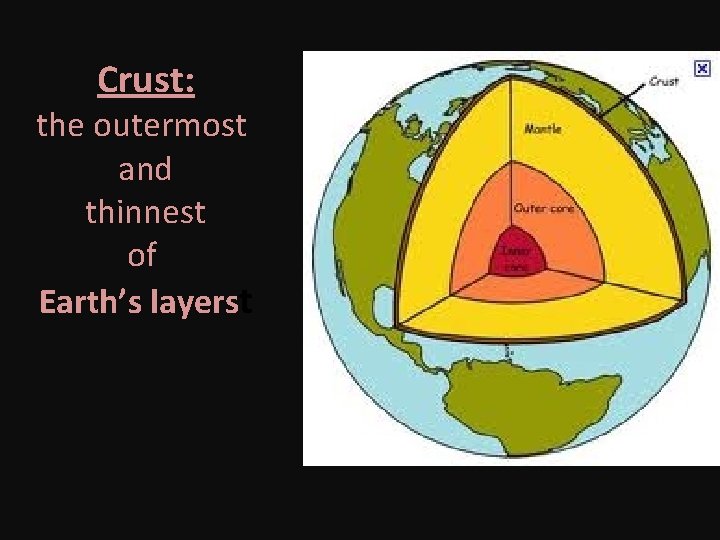
Crust: the outermost and thinnest of Earth’s layerst

Mantle the layer of Earth between the crust and the core
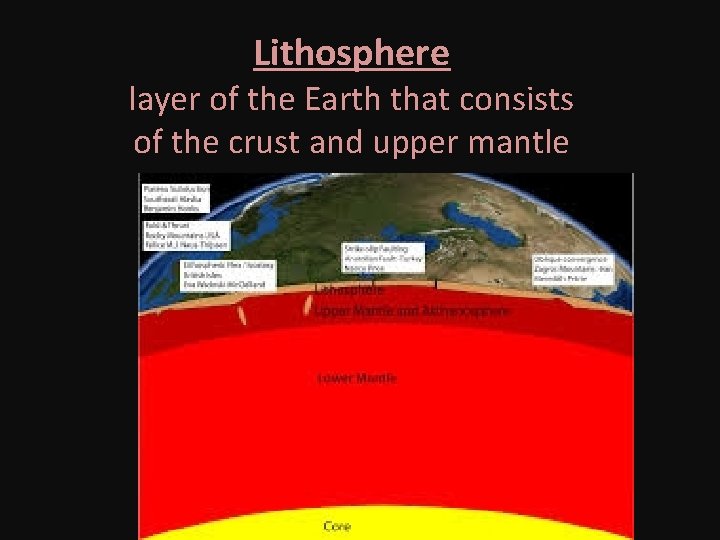
Lithosphere layer of the Earth that consists of the crust and upper mantle
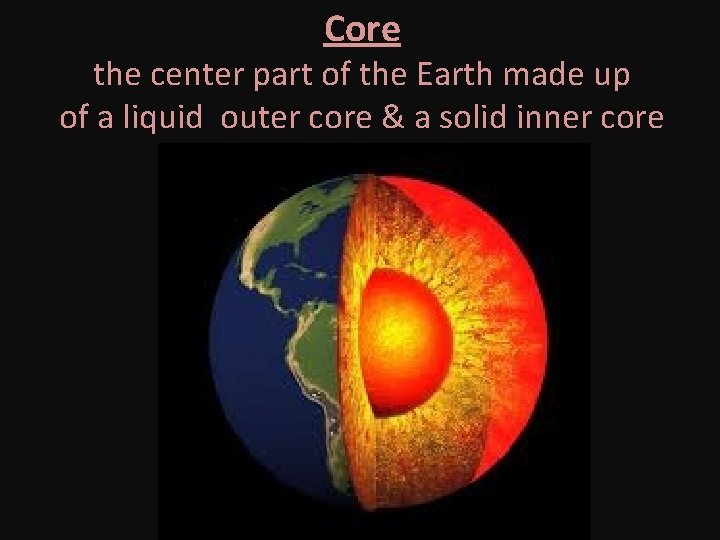
Core the center part of the Earth made up of a liquid outer core & a solid inner core
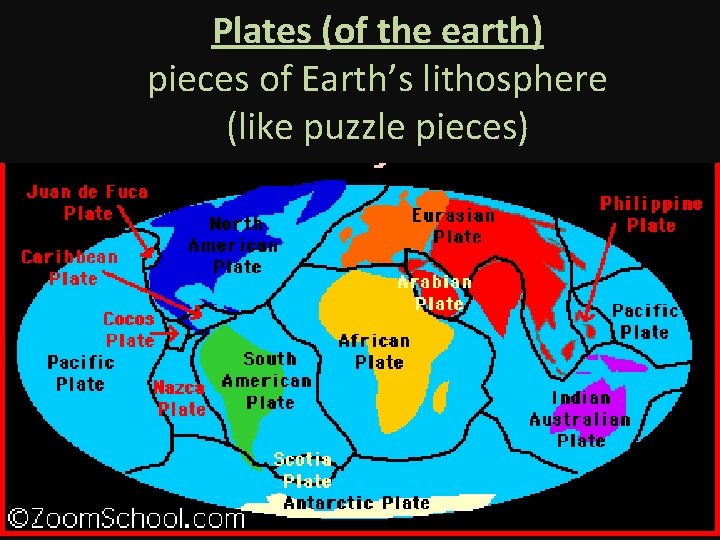
Plates (of the earth) pieces of Earth’s lithosphere (like puzzle pieces)
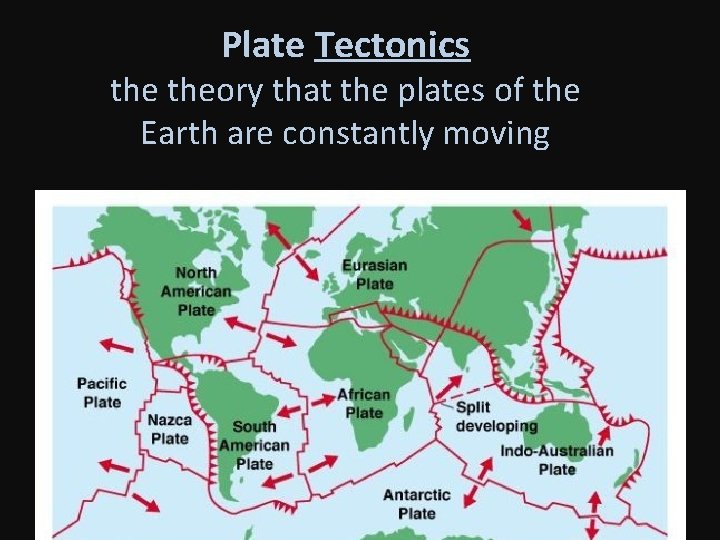
Plate Tectonics theory that the plates of the Earth are constantly moving

Pangaea hypothetical giant landmass that existed when all the continents were joined
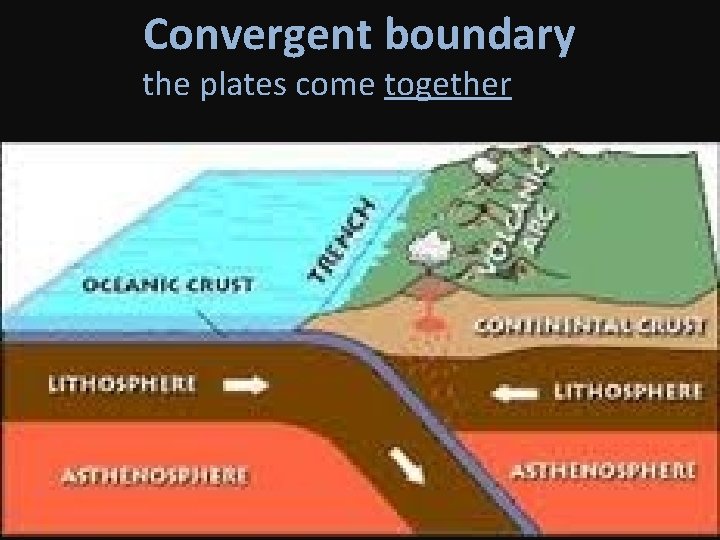
Convergent boundary the plates come together
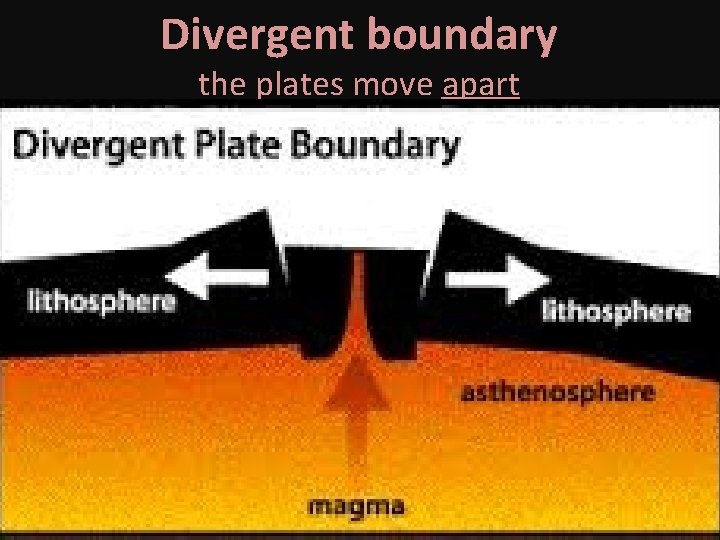
Divergent boundary the plates move apart
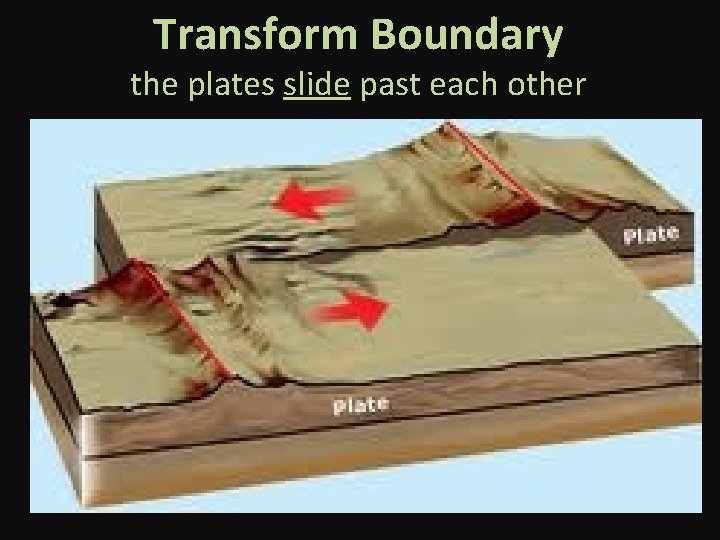
Transform Boundary the plates slide past each other

Convection Motion in a gas or liquid in which the warmer portions rise and the colder portions sink
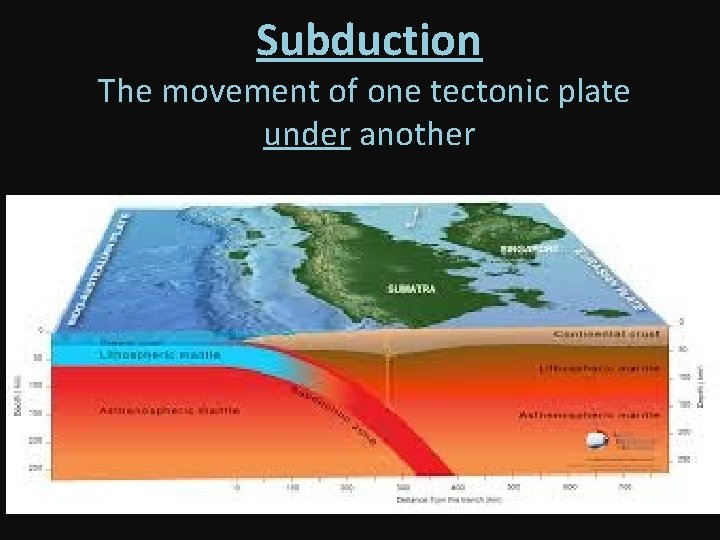
Subduction The movement of one tectonic plate under another
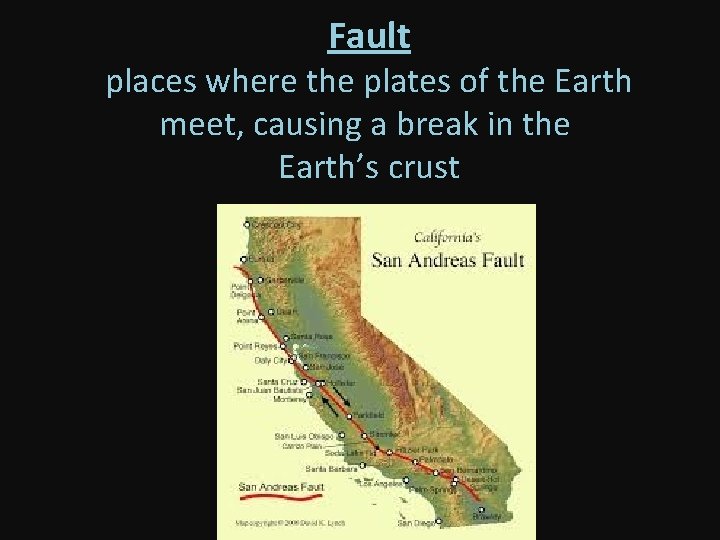
Fault places where the plates of the Earth meet, causing a break in the Earth’s crust
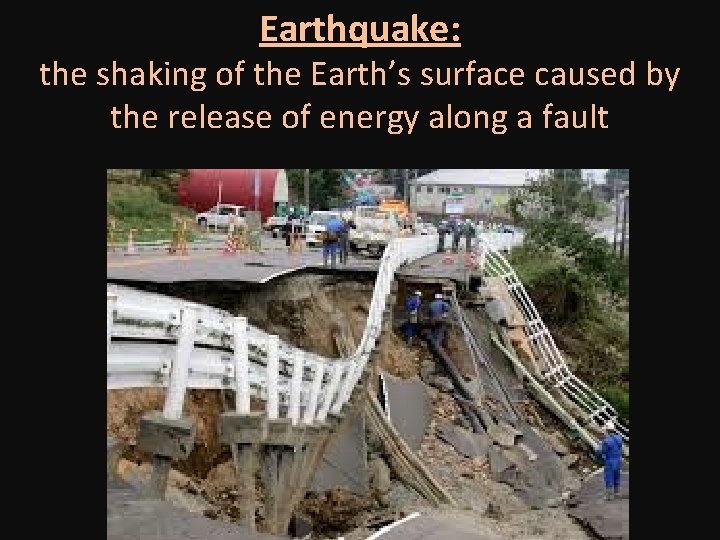
Earthquake: the shaking of the Earth’s surface caused by the release of energy along a fault
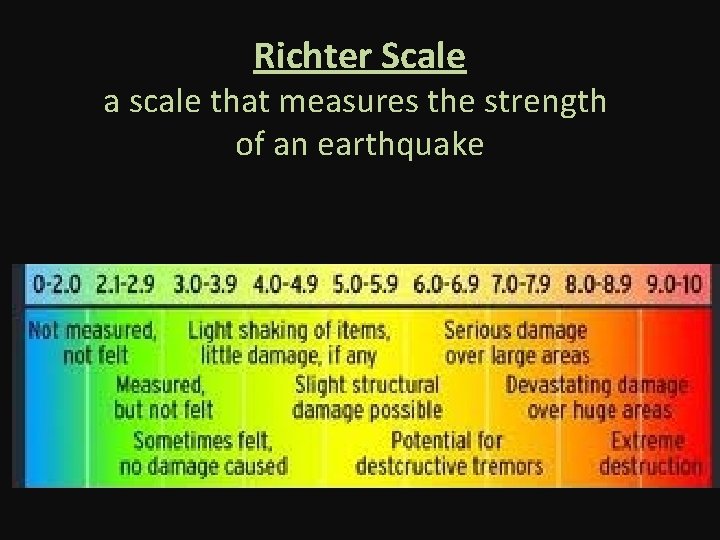
Richter Scale a scale that measures the strength of an earthquake
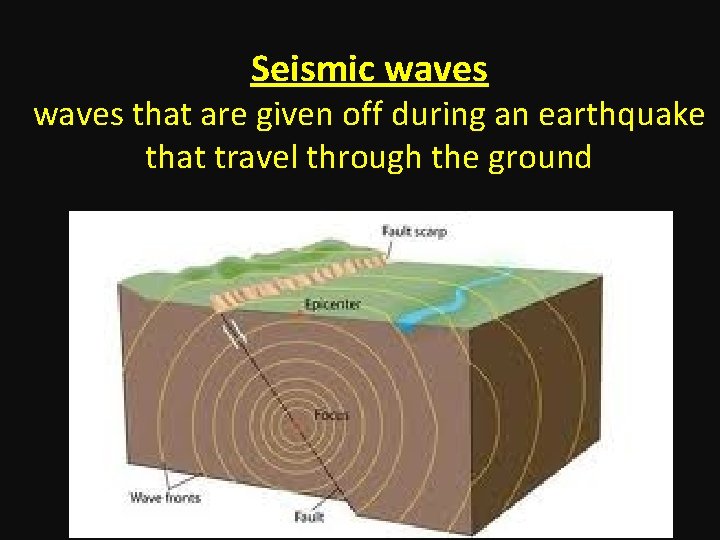
Seismic waves that are given off during an earthquake that travel through the ground
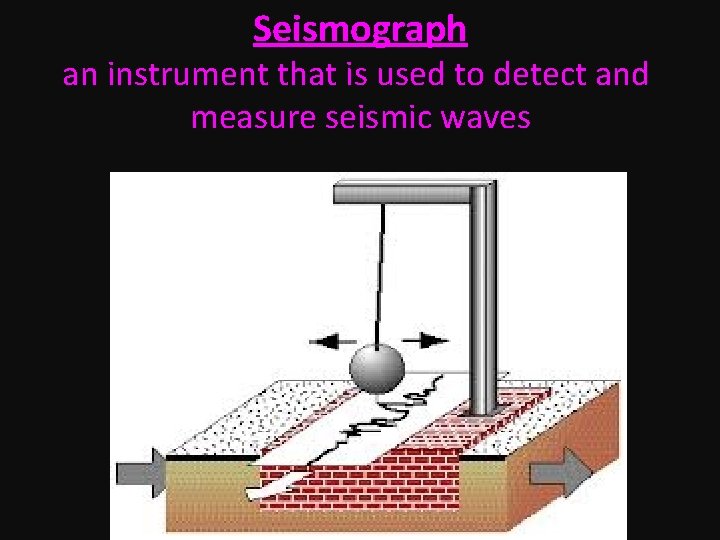
Seismograph an instrument that is used to detect and measure seismic waves
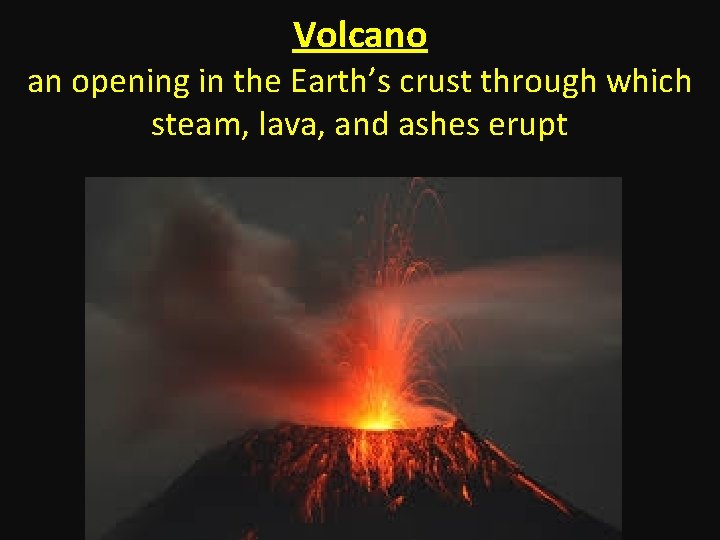
Volcano an opening in the Earth’s crust through which steam, lava, and ashes erupt
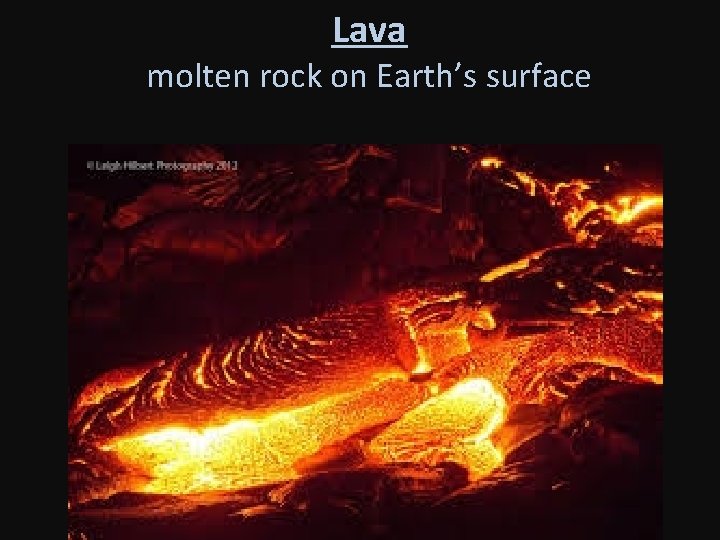
Lava molten rock on Earth’s surface
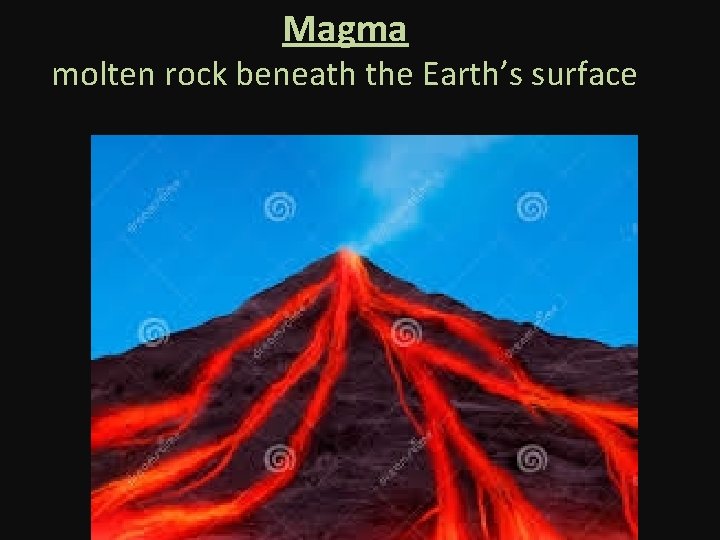
Magma molten rock beneath the Earth’s surface
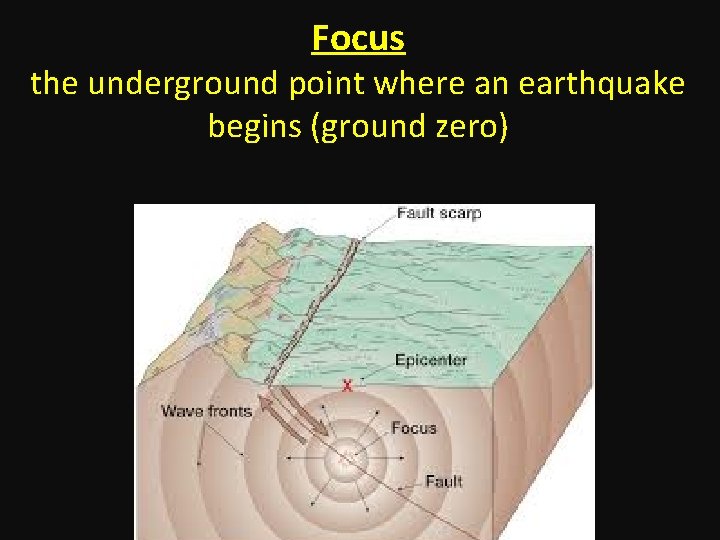
Focus the underground point where an earthquake begins (ground zero)
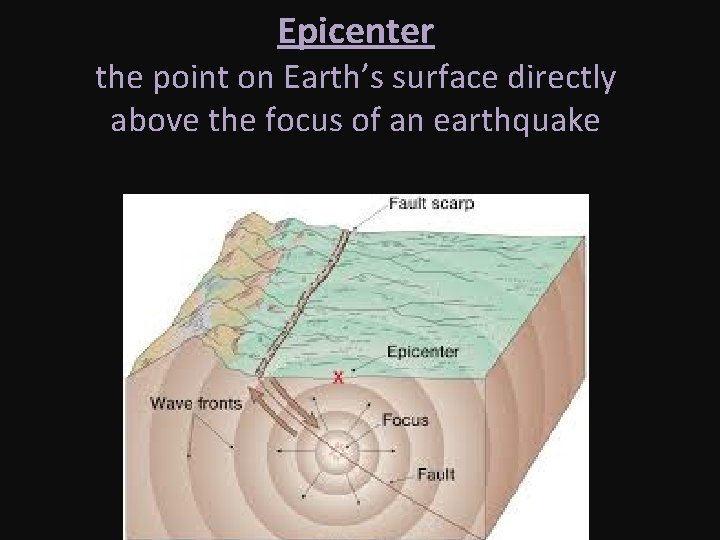
Epicenter the point on Earth’s surface directly above the focus of an earthquake
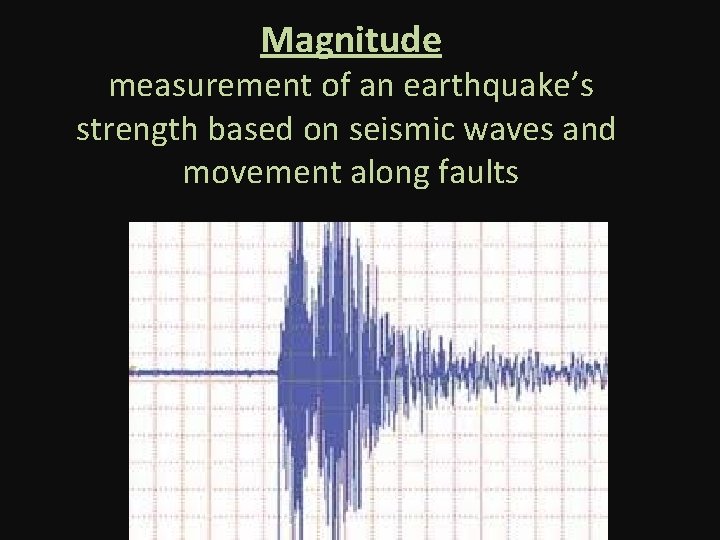
Magnitude measurement of an earthquake’s strength based on seismic waves and movement along faults
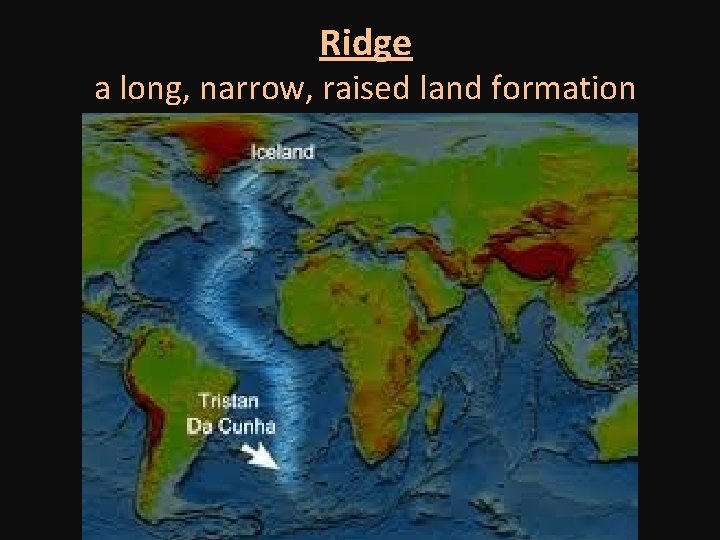
Ridge a long, narrow, raised land formation
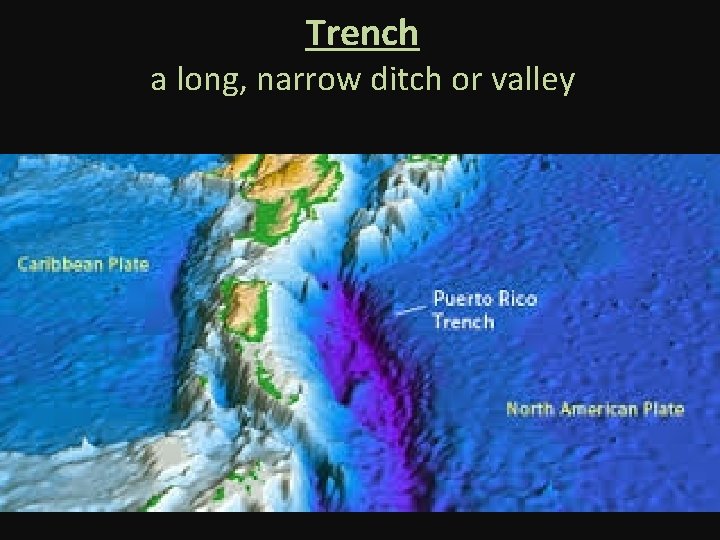
Trench a long, narrow ditch or valley
- Slides: 26