
Geology 12 Presents n Unit Outline Chp 10

- Slides: 45
Geology 12 Presents
n Unit Outline – Chp 10 Earth’s Interior – Chp 11 Sea Floor – Chp 12 Plate Tectonics – Chp 9 Seismic (EQ) – Chp 13 Structure
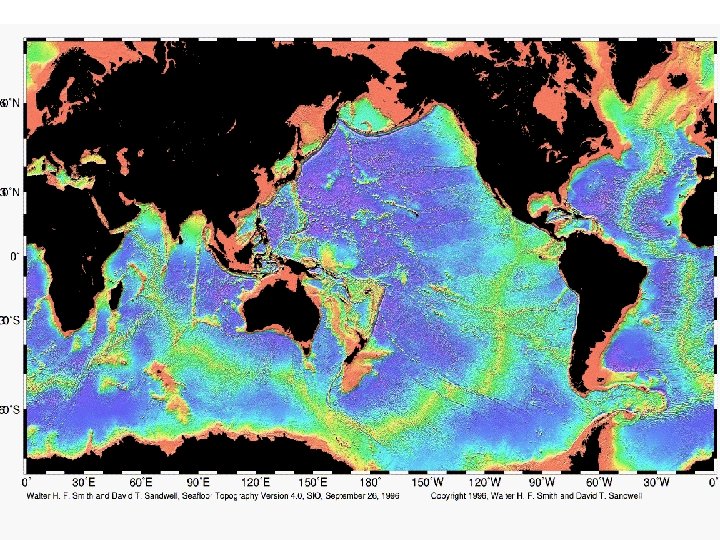
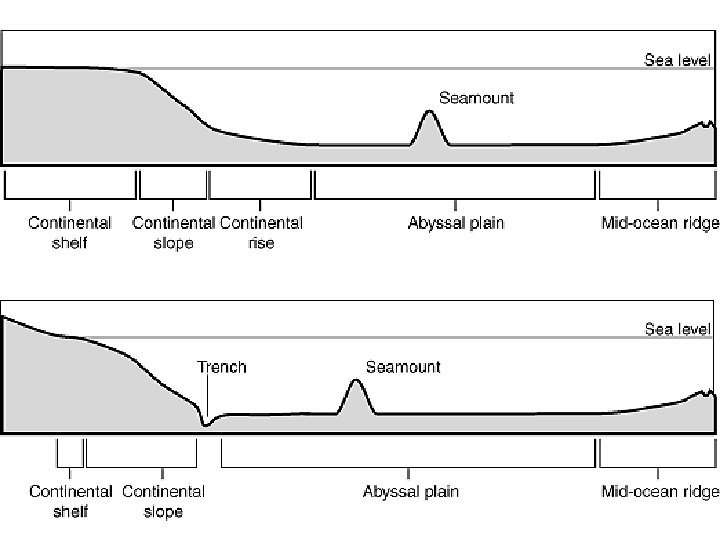
Chp 11 Seafloor • Volcanoes outgasses water to fill oceans • Average depth = 4 km • Continental Margins mark edge of continent from deep sea floor – 2 types of margins
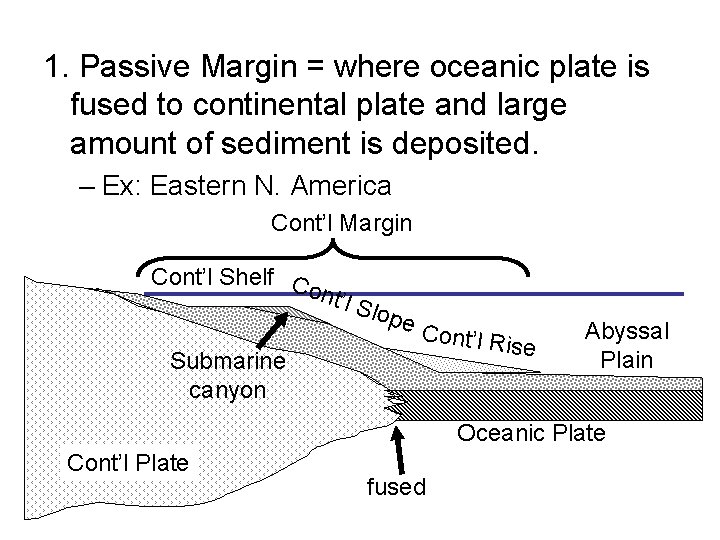
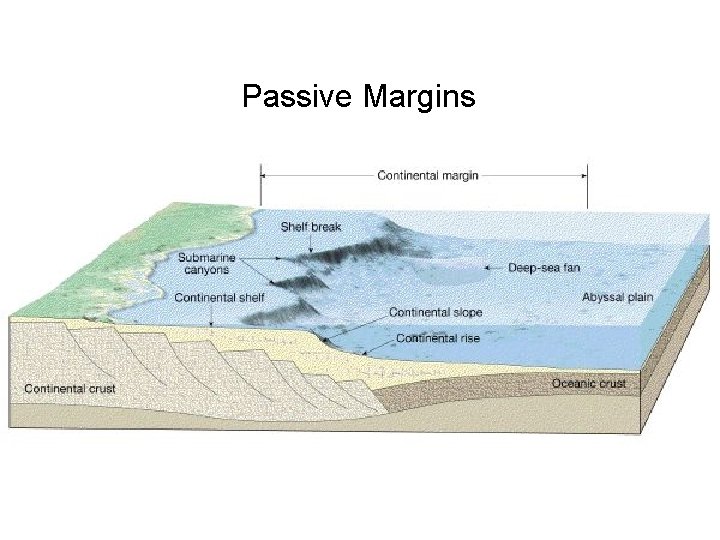
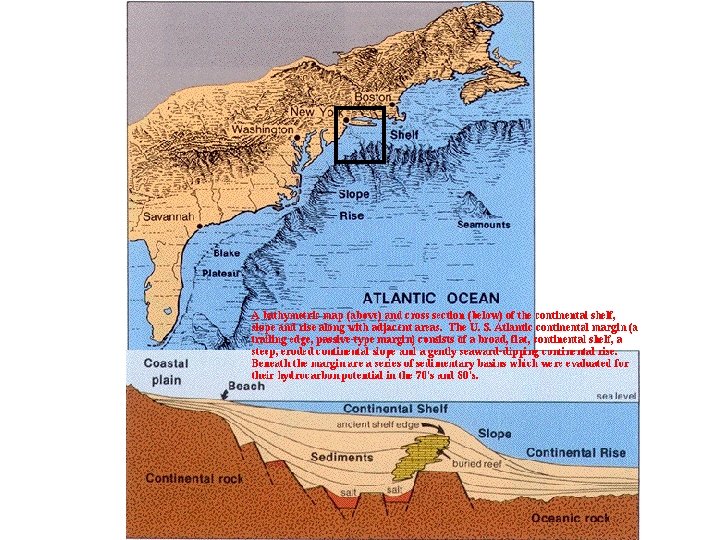
1. Passive Margin = where oceanic plate is fused to continental plate and large amount of sediment is deposited. – Ex: Eastern N. America Cont’l Margin Cont’l Shelf C ont’ l Slo pe Cont’l Ri se Submarine canyon Abyssal Plain Oceanic Plate Cont’l Plate fused
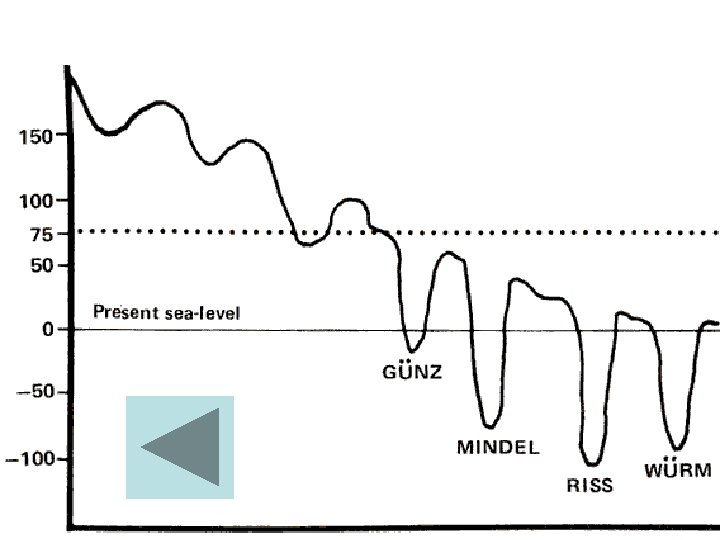
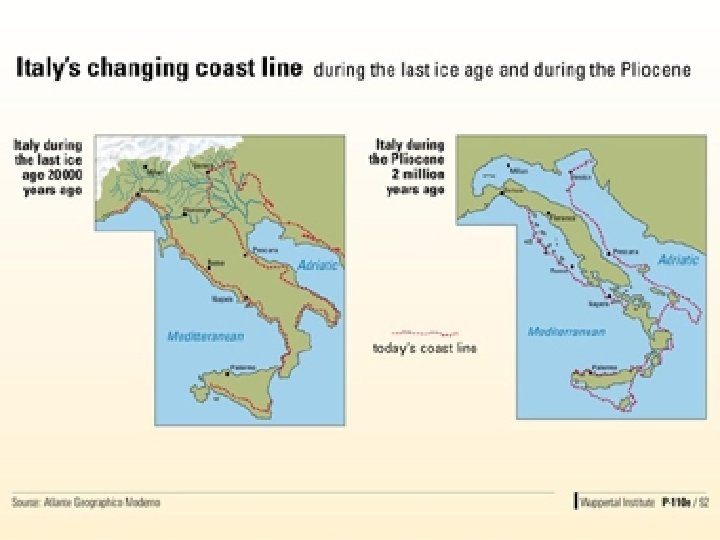
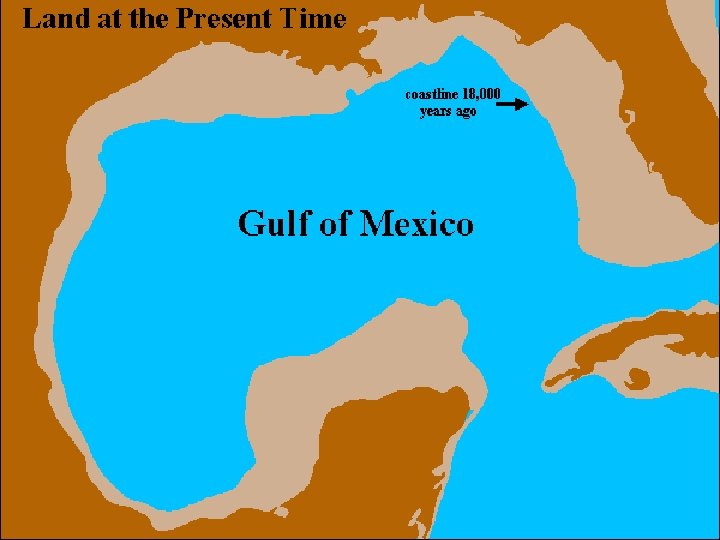
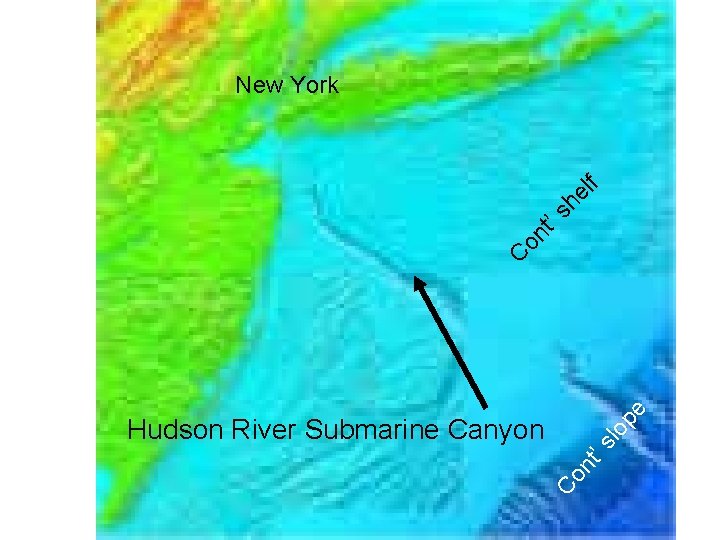
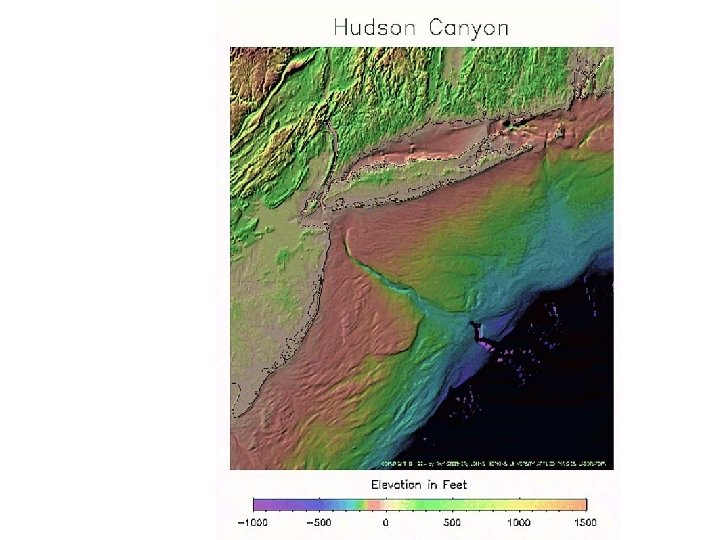
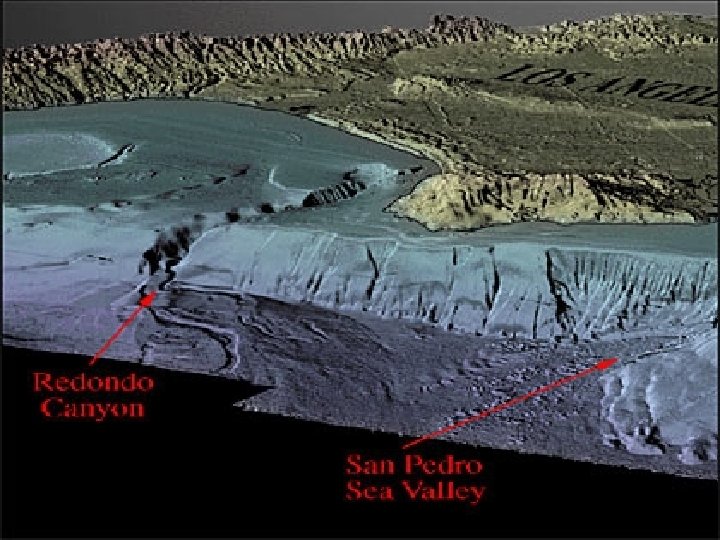
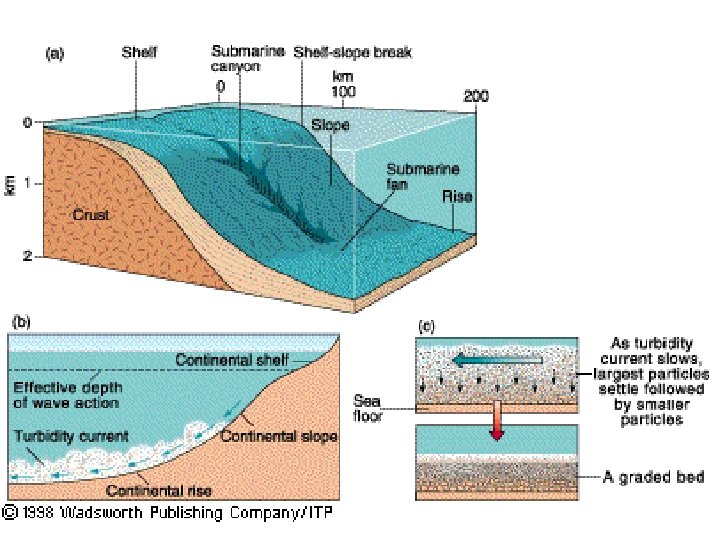
• Submarine canyons – Cut into cont’l shelf-slope by: • a) rivers when sea-level was up to 130 m lower during ice ages • animation • b) turbidity currents = underwater landslides that erode slope and travel for 100’s of km – Sediments are deposited as a deep sea fan as graded bedding
Passive Margins
lo ’s nt Co Hudson River Submarine Canyon pe C on t’ sh el f New York
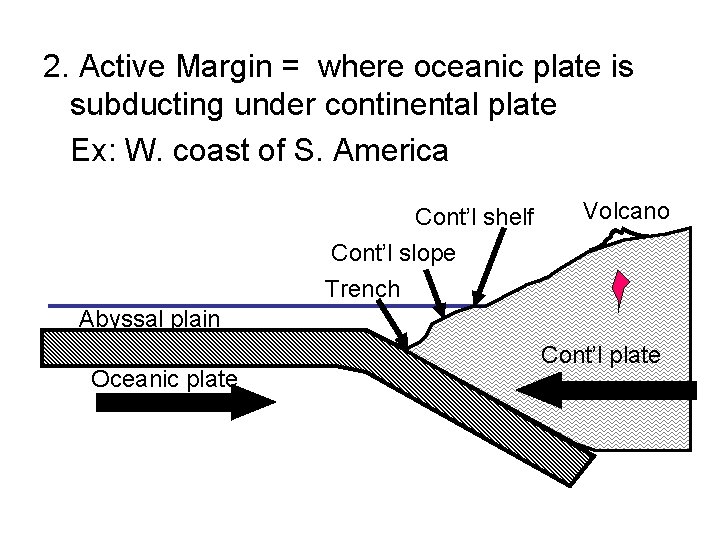
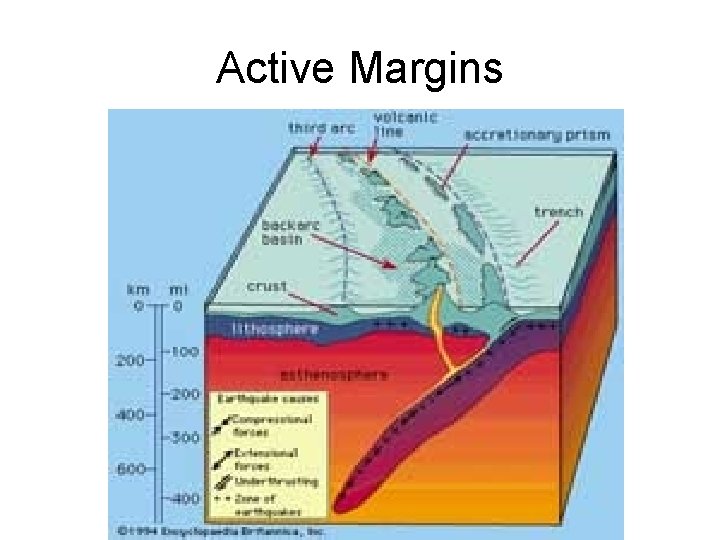
2. Active Margin = where oceanic plate is subducting under continental plate Ex: W. coast of S. America Cont’l shelf Cont’l slope Trench Volcano Abyssal plain Oceanic plate Cont’l plate
Active Margins
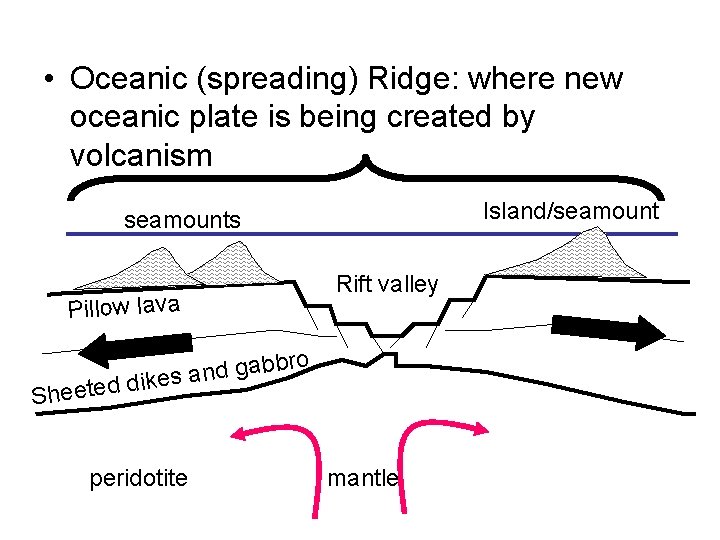
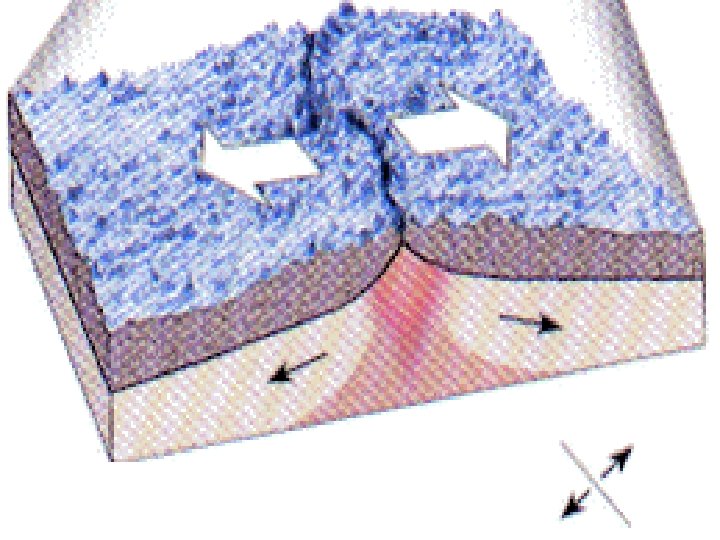
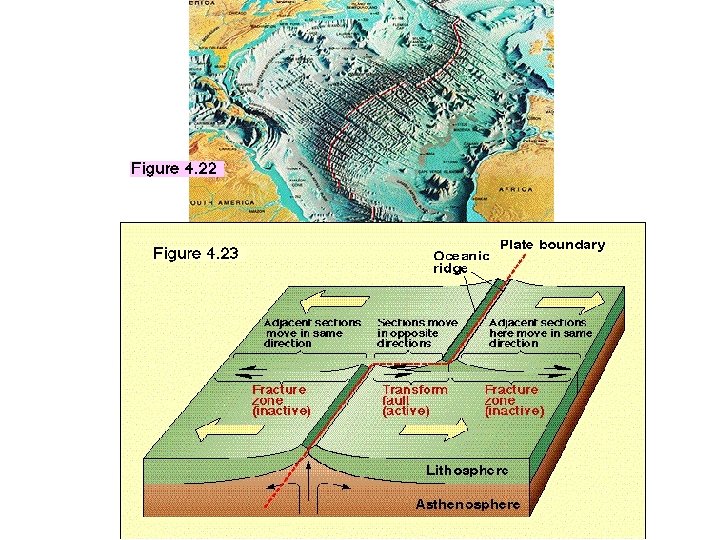
• Oceanic (spreading) Ridge: where new oceanic plate is being created by volcanism Island/seamounts Pillow lava Sh Rift valley ro b b a g d an s e k i d d eete peridotite mantle
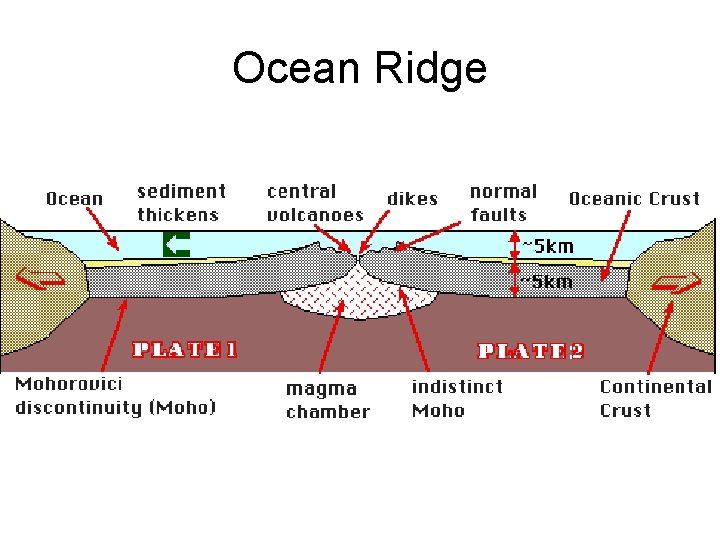
Ocean Ridge
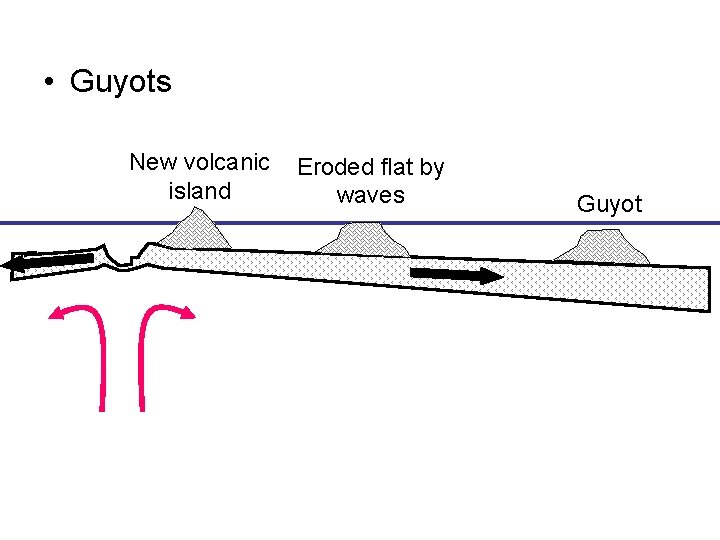
• Guyots New volcanic island Eroded flat by waves Guyot
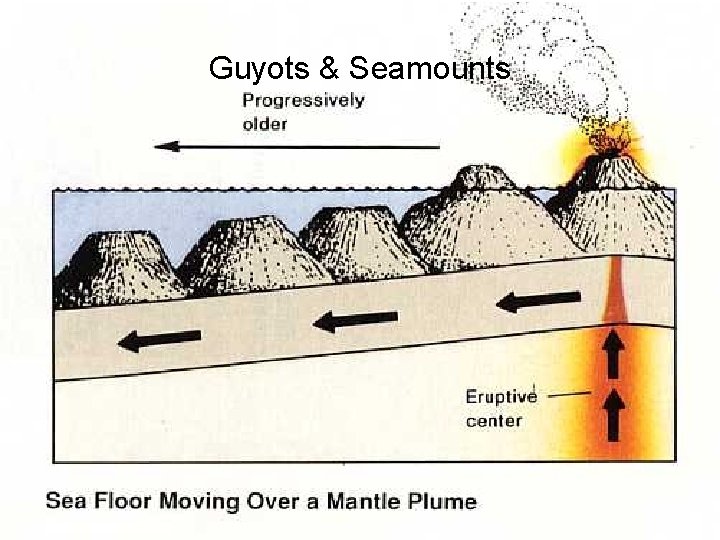
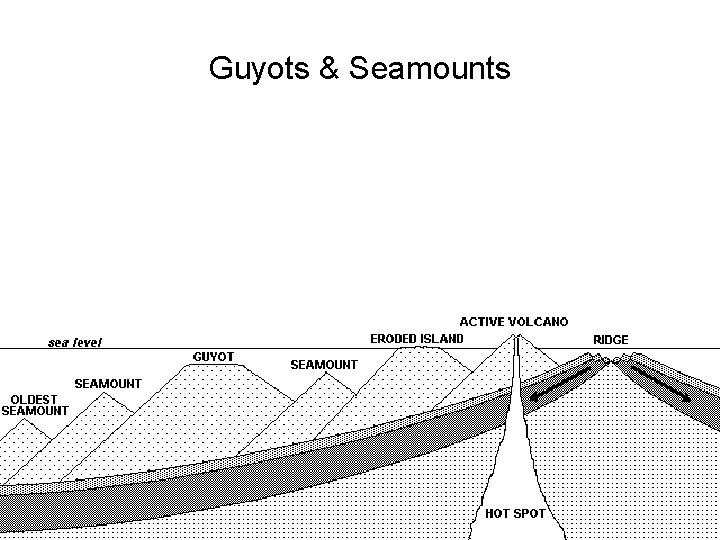
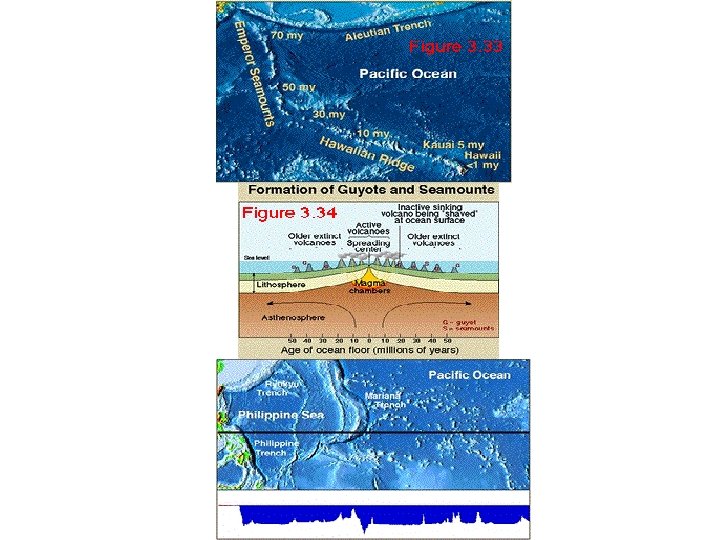
Guyots & Seamounts
Guyots & Seamounts
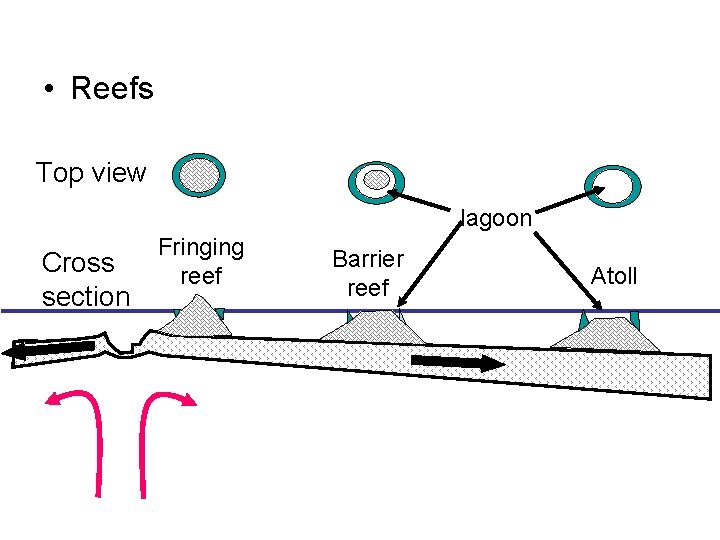
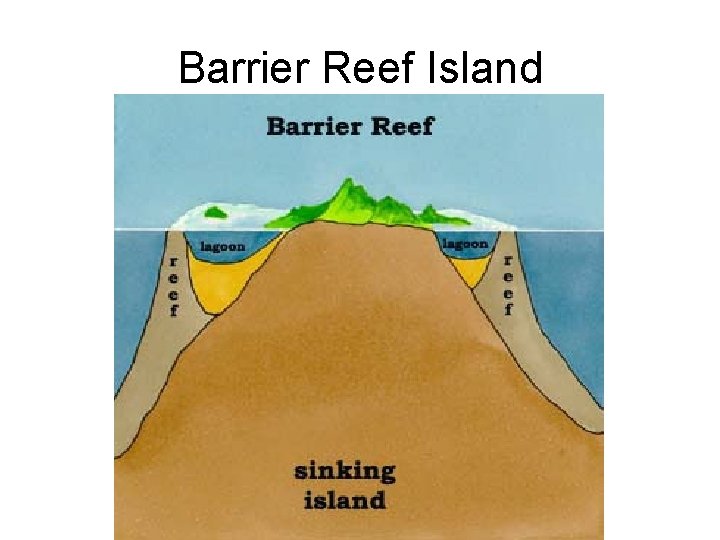
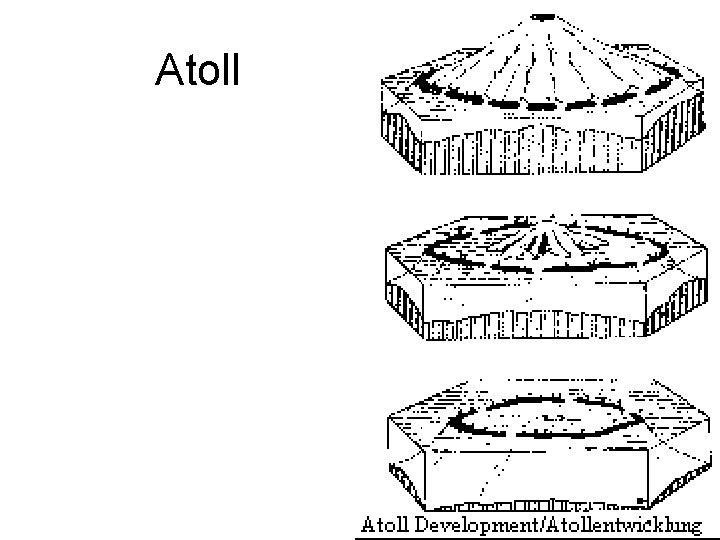
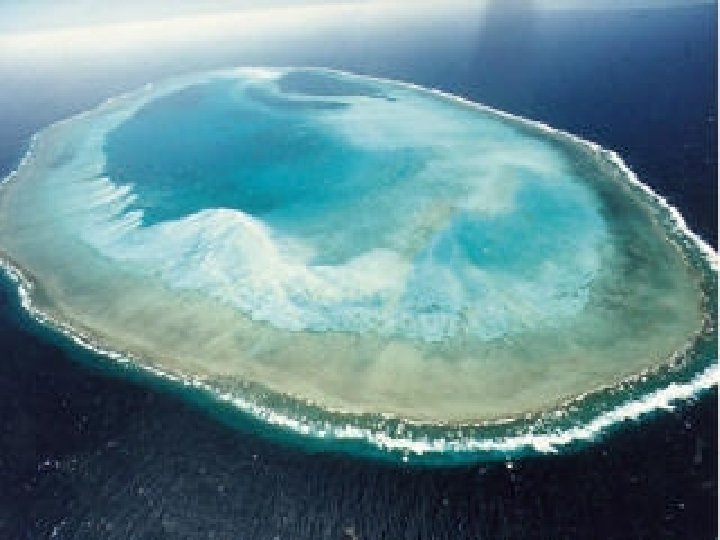
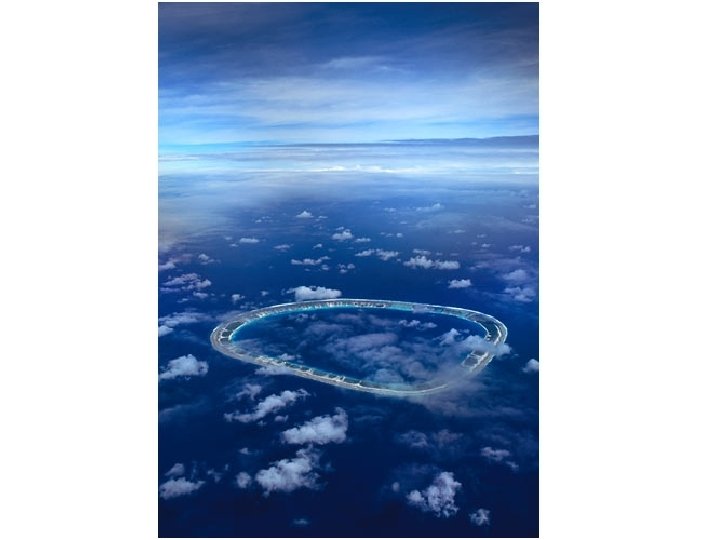
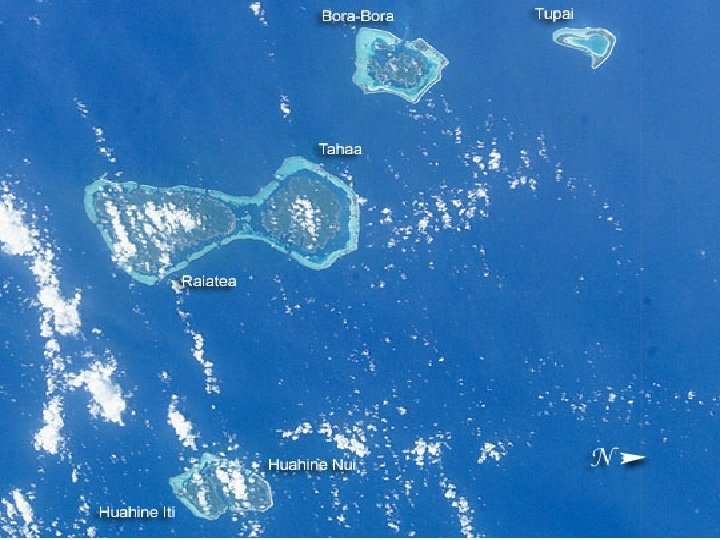
• Reefs Top view lagoon Cross section Fringing reef Barrier reef Atoll
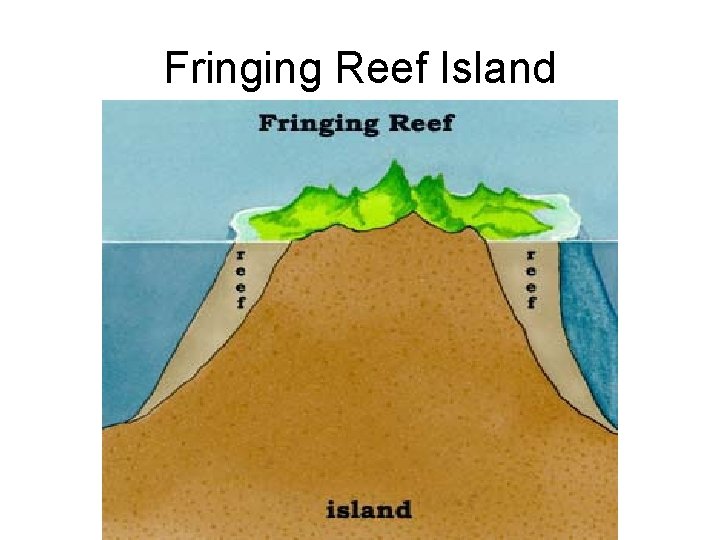
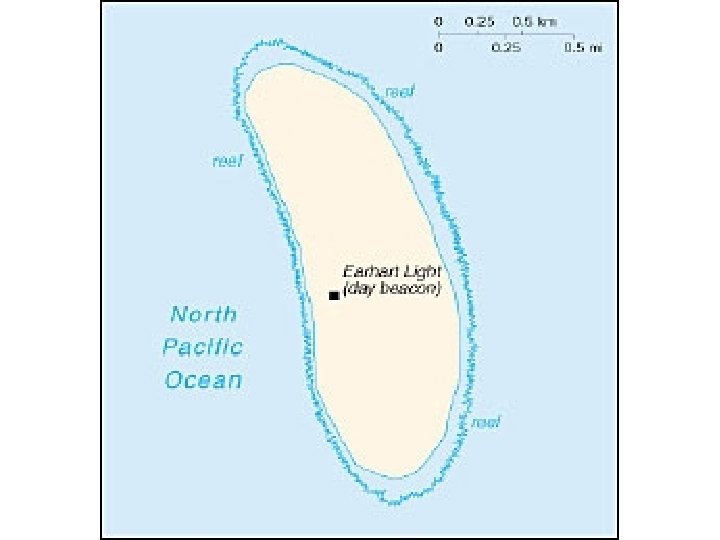
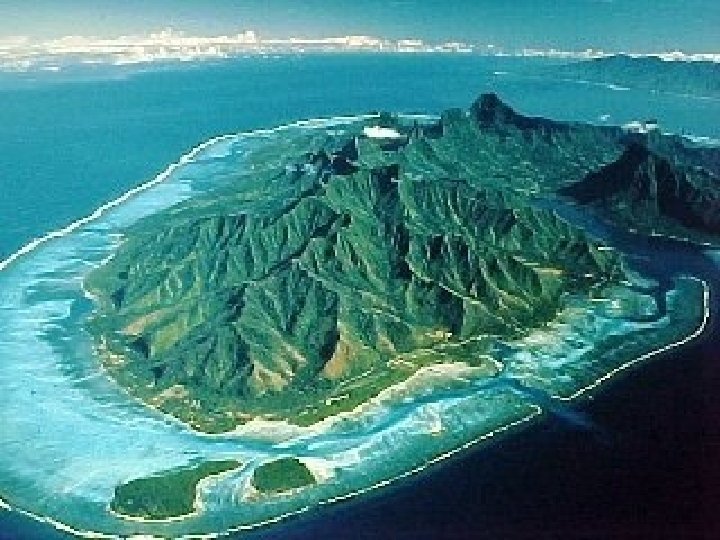
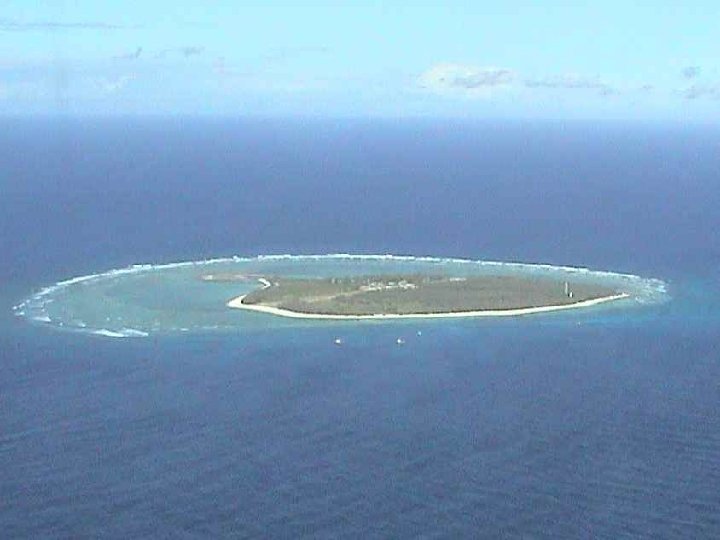
Fringing Reef Island
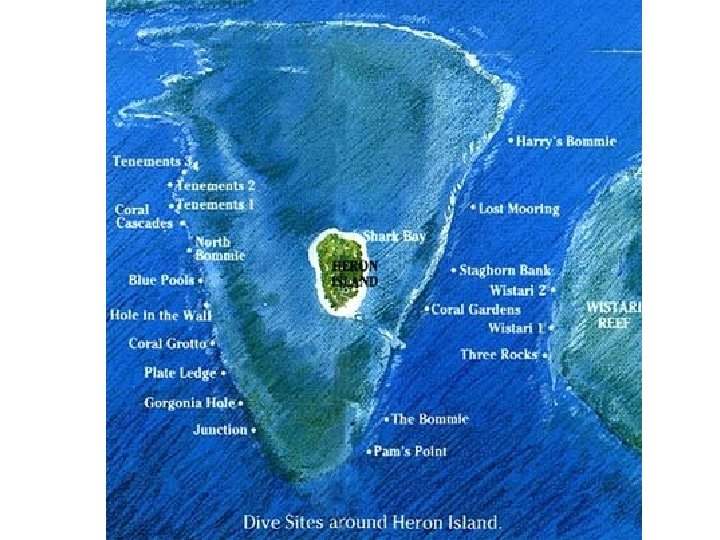
Barrier Reef Island
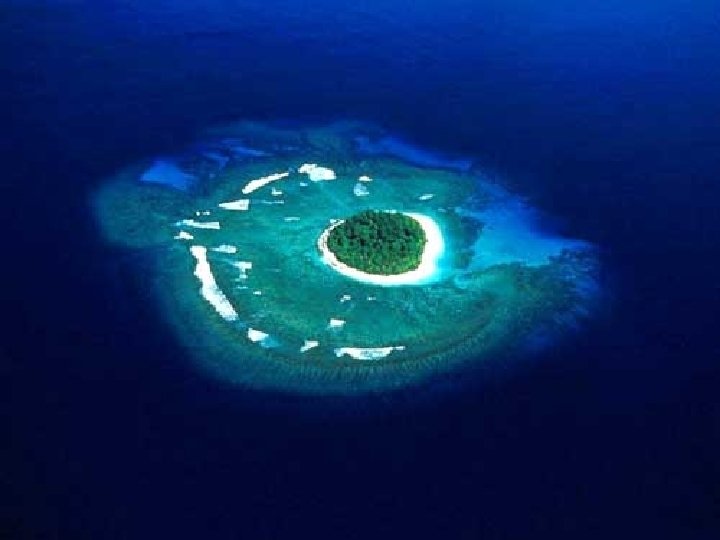
Atoll
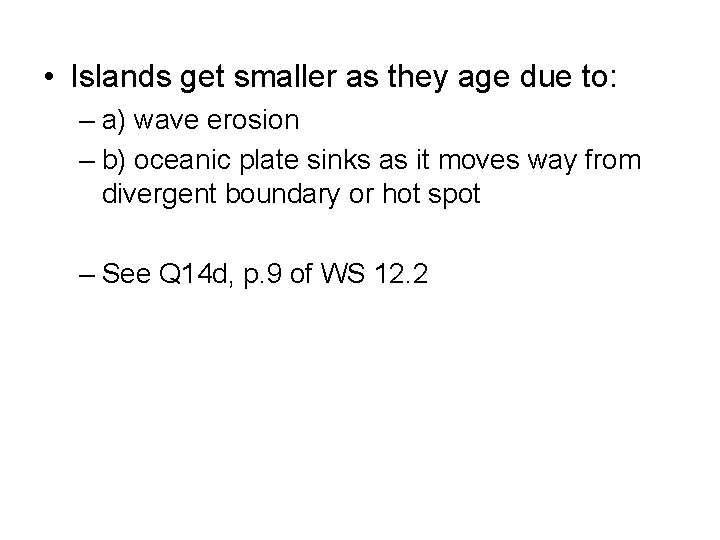
• Islands get smaller as they age due to: – a) wave erosion – b) oceanic plate sinks as it moves way from divergent boundary or hot spot – See Q 14 d, p. 9 of WS 12. 2
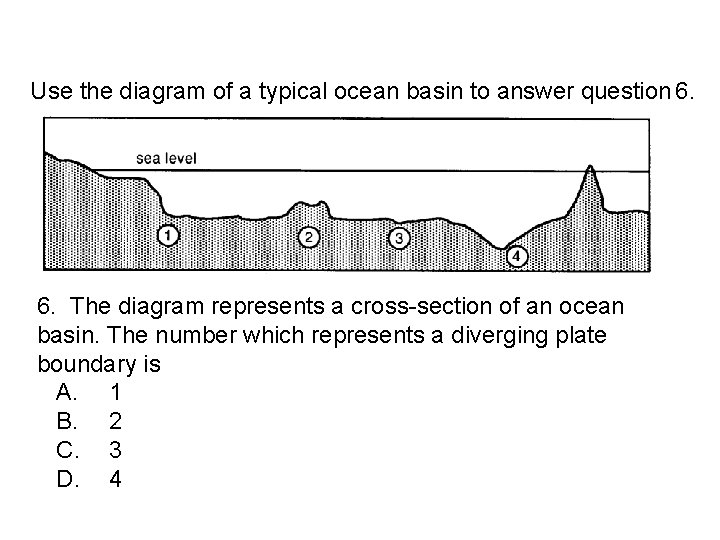
Use the diagram of a typical ocean basin to answer question 6. The diagram represents a cross-section of an ocean basin. The number which represents a diverging plate boundary is A. 1 B. 2 C. 3 D. 4
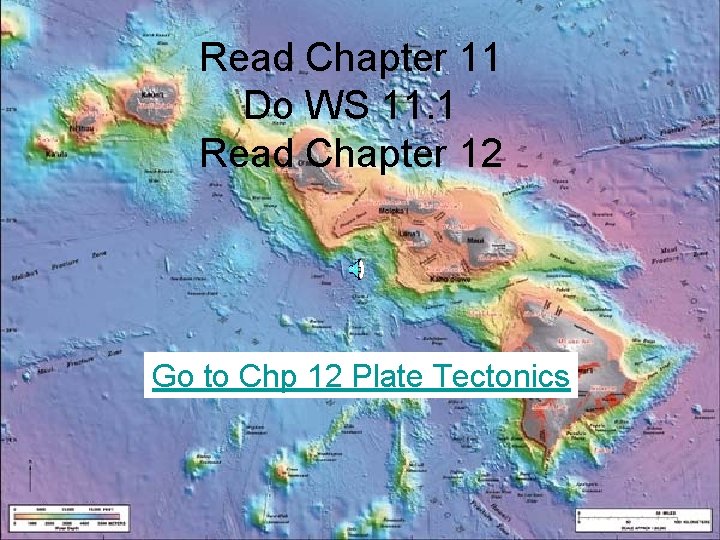
Read Chapter 11 Do WS 11. 1 Read Chapter 12 Go to Chp 12 Plate Tectonics