
Geology 1023 Geological maps Geological maps Draw a
- Slides: 22
Geology 1023 Geological maps
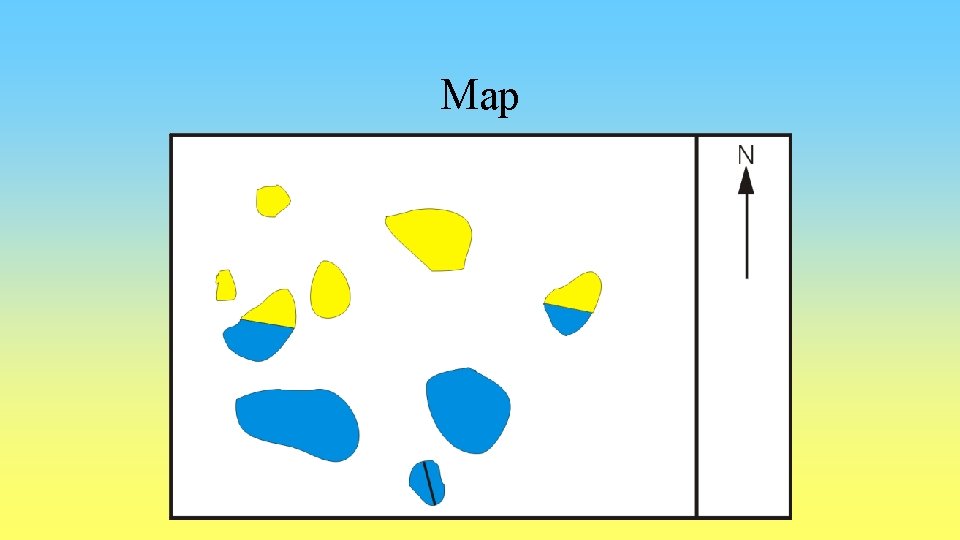
Geological maps • Draw a map based on fragmentary data • Using samples and map descriptions interpret environments as they existed in the past • Make a list of the events that occurred
Map
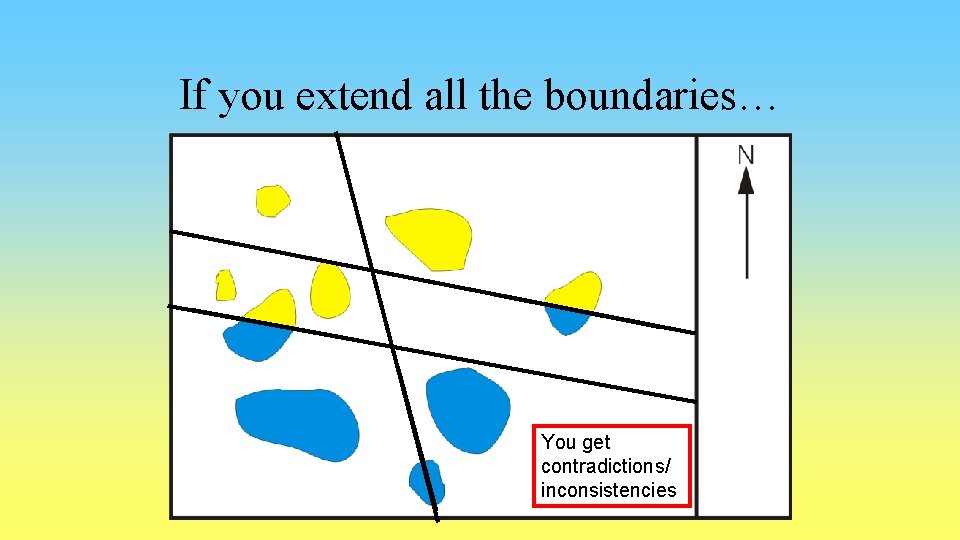
If you extend all the boundaries… You get contradictions/ inconsistencies
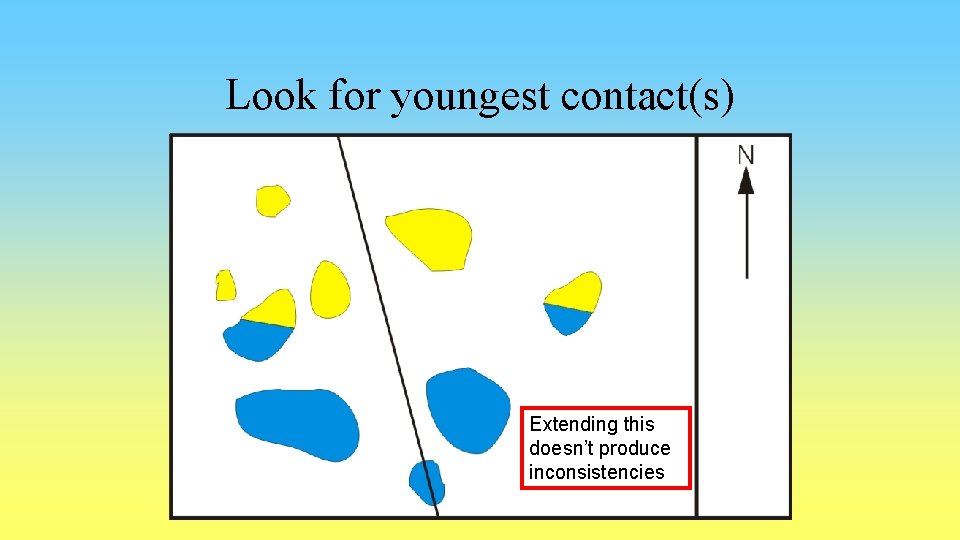
Look for youngest contact(s) Extending this doesn’t produce inconsistencies
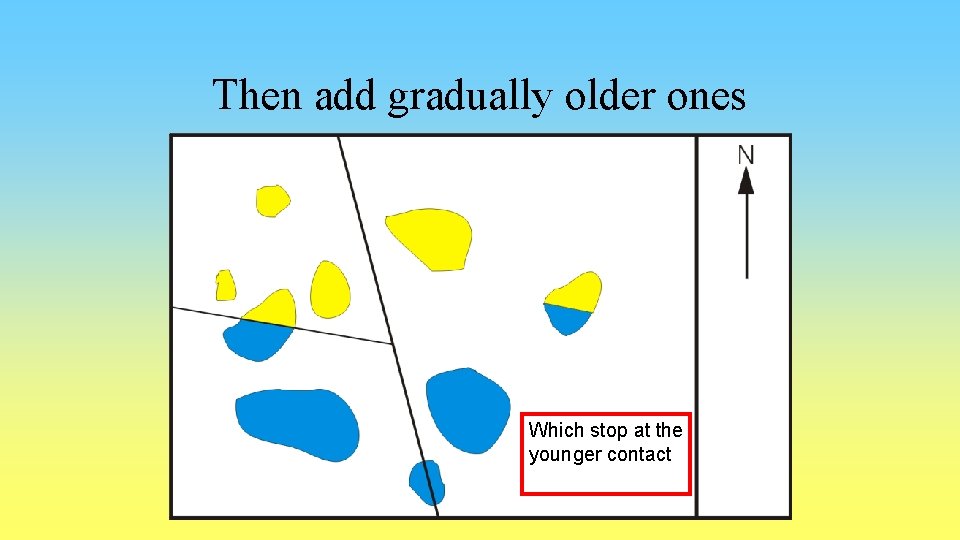
Then add gradually older ones Which stop at the younger contact
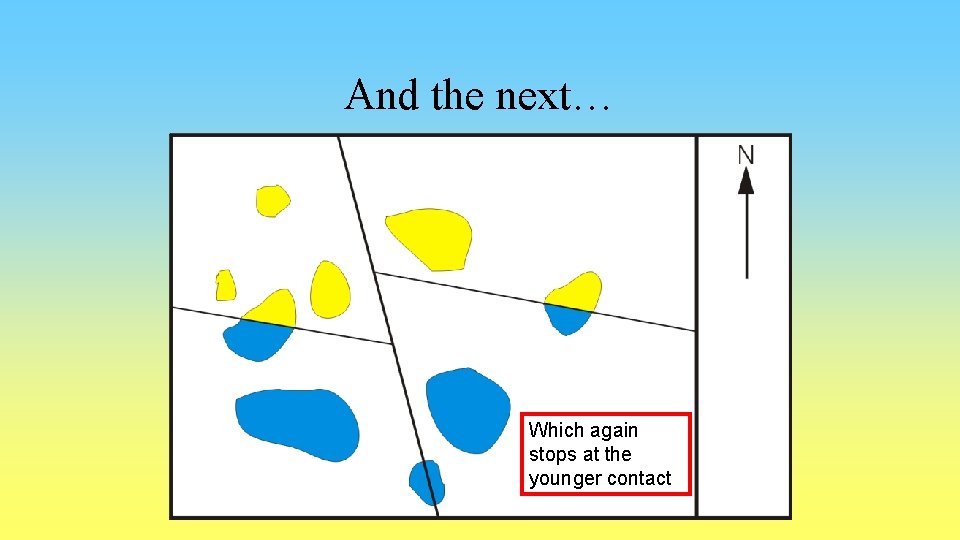
And the next… Which again stops at the younger contact
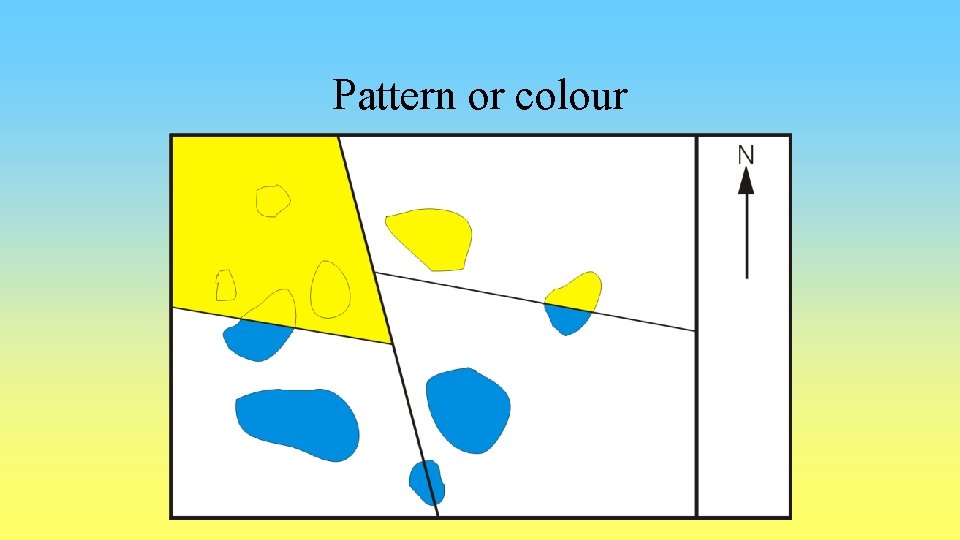
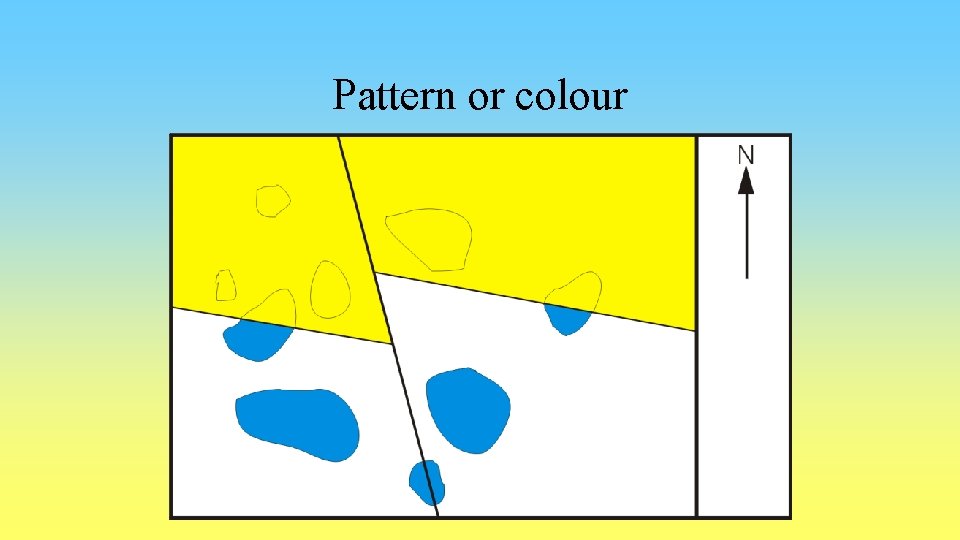
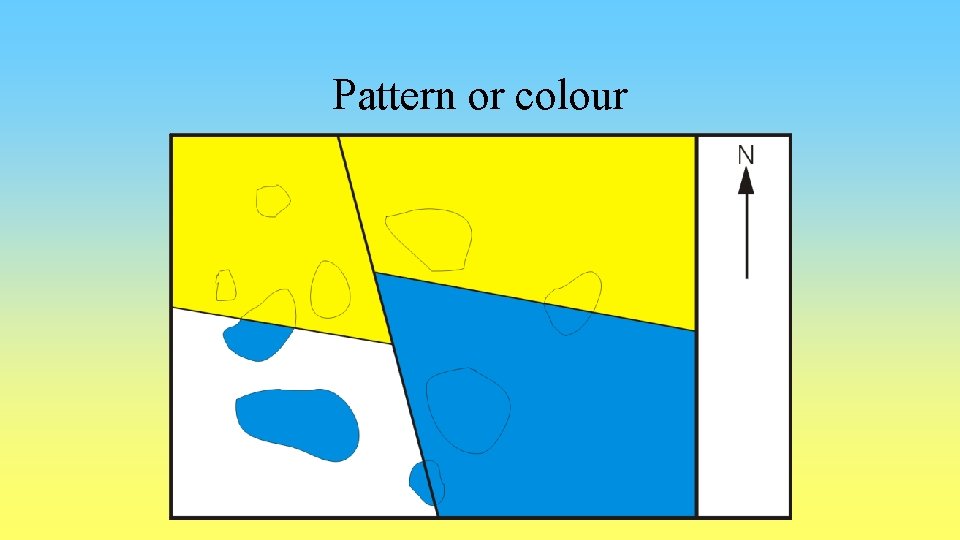
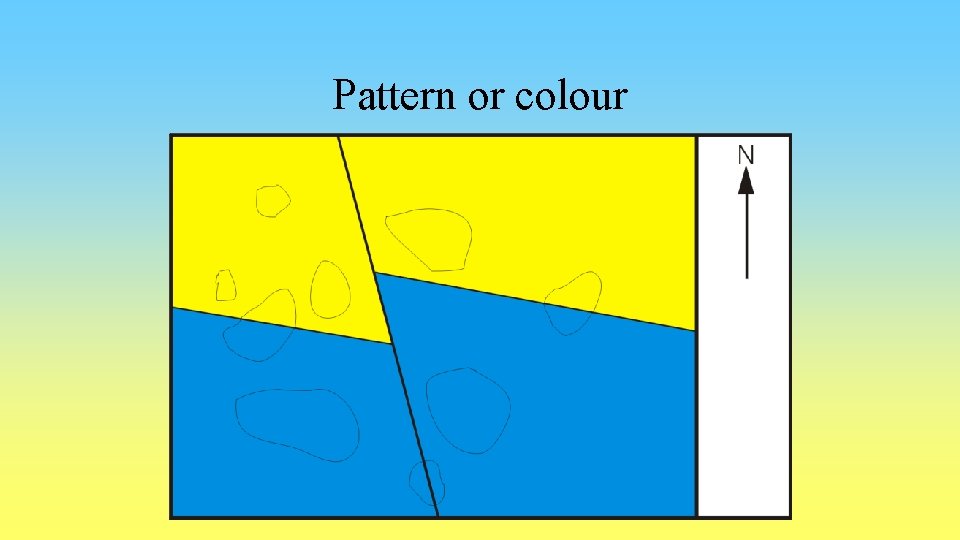
Pattern or colour
Pattern or colour
Pattern or colour
Pattern or colour
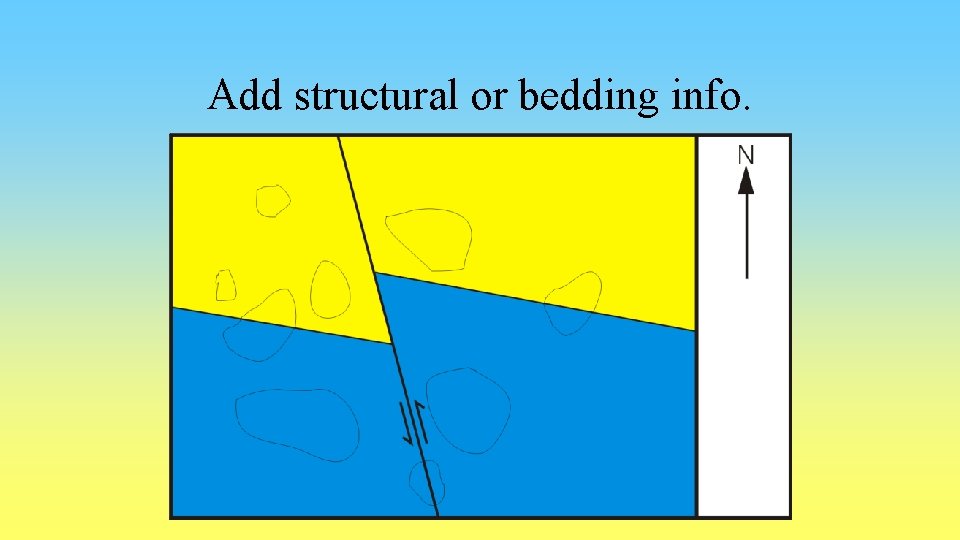
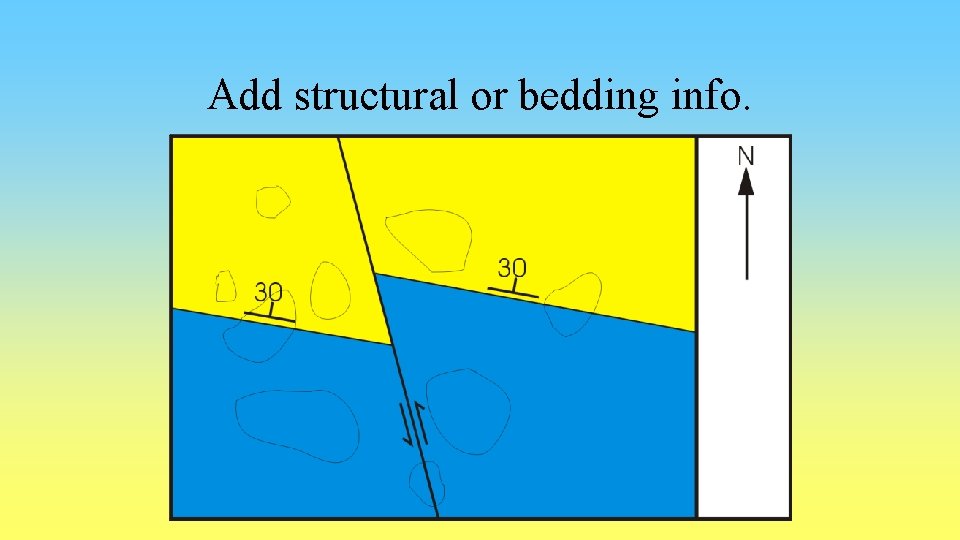
Add structural or bedding info.
Add structural or bedding info.
Example given here much simpler then the example in the lab
Map interpretation • Look at the geological map of the Wolfville Area • The rock descriptions for each unit are given (on the map) • There are examples given in the lab of each unit (samples are numbered according to the unit number on the map)
Map interpretation • Q 2: Give the depositional environments (c. f. list in Lab. 3, e. g. , beach, lagoon, etc. ) • Q 3: Insofar as possible, indicate the likely topography and climate that operated in the area over different times – Note: North Mountain Basalt, and Scots Bay Formation are Jurassic NOT Triassic • Q 4: Indicate the evidence present for various geological features: – folding, faulting, intrusion, extrusion (mostly about the nature of the contacts)
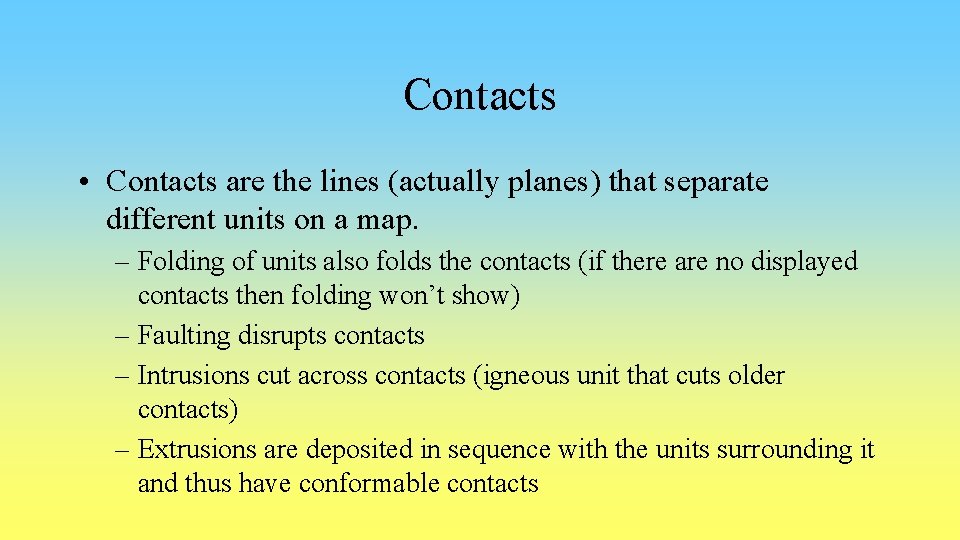
Contacts • Contacts are the lines (actually planes) that separate different units on a map. – Folding of units also folds the contacts (if there are no displayed contacts then folding won’t show) – Faulting disrupts contacts – Intrusions cut across contacts (igneous unit that cuts older contacts) – Extrusions are deposited in sequence with the units surrounding it and thus have conformable contacts
Map interpretation • Deduce a geological history. – Put in numerical order starting at # 1 for the oldest
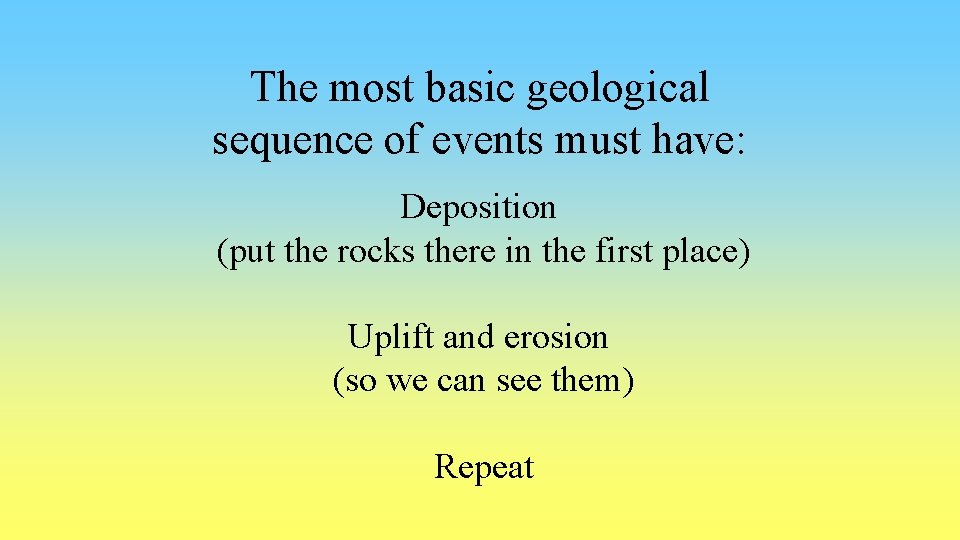
The most basic geological sequence of events must have: Deposition (put the rocks there in the first place) Uplift and erosion (so we can see them) Repeat
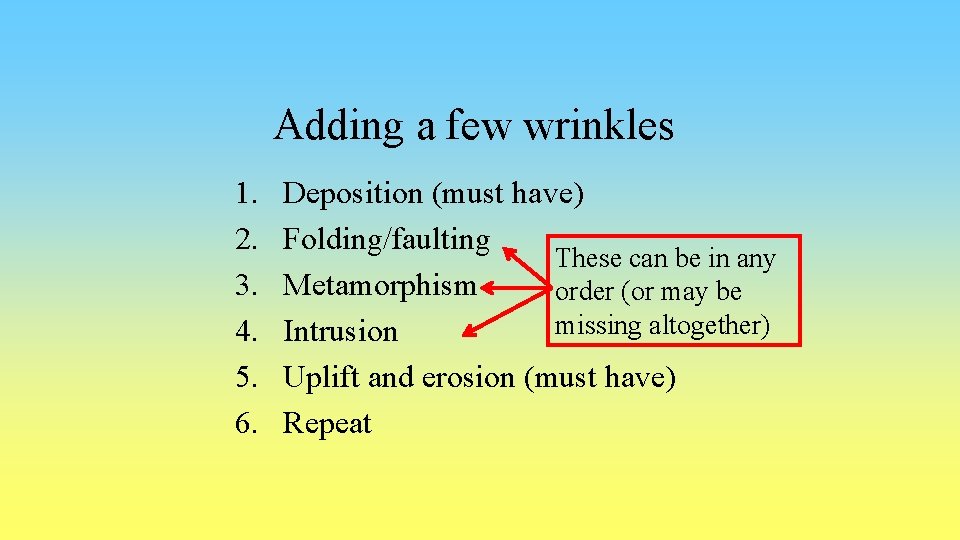
Adding a few wrinkles 1. 2. 3. 4. 5. 6. Deposition (must have) Folding/faulting These can be in any Metamorphism order (or may be missing altogether) Intrusion Uplift and erosion (must have) Repeat
The Wolfville sheet has 3 of these cycles.
Questions?