
Geologic Sequestration Geologic sequestration is the process by
Geologic Sequestration Geologic sequestration is the process by which CO 2 is captured and stored by geologic formations.
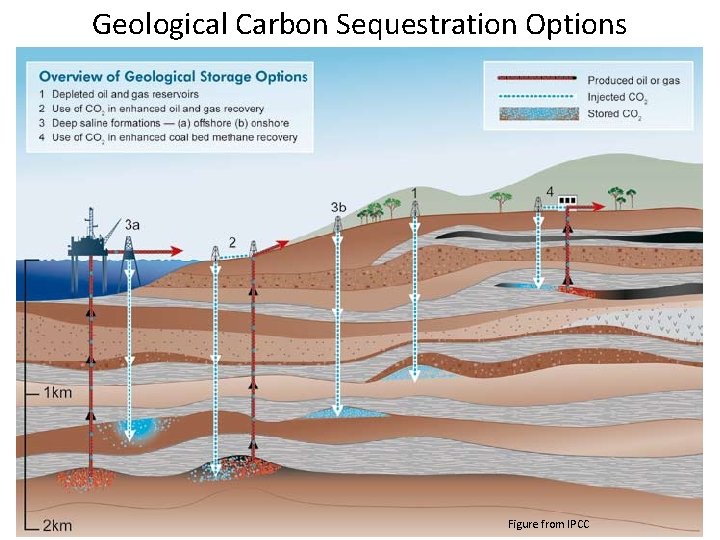
Geological Carbon Sequestration Options Figure from IPCC
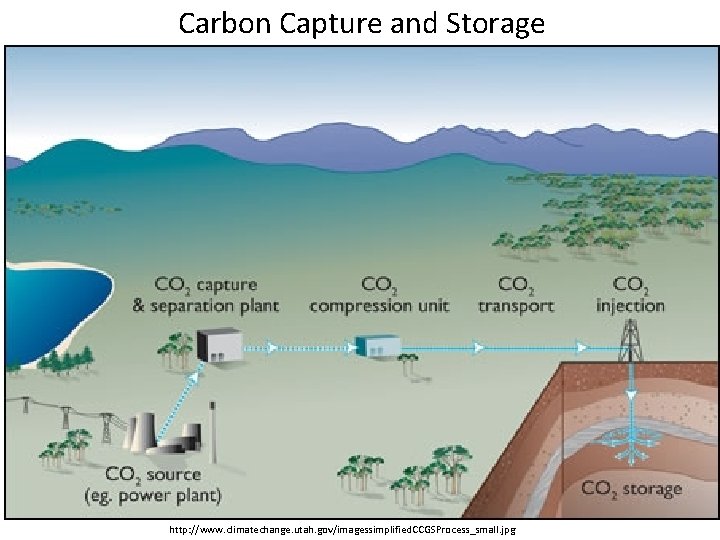
Carbon Capture and Storage http: //www. climatechange. utah. gov/imagessimplified. CCGSProcess_small. jpg
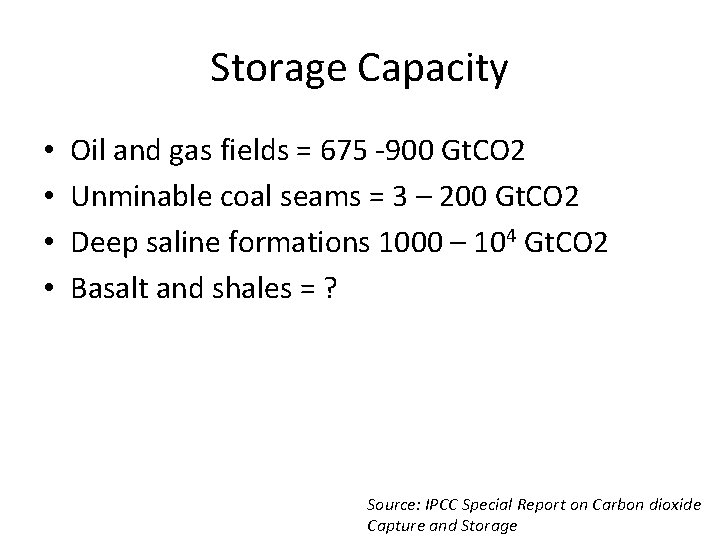
Storage Capacity • • Oil and gas fields = 675 -900 Gt. CO 2 Unminable coal seams = 3 – 200 Gt. CO 2 Deep saline formations 1000 – 104 Gt. CO 2 Basalt and shales = ? Source: IPCC Special Report on Carbon dioxide Capture and Storage
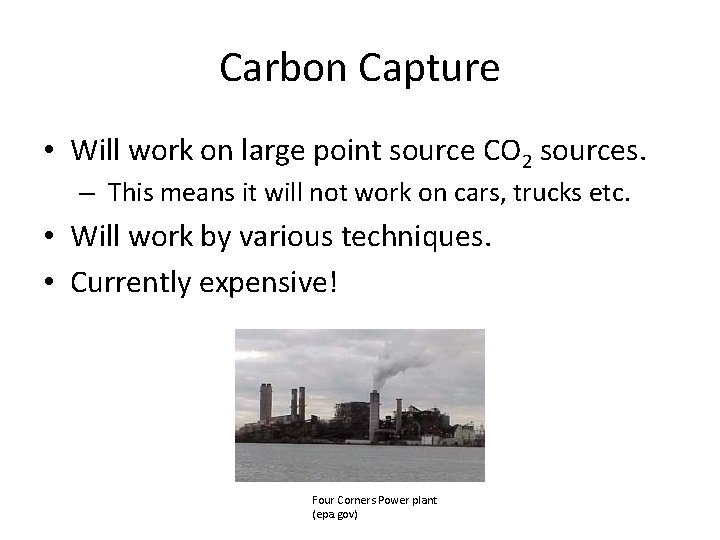
Carbon Capture • Will work on large point source CO 2 sources. – This means it will not work on cars, trucks etc. • Will work by various techniques. • Currently expensive! Four Corners Power plant (epa. gov)
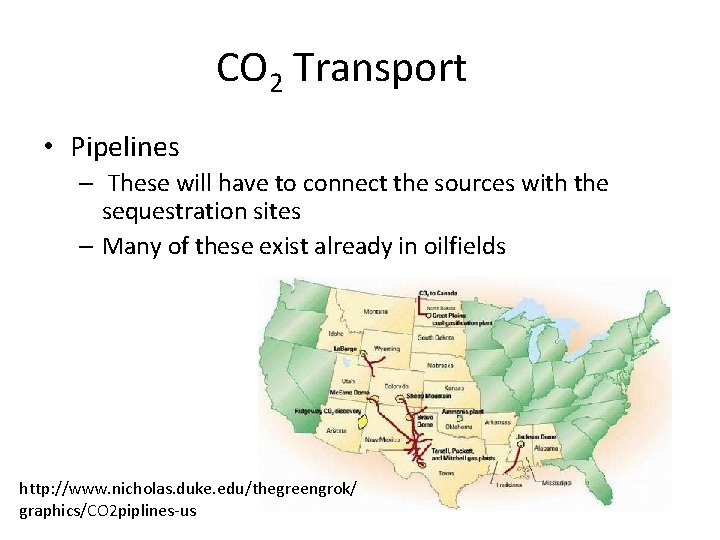
CO 2 Transport • Pipelines – These will have to connect the sources with the sequestration sites – Many of these exist already in oilfields http: //www. nicholas. duke. edu/thegreengrok/ graphics/CO 2 piplines-us
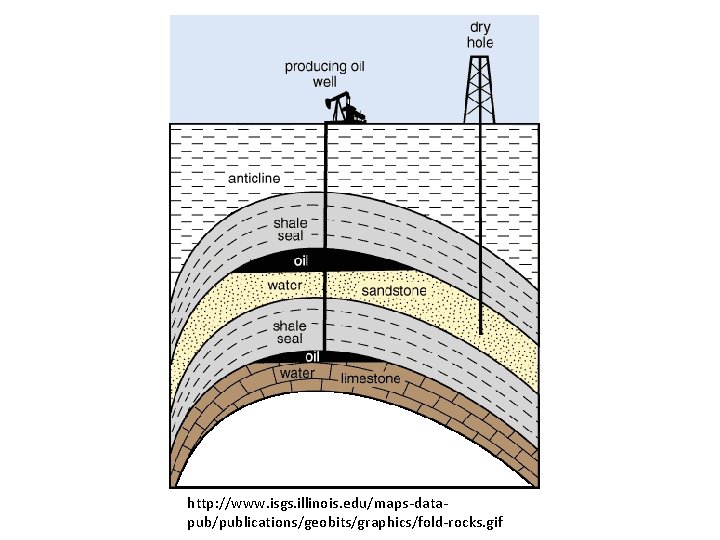
http: //www. isgs. illinois. edu/maps-datapub/publications/geobits/graphics/fold-rocks. gif
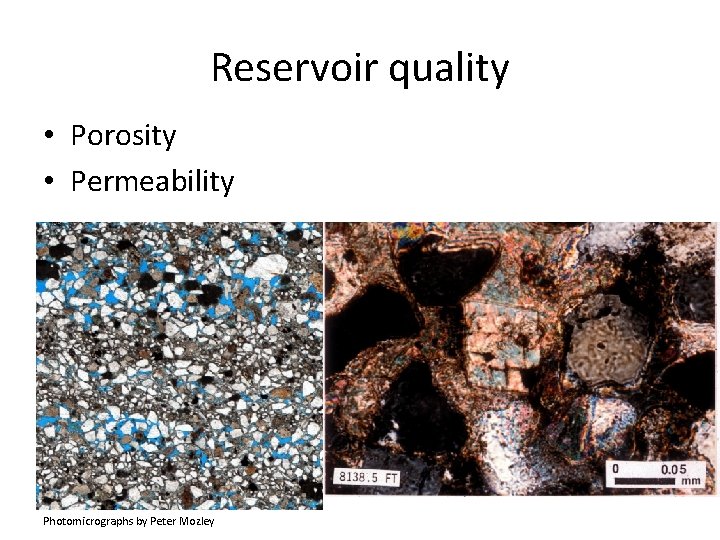
Reservoir quality • Porosity • Permeability Photomicrographs by Peter Mozley
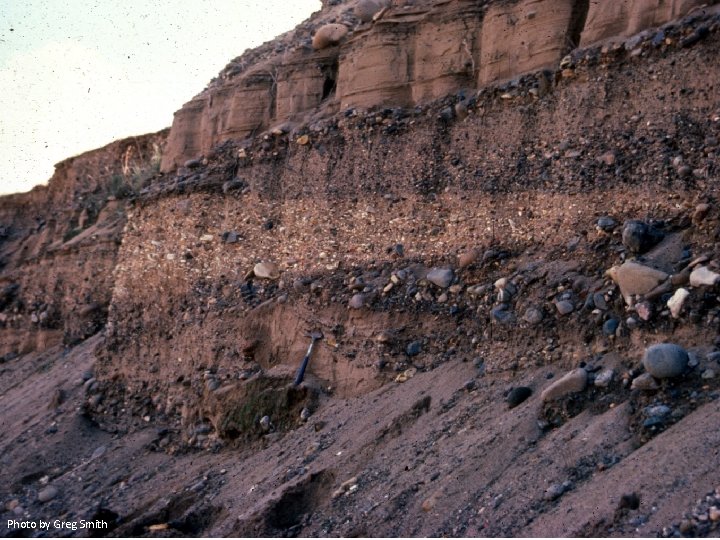
Photo by Greg Smith
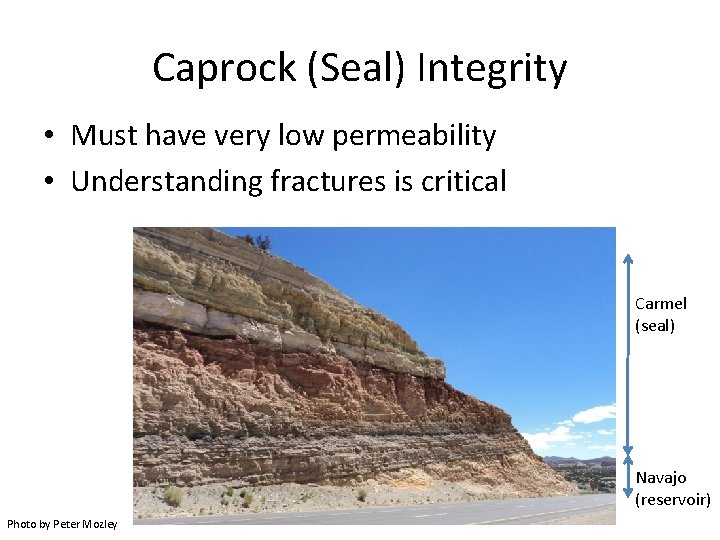
Caprock (Seal) Integrity • Must have very low permeability • Understanding fractures is critical Carmel (seal) Navajo (reservoir) Photo by Peter Mozley
Challenges to Large-Scale Sequestration • Technological – Cost of carbon capture • Legal – Liability, regulations, pore space ownership • Societal – CCS will add to cost of energy – Benefits of CCS are long term and hard to directly see

- Slides: 12