
GEOL 553 LECTURE 21 Biological Evidence Microfossils Pollen
GEOL 553 LECTURE 21 Biological Evidence • Microfossils • Pollen • Diatom • Macrofossils • Plants • Insects • Mollusca & Ostracoda & Foraminifera & Coccolithophores • Mammalia • Lab: NSF Grant Writing • Discussion: NSF Grant Proposal Guide
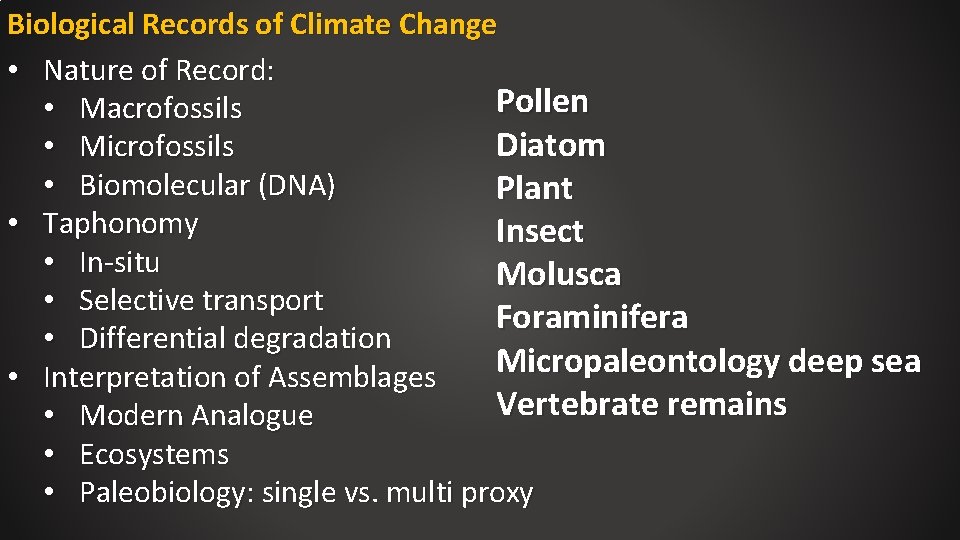
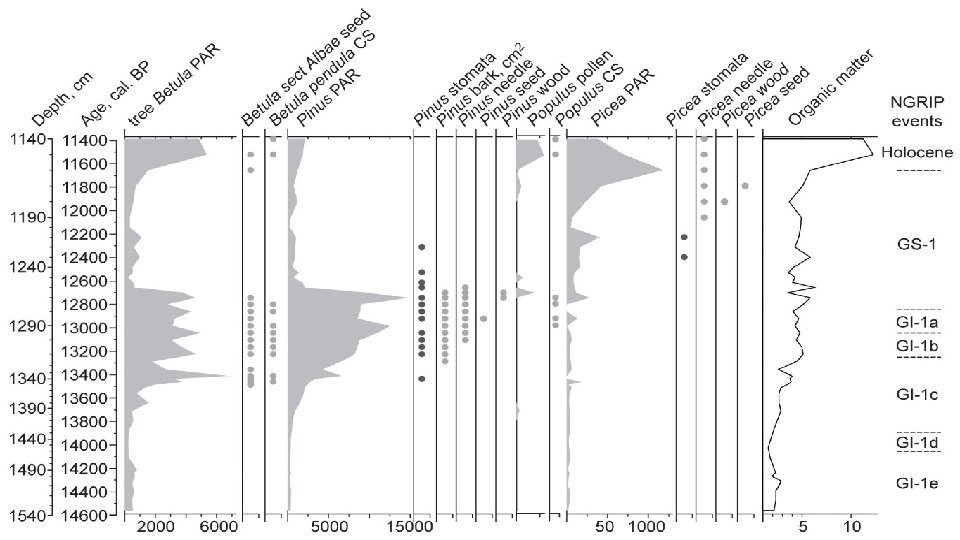
Biological Records of Climate Change • Nature of Record: Pollen • Macrofossils Diatom • Microfossils • Biomolecular (DNA) Plant • Taphonomy Insect • In-situ Molusca • Selective transport Foraminifera • Differential degradation Micropaleontology deep sea • Interpretation of Assemblages Vertebrate remains • Modern Analogue • Ecosystems • Paleobiology: single vs. multi proxy
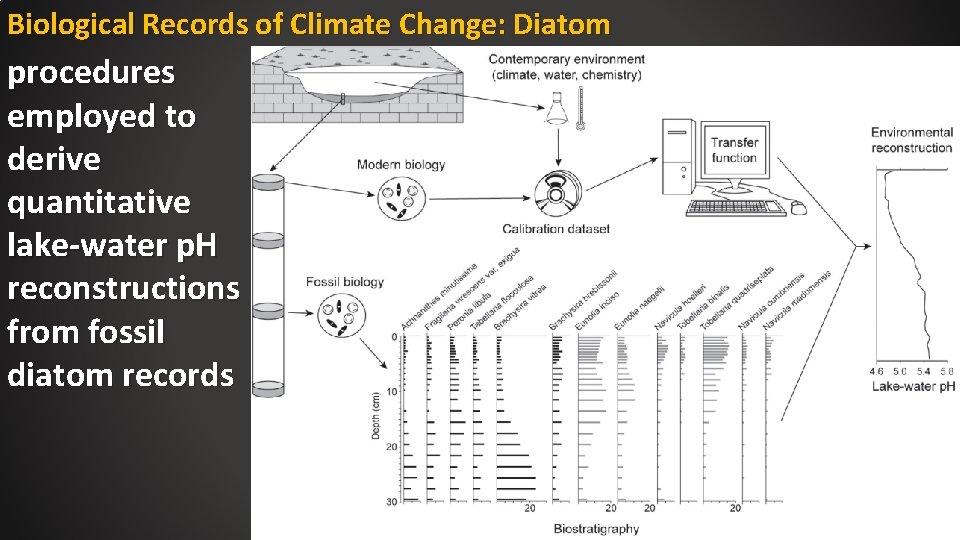
Biological Records of Climate Change: Diatom procedures employed to derive quantitative lake-water p. H reconstructions from fossil diatom records
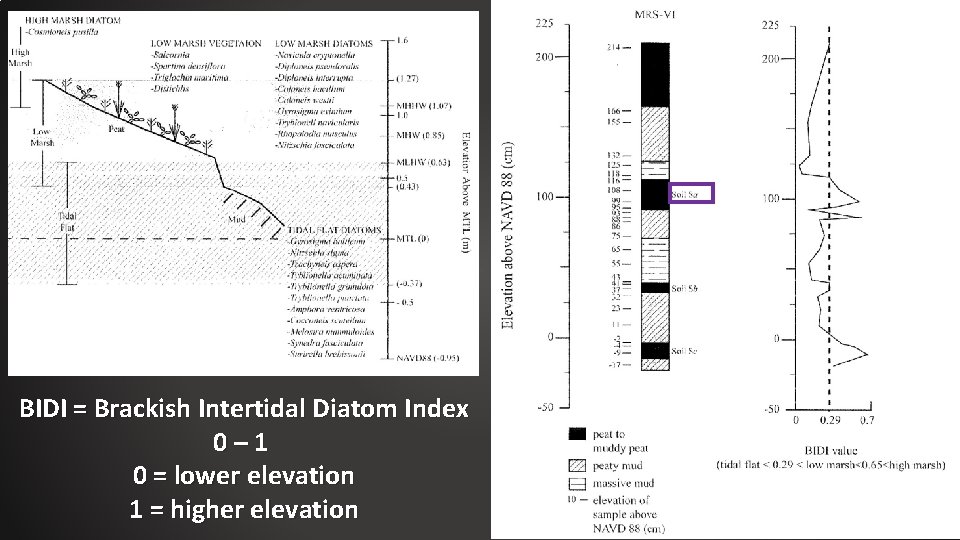
BIDI = Brackish Intertidal Diatom Index 0– 1 0 = lower elevation 1 = higher elevation
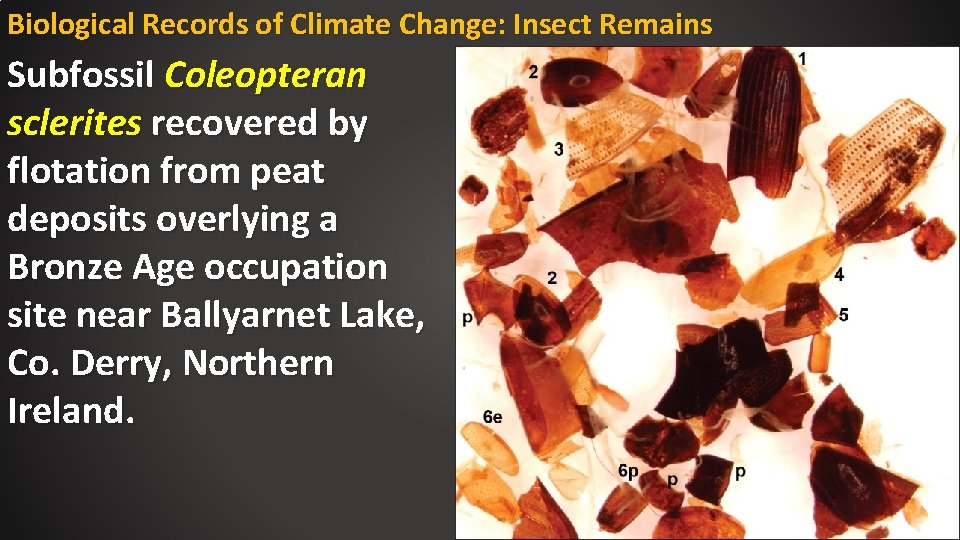
Biological Records of Climate Change: Insect Remains Subfossil Coleopteran sclerites recovered by flotation from peat deposits overlying a Bronze Age occupation site near Ballyarnet Lake, Co. Derry, Northern Ireland.
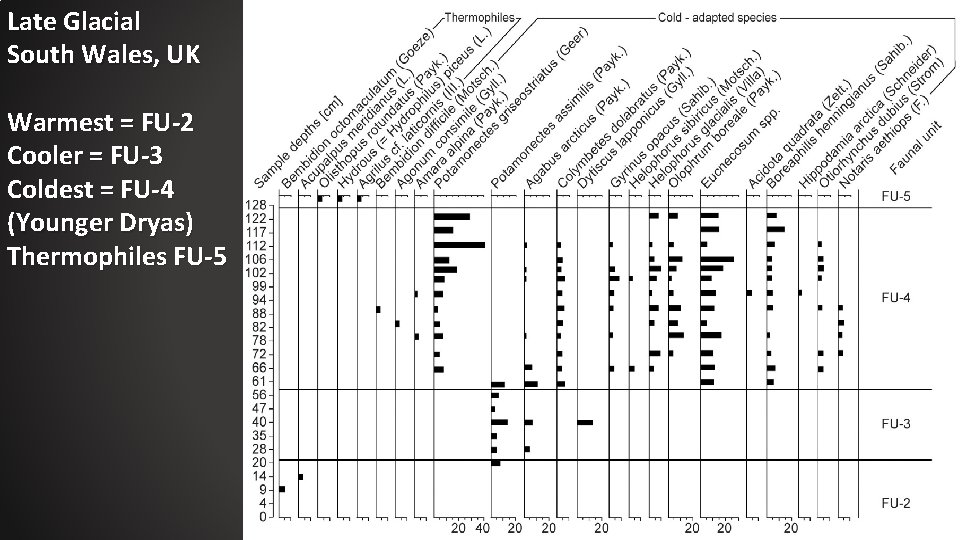
Late Glacial South Wales, UK Warmest = FU-2 Cooler = FU-3 Coldest = FU-4 (Younger Dryas) Thermophiles FU-5
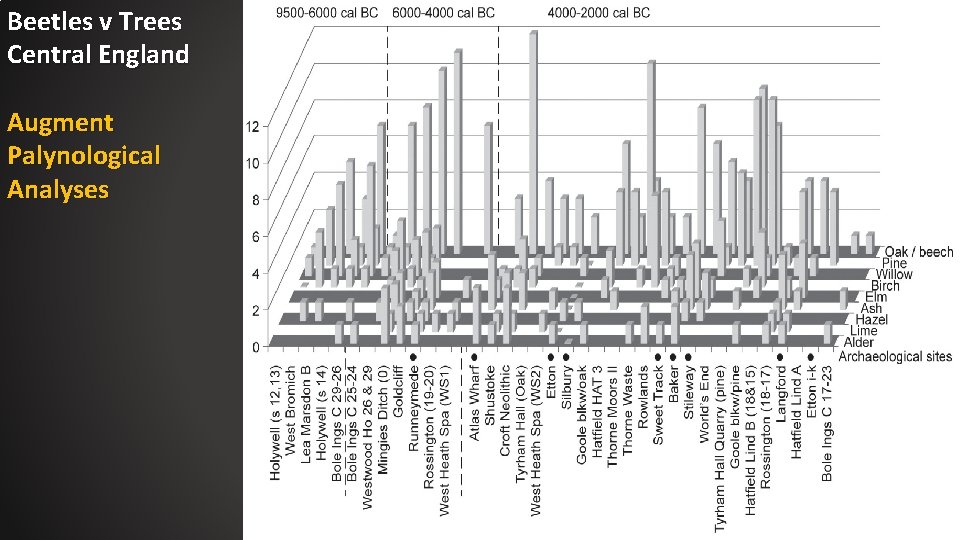
Beetles v Trees Central England Augment Palynological Analyses
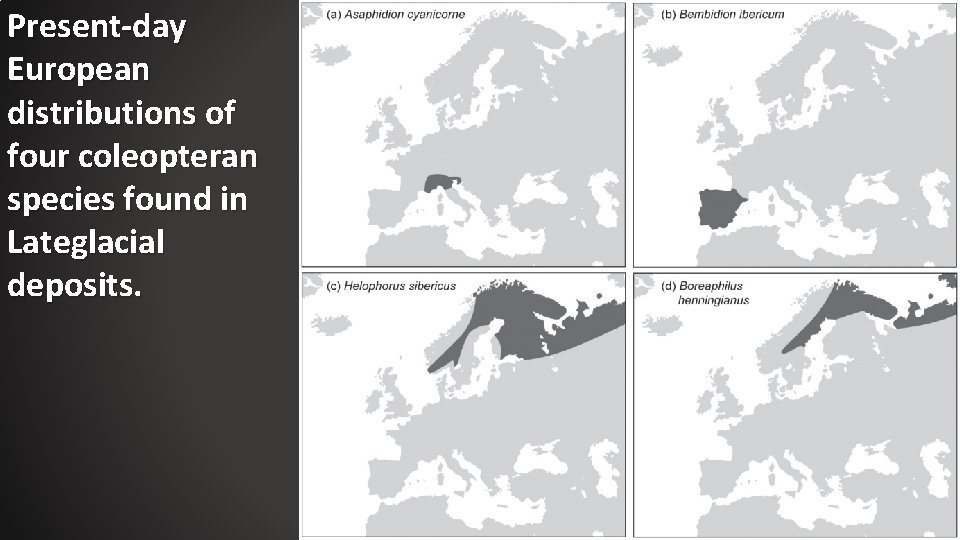
Present-day European distributions of four coleopteran species found in Lateglacial deposits.
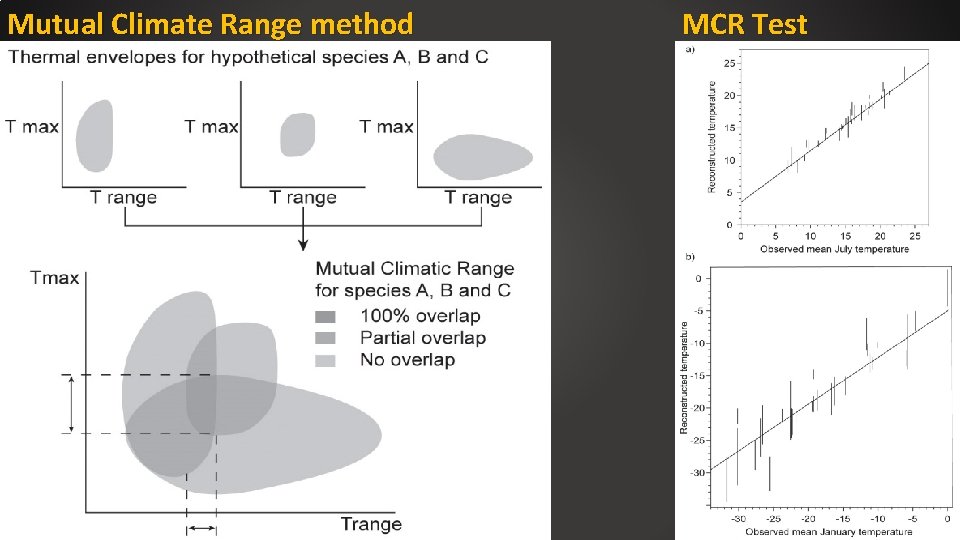
Mutual Climate Range method MCR Test
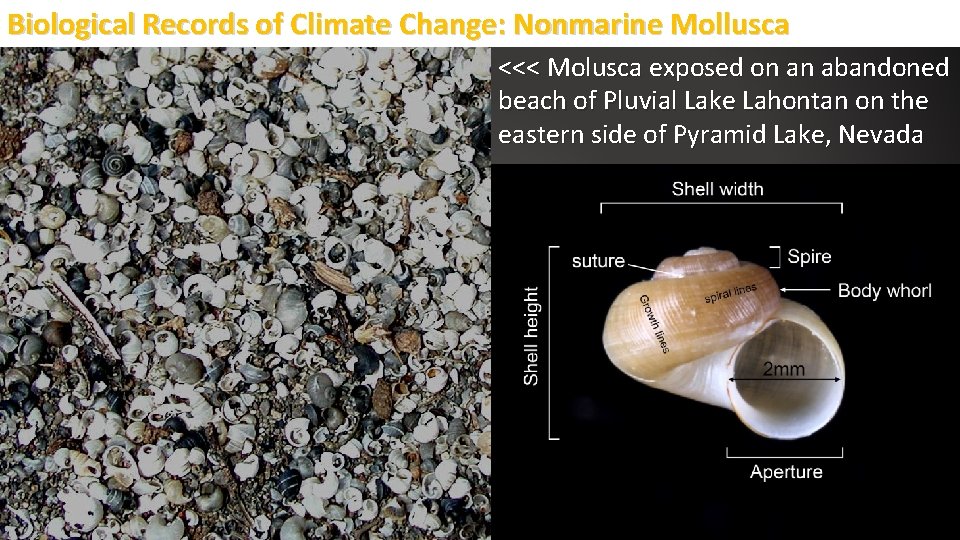
Biological Records of Climate Change: Nonmarine Mollusca <<< Molusca exposed on an abandoned beach of Pluvial Lake Lahontan on the eastern side of Pyramid Lake, Nevada
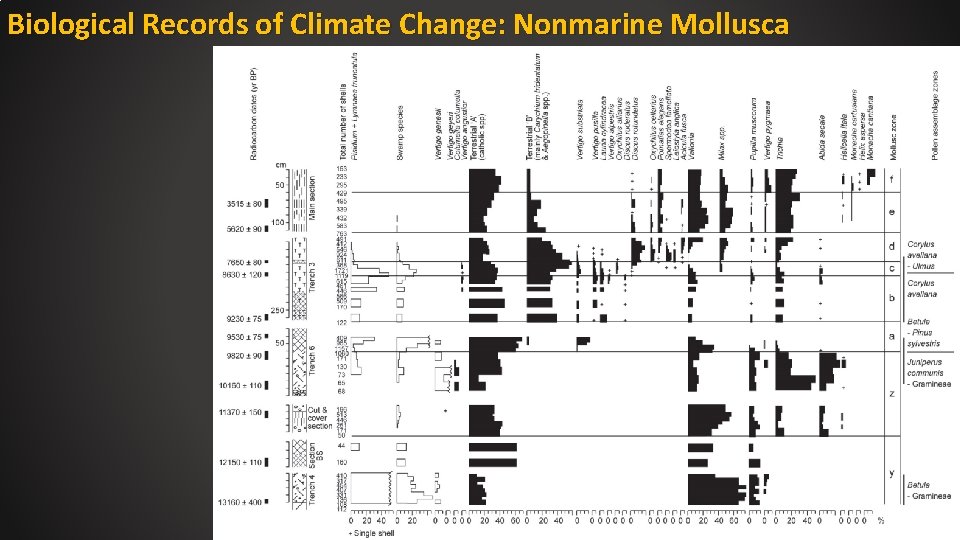
Biological Records of Climate Change: Nonmarine Mollusca
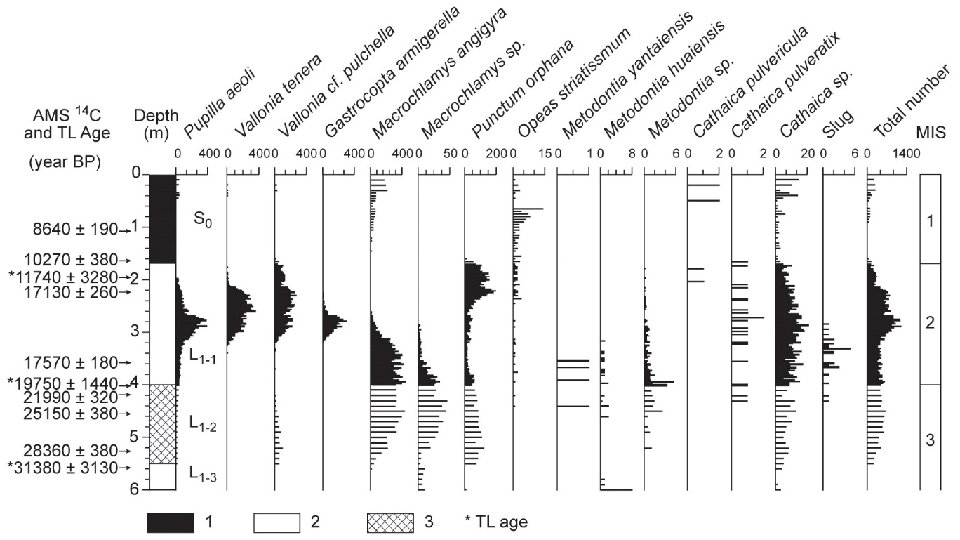
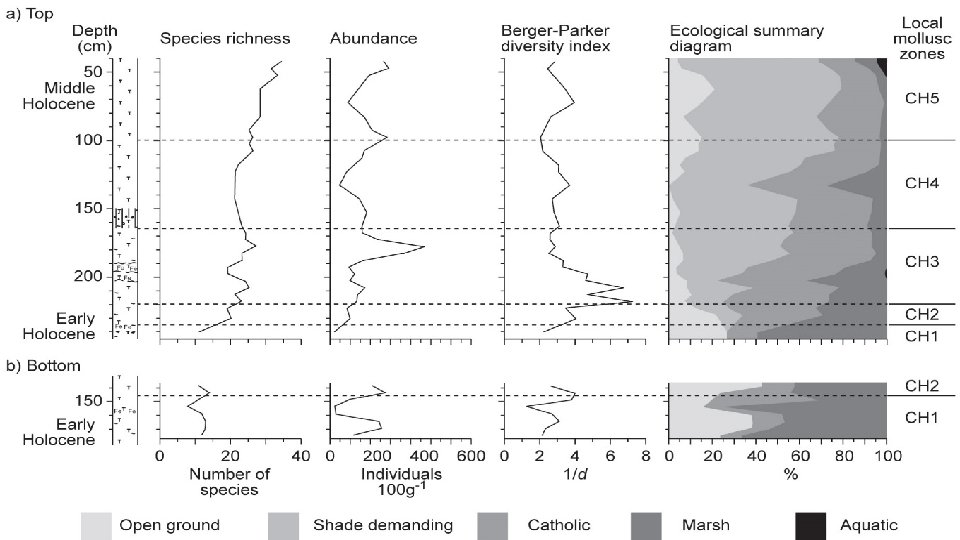
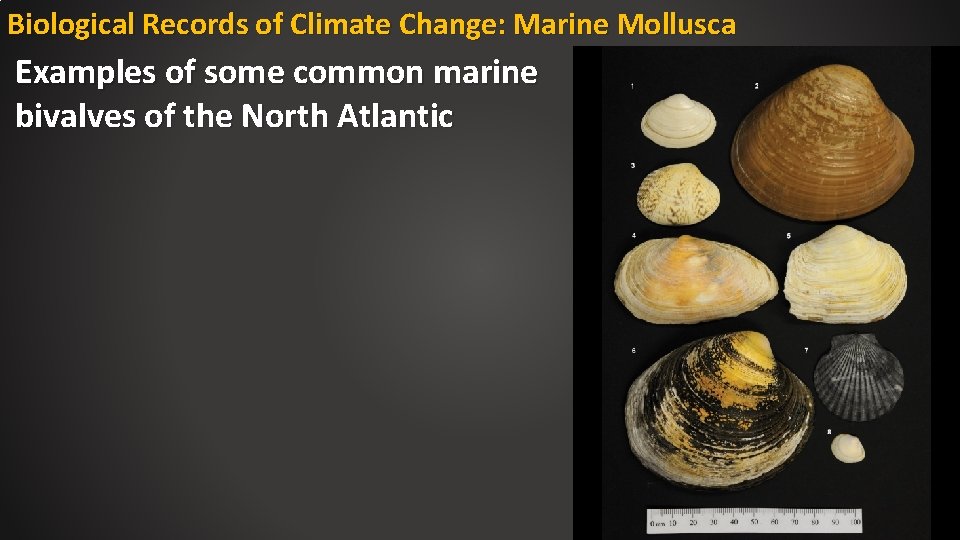
Biological Records of Climate Change: Marine Mollusca Examples of some common marine bivalves of the North Atlantic
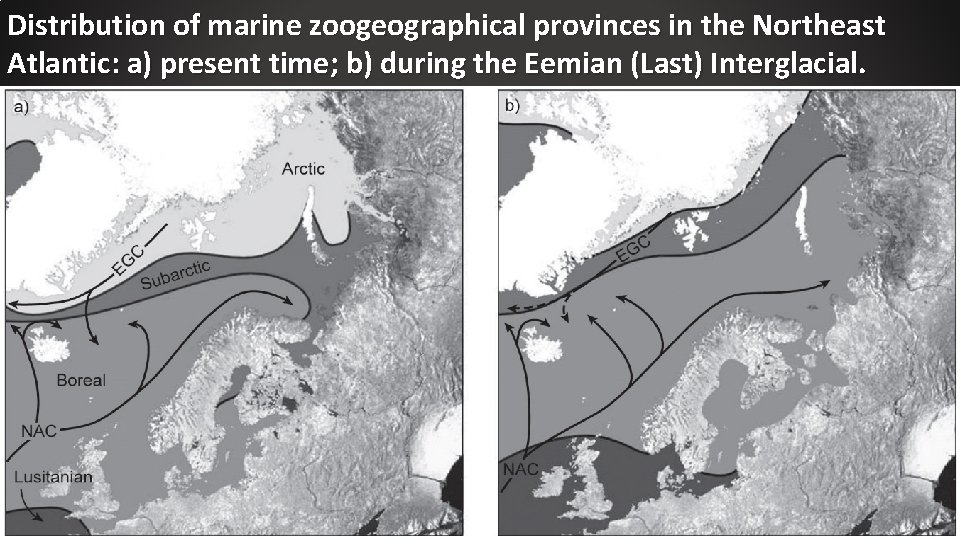
Distribution of marine zoogeographical provinces in the Northeast Atlantic: a) present time; b) during the Eemian (Last) Interglacial.
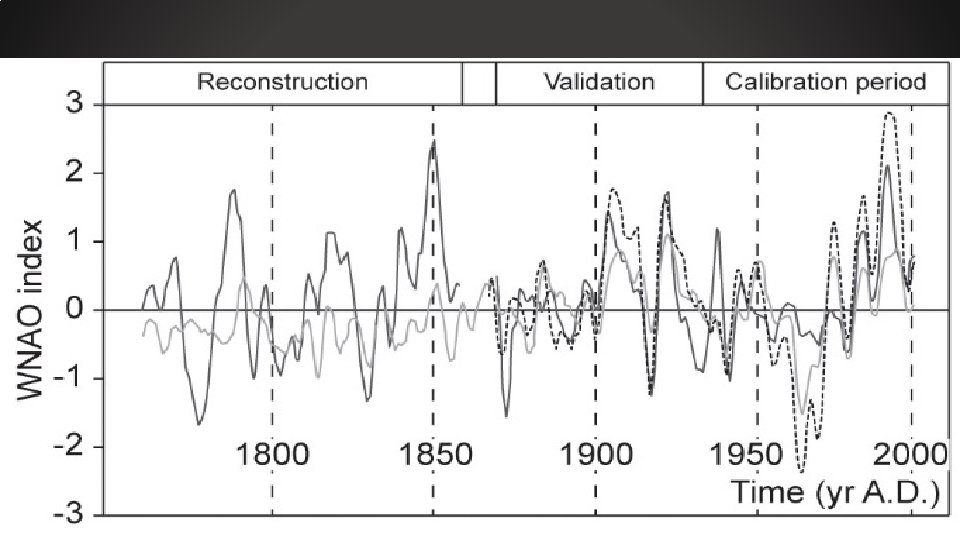
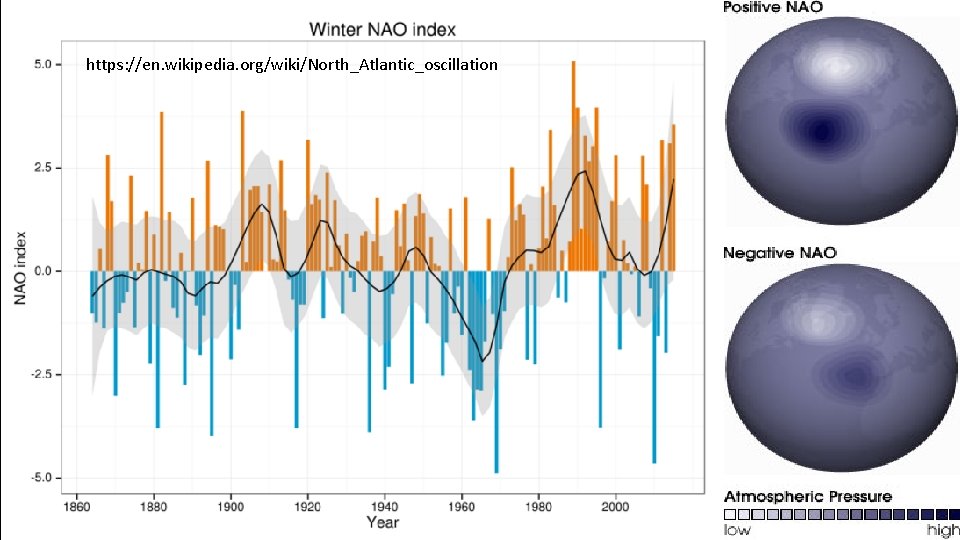
https: //en. wikipedia. org/wiki/North_Atlantic_oscillation
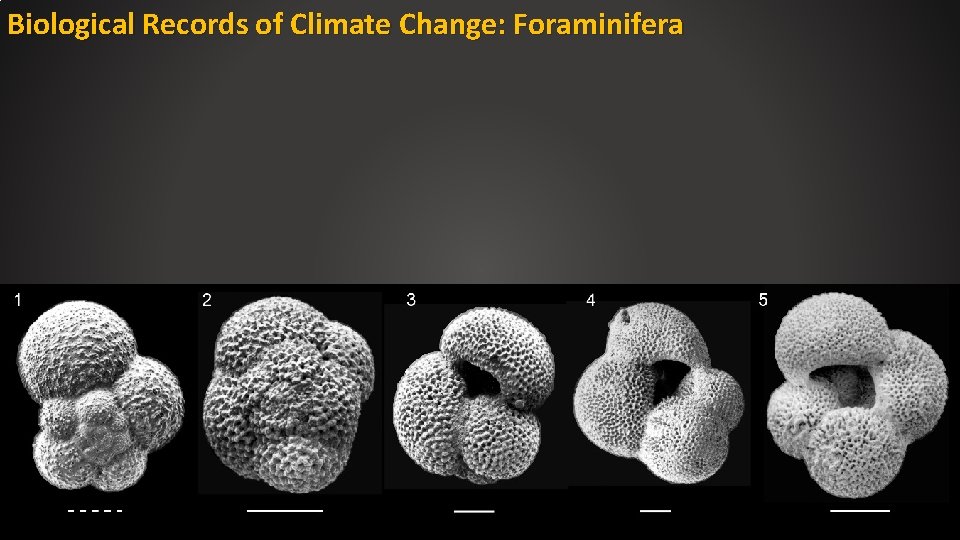
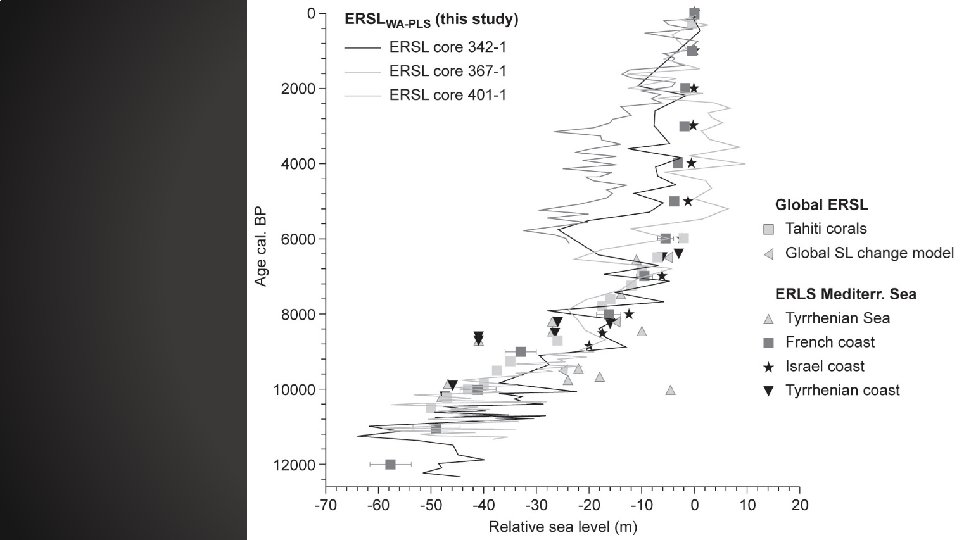
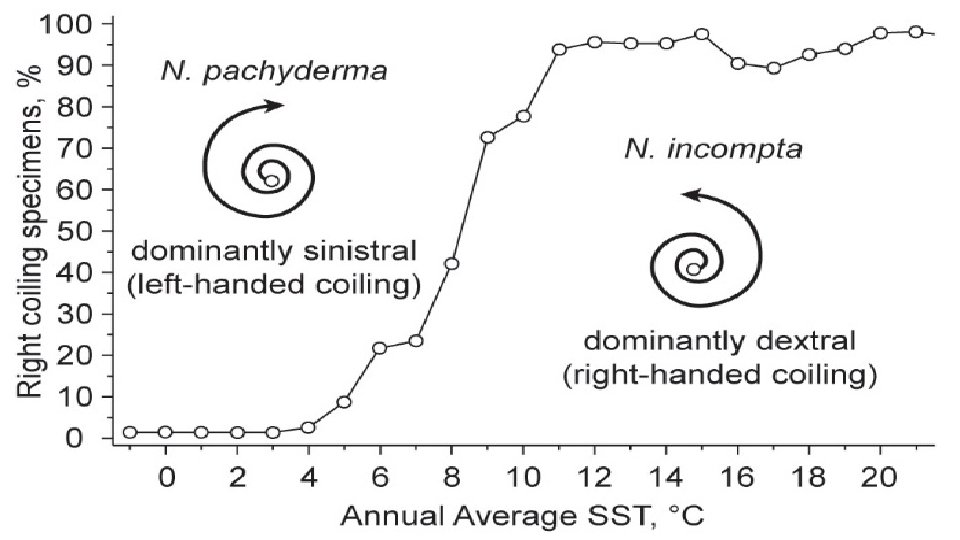
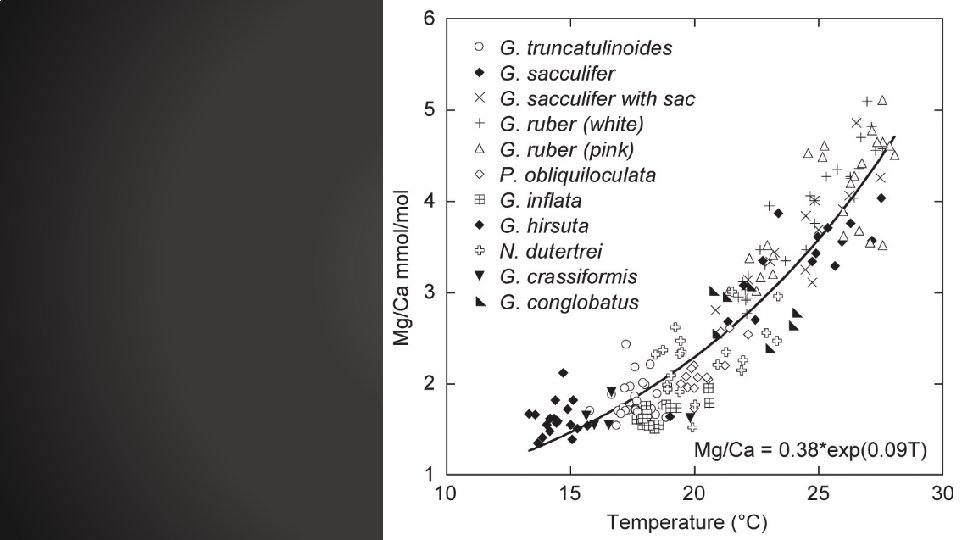
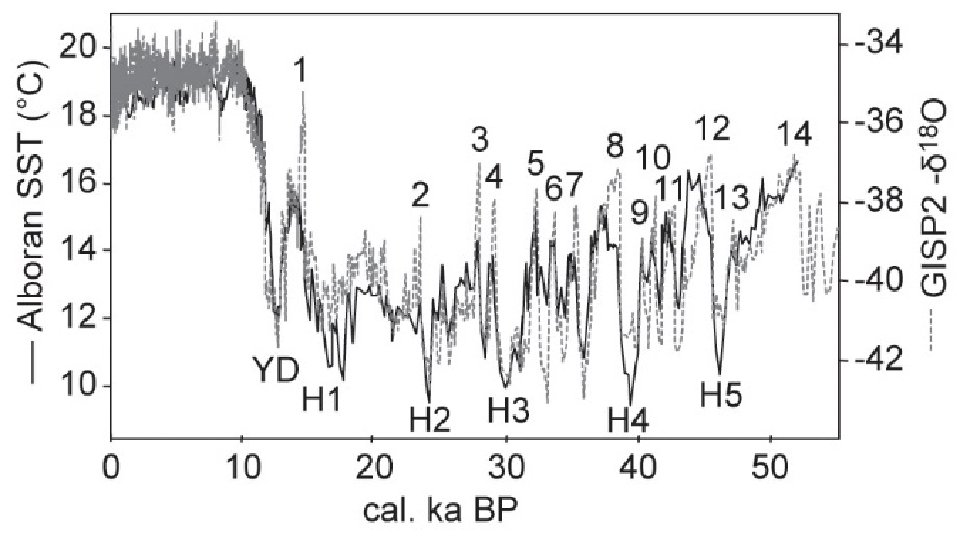
Biological Records of Climate Change: Foraminifera
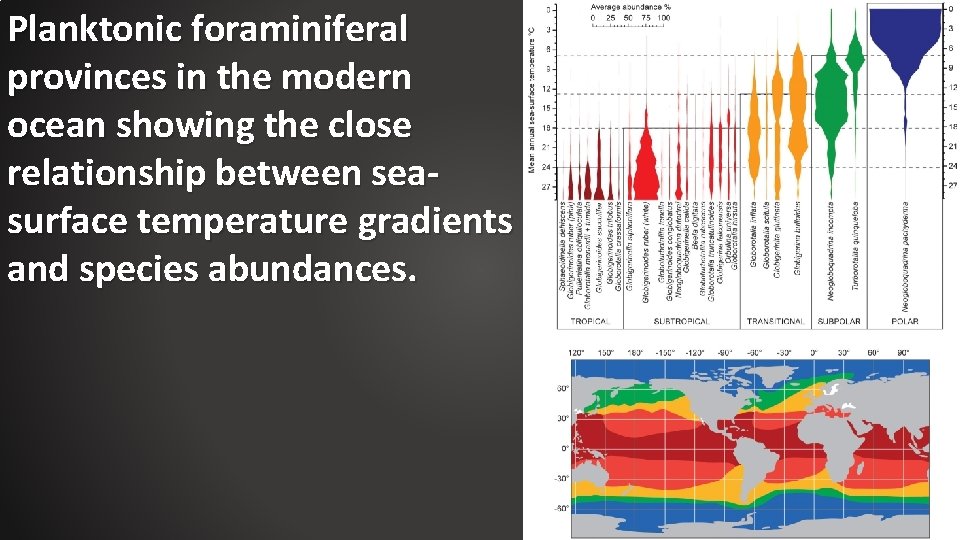
Planktonic foraminiferal provinces in the modern ocean showing the close relationship between seasurface temperature gradients and species abundances.
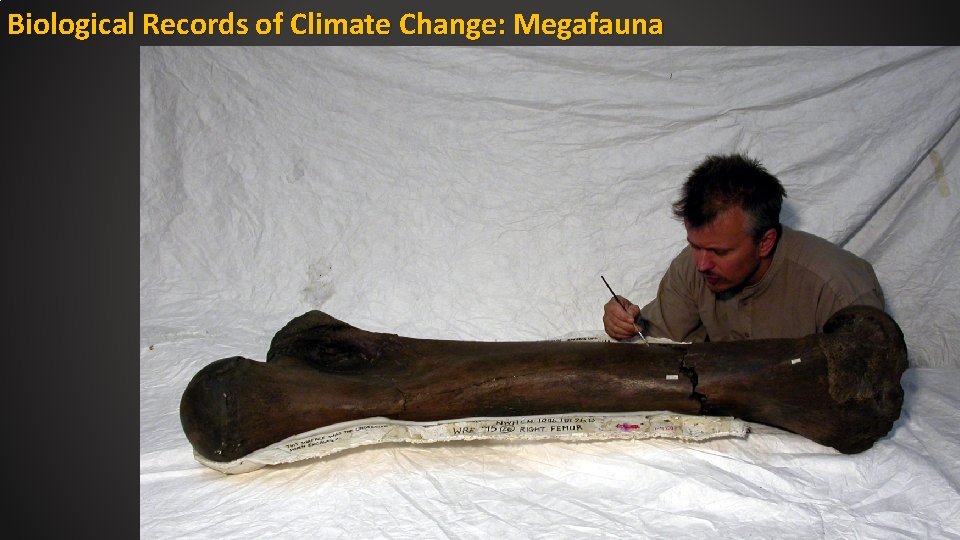
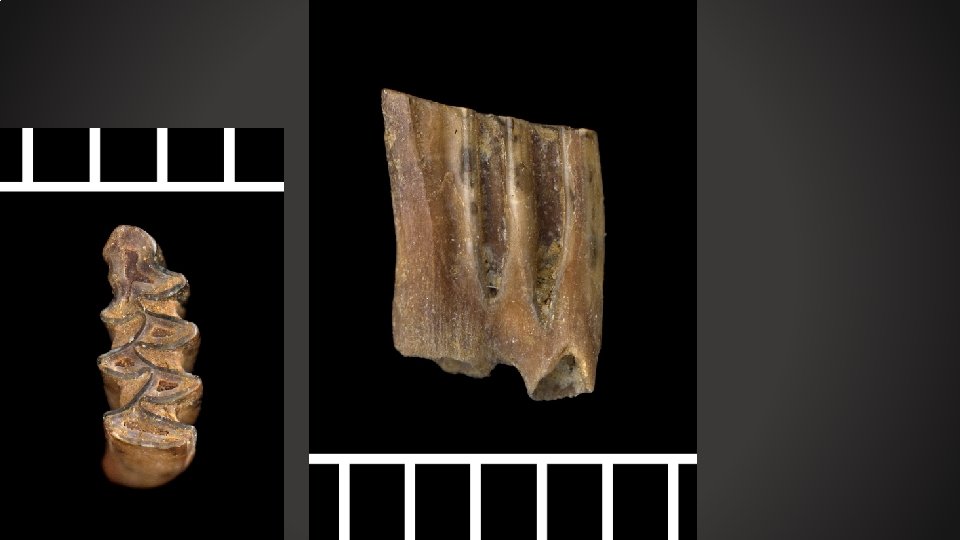
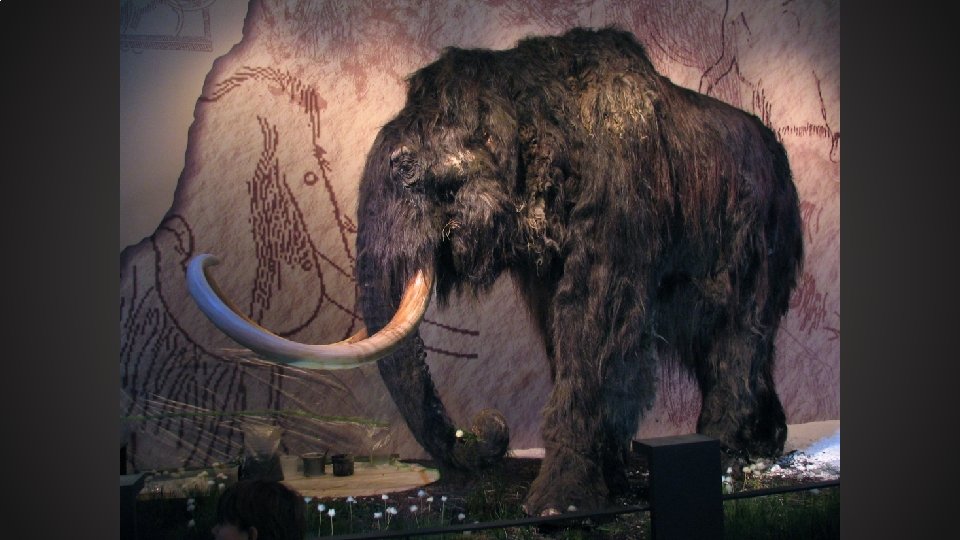
Biological Records of Climate Change: Megafauna

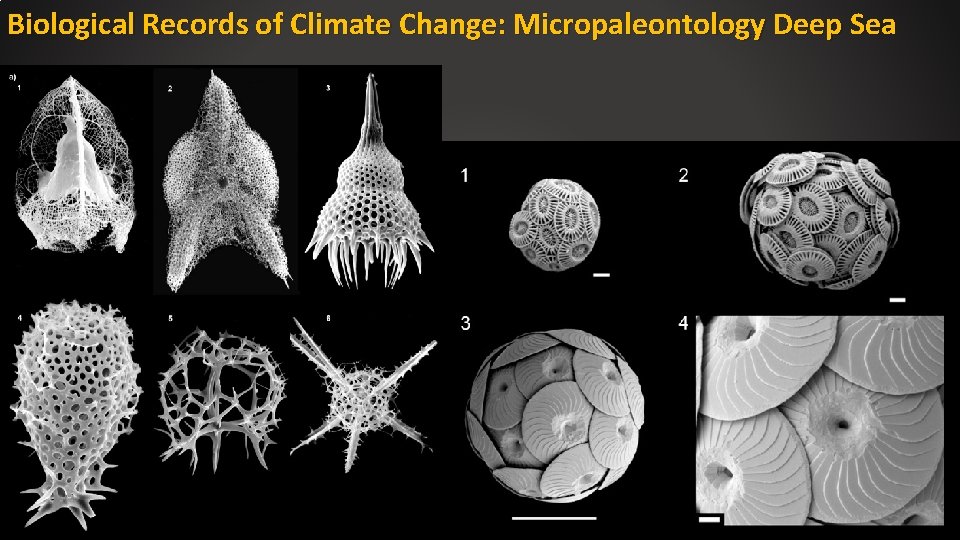
Biological Records of Climate Change: Micropaleontology Deep Sea



- Slides: 34