
Geography Review Government Review Definition of Government An
- Slides: 14
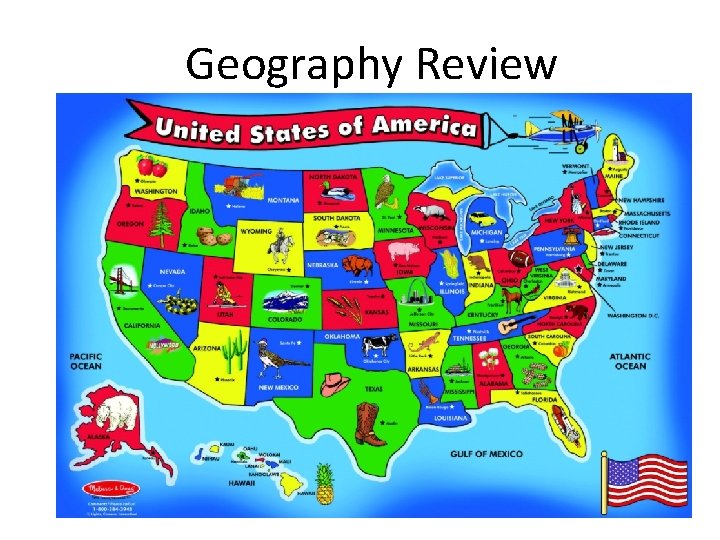
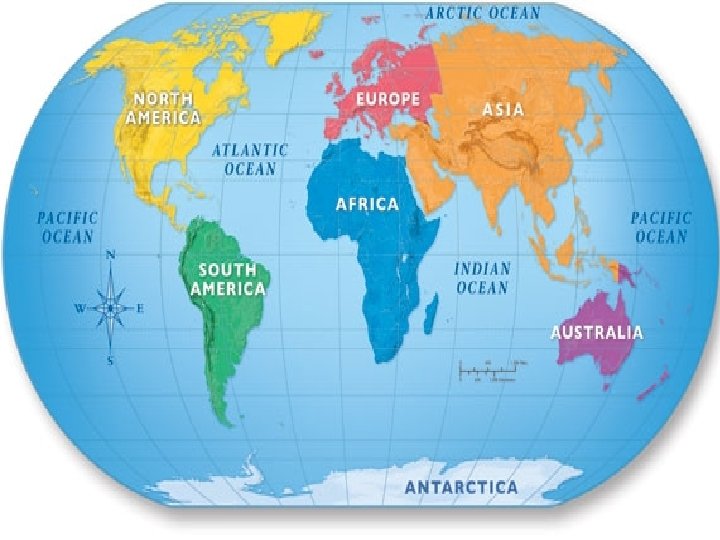
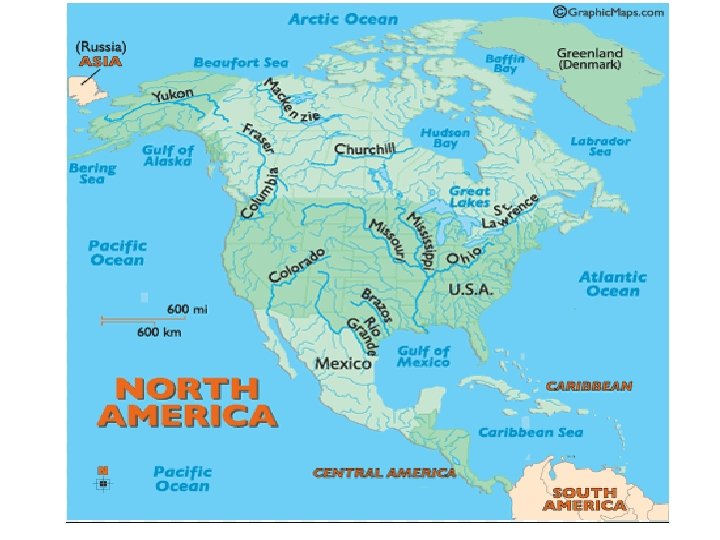
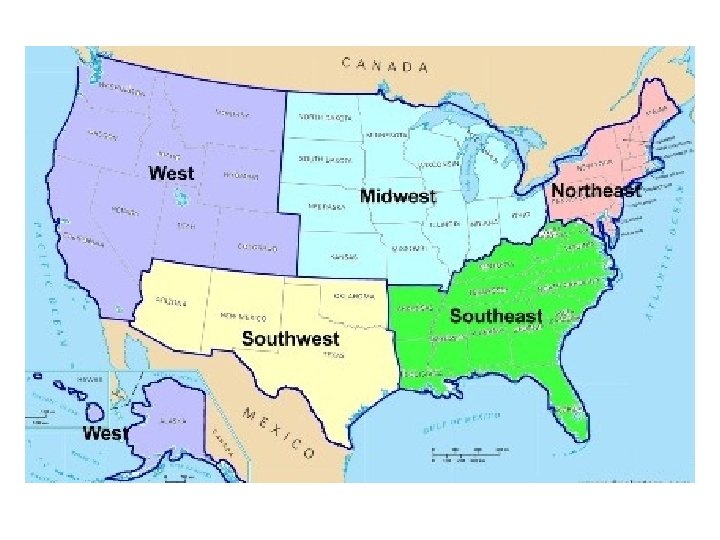
Geography Review
Government Review
Definition of Government • An institution that establishes and enforces rules for a group of people. They must have sovereignty, legitimacy, and jurisdiction.
Government Terms • Sovereignty (sov-ern-tee) – POWER! The government has authority to do things! • Legitimacy – The people ACCEPT the government’s power, so it’s… legit! • Jurisdiction – The geographic boundaries where the government has the right to make and enforce laws – For example, the Texas state government doesn’t have jurisdiction in Oklahoma. The United States government
Anarchy – The belief that every form of regulation or government is immoral and unnecessary. In anarchy, there are no leaders. • There anarchist groups all around the world, but there are not any countries that don’t have any person or group of people exercising control. Even countries plagued with violence and chaos still have a group or opposing groups using their power (threats, violence, etc. ) to get people to do what they want.
Dictatorship – One person has full power in the country – The ruler of the country claims total control over all activities of the citizens. • Sudan, Rwanda, Nicaragua, Venezuela, Cuba, Syria, Iran, Turkmenistan, North Korea, Belarus
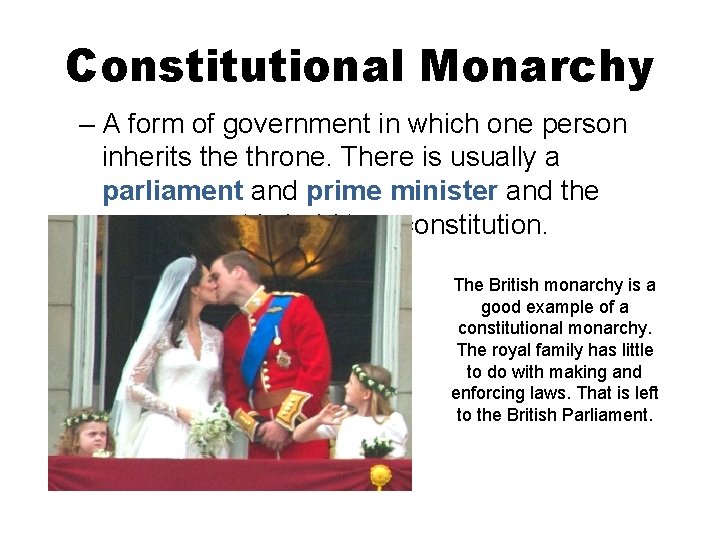
Constitutional Monarchy – A form of government in which one person inherits the throne. There is usually a parliament and prime minister and the government is held to a constitution. The British monarchy is a good example of a constitutional monarchy. The royal family has little to do with making and enforcing laws. That is left to the British Parliament.
Democracy / Republic – The power to govern is determined by the people; decisions are made by voting • India, USA, UK, France, Germany, Pakistan, Ireland, South Africa, Poland, Norway, Sweden, Switzerland, Greece, Italy, Nepal (one of the recent countries to adopt democracy), Australia, New Zealand, Indonesia, Philippines, Bangladesh
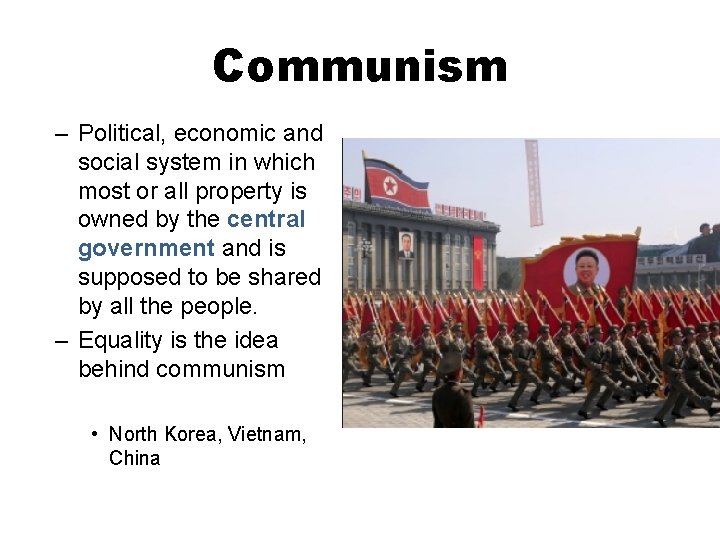
Communism – Political, economic and social system in which most or all property is owned by the central government and is supposed to be shared by all the people. – Equality is the idea behind communism • North Korea, Vietnam, China
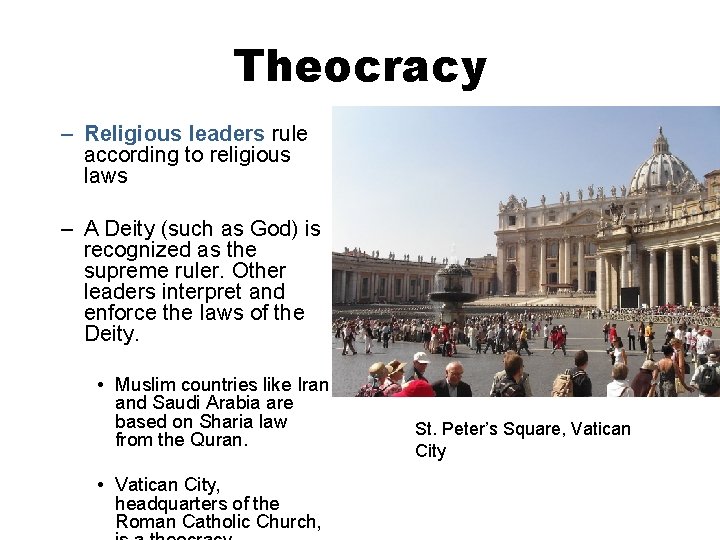
Theocracy – Religious leaders rule according to religious laws – A Deity (such as God) is recognized as the supreme ruler. Other leaders interpret and enforce the laws of the Deity. • Muslim countries like Iran and Saudi Arabia are based on Sharia law from the Quran. • Vatican City, headquarters of the Roman Catholic Church, St. Peter’s Square, Vatican City