
GEOGRAPHY LESSON 2 LAND SOIL WATER NATURAL VEGETATION


- Slides: 18
GEOGRAPHY LESSON 2 LAND, SOIL, WATER, NATURAL VEGETATION AND WILD LIFE RESOURCES MODULE 1
What are three types of resources? 1. Natural resources 2. Human made resources and 3. Human resources
What are natural resources? Resources that are drawn from nature and used without much modification are called natural resources.
Land 70 % of our earth is covered with water. Land covers only 30 % of the earth’s surface. In this 30 percentage, most of the land is not habitable. For example, desert areas, mountain region, forested areas are thinly populated whereas plains and river valleys are thickly populated. These areas are very fertile and used for agriculture.
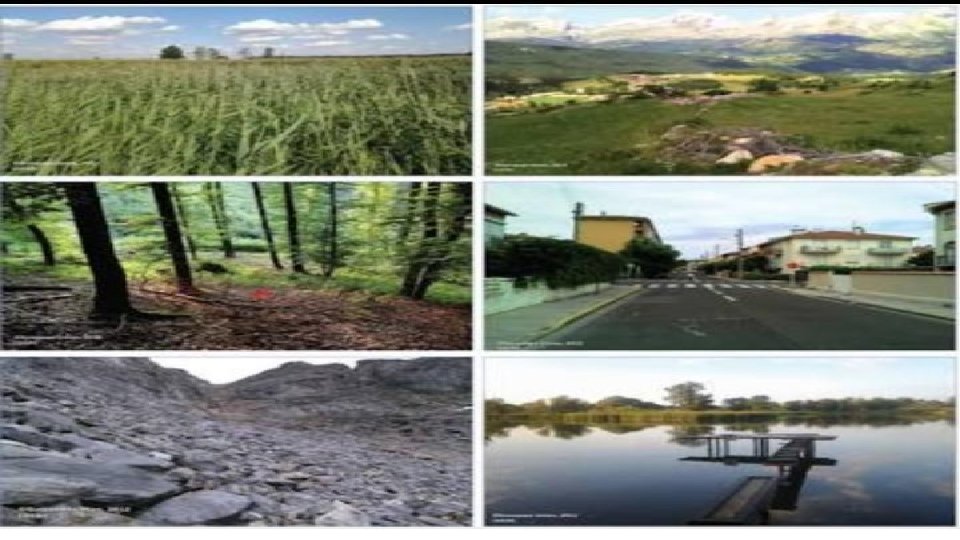
The uses of land Land is used for different purposes v agriculture, v forestry, v mining v building houses, roads and v setting up of industry.
The use of Land is determined by two factors v physical factors v human factors
The physical factors are v topography, v climate, v minerals, v availability of water.
Human factors are v population v technology
Types of land on the basis of ownership of land, land is divided into two. They are v private land v community land Private land is owned and operated by individuals. Community land is owned by the community.
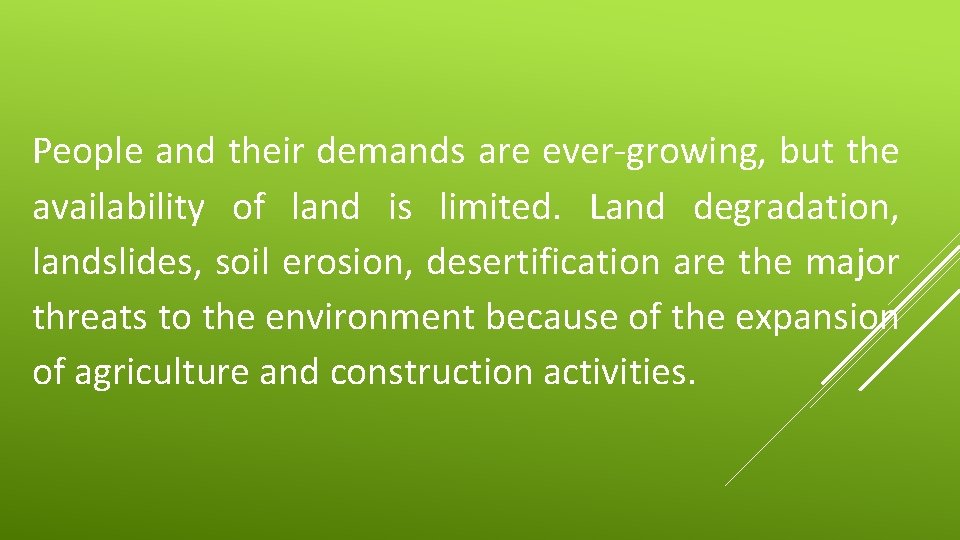
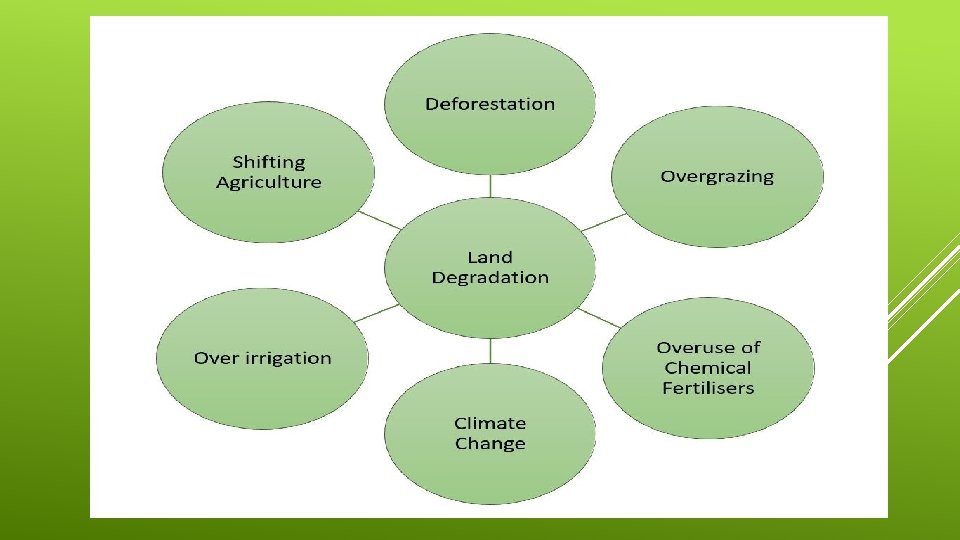
People and their demands are ever-growing, but the availability of land is limited. Land degradation, landslides, soil erosion, desertification are the major threats to the environment because of the expansion of agriculture and construction activities.
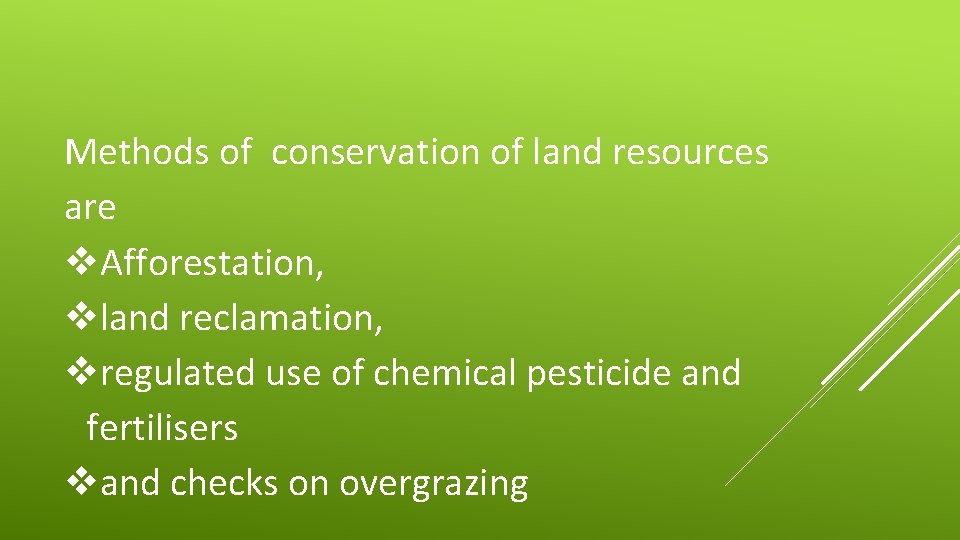
Methods of conservation of land resources are v. Afforestation, vland reclamation, vregulated use of chemical pesticide and fertilisers vand checks on overgrazing
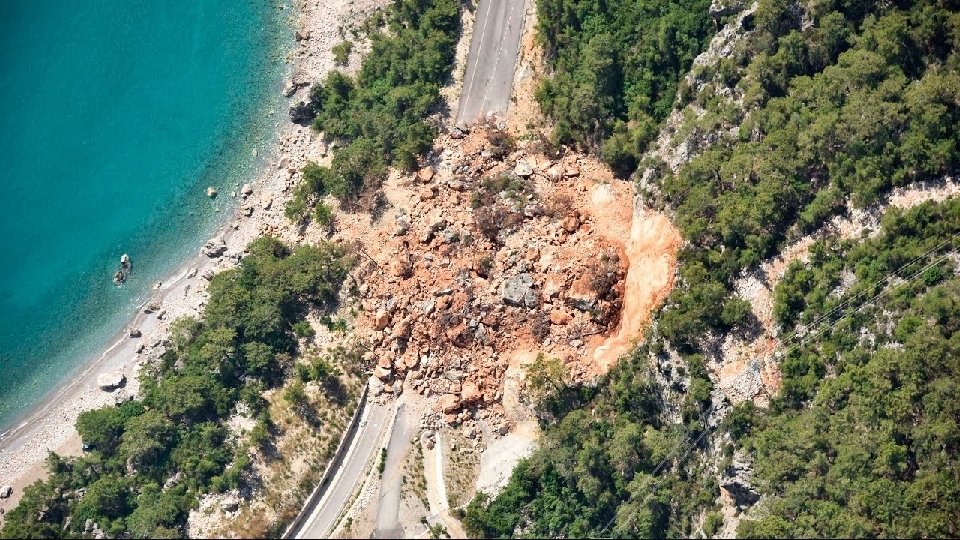
Landslides are simply defined as the mass movement of rock, debris or earth down a slope. They often take place in conjunction with earthquakes, floods and volcanoes. A prolonged spell of rainfall can cause heavy landslide that can block the flow of river for quite some time.
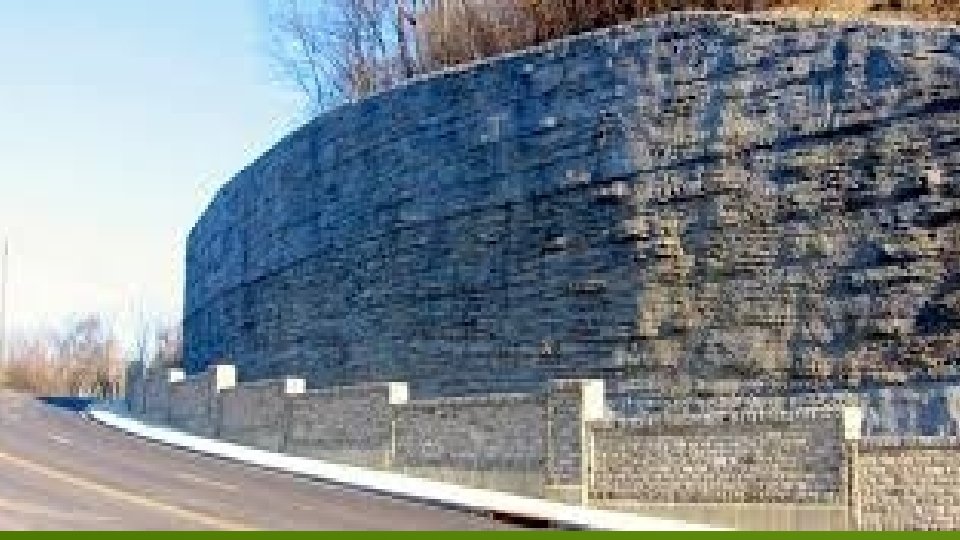
Mitigation mechanism v Hazard mapping to locate areas prone to landslides. Hence, such areas can be avoided for building settlements. v Construction of retention wall to stop land from slipping. v Increase the vegetation cover. v The surface drainage control works to control the movement of landslide along with rainwater and spring flows.