
Geography and Tourism Chapter 2 Patterns and Processes
- Slides: 33
Geography and Tourism Chapter 2 Patterns and Processes of World Tourism
FACTORS CONTRIBUTIN TO TOURISM CHANGE n n n Societal Changes Due to Urbanization The Industrial Revolution Technological Advances in Transportation Technological Advances in Communications 2 World Wars Migration of Large Numbers of People
DEFINING TOURISM n 1. Movement of people between two or more places (usually over 50 miles)
DEFINING TOURISM n 2. Length of time of movement (temporary) (usually more than 24 -hours)
DEFINING TOURISM n 3. Purpose (not work, not student travel)
Leisure Time (definition) n 1. Increased time free from actual labor
Leisure Time n 2. In the 1850 s a work week was about 70 hours, today it is just less than 40 hrs.
Leisure Time n n 3. Paid vacations are the norm 4. With 5 -day work week, you get 104 weekend days for leisure, 10 regular holidays in U. S. , and paid vacation of 10 -20 days, makes a total 125 -140 days a year for leisure time.
n The Industrial Revolution showed us how to make more “stuff” in less time and thus provided us with more leisure time
Affluence Pertains to the population gaining a good standard of living. n Sharp increase in real and disposable incomes n The average income today is fifteen times higher than in 1927 n
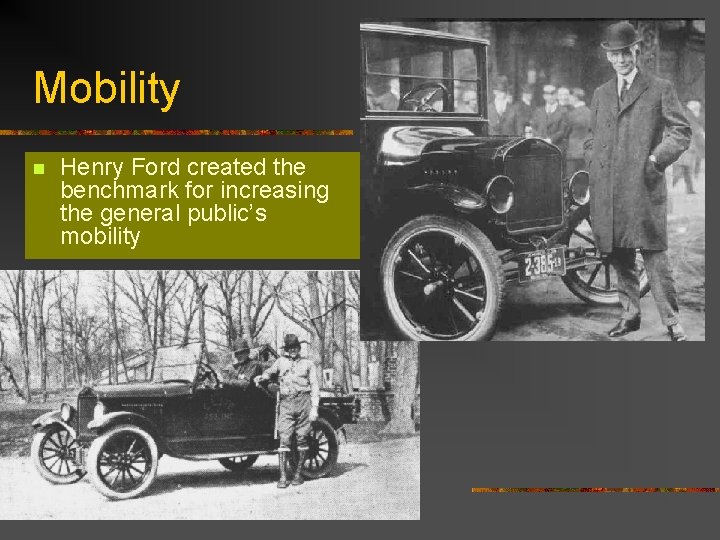
Mobility n Henry Ford created the benchmark for increasing the general public’s mobility
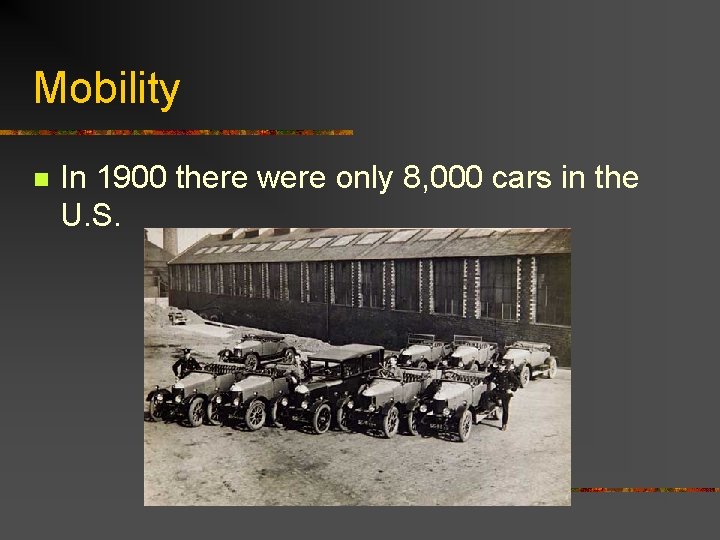
Mobility n In 1900 there were only 8, 000 cars in the U. S.
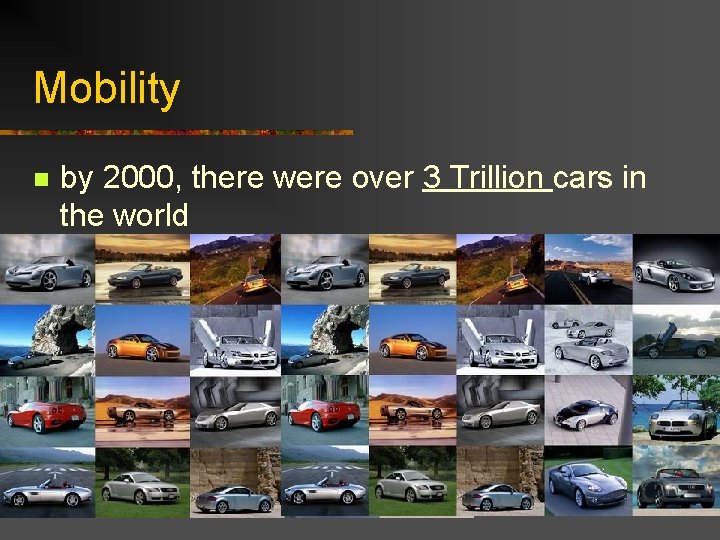
Mobility n by 2000, there were over 3 Trillion cars in the world
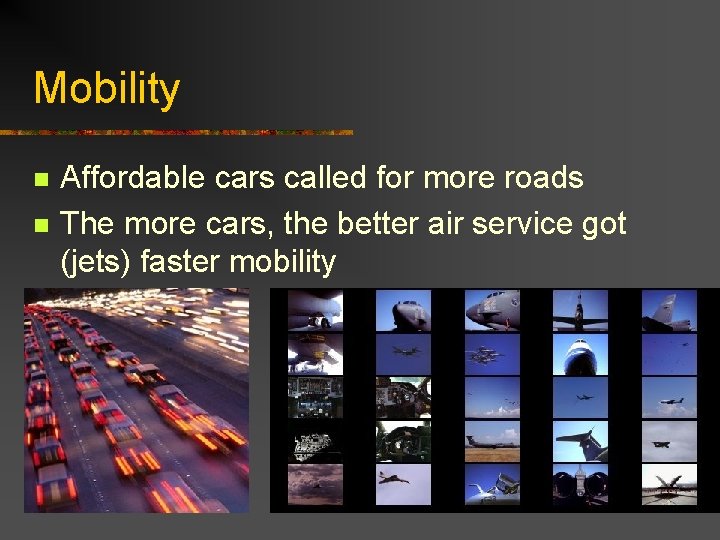
Mobility n n Affordable cars called for more roads The more cars, the better air service got (jets) faster mobility
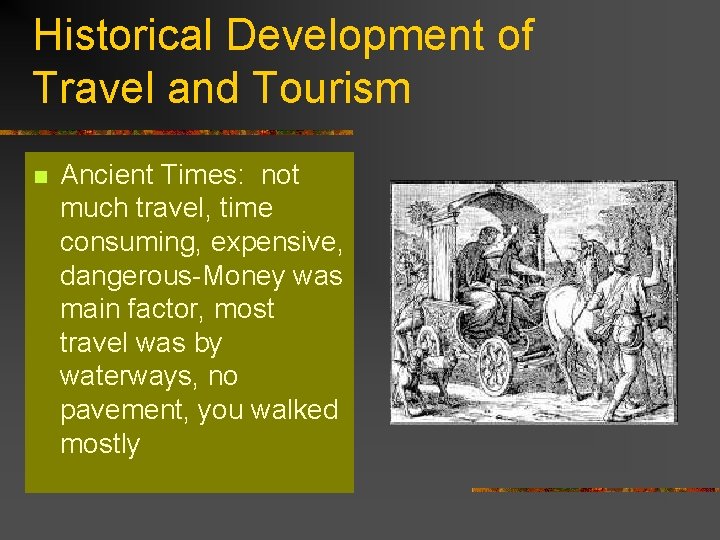
Historical Development of Travel and Tourism n Ancient Times: not much travel, time consuming, expensive, dangerous-Money was main factor, most travel was by waterways, no pavement, you walked mostly
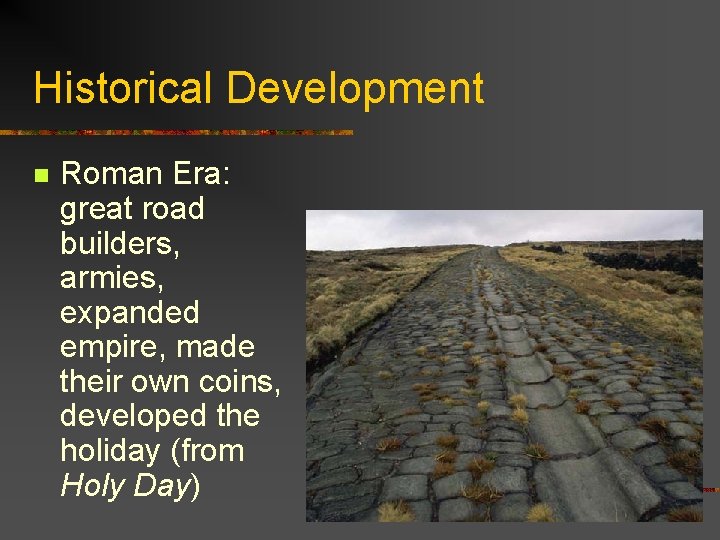
Historical Development n Roman Era: great road builders, armies, expanded empire, made their own coins, developed the holiday (from Holy Day)
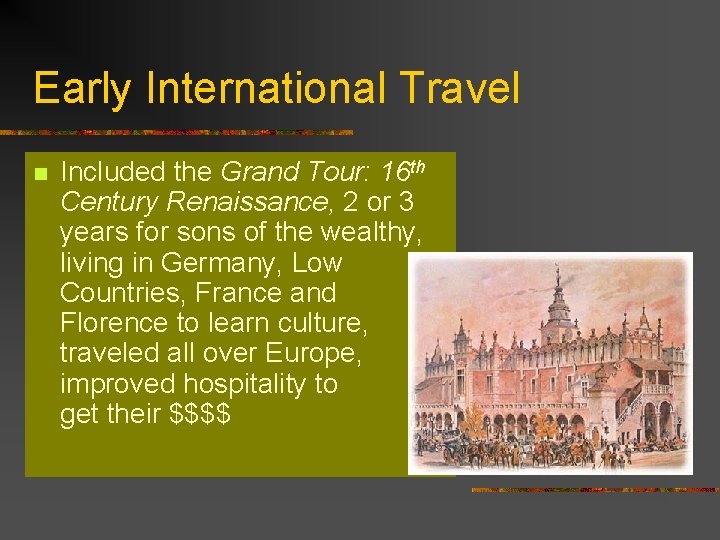
Early International Travel n Included the Grand Tour: 16 th Century Renaissance, 2 or 3 years for sons of the wealthy, living in Germany, Low Countries, France and Florence to learn culture, traveled all over Europe, improved hospitality to get their $$$$
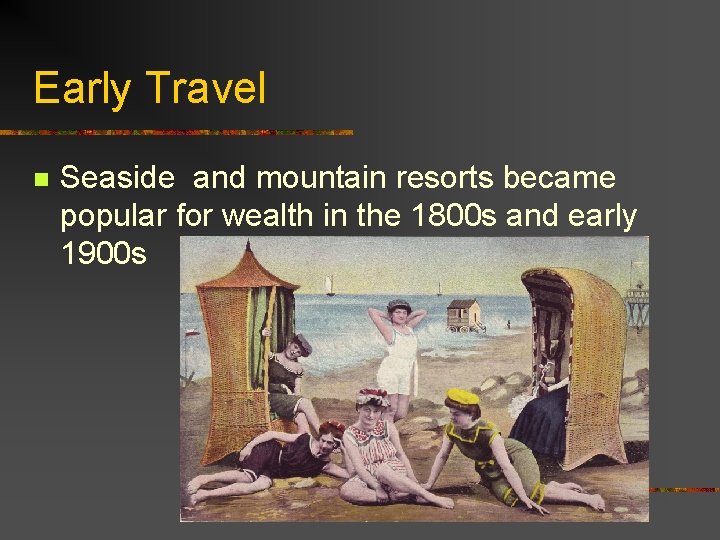
Early Travel n Seaside and mountain resorts became popular for wealth in the 1800 s and early 1900 s
n New kinds of transportation, the Industrial Revolution and increased leisure time promoted tourism as society advanced in the late 1900 s
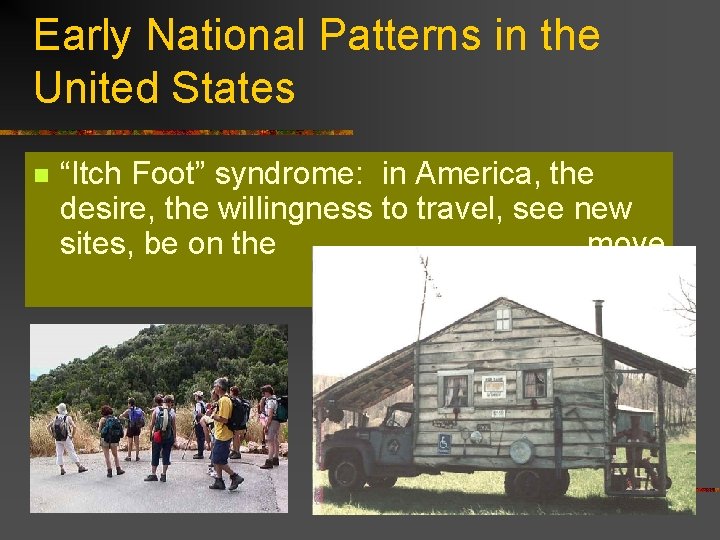
Early National Patterns in the United States n “Itch Foot” syndrome: in America, the desire, the willingness to travel, see new sites, be on the move
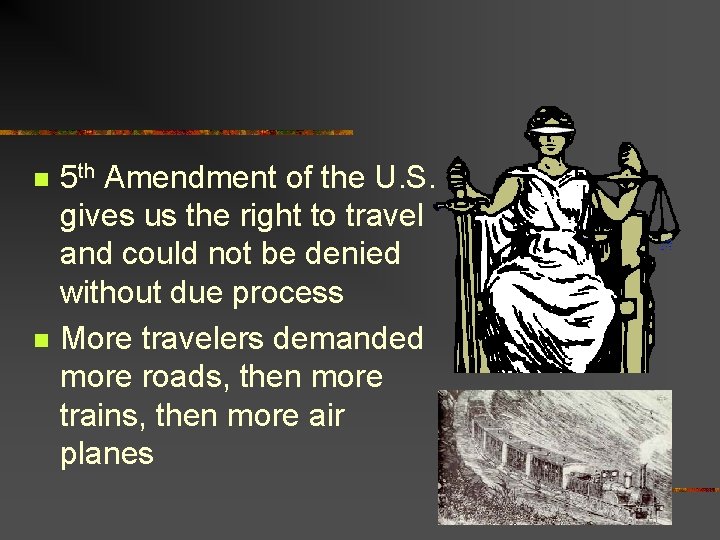
n n 5 th Amendment of the U. S. gives us the right to travel and could not be denied without due process More travelers demanded more roads, then more trains, then more air planes
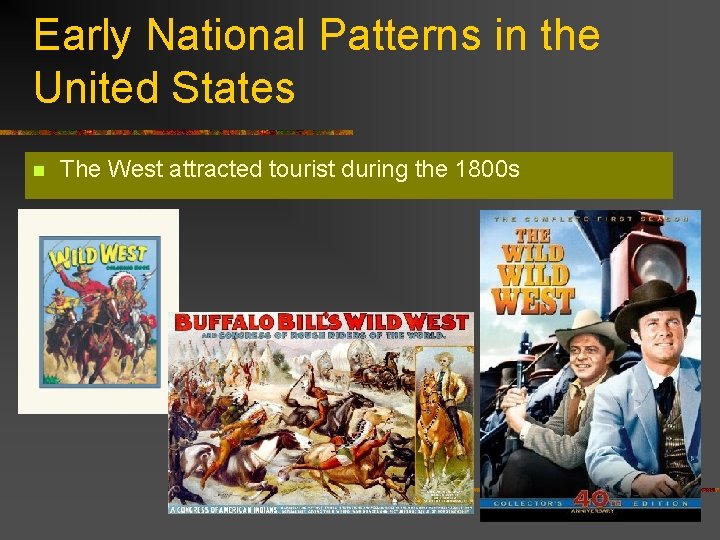
Early National Patterns in the United States n The West attracted tourist during the 1800 s
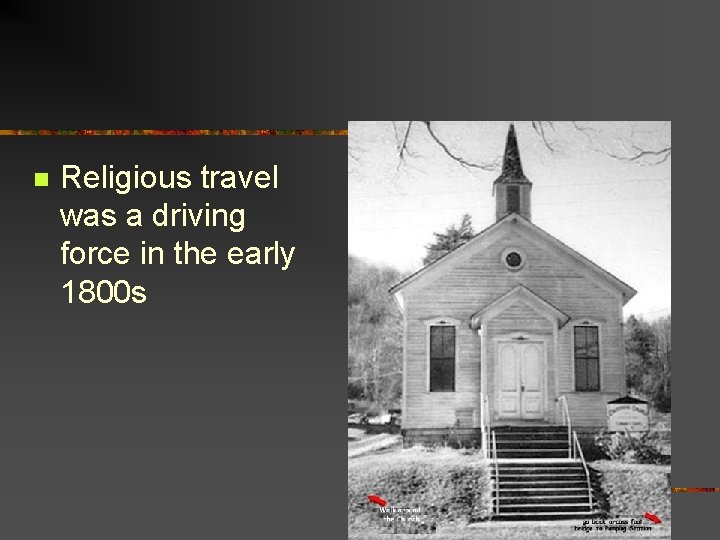
n Religious travel was a driving force in the early 1800 s
n n n Other attractions in the 1800 s were n Resorts, cities, beaches, cultural landscapes n Scenic beauty, outdoor recreation, gambling, entertainment The 1900 s say the Industrial Revolution, and 2 World Wars that extended the same reasons to travel in the 1800 s Travel has now become as fundamental a part of American life as housing, food, and work
Current International Patterns of Tourism n n International Tourism has increased steadily since the end of WWII Tourism in less industrialized countries has increased and improved their economies
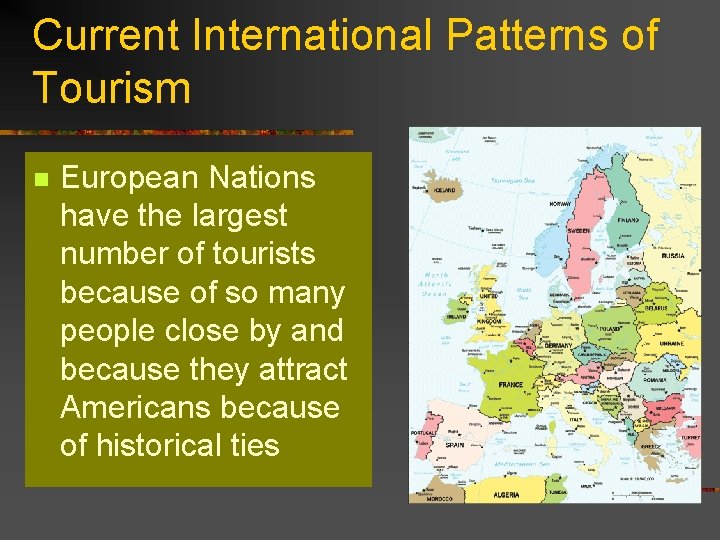
Current International Patterns of Tourism n European Nations have the largest number of tourists because of so many people close by and because they attract Americans because of historical ties
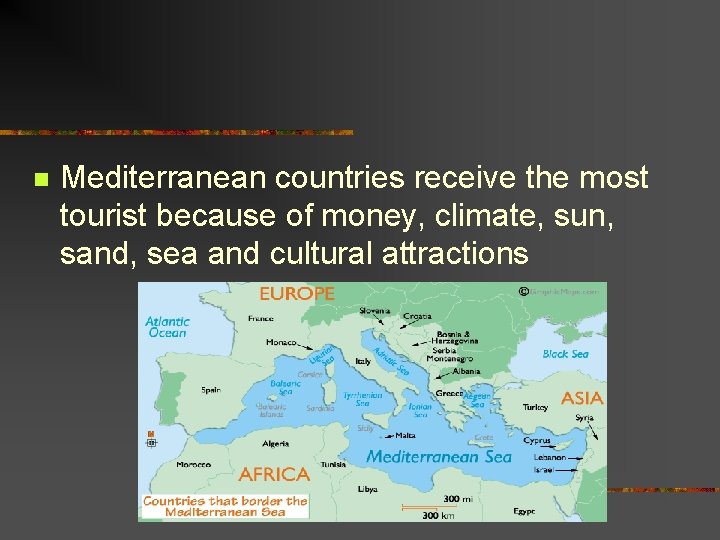
n Mediterranean countries receive the most tourist because of money, climate, sun, sand, sea and cultural attractions
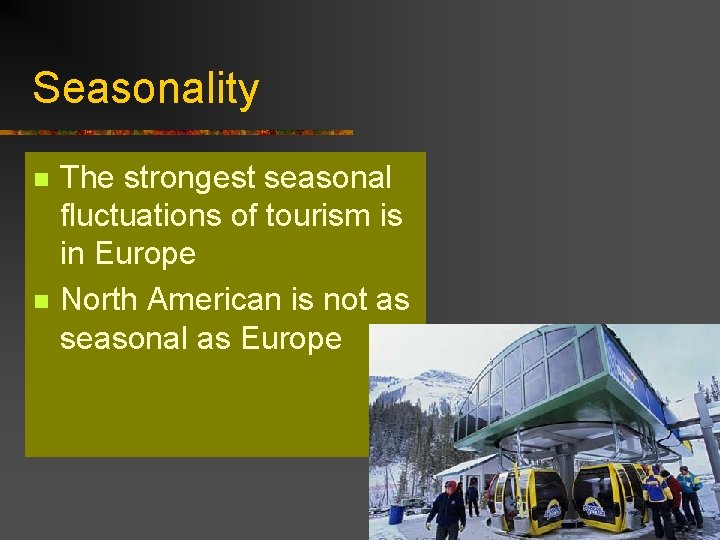
Seasonality n n The strongest seasonal fluctuations of tourism is in Europe North American is not as seasonal as Europe
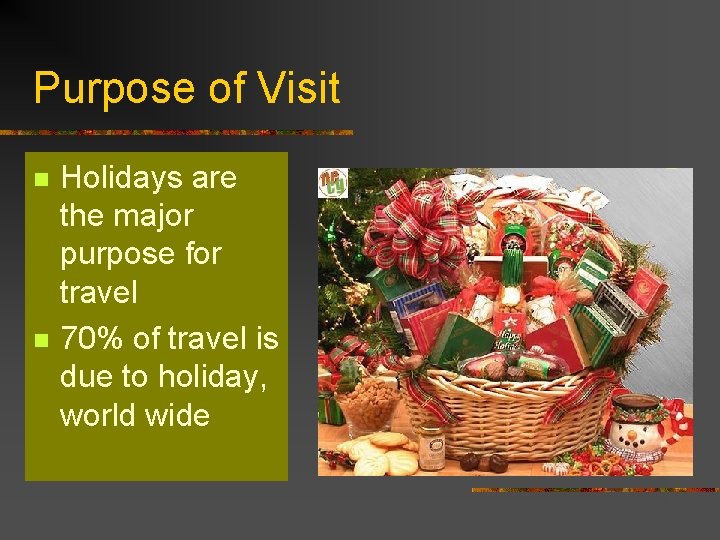
Purpose of Visit n n Holidays are the major purpose for travel 70% of travel is due to holiday, world wide
Money in Tourism n The U. S. , Germany and Japan are the leading spenders in the tourism industry
n The United Kingdom, France and Italy follow
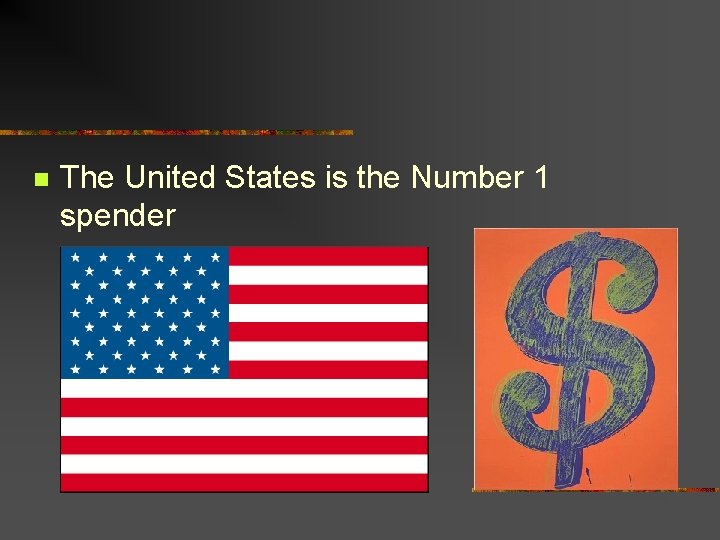
n The United States is the Number 1 spender
SUMMARY n n The general impact of tourism is positive Tourism has restored historical places, buildings, monuments etc. Tourism has established parks and game reserves, saving the environment Poorer countries have gained economically from tourism