
GEO 130 Earths Physical Environments Introduction to Physical

- Slides: 42
GEO 130 Earth’s Physical Environments Introduction to Physical Geography
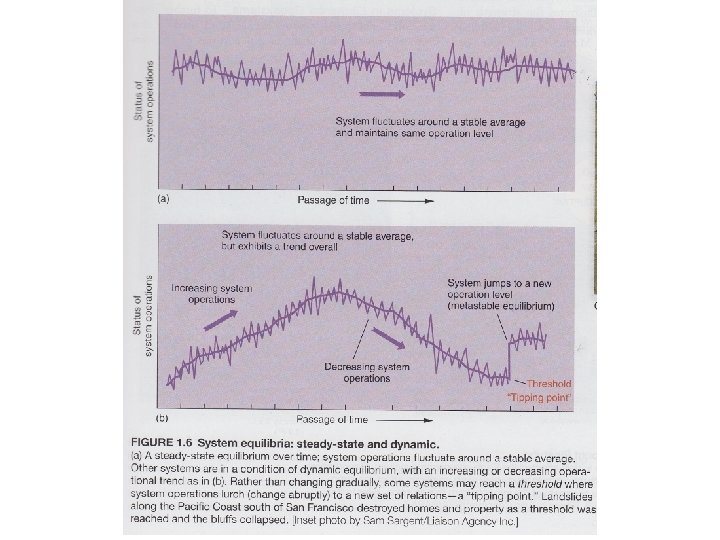
Objectives • • • Define physical geography Explain the reasons for studying physical geography Explain how we do physical geography Define models and describe the types List and describe in detail the factors that complicate the study of pattern and process Distinguish between proximate and ultimate causation Define and give examples of positive and negative feedback Give examples of how scale influence our understanding of pattern and process Describe and give an example of how thresholds and time lags complicate the study of pattern and process Explain how teleconnections complicate the interpretation of pattern and process Describe the difference between steady state and dynamic equilibrium
What is Physical Geography? • It is the integrated study of three subdisciplines: – Climatology – Biogeography – Geomorphology
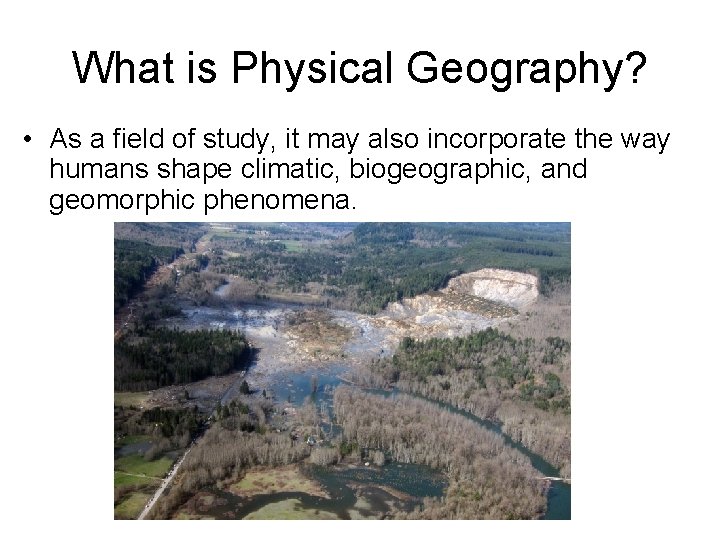
What is Physical Geography? • As a field of study, it may also incorporate the way humans shape climatic, biogeographic, and geomorphic phenomena.
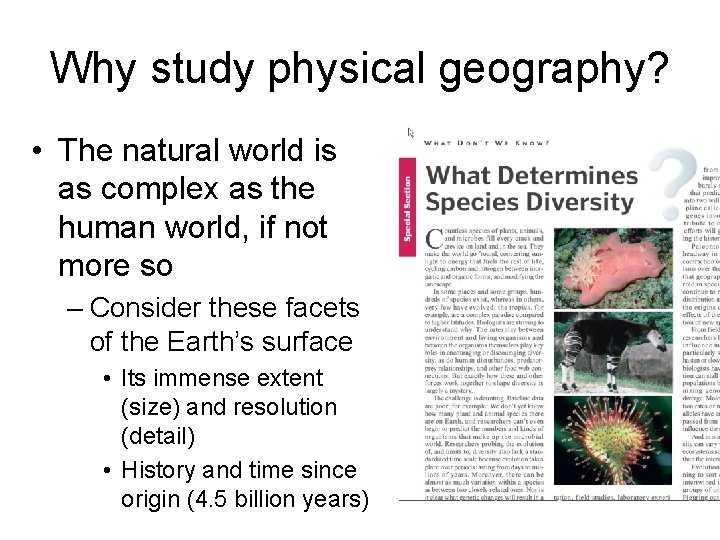
Why study physical geography? • The natural world is as complex as the human world, if not more so – Consider these facets of the Earth’s surface • Its immense extent (size) and resolution (detail) • History and time since origin (4. 5 billion years)
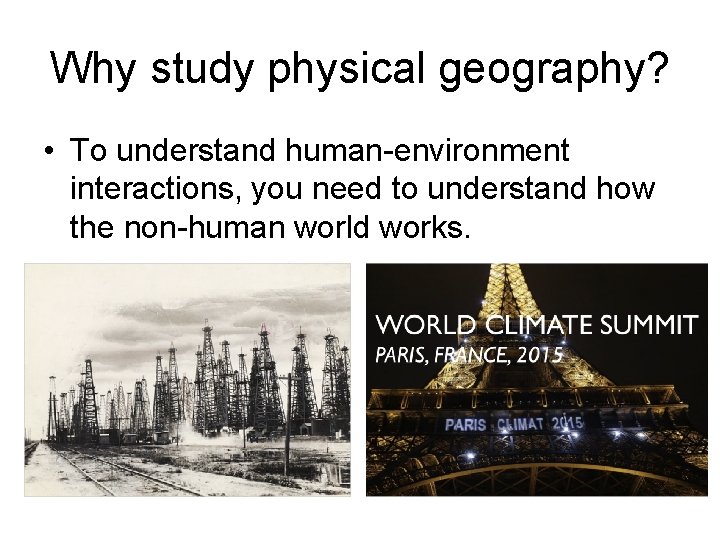
Why study physical geography? • To understand human-environment interactions, you need to understand how the non-human world works.
How do we do physical geography? • We document pattern and process
We use models to study pattern and process • Models are a simplified, often idealized representation of reality. – Intent of a model is to recreate patterns by capturing the underlying explanatory processes – Your role is to learn models, recognize they are idealized, and try to identify why they are incomplete.
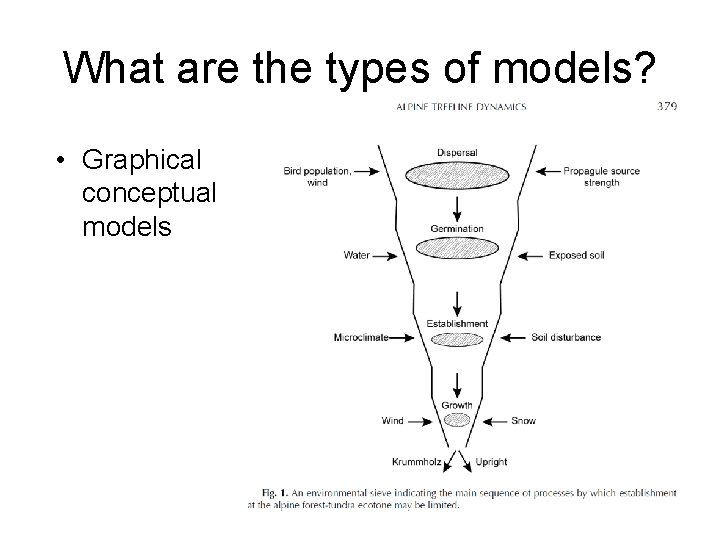
What are the types of models? • Graphical conceptual models
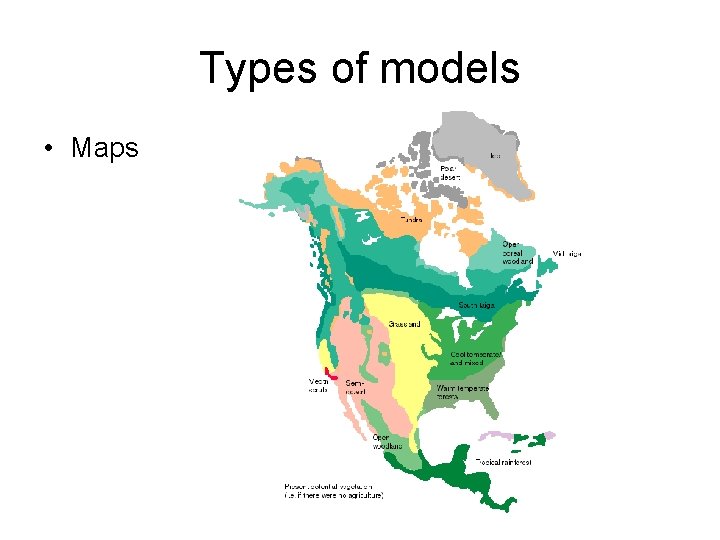
Types of models • Maps
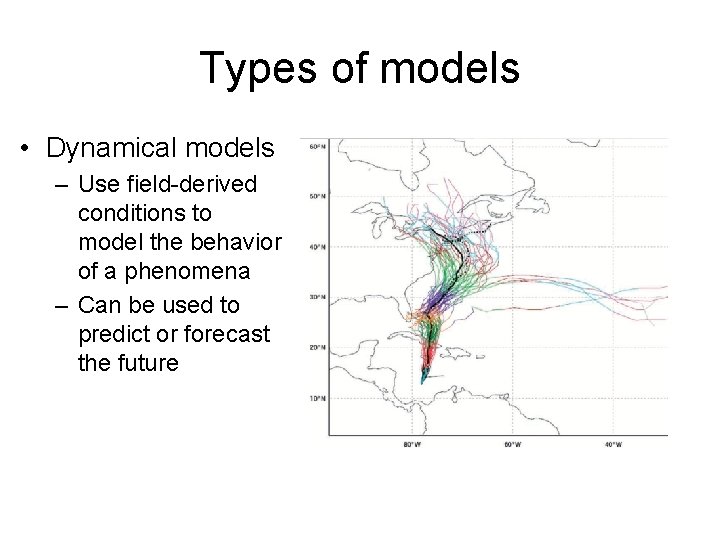
Types of models • Dynamical models – Use field-derived conditions to model the behavior of a phenomena – Can be used to predict or forecast the future
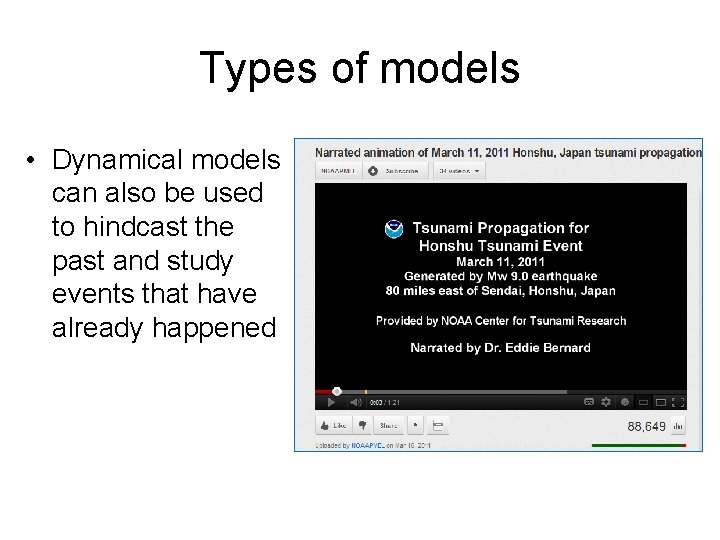
Types of models • Dynamical models can also be used to hindcast the past and study events that have already happened
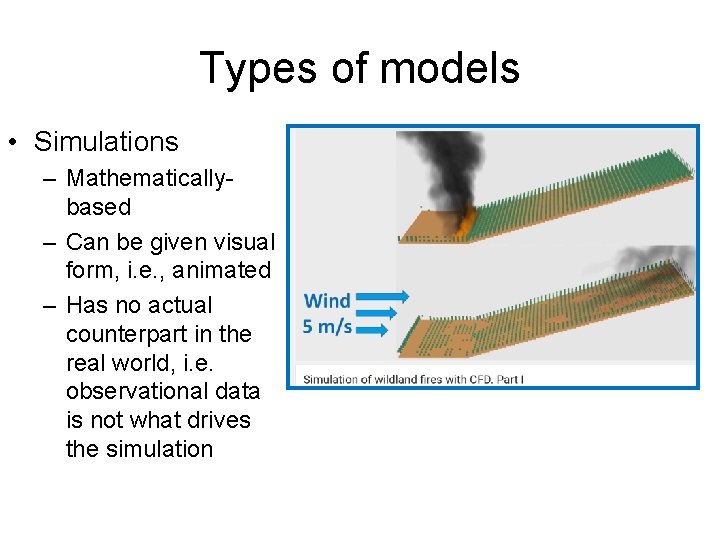
Types of models • Simulations – Mathematicallybased – Can be given visual form, i. e. , animated – Has no actual counterpart in the real world, i. e. observational data is not what drives the simulation
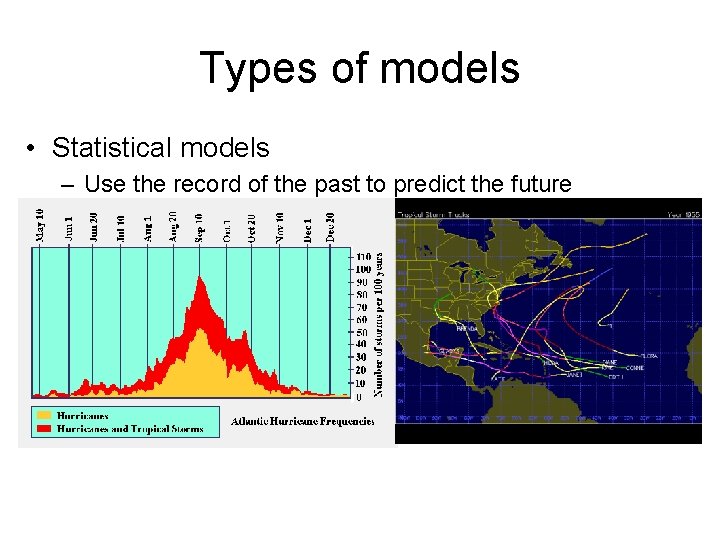
Types of models • Statistical models – Use the record of the past to predict the future
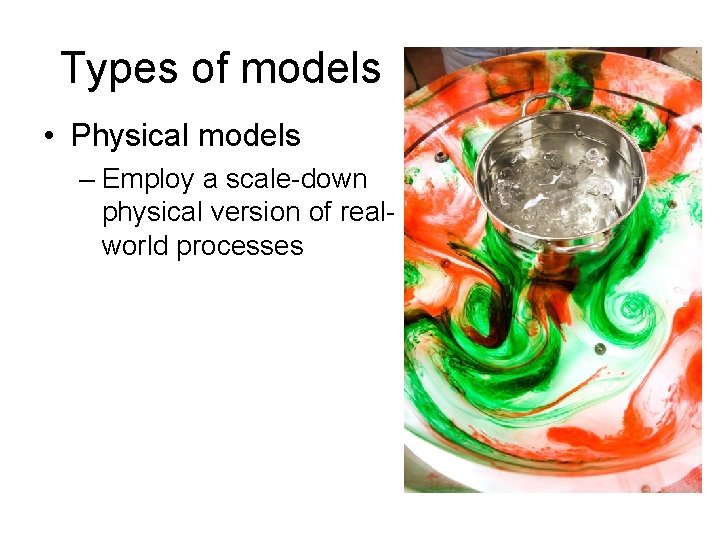
Types of models • Physical models – Employ a scale-down physical version of realworld processes
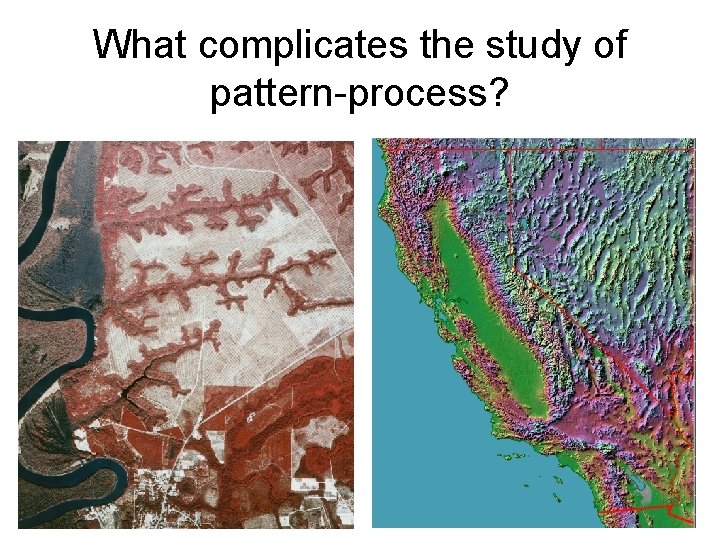
What complicates the study of pattern-process?
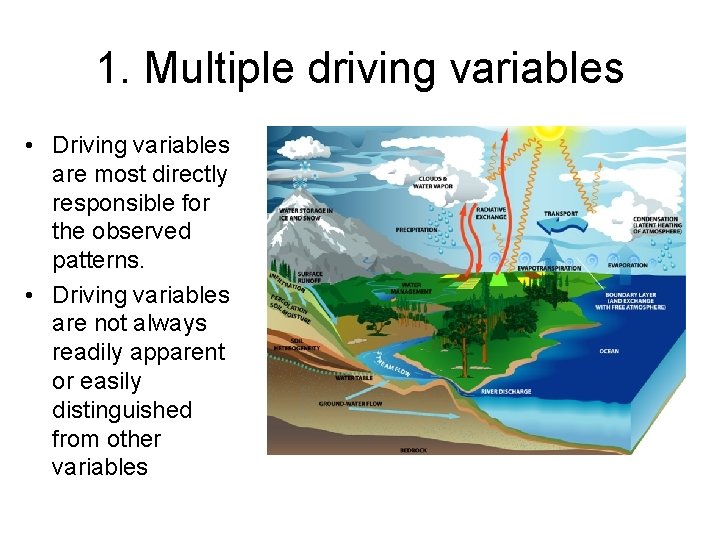
1. Multiple driving variables • Driving variables are most directly responsible for the observed patterns. • Driving variables are not always readily apparent or easily distinguished from other variables
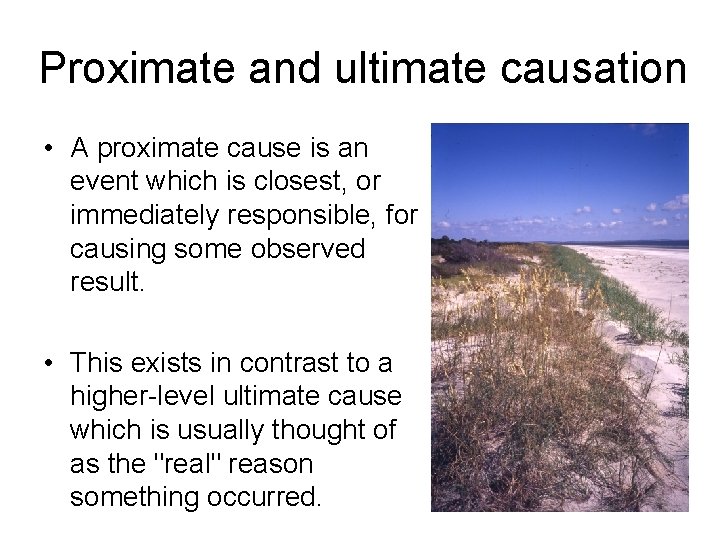
Proximate and ultimate causation • A proximate cause is an event which is closest, or immediately responsible, for causing some observed result. • This exists in contrast to a higher-level ultimate cause which is usually thought of as the "real" reason something occurred.
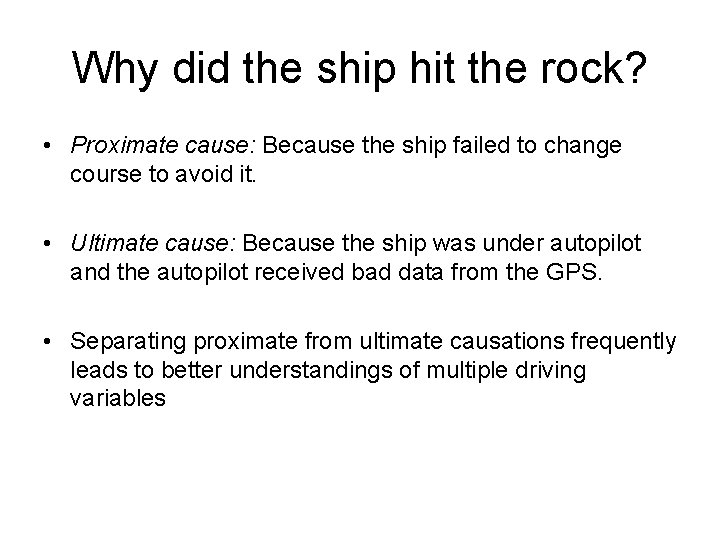
Why did the ship hit the rock? • Proximate cause: Because the ship failed to change course to avoid it. • Ultimate cause: Because the ship was under autopilot and the autopilot received bad data from the GPS. • Separating proximate from ultimate causations frequently leads to better understandings of multiple driving variables
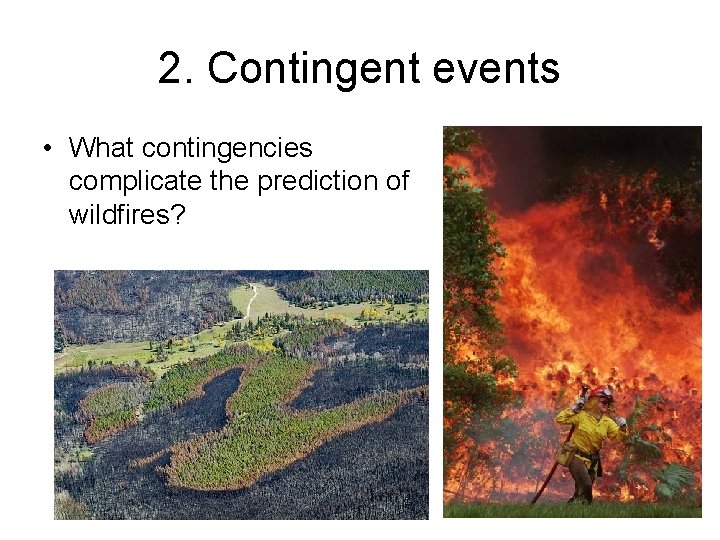
2. Contingent events • What contingencies complicate the prediction of wildfires?
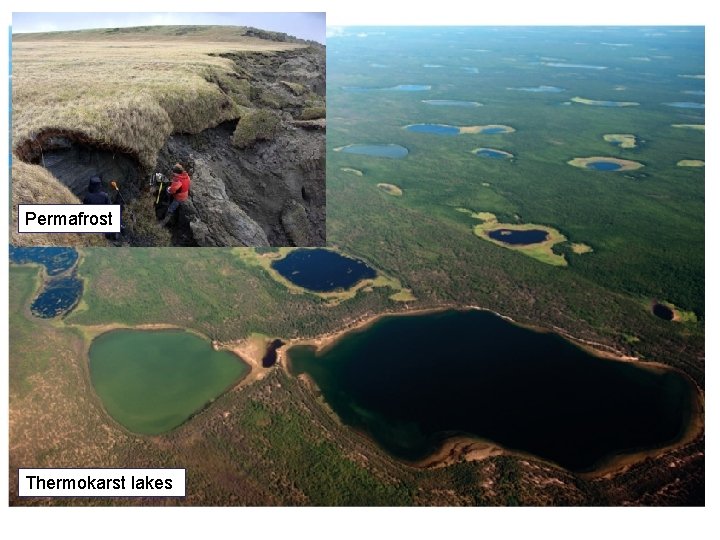
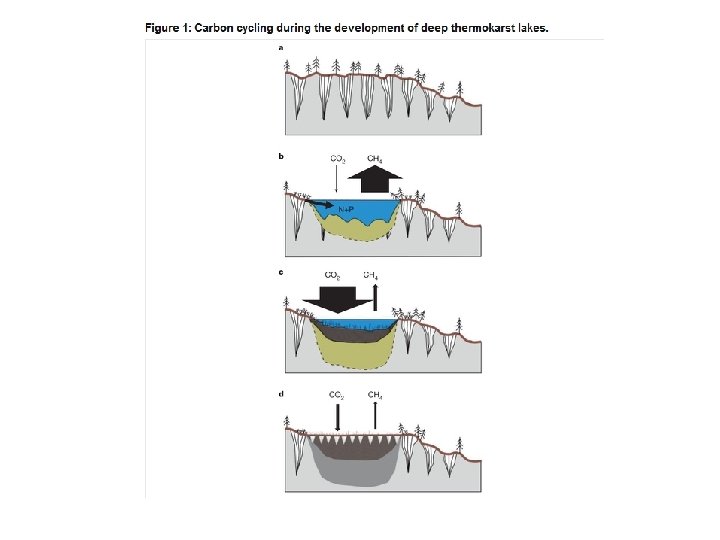
3. Feedbacks • Feedbacks make prediction of the outcome of interactions difficult – Positive feedback: externally generated change is reinforced – Negative feedback: externally generated change is minimized
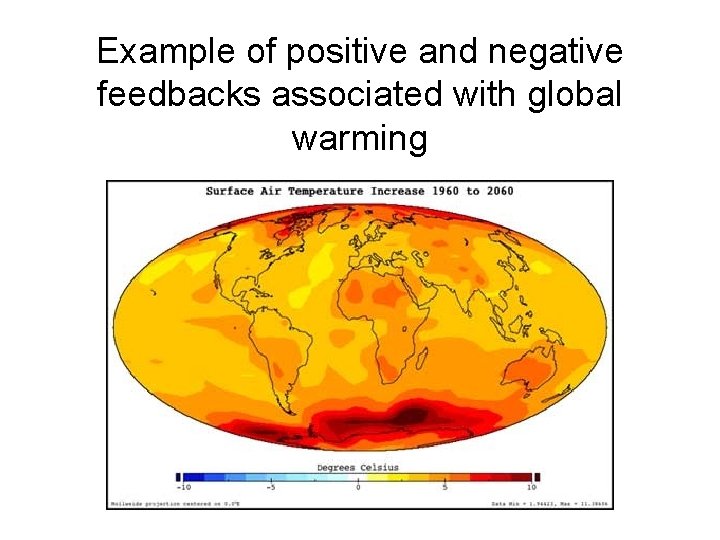
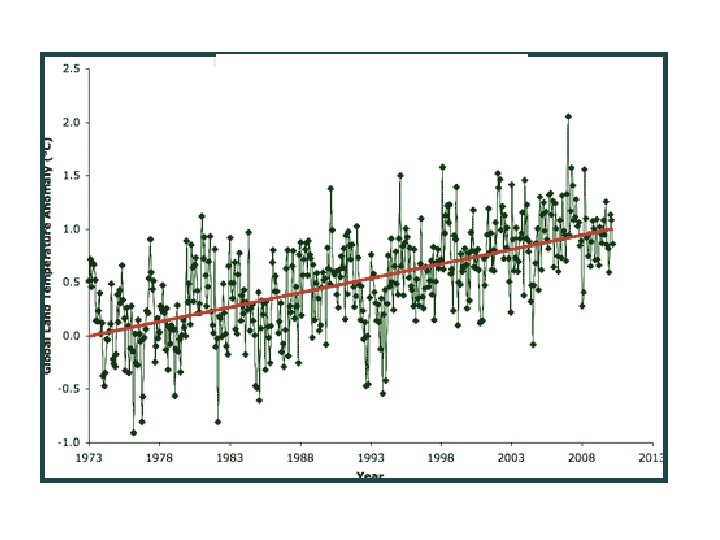
Example of positive and negative feedbacks associated with global warming
Permafrost Thermokarst lakes
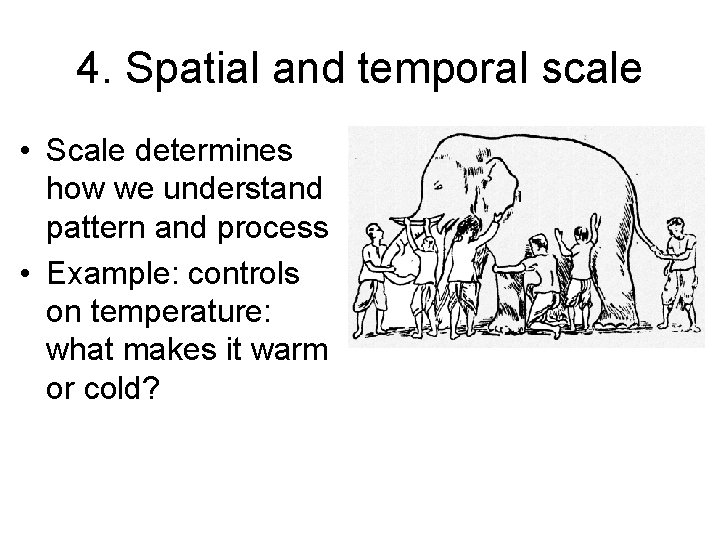
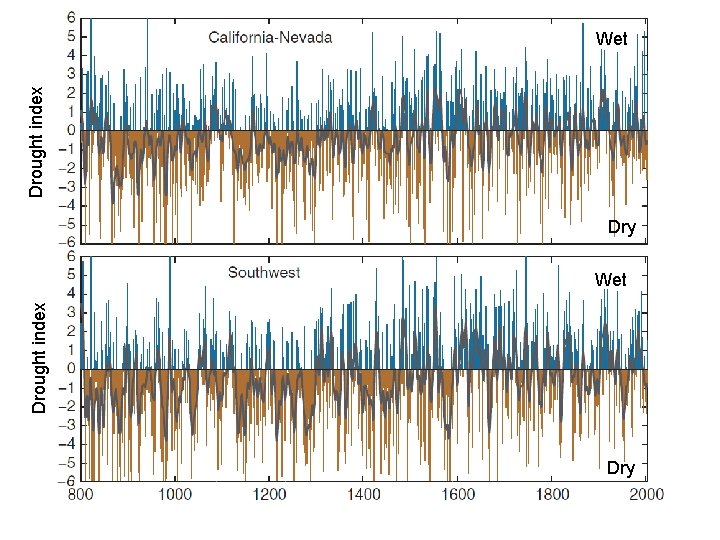
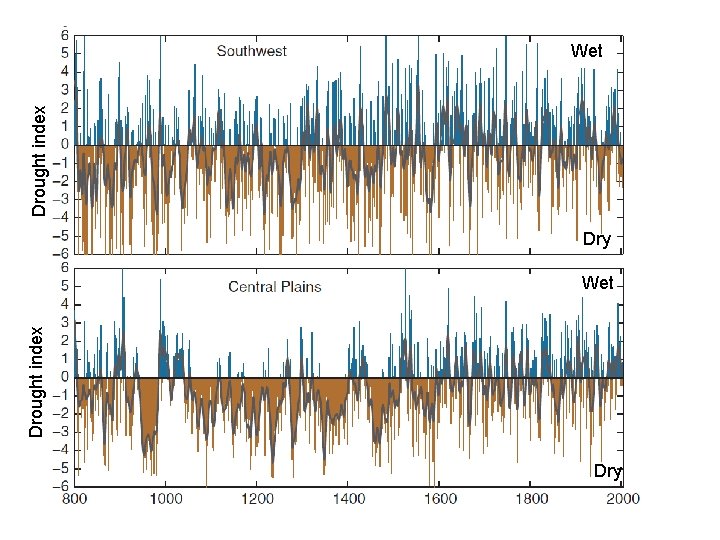
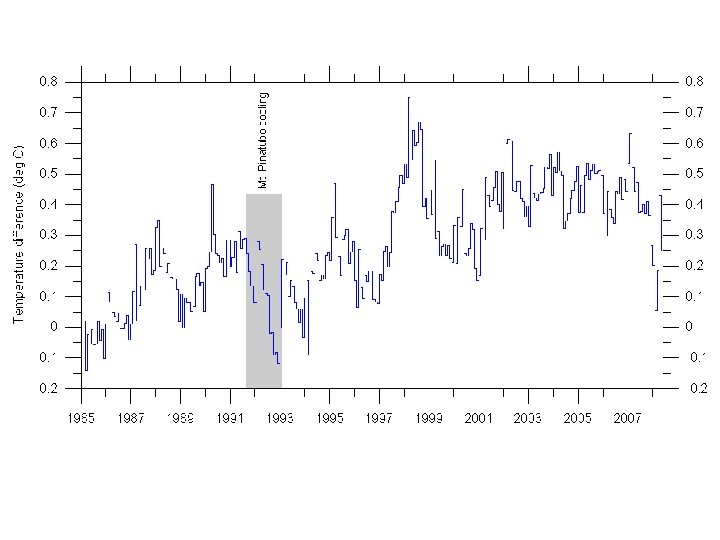
4. Spatial and temporal scale • Scale determines how we understand pattern and process • Example: controls on temperature: what makes it warm or cold?
Answer depends upon temporal and spatial scale • Cloud cover and humidity (minutes to hours) • Diurnal (day-night) cycles • Seasonal cycles (1 year) • Cyclical fluctuations due to sunspots (1050 years) • Anthropogenic contribution of greenhouse gases (10 -100 years) • Milankovitch orbital cycles (10, 000 yrs)
Drought index Wet Dry
Drought index Wet Dry
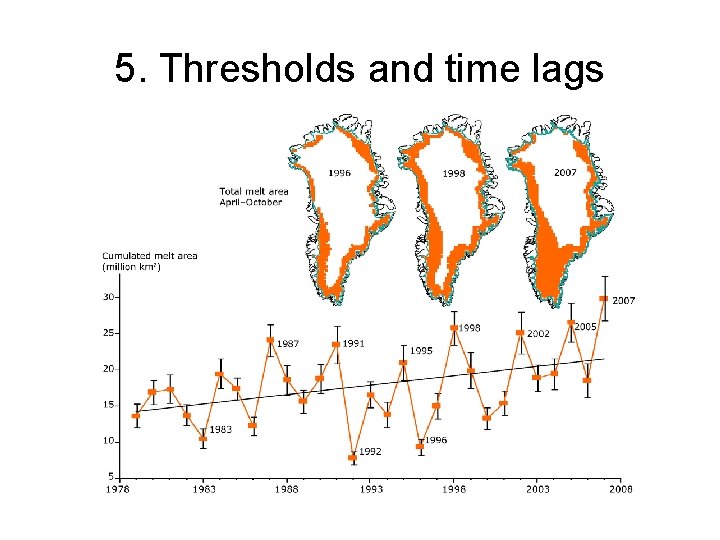
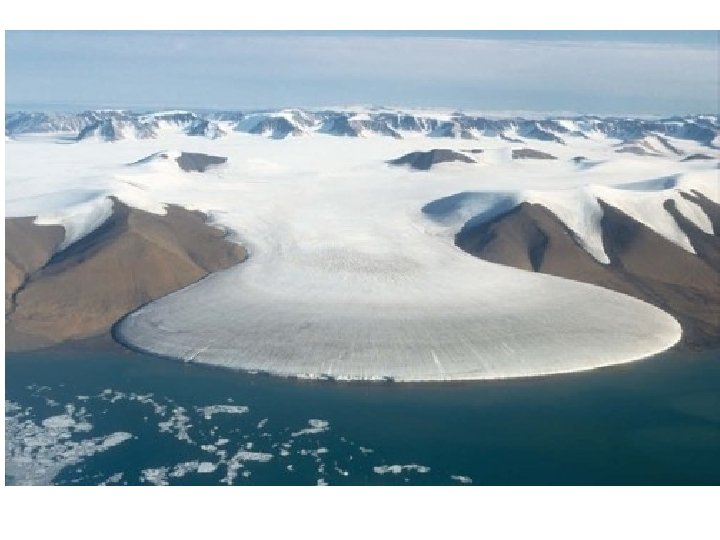
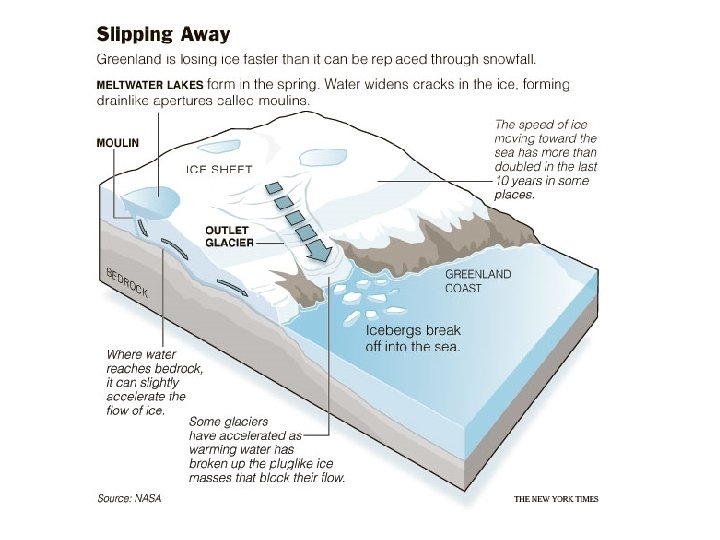
5. Thresholds and time lags
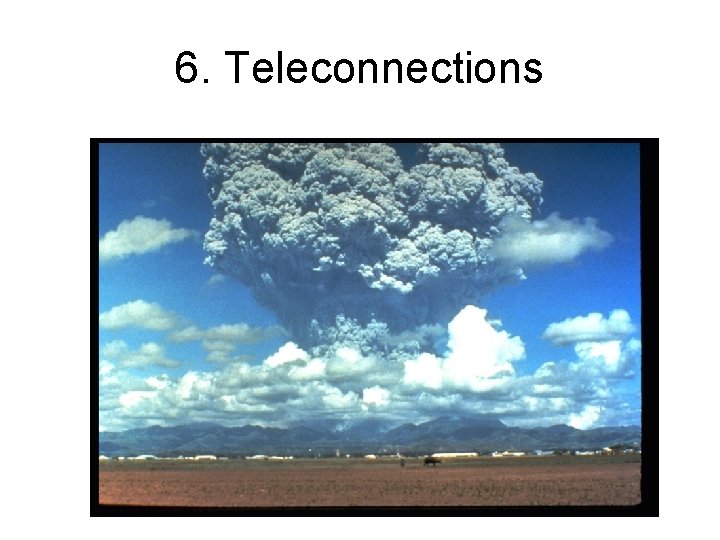
6. Teleconnections
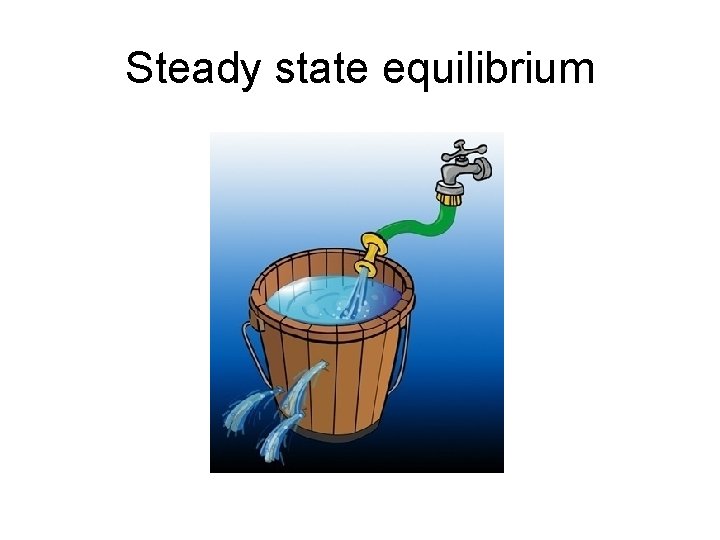
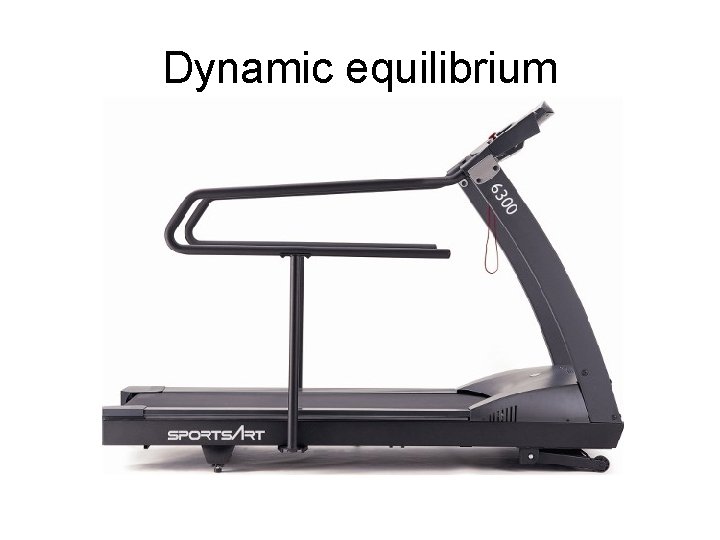
7. The earth is constantly changing • Earth is an open system • Change is the norm • Change itself, however, has different types – Steady state equilibrium – Dynamic equilibrium
Steady state equilibrium
Dynamic equilibrium