
Genetics Simple discrete traits Selfpollination crosspollination True breeding
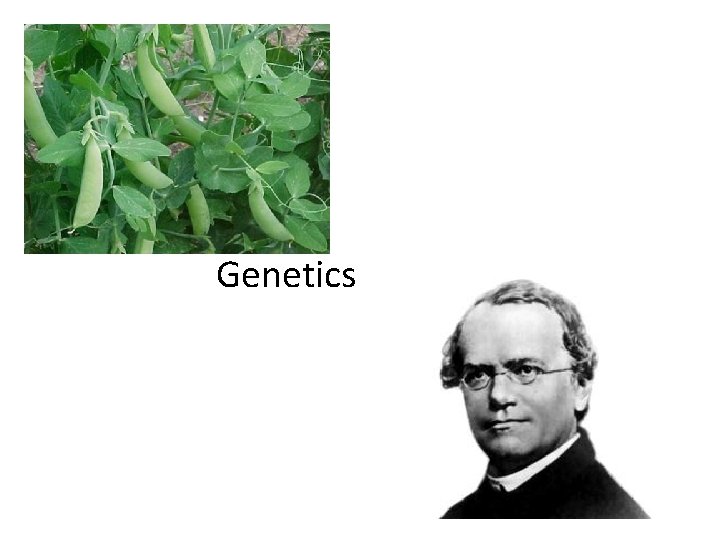
Genetics
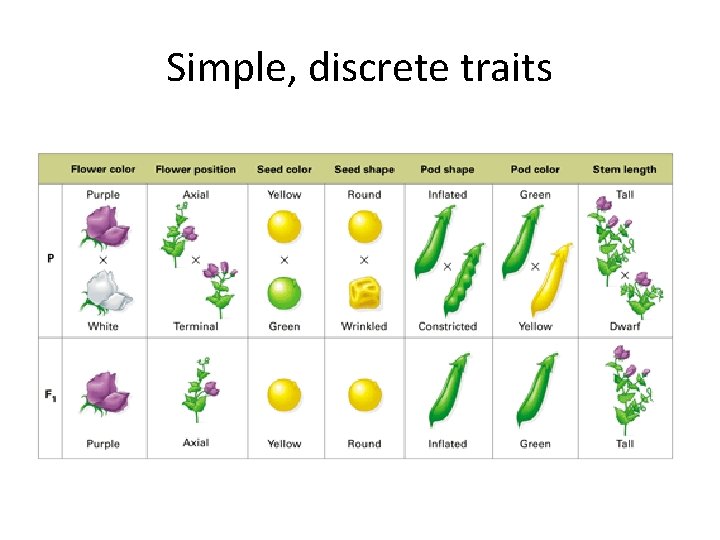
Simple, discrete traits
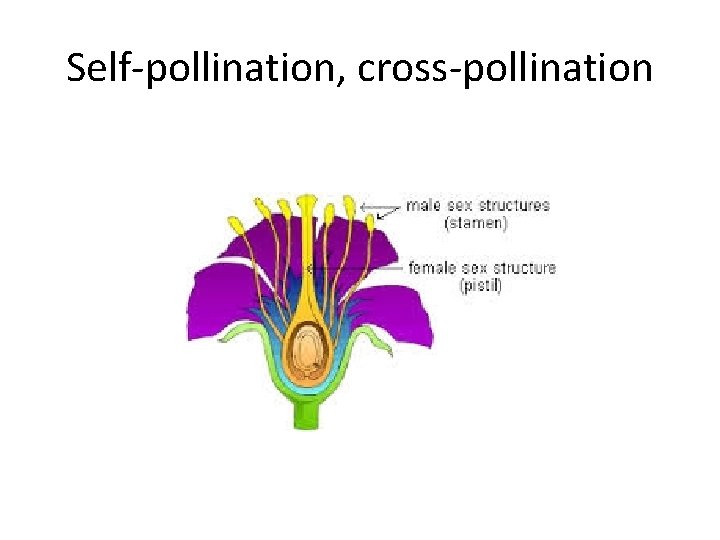
Self-pollination, cross-pollination
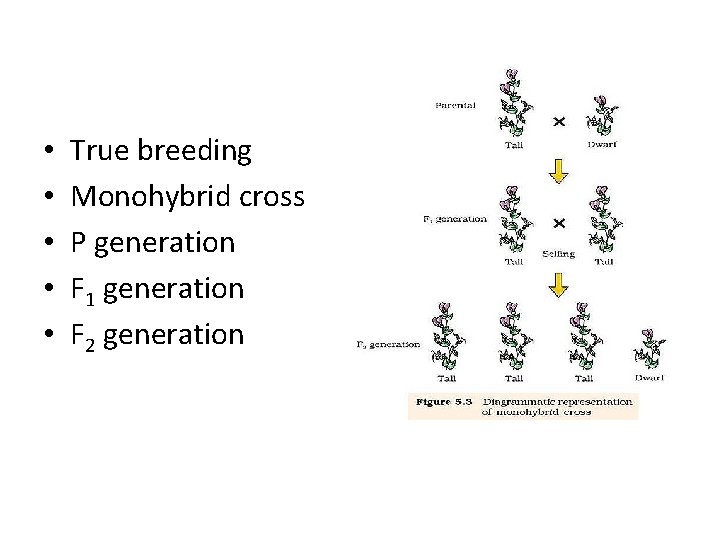
• • • True breeding Monohybrid cross P generation F 1 generation F 2 generation
Laid the idea of blending to rest • Applied mathematics to results • Got the same ratio each time, regardless of the trait
Law of Segregation • Each parent had two separate copies of the factor • Dominant vs recessive factors • Factors separated when gametes were formed • Random fertilization = random fusion of all possible gametes
• • • Locus Allele Dominant vs recessive Homozygous Heterozygous Genotype Phenotype Testcross Punnett squares Pedigrees
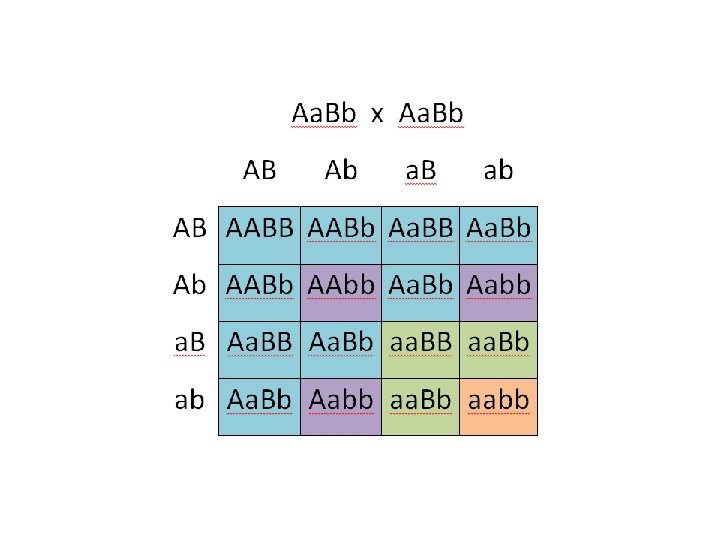
Dihybrid Cross • Law of independent assortment: – Each pair of alleles segregates independently of the other pairs – All possible combinations of factors can occur in the gametes – Assumption: genes are on different chromosomes
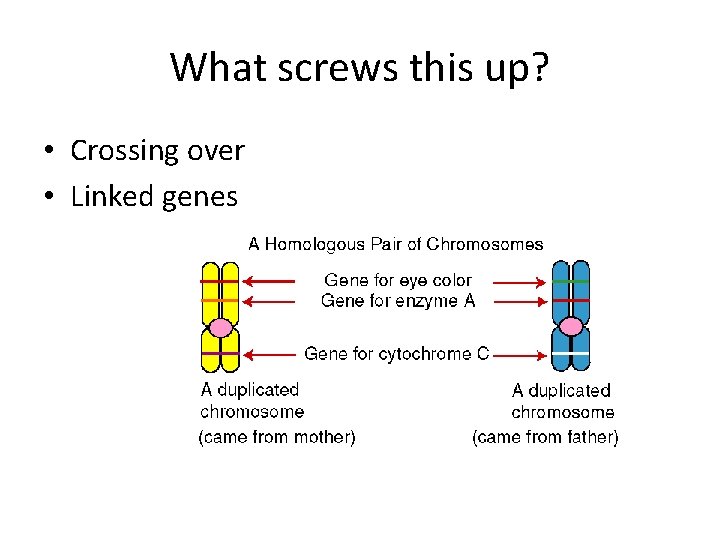
What screws this up? • Crossing over • Linked genes
It ain’t that simple…
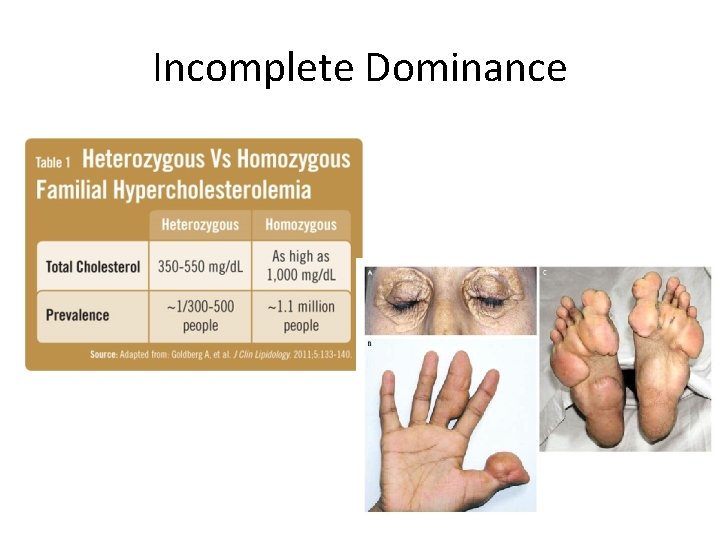
Incomplete Dominance
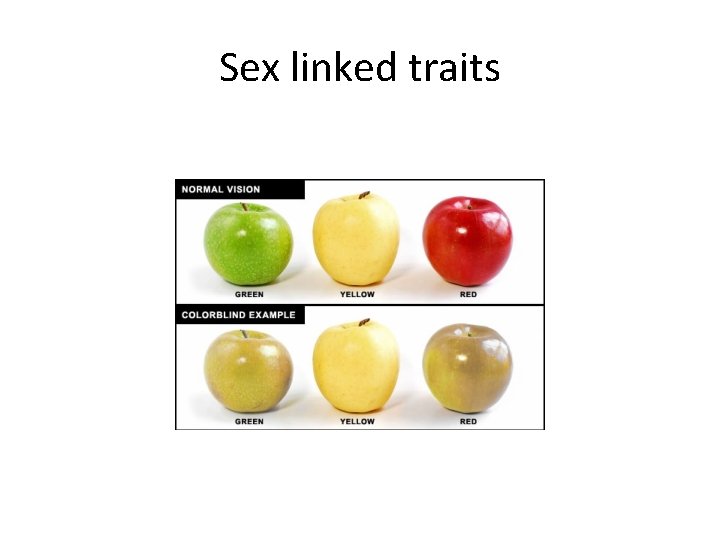
Sex linked traits
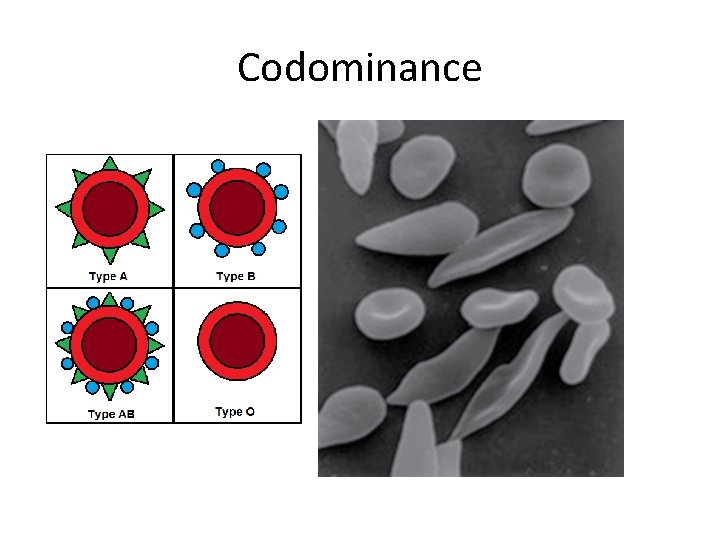
Codominance
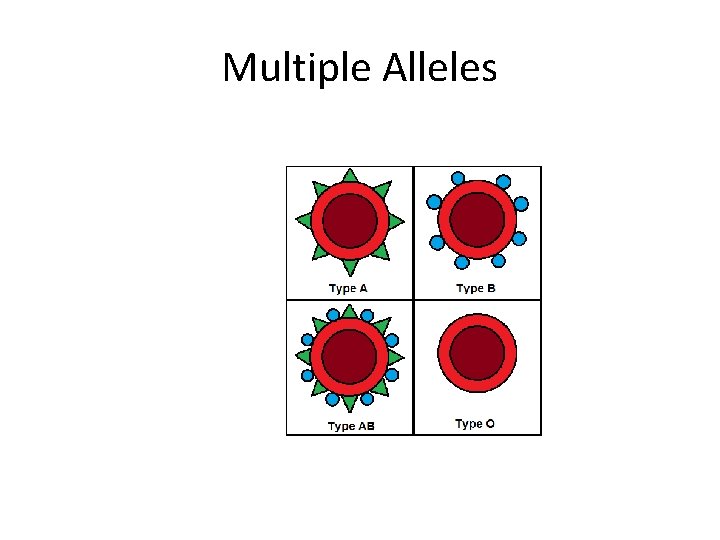
Multiple Alleles
Incomplete Penetrance
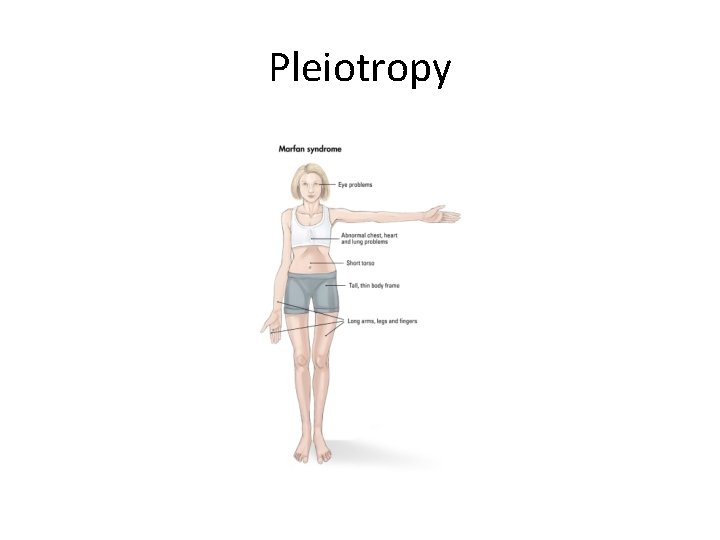
Pleiotropy
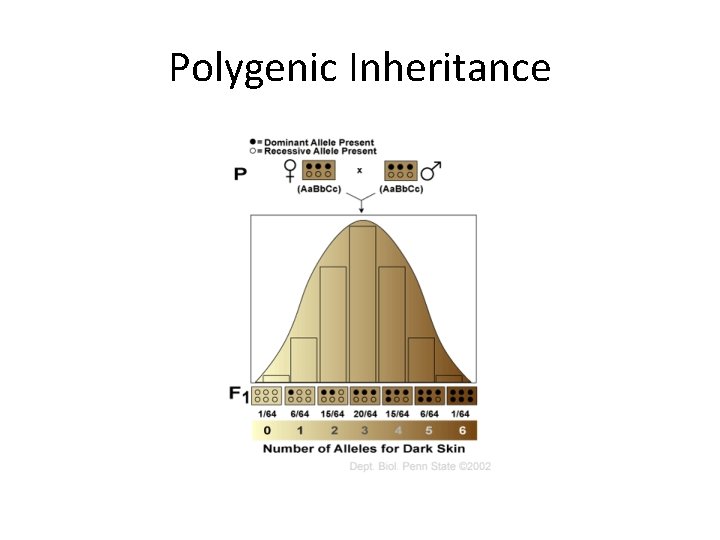
Polygenic Inheritance
Chromosomal Changes • Nondisjunction: trisomy 21 (Down Syndrome) and Klinefelter’s • Point mutations: sickle cell anemia • Chromosomal mutations: Cri du chat, Williams
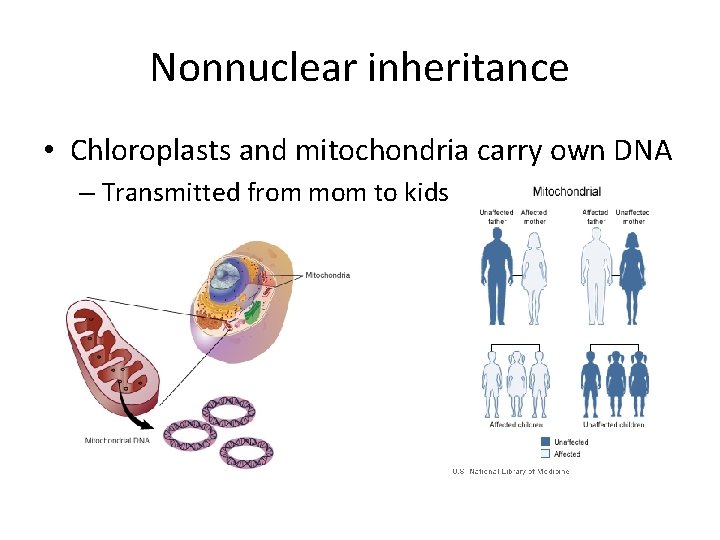
Nonnuclear inheritance • Chloroplasts and mitochondria carry own DNA – Transmitted from mom to kids
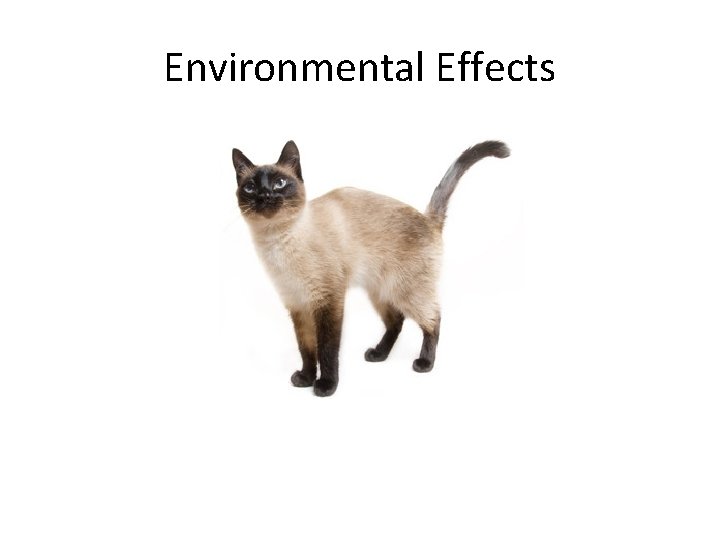
Environmental Effects
AP Standard • The student is able to construct a representation that connects the process of meiosis to the passage of traits from parents to offspring • The student is able to apply mathematical routines to determine Mendelian patterns of inheritance provided by data sets
- Slides: 23