
Genetics is the study of HEREDITY Mendel and




- Slides: 94
Genetics is the study of HEREDITY
Mendel and Heredity is the passing of traits from parents to offspring.
The beginnings of Genetics Gregor Mendel
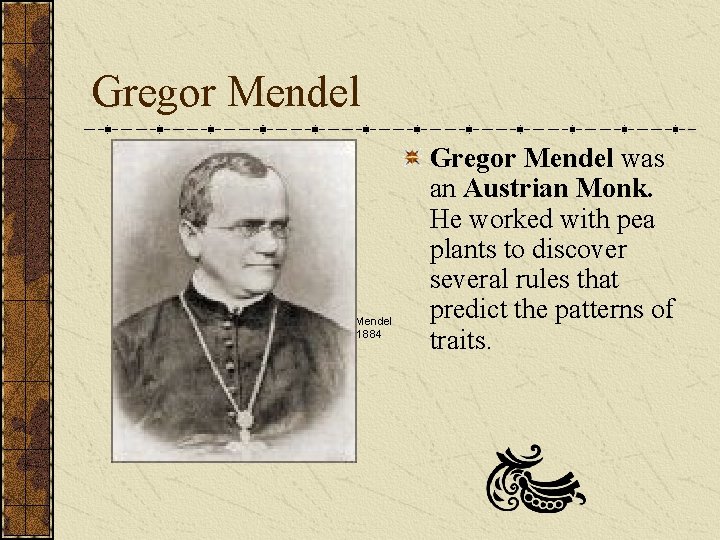
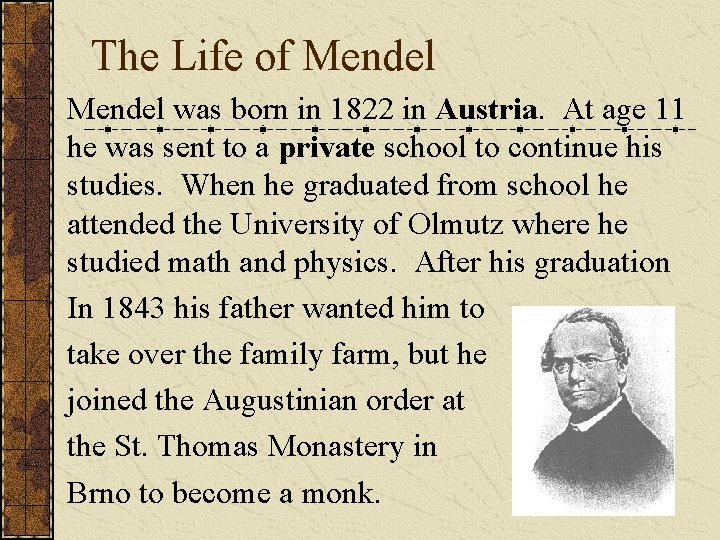
Gregor Mendel was an Austrian Monk. He worked with pea plants to discover several rules that predict the patterns of traits. Gregor Mendel 1822 -1884
The Life of Mendel was born in 1822 in Austria. At age 11 he was sent to a private school to continue his studies. When he graduated from school he attended the University of Olmutz where he studied math and physics. After his graduation In 1843 his father wanted him to take over the family farm, but he joined the Augustinian order at the St. Thomas Monastery in Brno to become a monk.
The monastery paid for him to continue his studies at the University of Vienna. When he finished his studies in 1853 he become a secondary science teacher and began his experiments. Around 1854 Mendel began researching the transmission of traits in plants.
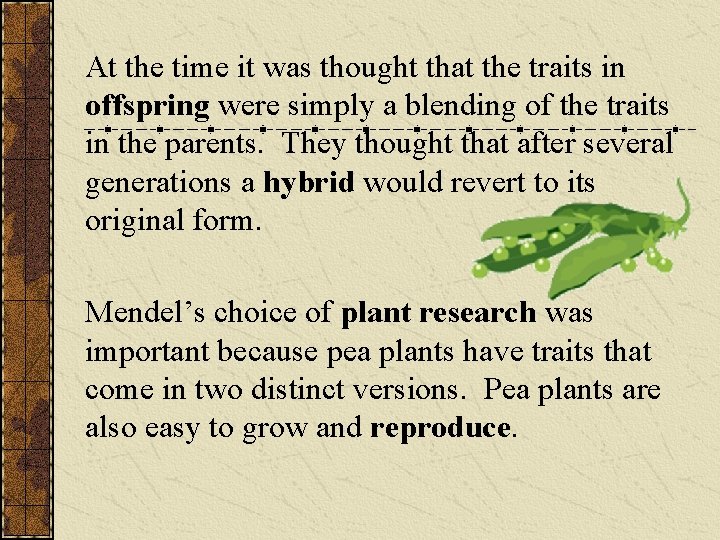
At the time it was thought that the traits in offspring were simply a blending of the traits in the parents. They thought that after several generations a hybrid would revert to its original form. Mendel’s choice of plant research was important because pea plants have traits that come in two distinct versions. Pea plants are also easy to grow and reproduce.
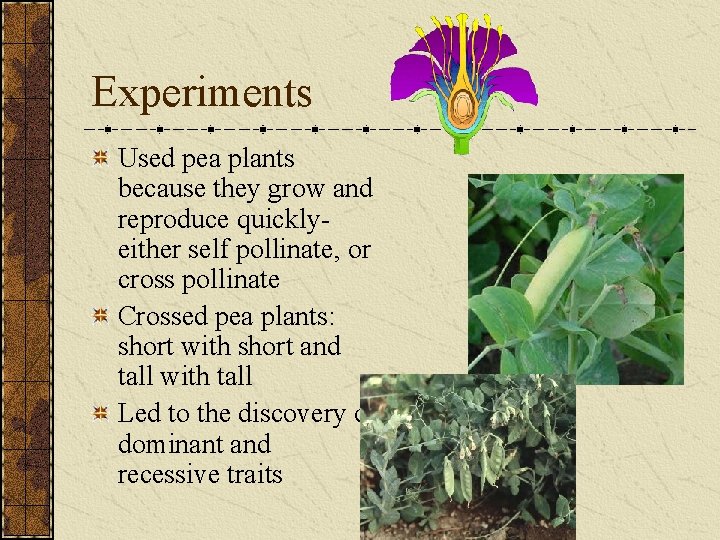
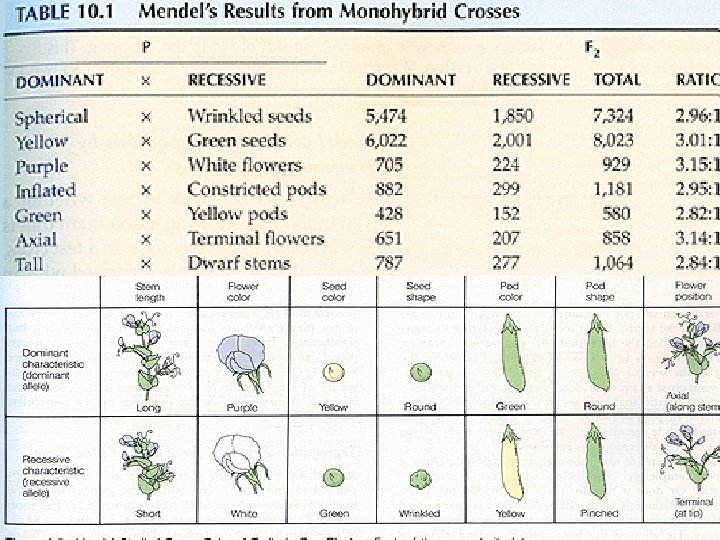
Experiments Used pea plants because they grow and reproduce quicklyeither self pollinate, or cross pollinate Crossed pea plants: short with short and tall with tall Led to the discovery of dominant and recessive traits
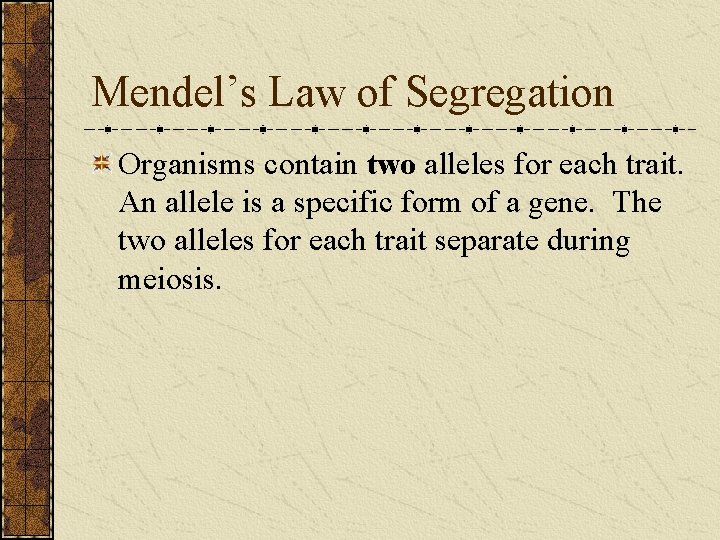
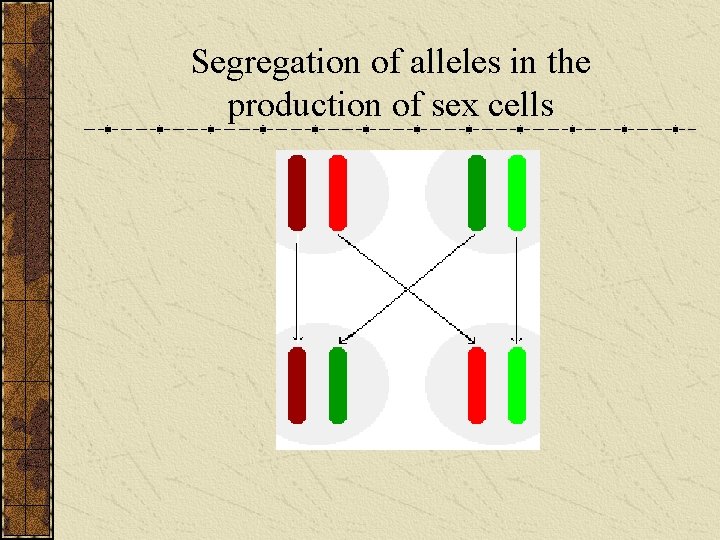
Mendel’s Law of Segregation Organisms contain two alleles for each trait. An allele is a specific form of a gene. The two alleles for each trait separate during meiosis.
When gametes (sex cells) combine during fertilization the offspring will have two alleles for each trait.
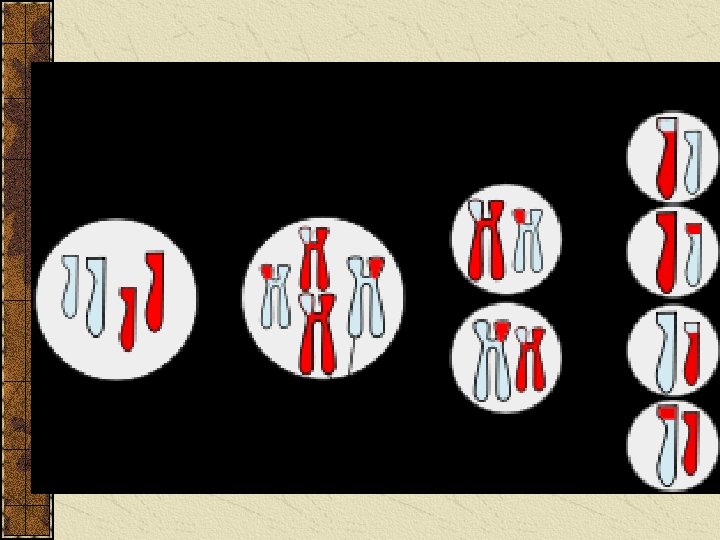
Segregation of alleles in the production of sex cells
Not in Notes…. Reshuffling genes explains variations and why offspring differ from their parents. More precisely the law states that when any individual produces gametes, the copies of a gene separate so that each gamete receives only one copy (allele). A gamete will receive one allele or the other randomly at fertilization.
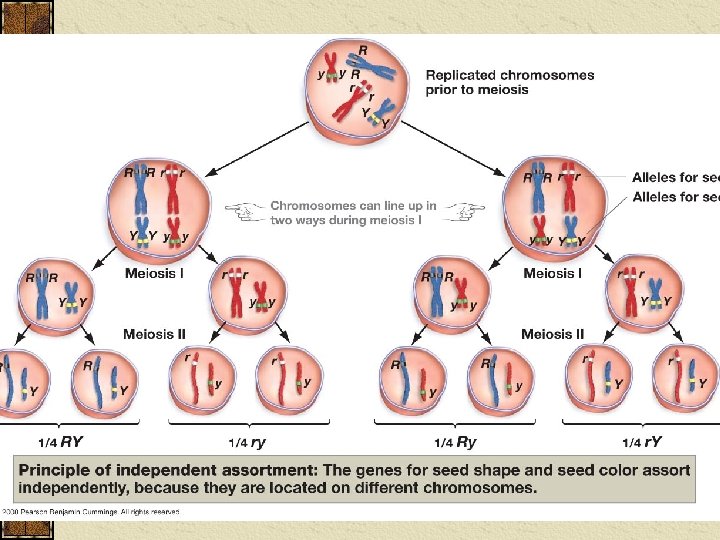
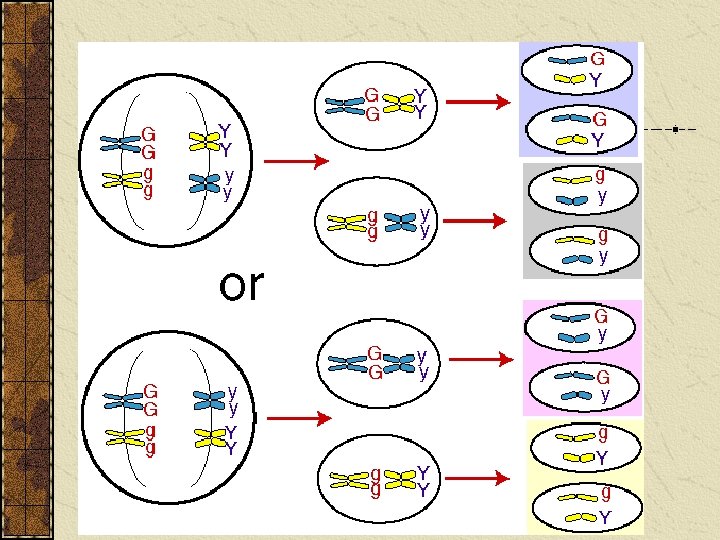
Mendel’s Law of Independent Assortment A random distribution of alleles occurs during Metaphase I. Genes of separate chromosomes sort independently during gamete formation.
Not in notes As such, the gamete can end up with any combination of paternal or maternal chromosomes. Any of the possible combinations of gametes formed from maternal and paternal chromosomes will occur with equal frequency.
Not in notes… For human gametes, with 23 pairs of chromosomes, the number of possibilities is 223 or 8, 388, 608 possible combinations. The gametes will normally end up with 23 chromosomes, but the origin of any particular one will be randomly selected from paternal or maternal chromosomes.
This is why the human inheritance of a particular eye color does not increase or decrease the likelihood of having 6 fingers on each hand. The genes are separate chromosomes.
Overview of heredity and independent assortment
Genetic Vocab Words
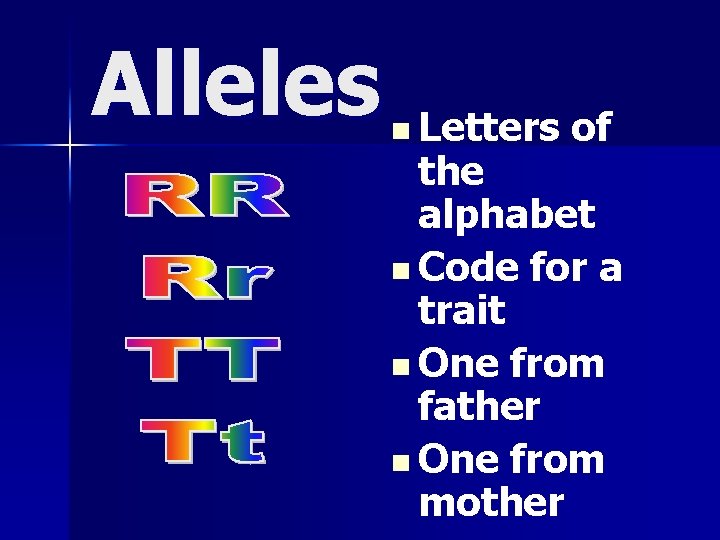
Alleles n Letters of the alphabet n Code for a trait n One from father n One from mother
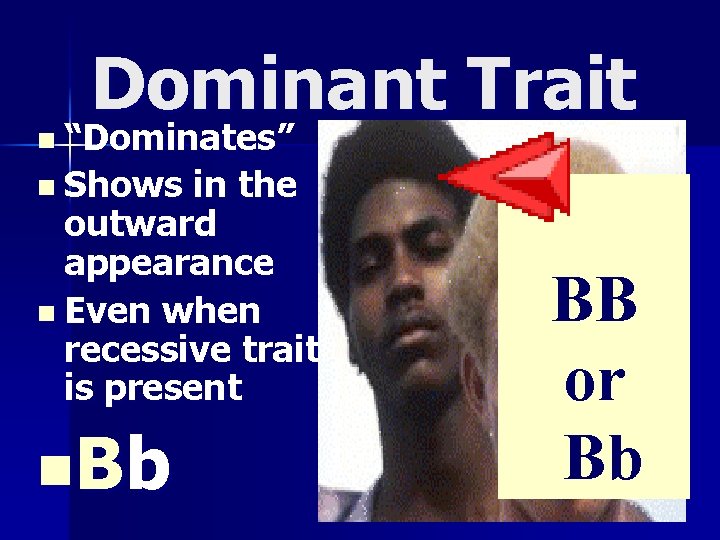
Dominant Trait n “Dominates” n Shows in the outward appearance n Even when recessive trait is present n Bb BB or Bb
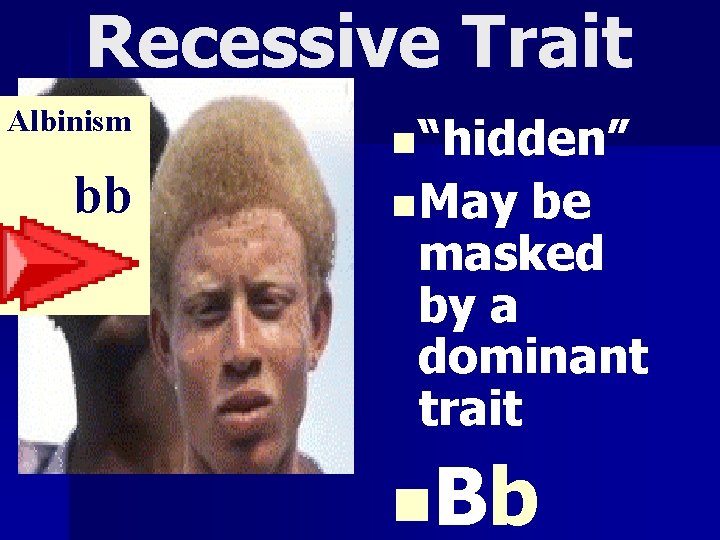
Recessive Trait Albinism bb n “hidden” n May be masked by a dominant trait n Bb
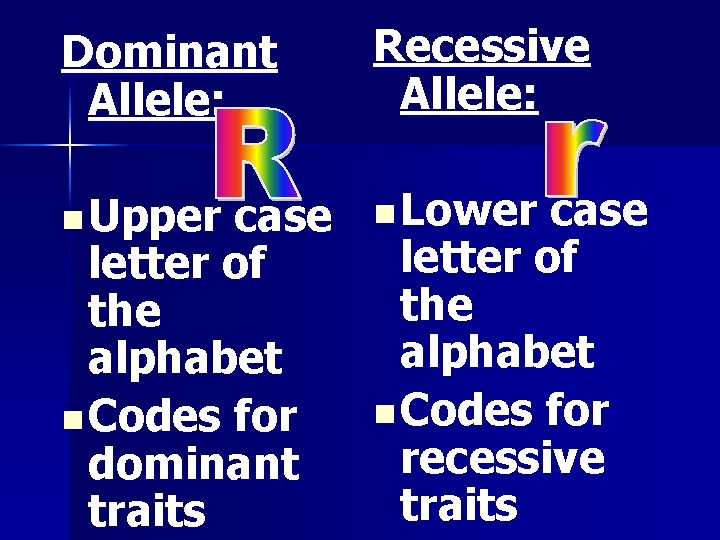
Dominant Allele: Recessive Allele: n Upper n Lower case letter of the alphabet n Codes for dominant traits case letter of the alphabet n Codes for recessive traits
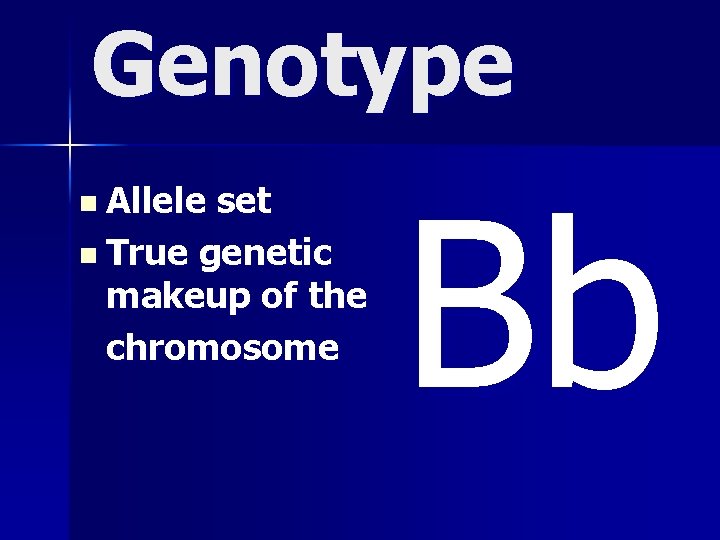
Genotype n Allele set n True genetic makeup of the chromosome Bb
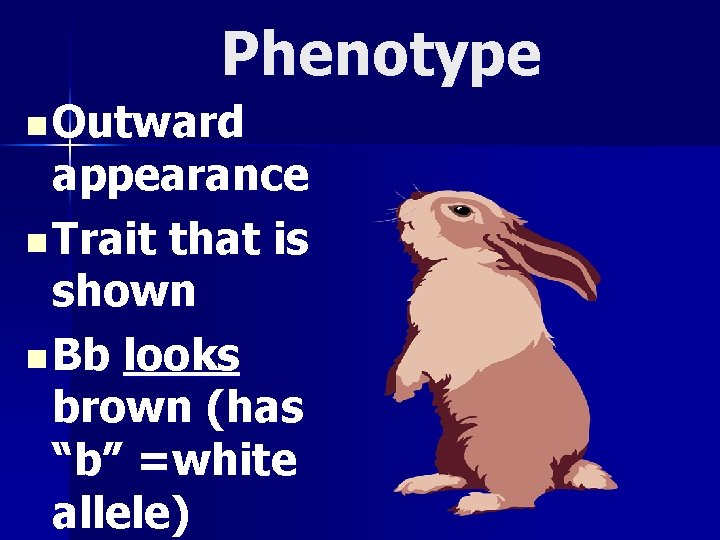
Phenotype n Outward appearance n Trait that is shown n Bb looks brown (has “b” =white allele)
Composite Sketch
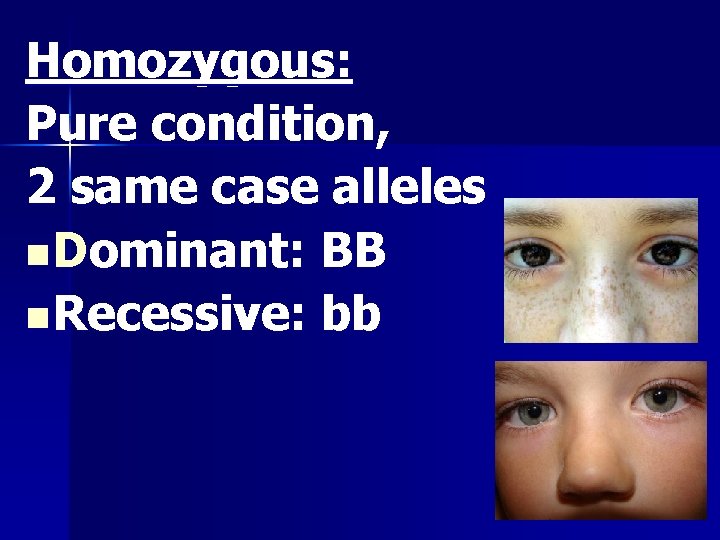
Homozygous: Pure condition, 2 same case alleles n Dominant: BB n Recessive: bb
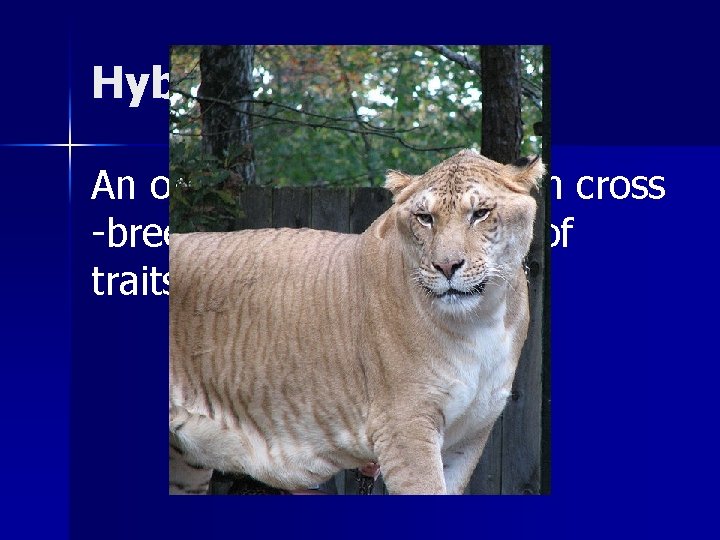
Hybrid: An offspring resulting from cross -breeding. The blending of traits.
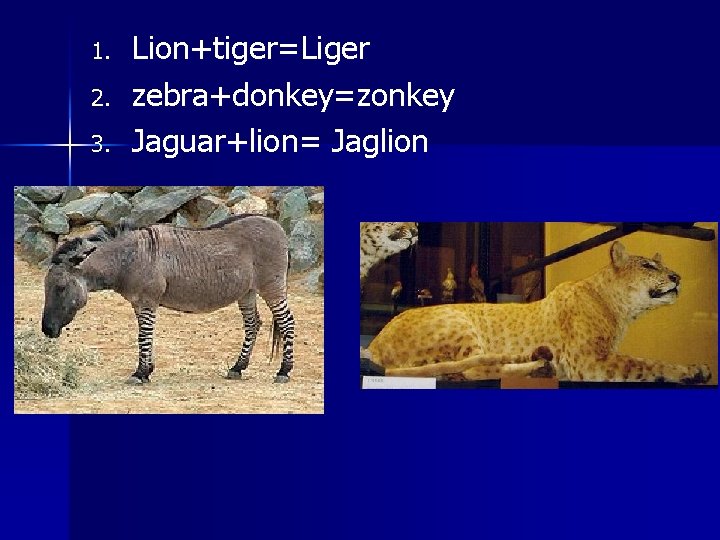
1. 2. 3. Lion+tiger=Liger zebra+donkey=zonkey Jaguar+lion= Jaglion
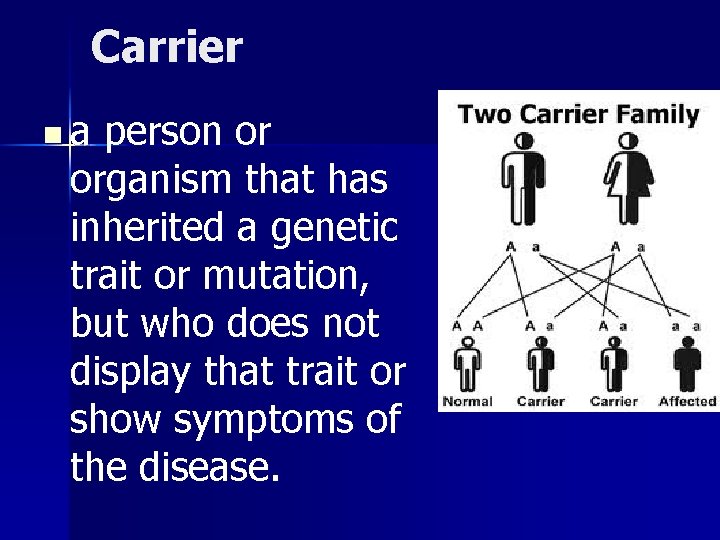
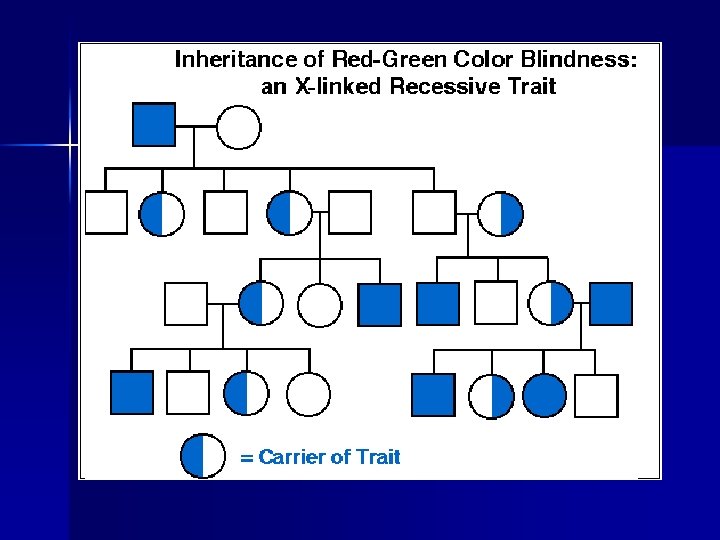
Carrier na person or organism that has inherited a genetic trait or mutation, but who does not display that trait or show symptoms of the disease.
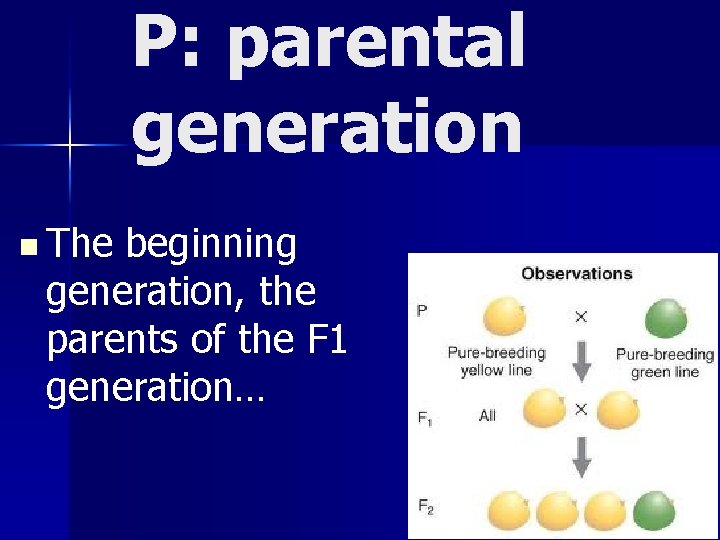
P: parental generation n The beginning generation, the parents of the F 1 generation…
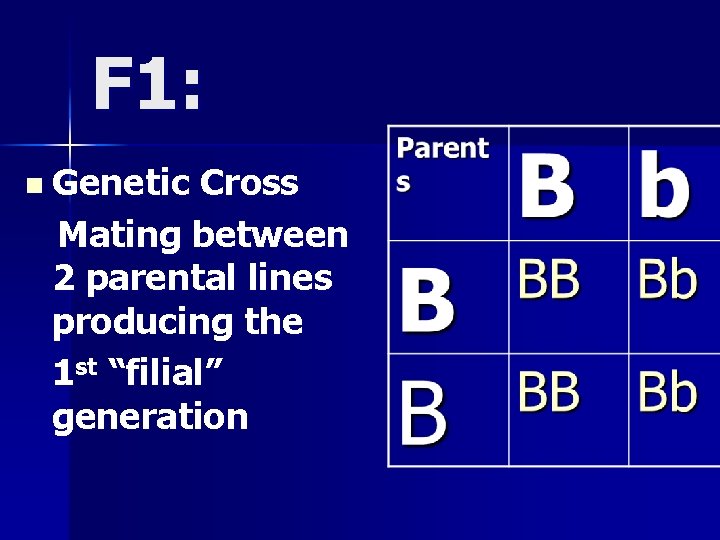
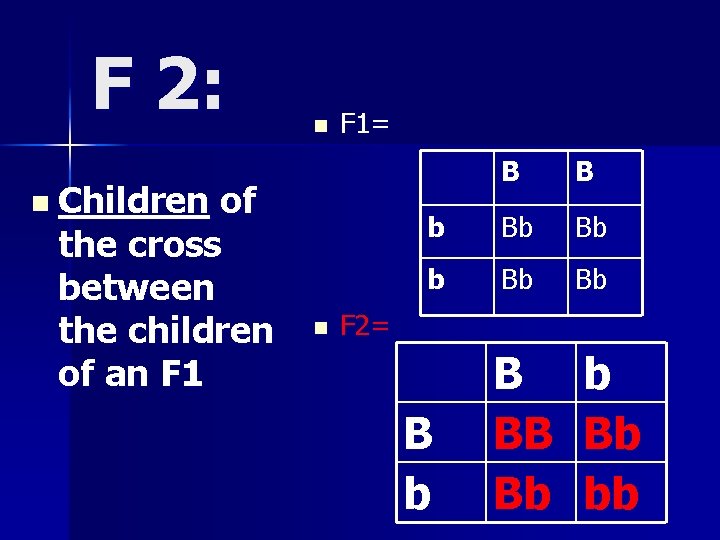
F 1: n Genetic Cross Mating between 2 parental lines producing the 1 st “filial” generation
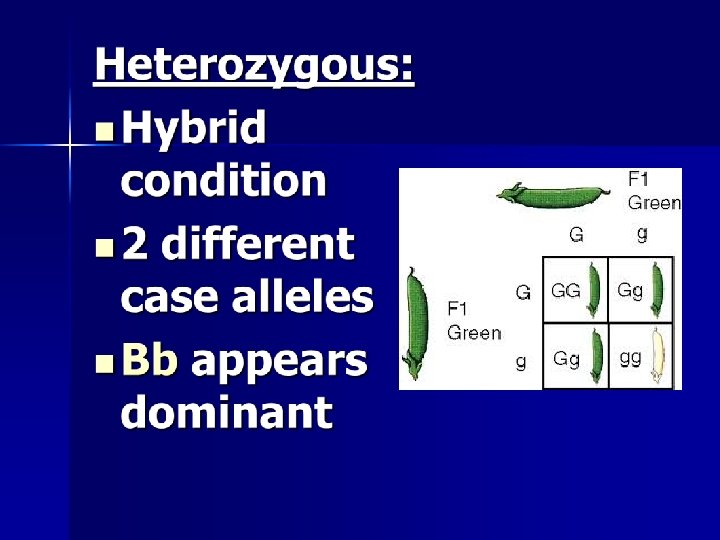
F 2: of the cross between the children of an F 1= n Children n B B b Bb Bb F 2= B b BB Bb Bb bb
Filial comes from a Latin word that means son or daughter.
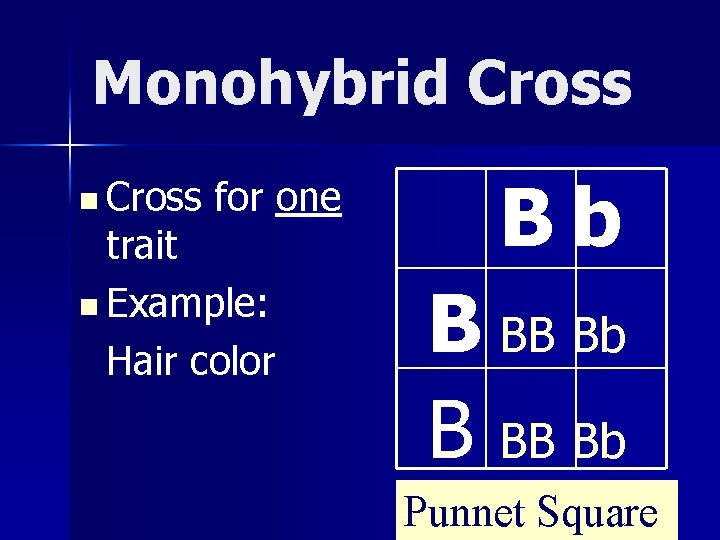
Monohybrid Cross n Cross for one trait n Example: Hair color Bb B BB Bb Punnet Square
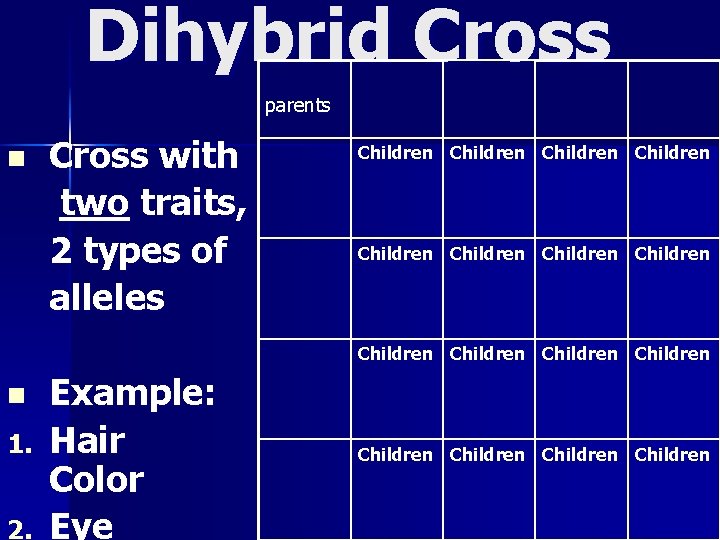
Dihybrid Cross parents n Cross with two traits, 2 types of alleles Children Children Children n 1. 2. Example: Hair Color Eye Children
Probability “Likelihood” Lab
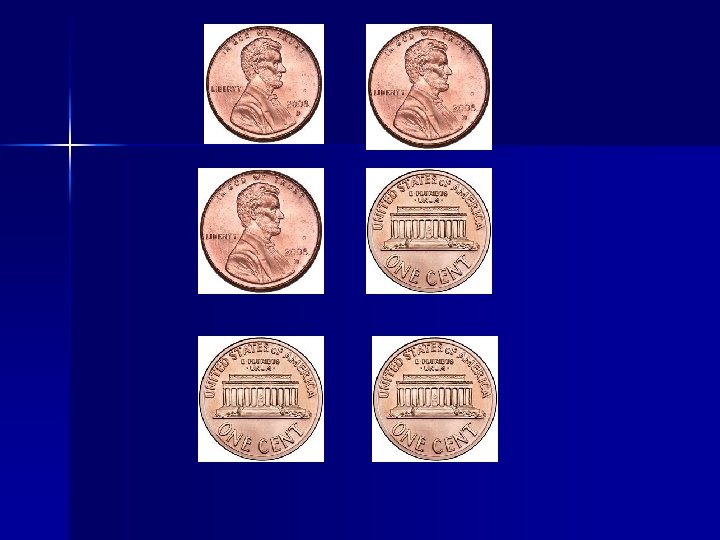
First: Collect the data using 1 coin and 2 coins flipping them 50 times and recording your results.
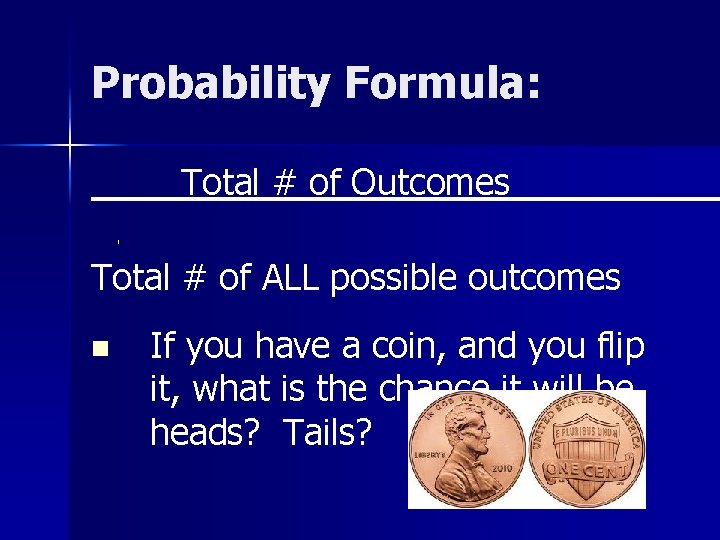
Probability Formula: Total # of Outcomes_______ Total # of ALL possible outcomes n If you have a coin, and you flip it, what is the chance it will be heads? Tails?
Probability Lab Questions n n n What does probability have to do with genetics? What is the chance of having a boy? What is the chance of having 3 in a row?
n Biologists began to use probabilities to determine how likely a specific event would occur. They would set up punnett squares.
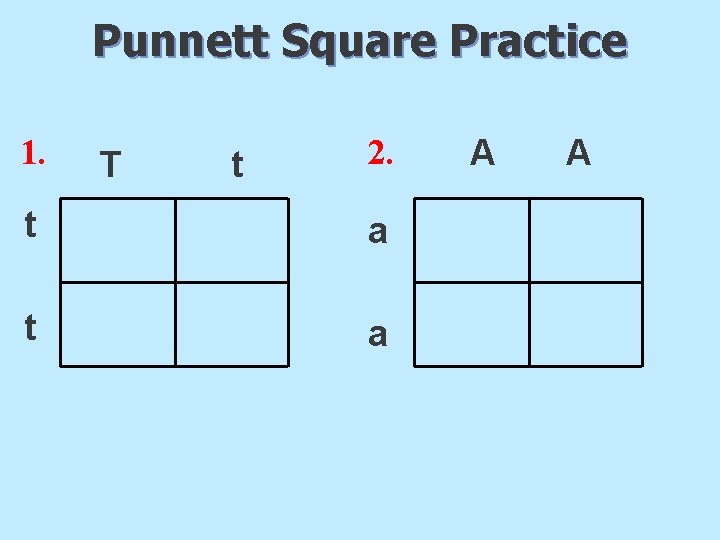
Punnett Square Practice 1. T t 2. t a A A
Pea plants that produce round seeds are crossed with those that produce wrinkled seeds. The progeny are self-fertilized. Diagram the cross. P: RR x rr
Phenotype Ratio Dominant Trait: Recessive Trait ______: _______
Genotype Ratio Homozygous Dominant: Heterozygous: Homozygous Recessive _______ : ____________
2. If red is dominant and white is recessive and pink flowers are produced when they are crossed, what would be the expected ratio of phenotypes when two pink flowers are crossed?
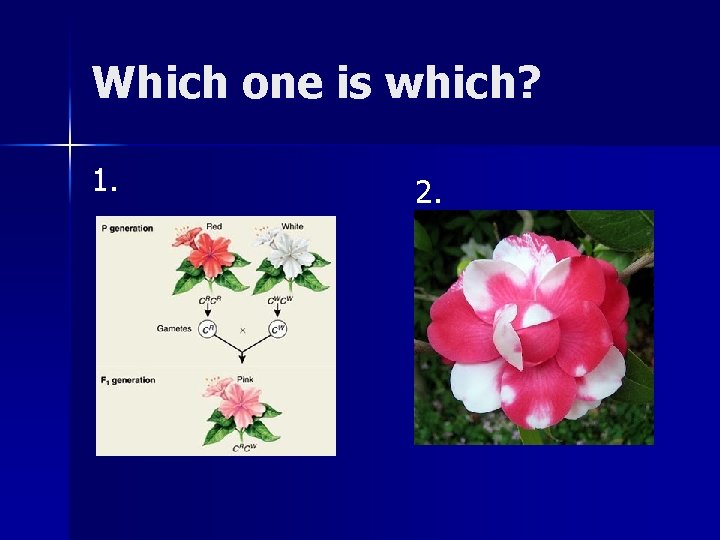
Codominance Neither allele is dominant and both alleles are expressed. Both alleles are displayed at the same time. EX. With codominance in flowers, the resulting offspring between red and white parents would not be pink. Instead, they would be red with white spots or white with red spots, the result of both colors being codominant.
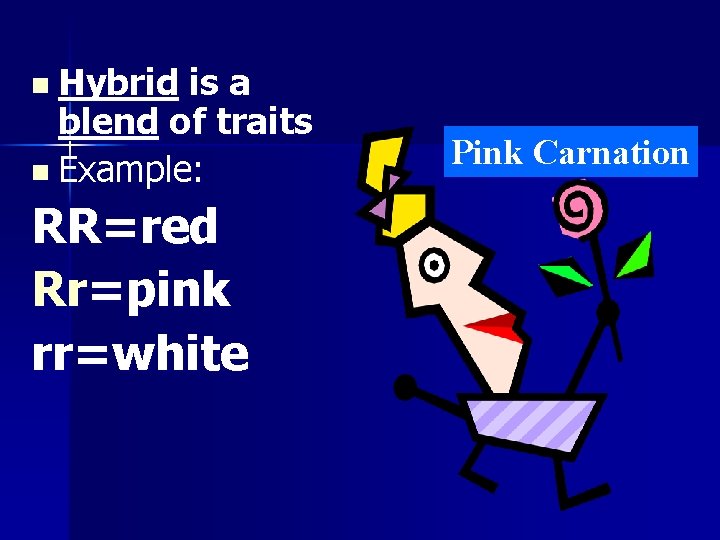
Incomplete Dominance The heterozygous phenotype is new. When neither gene is completely dominant. Alleles blend to create a new phenotype. RR=red rr= white Rr=pink Cross a RR x rr What is the genotypic ratio?
n Hybrid is a blend of traits n Example: RR=red Rr=pink rr=white Pink Carnation
Which one is which? 1. 2.
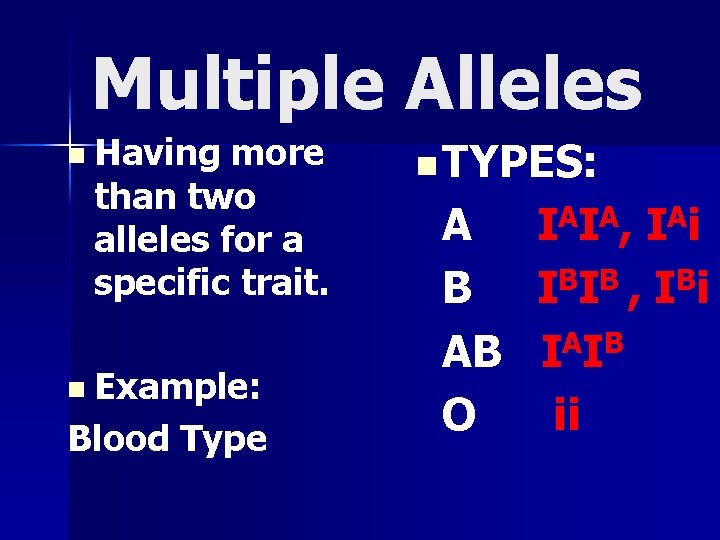
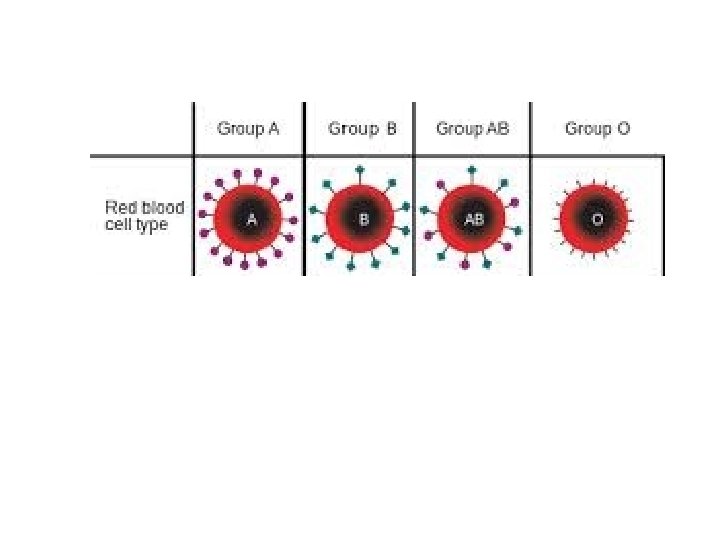
Multiple Alleles n Having more than two alleles for a specific trait. n Example: Blood Type n TYPES: A B AB O IAIA, I Ai I BI B , I Bi IAIB ii
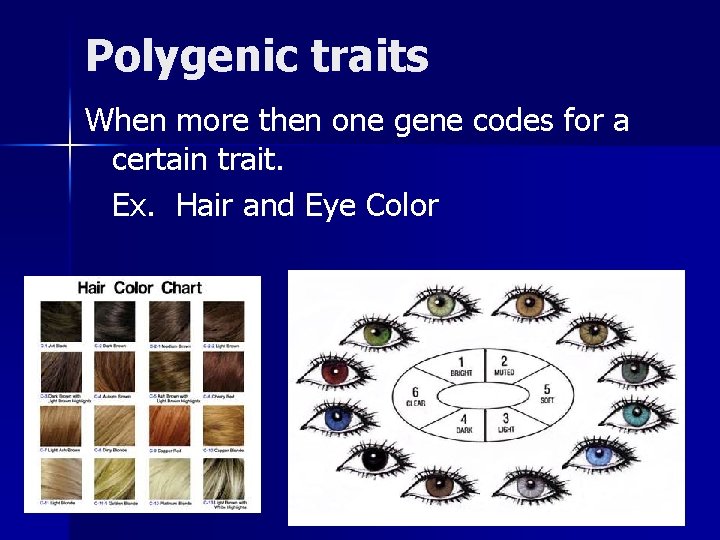
Polygenic traits When more then one gene codes for a certain trait. Ex. Hair and Eye Color
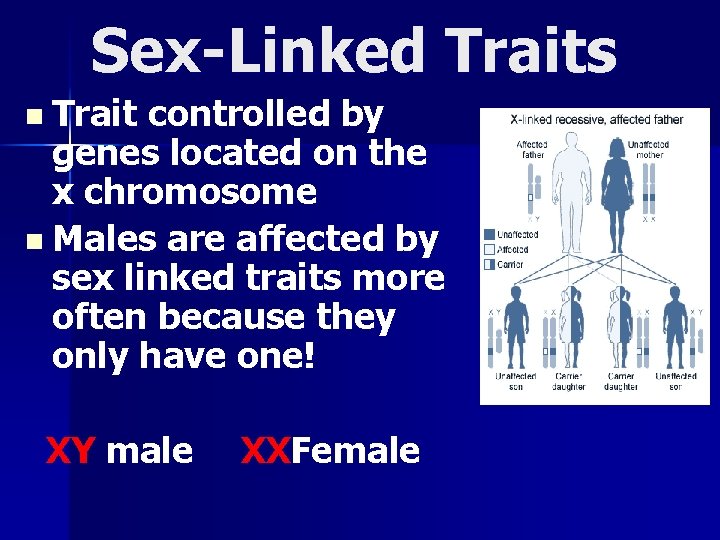
Sex-Linked Traits n Trait controlled by genes located on the x chromosome n Males are affected by sex linked traits more often because they only have one! XY male XXFemale
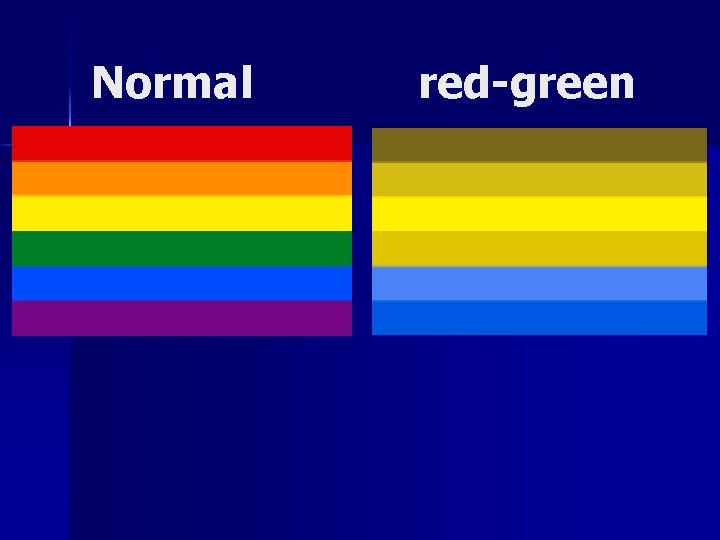
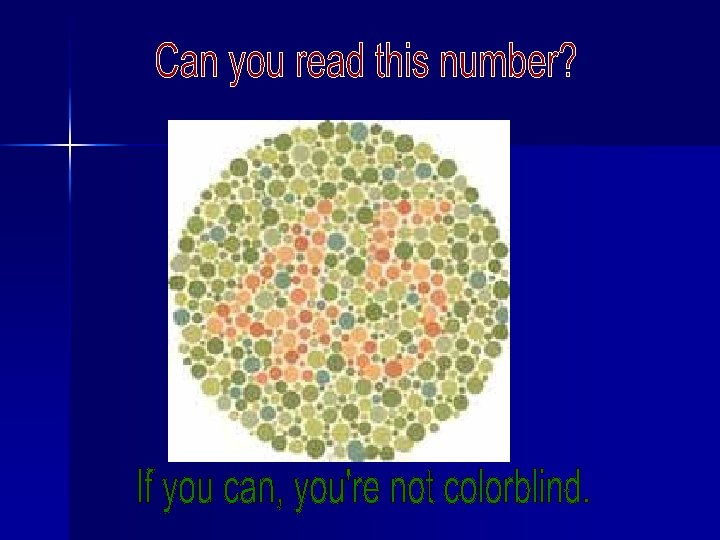
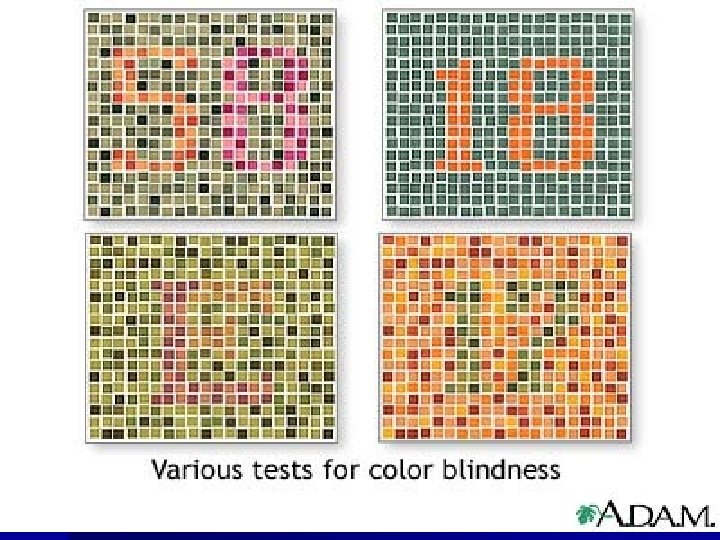
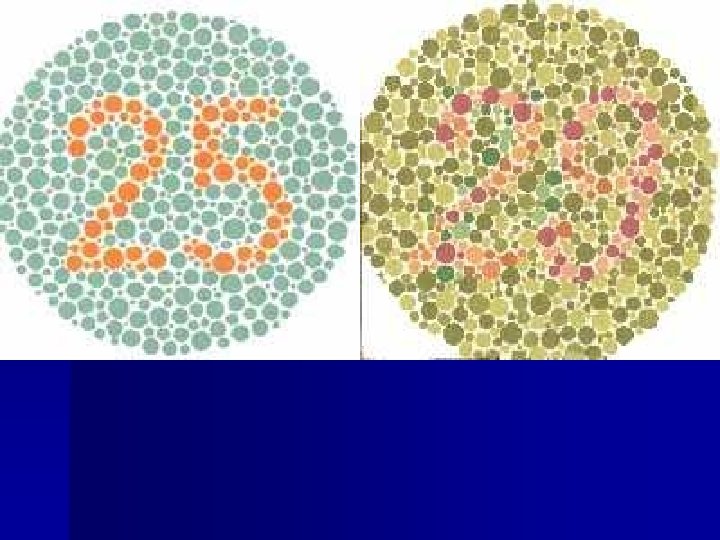
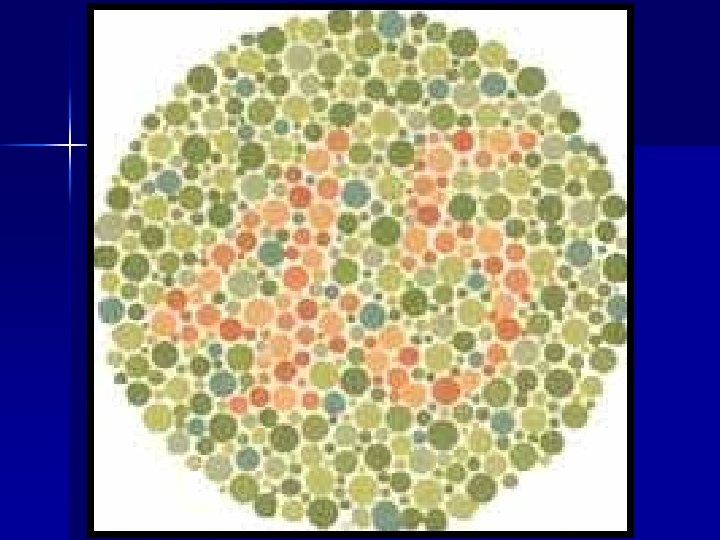
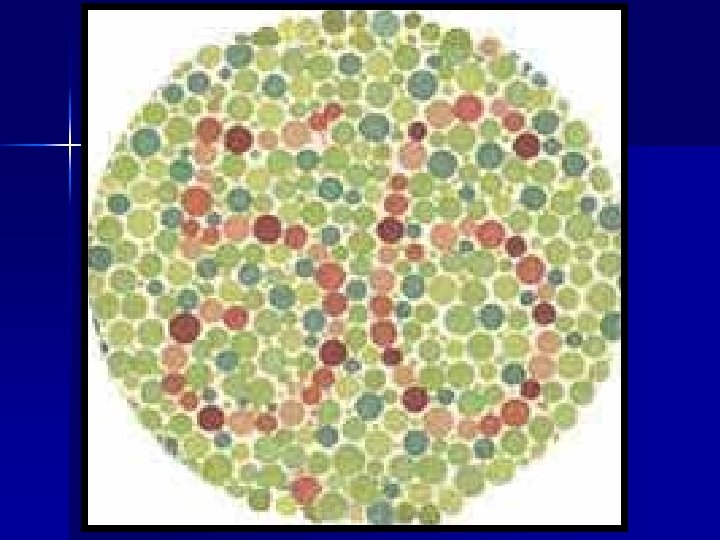
n 8% of men and 0. 5% of women have some form of deficiency (red-green). n A. K. A: protanopia (redblindness),
Normal red-green
Fruit Fly Matting's
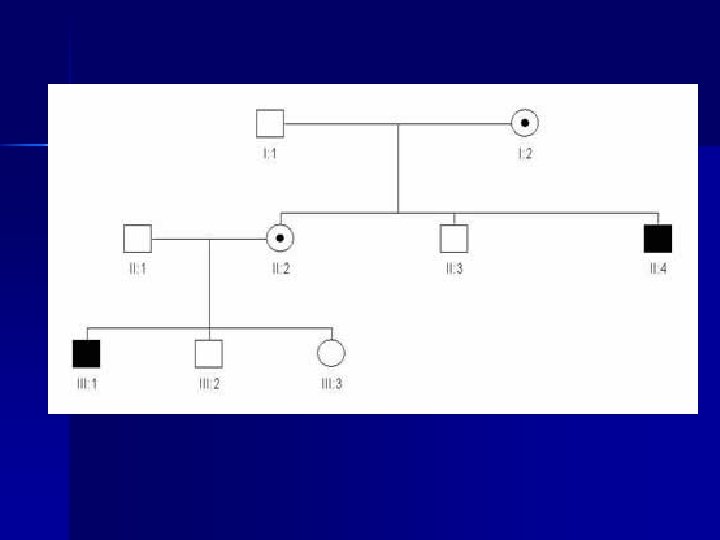
Pedigree Charts A pedigree is a chart of the genetic traits of a family over several generations.
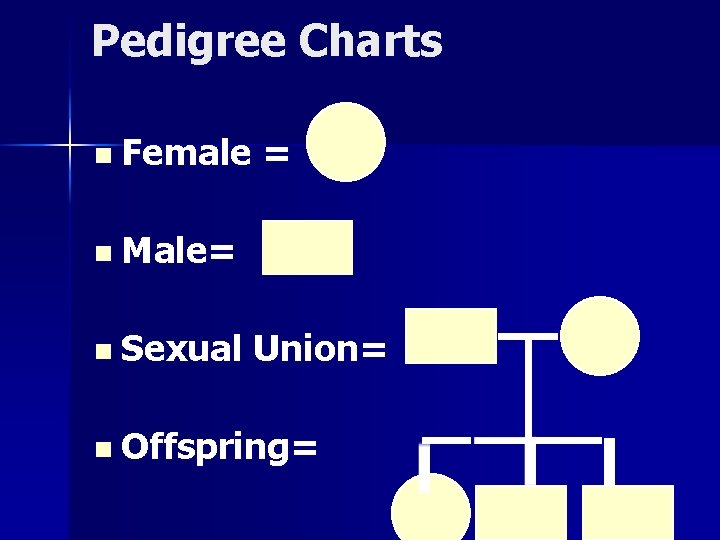
Pedigree Charts n Female = n Male= n Sexual Union= n Offspring=
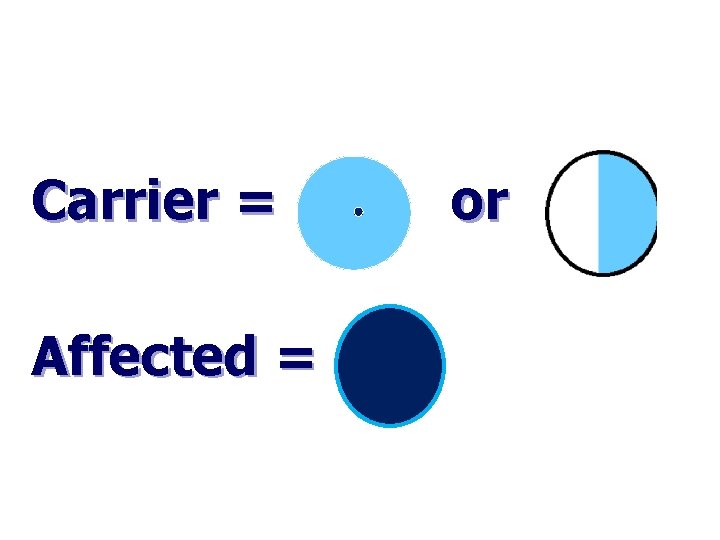
Carrier = Affected = or
Draw your own Family Pedigree Chart. Add the following to your pedigree: Mom and Dad are both carriers Brother or sister is affected
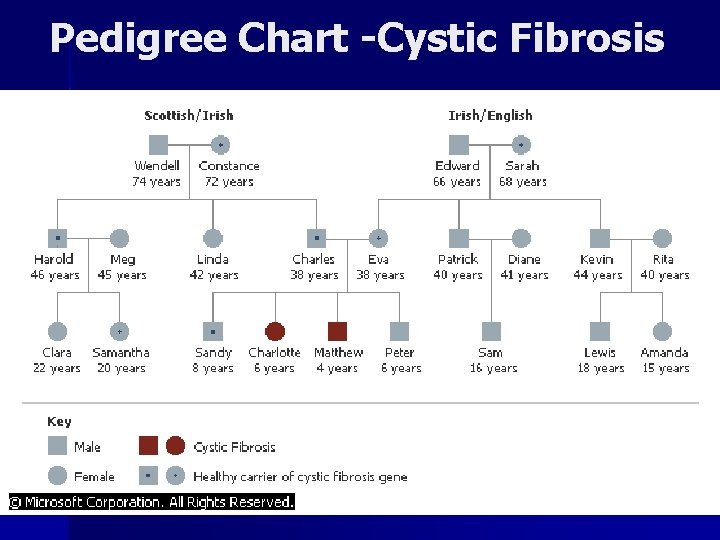
Pedigree Chart -Cystic Fibrosis
Question Time
Genetic Diseases 1. Sickle Cell Anemia: Caused by a faulty protein. Recessive disease. Causes poor blood circulation. 1/500 African Americans N = dominant normal gene S = abnormal recessive gene
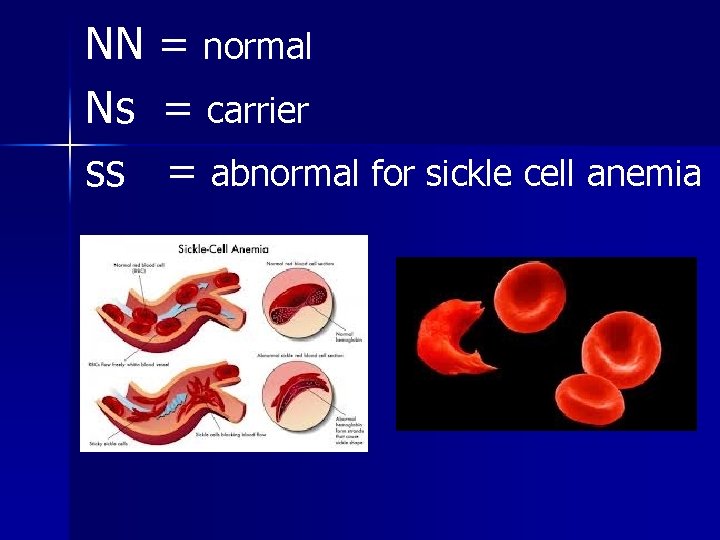
NN = normal Ns = carrier ss = abnormal for sickle cell anemia
Cross homozygous dominant with a heterozygous. What is the phenotypic and genotypic ratio?
2. Tay Sachs Deterioration of central nervous system. Defective enzymes due to mutations. Usually don’t survive into adult hood 1/1600 Jewish origin E = normal t = abnormal for tay sachs
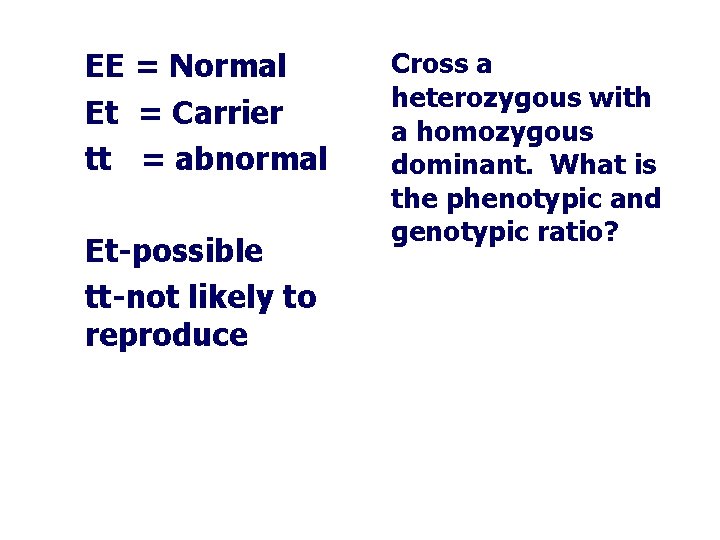
EE = Normal Et = Carrier tt = abnormal Et-possible tt-not likely to reproduce Cross a heterozygous with a homozygous dominant. What is the phenotypic and genotypic ratio?
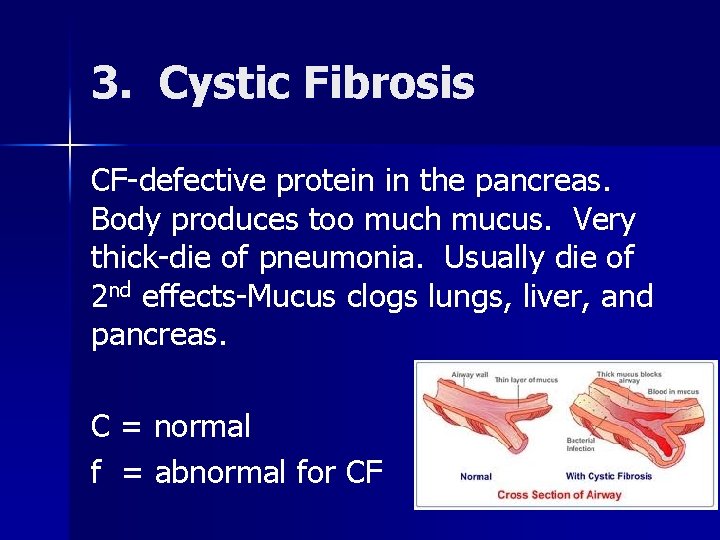
3. Cystic Fibrosis CF-defective protein in the pancreas. Body produces too much mucus. Very thick-die of pneumonia. Usually die of 2 nd effects-Mucus clogs lungs, liver, and pancreas. C = normal f = abnormal for CF
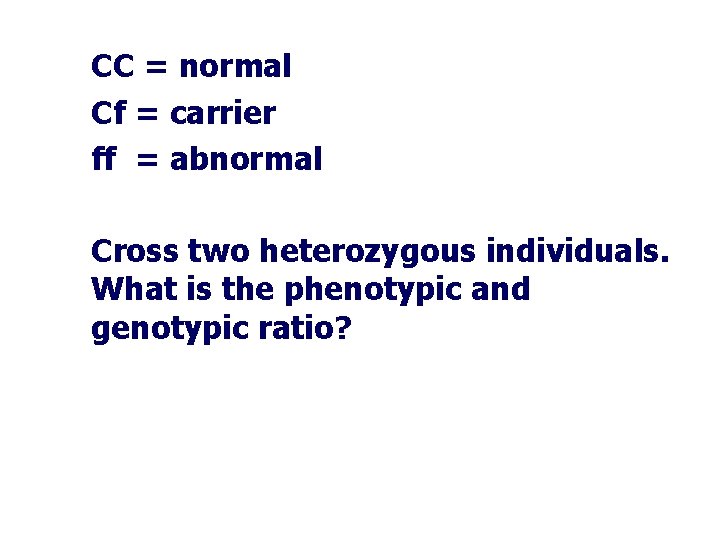
CC = normal Cf = carrier ff = abnormal Cross two heterozygous individuals. What is the phenotypic and genotypic ratio?
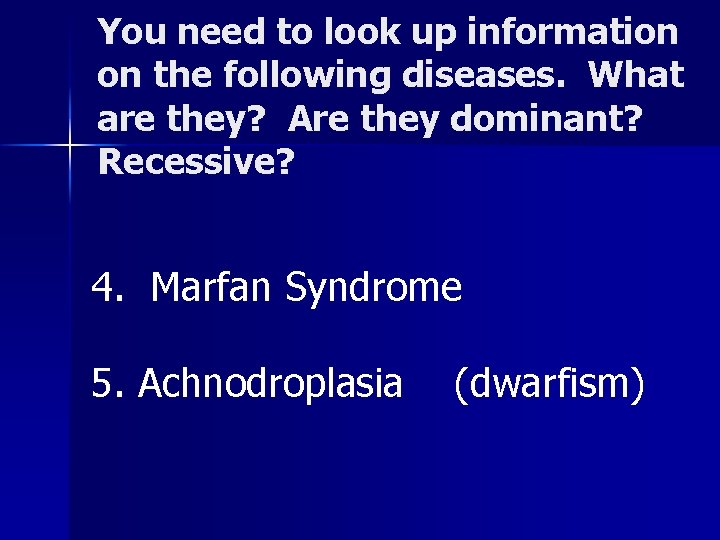
You need to look up information on the following diseases. What are they? Are they dominant? Recessive? 4. Marfan Syndrome 5. Achnodroplasia (dwarfism)
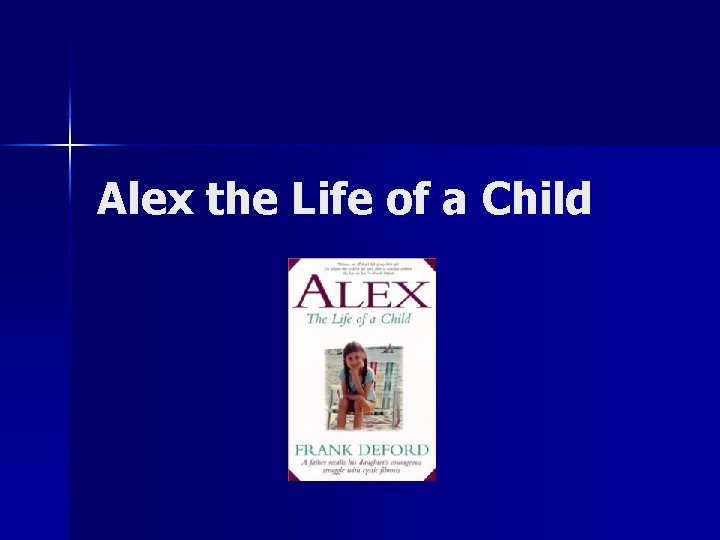
Alex the Life of a Child
Dihybrid Crosses pg. 11
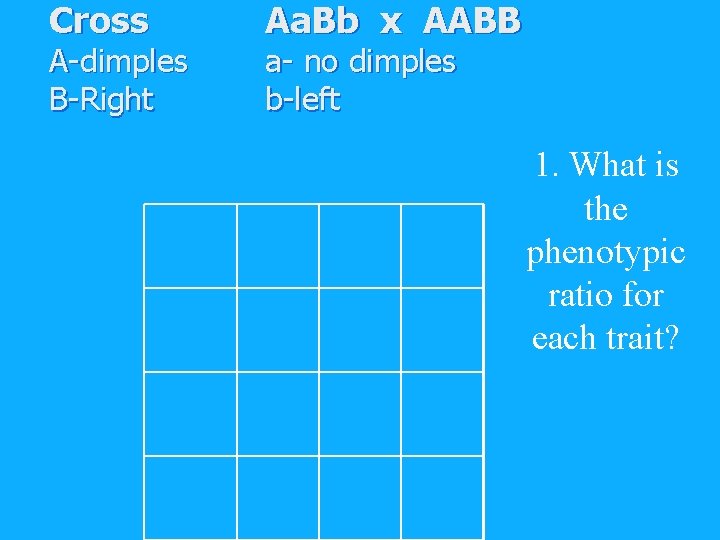
Cross A-dimples B-Right Aa. Bb x AABB a- no dimples b-left 1. What is the phenotypic ratio for each trait?
Examples Back to our example of the pink flower, the red and white traits passed on by each parent are the alleles. n The combination of each parents allele (red or white) forms the gene. n A group of genes forms a chromosome. n
Human Blood Type There are 3 alleles for blood type: A, B, O Each of us has two ABO blood type allele, because we each inherit one blood type allele from our mother and one from our father.
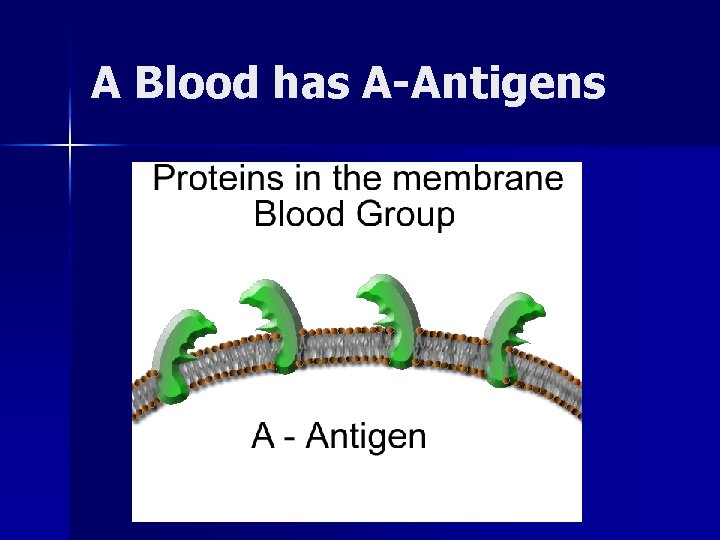
There a total of six different allele genotypes for blood type. Each group is represented by a substance on the surface of red blood cells.
A Blood has A-Antigens
Review: Vocabulary Terms Dominant trait in genetics is the stronger trait in genetics n Recessive trait is the weaker trait in genetics n Genotype is the genetic makeup of an organism n Phenotype is the visible characteristics of an organism n
Vocabulary Terms Chromosome: a rod shaped cell structure that directs the activities of a cell and passes on the traits of a cell to new cells n Gene: basic unit of heredity n Allele: each form of a gene n