
Genetic polymorphism in drug metabolism Cy P450 isoenzymes
Genetic polymorphism in drug metabolism Cy. P-450 isoenzymes Clinical Pharmacokinetics and TDM 1
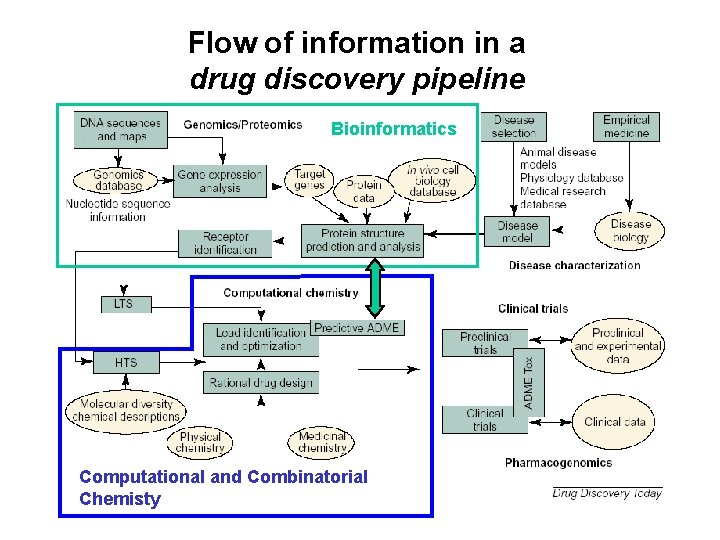
Flow of information in a drug discovery pipeline Bioinformatics Computational and Combinatorial Chemisty 2
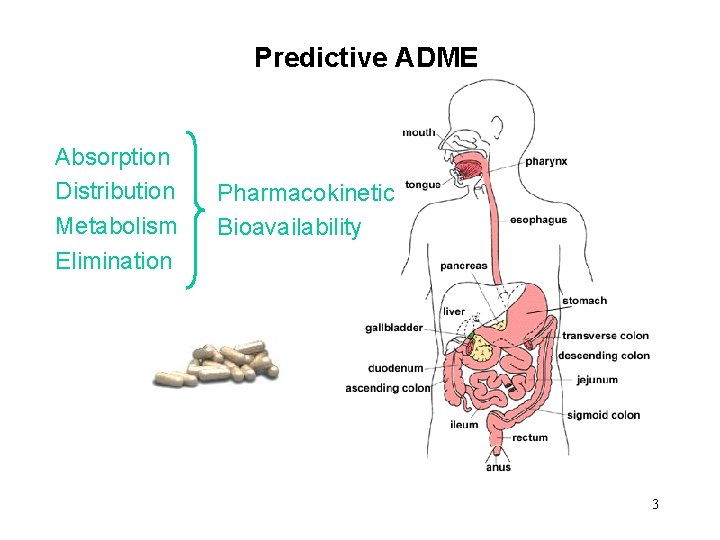
Predictive ADME Absorption Distribution Metabolism Elimination Pharmacokinetic Bioavailability 3
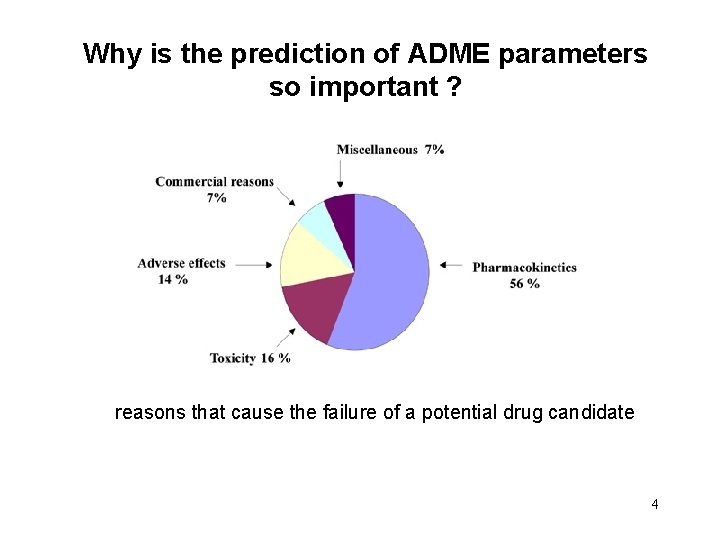
Why is the prediction of ADME parameters so important ? reasons that cause the failure of a potential drug candidate 4
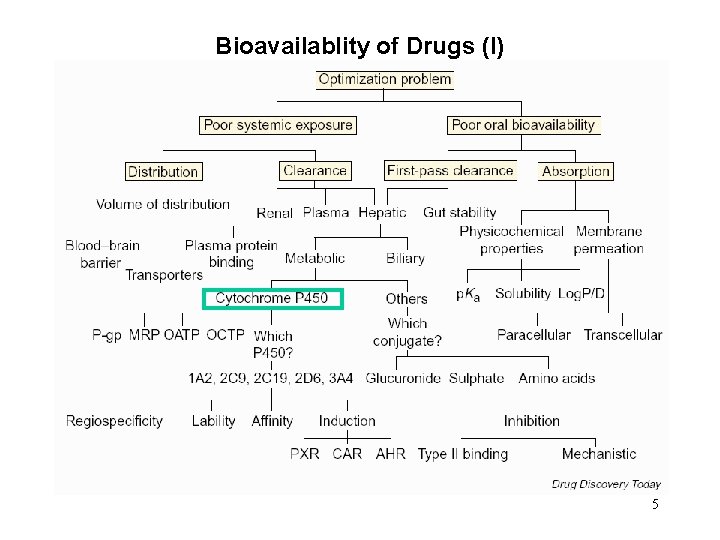
Bioavailablity of Drugs (I) 5
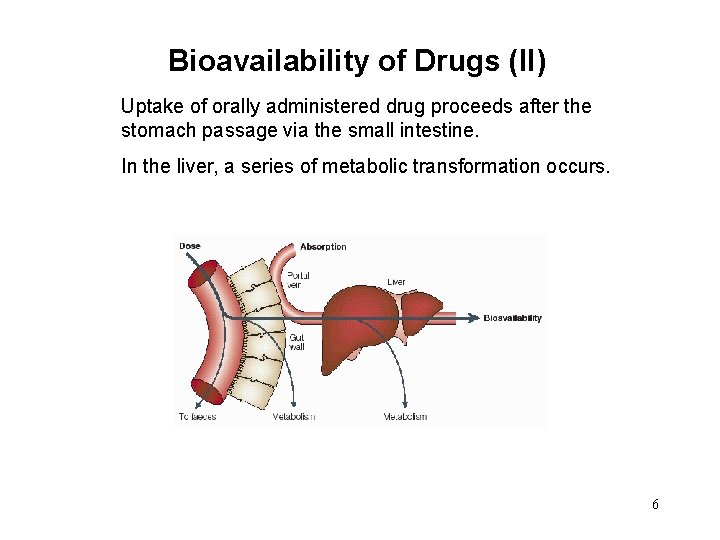
Bioavailability of Drugs (II) Uptake of orally administered drug proceeds after the stomach passage via the small intestine. In the liver, a series of metabolic transformation occurs. 6
Cytochrome P 450 The super-family of cytochrome P 450 enzymes has a crucial role in the metabolism of drugs. Almost every drug is processed by some of these enzymes. This causes a reduced bioavailability. Cytochrome P 450 enzymes show extensive structural polymorphism (differences in the coding region). 7
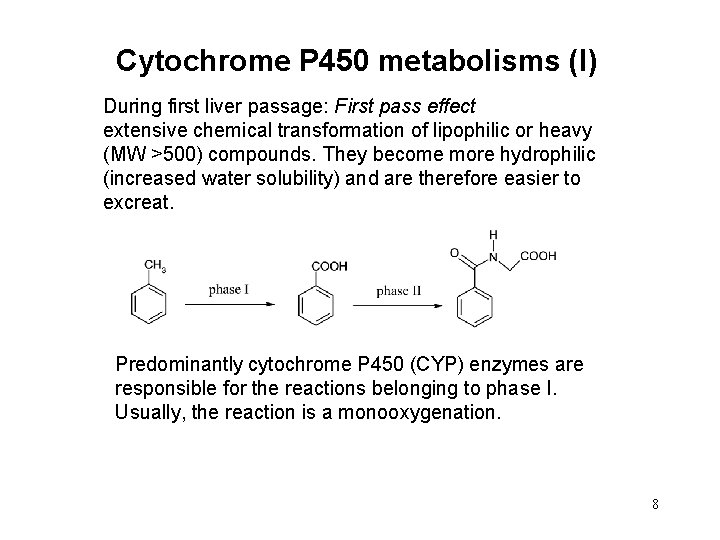
Cytochrome P 450 metabolisms (I) During first liver passage: First pass effect extensive chemical transformation of lipophilic or heavy (MW >500) compounds. They become more hydrophilic (increased water solubility) and are therefore easier to excreat. Predominantly cytochrome P 450 (CYP) enzymes are responsible for the reactions belonging to phase I. Usually, the reaction is a monooxygenation. 8
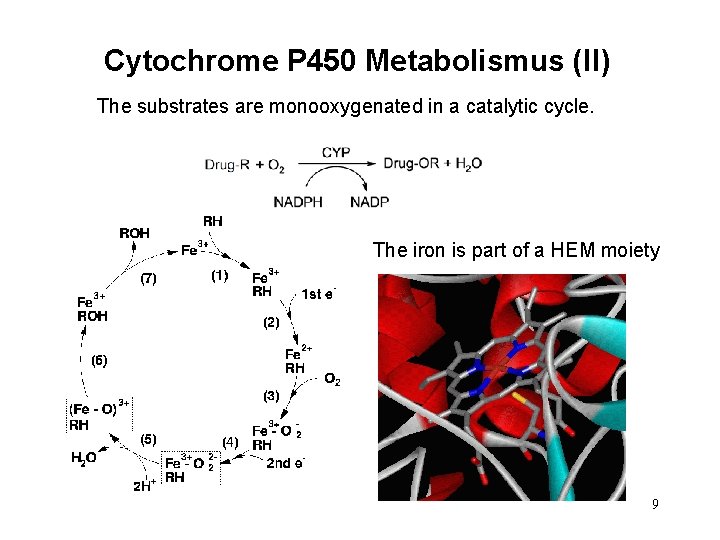
Cytochrome P 450 Metabolismus (II) The substrates are monooxygenated in a catalytic cycle. The iron is part of a HEM moiety 9
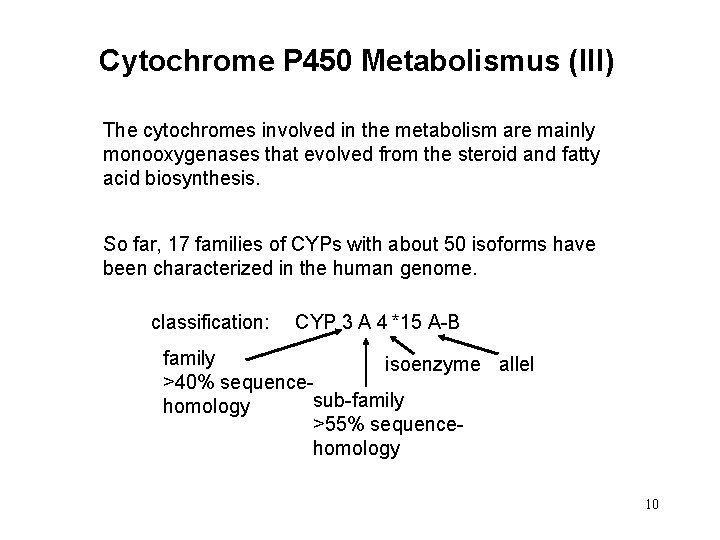
Cytochrome P 450 Metabolismus (III) The cytochromes involved in the metabolism are mainly monooxygenases that evolved from the steroid and fatty acid biosynthesis. So far, 17 families of CYPs with about 50 isoforms have been characterized in the human genome. classification: CYP 3 A 4 *15 A-B family isoenzyme allel >40% sequencesub-family homology >55% sequencehomology 10
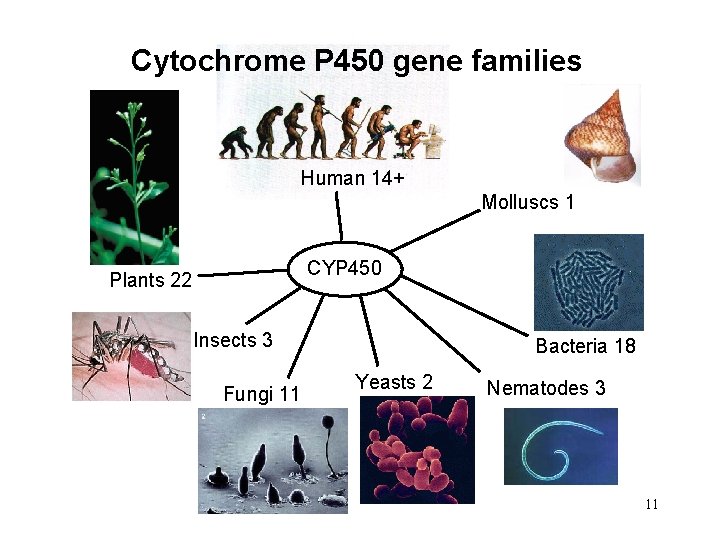
Cytochrome P 450 gene families Human 14+ Molluscs 1 CYP 450 Plants 22 Insects 3 Fungi 11 Bacteria 18 Yeasts 2 Nematodes 3 11
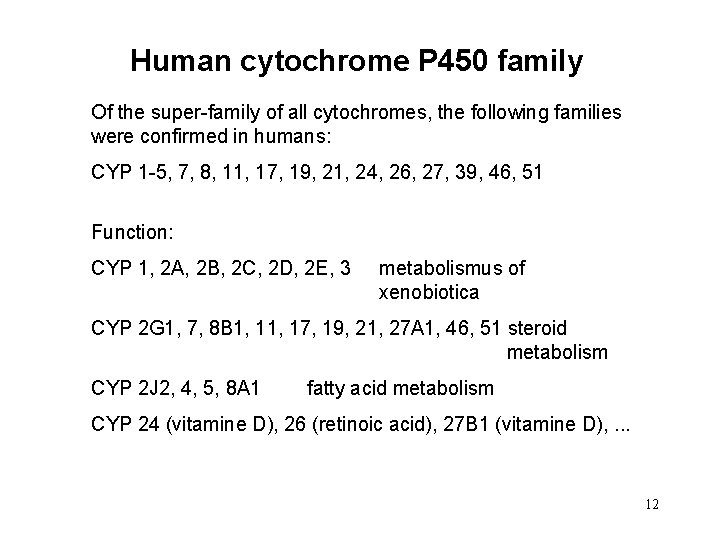
Human cytochrome P 450 family Of the super-family of all cytochromes, the following families were confirmed in humans: CYP 1 -5, 7, 8, 11, 17, 19, 21, 24, 26, 27, 39, 46, 51 Function: CYP 1, 2 A, 2 B, 2 C, 2 D, 2 E, 3 metabolismus of xenobiotica CYP 2 G 1, 7, 8 B 1, 17, 19, 21, 27 A 1, 46, 51 steroid metabolism CYP 2 J 2, 4, 5, 8 A 1 fatty acid metabolism CYP 24 (vitamine D), 26 (retinoic acid), 27 B 1 (vitamine D), . . . 12
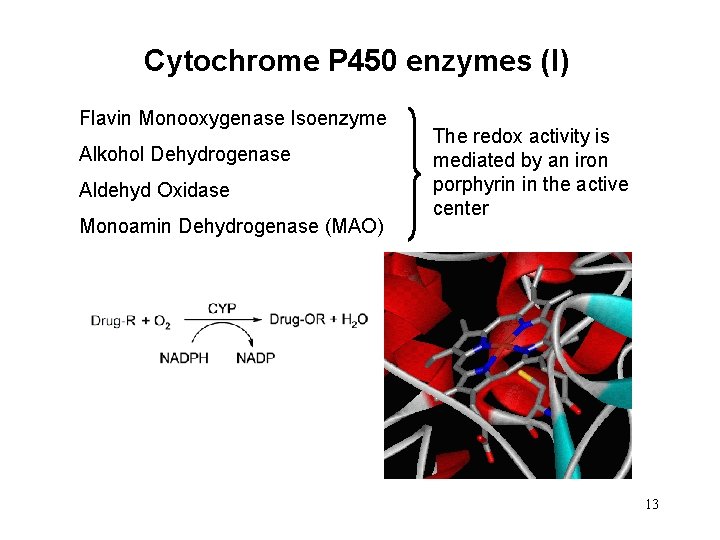
Cytochrome P 450 enzymes (I) Flavin Monooxygenase Isoenzyme Alkohol Dehydrogenase Aldehyd Oxidase Monoamin Dehydrogenase (MAO) The redox activity is mediated by an iron porphyrin in the active center 13
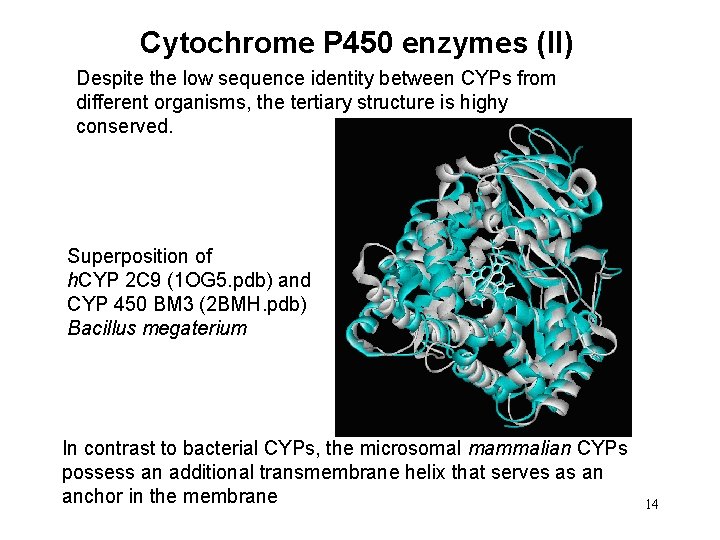
Cytochrome P 450 enzymes (II) Despite the low sequence identity between CYPs from different organisms, the tertiary structure is highy conserved. Superposition of h. CYP 2 C 9 (1 OG 5. pdb) and CYP 450 BM 3 (2 BMH. pdb) Bacillus megaterium In contrast to bacterial CYPs, the microsomal mammalian CYPs possess an additional transmembrane helix that serves as an anchor in the membrane 14
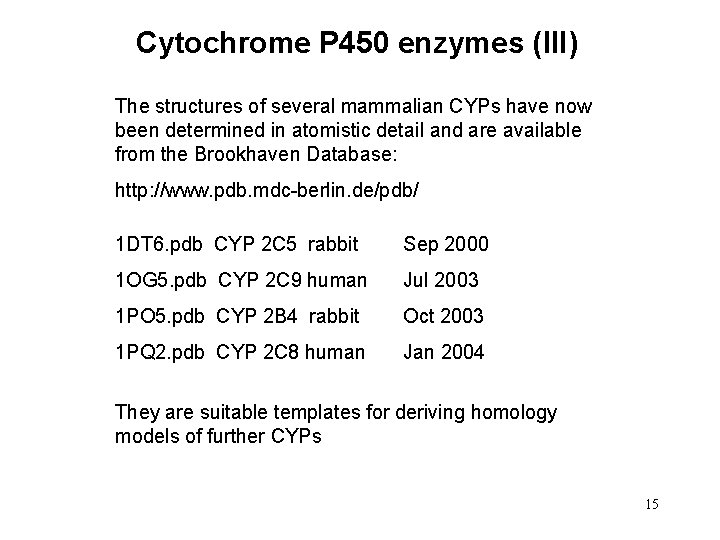
Cytochrome P 450 enzymes (III) The structures of several mammalian CYPs have now been determined in atomistic detail and are available from the Brookhaven Database: http: //www. pdb. mdc-berlin. de/pdb/ 1 DT 6. pdb CYP 2 C 5 rabbit Sep 2000 1 OG 5. pdb CYP 2 C 9 human Jul 2003 1 PO 5. pdb CYP 2 B 4 rabbit Oct 2003 1 PQ 2. pdb CYP 2 C 8 human Jan 2004 They are suitable templates for deriving homology models of further CYPs 15
Cytochrome P 450 enzymes (IV) The majority of CYPs is found in the liver, but certain CYPs are also present in the wall cells of the inestine The mammalian CYPs are bound to the endoplasmic reticulum, and are therefore membrane bound. 16
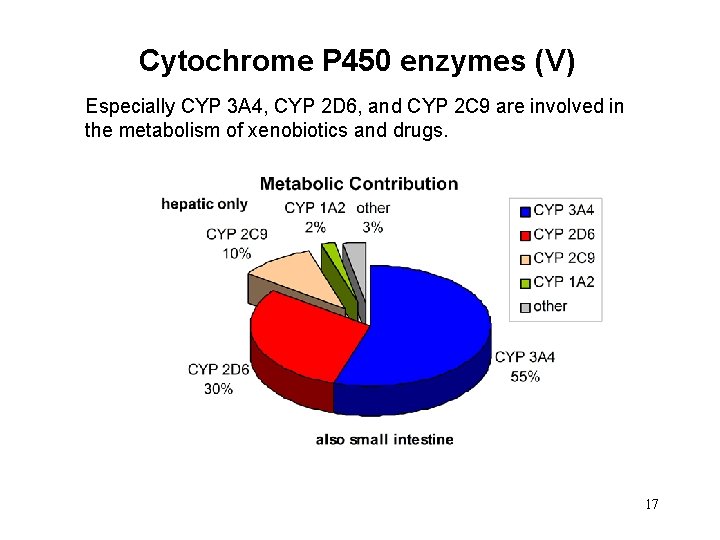
Cytochrome P 450 enzymes (V) Especially CYP 3 A 4, CYP 2 D 6, and CYP 2 C 9 are involved in the metabolism of xenobiotics and drugs. 17
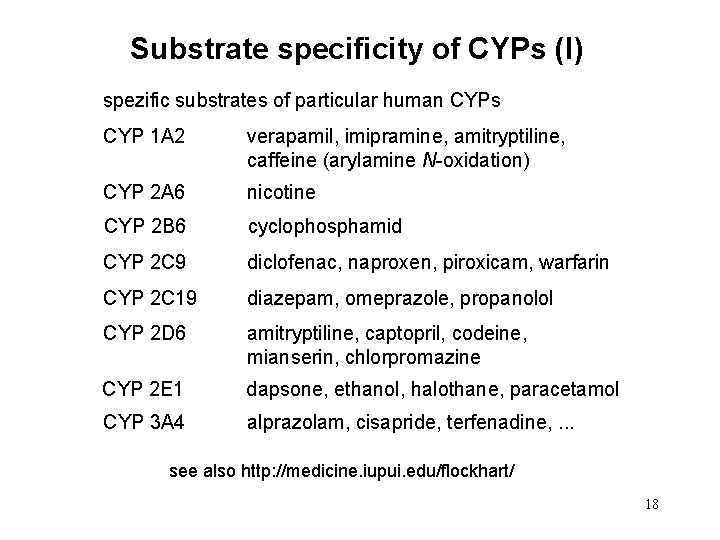
Substrate specificity of CYPs (I) spezific substrates of particular human CYPs CYP 1 A 2 verapamil, imipramine, amitryptiline, caffeine (arylamine N-oxidation) CYP 2 A 6 nicotine CYP 2 B 6 cyclophosphamid CYP 2 C 9 diclofenac, naproxen, piroxicam, warfarin CYP 2 C 19 diazepam, omeprazole, propanolol CYP 2 D 6 amitryptiline, captopril, codeine, mianserin, chlorpromazine CYP 2 E 1 dapsone, ethanol, halothane, paracetamol CYP 3 A 4 alprazolam, cisapride, terfenadine, . . . see also http: //medicine. iupui. edu/flockhart/ 18
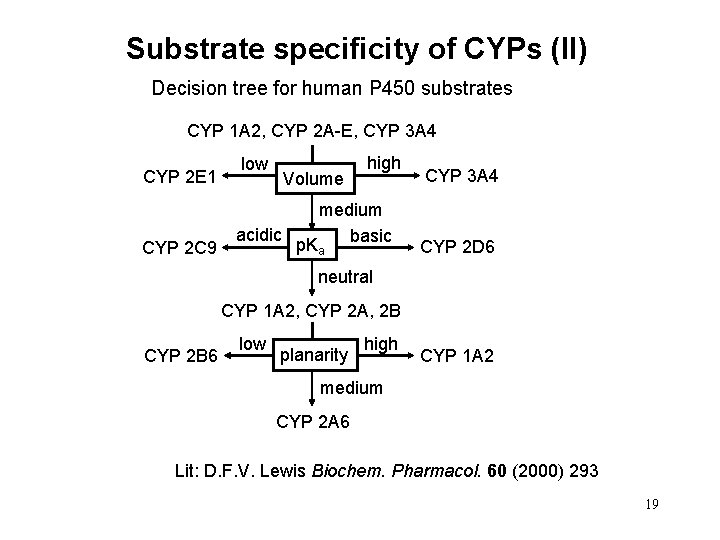
Substrate specificity of CYPs (II) Decision tree for human P 450 substrates CYP 1 A 2, CYP 2 A-E, CYP 3 A 4 CYP 2 E 1 CYP 2 C 9 low Volume high medium acidic basic p. K a CYP 3 A 4 CYP 2 D 6 neutral CYP 1 A 2, CYP 2 A, 2 B CYP 2 B 6 low planarity high CYP 1 A 2 medium CYP 2 A 6 Lit: D. F. V. Lewis Biochem. Pharmacol. 60 (2000) 293 19
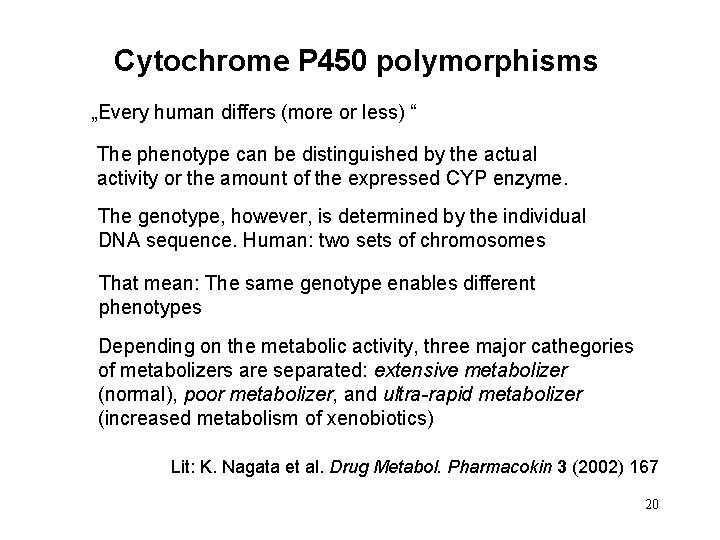
Cytochrome P 450 polymorphisms „Every human differs (more or less) “ The phenotype can be distinguished by the actual activity or the amount of the expressed CYP enzyme. The genotype, however, is determined by the individual DNA sequence. Human: two sets of chromosomes That mean: The same genotype enables different phenotypes Depending on the metabolic activity, three major cathegories of metabolizers are separated: extensive metabolizer (normal), poor metabolizer, and ultra-rapid metabolizer (increased metabolism of xenobiotics) Lit: K. Nagata et al. Drug Metabol. Pharmacokin 3 (2002) 167 20
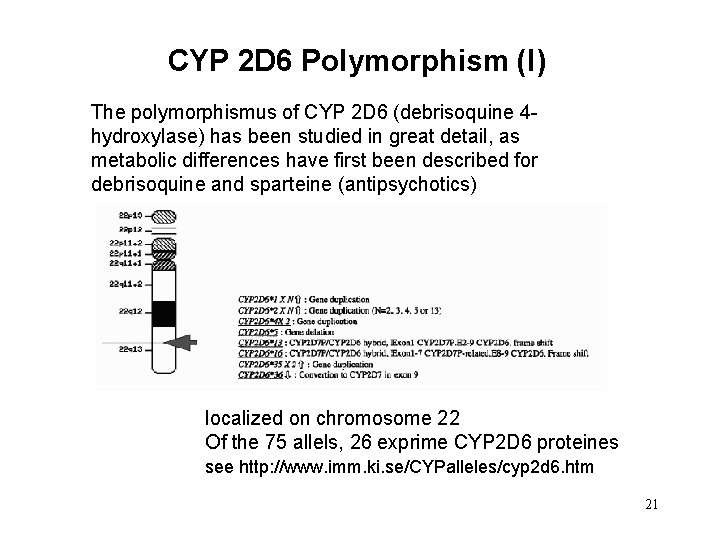
CYP 2 D 6 Polymorphism (I) The polymorphismus of CYP 2 D 6 (debrisoquine 4 hydroxylase) has been studied in great detail, as metabolic differences have first been described for debrisoquine and sparteine (antipsychotics) localized on chromosome 22 Of the 75 allels, 26 exprime CYP 2 D 6 proteines see http: //www. imm. ki. se/CYPalleles/cyp 2 d 6. htm 21
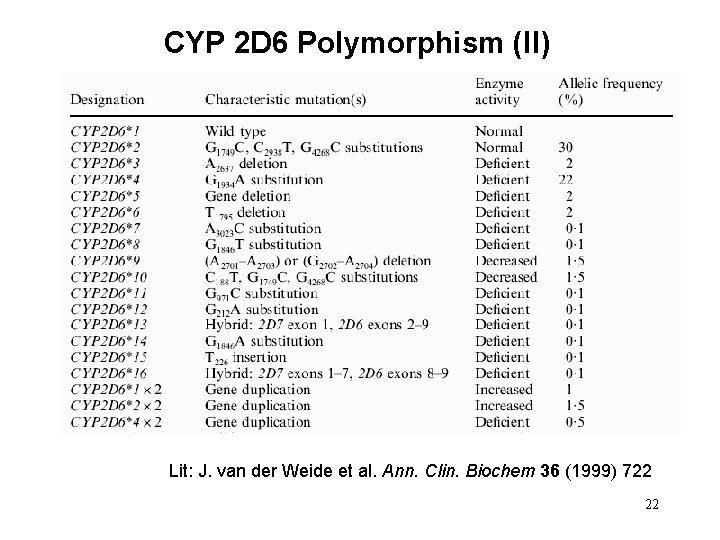
CYP 2 D 6 Polymorphism (II) Lit: J. van der Weide et al. Ann. Clin. Biochem 36 (1999) 722 22
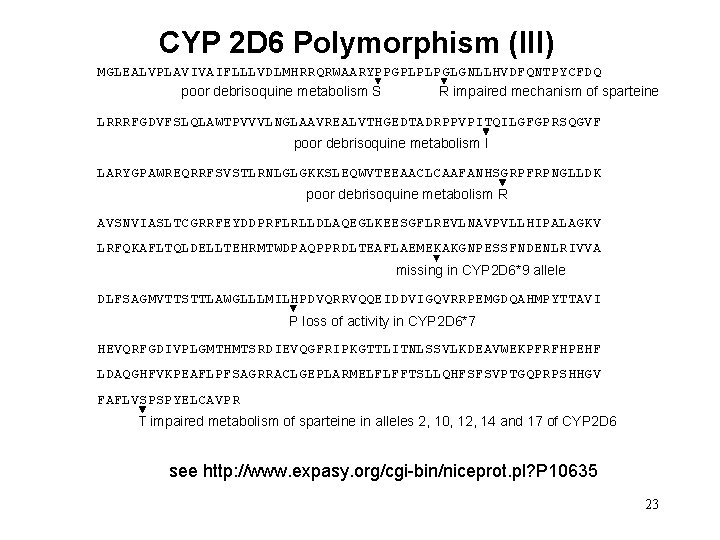
CYP 2 D 6 Polymorphism (III) MGLEALVPLAVIVAIFLLLVDLMHRRQRWAARYPPGPLPLPGLGNLLHVDFQNTPYCFDQ poor debrisoquine metabolism S R impaired mechanism of sparteine LRRRFGDVFSLQLAWTPVVVLNGLAAVREALVTHGEDTADRPPVPITQILGFGPRSQGVF poor debrisoquine metabolism I LARYGPAWREQRRFSVSTLRNLGLGKKSLEQWVTEEAACLCAAFANHSGRPFRPNGLLDK poor debrisoquine metabolism R AVSNVIASLTCGRRFEYDDPRFLRLLDLAQEGLKEESGFLREVLNAVPVLLHIPALAGKV LRFQKAFLTQLDELLTEHRMTWDPAQPPRDLTEAFLAEMEKAKGNPESSFNDENLRIVVA missing in CYP 2 D 6*9 allele DLFSAGMVTTSTTLAWGLLLMILHPDVQRRVQQEIDDVIGQVRRPEMGDQAHMPYTTAVI P loss of activity in CYP 2 D 6*7 HEVQRFGDIVPLGMTHMTSRDIEVQGFRIPKGTTLITNLSSVLKDEAVWEKPFRFHPEHF LDAQGHFVKPEAFLPFSAGRRACLGEPLARMELFLFFTSLLQHFSFSVPTGQPRPSHHGV FAFLVSPSPYELCAVPR T impaired metabolism of sparteine in alleles 2, 10, 12, 14 and 17 of CYP 2 D 6 see http: //www. expasy. org/cgi-bin/niceprot. pl? P 10635 23
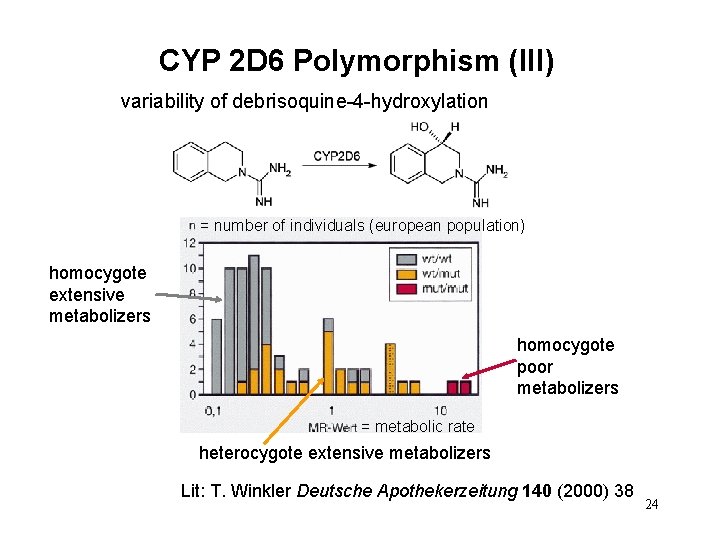
CYP 2 D 6 Polymorphism (III) variability of debrisoquine-4 -hydroxylation = number of individuals (european population) homocygote extensive metabolizers homocygote poor metabolizers = metabolic rate heterocygote extensive metabolizers Lit: T. Winkler Deutsche Apothekerzeitung 140 (2000) 38 24
Polymorphisms of further CYPs CYP 1 A 2 individual: fast, medium, and slow turnover of caffeine CYP 2 B 6 missing in 3 -4 % of the caucasian population CYP 2 C 9 deficit in 1 -3 % of the caucasian population CYP 2 C 19 individuals with inactive enzyme (3 -6 % of the caucasian and 15 -20 % of the asian population) CYP 2 D 6 poor metabolizers in 5 -8 % of the european, 10 % of the caucasian, and <1% of the japanese population. Over expression (gene duplication) among parts of the african and oriental population. CYP 3 A 4 only few mutations 25
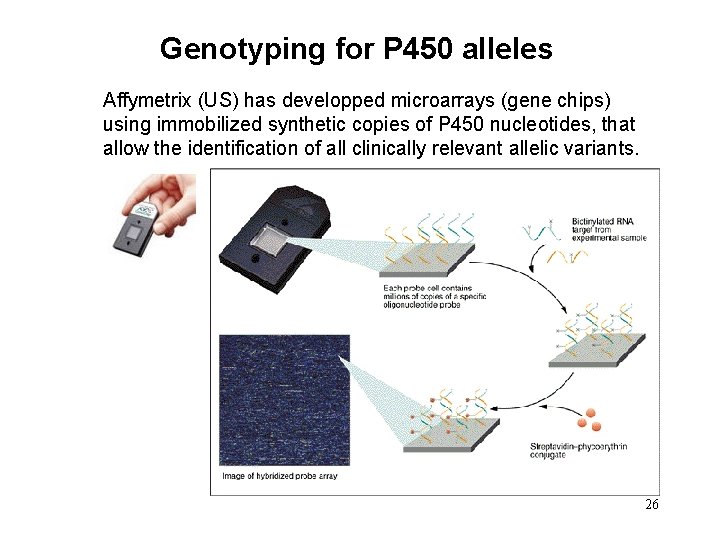
Genotyping for P 450 alleles Affymetrix (US) has developped microarrays (gene chips) using immobilized synthetic copies of P 450 nucleotides, that allow the identification of all clinically relevant allelic variants. 26
Induction and regulation of CYP 3 A (I) A series of xenobiotics have been identified, that lead to increased expression of enzymes of the CYP 3 A family. Indinavir efavirenz cyclosporin carbamazepine atorvastatin tamoxifen antiviral immuno-suppressant antispychotic HMG Co. A Reductase Inhibitor anti-hormone These bind to the pregnane X receptor (PXR) which is the transcription factor for the regulation of the CYP 3 A gene expression. Lit: T. M. Wilson et al. Nature Rev. Drug Disc. 1 (2002) 259 27
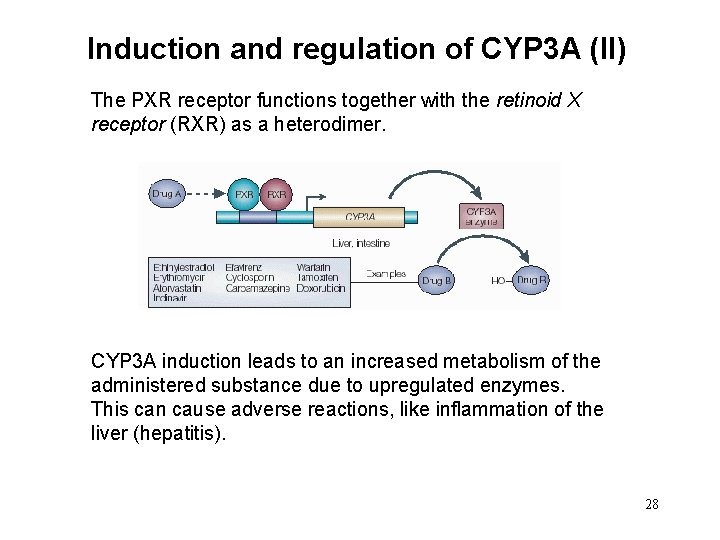
Induction and regulation of CYP 3 A (II) The PXR receptor functions together with the retinoid X receptor (RXR) as a heterodimer. CYP 3 A induction leads to an increased metabolism of the administered substance due to upregulated enzymes. This can cause adverse reactions, like inflammation of the liver (hepatitis). 28
RXR and other nuclear receptors (I) As a specific, endogen activator of RXR, 5 b-pregnane 3, 20 -dione has been identified. In contrast, PXR is much less specific and is activated by glucocorticoids as well as by anti-glucocorticoids. Conversely, the unspecific constitutive androgen receptor (CAR) is found in the cytoplasm and dimerizes with PXR in the nucleus. Analog to PXR, the CYP 2 B gene is regulated. Likewise high sequence homology has been found for the vitamine D receptor (VDR) that regulates CYP 27, and for the arylhydrocarbon receptor (AHR) (dioxin receptor). 29
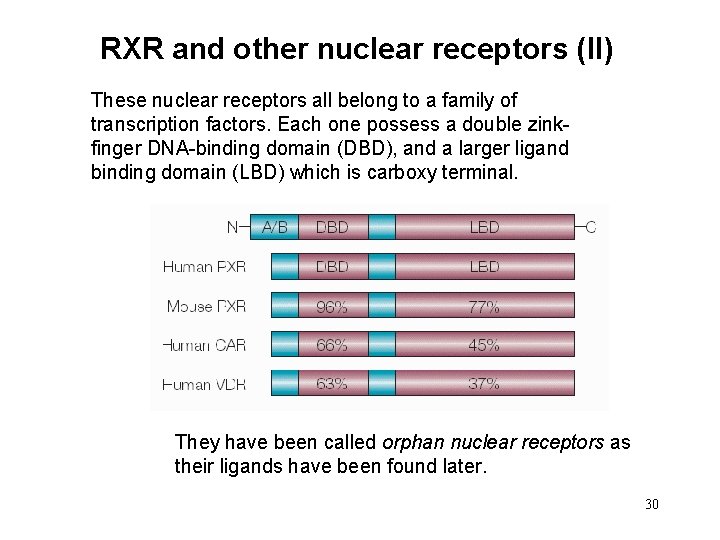
RXR and other nuclear receptors (II) These nuclear receptors all belong to a family of transcription factors. Each one possess a double zinkfinger DNA-binding domain (DBD), and a larger ligand binding domain (LBD) which is carboxy terminal. They have been called orphan nuclear receptors as their ligands have been found later. 30
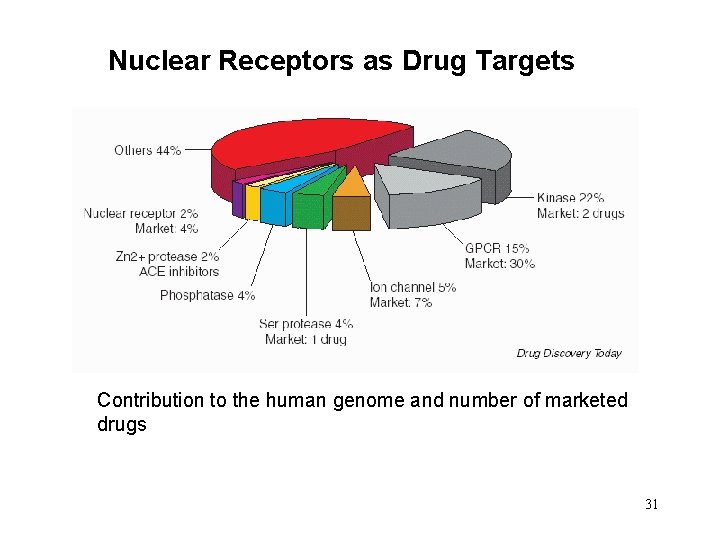
Nuclear Receptors as Drug Targets Contribution to the human genome and number of marketed drugs 31
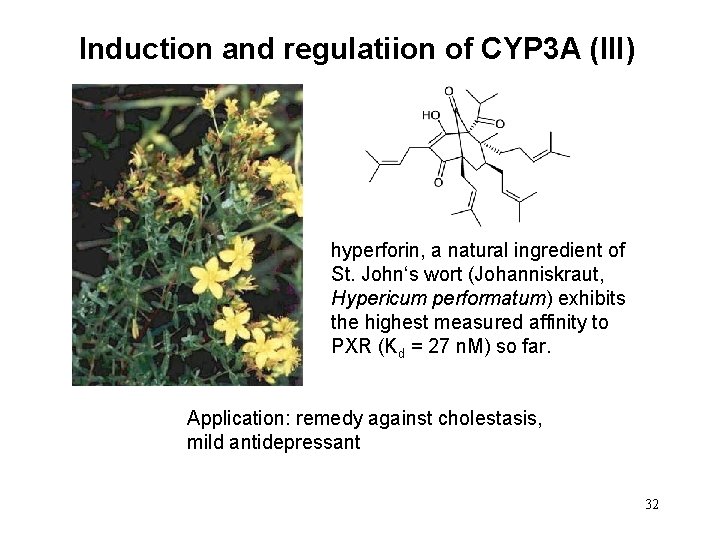
Induction and regulatiion of CYP 3 A (III) hyperforin, a natural ingredient of St. John‘s wort (Johanniskraut, Hypericum performatum) exhibits the highest measured affinity to PXR (Kd = 27 n. M) so far. Application: remedy against cholestasis, mild antidepressant 32
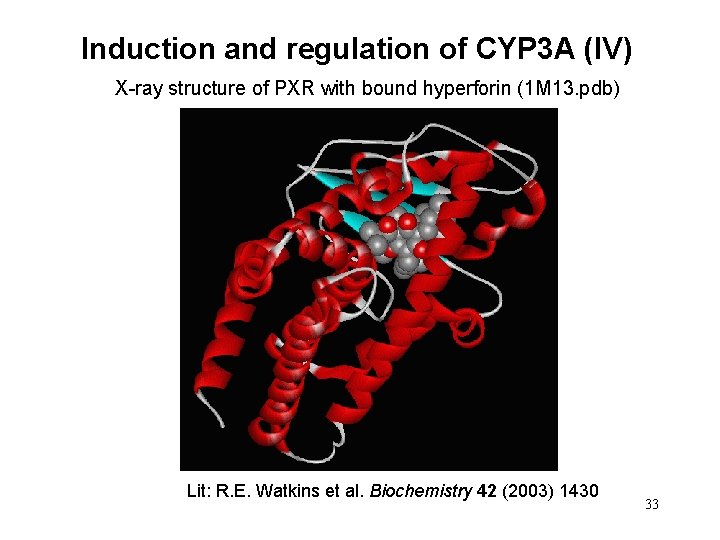
Induction and regulation of CYP 3 A (IV) X-ray structure of PXR with bound hyperforin (1 M 13. pdb) Lit: R. E. Watkins et al. Biochemistry 42 (2003) 1430 33
Induction of further CYPs CYP 1 A 2 omeprazole, insulin, aromatic hydrocarbons (cigarette smoking, charbroiled meat) causes increased caffeine level in the plasma, if you quit smoking. CYP 2 C 9 rifampicin, secobarbital CYP 2 C 19 carbamazepine, prednisone CYP 2 D 6 dexamethason CYP 2 E 1 ethanol, isoniazid CYP 3 A 4 glucocorticoide, phenobarbitone, rifampicin, nevirapine, sulfadimindine, nevirapine, sulfinpyrazone, troglitazone 34
Typical inhibitors of various CYP 1 A 2 cimetidine, ciprofloxacine, enoxacine. . . grapefruit juice (naringin, 6‘, 7‘-dihydroxybergamottin) CYP 2 C 9 chloramphenicol, amiodarone, omeprazole, . . . CYP 2 C 19 fluoxetine, fluvastatin, sertraline, . . . CYP 2 D 6 fluoxetine, paroxetine, quinidine, haloperidol, ritonavir, . . . CYP 2 E 1 disulfiram, cimetidine, . . . CYP 3 A 4 cannabinoids, erythromycin, ritonavir, ketokonazole, grapefruit juice see also http: //medicine. iupui. edu/flockhart/ 35
- Slides: 35