
Genetic Engineering Selective Breeding Method of breeding that
Genetic Engineering
Selective Breeding Method of breeding that allows only those organisms with desired characteristics to produce the next generation
Takes advantage of naturally occurring genetic variations to pass on desirable traits to the next generation of organisms Also called artificial selection
Used for breeding all types of domestic animals: dogs, horses, cats, cows etc. .
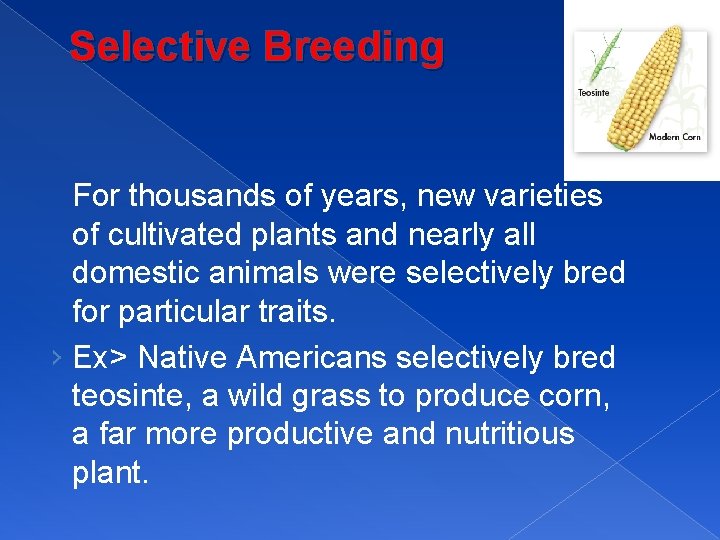
Selective Breeding For thousands of years, new varieties of cultivated plants and nearly all domestic animals were selectively bred for particular traits. › Ex> Native Americans selectively bred teosinte, a wild grass to produce corn, a far more productive and nutritious plant.
2 Methods of Selective Breeding 1. Hybridization 2. Inbreeding
1. Hybridization Crossing dissimilar individuals to bring together the best of both organisms
Hybridization American botanist Luther Burbank developed more than 800 varieties of plants using selective breeding methods such as hybridization in the late 19 th/ early 20 th century.
Hybridization Many of Burbank’s hybrid crosses combined the disease resistance of one plant with the foodproducing capacity of another. The result was a new line of plants that had the traits farmers needed to increase food production.

Hybrids Individuals produced from a cross between two breeds or two closely related species, often hardier than either of the parents

2. Inbreeding The continued breeding of individuals with similar characteristics to maintain desirable characteristics in a line of organisms
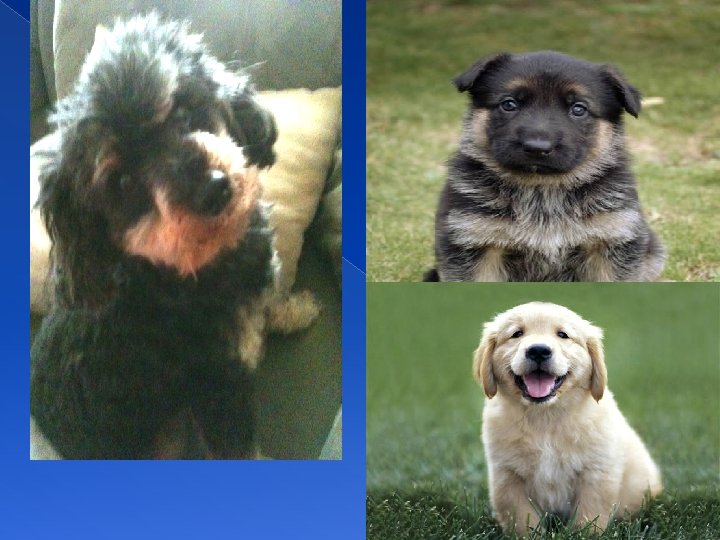
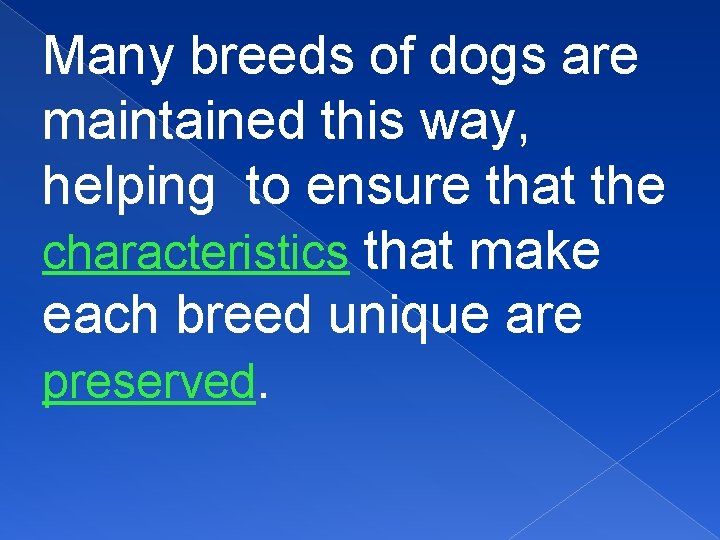
Many breeds of dogs are maintained this way, helping to ensure that the characteristics that make each breed unique are preserved.
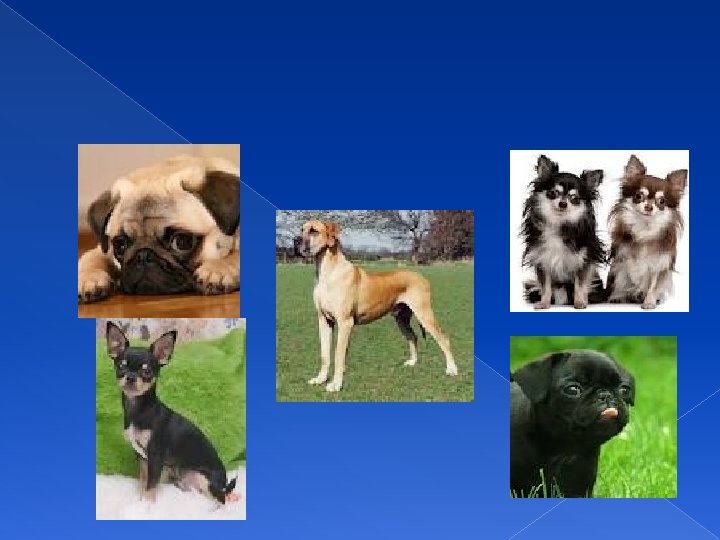
Inbreeding can be risky! Increases the chance that a cross between two individuals will bring together two recessive alleles for a genetic defect because most of the members of a breed are genetically similar; limits variation due to limited gene pool
Increasing Variation Breeders can increase the genetic variation in a population by introducing mutations , which are the ultimate source of biological diversity. Mutations can often occur spontaneously, but breeders can increase the mutation rate of an organism by using radiation or chemicals.
Polyploid Plants Chemicals that prevent the separation of chromosomes during mitosis are very useful in plant breeding. Plants grown from these cells are called polyploid because they have many sets of chromosomes. Polyploidy can quickly produce new species of plants that are larger and stronger than their diploid relatives. Polyploidy is usually fatal in animals. ›
“Old School Genetic Engineering” Selective breeding takes many generations requiring simple tools, but technological advances have allowed scientists to manipulate organisms’ genes directly.
Manipulating DNA is a huge molecule and manipulating such large molecules is extremely difficult. ›
Genetic Engineering The use of technology to manipulate and change DNA There are several ways DNA can be manipulated:
1. Cutting DNA Many bacteria produce restriction enzymes which cut DNA at specific places into restriction fragments, allowing scientists to shorten the sequences of DNA from millions of bases to a few hundred
Of the hundreds of known restriction enzymes, each cuts DNA at a different sequence of nucleotides, making it easy to concentrate on changing a specific area of the DNA sequence
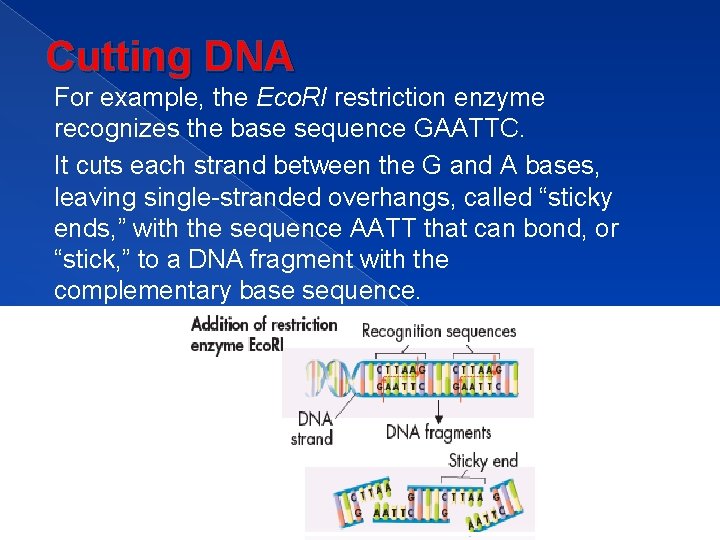
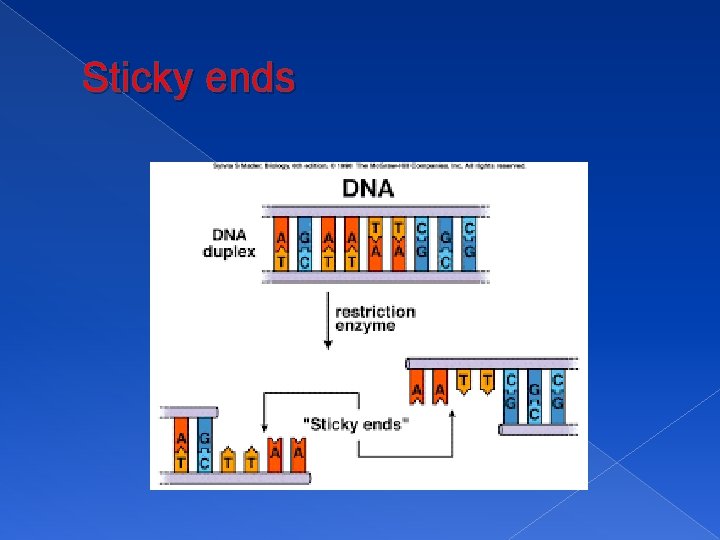
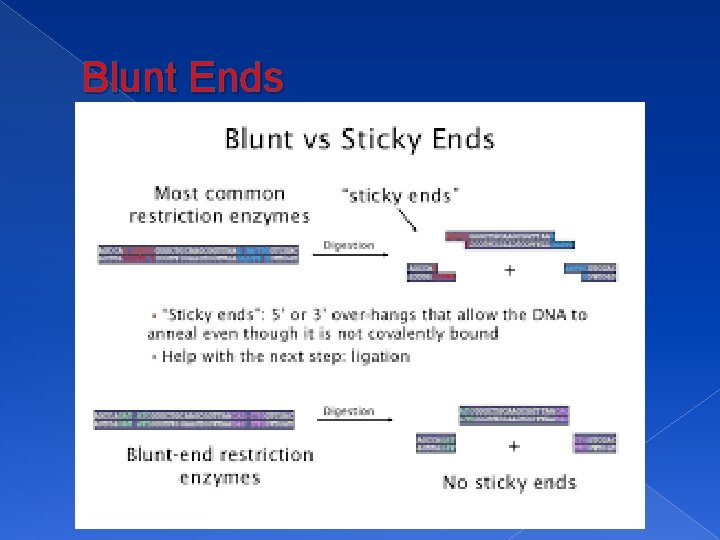
Cutting DNA For example, the Eco. RI restriction enzyme recognizes the base sequence GAATTC. It cuts each strand between the G and A bases, leaving single-stranded overhangs, called “sticky ends, ” with the sequence AATT that can bond, or “stick, ” to a DNA fragment with the complementary base sequence.
Sticky ends
Blunt Ends
2. Separating DNA Allows scientists to sort pieces of DNA by size Gel electrophoresis- a separation technique operating on differently sized pieces of DNA
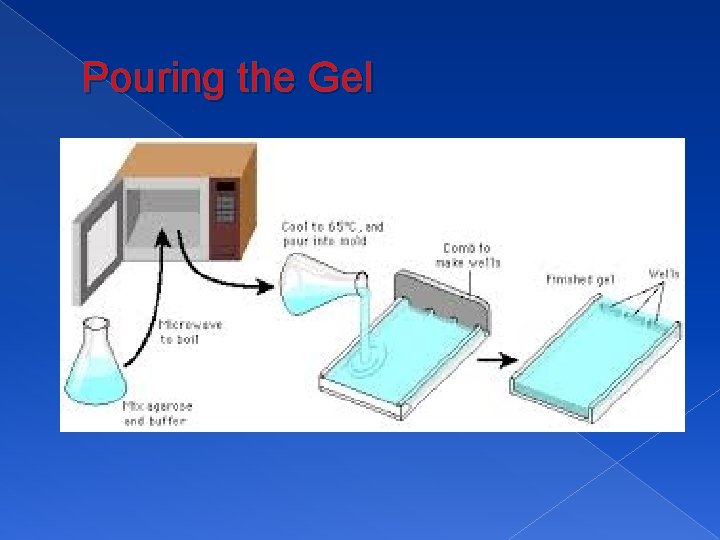
Pouring the Gel
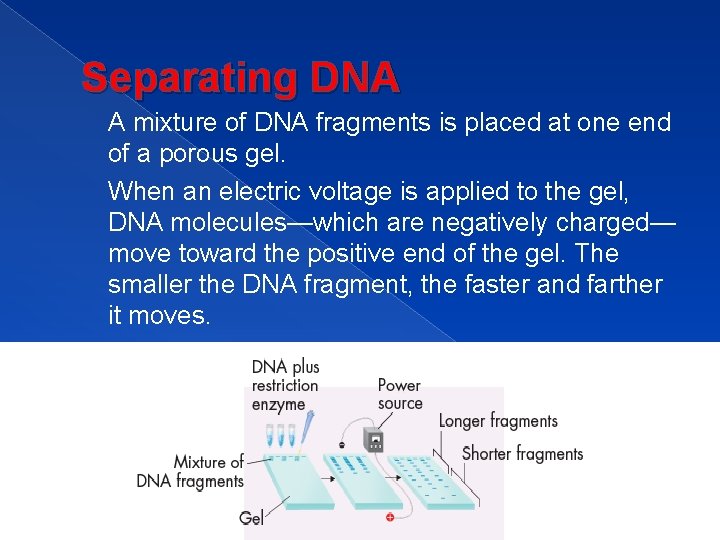
Separating DNA A mixture of DNA fragments is placed at one end of a porous gel. When an electric voltage is applied to the gel, DNA molecules—which are negatively charged— move toward the positive end of the gel. The smaller the DNA fragment, the faster and farther it moves.
Separating DNA The result is a pattern of bands based on fragment size. Specific stains that bind to DNA are used to make these bands visible.
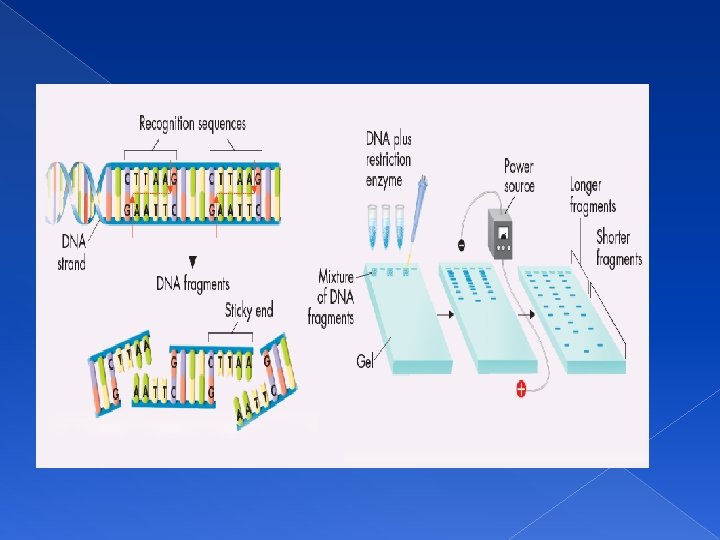
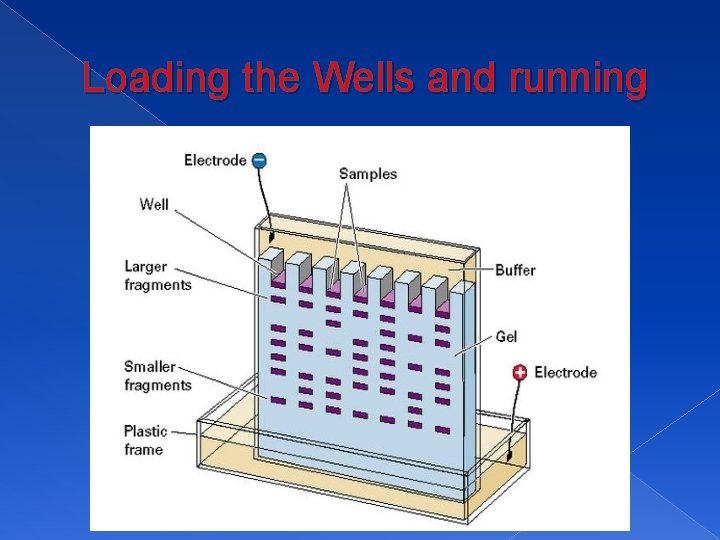
Loading the Wells and running
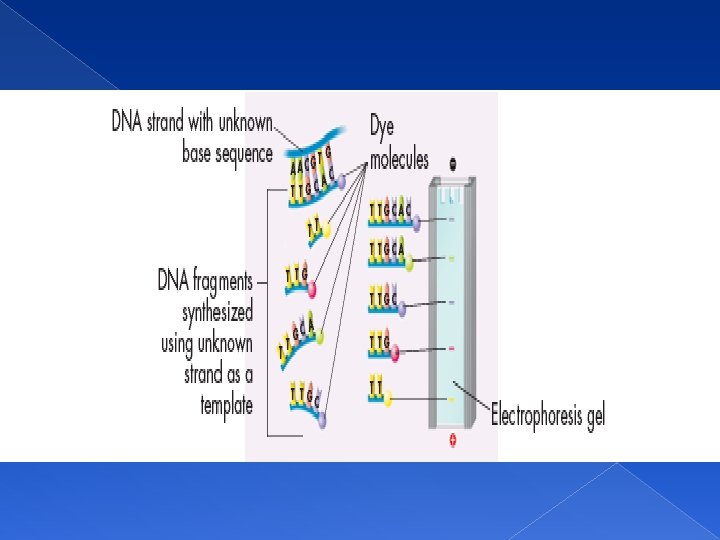
3. Reading DNA Many techniques have been developed…. DNA fragments are heated to produce single stranded pieces and placed into 4 test tubes with an enzyme called DNA polymerase and the four nucleotide bases < A, T, G, C> DNA polymerase can then build complementary strands
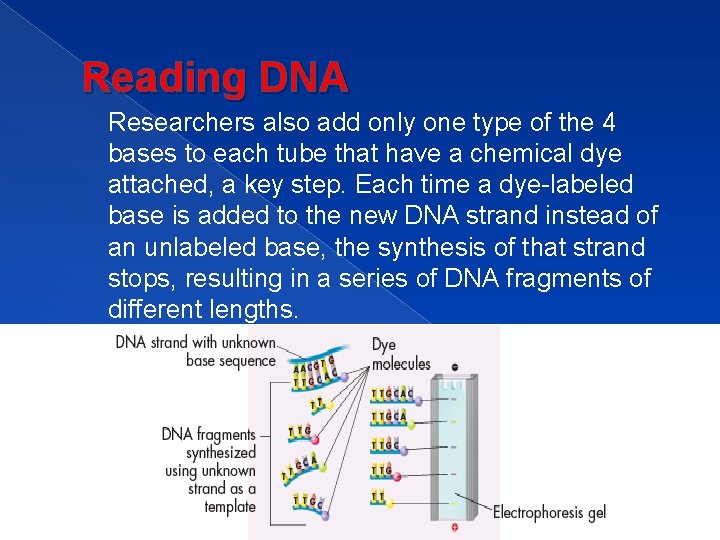
Reading DNA Researchers also add only one type of the 4 bases to each tube that have a chemical dye attached, a key step. Each time a dye-labeled base is added to the new DNA strand instead of an unlabeled base, the synthesis of that strand stops, resulting in a series of DNA fragments of different lengths.
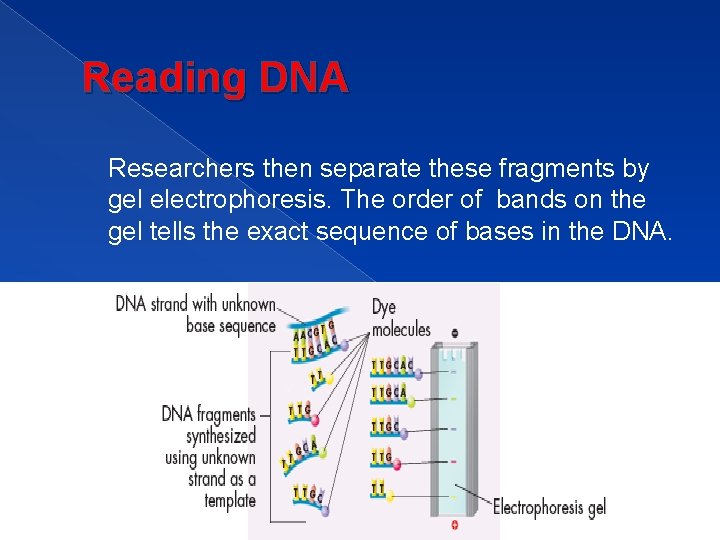
Reading DNA Researchers then separate these fragments by gel electrophoresis. The order of bands on the gel tells the exact sequence of bases in the DNA.
Reading DNA The entire process can be automated and controlled by computers, so that DNA sequencing machines can read thousands of bases in a matter of seconds.
Once scientists learned to cut DNA into manageable pieces with enzymes, separate the fragments through electrophoresis, then reassemble the fragments to read DNA sequences, they realized that these techniques opened new doorways through which they now could begin to make many copies of DNA and piece DNA in different ways.
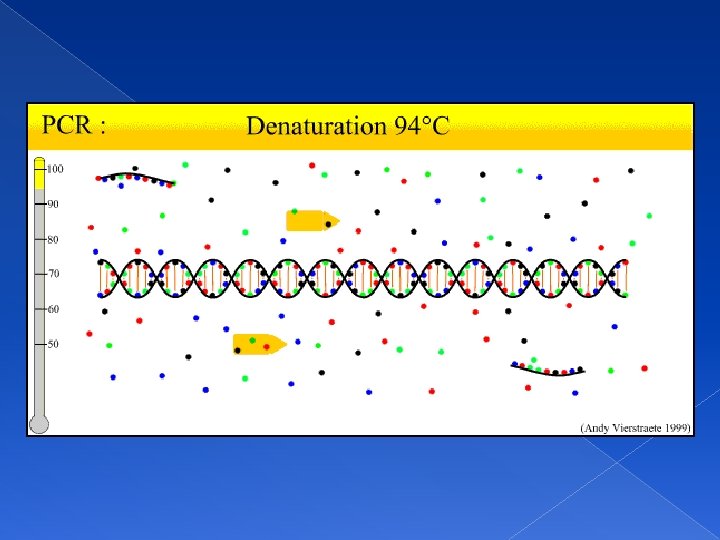
4. Copying DNA Once biologists find a gene of interest, a technique known as polymerase chain reaction (PCR) allows them to make many copies of it.
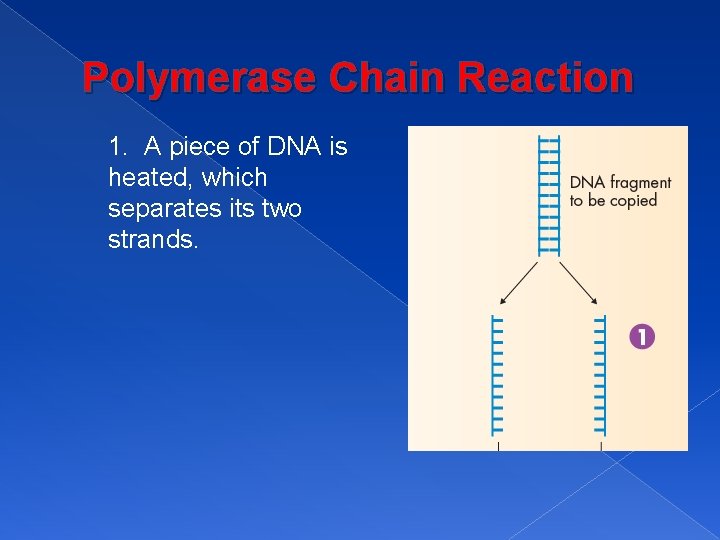
Polymerase Chain Reaction 1. A piece of DNA is heated, which separates its two strands.
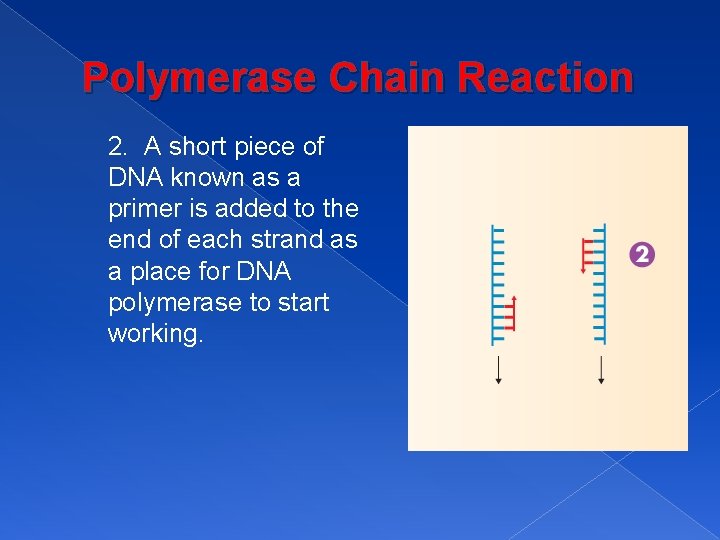
Polymerase Chain Reaction 2. A short piece of DNA known as a primer is added to the end of each strand as a place for DNA polymerase to start working.
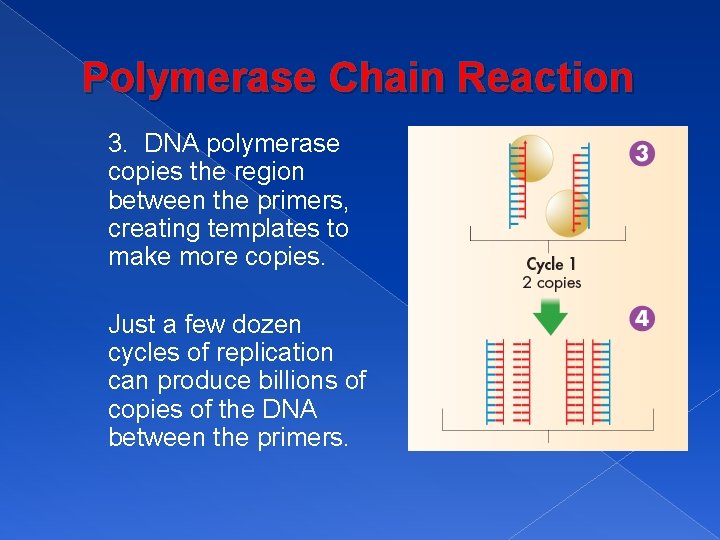
Polymerase Chain Reaction 3. DNA polymerase copies the region between the primers, creating templates to make more copies. Just a few dozen cycles of replication can produce billions of copies of the DNA between the primers.
5. Changing DNA Splice—to join together Enzymes help two DNA fragments become permanently joined together
Recombinant DNADNA produced by combining DNA from different sources through gene splicing
Changing DNA Recombinant DNA makes it possible to change the genetic composition of living organisms. By manipulating DNA in this way, scientists can investigate the structure and functions of genes.
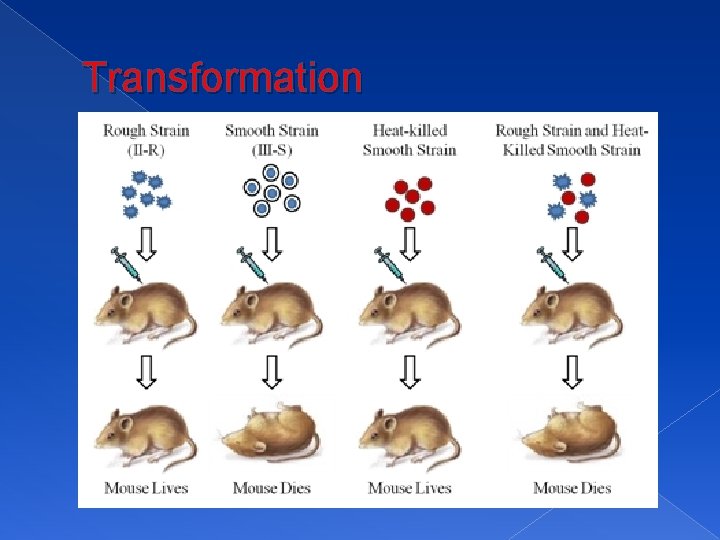
Changing DNA Scientists began wondering if it might be possible to change the DNA of a living cell, but realized this had already been accomplished decades earlier in other experiments. Ex> Griffith’s transformation experiment
Transformation
Changing DNA During transformation, a cell takes in DNA from outside the cell, and that DNA becomes a component of the cell’s own genome. Griffith’s extract of heat-killed bacteria contained DNA fragments which were taken up by live bacteria, transforming the live bacteria and changing their characteristics.
Combining DNA Fragments Today, scientists can produce custom-built DNA in the lab and then insert those molecules—along with the genes they carry— into living cells. Machines known as DNA synthesizers are used to produce these short pieces of DNA, up to several hundred bases in length. These synthetic sequences can then be joined to natural sequences using DNA ligase or other enzymes that splice DNA together.
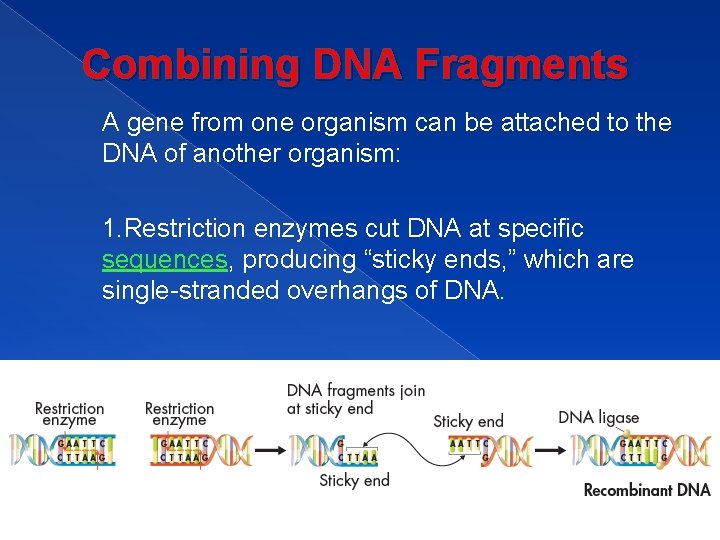
Combining DNA Fragments A gene from one organism can be attached to the DNA of another organism: 1. Restriction enzymes cut DNA at specific sequences, producing “sticky ends, ” which are single-stranded overhangs of DNA.
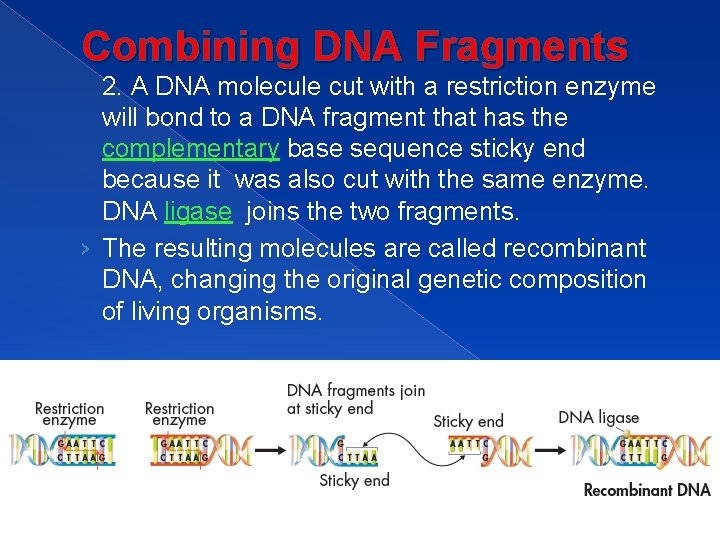
Combining DNA Fragments 2. A DNA molecule cut with a restriction enzyme will bond to a DNA fragment that has the complementary base sequence sticky end because it was also cut with the same enzyme. DNA ligase joins the two fragments. › The resulting molecules are called recombinant DNA, changing the original genetic composition of living organisms.
Plasmids and Genetic Markers Initially, scientists working with recombinant DNA discovered that many of the DNA molecules they tried to insert into host cells simply vanished because the cells often did not copy, or replicate, the added DNA. Today, scientists join recombinant DNA to another piece of DNA containing a replication “start” signal. This way, whenever the cell copies its own DNA, it copies the recombinant DNA too.
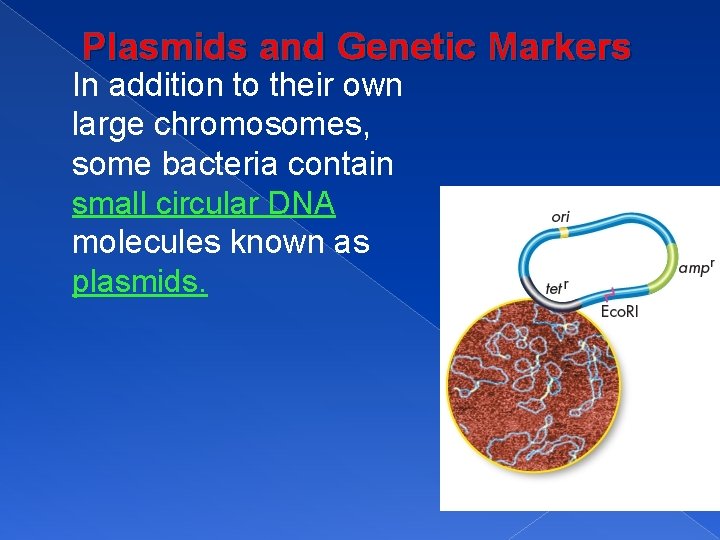
Plasmids and Genetic Markers In addition to their own large chromosomes, some bacteria contain small circular DNA molecules known as plasmids.
Plasmids and Genetic Markers Scientists can insert a piece of DNA into a plasmid if both the plasmid and the target DNA have been cut by the same restriction enzymes to create sticky ends.
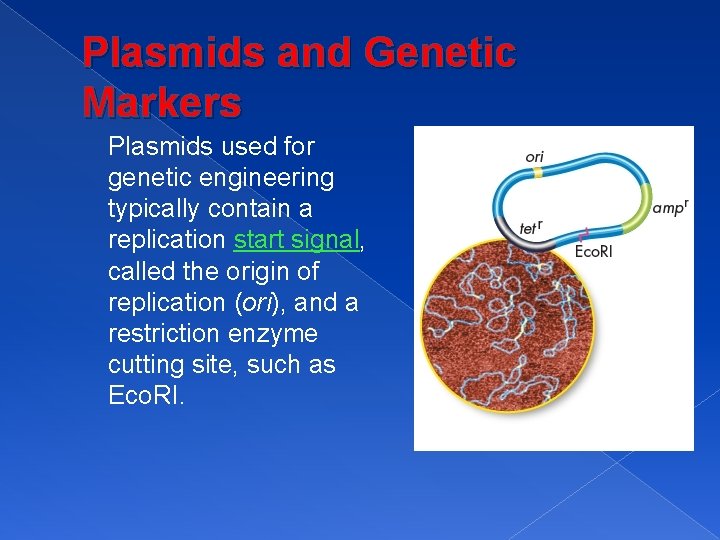
Plasmids and Genetic Markers Plasmids used for genetic engineering typically contain a replication start signal, called the origin of replication (ori), and a restriction enzyme cutting site, such as Eco. RI.
Plasmids in Eukaryotes Plasmids are also found in yeasts, which are single-celled eukaryotes that can be transformed with recombinant DNA as well. Biologists working with yeasts have constructed artificial chromosomes containing centromeres, telomeres, and replication start sites. These artificial chromosomes greatly simplify the process of introducing recombinant DNA into the yeast genome.
In other words, organisms can be transformed using recombinant plasmids, resulting in the replication of the newly added DNA along with the rest of the cell’s genome.
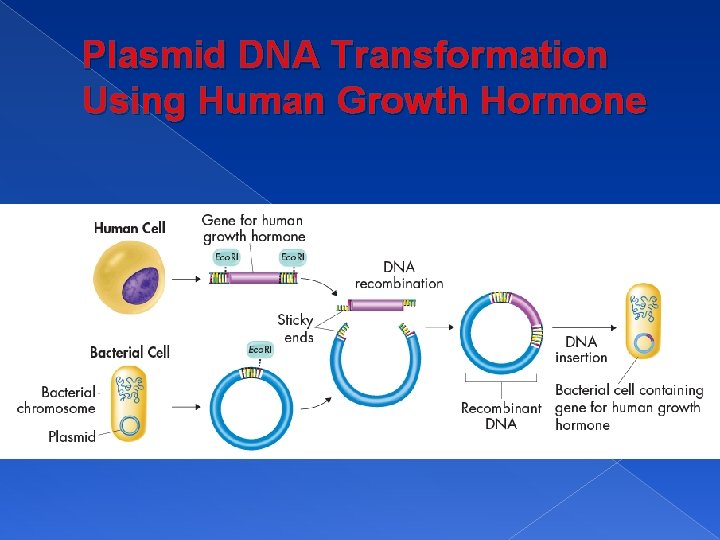
Plasmid DNA Transformation Using Human Growth Hormone
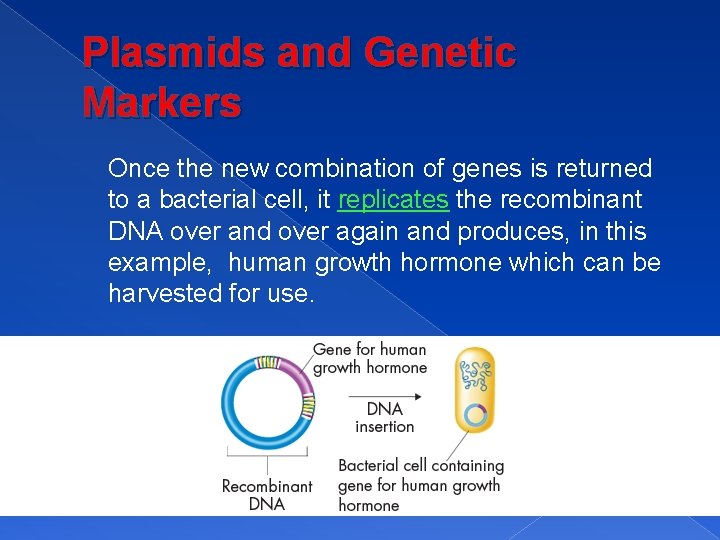
Plasmids and Genetic Markers Once the new combination of genes is returned to a bacterial cell, it replicates the recombinant DNA over and over again and produces, in this example, human growth hormone which can be harvested for use.
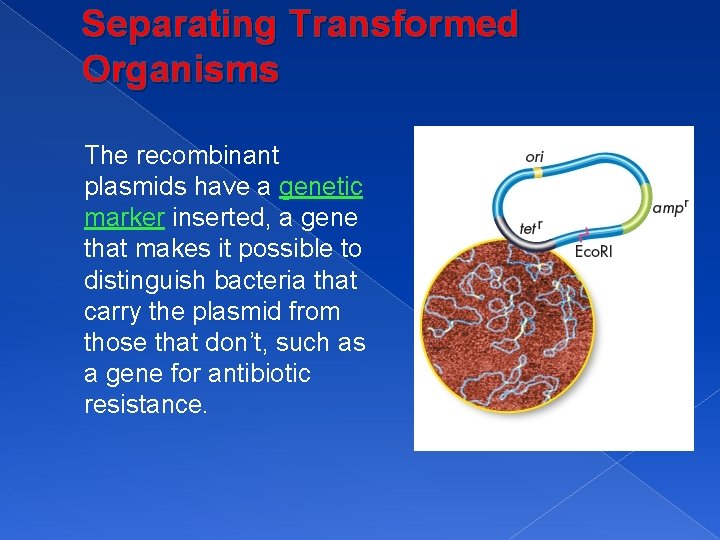
Separating Transformed Organisms The recombinant plasmids have a genetic marker inserted, a gene that makes it possible to distinguish bacteria that carry the plasmid from those that don’t, such as a gene for antibiotic resistance.
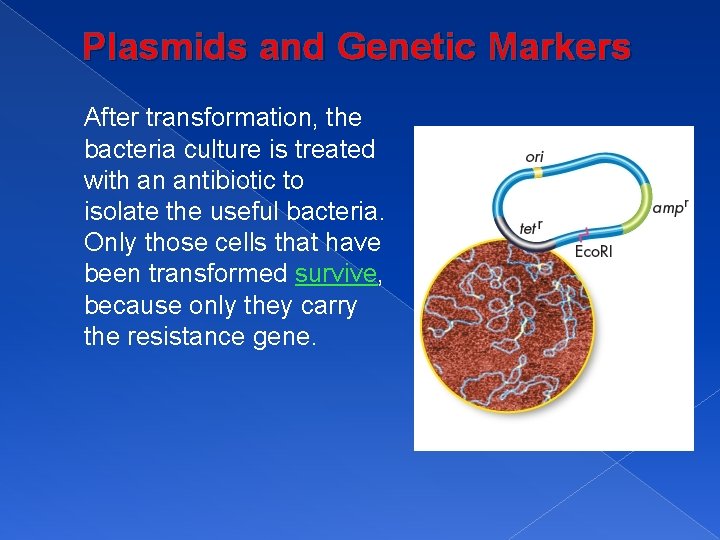
Plasmids and Genetic Markers After transformation, the bacteria culture is treated with an antibiotic to isolate the useful bacteria. Only those cells that have been transformed survive, because only they carry the resistance gene.
Transgenic Organisms Transgenic organisms can be produced by the insertion of recombinant DNA into the genome of a host organism. Also known as genetically modified organisms (GMOs)
Transgenic Organisms The universal nature of the genetic code makes it possible to construct organisms that contain genes from other species. Like bacterial plasmids, the DNA molecules used for transformation of plant and animal cells contain genetic markers that help scientists identify which cells have been transformed.
Transgenic Organisms Transgenic technology was perfected using mice in the 1980 s. Genetic engineers can now produce transgenic plants, animals, and microorganisms. By examining the traits of a genetically modified organism, it is possible to learn about the function of the transferred gene.
Genetic Engineering & Health Recombinant DNA can be used to produce the insulin hormone when the gene for human insulin is cut & spliced into a plasmid, which is then taken up by bacterial cells. The bacterial cells make the hormone, which is processed and sold as medicine.
Genetic Engineering & Health Recombinant DNA is useful in making vaccines. Scientists have recently tried using genetic engineering to treat people with genetic disorders. Ex. Cystic Fibrosis
Gene Therapy Inserting functional genes into the cells that need them, replacing nonfunctional genes; this changes the DNA of a person with a genetic disease by introducing working genes into the cell’s nuclei
Cloning A clone is a member of a population of genetically identical cells produced from a single cell The technique of cloning uses a single cell from an adult organism to grow an entirely new individual that is genetically identical to the organism from which the cell was taken.
Cloning Clones of animals were first produced in 1952 using amphibian tadpoles. In 1997, Scottish scientist Ian Wilmut announced that he had produced a sheep, called Dolly, by using somatic cell nuclear transfer.
Cloning Animal cloning uses a procedure called nuclear transplantation.
Cloning The process combines an egg cell with a haploid nucleus removed with a donor diploid nucleus. The resulting diploid egg develops into an embryo, which is then implanted in the uterine wall of a foster mother, where it develops until birth. Cloned cows, pigs, mice, and even cats have since been produced using similar techniques.
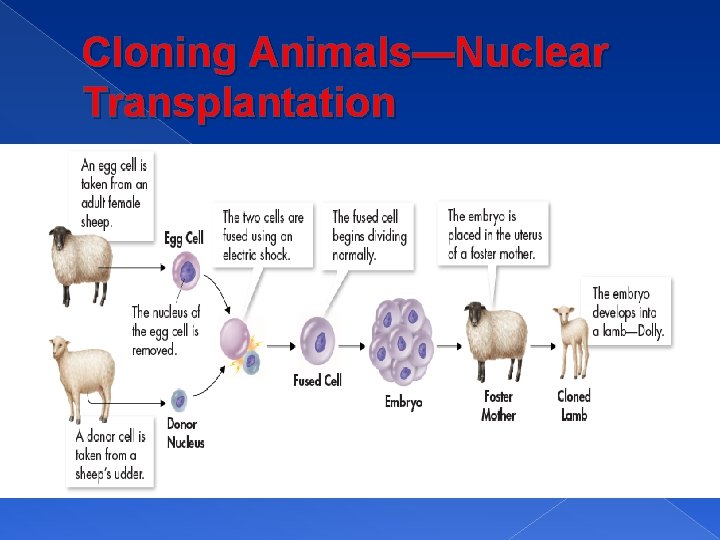
Cloning Animals—Nuclear Transplantation
Difficulties in Cloning animals is still a very difficult process and often most cloned embryos do not develop successfully. Recall that the environment also influences development so a cloned animal’s phenotype will not be identical to the original in every way.
Reasons for Cloning 1. A farmer might want more of a certain livestock animal which has particularly good traits 2. Preserving endangered species and bringing back extinct species* In 2001 scientists cloned a cow-like animal called a gaur, an endangered species that scientists hoped that cloning would help preserve. Sadly the cloned gaur died soon after birth due to unrelated causes. It has not proven to be a major help to wildlife conservation efforts yet. *Creating a clone of an extinct species is especially difficult because an intact cell is needed as well as a close relative to act as foster. What outcome will occur and what about survival 0 when the clone is out of captivity?
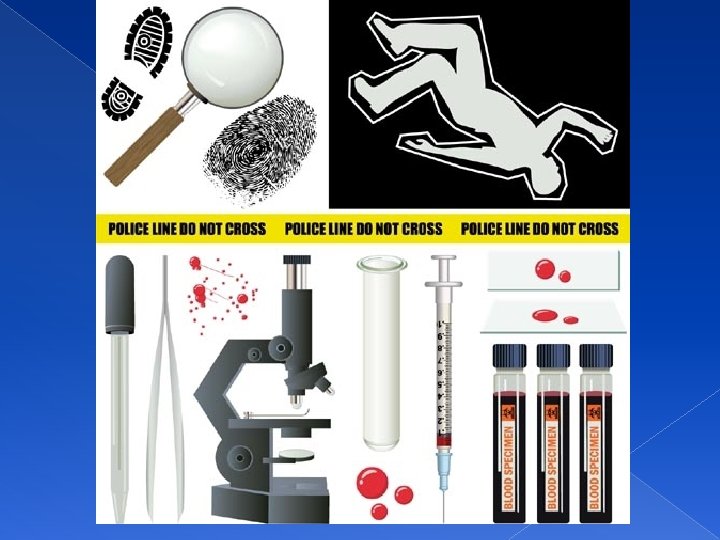
DNA Technology in Genetics A major application of genetic technology is in forensics. Forensics—the use of science and technology to investigate and solve crimes Both criminals and victims leave DNA evidence behind at the scene of a crime and possibly on each other. Each individual has a sort of DNA “fingerprint”
DNA Most of the DNA in the human genome is identical from one person to the next, except for identical twins, who share the exact same genome. Only a very small percentage varies from person to person. › In order to identify individuals on the basis of DNA, scientists need to examine these variable regions of the genome

How is DNA used to identify individuals? DNA fingerprinting analyzes sections of DNA that may have little or no function but that vary widely from one individual to another.
STRs Short tandem repeats. Nongenetic DNA sequences that differ among individuals, making them useful in identification Each repeat consists of between 2 and 5 bases and are arranged end-to-end, repeating a different number of times in different individuals; there are 13 locations this occurs in our genome.
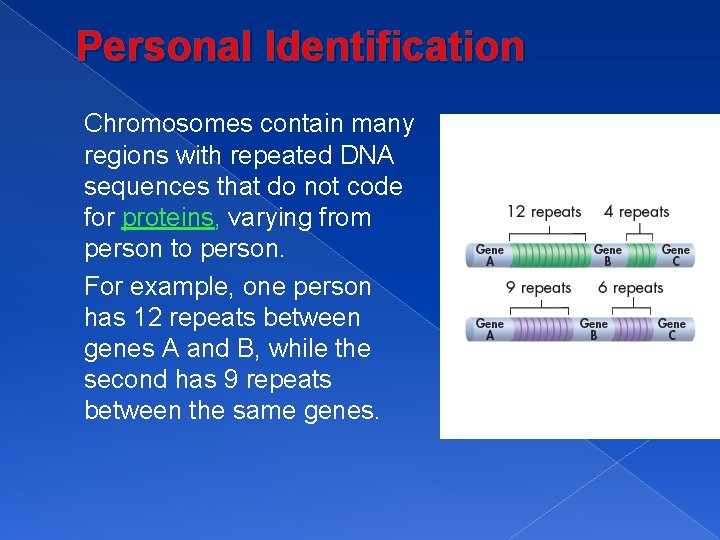
Personal Identification Chromosomes contain many regions with repeated DNA sequences that do not code for proteins, varying from person to person. For example, one person has 12 repeats between genes A and B, while the second has 9 repeats between the same genes.
Examining STRs If there is little or poor-quality DNA at a crime scene, polymerase chain reaction (PCR) can be used to make multiple copies of DNA fragments at different STR loci
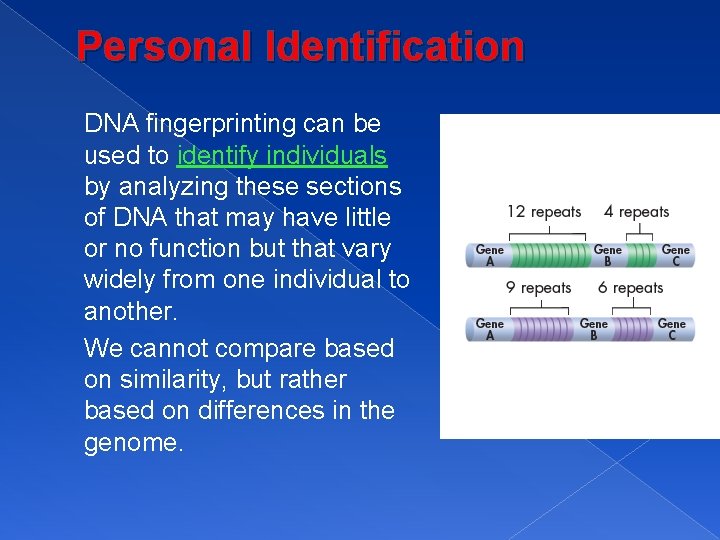
Personal Identification DNA fingerprinting can be used to identify individuals by analyzing these sections of DNA that may have little or no function but that vary widely from one individual to another. We cannot compare based on similarity, but rather based on differences in the genome.
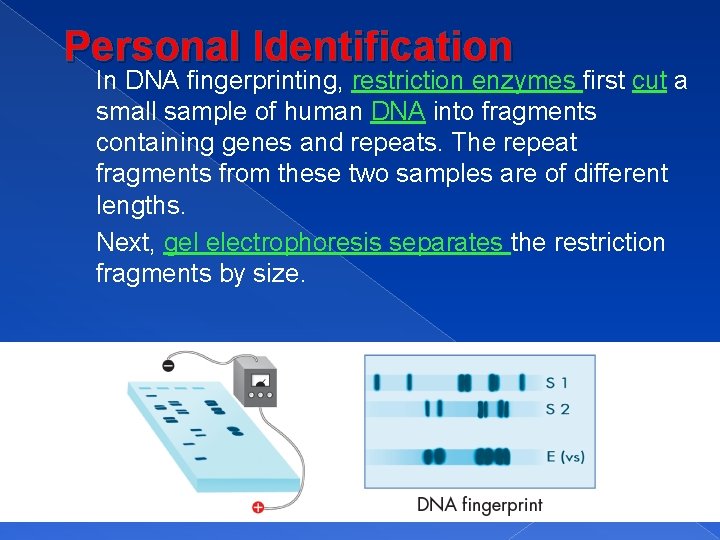
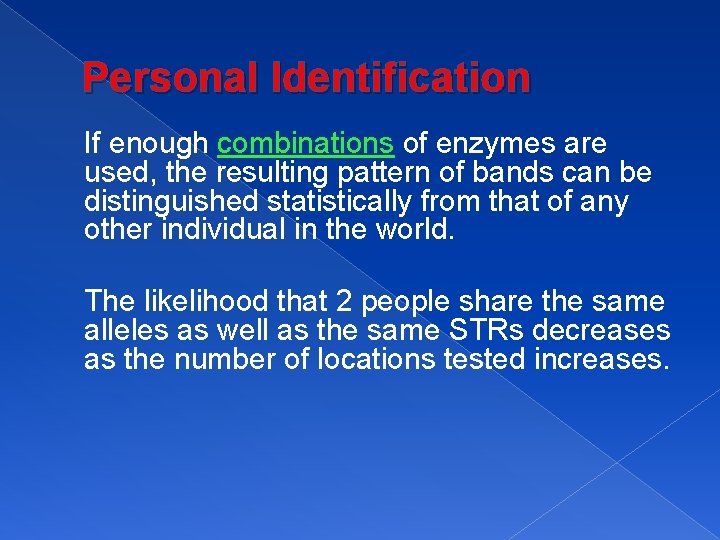
Personal Identification In DNA fingerprinting, restriction enzymes first cut a small sample of human DNA into fragments containing genes and repeats. The repeat fragments from these two samples are of different lengths. Next, gel electrophoresis separates the restriction fragments by size.
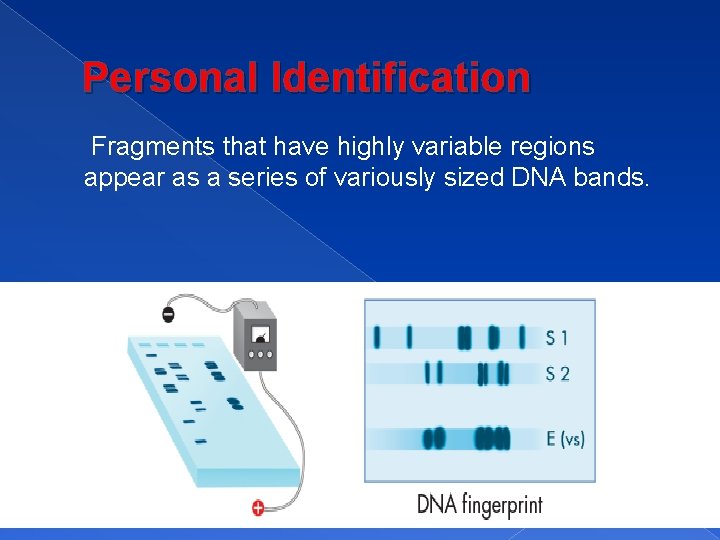
Personal Identification Fragments that have highly variable regions appear as a series of variously sized DNA bands.
Personal Identification If enough combinations of enzymes are used, the resulting pattern of bands can be distinguished statistically from that of any other individual in the world. The likelihood that 2 people share the same alleles as well as the same STRs decreases as the number of locations tested increases.
DNA samples can be obtained from blood, sperm, or tissue—even from a hair strand if it has tissue at the root.
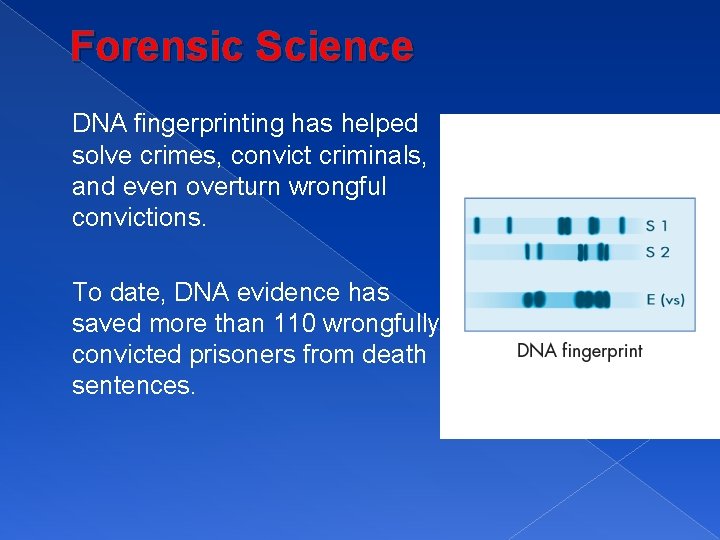
Forensic Science DNA fingerprinting has helped solve crimes, convict criminals, and even overturn wrongful convictions. To date, DNA evidence has saved more than 110 wrongfully convicted prisoners from death sentences.
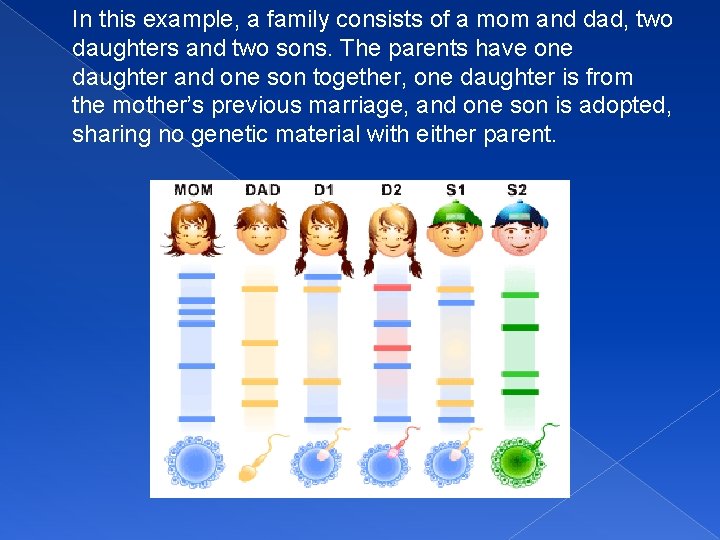
In this example, a family consists of a mom and dad, two daughters and two sons. The parents have one daughter and one son together, one daughter is from the mother’s previous marriage, and one son is adopted, sharing no genetic material with either parent.
Establishing Relationships When genes are passed from parent to child, genetic recombination scrambles the molecular markers used for DNA fingerprinting, so ancestry can be difficult to trace. The Y chromosome, however, never undergoes crossing over, and only males carry it. Therefore, Y chromosomes pass directly from father to son with few changes.
Establishing Relationships Similarly, the small DNA molecules found in mitochondria are passed, with very few changes, from mother to child in the cytoplasm of the egg cell. Because mitochondrial DNA (mt. DNA) is passed directly from mother to child, your mt. DNA is the same as your mother’s mt. DNA, which is the same as her mother’s mt. DNA. This means that if two people have an exact match in their mt. DNA, they share a common maternal ancestor.
- Slides: 90