
Genes in Space Food Safety Lab Live Demo
Genes in Space Food Safety Lab Live Demo May 11, 2020 @mini. PCR fb. com/mini. PCR @mini. PCR © 2020 by Amplyus LLC
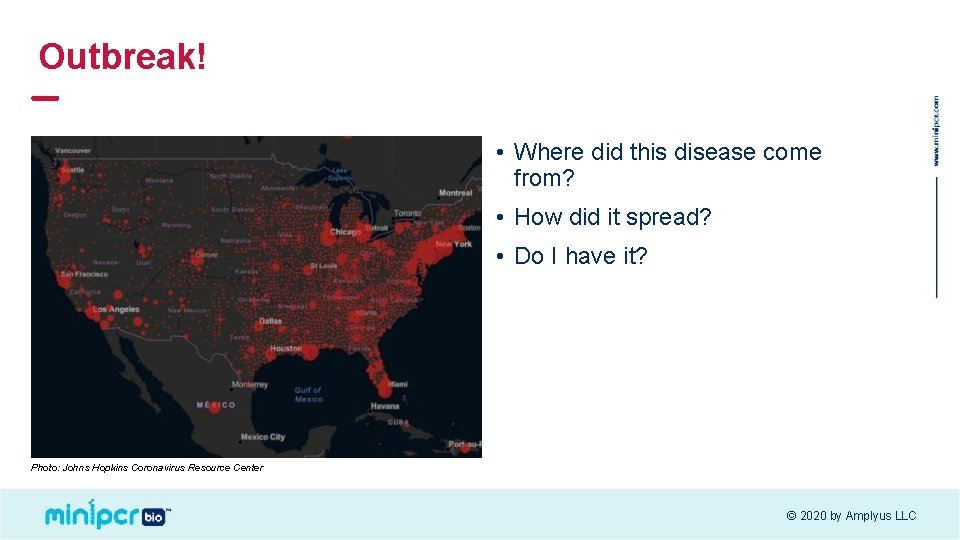
Outbreak! • Where did this disease come from? • How did it spread? • Do I have it? Photo: Johns Hopkins Coronavirus Resource Center © 2020 by Amplyus LLC
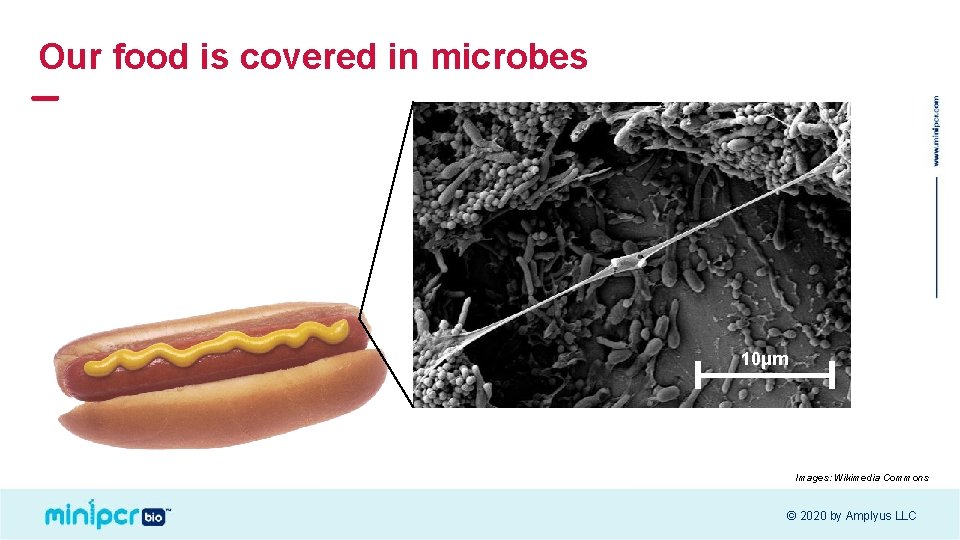
Our food is covered in microbes 10μm Images: Wikimedia Commons © 2020 by Amplyus LLC
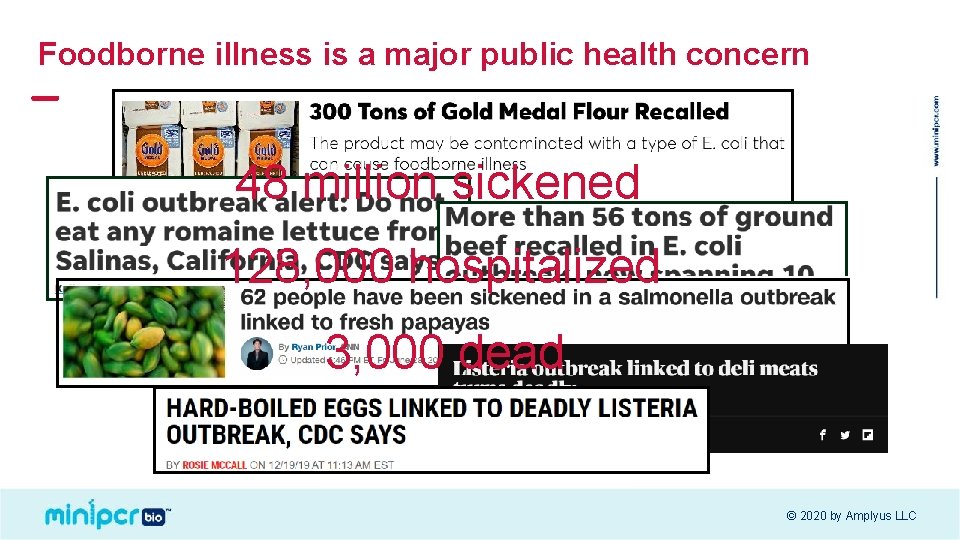
Foodborne illness is a major public health concern 48 million sickened 128, 000 hospitalized 3, 000 dead © 2020 by Amplyus LLC
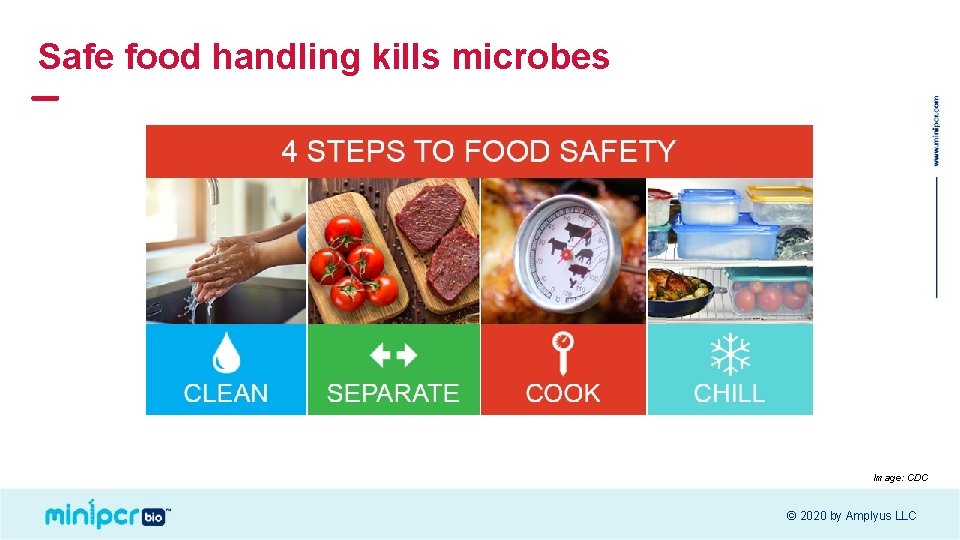
Safe food handling kills microbes Image: CDC © 2020 by Amplyus LLC
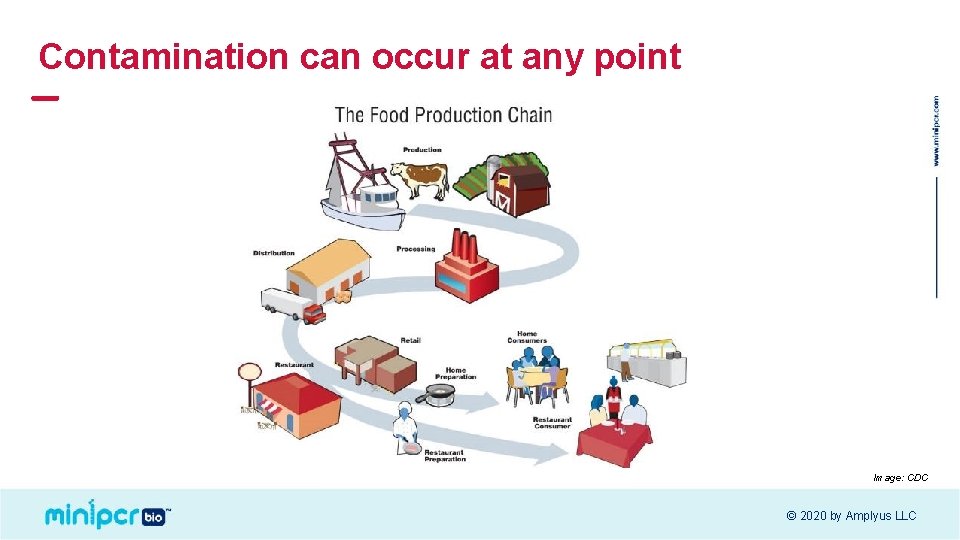
Contamination can occur at any point Image: CDC © 2020 by Amplyus LLC
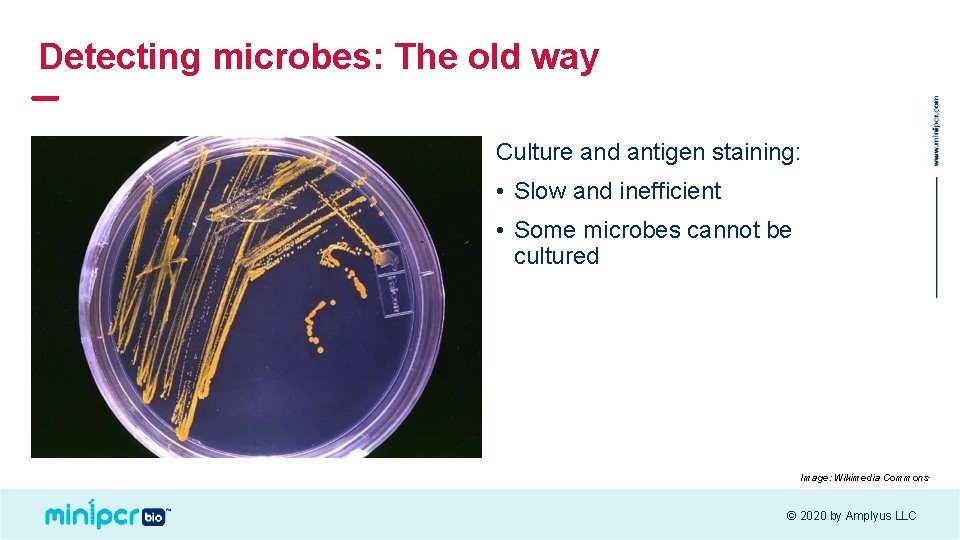
Detecting microbes: The old way Culture and antigen staining: • Slow and inefficient • Some microbes cannot be cultured Image: Wikimedia Commons © 2020 by Amplyus LLC
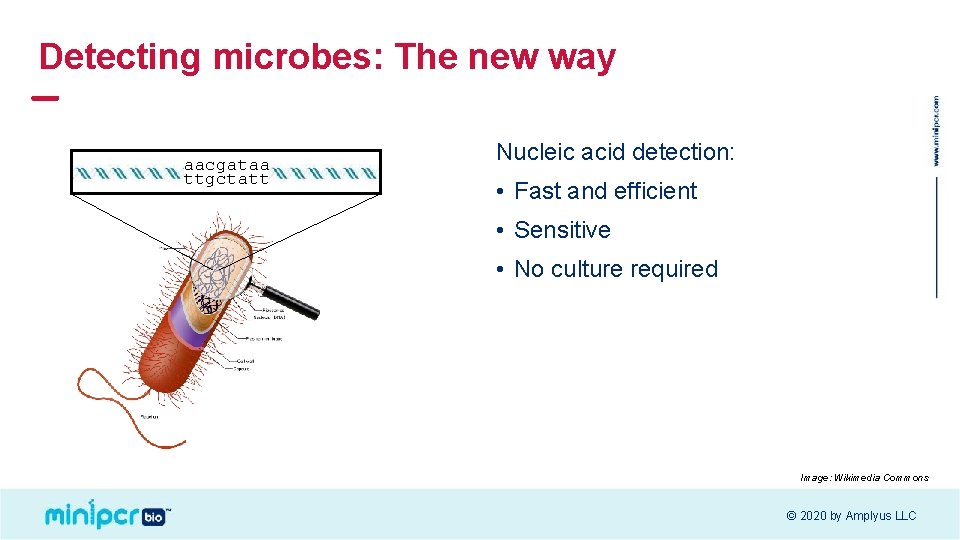
Detecting microbes: The new way aacgataa ttgctatt Nucleic acid detection: • Fast and efficient • Sensitive • No culture required Image: Wikimedia Commons © 2020 by Amplyus LLC
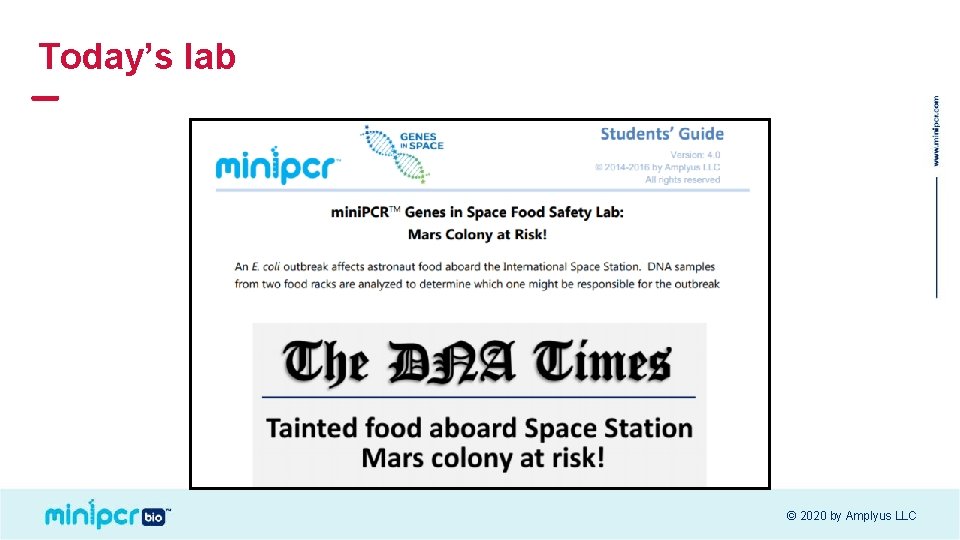
Today’s lab © 2020 by Amplyus LLC
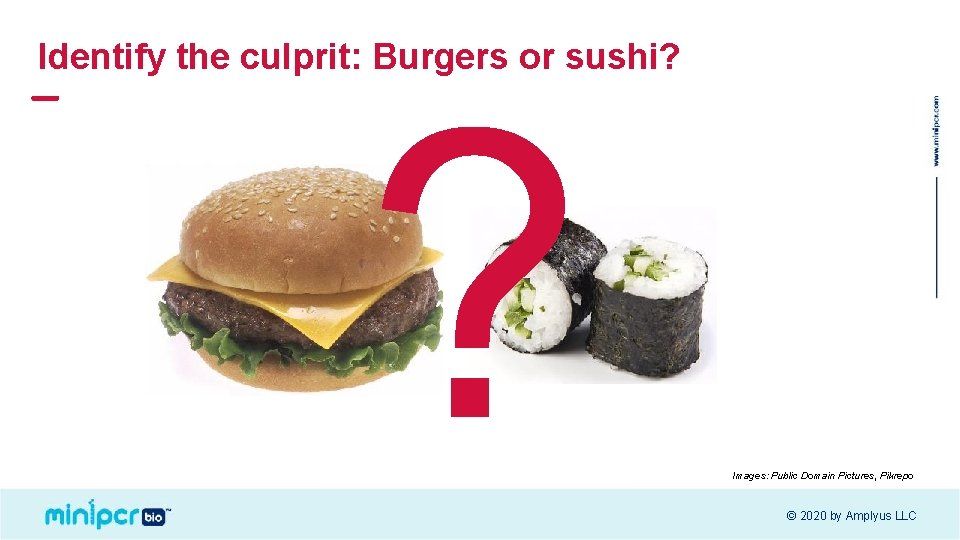
Identify the culprit: Burgers or sushi? ? Images: Public Domain Pictures, Pikrepo © 2020 by Amplyus LLC
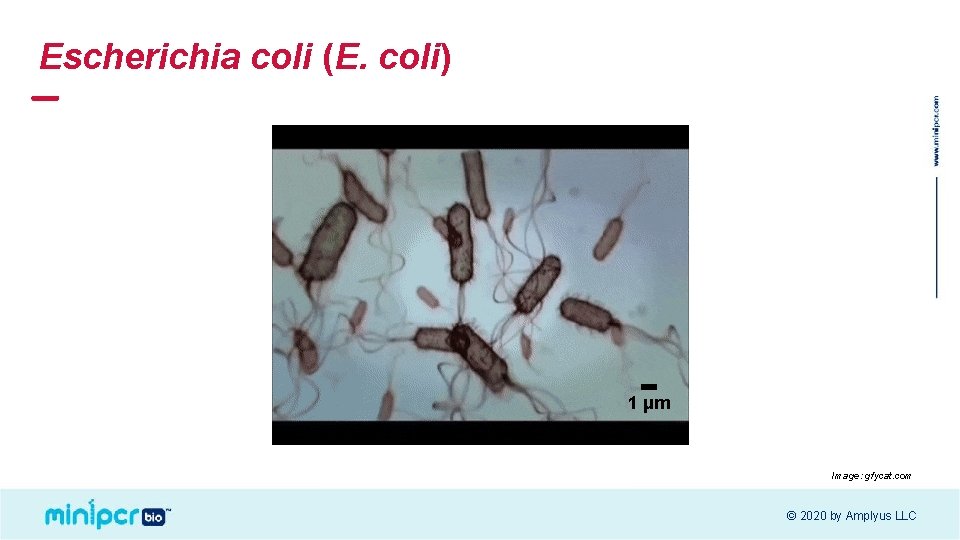
Escherichia coli (E. coli) 1 μm Image: gfycat. com © 2020 by Amplyus LLC
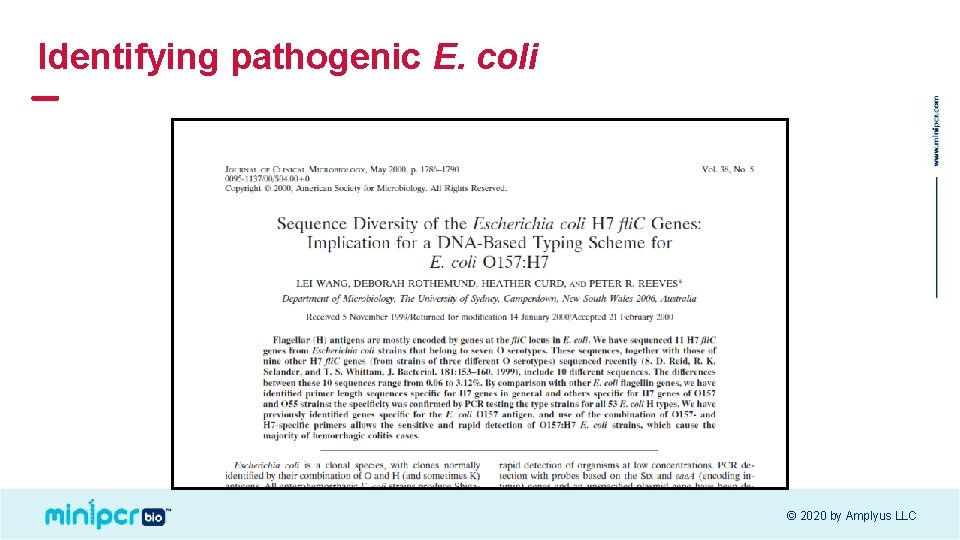
Identifying pathogenic E. coli © 2020 by Amplyus LLC
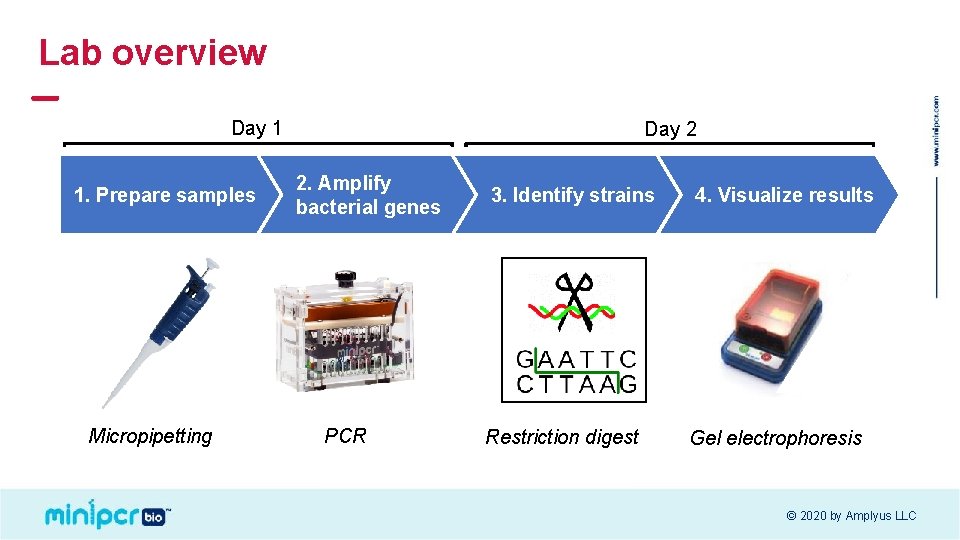
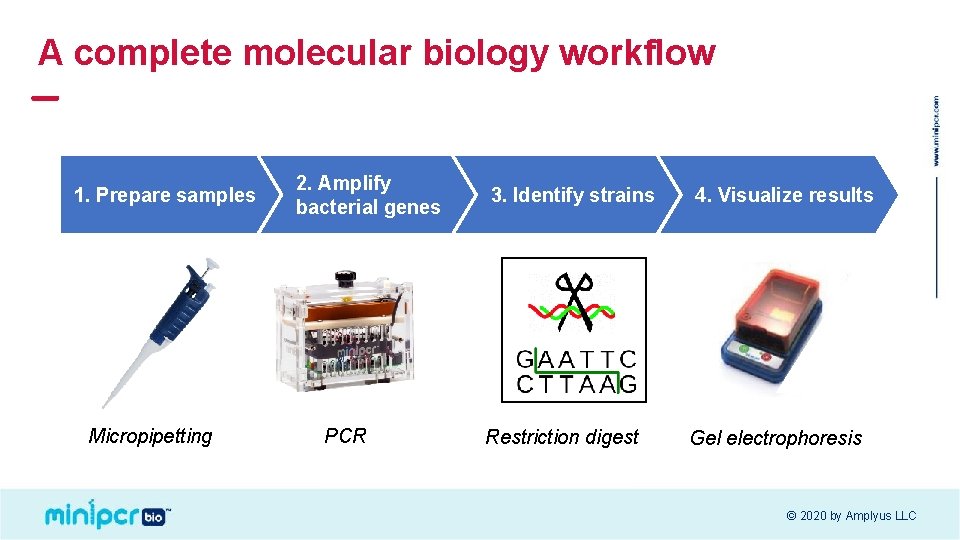
Lab overview Day 1 1. Prepare samples Micropipetting Day 2 2. Amplify bacterial genes PCR 3. Identify strains 4. Visualize results Restriction digest Gel electrophoresis © 2020 by Amplyus LLC
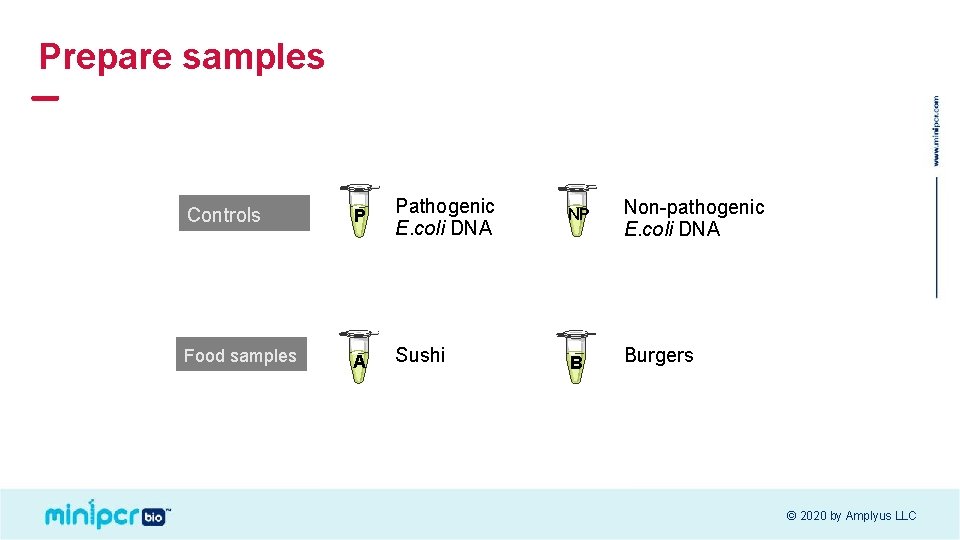
Prepare samples Controls P Pathogenic E. coli DNA NP Non-pathogenic E. coli DNA Food samples A Sushi B Burgers © 2020 by Amplyus LLC
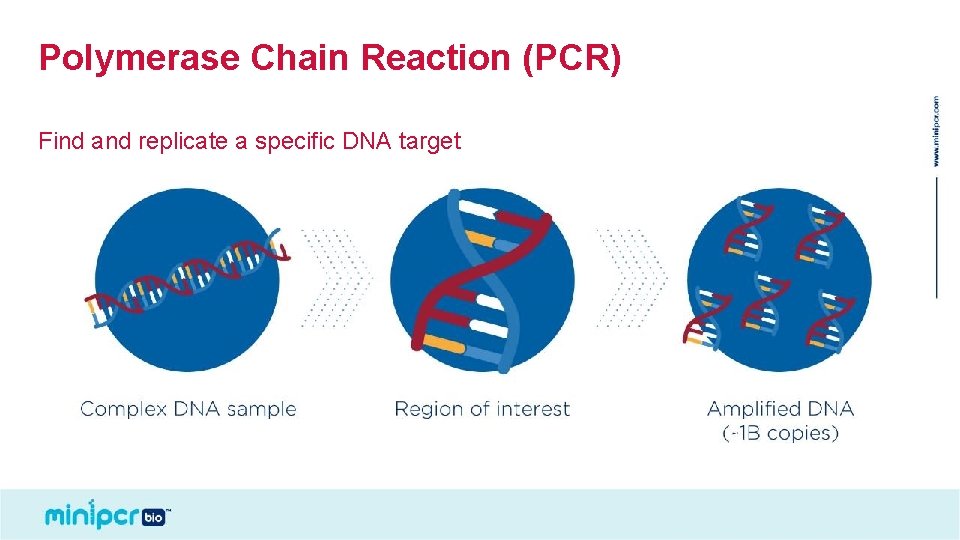
Polymerase Chain Reaction (PCR) Find and replicate a specific DNA target © 2020 by Amplyus LLC
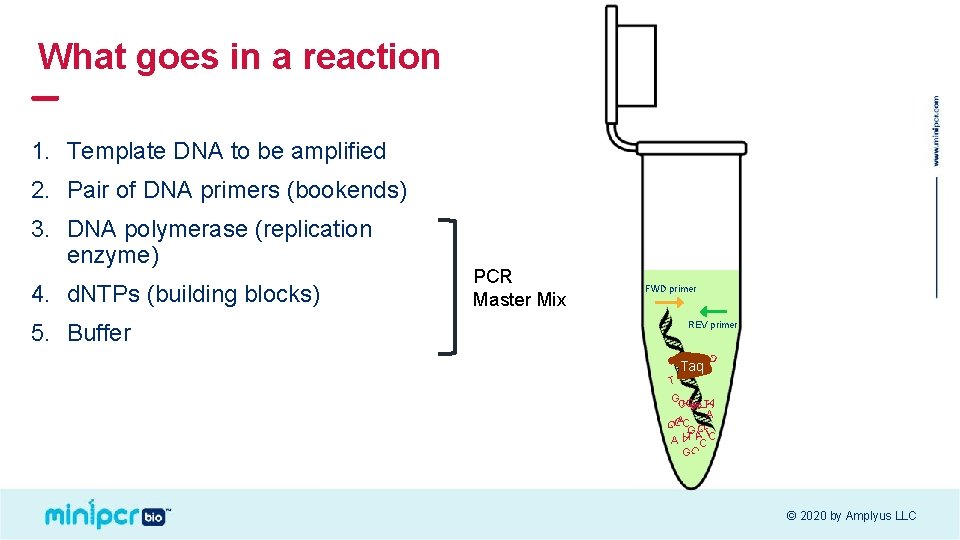
What goes in a reaction 1. Template DNA to be amplified 2. Pair of DNA primers (bookends) FWD primer 5. Buffer REV primer G Taq G 4. d. NTPs (building blocks) PCR Master Mix C A T T T GG A C T A CAC G G T ACC G G A 3. DNA polymerase (replication enzyme) C © 2020 by Amplyus LLC
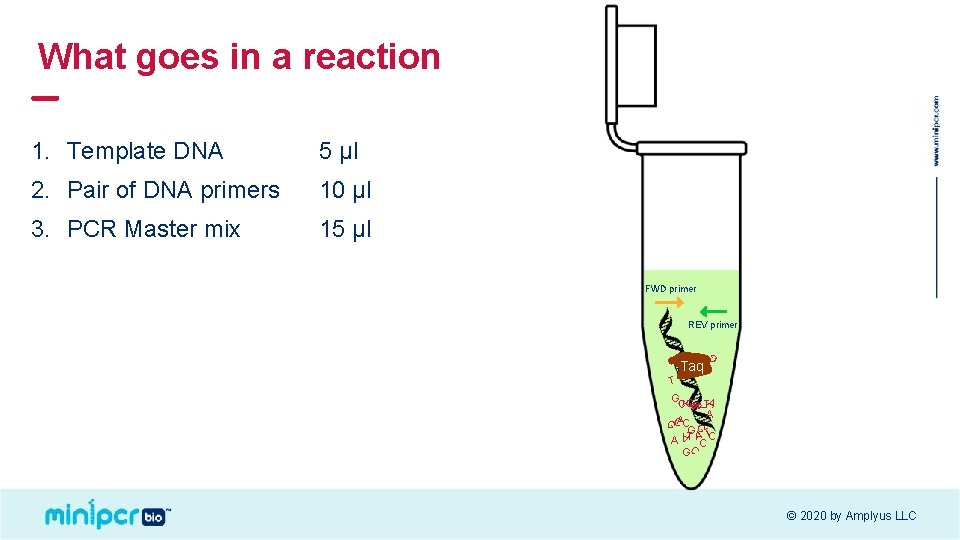
What goes in a reaction 10 µl 3. PCR Master mix 15 µl FWD primer REV primer G Taq G 2. Pair of DNA primers T GG A C T A CAC G G T ACC G C A T T 5 µl G A 1. Template DNA C © 2020 by Amplyus LLC
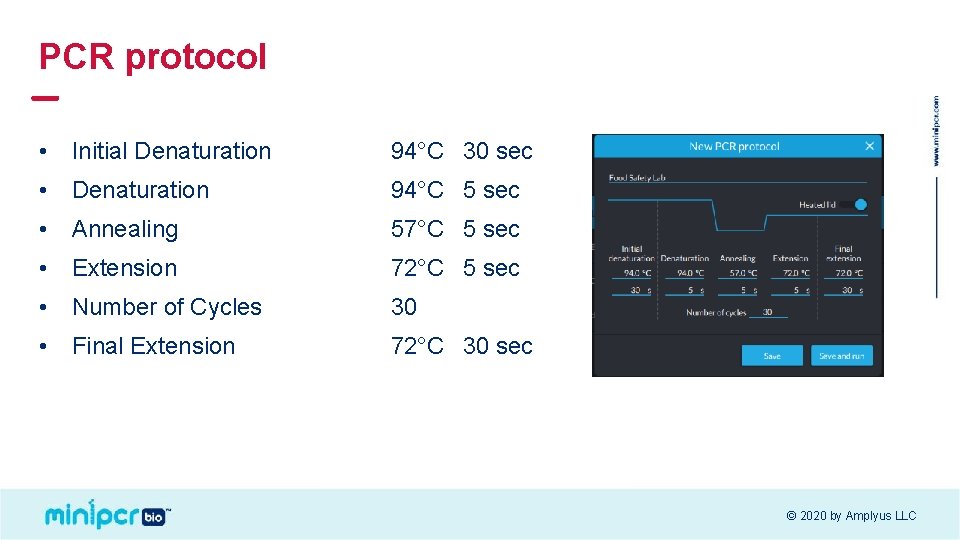
PCR protocol • Initial Denaturation 94°C 30 sec • Denaturation 94°C 5 sec • Annealing 57°C 5 sec • Extension 72°C 5 sec • Number of Cycles 30 • Final Extension 72°C 30 sec © 2020 by Amplyus LLC
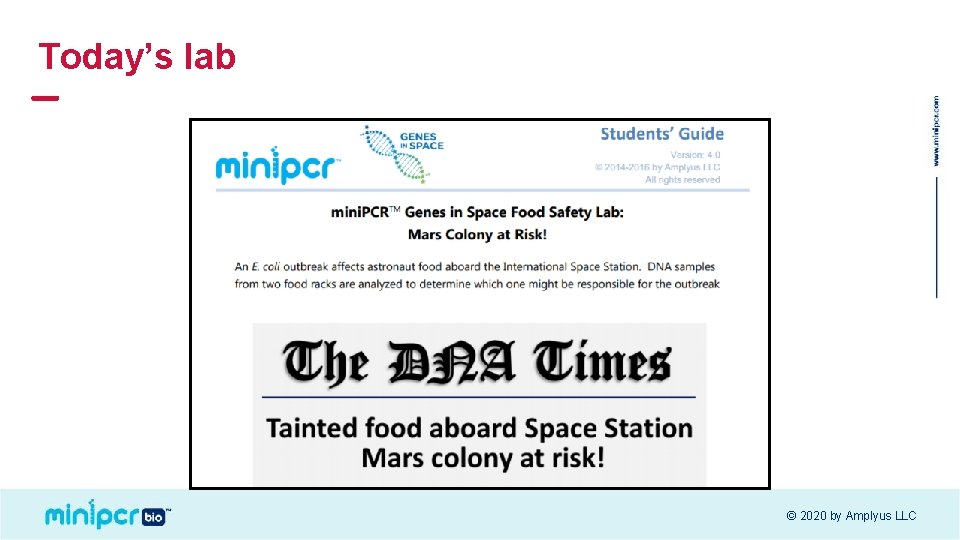
Today’s lab © 2020 by Amplyus LLC
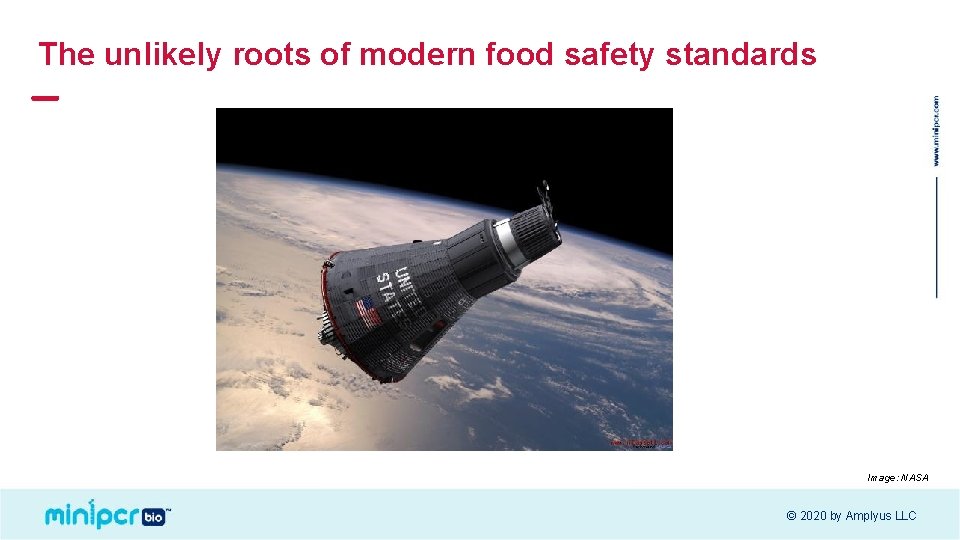
The unlikely roots of modern food safety standards Image: NASA © 2020 by Amplyus LLC
The unlikely roots of modern food safety standards + Images: NASA, Pillsbury © 2020 by Amplyus LLC
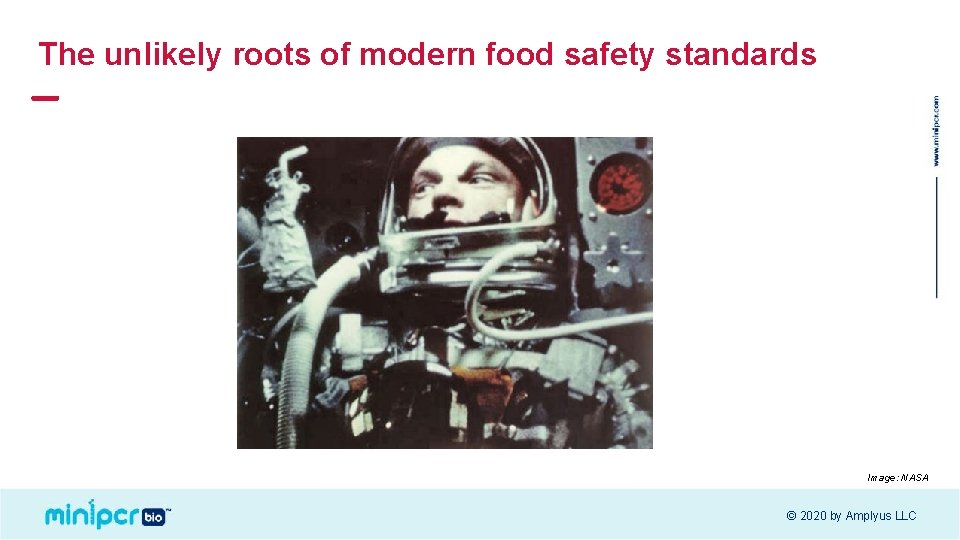
The unlikely roots of modern food safety standards Image: NASA © 2020 by Amplyus LLC
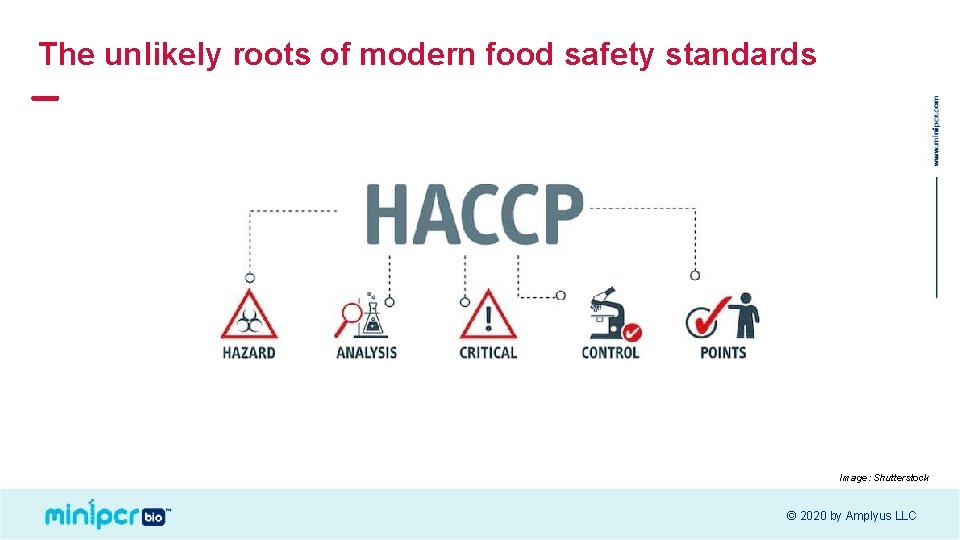
The unlikely roots of modern food safety standards Image: Shutterstock © 2020 by Amplyus LLC
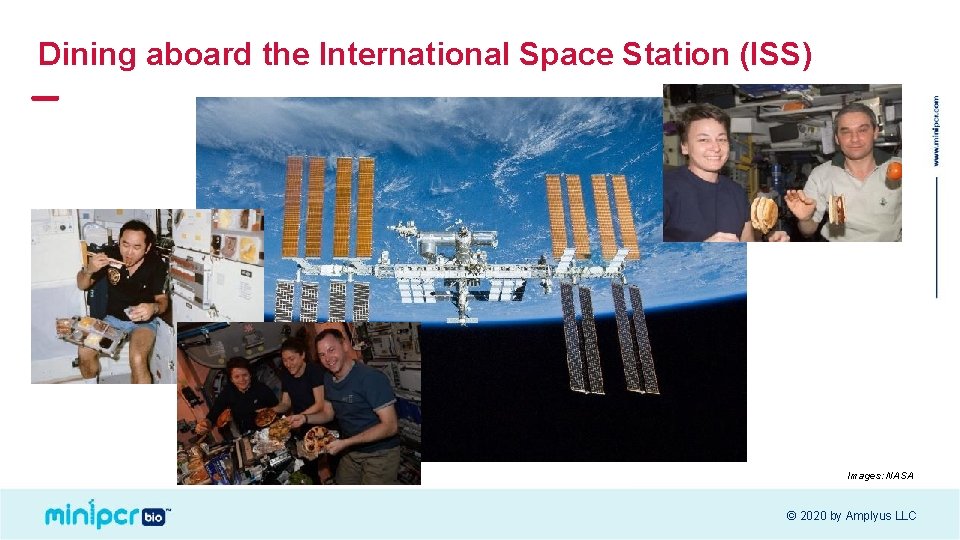
Dining aboard the International Space Station (ISS) Images: NASA © 2020 by Amplyus LLC
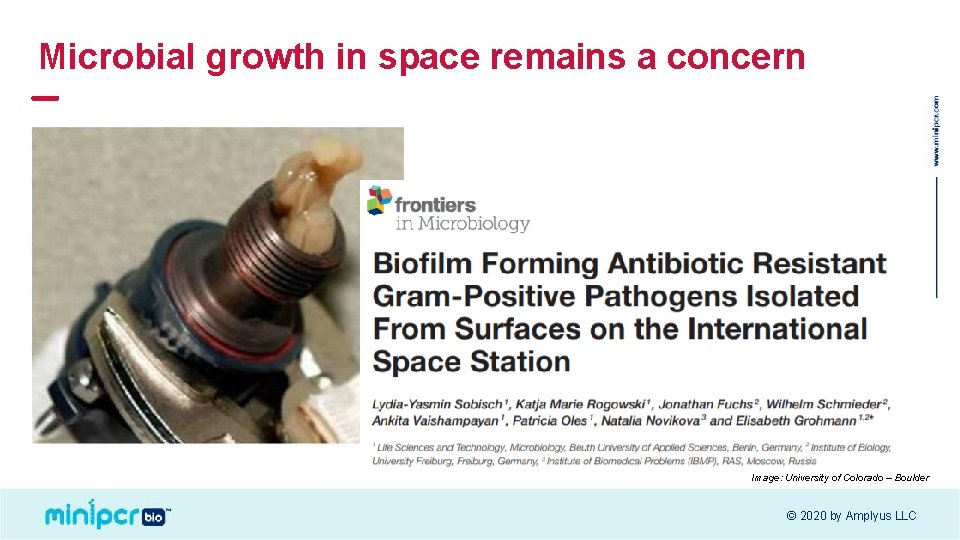
Microbial growth in space remains a concern Image: University of Colorado – Boulder © 2020 by Amplyus LLC
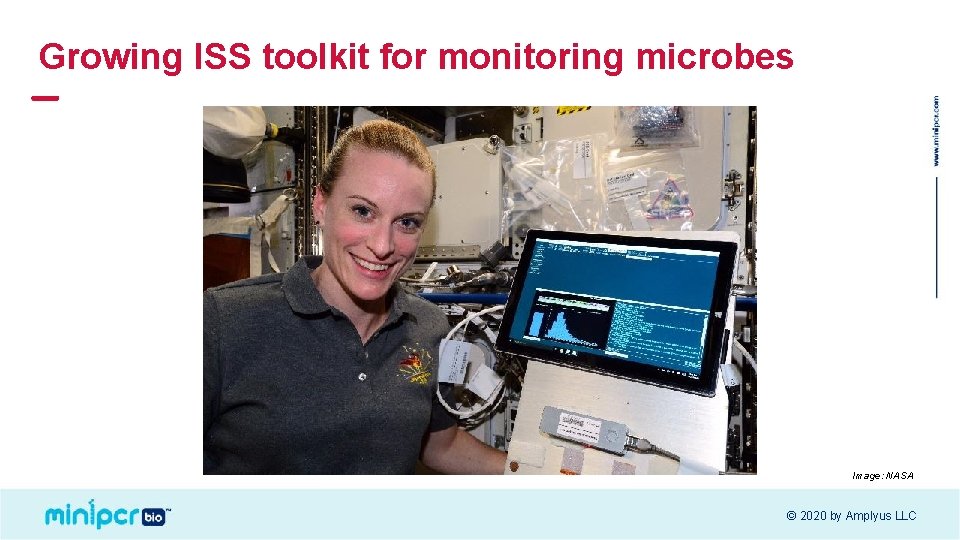
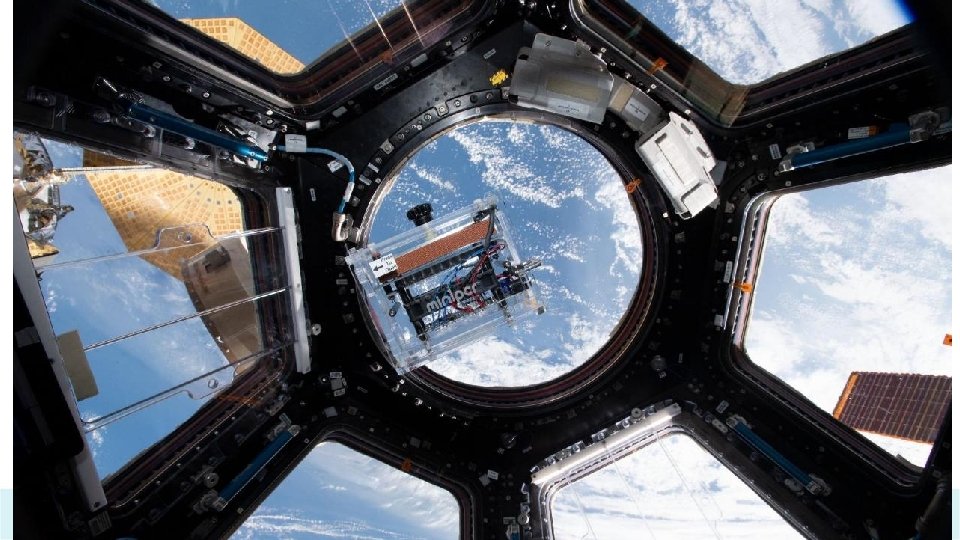
Growing ISS toolkit for monitoring microbes Image: NASA © 2020 by Amplyus LLC
© 2020 by Amplyus LLC
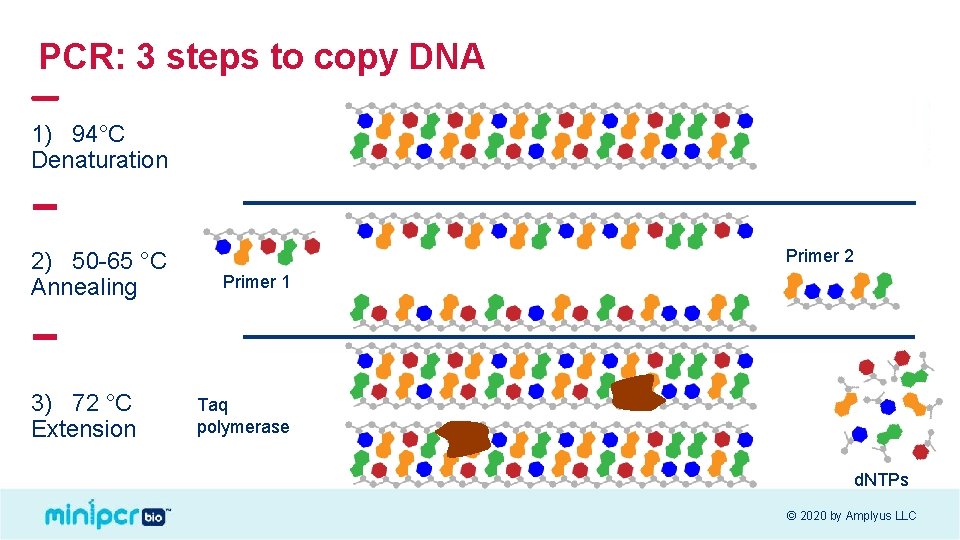
PCR: 3 steps to copy DNA 1) 94°C Denaturation 2) 50 -65 °C Annealing 3) 72 °C Extension Primer 2 Primer 1 Taq polymerase d. NTPs © 2020 by Amplyus LLC
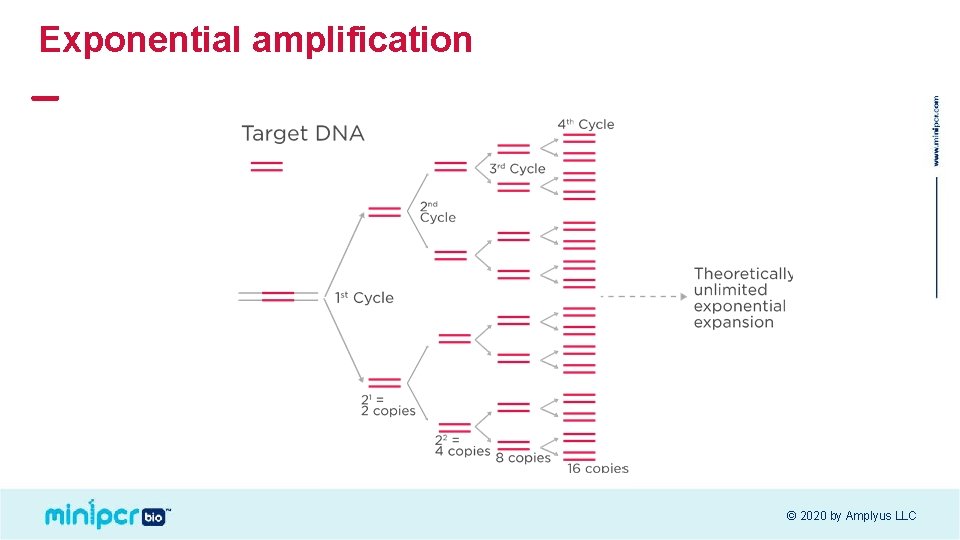
Exponential amplification © 2020 by Amplyus LLC
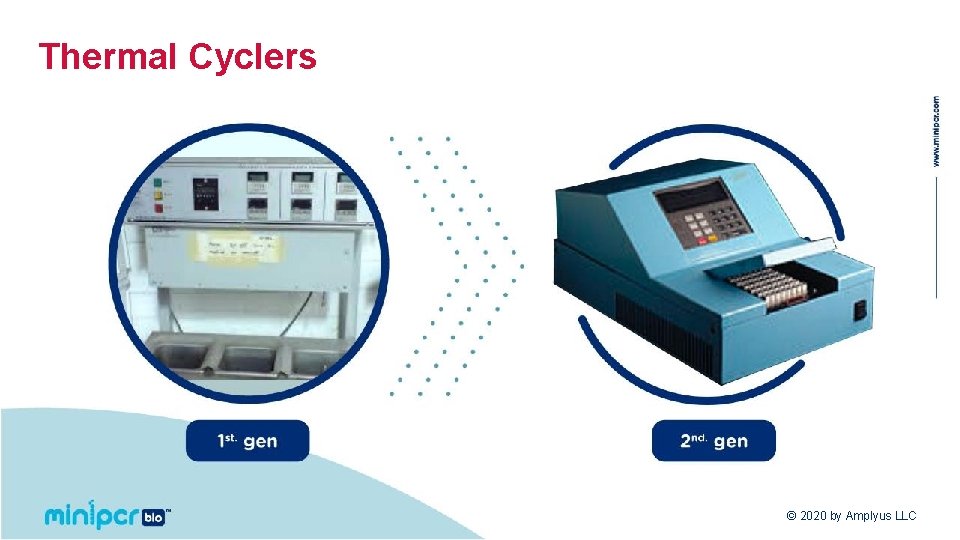
Thermal Cyclers © 2020 by Amplyus LLC
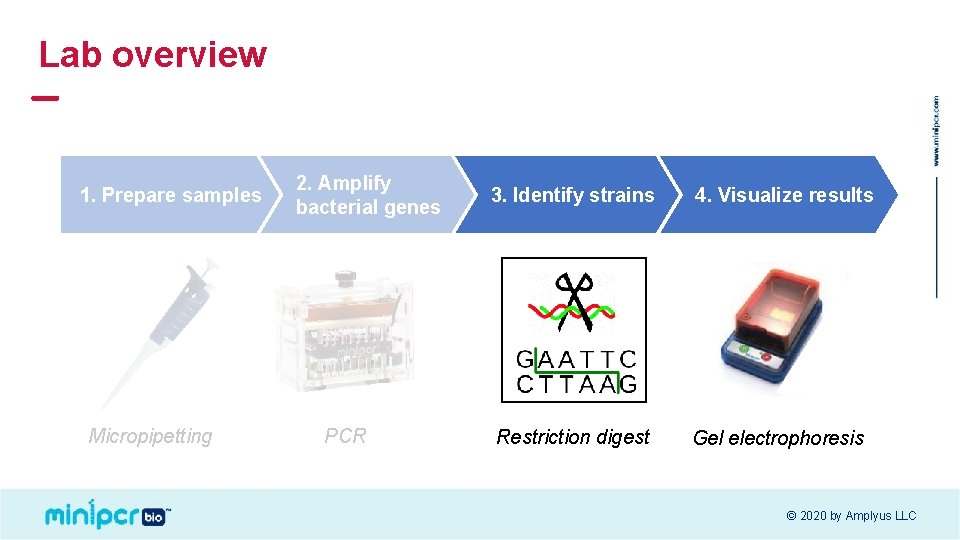
Lab overview 1. Prepare samples Micropipetting 2. Amplify bacterial genes PCR 3. Identify strains 4. Visualize results Restriction digest Gel electrophoresis © 2020 by Amplyus LLC
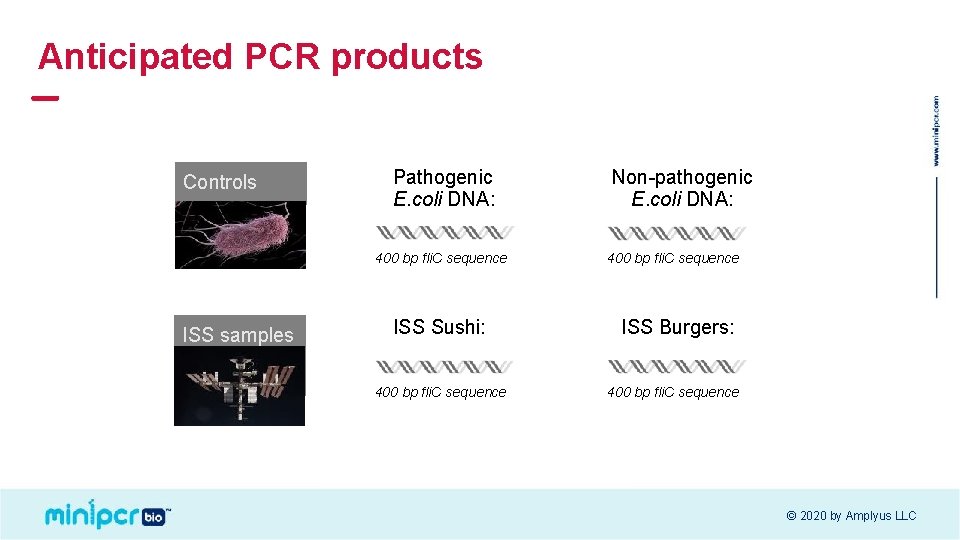
Anticipated PCR products Controls Pathogenic E. coli DNA: 400 bp fli. C sequence ISS samples ISS Sushi: 400 bp fli. C sequence Non-pathogenic E. coli DNA: 400 bp fli. C sequence ISS Burgers: 400 bp fli. C sequence © 2020 by Amplyus LLC
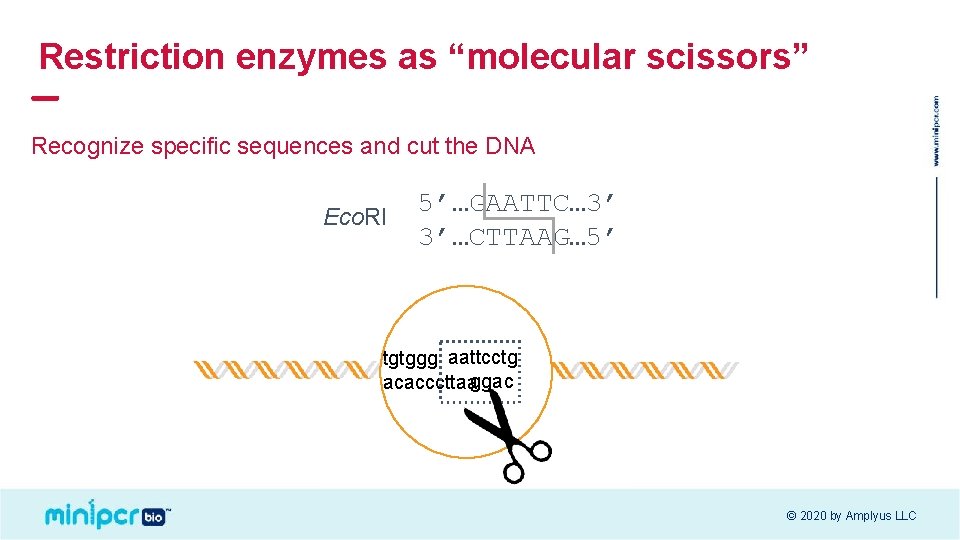
Restriction enzymes as “molecular scissors” Recognize specific sequences and cut the DNA Eco. RI 5’…GAATTC… 3’ 3’…CTTAAG… 5’ tgtggg aattcctg acacccttaaggac © 2020 by Amplyus LLC
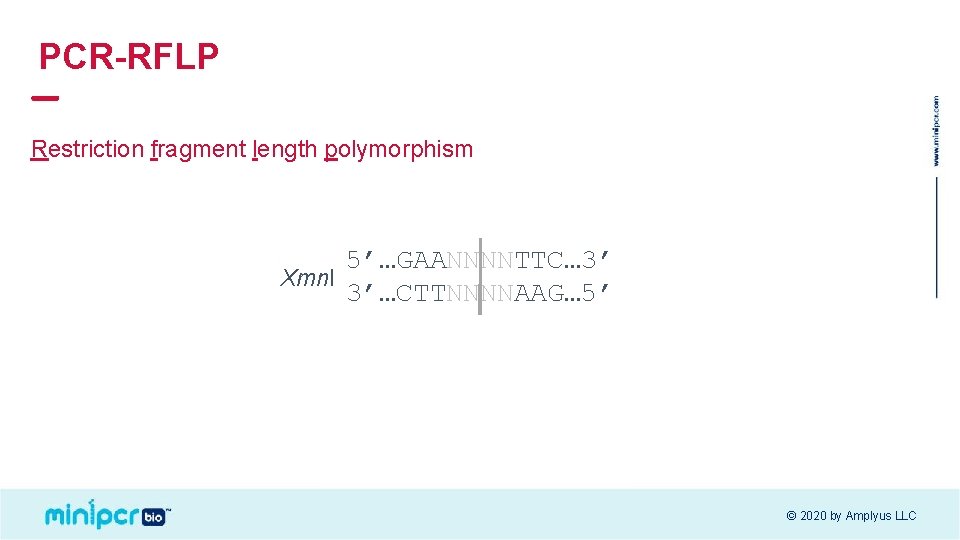
PCR-RFLP Restriction fragment length polymorphism 5’…GAANNNNTTC… 3’ Xmn. I 3’…CTTNNNNAAG… 5’ © 2020 by Amplyus LLC
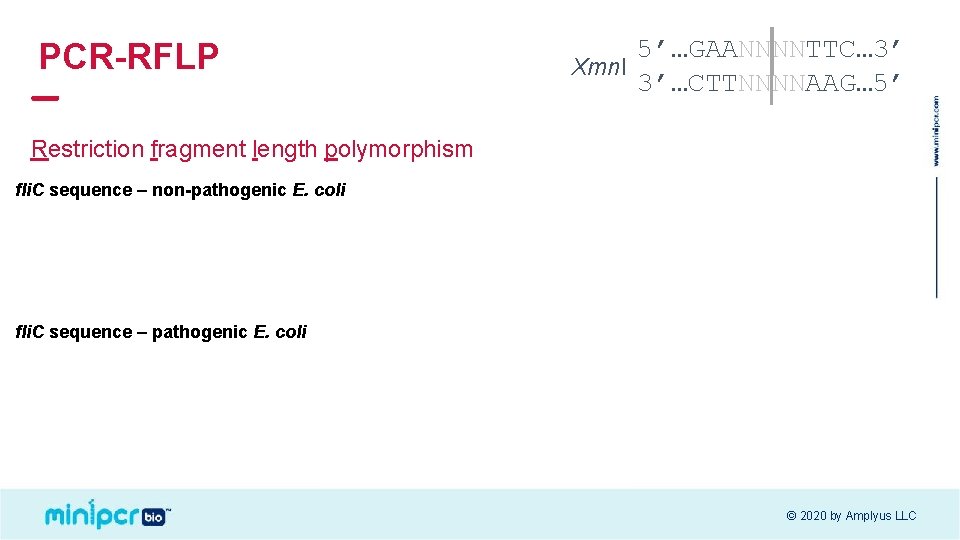
PCR-RFLP 5’…GAANNNNTTC… 3’ Xmn. I 3’…CTTNNNNAAG… 5’ Restriction fragment length polymorphism fli. C sequence – non-pathogenic E. coli fli. C sequence – pathogenic E. coli © 2020 by Amplyus LLC
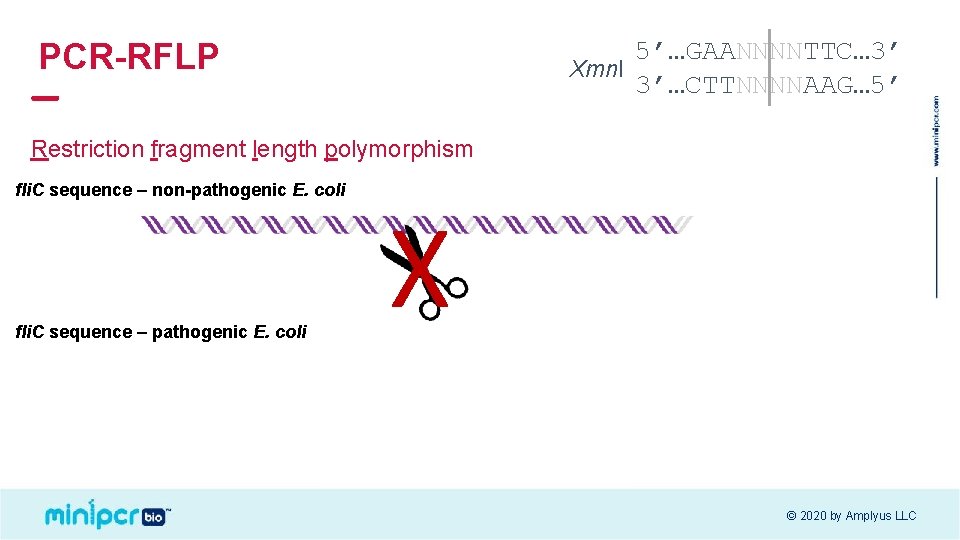
5’…GAANNNNTTC… 3’ Xmn. I 3’…CTTNNNNAAG… 5’ PCR-RFLP Restriction fragment length polymorphism fli. C sequence – non-pathogenic E. coli fli. C sequence – pathogenic E. coli X © 2020 by Amplyus LLC
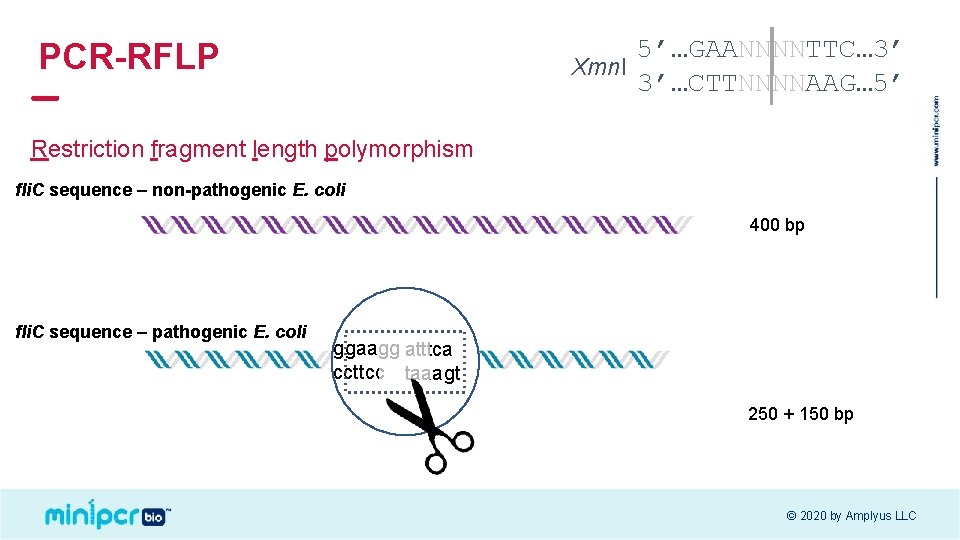
5’…GAANNNNTTC… 3’ Xmn. I 3’…CTTNNNNAAG… 5’ PCR-RFLP Restriction fragment length polymorphism fli. C sequence – non-pathogenic E. coli 400 bp fli. C sequence – pathogenic E. coli ggaagg atttca ccttcc taaagt 250 + 150 bp © 2020 by Amplyus LLC
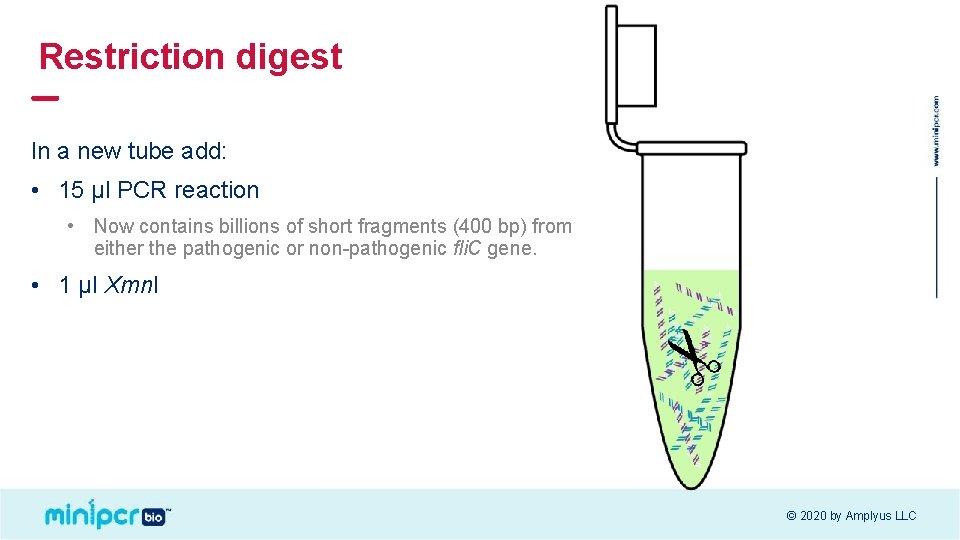
Restriction digest In a new tube add: • 15 µl PCR reaction • Now contains billions of short fragments (400 bp) from either the pathogenic or non-pathogenic fli. C gene. • 1 µl Xmn. I © 2020 by Amplyus LLC
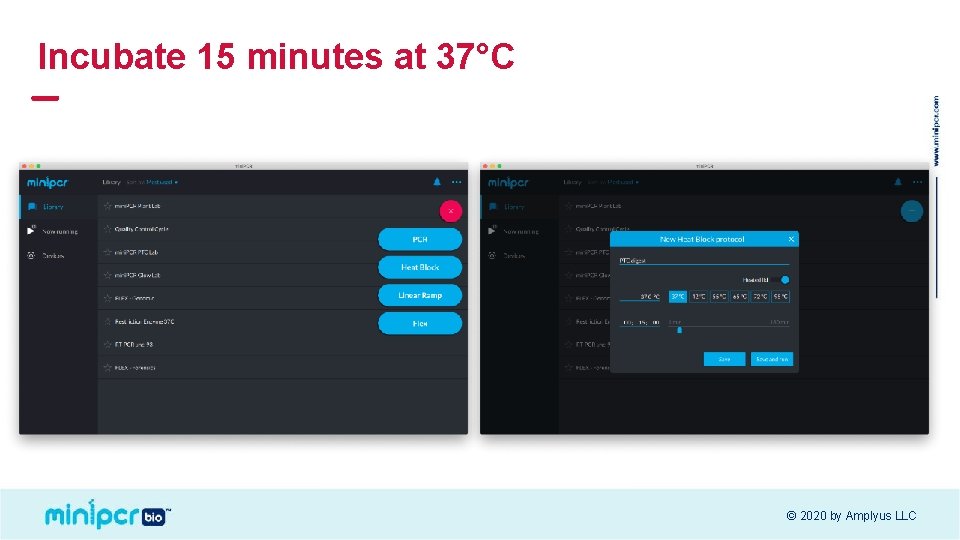
Incubate 15 minutes at 37°C © 2020 by Amplyus LLC
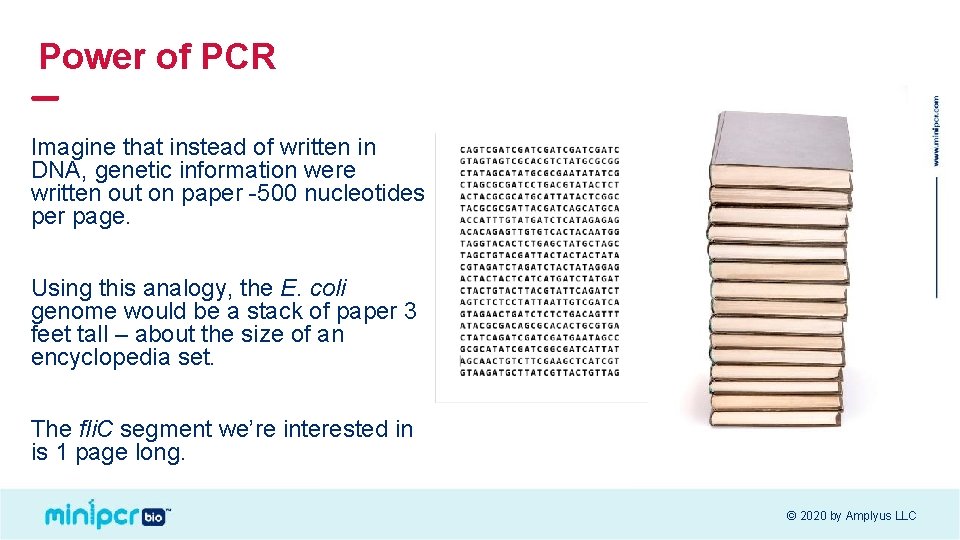
Power of PCR Imagine that instead of written in DNA, genetic information were written out on paper -500 nucleotides per page. Using this analogy, the E. coli genome would be a stack of paper 3 feet tall – about the size of an encyclopedia set. The fli. C segment we’re interested in is 1 page long. © 2020 by Amplyus LLC
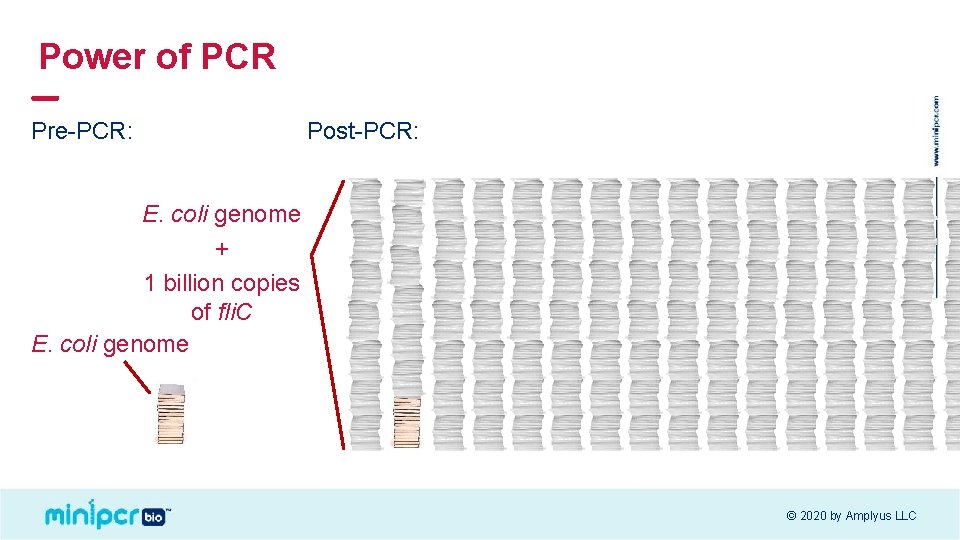
Power of PCR Pre-PCR: Post-PCR: E. coli genome + 1 billion copies of fli. C E. coli genome © 2020 by Amplyus LLC
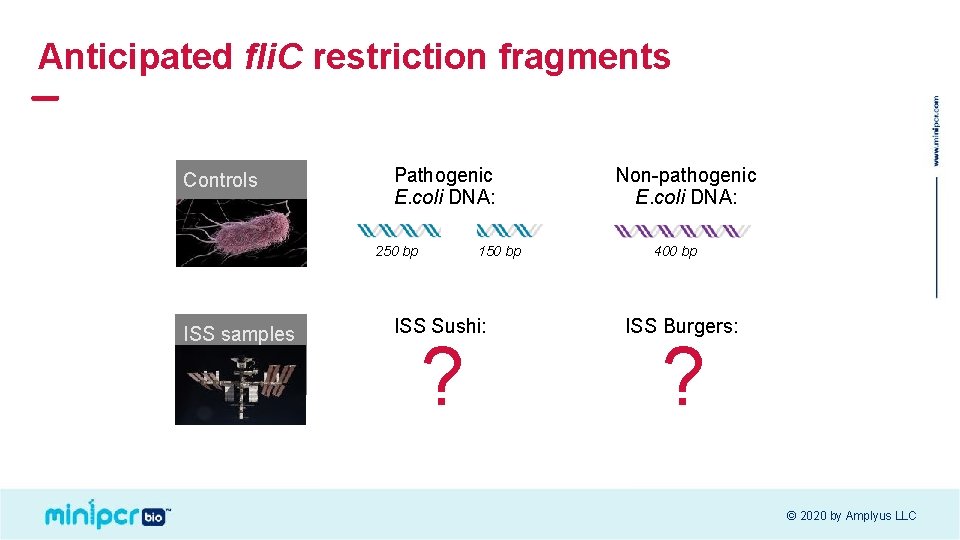
Anticipated fli. C restriction fragments Controls Pathogenic E. coli DNA: 150 bp 250 bp ISS samples ISS Sushi: ? Non-pathogenic E. coli DNA: 400 bp ISS Burgers: ? © 2020 by Amplyus LLC
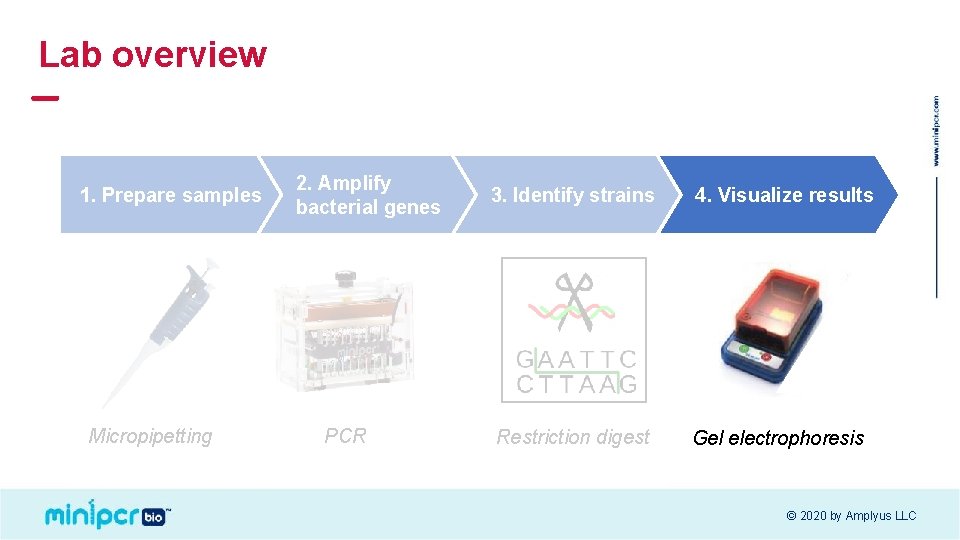
Lab overview 1. Prepare samples Micropipetting 2. Amplify bacterial genes PCR 3. Identify strains 4. Visualize results Restriction digest Gel electrophoresis © 2020 by Amplyus LLC
© 2020 by Amplyus LLC
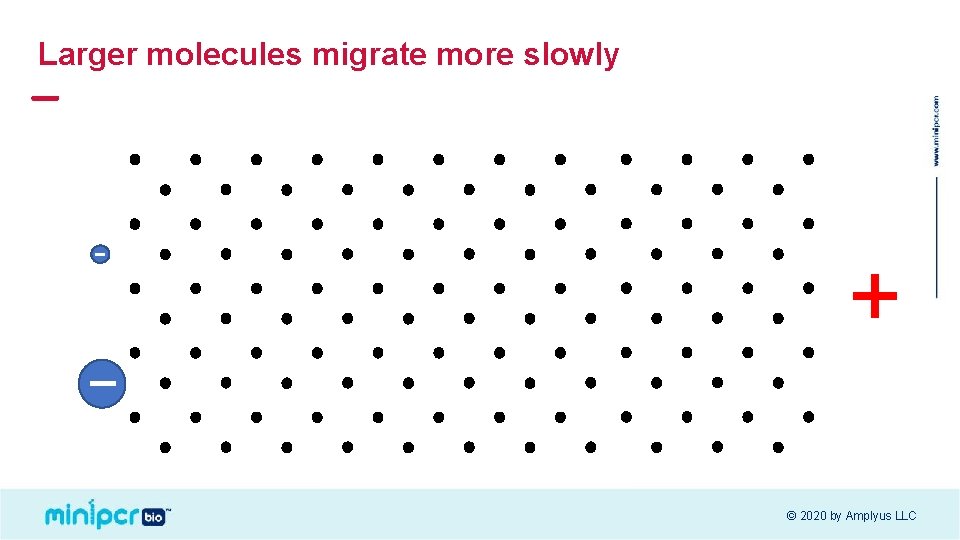
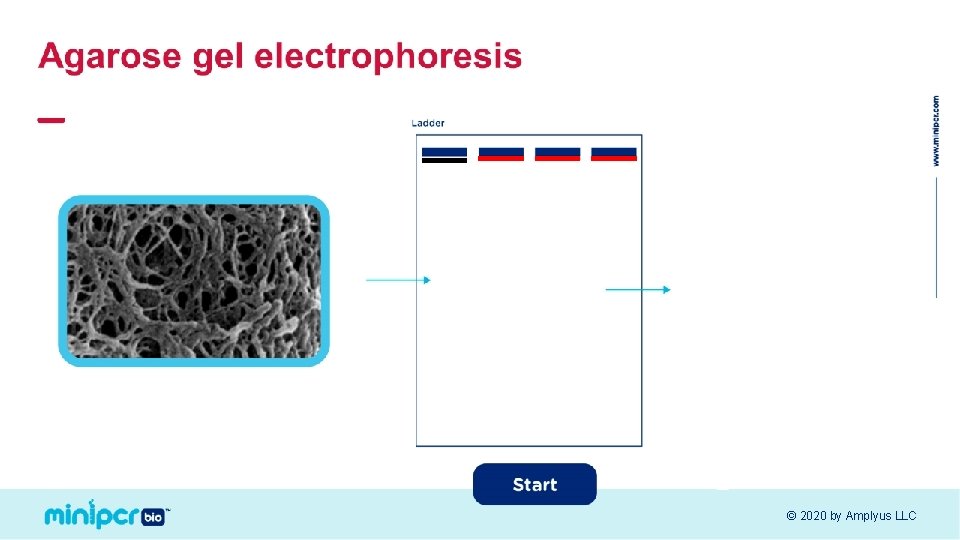
Larger molecules migrate more slowly + © 2020 by Amplyus LLC
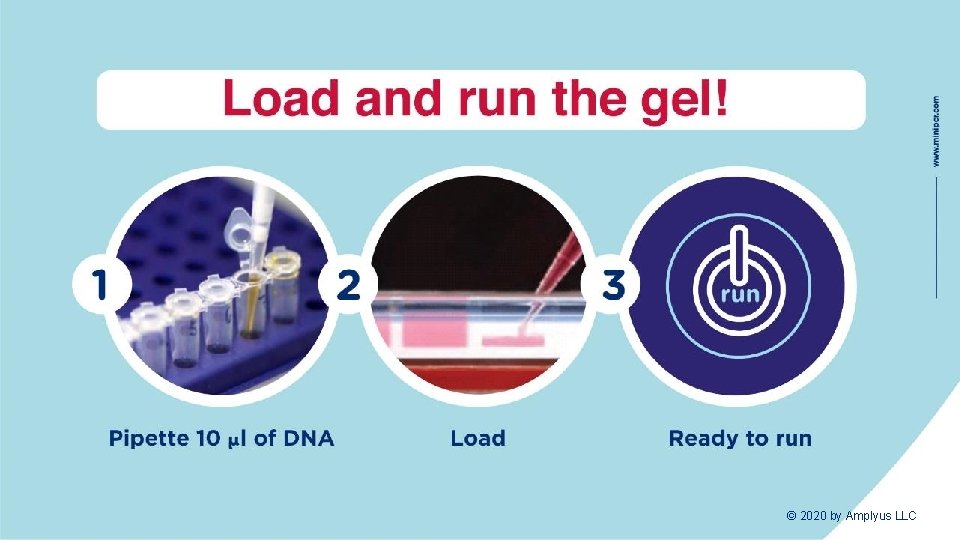
© 2020 by Amplyus LLC
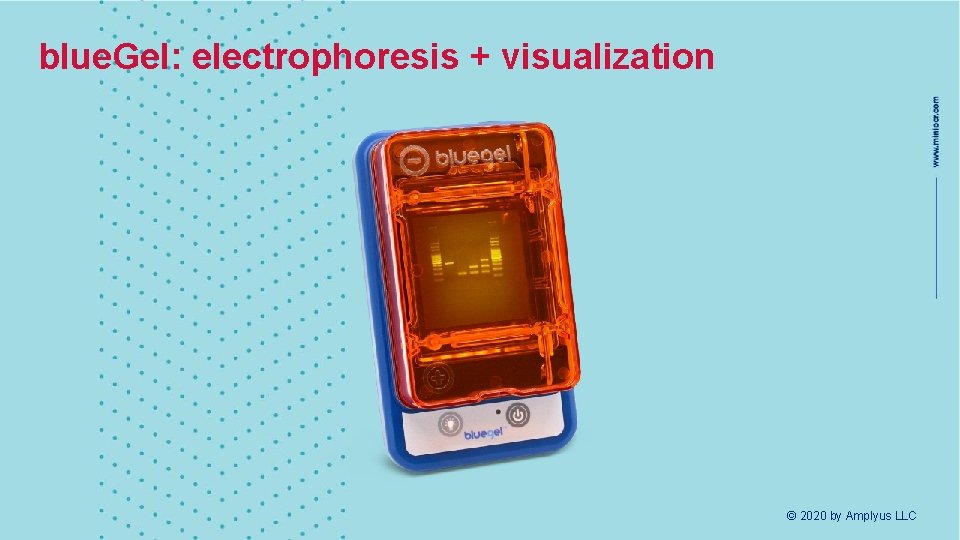
blue. Gel: electrophoresis + visualization © 2020 by Amplyus LLC
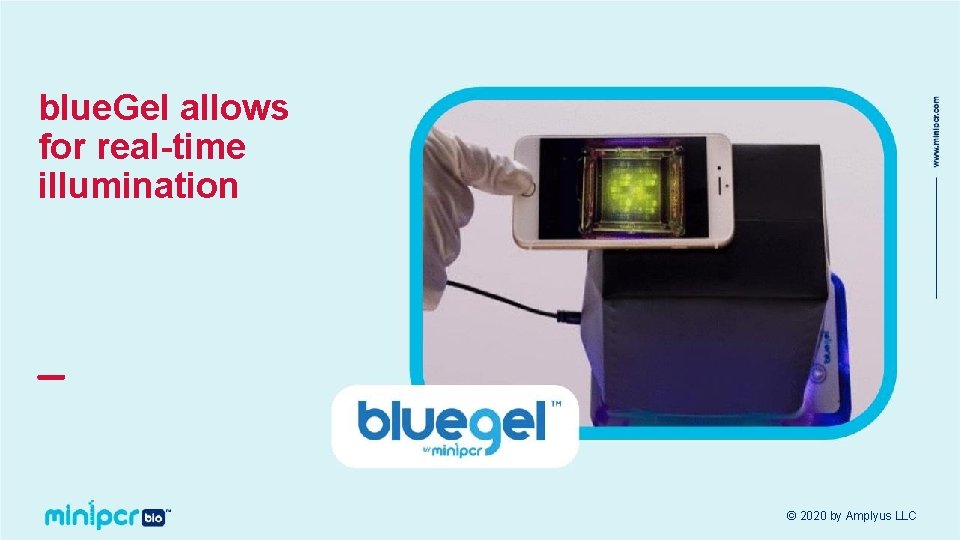
blue. Gel allows for real-time illumination © 2020 by Amplyus LLC
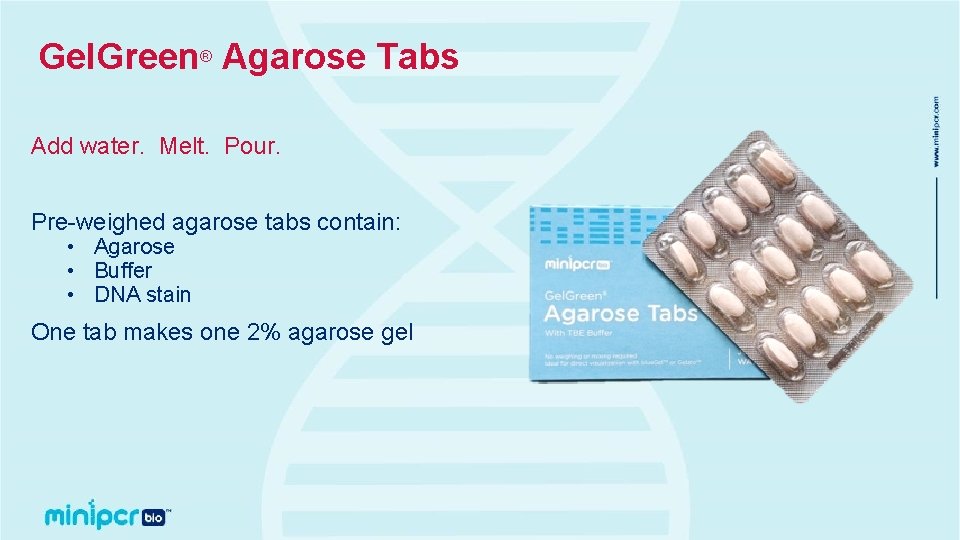
Gel. Green® Agarose Tabs Add water. Melt. Pour. Pre-weighed agarose tabs contain: • Agarose • Buffer • DNA stain One tab makes one 2% agarose gel © 2020 by Amplyus LLC
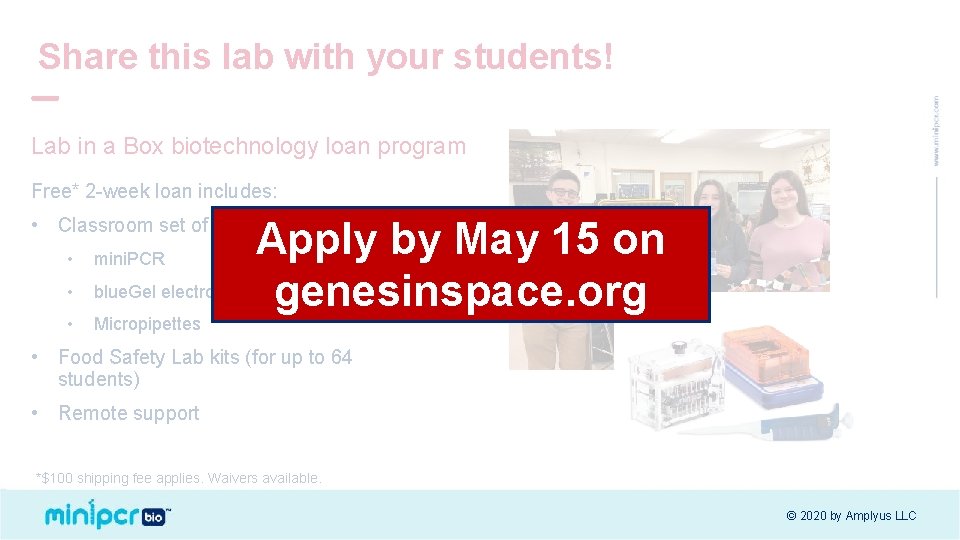
Share this lab with your students! Lab in a Box biotechnology loan program Free* 2 -week loan includes: • Classroom set of hardware • • • Apply by May 15 on blue. Gel electrophoresisgenesinspace. org system mini. PCR Micropipettes • Food Safety Lab kits (for up to 64 students) • Remote support *$100 shipping fee applies. Waivers available. © 2020 by Amplyus LLC

facebook. com/Genes. In. Sp ace twitter. com/genesinspa ce genesinspace@minipcr. c om © 2020 by Amplyus LLC
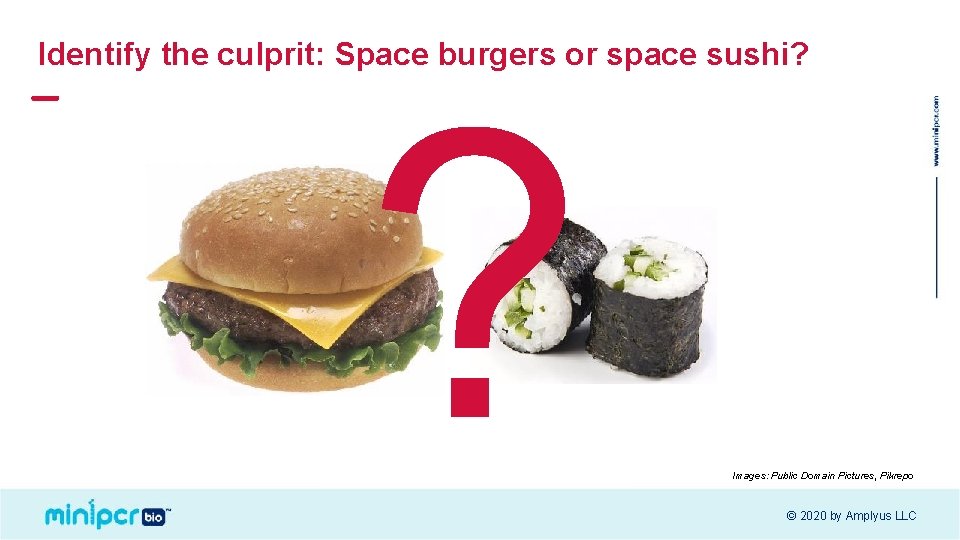
Identify the culprit: Space burgers or space sushi? ? Images: Public Domain Pictures, Pikrepo © 2020 by Amplyus LLC
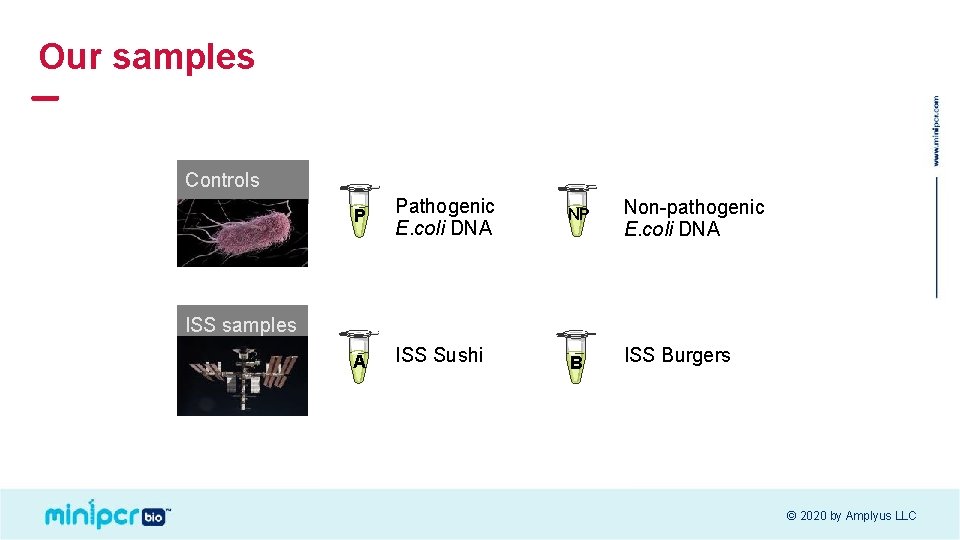
Our samples Controls P Pathogenic E. coli DNA NP Non-pathogenic E. coli DNA A ISS Sushi B ISS Burgers ISS samples © 2020 by Amplyus LLC
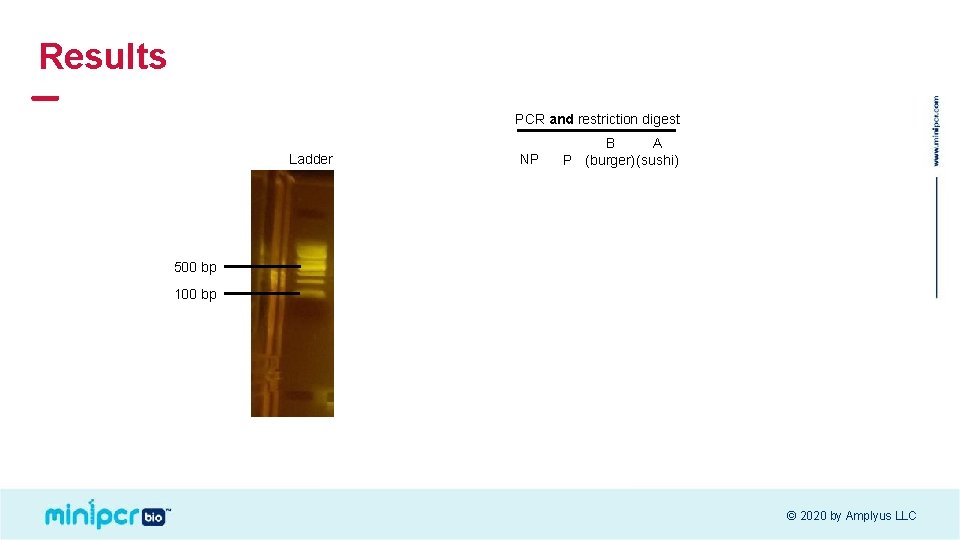
Results PCR only (no restriction digest) Ladder NP PCR and restriction digest B A P (burger) (sushi) NP B A P (burger) (sushi) 500 bp 100 bp © 2020 by Amplyus LLC
Results Image: eater. com © 2020 by Amplyus LLC
A complete molecular biology workflow 1. Prepare samples Micropipetting 2. Amplify bacterial genes PCR 3. Identify strains 4. Visualize results Restriction digest Gel electrophoresis © 2020 by Amplyus LLC
Next steps For your classroom: • Memo issuing recommendations to NASA • Experimental design with Genes in Space For space biology: • DNA sequencing © 2020 by Amplyus LLC
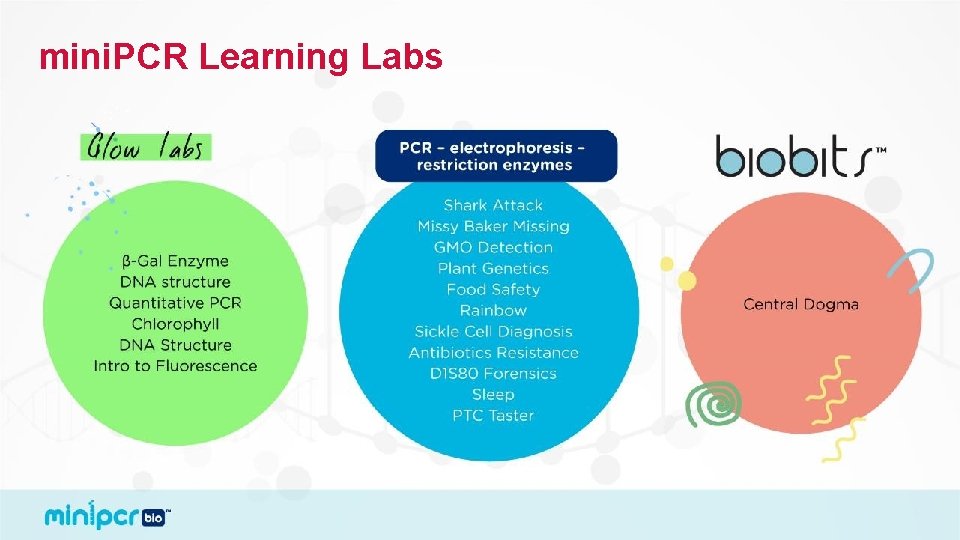
mini. PCR Learning Labs © 2020 by Amplyus LLC
@mini. PCR fb. com/mini. PCR @mini. PCR © 2020 by Amplyus LLC
- Slides: 59