
Genes and the Environment in Cancer Causation Joseph
- Slides: 32
Genes and the Environment in Cancer Causation Joseph F. Fraumeni, Jr. , M. D. Third Annual Alan S. Rabson Award Lecture for Intramural Research National Cancer Institute January 9, 2007
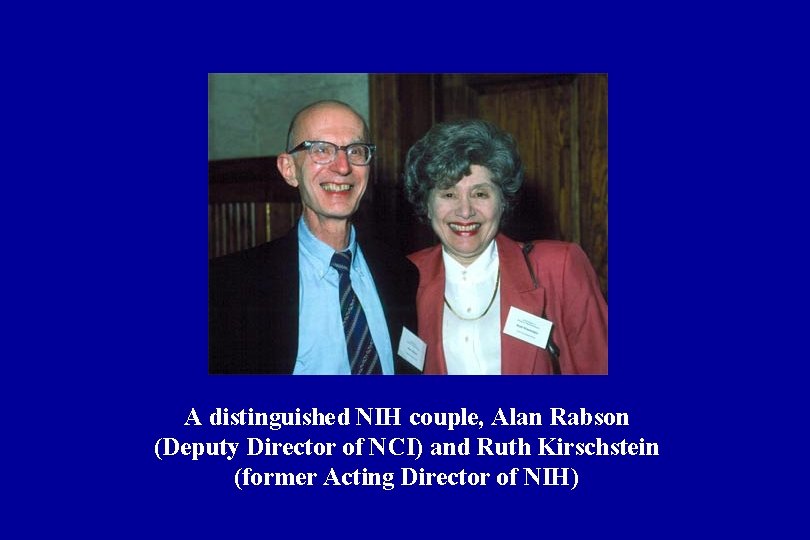
A distinguished NIH couple, Alan Rabson (Deputy Director of NCI) and Ruth Kirschstein (former Acting Director of NIH)
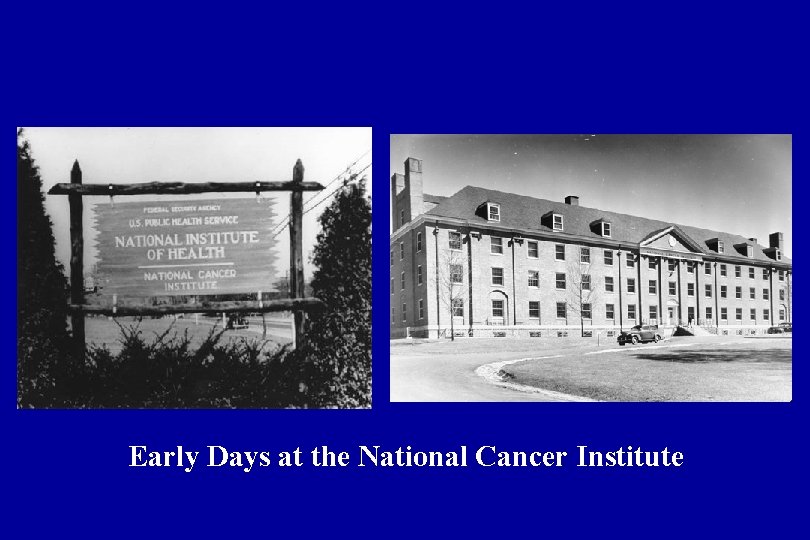
Early Days at the National Cancer Institute
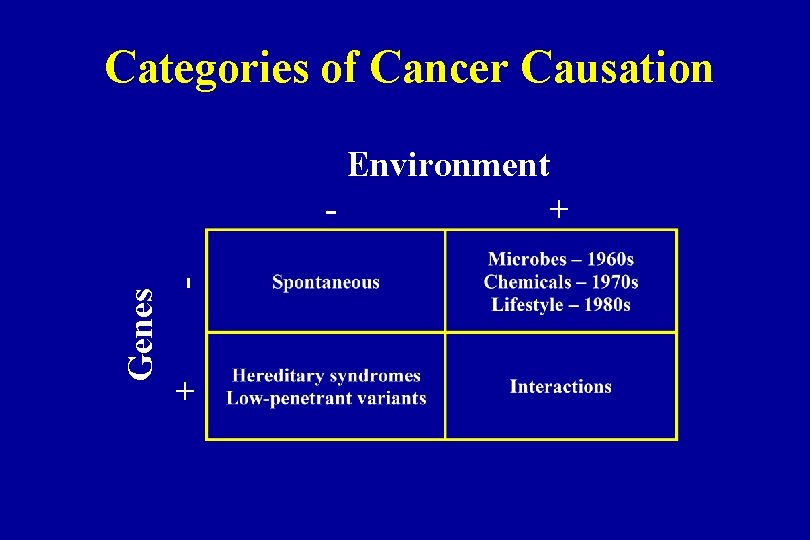
Categories of Cancer Causation Environment Genes + - - +
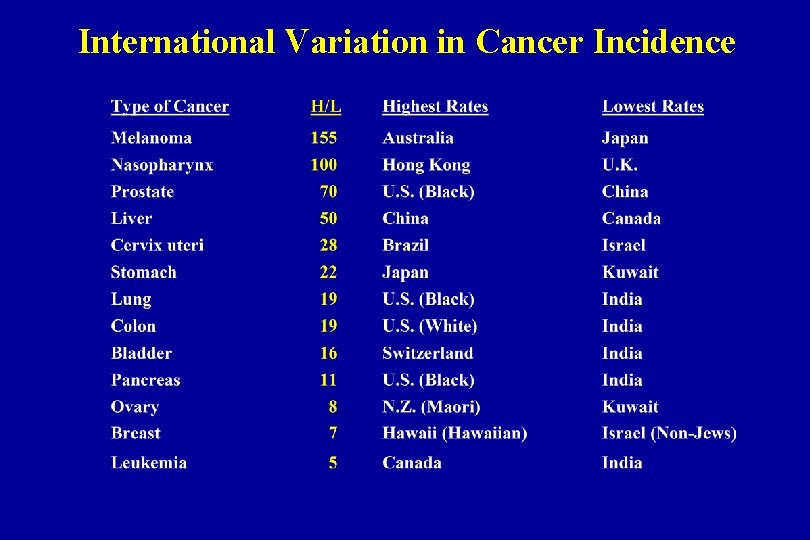
International Variation in Cancer Incidence
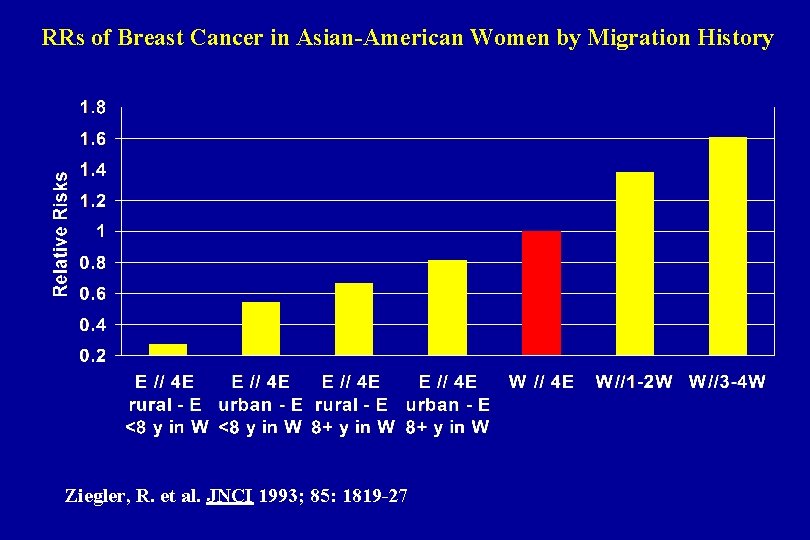
RRs of Breast Cancer in Asian-American Women by Migration History Ziegler, R. et al. JNCI 1993; 85: 1819 -27
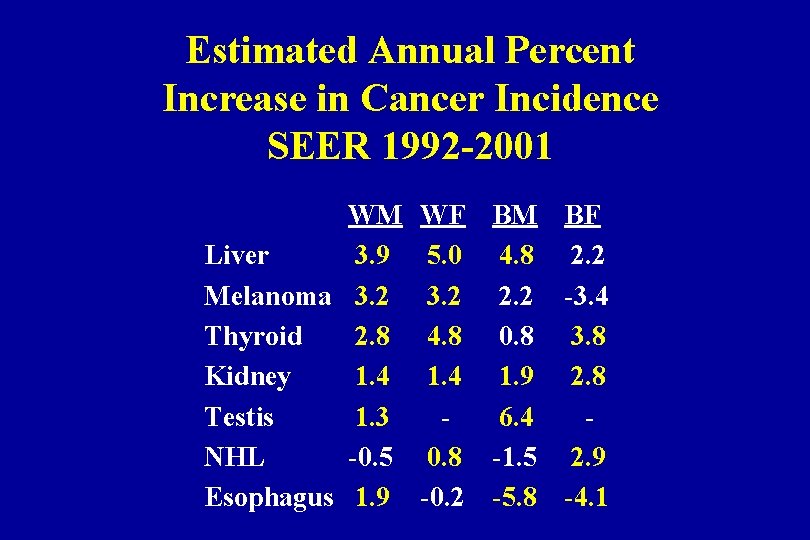
Estimated Annual Percent Increase in Cancer Incidence SEER 1992 -2001 WM Liver 3. 9 Melanoma 3. 2 Thyroid 2. 8 Kidney 1. 4 Testis 1. 3 NHL -0. 5 Esophagus 1. 9 WF BM BF 5. 0 4. 8 2. 2 3. 2 2. 2 -3. 4 4. 8 0. 8 3. 8 1. 4 1. 9 2. 8 6. 4 0. 8 -1. 5 2. 9 -0. 2 -5. 8 -4. 1
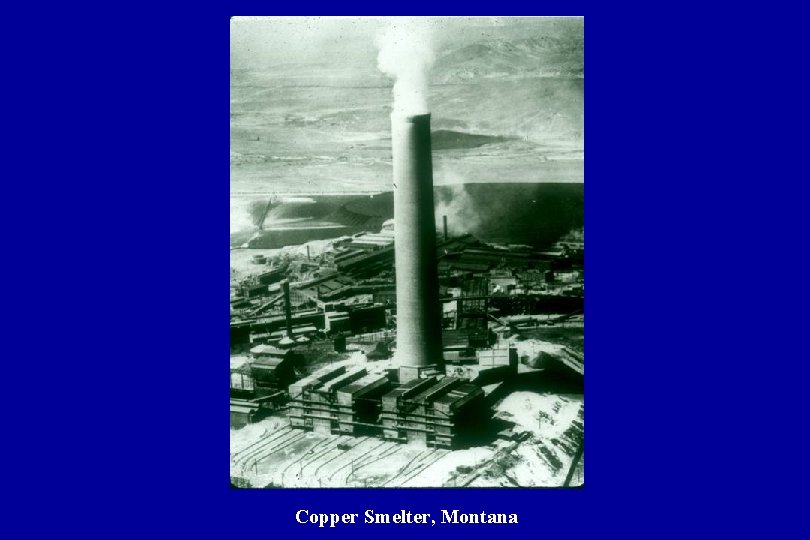
Copper Smelter, Montana
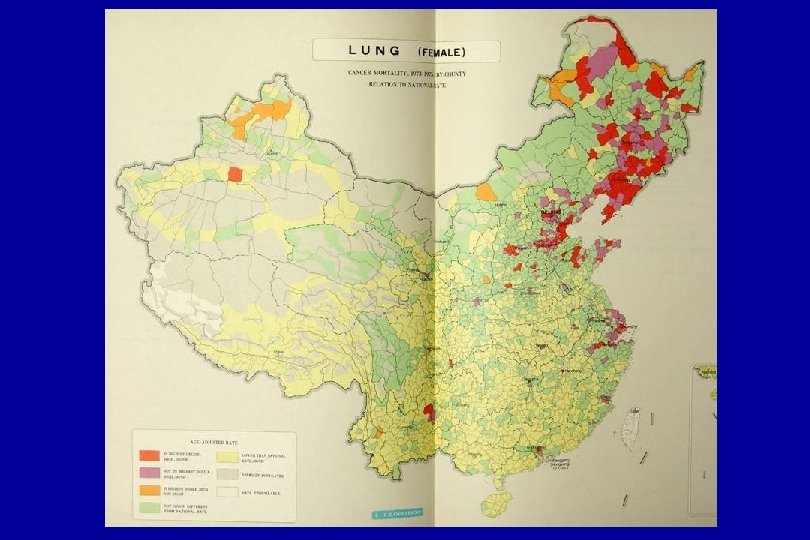
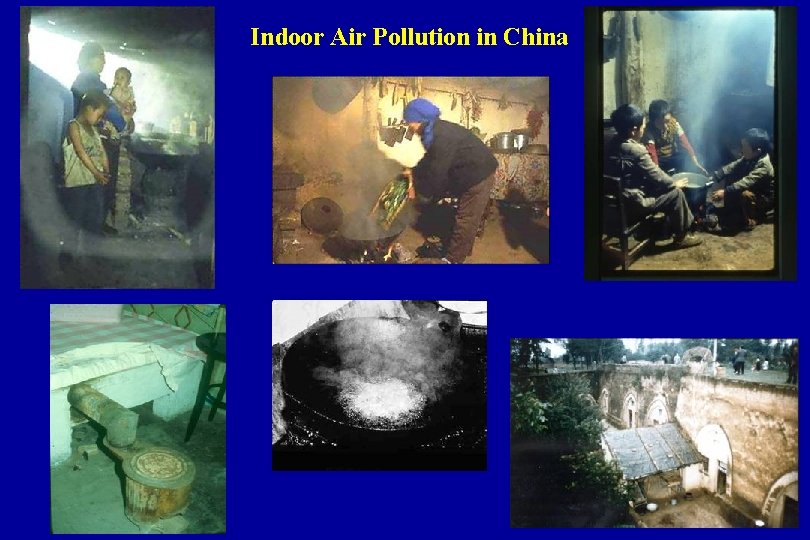
Indoor Air Pollution in China
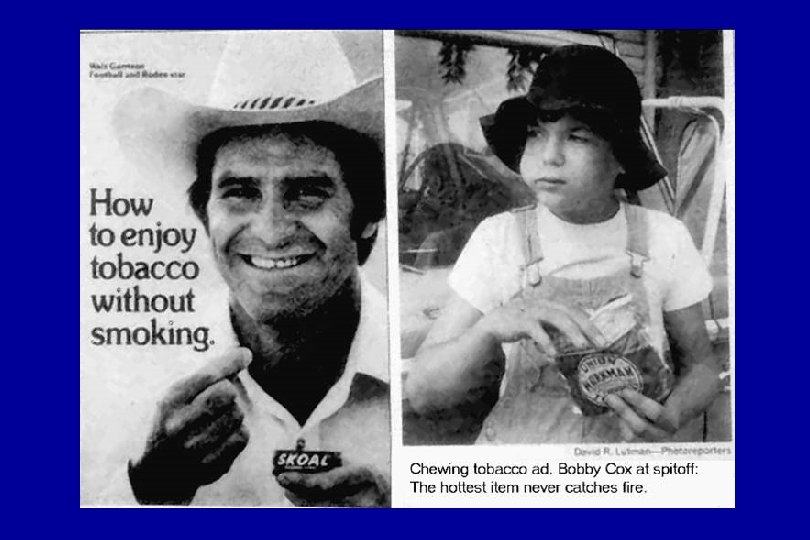
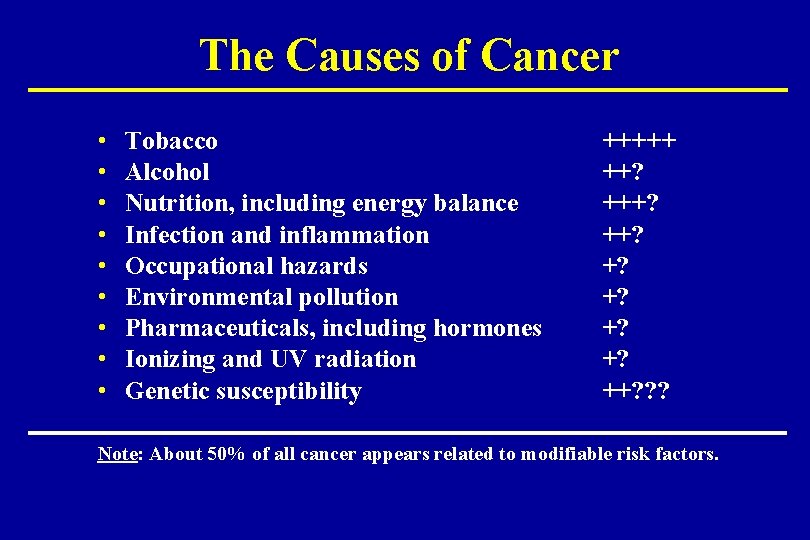
The Causes of Cancer • • • Tobacco Alcohol Nutrition, including energy balance Infection and inflammation Occupational hazards Environmental pollution Pharmaceuticals, including hormones Ionizing and UV radiation Genetic susceptibility +++++ ++? ++? +? +? ++? ? ? Note: About 50% of all cancer appears related to modifiable risk factors.
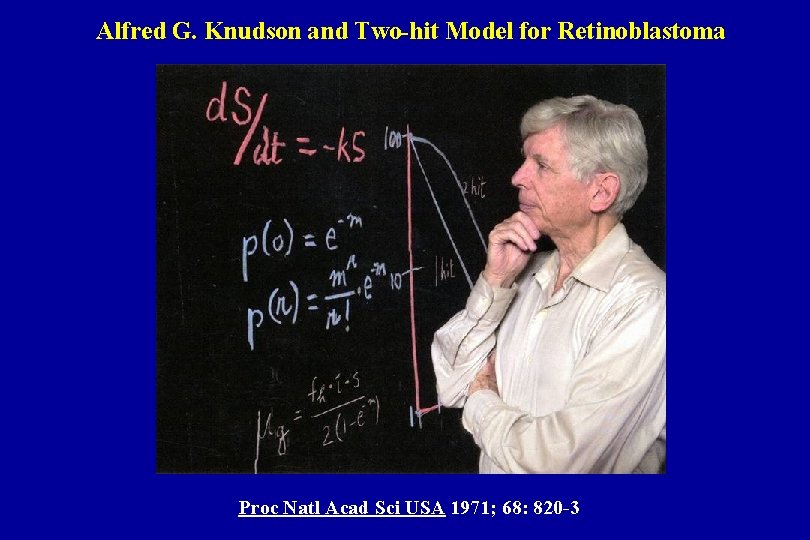
Alfred G. Knudson and Two-hit Model for Retinoblastoma Proc Natl Acad Sci USA 1971; 68: 820 -3
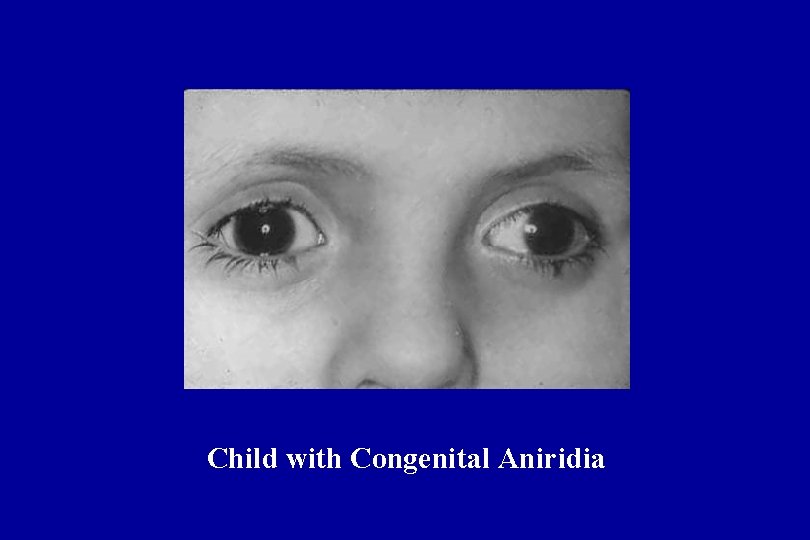
Child with Congenital Aniridia
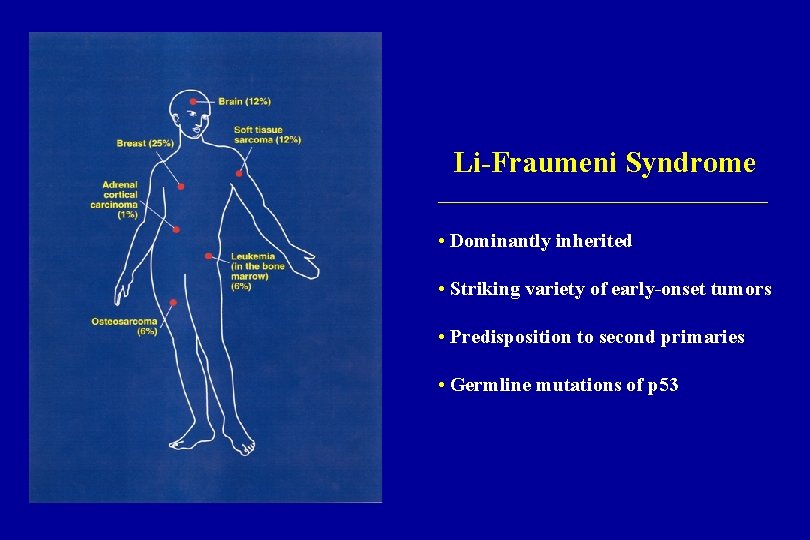
Li-Fraumeni Syndrome _________________ • Dominantly inherited • Striking variety of early-onset tumors • Predisposition to second primaries • Germline mutations of p 53
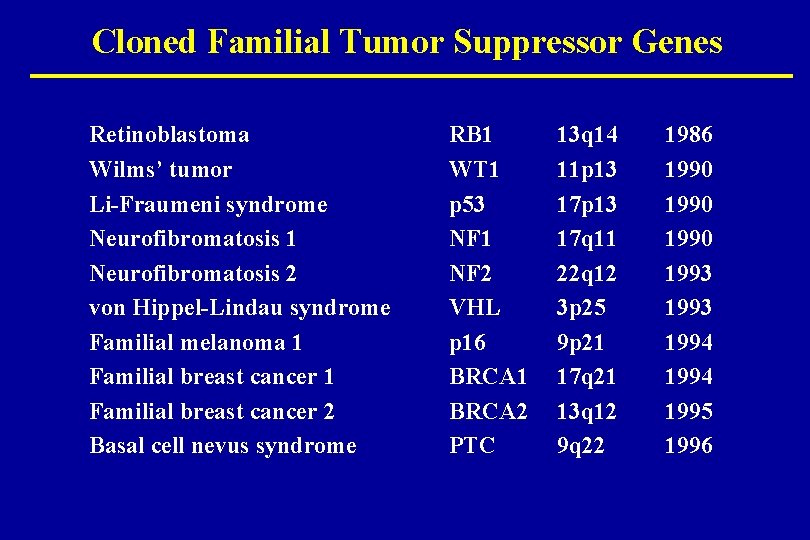
Cloned Familial Tumor Suppressor Genes Retinoblastoma Wilms’ tumor Li-Fraumeni syndrome Neurofibromatosis 1 Neurofibromatosis 2 von Hippel-Lindau syndrome Familial melanoma 1 Familial breast cancer 2 Basal cell nevus syndrome RB 1 WT 1 p 53 NF 1 NF 2 VHL p 16 BRCA 1 BRCA 2 PTC 13 q 14 11 p 13 17 q 11 22 q 12 3 p 25 9 p 21 17 q 21 13 q 12 9 q 22 1986 1990 1993 1994 1995 1996
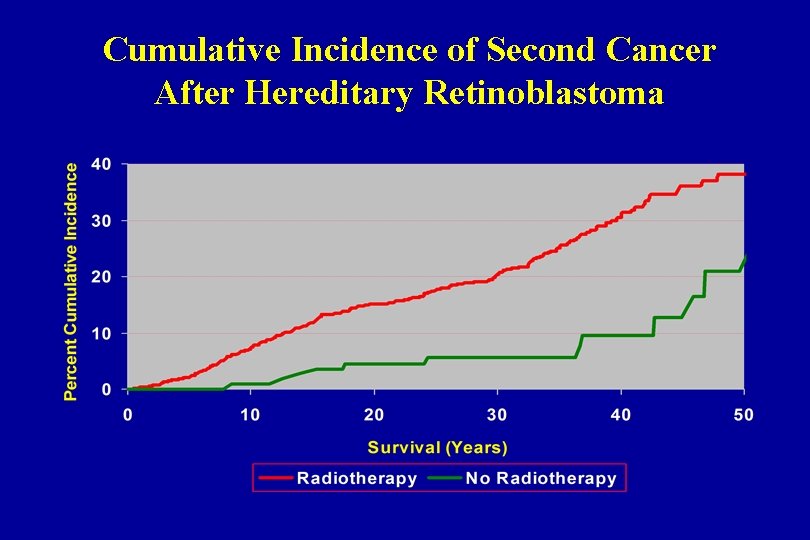
Cumulative Incidence of Second Cancer After Hereditary Retinoblastoma
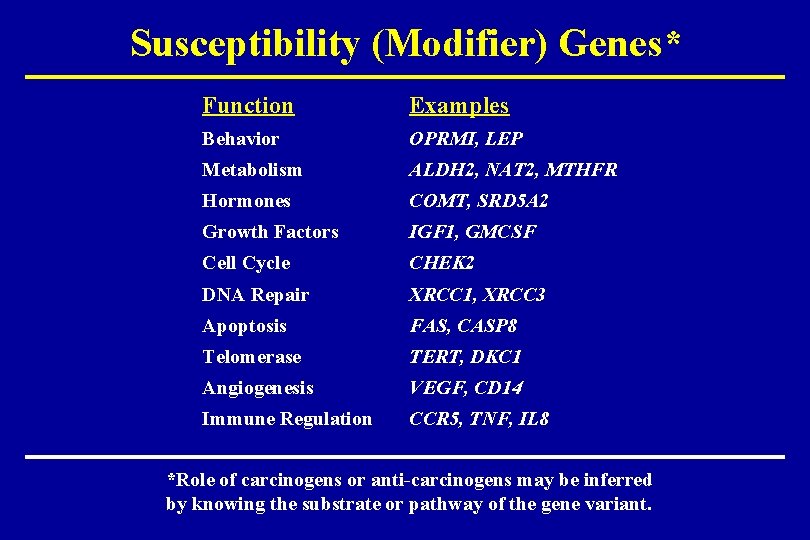
Susceptibility (Modifier) Genes* Function Examples Behavior OPRMI, LEP Metabolism ALDH 2, NAT 2, MTHFR Hormones COMT, SRD 5 A 2 Growth Factors IGF 1, GMCSF Cell Cycle CHEK 2 DNA Repair XRCC 1, XRCC 3 Apoptosis FAS, CASP 8 Telomerase TERT, DKC 1 Angiogenesis VEGF, CD 14 Immune Regulation CCR 5, TNF, IL 8 *Role of carcinogens or anti-carcinogens may be inferred by knowing the substrate or pathway of the gene variant.
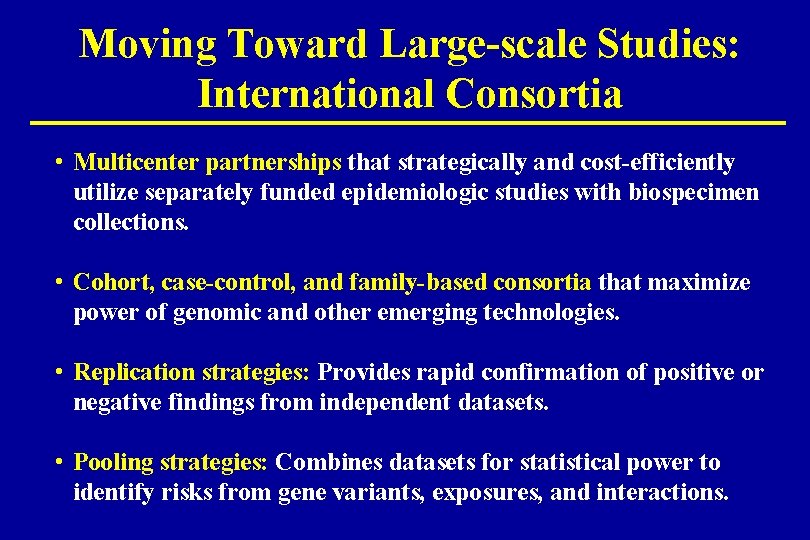
Moving Toward Large-scale Studies: International Consortia • Multicenter partnerships that strategically and cost-efficiently utilize separately funded epidemiologic studies with biospecimen collections. • Cohort, case-control, and family-based consortia that maximize power of genomic and other emerging technologies. • Replication strategies: Provides rapid confirmation of positive or negative findings from independent datasets. • Pooling strategies: Combines datasets for statistical power to identify risks from gene variants, exposures, and interactions.
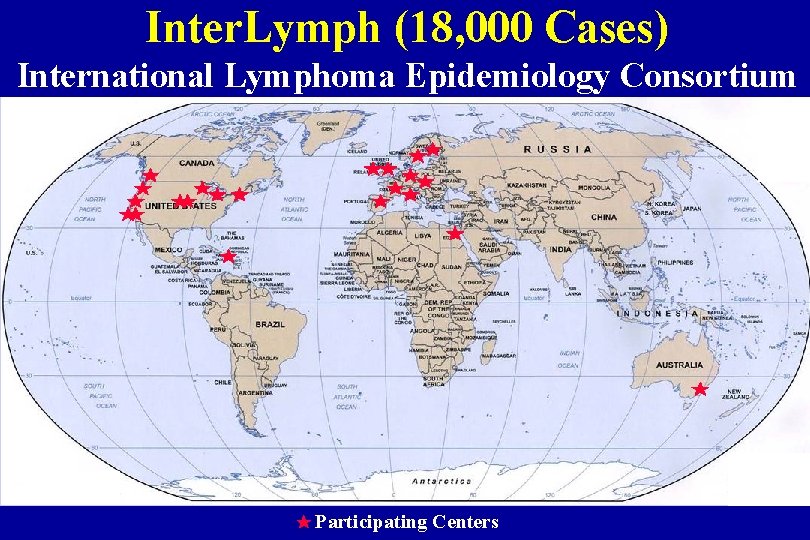
Inter. Lymph (18, 000 Cases) International Lymphoma Epidemiology Consortium Participating Centers
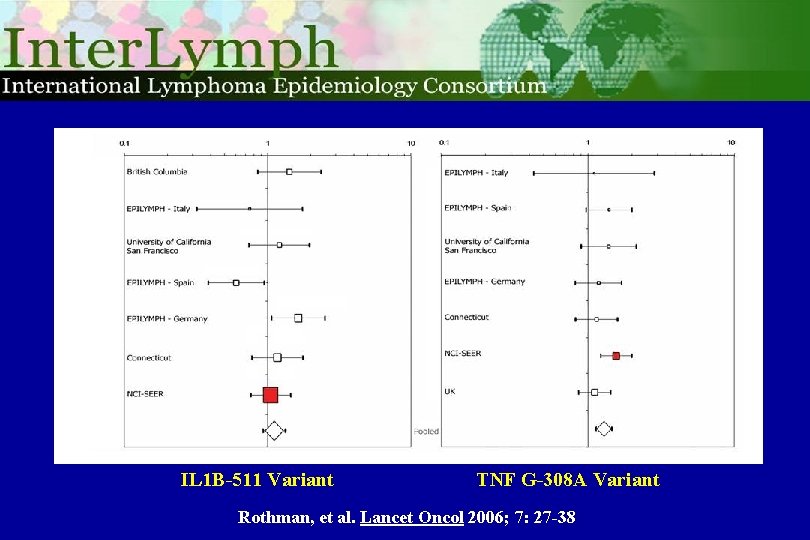
IL 1 B-511 Variant TNF G-308 A Variant Rothman, et al. Lancet Oncol 2006; 7: 27 -38
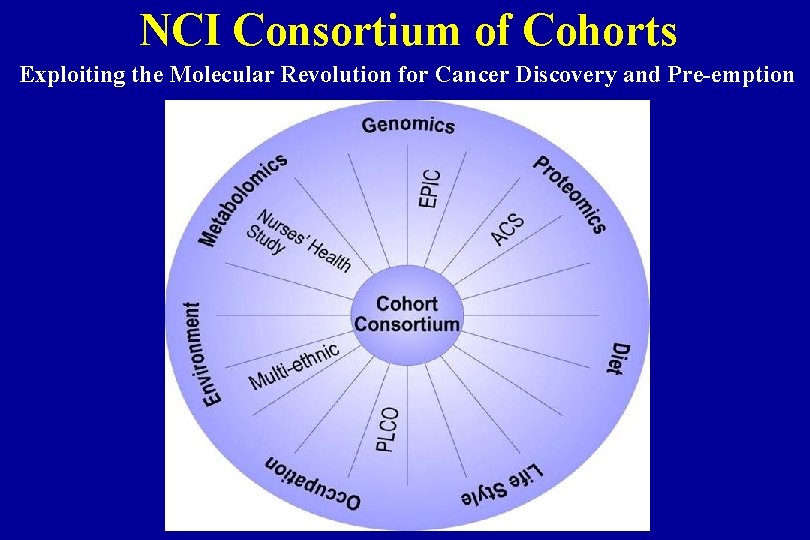
NCI Consortium of Cohorts Exploiting the Molecular Revolution for Cancer Discovery and Pre-emption
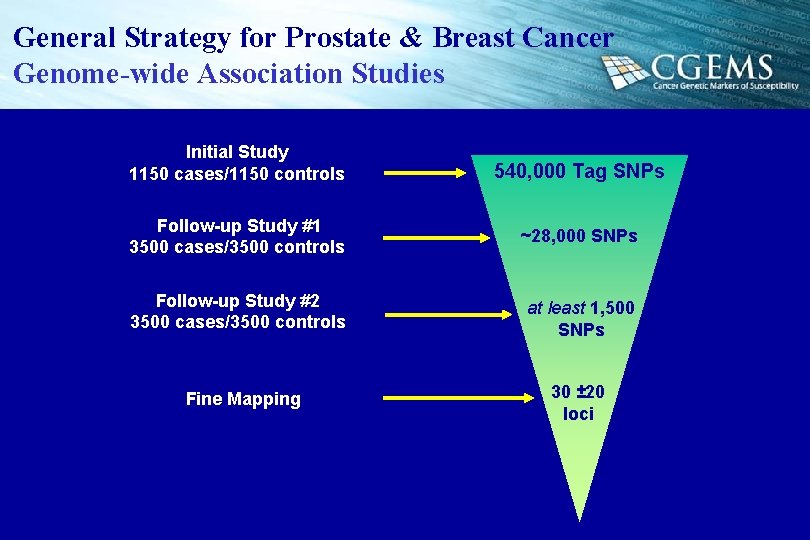
General Strategy for Prostate & Breast Cancer Genome-wide Association Studies Initial Study 1150 cases/1150 controls 540, 000 Tag SNPs Follow-up Study #1 3500 cases/3500 controls ~28, 000 SNPs Follow-up Study #2 3500 cases/3500 controls at least 1, 500 SNPs Fine Mapping 30 ± 20 loci
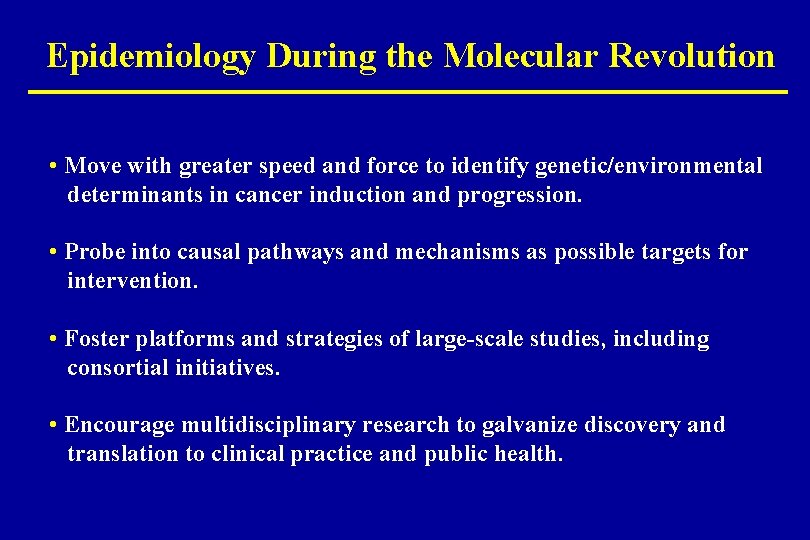
Epidemiology During the Molecular Revolution • Move with greater speed and force to identify genetic/environmental determinants in cancer induction and progression. • Probe into causal pathways and mechanisms as possible targets for intervention. • Foster platforms and strategies of large-scale studies, including consortial initiatives. • Encourage multidisciplinary research to galvanize discovery and translation to clinical practice and public health.
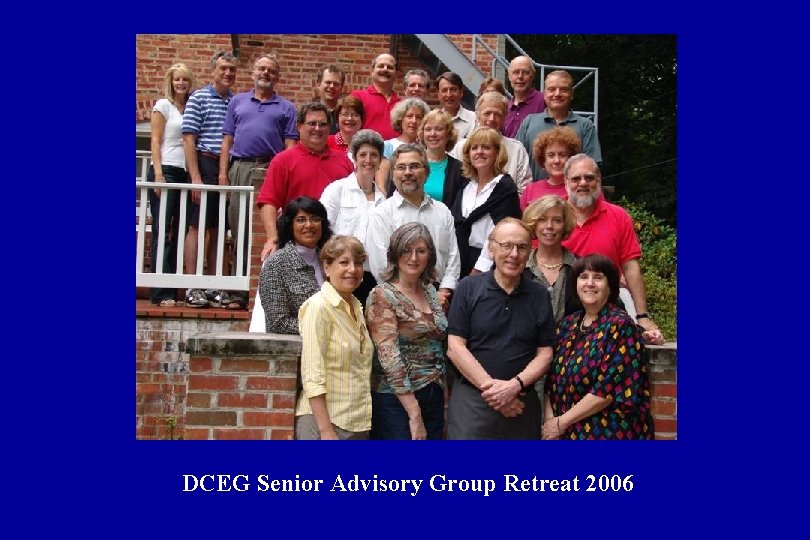
DCEG Senior Advisory Group Retreat 2006
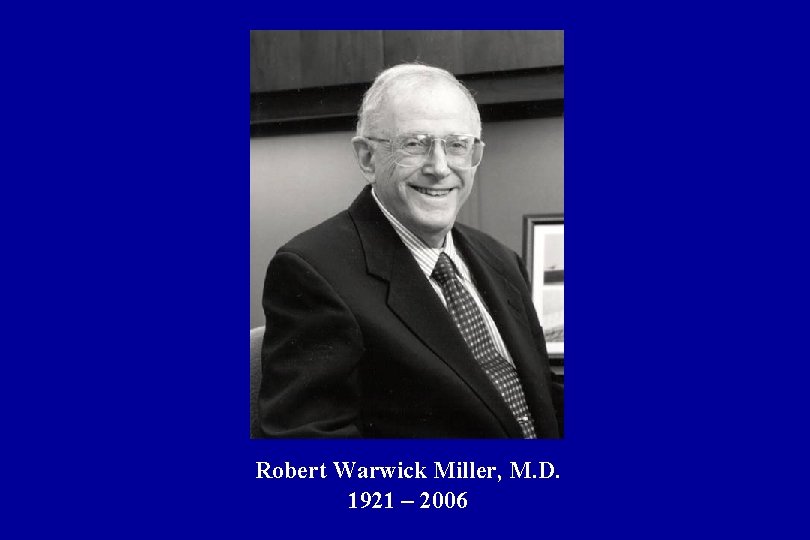
Robert Warwick Miller, M. D. 1921 – 2006